Monterey Jack
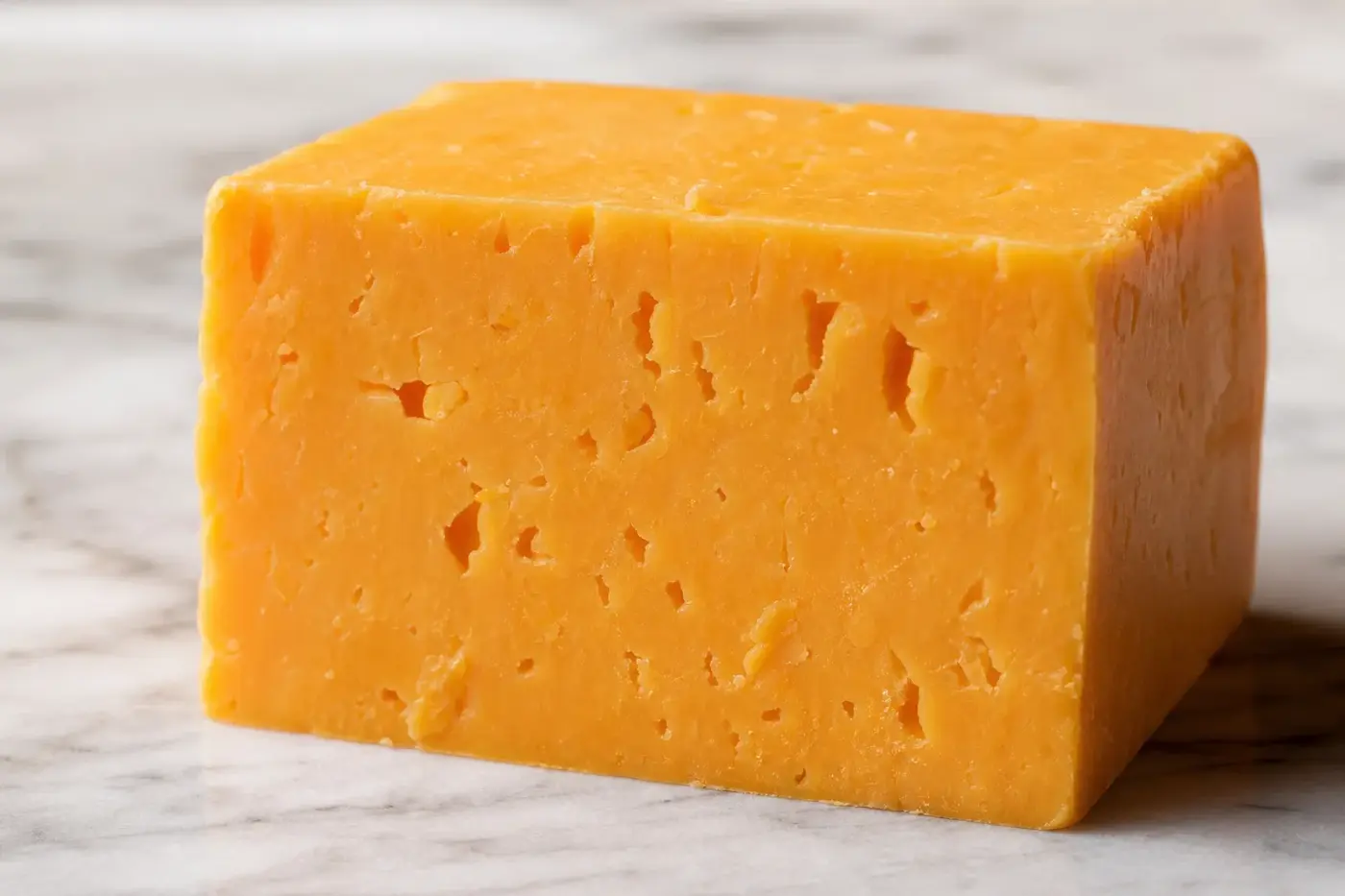
Your knife slips through young Monterey Jack with barely a complaint.
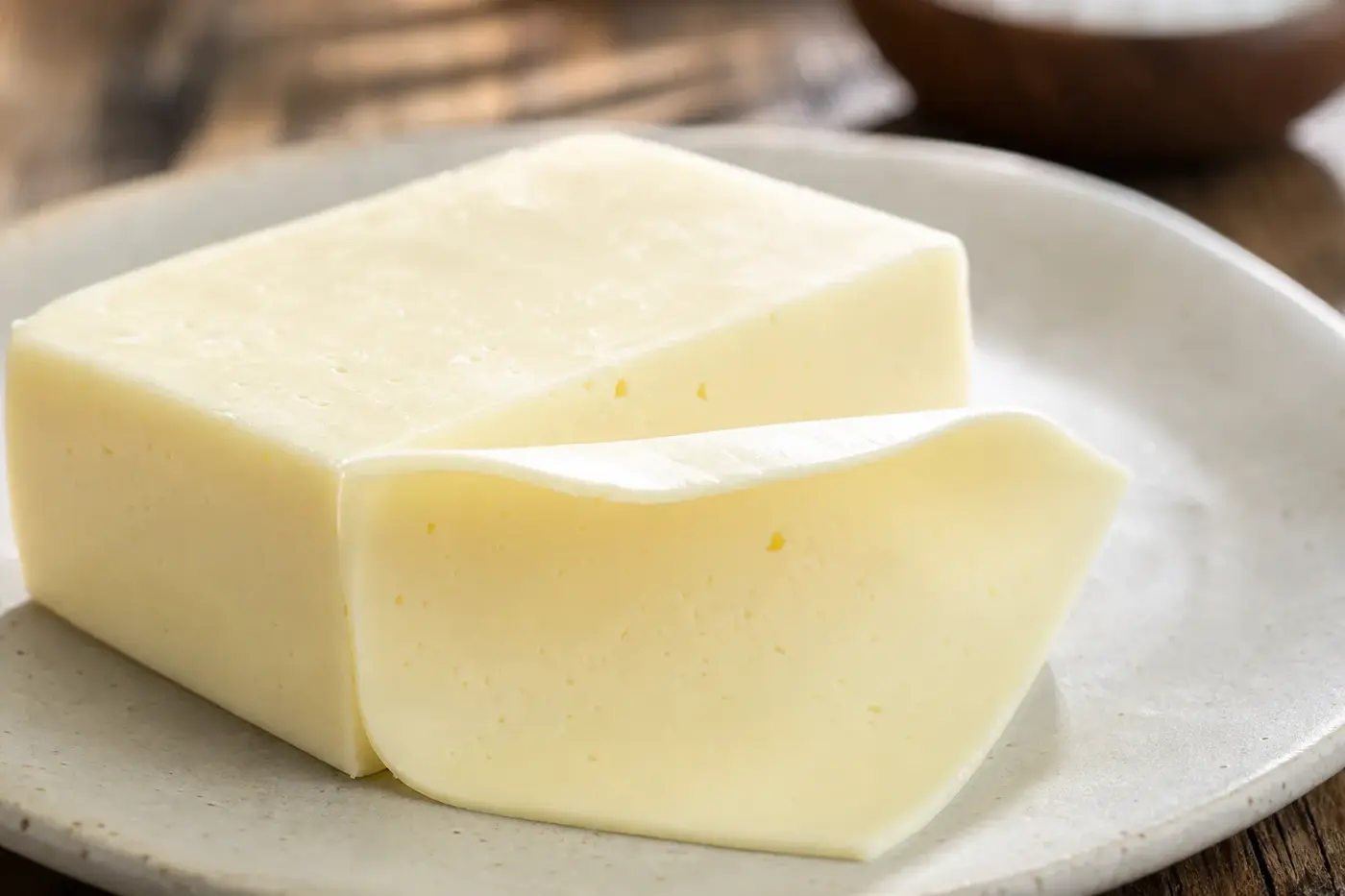
Your knife slips through young Monterey Jack with barely a complaint. Pale, smooth and supple, this mild cow’s milk cheese comes into its own when you need something to melt.[3][4] Behind that easygoing character is the country cheese of Monterey’s Mexican and Californio makers, whose work began before the larger commercial trade associated with David Jacks.[1][2]
| Your quick introduction | Monterey Jack |
|---|---|
| The familiar name | Monterey Jack.[3] |
| Names in the US standard | “monterey cheese” or “monterey jack cheese”.[3] |
| Where the story begins | Monterey area, California, United States.[1] |
| Applicable US standard | 21 CFR 133.153, November 2026.[3] |
| Milk treatment under that standard | Pasteurised dairy ingredients.[3] |
| Permitted coagulants | Rennet or other clotting enzymes of animal, plant or microbial origin.[3] |
| Composition under that standard | At least 50% milkfat in dry matter; no more than 44% moisture in the whole cheese.[3] |
| Legal minimum maturation | Not specified in 21 CFR 133.153.[3] |
| Usual time to mature | One to three months, according to the US Dairy Export Council.[4] |
Meet the people behind the name
Follow Monterey Jack’s story backwards and you find a community, rather than one securely identified inventor. Monterey County’s Agricultural Resources Evaluation Handbook traces its predecessors to the Spanish and Mexican periods: queso del país, meaning country cheese, and queso blanco, meaning white cheese. It also records Doña Juana Cota de Boronda making cheese locally in the nineteenth century.[1]
Californio families belong at the centre of this story. These were the Spanish-speaking communities established in California before US statehood. If you call Jacks the inventor, you lose sight of those earlier makers and mistake commercial success for creation.[1][2]
A family letter published by the Monterey County Historical Society in 1996 brings Boronda a little closer. Her granddaughter recalled that she made cheese, sold it to Jacks and used a pressing device called a jack. It is valuable family testimony, though recorded long after the events.[2]
Jacks’s commercial role is clearer. The county’s historical account describes his dairy interests and his marketing of “Jacks Cheese” or “Jacks Monterey Cheese”. It also offers another explanation for the name: “jack” may have referred to a pressing implement associated with another local maker, Domingo Pedrazzi.[1]
The dates are less obliging. A 1953 US Department of Agriculture handbook places Monterey cheesemaking much later than the local accounts, while the county study puts the regional tradition earlier. How those accounts fit together, and who first made the cheese, remain uncertain.[1][2][13]
Start with a slice: butteriness and a little tang
Before you assemble the sandwich, taste a plain slice. Young Monterey Jack is about delicacy, not sharpness. The US Dairy Export Council describes a creamy-white cheese with a pliable, smooth body and a delicate buttery flavour, lifted by slight tartness.[4]
For sandwiches, that suppleness is what you want. Look for a young slice that bends and softens, rather than breaking into the flakes you expect from a hard grating cheese. Slicing and shredding are both characteristic uses in the industry reference.[4]
Even the surface offers a glimpse of the cheesemaker’s work. The US standard allows cheese formed in cloth or pressed in hoops, with suitable coatings permitted afterwards. In Vella’s documented wheel-making method, tied cloth leaves an indentation: a small trace of how your cheese took shape.[3][5]
Follow the milk from vat to cloth
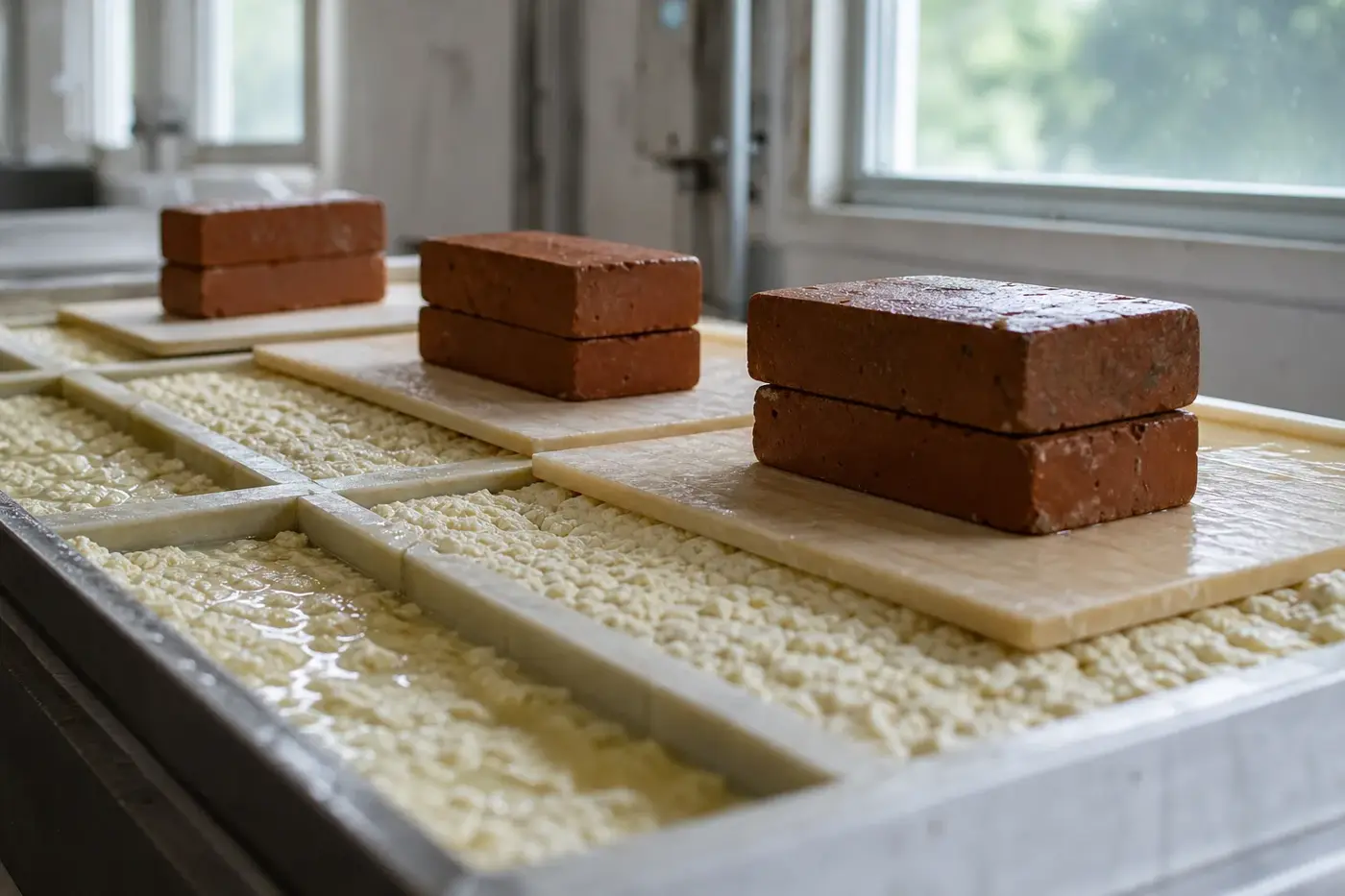
To get from milk to Jack, the cheesemaker cultures, sets, drains and presses. A starter culture, a preparation of bacteria, produces lactic acid. Coagulation then sets the milk into solid curd alongside liquid whey, ready for separating and forming.[3][5]
The US standard describes cutting, stirring and heating the set milk, then draining some whey. Water or brine may go in at this stage. Draining, shaping and pressing follow.[3]
Vella’s published cheesemaking tour takes you through that outline in a producer’s working method:
- Pasteurised milk enters the cheese vat and receives a starter culture.
- A coagulant sets the milk, and the resulting curd is cut.
- The curds are stirred and cooked as more whey separates.
- Drained curds are gathered into cloth, shaped and tied.
- The cheeses are pressed, then salted in brine before maturation.[5]
Salt does not always make its entrance at the same point. The older USDA description records it being added to drained curds before cloth shaping; Vella brines its formed wheels. For a cheese that seems so straightforward, Jack allows its makers quite a bit of variation.[5][13]
Curious about the rest of the journey? See how cheese is made.
Young Jack for melting, Dry Jack for depth
Choose young Jack when you want supple slices and melting. Reach for Dry Jack when you want something firmer, more concentrated and ready for the grater. Maturation gives the two styles different jobs in your kitchen.[4][6]
Vella’s Dry Monterey Jack starts like fresh Monterey Jack, then gets another seven to ten months of ageing. The maker describes a firm, pale-yellow cheese with a sweet, nutty flavour. Its Special Select version matures longer and has a firmer texture.[6]
Give the rind a moment of attention, too. Vella describes an edible coating of cocoa, pepper and canola oil on its Dry Jack. If yours comes from another producer, read that maker’s information before deciding whether to eat the rind.[6]
Use young Jack where a recipe needs a soft filling. Grate Dry Jack over pasta, soup or vegetables, or serve small pieces to enjoy its matured character on its own. Vella recommends its Dry Jack for cooking as well as table use.[6]
Jack, Colby or Pepper Jack? A guide to the packet
Monterey Jack, Colby, Pepper Jack and processed cheese are distinct cheeses or product categories. Before you choose, give the name a closer look. These are the key differences under US standards and a USDA purchasing specification, as at November 2026.
| Name | What sets it apart | Your label clue |
|---|---|---|
| Monterey Jack | Cultured, coagulated and pressed cheese under 21 CFR 133.153.[3] | Requires pasteurised dairy ingredients. |
| Colby | Water cools the curd before draining, salting and pressing.[7] | Maximum 40% moisture in the whole cheese. |
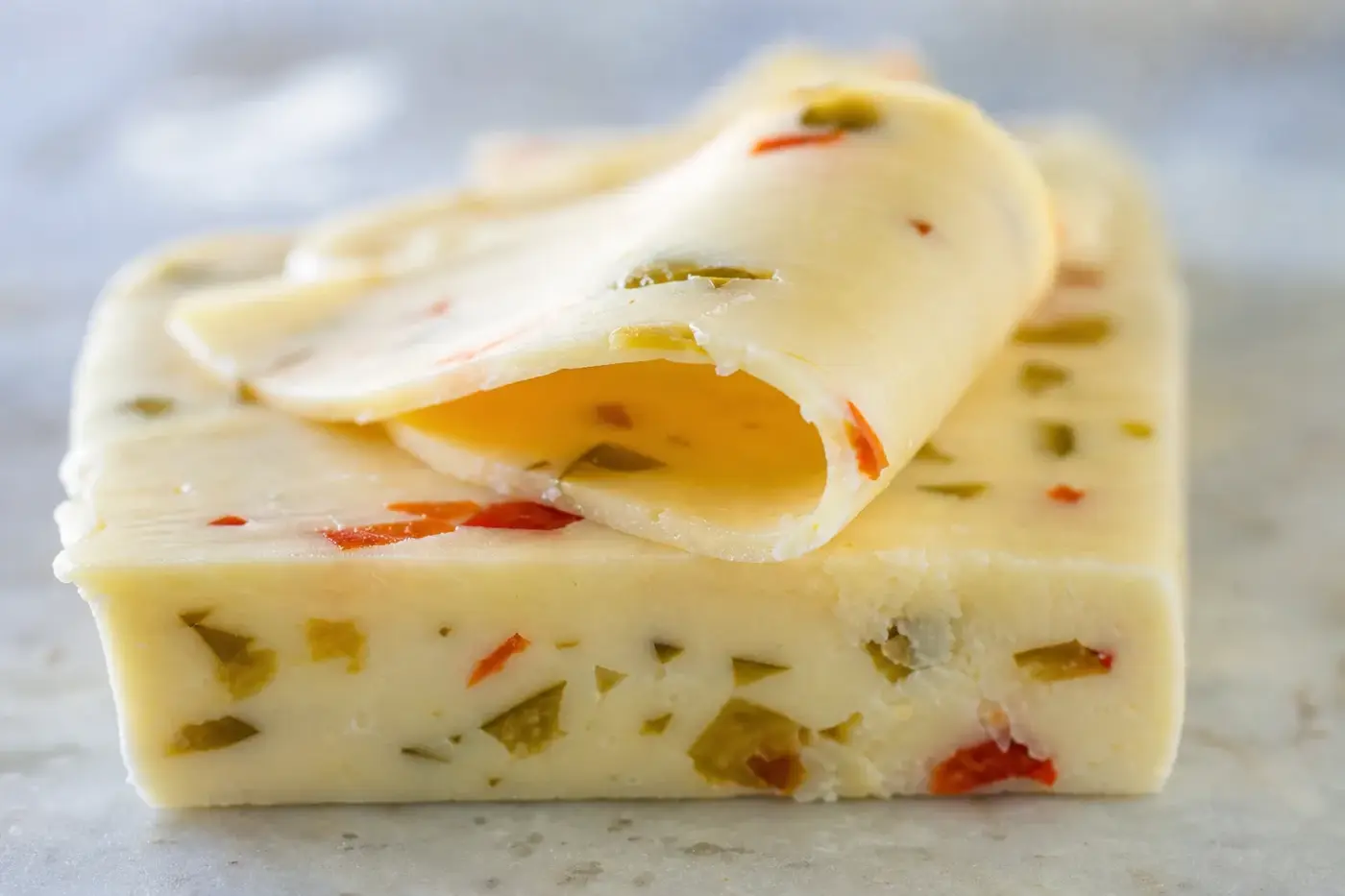
| Pepper Jack | Jack with peppers; USDA’s purchasing specification requires distributed jalapeños and permits certain additional peppers.[8] | Look at which peppers and other ingredients are included. |
| Pasteurised process cheese | Cheese mixed with heat and an emulsifying agent into a uniform mass under 21 CFR 133.169.[9] | Read the full legal product name. |
Pepper Jack brings its own seasoning to your dish. Even if you use the same quantity as plain Jack, it changes the result. The USDA specification documents one formulation; your packet tells you which peppers and other ingredients that particular producer uses.[8]
Pasteurised process cheese follows its own US manufacturing standard. It begins with cheese, then heat and emulsifying agents create the finished product through a separate processing step. Keep that distinction in mind when you read the name.[9]
Give young Jack somewhere to melt
Young Monterey Jack softens readily, making it useful whenever you want a mild melting cheese. The US Dairy Export Council identifies it as easily melted. It also explains what lies behind the melt: moisture, fat, acidity and the protein network all affect how a cheese softens and flows.[4]
You do not need an elaborate dish to make use of that talent. A toasted sandwich is quite enough of an occasion. Treat these as serving suggestions, with room to suit your own tastes.
- Quesadillas: grate Jack over beans, mushrooms or roasted peppers, leaving room for the filling’s seasoning.
- Toasted sandwiches: layer thin slices with spring onion, mustard or cooked vegetables.
- Baked dishes: add it to a vegetable bake or pasta dish for a mild cheese component.
- Mixed-cheese fillings: combine it with a stronger cheese for softness and more pronounced flavour.
For these dishes, choose young Jack. Monterey Jack and Dry Jack are not interchangeable instructions in a recipe. One calls for suppleness and melting; the other calls for the qualities of a firmer, matured cheese.[4][6]
Make a plate, or find your UK alternative
Start simply and let the cheese have some space. Try sliced apple, plain bread or crackers, then something sharper, such as tomato salsa or pickled onion. Taste each separately before bringing them together in a sandwich or on a plate.
For an uncomplicated alcohol-free drink, try sparkling water or unsweetened iced tea. Take these food and drink pairings as suggestions rather than a fixed menu. Your palate gets the deciding vote, especially on the question of another mouthful.
If you are shopping in the United Kingdom and need a substitute, think about the job first. A young Cheddar or young Gouda is a practical starting point for a mild sandwich filling. For a quesadilla, try low-moisture mozzarella, alone or mixed with mild Cheddar.
Compare the actual products for salt, moisture and flavour before adjusting your recipe’s seasoning. These are starting points, not identical replacements. Each substitute brings its own character, however earnestly you ask it to be Jack.
Find your style, then read the label
First, decide what you are after: plain young Jack, a peppered version or Dry Jack. Then read the food name and ingredients, rather than letting the tempting photograph do all the talking. US rules allow several coagulant sources and optional ingredients, so makers’ recipes can differ.[3]
The US standard for Monterey and Monterey Jack expressly requires pasteurised dairy ingredients. Internationally, you may encounter products with different names and declarations. Read the packet for the particular cheese and the market where you are buying it.[3]
If you need a vegetarian cheese, “enzymes” alone does not tell you enough. The US standard permits that collective declaration for enzymes of animal, plant or microbial origin. Look for an explicit suitability statement, or ask the manufacturer about the coagulant and any other enzymes used.[3]
For help with the terminology, turn to rennet and its sources. For the rest of the packet, see how to read a cheese label.
Keep your Jack cool, then get acquainted
Keep Monterey Jack refrigerated and follow the packet’s storage and after-opening instructions. For home storage in England, Wales and Northern Ireland, the Food Standards Agency recommends a fridge between 0 and 5 °C. Food Standards Scotland gives the same temperature range.[10][11]
Read the date alongside those directions. UK government guidance distinguishes a use-by date, which concerns safety, from a best-before date, which concerns quality. Follow both the date and any instructions that apply once you open the packaging.[12]
Cut only what you intend to serve, then refrigerate the rest. Food Standards Scotland advises returning food to the fridge as quickly as possible. For England, Wales and Northern Ireland, the FSA says chilled food should stay out for the shortest possible time during preparation, with a maximum of four hours.[10][11]
To get to know your particular Jack, begin with a plain slice. Then try it in a toasted sandwich. Its texture and flavour at the table, followed by its behaviour under heat, give you two useful ways to find its place in your kitchen.
General information only, not medical advice: follow the official guidance where you live.
Questions people ask
What does Monterey Jack taste like, and does it melt well?
Young Monterey Jack has a delicate buttery flavour with slight tartness. It melts easily and has a smooth, pliable texture.
What is the difference between Monterey Jack and Dry Jack?
Young Monterey Jack is supple and useful for melting, while Dry Jack is firmer and can be grated. Vella ages its Dry Monterey Jack for another seven to ten months and describes it as sweet and nutty.
Is Monterey Jack vegetarian?
It depends on the cheese: the US standard permits enzymes of animal, plant or microbial origin. Look for an explicit vegetarian suitability statement or ask the manufacturer about the enzymes used.
What can I use instead of Monterey Jack in the UK?
Young Cheddar or young Gouda is a starting point for a mild sandwich filling. For a quesadilla, try low moisture mozzarella, alone or mixed with mild Cheddar.
How should I store Monterey Jack?
Keep it refrigerated and follow the packet’s storage and after opening instructions. The Food Standards Agency recommends a fridge temperature between 0 and 5 °C in England, Wales and Northern Ireland; Food Standards Scotland gives the same range, so check the relevant agency’s guidance.
Sources
[1] County of Monterey, PAST Consultants LLC. Agricultural Resources Evaluation Handbook, Monterey County, California, September 2011, page 76 and accompanying notes. County-hosted document.
[2] Monterey County Historical Society. The “True” Story of Monterey Jack Cheese, 1996 essay, including a family letter recorded in summer 1996. Published essay and letter.
[3] US Food and Drug Administration, eCFR. 21 CFR 133.153: Monterey cheese and monterey jack cheese, text displayed as current through 5 November 2026. Federal standard.
[4] US Dairy Export Council. Reference Manual for Cheeses from the USA, retrieved edition, publication date not verified, Monterey Jack profile and technical discussion of physical properties. Industry source. Reference manual.
[5] Vella Cheese Company. Virtual Cheesemaking Tour, undated. Producer’s account of its own process. Cheesemaking document.
[6] Vella Cheese Company. Vella Dry Monterey Jack Cheeses, undated product descriptions, retrieved November 2026. Producer’s account and tasting notes. Dry Jack descriptions.
[7] US Food and Drug Administration, eCFR. 21 CFR 133.118: Colby cheese, text displayed as current through 5 November 2026. Federal standard.
[8] US Department of Agriculture, Agricultural Marketing Service. Natural Pepper Jack Cheese: Commodity Requirements Document, January 2020, section 1.1. Purchasing specification. Specification.
[9] US Food and Drug Administration, eCFR. 21 CFR 133.169: Pasteurized process cheese, retrieved November 2026. Federal standard.
[10] Food Standards Agency, GOV.UK. How to chill, freeze and defrost food safely, published 18 December 2017, retrieved November 2026. Applies to England, Northern Ireland and Wales. Official guidance.
[11] Food Standards Scotland. Chilling, undated, retrieved November 2026. Official guidance.
[12] GOV.UK. Understanding food labelling: Best before and use-by dates, undated, retrieved November 2026. Official guidance.
[13] US Department of Agriculture. Cheese Varieties and Descriptions, Agriculture Handbook, 1953, Monterey entry, pages 79 to 80. Historical reference, not current law or storage guidance. Digitised handbook.
Researched through federal standards, official UK storage guidance, a county historical study, published family testimony, an industry reference and documented producer accounts.
Last checked: November 2026
Last checked November 2026.
The editors suggest you read next
American Cheese: The Processed Slice Explained
Watch a slice of American cheese soften over your burger.