Reblochon
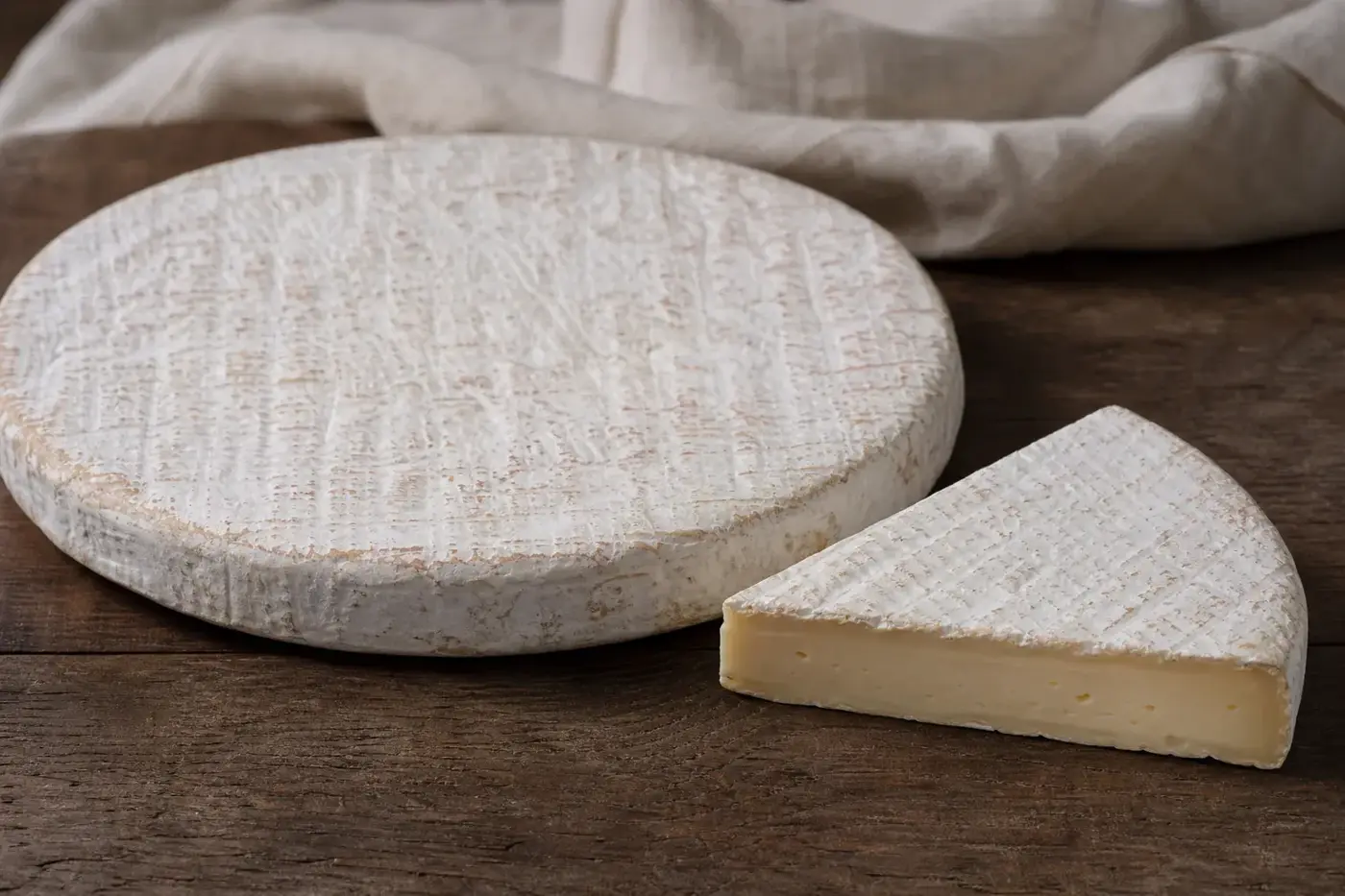
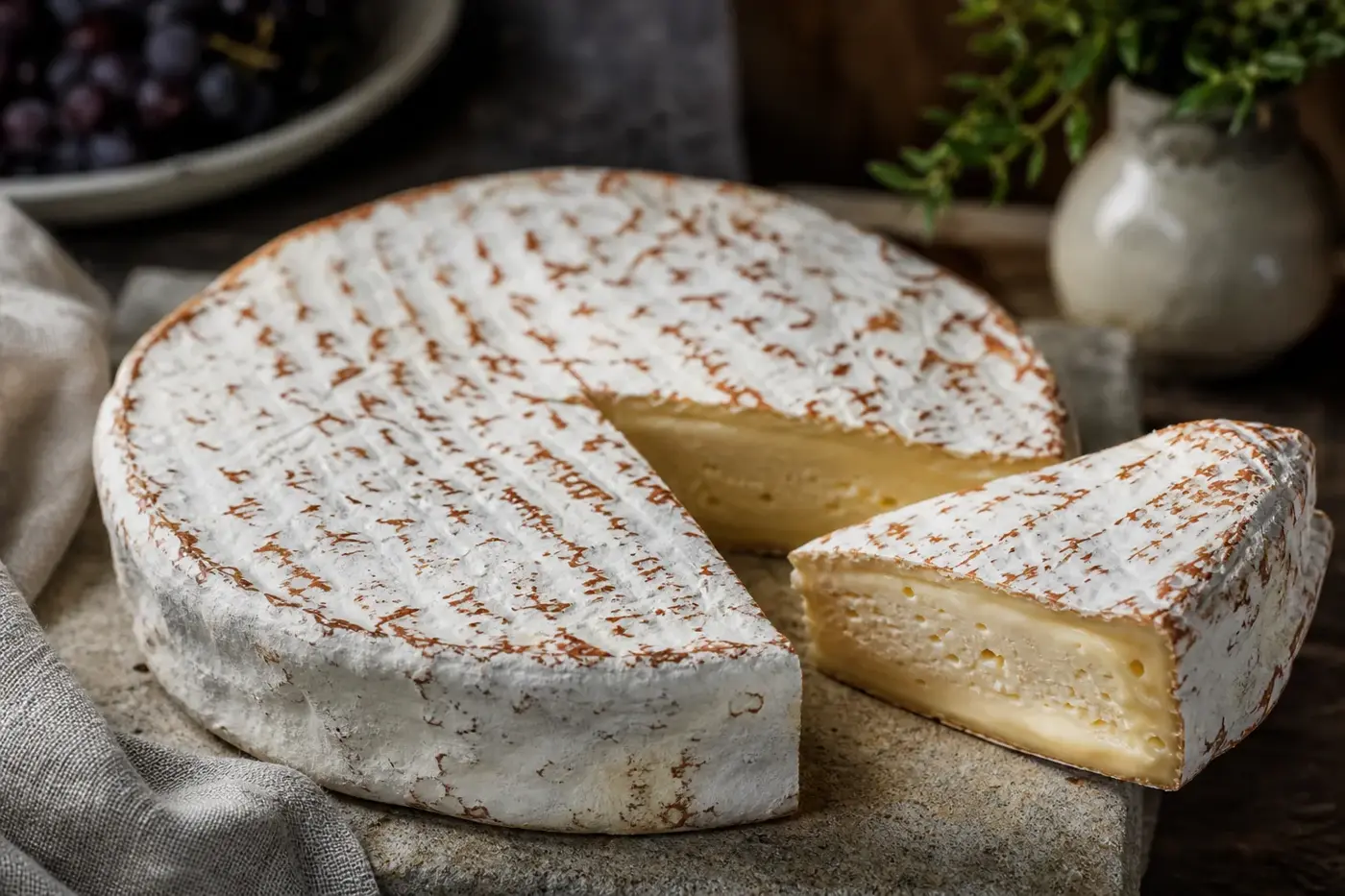
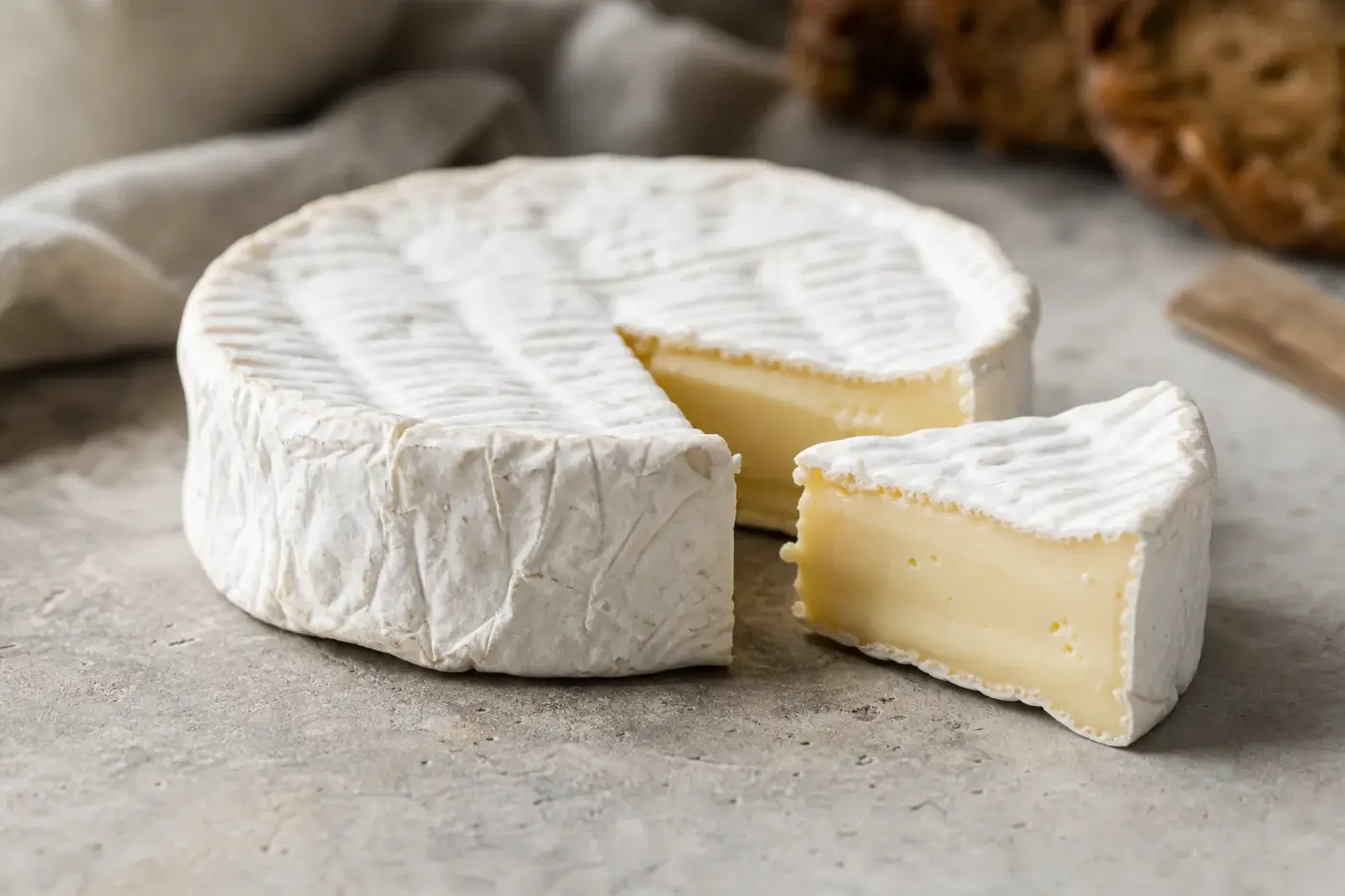
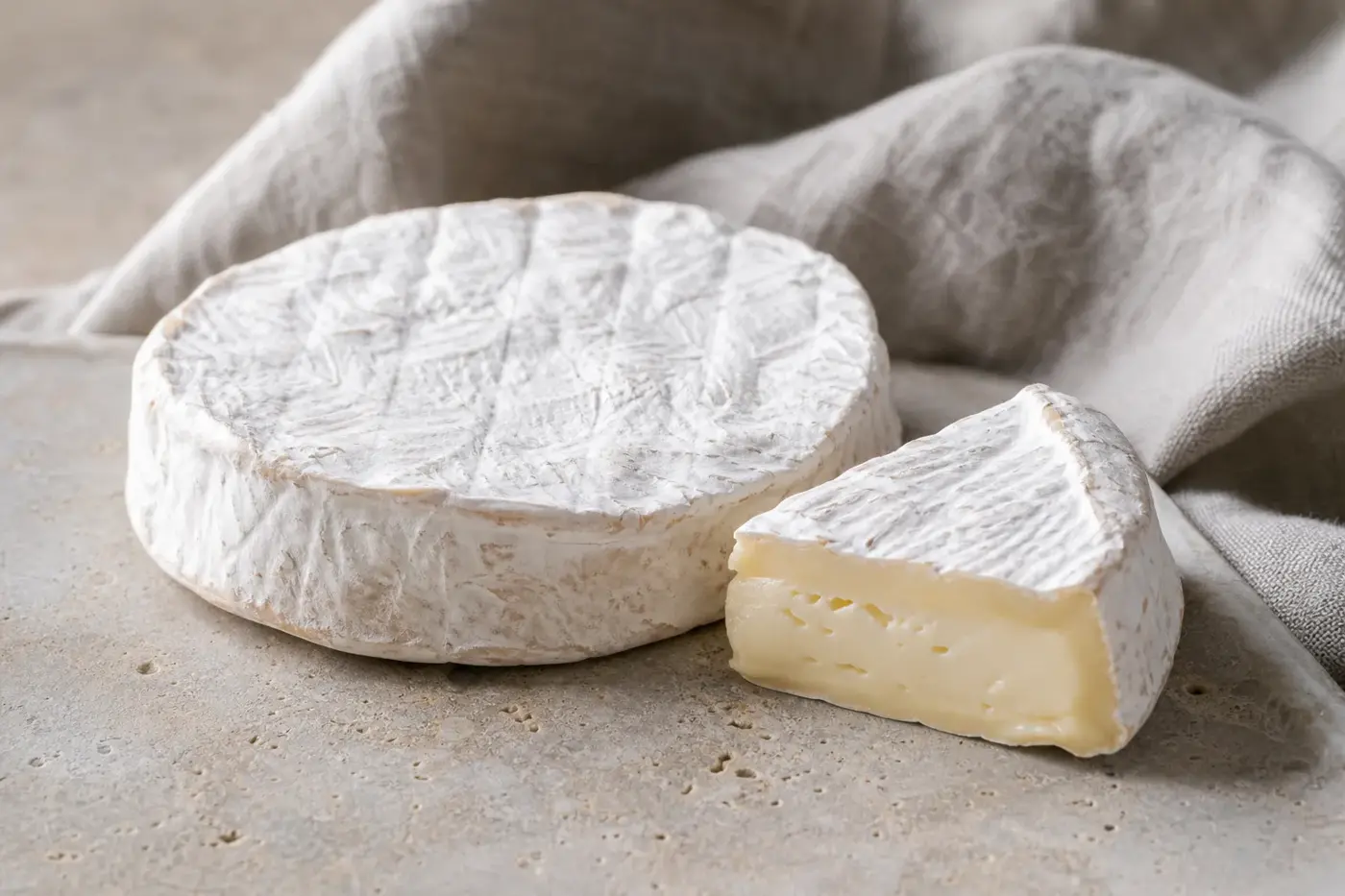
Your knife slips through a thin yellow to orange-yellow rind into a supple, ivory centre, sometimes dotted with small openings.
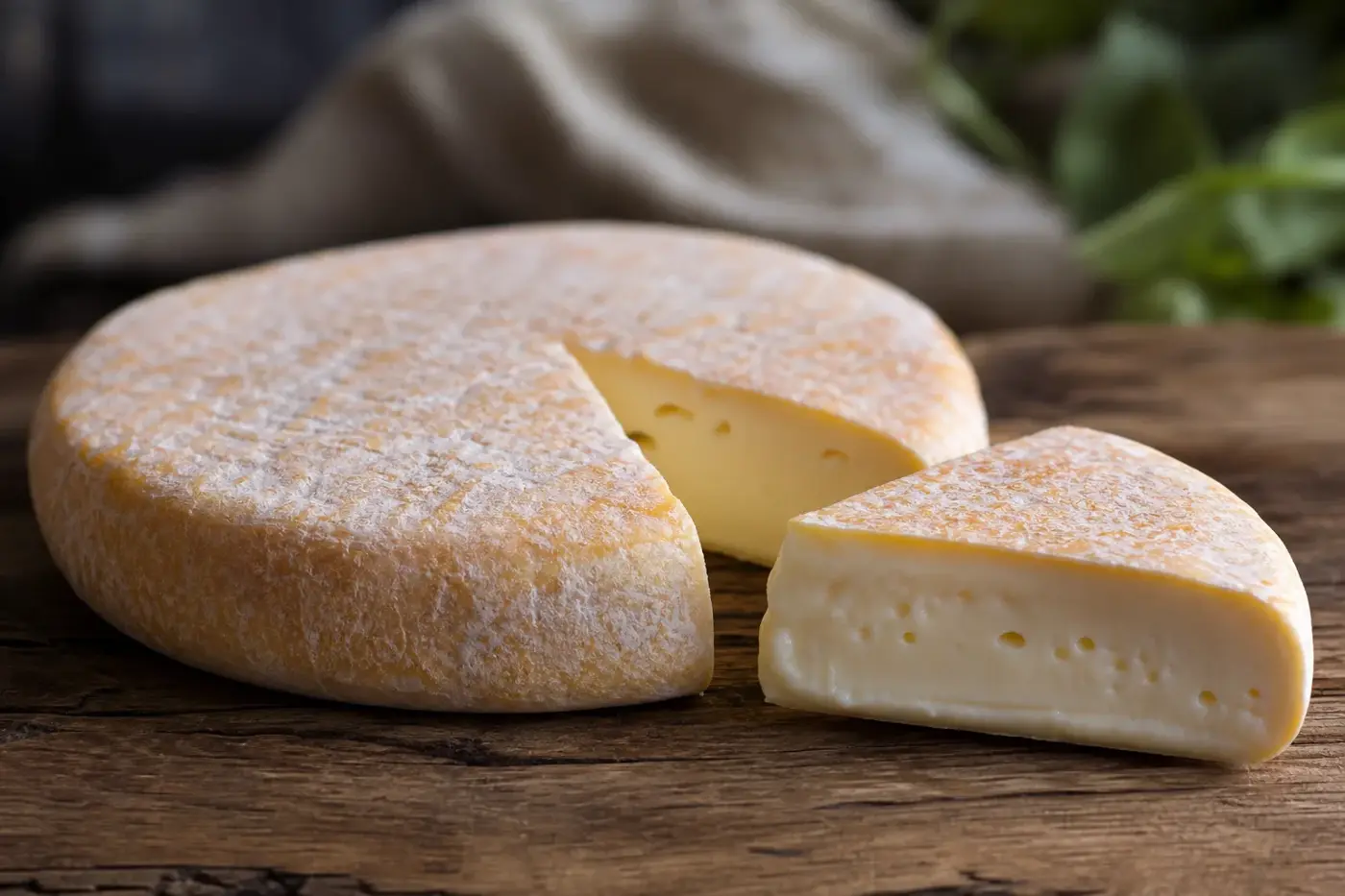
Your knife slips through a thin yellow to orange-yellow rind into a supple, ivory centre, sometimes dotted with small openings. A short white bloom partly or wholly covers the little Alpine wheel. Even the French specification captures that inviting contrast. [3]
Made with raw cow's milk in Haute-Savoie and neighbouring Savoie, Reblochon brings a gently savoury flavour to your plate. Give this washed-rind cheese some bread, or let it melt into tartiflette. Neither route is likely to leave you wishing you had chosen the other. [4,12]
Your quick guide to Reblochon
| What to look for | The details |
|---|---|
| Names | Reblochon; Reblochon de Savoie. [1,2] |
| Authority and identifier | Great Britain: Defra, entry reblochon-slash-reblochon-de-savoie. EU register ID: Not verified. [2] |
| Protection, November 2026 | Great Britain: registered PDO. EU and Northern Ireland: current register status Not verified. [2] |
| Where it is made | Specified communes in Haute-Savoie and Savoie. [1] |
| Milk | Whole raw cow's milk. [4] |
| Permitted breeds | Abondance, Montbéliarde, Tarentaise (Tarine). [1,4] |
| Standard wheel | About 14 cm across, 3.5 cm high; 450 to 550 g. [4] |
| Minimum maturation | 15 days from renneting in total; release conditions below. [1] |
| Typical maturation | Up to 35 to 40 days for farmhouse cheese, according to the interprofession. [4] |
| Allergen | Milk. [1] |
Beneath the rind, cream and a little hazelnut
That first wedge reveals a low, round wheel with a cream to ivory paste. Supple and only lightly salted, it invites you to pay attention to texture. The French specification records these qualities alongside the thin rind and occasional small openings. [3]
The Syndicat Interprofessionnel du Reblochon, the producers' industry body, describes a cream-like flavour with a slight hazelnut note. In its account, the paste becomes more yielding as ripening develops the characteristic flavour. There is as much to enjoy in the feel as in the taste. [4]
For tidy wedges, ask for a younger, firmer cheese. For a softer paste, choose something more mature. Tell your cheesemonger what you enjoy: the oldest wheel need not automatically win the audition. Age and condition make a more useful conversation.
Follow the milk into the mountains
Reblochon's territory takes in specified communes in Haute-Savoie and part of Savoie. The interprofession places its heartland in the mountains of Haute-Savoie and the Val d'Arly in Savoie. Milk production, cheesemaking, maturation and the first packaging must all happen within that defined area. [1,4]
Behind your wedge are three cattle breeds: Abondance, Montbéliarde and Tarentaise, also called Tarine. The rules tie their milk to a grass-and-hay farming system, with a prescribed grazing period and restrictions on fermented feed. The interprofession describes a seasonal rhythm of valley farms, summer pastures and haymaking for winter. [1,6]
That bond between place and method is the point of an appellation d'origine protégée, or AOP, the French term for PDO. Great Britain's register lists Reblochon as a registered protected designation of origin, with an original EU registration date of 21 June 1996. For more on the difference between origin and style, explore protected names explained. [2]
The second milking, once the inspector had gone
Picture the scene in Reblochon's traditional origin story. Farmers owed landowners payments based on the milk they produced. In the interprofession's retelling, they held some milk back during an inspection, then finished milking once the inspector left. That second milk became cheese. [7]
The interprofession links the name to reblocher, meaning to pinch the cow's teats a second time. This concealed milking survives as an origin tradition, retold in a modern account rather than documented in a contemporary medieval record. The dated milestones are French AOC recognition in 1958 and European registration in 1996. [2,4,7]
From raw milk to a supple little wheel
The making begins with whole raw milk and rennet, the enzyme preparation that sets it. The resulting curd is the soft solid separated from liquid whey. Cheesemakers cut it into small grains, fill moulds and press each cheese under individual weights. Salting, drying-room and cellar stages follow. [4,5]
Those weights do not turn Reblochon into a hard cheese. The specification classes it as an uncooked pressed cheese. Early washing and subsequent cellar care develop the surface, with the fine white bloom linked particularly to Geotrichum candidum, one of the organisms involved in changing flavour and texture. [3]
The 2020 specification requires at least 15 days for manufacture and ripening together, counted from renneting. No cheese can leave the workshop before day 16. Cheese individually packaged from day 12 must continue maturing to at least day 18. Anything beyond these requirements is a separate maturation choice, not the basic legal minimum. [1]
Green or red? The disc tells a story
Both farmhouse and dairy Reblochon begin with raw milk. The difference lies in where and how that milk becomes cheese. Your clue is a coloured casein disc, made from milk protein. [4,6]
| What to look for | Farmhouse Reblochon | Dairy Reblochon |
|---|---|---|
| Disc colour | Green | Red |
| Where the milk comes from | One farm's own herd | Several farms |
| Where it is made | At the farm after each milking | At a dairy or cooperative |
| How the work is done | Required manual operations | Mechanisation permitted |
These colours and production distinctions follow the interprofession's published explanation. [5,6] A green disc tells you about the making, not the age.
For farmhouse Reblochon, the specification requires key operations, including cutting, moulding and individual turning, to be done manually. Some cheese then goes to an affineur, a specialist who manages maturation. Farm-made tells you where and how it began; the label may name a separate maturer. [3,5]
Each disc also helps trace the cheese to its maker and production lot. If you are comparing two wheels, keep the packaging and note the producer, maturer and purchase date. Together, those details tell you more than colour alone. [4]
Find the wheel that fits your plans
Start with the name, disc and producer or maturer on the label. Tell your cheesemonger when you plan to eat it, whether it is for the table or a cooked dish, and which texture you prefer. A wheel that suits your plans is a better choice than one picked on rind colour alone.
At home in the UK, NHS guidance says to keep your fridge at 5 °C or below. Follow packaging instructions and use opened food within two days unless the packaging says otherwise. Keep the label for its date, batch and handling directions. The storage guide helps you organise your cheese drawer. [11]
Give that first bite a little space
Try crusty bread, fresh pear or apple, and a few unsalted walnuts for a simple plate. Taste the cheese alone first, then try the bread and fruit separately. You can decide whether you prefer its savoury character by itself or with something crisp and fresh.
Bring out only what you plan to serve, letting it lose its refrigerator chill while you prepare the accompaniments. UK NHS advice says ready-to-eat food should be eaten within four hours of leaving the fridge, including preparation and table time. Serve small portions rather than leaving a whole wheel out through a long afternoon. [11]
For an alcohol-free drink, try sparkling water or an unsweetened apple drink. If you fancy another approach, the wine pairing guide offers a broader starting point.
Put Reblochon at the heart of tartiflette
Potatoes, onions, lardons and Reblochon come together in tartiflette. The interprofession presents it as a central use for the cheese, alongside a wider recipe collection. A potato gratin gives you an approachable way to explore the combination at home. Keep the other flavours simple so the cheese has room to make itself known. [9]
You can also use small pieces over cooked potatoes or in a savoury tart, following a reliable recipe and its handling instructions. If you are cooking for someone in a higher-risk group, follow the thorough-cooking advice below. Melting alone is not enough, and a browned top matters less than a dish that is steaming hot throughout. [10,11]
This page summarises published guidance from the official sources it cites. It is not medical advice. Guidance differs between countries and changes over time, so check the current source for where you live, and ask your doctor, midwife, pharmacist or dietitian about your own circumstances.
When you need extra care: safety advice
Reblochon is made with raw milk and contains milk. If you are pregnant or in another higher-risk circumstance, follow the advice for the country where you live. The November 2026 summaries below sit alongside links to the full official guidance. [1,10,12,14]
| Country and group | What the official advice says | Where to read more |
|---|---|---|
| UK, pregnancy | Avoid mould-ripened soft cheeses such as Brie and Camembert unless cooked until steaming hot all the way through. | NHS pregnancy guidance, November 2026. [10] |
| France, vulnerable groups | Avoid raw milk cheeses for young children, especially under five, pregnant women and immunocompromised people. | Ministry guidance, November 2026. [12] |
| US, groups identified in the FDA guidance | Raw milk cheese is a higher-risk food; pasteurised alternatives are listed as lower risk. Consult the guidance for the groups and products covered. | FDA guidance, November 2026. [14] |
In the UK, the NHS identifies older people, newborn babies, pregnant people and those with weakened immunity as more vulnerable to serious listeriosis. Its pregnancy guidance says cooking cheese until steaming hot kills bacteria and reduces the risk. For other circumstances, turn to the relevant official guidance and speak to a healthcare professional. [10,11]
If there is a recall, match it to your actual product and batch, then follow its instructions. For products sold in France, consult RappelConso for relevant product and batch recalls. [13] Let the official notice, not appearance or smell, guide what you do, and ask a healthcare professional for advice relevant to your circumstances. [13]
Questions people ask
Where is Reblochon made and what milk is used?
Reblochon is made with whole raw cow's milk in specified communes in Haute Savoie and Savoie. The milk comes from Abondance, Montbéliarde and Tarentaise cattle.
What does Reblochon taste like?
The producers' industry body describes a cream-like flavour with a slight hazelnut note. The supple paste becomes more yielding as the cheese ripens.
What is Reblochon used for?
Reblochon can be eaten with bread or melted into tartiflette. Tartiflette brings together potatoes, onions, lardons and Reblochon.
Can you eat Reblochon during pregnancy?
Reblochon is made with raw milk. NHS pregnancy guidance advises avoiding mould ripened soft cheeses such as Brie and Camembert unless cooked until steaming hot all the way through; consult the NHS pregnancy guidance for the full advice.
How should Reblochon be stored?
NHS guidance is to keep the fridge at 5 °C or below and follow the packaging instructions. It advises using opened food within two days unless the packaging says otherwise.
Sources
- French Ministry of Agriculture and Food, Cahier des charges de l'appellation d'origine protégée « Reblochon » ou « Reblochon de Savoie », homologated by the order of 31 July 2020, published 8 August 2020; accompanying notice states entry into force on 4 December 2020. Official document reproduced by the interprofession.
- Department for Environment, Food & Rural Affairs, Reblochon / Reblochon de Savoie, protected food name register entry, published 2021, retrieved November 2026.
- INAO, Cahier des charges de l'appellation d'origine « Reblochon » / « Reblochon de Savoie », version 20 June 2014. Earlier specification, used for descriptive and manufacturing passages also checked against the 2020 document.
- Syndicat Interprofessionnel du Reblochon, Reblochon AOP et AOC : le cahier des charges, undated industry explanation, retrieved November 2026.
- Syndicat Interprofessionnel du Reblochon, Le Reblochon Fermier, undated production account, retrieved November 2026.
- Syndicat Interprofessionnel du Reblochon, Le secret du Reblochon, undated industry explanation, retrieved November 2026.
- Syndicat Interprofessionnel du Reblochon, The History of Reblochon, undated historical account, retrieved November 2026.
- Syndicat Interprofessionnel du Reblochon, Les accompagnements, undated pairing suggestions, retrieved November 2026.
- Syndicat Interprofessionnel du Reblochon, La Tartiflette, undated culinary account, retrieved November 2026.
- NHS, Foods to avoid in pregnancy, current online guidance retrieved November 2026.
- NHS, Listeriosis, reviewed 10 November 2023, retrieved November 2026.
- French Ministry of Agriculture, Le Reblochon AOP, le fromage onctueux de Savoie, online article and vulnerable-group guidance, retrieved November 2026.
- RappelConso, Reblochon recall search results, official French consumer recall database, retrieved November 2026.
- US Food and Drug Administration, What You Need to Know About Preventing Listeria Infections, current online consumer guidance retrieved November 2026.
Researched through specifications, the British protected-name register, attributed interprofession accounts and official national food safety guidance, with serving suggestions identified as editorial recommendations.
Last checked: November 2026
Last checked November 2026.
The editors suggest you read next