Abondance
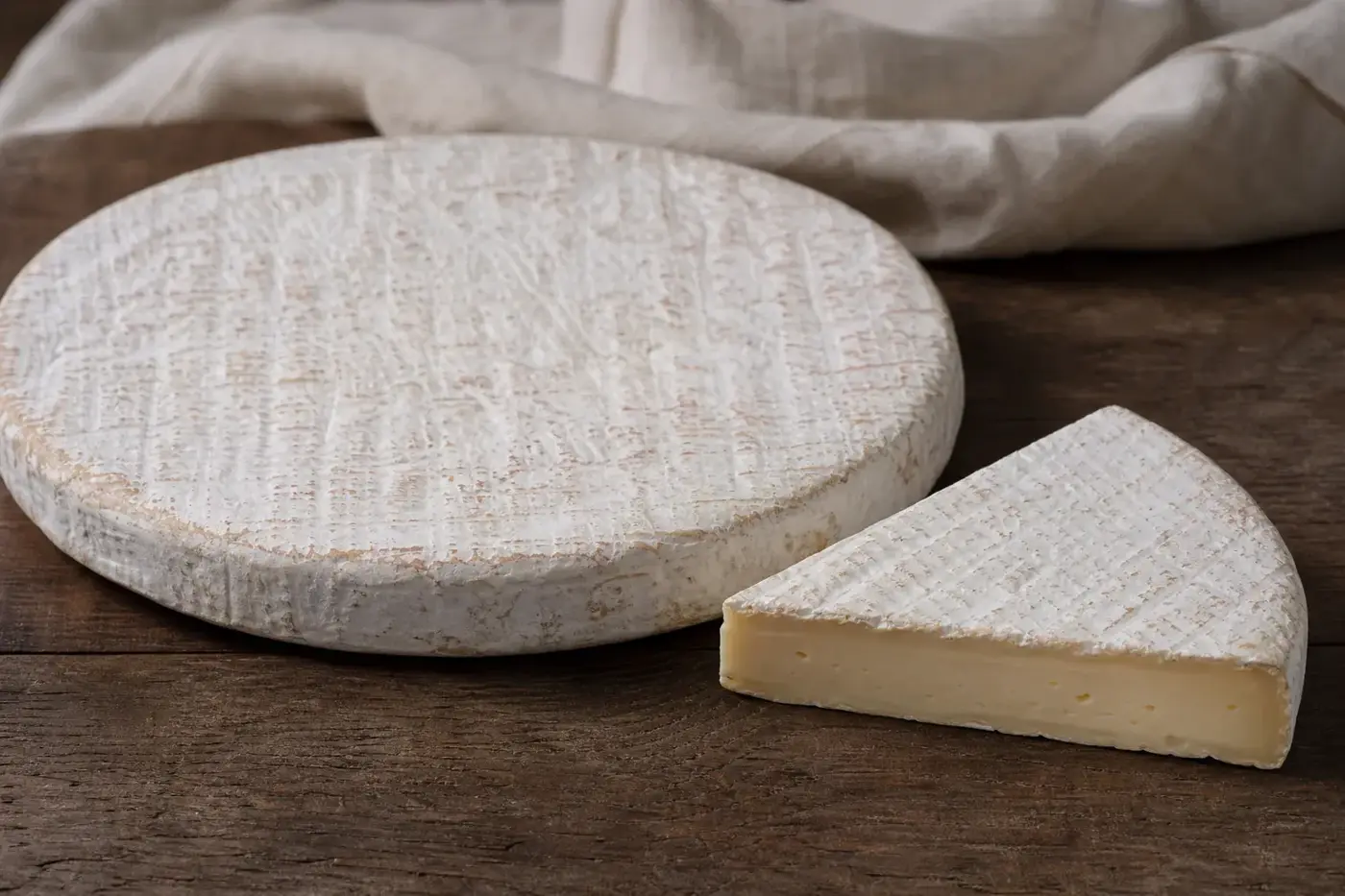
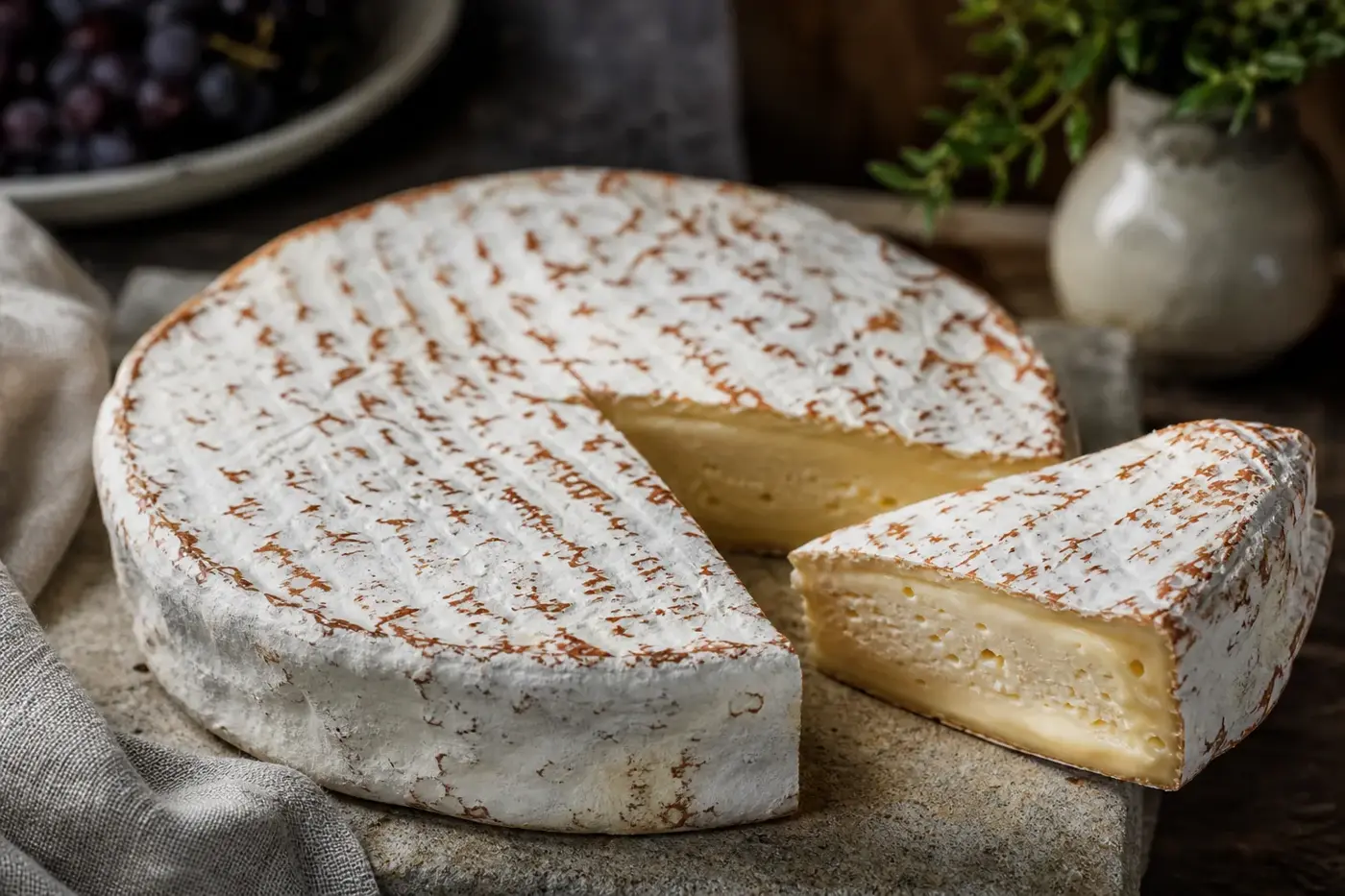
Let your eye follow the inward curve of an Abondance wheel, then look beneath its cloth-marked rind, golden yellow to brown.
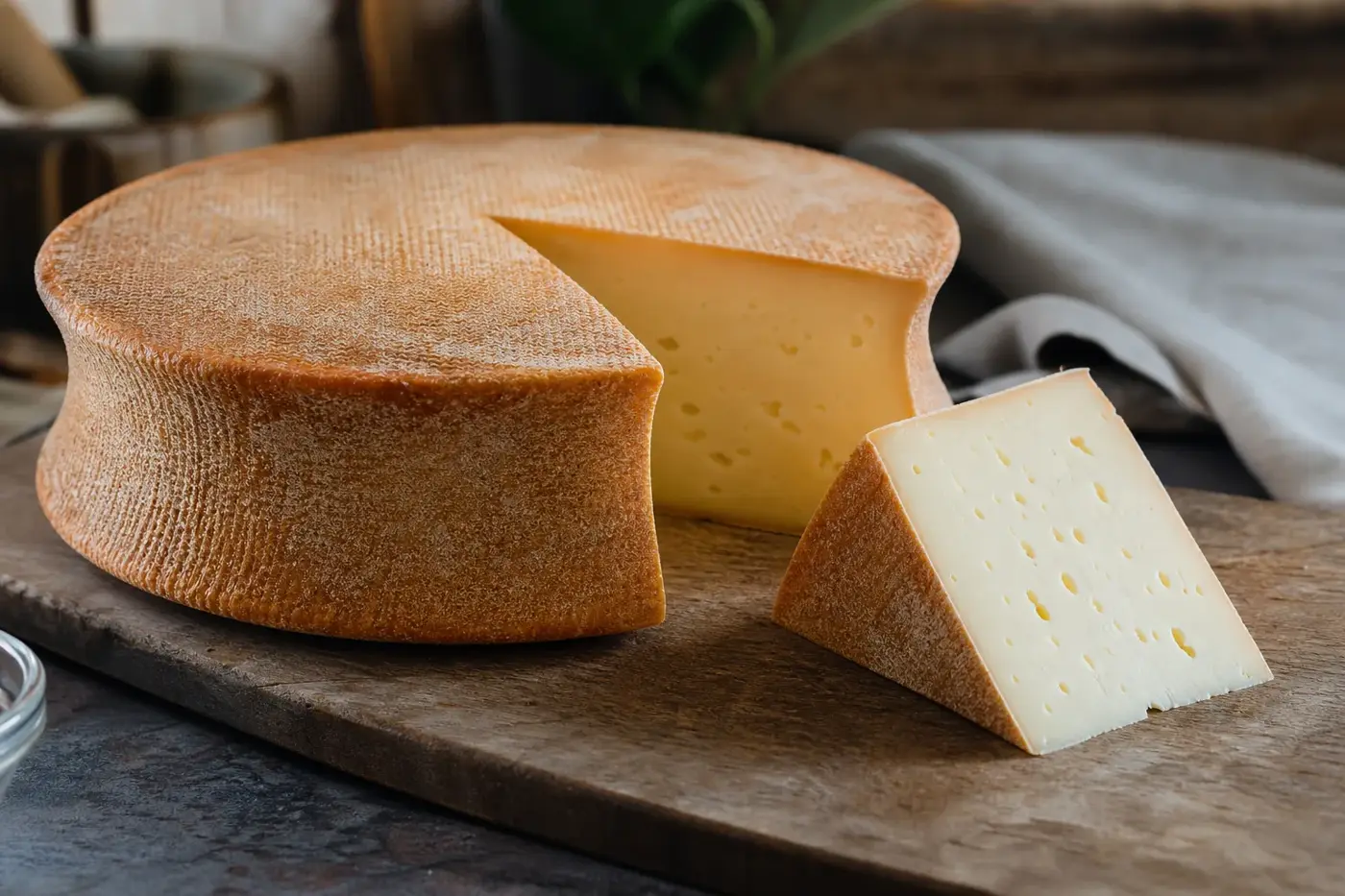
Let your eye follow the inward curve of an Abondance wheel, then look beneath its cloth-marked rind, golden yellow to brown. The cheese is supple, with hazelnut, fruit and a slight bitterness, as described by INAO, France’s national origin and quality institute. You are tasting raw whole cows’ milk from Haute-Savoie in eastern France. Those Alpine origins are protected by a designation of origin (PDO).[1,2]
| What to know | The details |
|---|---|
| Name | Abondance, its familiar and registered name.[2,4] |
| EU protection | PDO, listed by INAO. Original EU registration: 21 June 1996, recorded by Defra.[1,4] |
| Official EU document reference | PDO-FR-00105-AM02, the 2019 amendment reference.[2] |
| Great Britain protection | Registered PDO; UK scheme registration 31 December 2020 at 23:00.[4] |
| Applicable legal instruments | French specification approved by the order of 29 August 2018, as amended.[3,5] |
| Where it comes from | Defined communes in Haute-Savoie, France.[2,3] |
| Milk and coagulant | Raw whole cows’ milk; rennet.[2,3] |
| Time to mature | At least 100 days, within the defined area.[2] |
| The wheel | 6 to 12 kg; 7 to 8 cm high; concave sides.[2] |
| UK pregnancy guidance | NHS guidance, November 2026; see precautions below.[9,10] |
Start in the valley that gave Abondance its name
The Abondance valley, in the Chablais of northern Haute-Savoie, is this cheese’s historic heart. Its protected production area reaches beyond the valley across specified communes, including Abondance, La Chapelle-d’Abondance and Châtel. Milk production, cheesemaking and maturation must all happen within that defined area.[2,3]
That distinction is worth remembering when you read a label. The valley gives Abondance its roots; the specification draws its wider legal boundary. INAO dates French appellation recognition to 1990, while Defra records original EU registration on 21 June 1996 and Great Britain registration on 31 December 2020 at 23:00.[1,4]
You can follow that connection in the guide to protected names. For Abondance, a PDO ties place to where the cows are kept, how their milk is handled and where the wheels mature.[2,3]
Look for the curve, taste for the pineapple
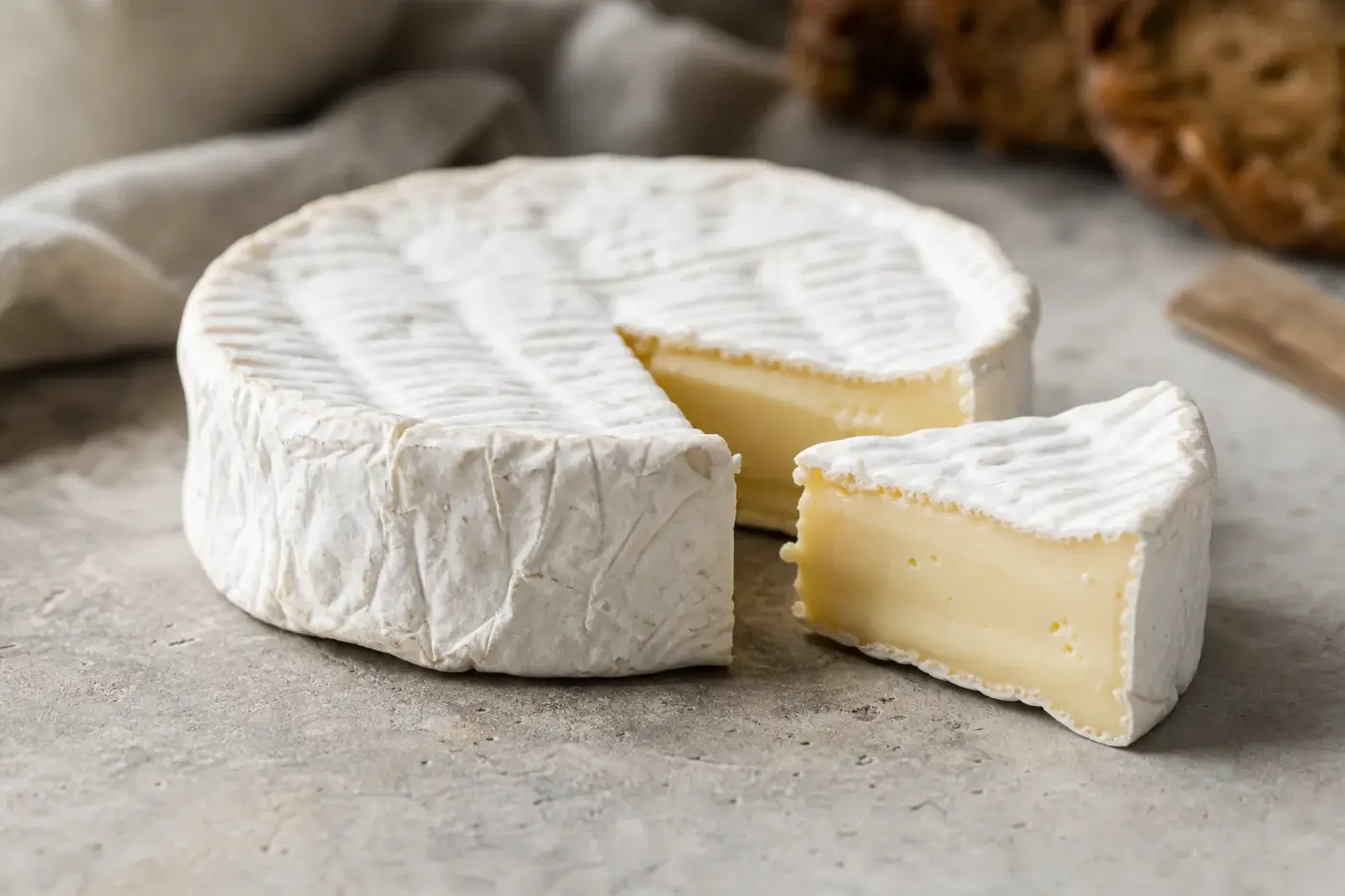
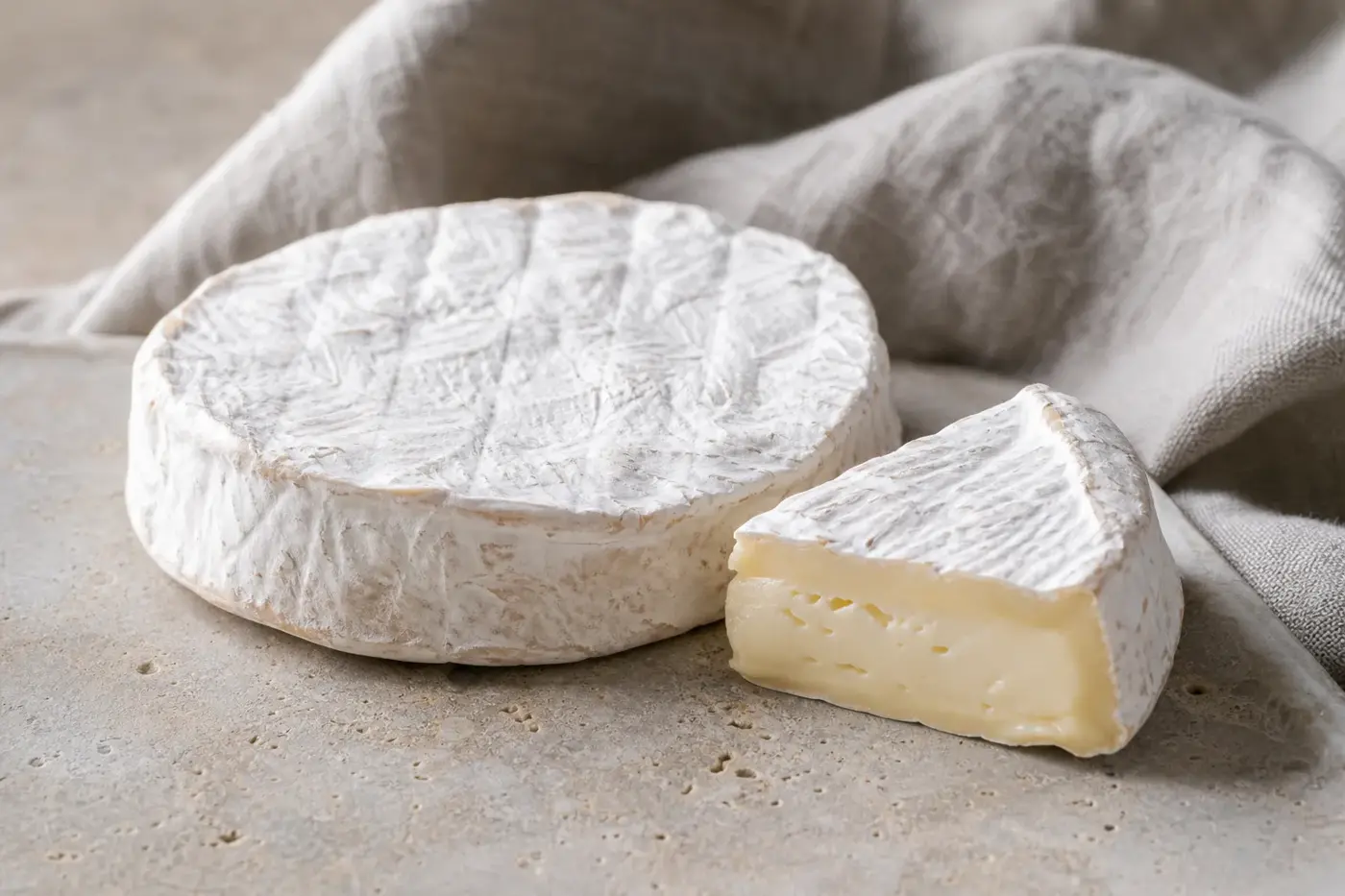
Start with the wheel’s side. That inward curve, called the heel, is Abondance’s clearest visual signature. The official description gives it a cloth-textured rind, golden yellow to brown, and an ivory to pale-yellow interior with a few small, regularly distributed openings. Its paste is supple rather than elastic.[2,5]
Now set aside any expectation that a mountain cheese must taste only strongly savoury. INAO describes hazelnut, a slight bitter edge and fruit recalling apricot and pineapple. Keep those flavours in mind as you take your first bite.[1]
If your cheesemonger has two ages from the same maker, ask to compare them. Notice the suppleness, the balance of fruit and bitterness, and how long each flavour lingers. Any buttery impression belongs in that comparison too. This is a tasting, not an entrance exam.
Meet the three breeds behind your wedge
Three cattle breeds are permitted: Abondance, Tarentaise and Montbéliarde. Across participating herds collectively, at least 45% of the animals must be Abondance. That minimum also applies to each producer who entered the appellation after 7 December 2012.[3]
Summer grazing and winter hay anchor the standing feeding rules. Those rules restrict feed brought from outside the area and fermented fodder. INAO also lists a temporary specification amendment dated 21 August 2026, so applicable temporary provisions must be read alongside the standing rules.[1,3]
Those pastures have a part in what you taste. The official account of the geographical link connects their varied plants with aromatic precursors in the cheese. It also links raw whole milk with the preservation of its microbial flora.[2]
Into the copper vat, then the wooden hoop
A copper vat, a cloth for lifting curd and a wooden hoop: these are tools INAO highlights in Abondance’s making. The hoop gives the finished wheel its distinctive concave profile. That handsome curve begins with a practical piece of cheesemaking equipment.[1]
Abondance is pressed and semi-cooked. Rennet, the enzymes used to set milk, creates a gel that is cut into curd grains, releasing the liquid called whey. Gentle heating and working of the curd come before moulding and pressing.[3,5]
After pressing and salting comes affinage, the managed period of maturation. Care of the rind develops the surface known as morge, the ripening smear described in the specification.[3,5]
For the bigger picture, turn to how cheese is made. Keep one distinction clear: heating curd during manufacture is not the same as pasteurising milk beforehand. Abondance remains a raw-milk cheese.[2,3]
Give it 100 days, then get to know the maker
Abondance must mature for at least 100 days. Think of that as its earliest qualifying point, not the ideal age for every wheel. When you see “young” or “mature”, ask how long that particular piece has actually matured.[2]
Both farm and dairy production belong to the appellation. INAO traces the historical farm tradition to individual family herds on Alpine pasture. It also describes how those skills passed into dairy production.[2]
Farm cheese comes from the farm’s own milk and is made there; dairy production brings milk into a dairy for cheesemaking. A farm plaque identifies that route. The maker and the affineur, the specialist responsible for maturation, help you understand the character of the particular wheel.[3,5]
The plaques give you a useful visual clue: a green ellipse for farm cheese, a red square for dairy cheese. Both routes must meet the appellation’s minimum maturation requirement.[2,3]
Ask a little more at the cheese counter
First, find the name Abondance and the EU PDO symbol on the label. Whole wheels and portions carry the appellation name; wheels displayed for cutting must have a label or muslin on one face. The identification plaque goes on the heel during pressing.[2,3]
Your wedge may not include the rind bearing that plaque, so ask to see the wheel or its identification. Prepacked retail pieces must have three rind-covered faces. There is a separate exception for pieces intended for further industrial processing.[2]
Ask who made it, whether it was farm-made or dairy-made, how long it matured and when it was cut. Age alone cannot tell you everything about a batch’s character. The cheese label guide explains the other information worth keeping with your purchase.
Tell the seller what you have in mind: a cheese plate, sandwiches or a melted dish. If you are offered a taste, try the cheese on its own first. Find a piece you love, and note its maker and maturation so you can find it again. A cheese notebook is a perfectly respectable habit.
This page summarises published guidance from the official sources it cites. It is not medical advice. Guidance differs between countries and changes over time, so check the current source for where you live, and ask your doctor, midwife, pharmacist or dietitian about your own circumstances.
Keep the tasting simple and the storage careful
Bread, a few slices of apple or pear, and water make a simple first tasting. Try the cheese before adding anything sweet or sharply acidic. Give yourself room to recognise the fruit, hazelnut and bitter notes in INAO’s description.[1]
Keep the label and follow the storage instructions supplied with your piece. For England, Wales and Northern Ireland, the Food Standards Agency recommends a home fridge between 0 and 5 °C (32 to 41 °F). Dairy products should stay refrigerated; during preparation, keep chilled food out for the shortest possible time, with a maximum of four hours.[8]
Put out only what you intend to serve, rather than repeatedly warming the whole piece. Keep ready-to-eat cheese separate from raw meat and its juices. For wrapping and caring for a cut piece, follow the home cheese storage guide.[8]
Pour something light, or settle in with Berthoud
For an alcohol-free accompaniment, try apple juice diluted with sparkling water, keeping it light enough to taste alongside the cheese. Adults of legal drinking age who want wine can explore a small serving of dry white through the wine pairing guide. People who are pregnant, driving, taking medicines that interact with alcohol or recovering from alcohol dependence should not drink.
Then there is Berthoud, the local dish with melted Abondance at its centre. Recognised in the EU as a traditional speciality guaranteed (TSG), it comes in an individual dish. INAO announced that recognition in August 2020.[1,6,7]
The producers’ organisation presents Berthoud with garlic, Savoie white wine and Madeira or port, plus pepper and optional nutmeg. Bread or potatoes accompany it.[7] Cooking reduces alcohol but does not reliably remove it.[12] If you want a meal without alcoholic ingredients, choose plain melted Abondance with potatoes.
Pull up a place for Beaufort
Set Abondance beside Beaufort and you will find shared Alpine surroundings, raw cows’ milk and a concave wheel. The key difference lies in the making: Abondance is semi-cooked, while Beaufort is a cooked pressed cheese. Beaufort’s specification also requires a larger wheel format and longer minimum maturation.[2,5,11]
Choose Abondance for its particular combination of supple paste, fruit, hazelnut and slight bitterness. Beaufort gives you a neighbouring tradition to explore alongside it. It is not another name for the same cheese.[1,2,11]
Choosing raw milk cheese: the UK precautions to know
According to the NHS, pregnant people, newborn babies, people with weakened immunity and older people are at greater risk of serious listeriosis. If that includes you or someone you are serving, use its guidance alongside advice from a healthcare professional.[10]
For pregnancy, the NHS foods guidance lists pasteurised or unpasteurised hard cheeses among foods that can be eaten. It includes pasteurised semi-hard cheeses among its examples. It also lists any cheese cooked until steaming hot.[9]
The NHS listeriosis page gives broader pregnancy advice to avoid unpasteurised milk or dairy products. The two pages use different wording, so consult the current pregnancy guidance and listeriosis guidance, with November 2026 as the guidance date here. Ask your midwife or doctor about choosing raw-milk Abondance.[9,10]
The milk treatment guide explains the distinction between raw, thermised and pasteurised milk. Keep the label and your cheesemonger’s information to hand when you seek advice.
Questions people ask
Where does Abondance cheese come from?
Its historic heart is the Abondance valley in Haute-Savoie, France. Milk production, cheesemaking and maturation must all take place within the defined area, which extends beyond the valley.
What does Abondance taste like?
INAO describes flavours of hazelnut, fruit and a slight bitterness. The fruit notes recall apricot and pineapple.
Is Abondance made with raw milk, and can I eat it during pregnancy?
Abondance is made with raw whole cows’ milk. The NHS pregnancy guidance lists pasteurised or unpasteurised hard cheeses among foods that can be eaten, while its listeriosis page gives broader advice to avoid unpasteurised milk or dairy products. Consult both current NHS guidance pages and ask your midwife or doctor about raw milk Abondance.
What is the difference between Abondance and Beaufort?
Both are Alpine cheeses made with raw cows’ milk and have concave wheels. Abondance is semi-cooked, while Beaufort is a cooked pressed cheese with a larger required wheel format and longer minimum maturation.
What is Berthoud?
Berthoud is a local dish of melted Abondance served in an individual dish. It is recognised in the EU as a traditional speciality guaranteed.
Sources
- INAO. Abondance. Official product account and index of specifications and regulatory texts, undated, accessed November 2026. Supports the regional introduction, attributed sensory description, traditional equipment and notice of the 2026 temporary amendment.
- European Commission. Publication du document unique modifié à la suite de la demande d’approbation d’une modification mineure conformément à l’article 53, paragraphe 2, deuxième alinéa, du règlement (UE) no 1151/2012. Official Journal C 111, 25 March 2019, notice 2019/C 111/15; Abondance reference PDO-FR-00105-AM02. )
- French Ministry of Agriculture and Food. Cahier des charges de l’appellation d’origine protégée « Abondance ». Specification accompanying the approval notice, Bulletin officiel no 8, 22 February 2019.
- Department for Environment, Food & Rural Affairs. Abondance. Great Britain protected food names register entry, published 4 January 2021, accessed November 2026. Gives registered status and the original EU and UK scheme registration dates separately.
- French Ministry of Agriculture and Food. Cahier des charges de l’appellation d’origine « Abondance ». Approved by the order of 29 August 2018, published in Bulletin officiel no 37, 13 September 2018. Read with the later specification in source 3.
- INAO. STG Berthoud. Official press release index recording the recognition announcement dated 18 August 2020.
- Syndicat Interprofessionnel du Fromage Abondance. Le Berthoud. Undated producer organisation account, retrieved November 2026. This is an industry source promoting the cheese and its uses.
- Food Standards Agency. How to chill, freeze and defrost food safely. Published 18 December 2017, accessed November 2026; applies to England, Northern Ireland and Wales. Sections “Chilling food” and “How to stock your fridge”.
- NHS. Foods to avoid in pregnancy. Current web guidance retrieved November 2026, section “Cheese, milk and other dairy”.
- NHS. Listeriosis. Last reviewed 10 November 2023, retrieved November 2026; sections “Risks of listeriosis” and “How to avoid listeriosis”.
-
French Ministry of Agriculture and Food. Cahier des charges de l’AOP « Beaufort ». Bulletin officiel no 15, 10 April 2025, linked from INAO’s official Beaufort record.
-
US Department of Agriculture. USDA Table of Nutrient Retention Factors, Release 6, December 2007.
Researched through official product records, published specifications, the Great Britain register, national food guidance and an attributed producer organisation account; serving suggestions are editorial recommendations.
Last checked: November 2026
Last checked November 2026.
The editors suggest you read next