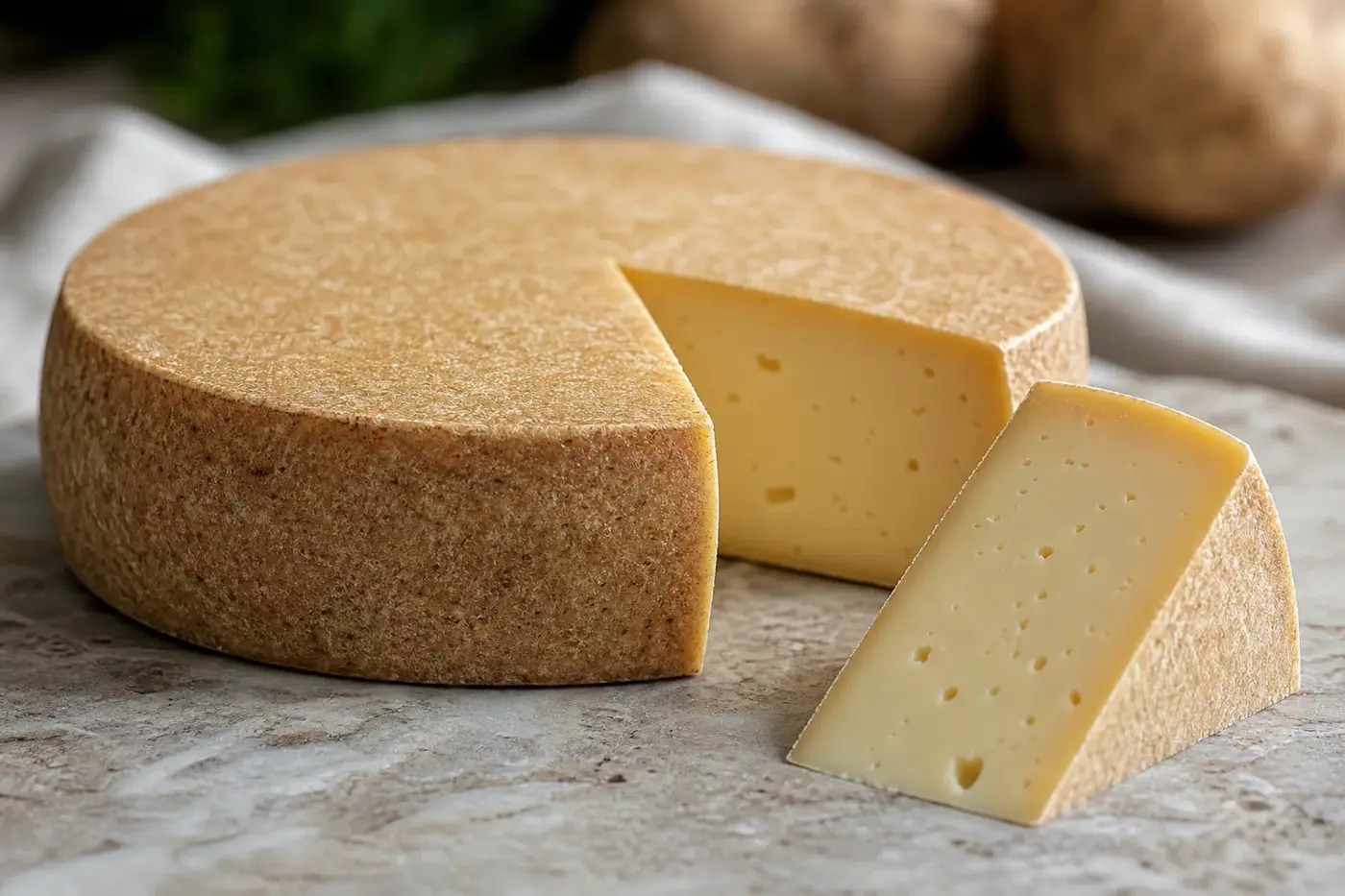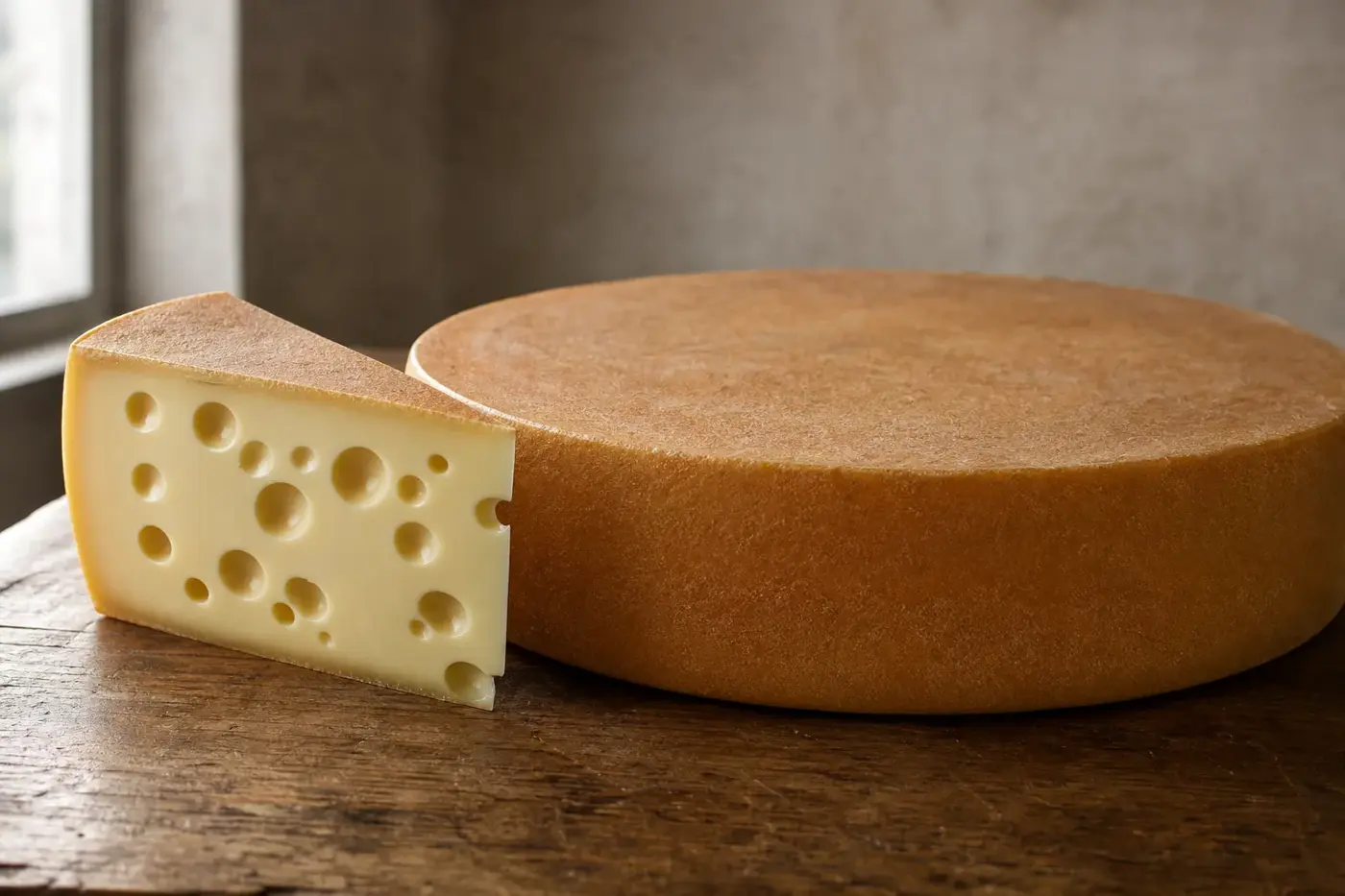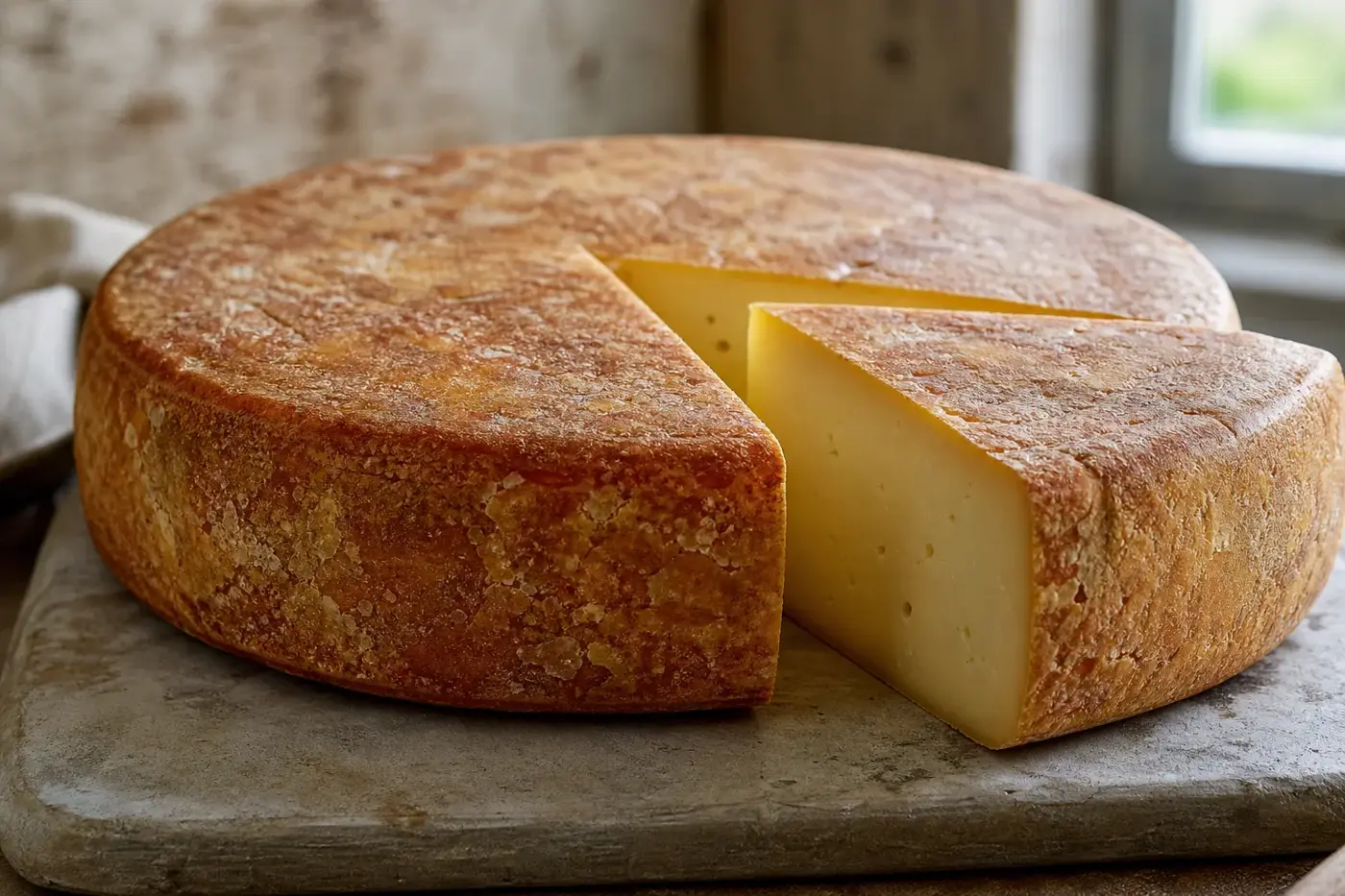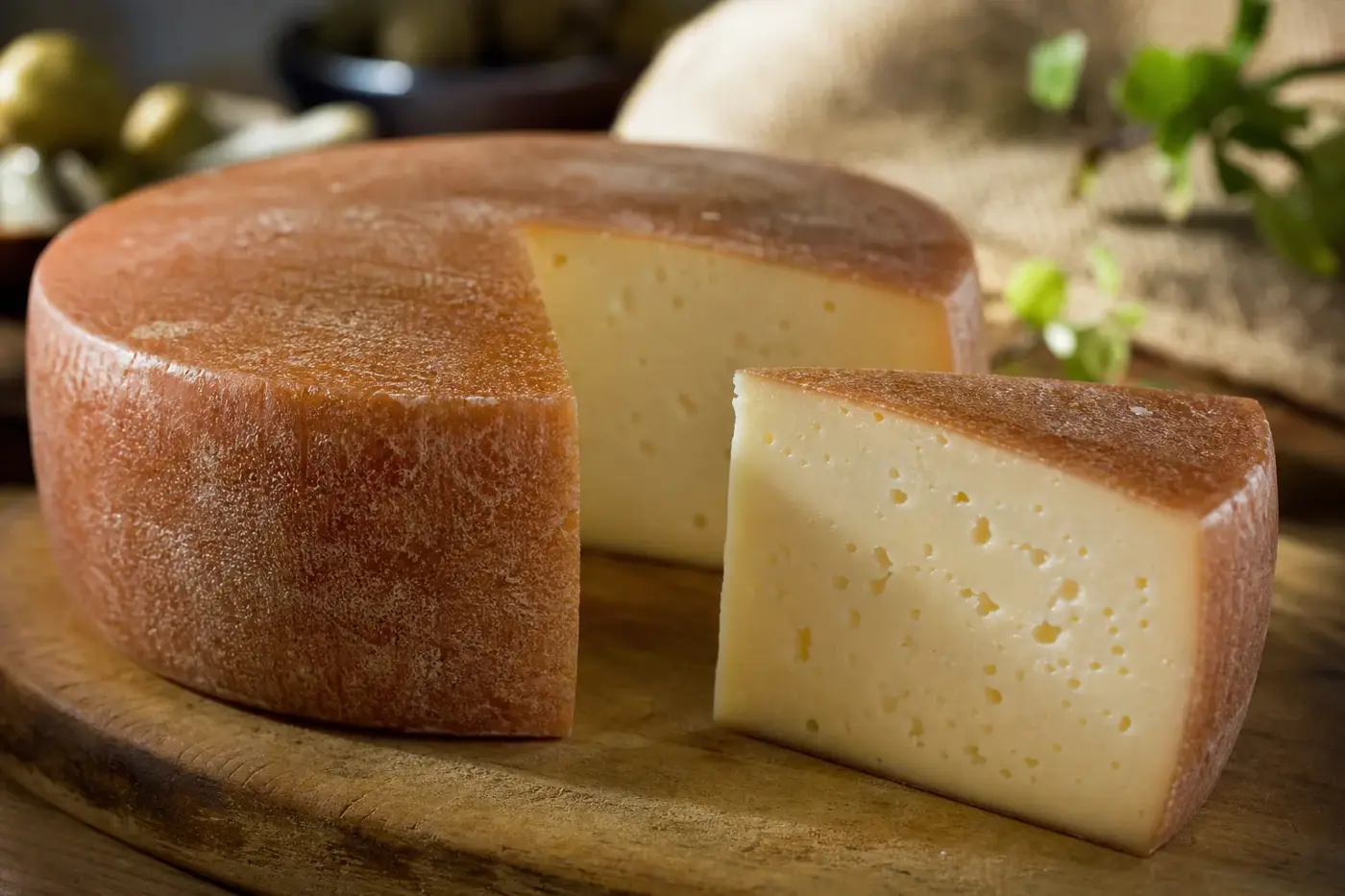
First, the thin, moist, reddish-brown rind. Then the supple cheese beneath, dotted with small openings. Take a bite and you might find a gentle tang or something rather more assertive, depending on the variety. Swiss Tilsiter is a washed-rind, semi-hard cow’s milk cheese with an East Prussian name and a distinctly Swiss identity, from young pasteurised versions to the longer-ripened red-label tradition. [1, 3, 4, 8]
Follow the name from East Prussia to Bern
Picture Bern in 1895. Three Swiss producers are exhibiting Tilsiter at an agricultural and dairy exhibition. That exhibition’s catalogue provides the earliest evidence identified by the Swiss Culinary Heritage inventory. Swiss industry accounts put production’s beginnings in 1893; the heritage inventory calls that starting point probable. [1, 2]
The name takes you further east, to Tilsit in historic East Prussia. Today, the city is Sovetsk in Russia, near the Lithuanian border. The heritage inventory links the cheese’s arrival in Switzerland to Swiss cheesemakers returning from the region during the nineteenth century. [2]
Those cheesemakers brought home an idea, then made it their own. They developed round wheels, organised production methods and a recognisable range of maturities. Pasteurised and cream-enriched versions later widened the choice. The organisation’s historical account places the pasteurised line’s development before its integration into the shared Tilsiter organisation during the 1960s; cream-enriched cheese followed. [1, 6]
Today, you will find red-label Tilsiter particularly associated with Thurgau, St Gallen and the Zürcher Oberland. Green-label producers work in eastern and central Switzerland. These places tell you where production happens, rather than marking out a confirmed geographical specification boundary. [4]
Watch the curds, then follow them to the cellar
At one stage in the vat, the curds are roughly the size of maize kernels. The journey starts with cultures and rennet added to the milk, according to Tilsiter Switzerland’s production account. Rennet is the coagulant that turns the milk into a gel. [3]
The cheesemaker cuts that gel into curds, removes some of the whey released by cutting, and replaces it with warm water. More warming and stirring follow. Next come round moulds and pressing, with the cheeses turned between pressing stages. [3]
After brining, the wheels move into cellars for maturation. There, they are repeatedly turned and their surfaces treated, a routine the organisation calls Schmieren. This means applying the ripening wash that helps develop the characteristic brown-red rind. [3]
You have now met two different kinds of washing. Water goes into the vat while the curds are being handled; later, the formed cheese receives its surface treatment. It is that second treatment that makes Swiss Tilsiter a washed-rind cheese, as the broader sequence in how cheese is made explains. [3]
The milk supply differs between lines, too. For the traditional, longer-ripened red line, the organisation specifies milk from herds given silage-free feed. Pasteurised producers can use milk from silage-fed herds. Milk quality and seasonal differences both help shape the cheese you eventually taste. [5]
Find your colour and your kind of flavour
Green, yellow, red and black identify the product line, not the colour of the cheese. You need not expect a particularly adventurous cheeseboard palette. The comparison below follows Tilsiter Switzerland’s published descriptions as of November 2026. These are product maturation periods; statutory minima are not established here. [4]
| Swiss variety | Declared milk treatment | Published maturation | Flavour and texture, as described by the organisation |
|---|---|---|---|
| Green, Past-Tilsiter | Pasteurised | 1 to 2 months | Mild and slightly sour; tender and easy to slice. [4] |
| Yellow, Rahm-Tilsiter | Pasteurised, with added cream | Mild, with a particularly soft-cutting paste. [4, 7] | |
| Red, mild-aromatic | Raw milk, sometimes thermised | At least 3 months | Fuller, tangy and aromatic, with a fine, supple paste. [4, 7] |
| Red, Surchoix | Raw milk, sometimes thermised | At least 4 months | More pronounced and savoury; still easy to slice. [4] |
| Black, Extra | Raw milk, sometimes thermised | At least 5 months | Strongly savoury, with a fine paste ranging from dense and yielding to soft-cutting. [4] |
For a gentle introduction, start with green. Yellow gets its softness from added cream, while red brings the more aromatic traditional character. Surchoix and Extra carry that character further through maturation. Older is not automatically better: your taste gets the deciding vote. [4, 7]
Read the pack’s milk treatment declaration separately. The organisation’s technical descriptions include thermised milk within the red family, although its broader accounts often call it raw-milk Tilsiter. Thermisation and pasteurisation are different treatments, so consult the individual product and raw, thermised and pasteurised cheese. [4, 7]
Look closely before you take a bite
Do not expect uniformly large holes. Swiss Tilsiter’s characteristic openings are small and unevenly distributed. Tilsiter Switzerland describes the red cheese’s holes as round, ranging from sparse to more generously scattered. The thin, moist, reddish-brown rind surrounds that supple interior. [2, 8]
The organisation’s tasting descriptions give you a useful route through the range. Green has a fresh, slightly sour edge, while red is fuller and tangier. Extra develops a stronger savoury character. Yellow takes a different path, with a tender consistency and cream-enriched flavour. [4, 7, 8]
Age is only part of the story. Milk, the cultures chosen for each production line and cellar care all give cheesemakers ways to shape the result. When you compare two pieces with the same colour designation, ask about the maker as well as the maturity. [3, 5, 8]
Look beyond the Tilsit name
Tilsit and Tilsiter share a historical name, but Swiss cheesemakers have built their own production tradition and range. The Swiss industry’s account emphasises that local adaptation. The heritage inventory also records several Swiss variants, rather than one recipe fixed for all time. [1, 2]
If you come across a cheese labelled Tilsit elsewhere, let the name be your starting point, not your conclusion. Its country of manufacture, milk treatment, texture and maturity tell you more about what to expect. For Swiss Tilsiter, establish Swiss manufacture first, then find the variety.
Make the cheese counter work for you
Start with the occasion, not the label’s prestige. Green makes a mild sandwich cheese, while red gives you a more aromatic slice. Surchoix brings a stronger accent without losing its pliable texture. Yellow offers the softer, cream-enriched impression. [4]
At the counter, ask three questions: which dairy made it, how was the milk treated, and how long has it matured? If the display leaves those details out, ask to see the original product information. A colour is useful, but it cannot do all the talking.
Vegetarian suitability also needs a product-by-product look. The organisation lists animal rennet for red and microbial rennet for green; yellow’s current page lists both possibilities. You can explore the distinction in the rennet guide. [4]
Keep it chilled, then serve what you need
Follow the product’s refrigeration instructions, including any directions for storage after opening. US FDA consumer guidance says to refrigerate foods needing chilling promptly. Keep your refrigerator at 4 °C (40 °F) or below, and keep refrigerated foods covered. [9]
Take out only the portion you intend to serve and leave the rest chilled. Let that portion lose its refrigerator chill while you prepare the table. There is no need to keep warming the whole supply.
Preparation and display both count towards the FDA’s US time limit for foods requiring refrigeration. Allow no more than two hours at room temperature, or one hour when the air temperature exceeds approximately 32 °C (90 °F). [9]
If you need help wrapping a cut piece, turn to how to store cheese at home. You will find storage advice there.
Set a board for a little comparison
Put green beside red for a revealing first comparison, noting each maker and age. Add yellow to explore what cream enrichment brings, or finish with Extra for a stronger savoury character. This sequence follows the organisation’s published descriptions, moving from mild towards more assertive cheeses. It also gives your habit of taking another slice a useful research purpose. [4]
Keep the accompaniments simple: bread, apple or pear, and a few pickled vegetables. These serving suggestions offer contrasting textures without drawing attention away from the cheese. For an alcohol-free drink, try water or unsweetened tea alongside.
If you are making sandwiches, the organisation recommends green’s easy-slicing paste. It points you towards Surchoix when you want stronger flavour. Cheese salads and cold platters also feature among its published serving suggestions. [4]
Choose your Tilsiter for toast, gratins and tarts
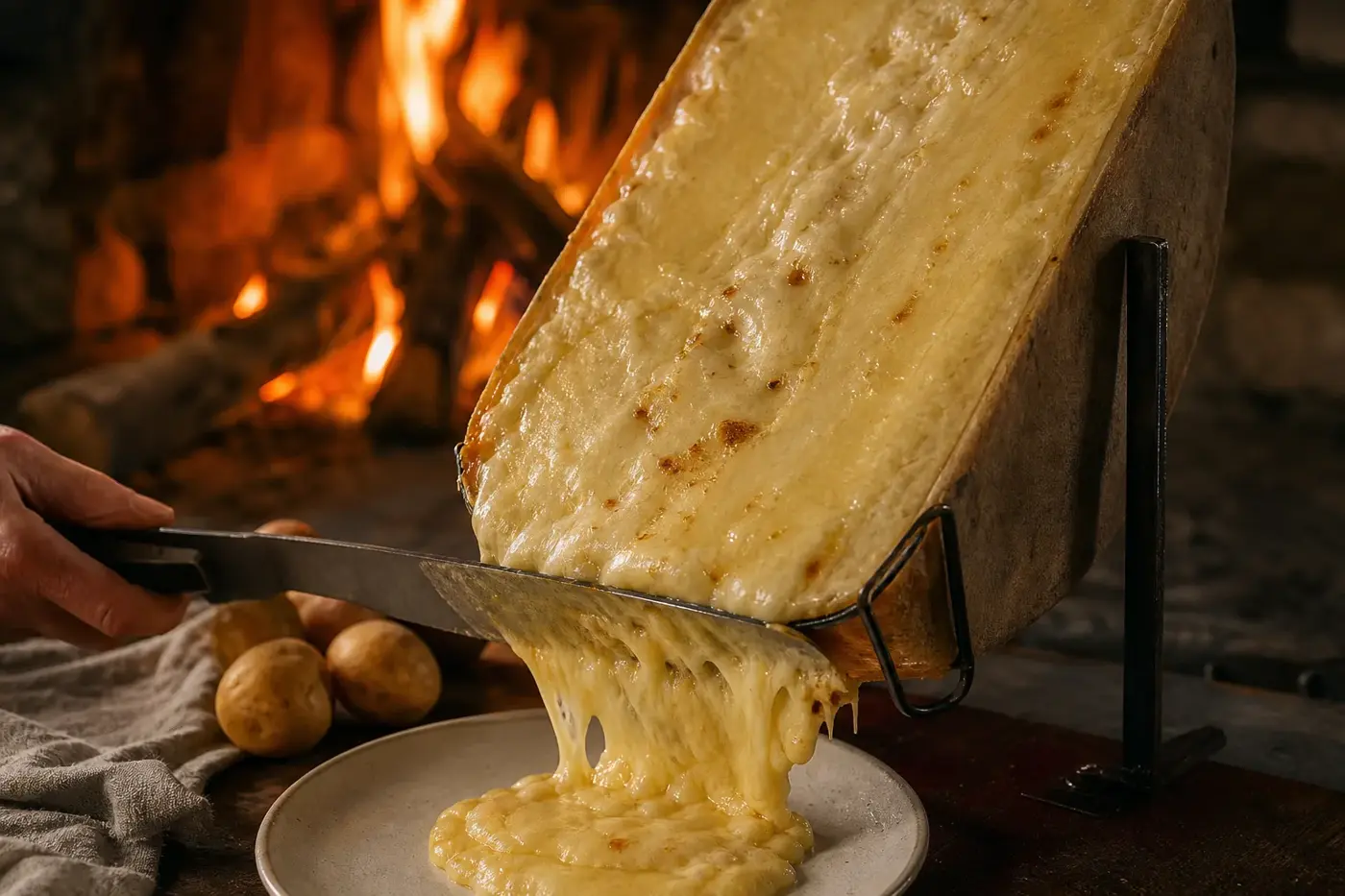
Young green generally melts faster than the more mature red and black cheeses, according to kitchen trials by the organisation’s recipe developer. Swiss Tilsiter has a place on toast and in gratins and savoury tarts. The variety you choose helps determine what comes out of the oven. [10]
For an evenly distributed topping, the organisation advises grating or dicing the cheese straight from the refrigerator. Watch yellow especially closely, as its higher fat content makes it respond quickly to heat. The recommendation is brief gratinating at moderate heat. [10]
Choose green when you want a mild background, or red or Surchoix for a more pronounced cheese flavour. If a tender melt matters most, reach for yellow. These choices draw on the published product profiles and kitchen guidance. [4, 10]
This page summarises published guidance from the official sources it cites. It is not medical advice. Guidance differs between countries and changes over time, so check the current source for where you live, and ask your doctor, midwife, pharmacist or dietitian about your own circumstances.
Read the rind and health guidance before eating
Before eating the rind, read the individual product’s directions. If there are none, ask the supplier. The washed surface helps with maturation, but that treatment alone does not tell you whether the rind is intended to be eaten. [3]
If you are pregnant in the UK, the NHS lists pasteurised semi-hard cheeses among foods that can be eaten. It also advises checking packaging for pasteurisation. Consult its current guidance directly when choosing a particular Tilsiter. [11]
In the United States, consult the CDC’s current advice on cheese made with unpasteurised milk for pregnant people, adults aged 65 or older and people with weakened immunity. Read that advice alongside the product’s milk treatment declaration. [12]
Questions people ask
What is the difference between green, yellow, red and black Swiss Tilsiter?
Green is mild and slightly sour, while yellow is made with added cream and has a particularly soft paste. Red is fuller and tangier, while black Extra is strongly savoury and matured for at least five months.
Is Swiss Tilsiter vegetarian?
It depends on the product. Tilsiter Switzerland lists animal rennet for red and microbial rennet for green, while yellow’s current page lists both possibilities.
Does Swiss Tilsiter melt well?
Swiss Tilsiter works in toast, gratins and savoury tarts. According to the organisation’s recipe developer, young green generally melts faster than more mature red and black cheeses.
Can you eat the rind of Swiss Tilsiter?
Check the individual product’s directions before eating the rind. If there are none, ask the supplier, since the washed surface alone does not establish whether the rind is intended to be eaten.
Can you eat Swiss Tilsiter during pregnancy?
In the UK, the NHS lists pasteurised semi hard cheeses among foods that can be eaten during pregnancy and advises checking the packaging for pasteurisation. Consult the NHS’s current guidance directly when choosing a particular Tilsiter.
Sources
- Switzerland Cheese Marketing, “Schweizer Tilsiter”, undated current industry account, checked November 2026. Source.
- Swiss Culinary Heritage, “Tilsiter, Tilsit”, inventory entry, undated current version, checked November 2026. Source.
- Tilsiter Switzerland, “Die Käseherstellung”, undated production account on its legacy website, checked November 2026. Source.
- Tilsiter Switzerland, current variety descriptions, undated webpages, checked November 2026: red mild-aromatic, green, yellow, Surchoix and Extra.
- Tilsiter Switzerland, “Über uns”, sections on milk producers and dairies, undated current webpage, checked November 2026. Source.
- Tilsiter Switzerland, “Tilsiter Geschichte Teil 5”, retrospective industry account, undated current webpage, checked November 2026. Source.
- Tilsiter Switzerland, “Factsheets: Linie 1893”, October 2023 edition, especially yellow and red technical tables. Source.
- Tilsiter Switzerland, “Warum Rot, warum Grün? Was steckt hinter diesen Farben?”, undated current webpage, checked November 2026. Source.
- US Food and Drug Administration, “Are You Storing Food Safely?”, current consumer guidance, checked November 2026. Source.
- Tilsiter Switzerland, “Tilsiter-Kocheigenschaften”, undated published recipe-development account, checked November 2026. Commercial industry source; its kitchen observations are attributed accordingly. Source.
- NHS, “Foods to avoid in pregnancy”, current UK guidance, checked November 2026. Source.
- US Centers for Disease Control and Prevention, “Preventing Listeria Infection”, 31 January 2025, checked November 2026. Source.
This desk-researched article compares Swiss industry descriptions and technical sheets with the Swiss heritage inventory and country-specific public health guidance.
Last checked: November 2026
Last checked November 2026.
The editors suggest you read next