Geotrichum candidum Explained
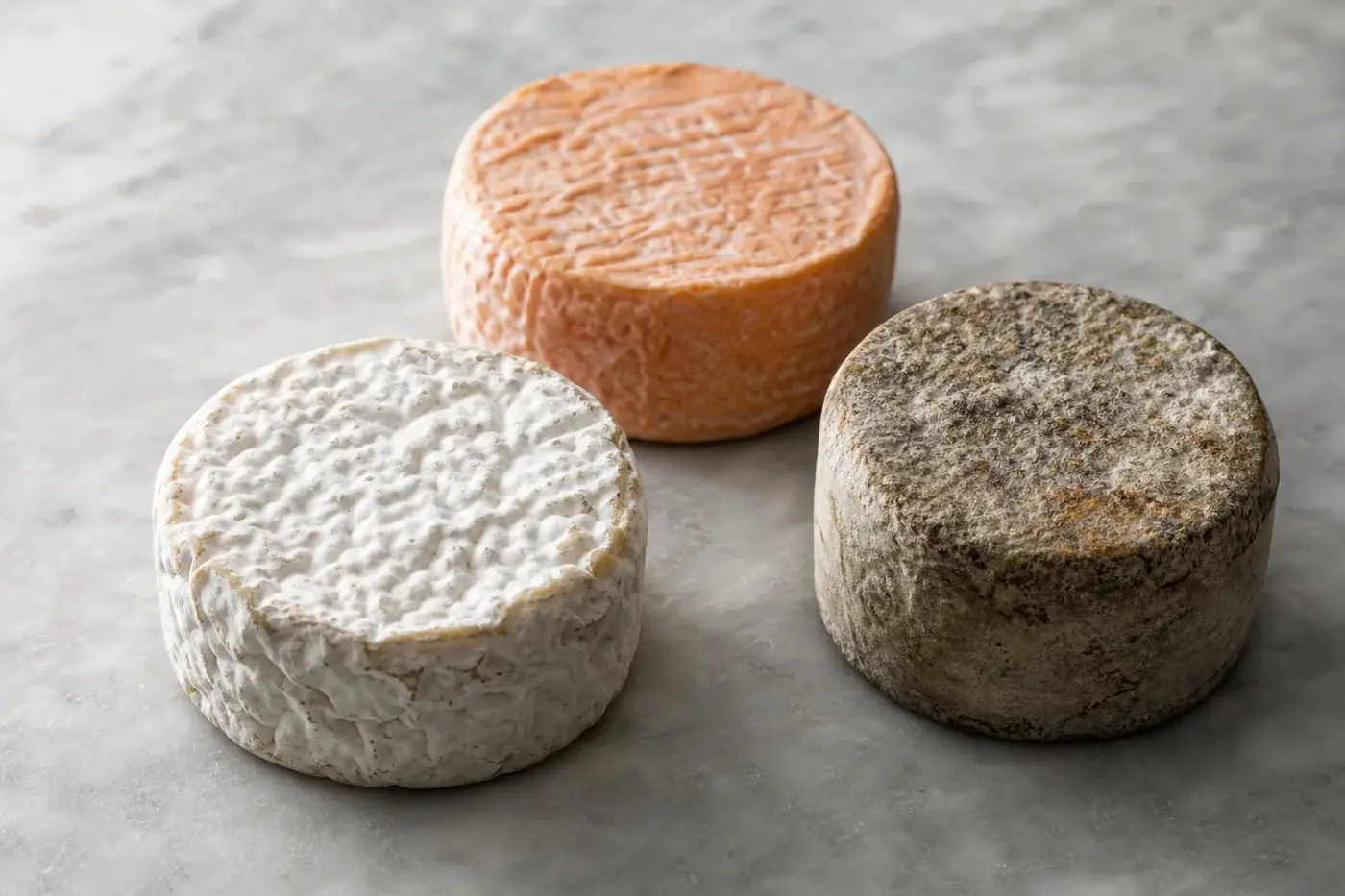
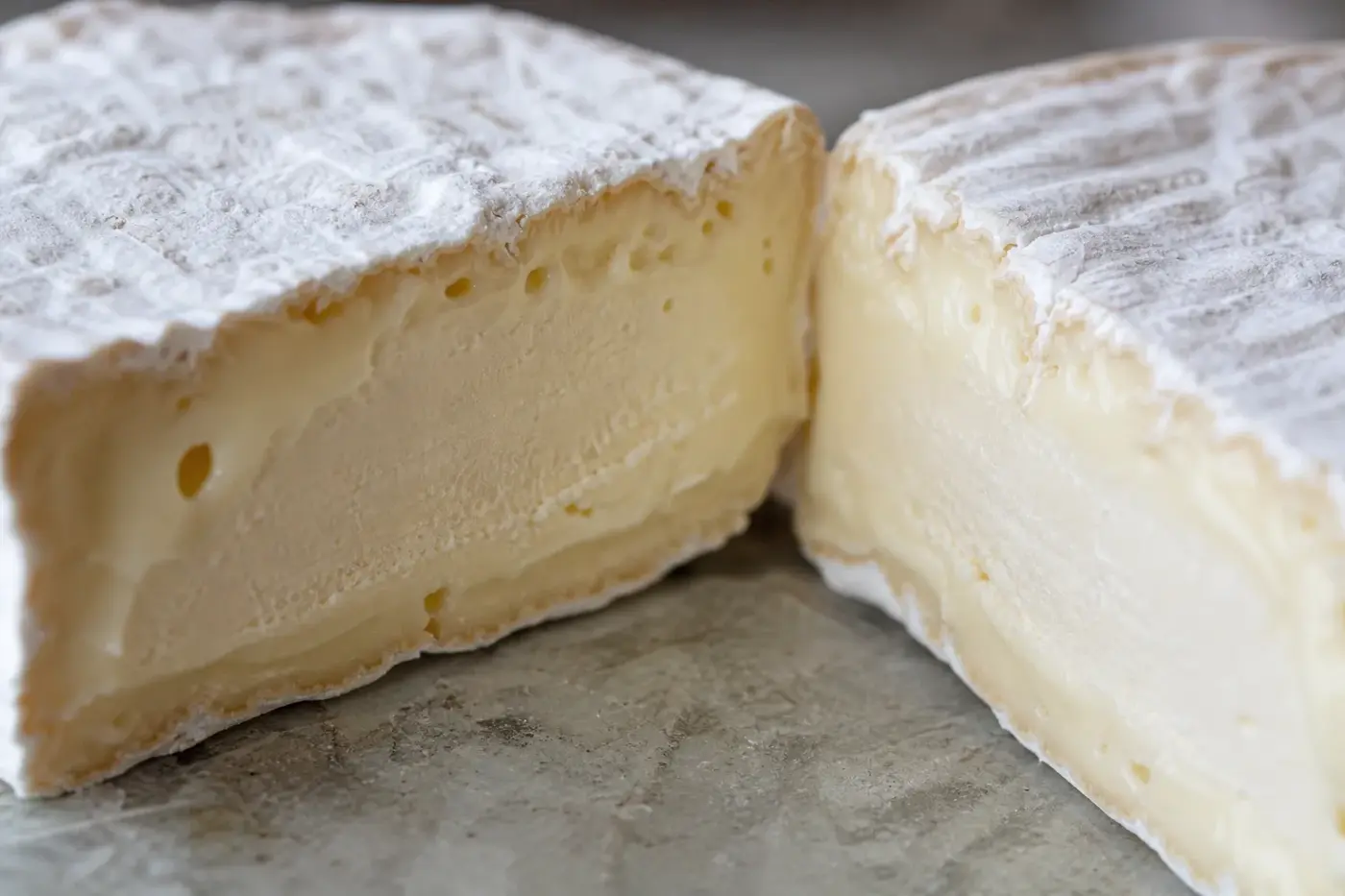
Lean closer to the pale coat on a young soft cheese.
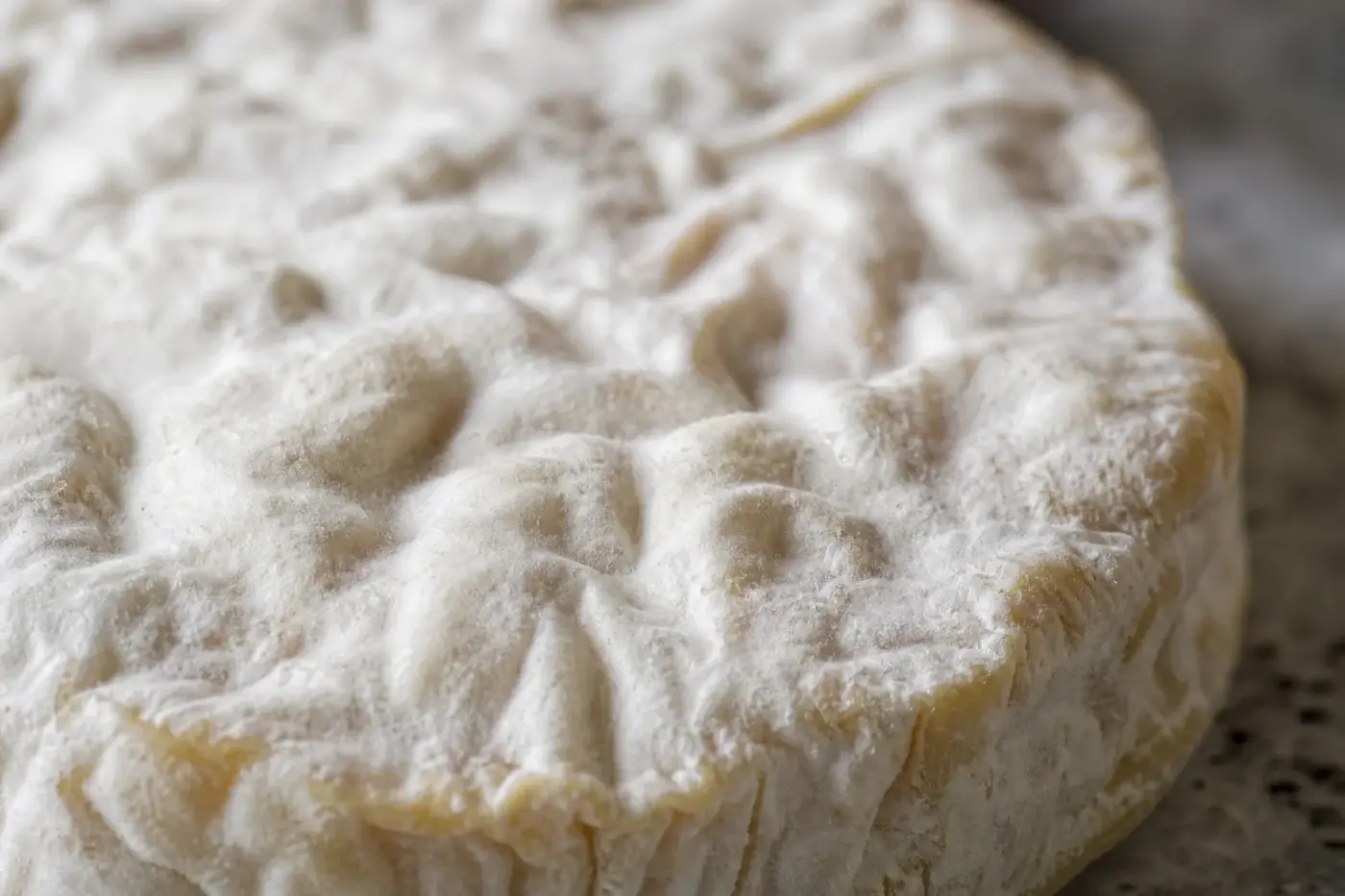
Lean closer to the pale coat on a young soft cheese. Beneath it, Geotrichum candidum, the yeastlike ripening fungus that can form that covering, is consuming lactic acid and helping break down proteins and fats. A whole microbial community is changing the cheese’s chemistry, shaping its rind, texture and aroma. That quiet exterior is doing a remarkably good impression of taking the day off. [1, 2, 3]
Meet the character beneath the pale coat
If you have seen Geotrichum candidum called both a yeast and a yeastlike mould, you have not stumbled into a disagreement. It forms hyphae, microscopic filaments that can fragment into reproductive cells called arthroconidia. Depending on the strain, its colonies can look mostly yeastlike or distinctly filamentous. Both descriptions reflect the way it grows. [1]
NCBI records the organism as Geotrichum candidum. Here is the distinction worth carrying to the cheese counter: a species is not a strain. A strain is an individual genetic line selected for particular behaviour. Two cultures with the same species name can differ in appearance, growth and biochemical activity. [1, 4]
For a cheesemaker, choosing a culture means choosing much more than a white coat. It helps determine how the rind develops and how the cheese changes beneath it. To pick up that story at the beginning, follow the curd in how cheese is made. [1]
How the fungus arrives at the dairy
Sometimes G. candidum comes from a dairy’s established microbial population. Sometimes the cheesemaker adds it deliberately. Researchers have isolated it from milk, curd and ripening cheeses. A French study characterised 64 isolates from seven cheesemaking regions, finding substantial diversity even within individual production settings. [1]
A maker can add selected cultures to milk or apply them to the cheese surface. In controlled Camembert-type experiments, researchers inoculated pasteurised milk with G. candidum alongside other ripening organisms. Separate research describes deliberate surface inoculation on mould-ripened and smear-ripened cheeses. [5, 6]
Either way, the fungus joins a managed community. Where you introduce it is not necessarily where you will see its work: even when added to milk, its characteristic fungal covering develops at the surface. Surface inoculation puts it straight where rind development is wanted. [5, 6]
What the rind can, and cannot, tell you
That white growth is alive, not a fixed skin. Its appearance depends on the strain and the environment the cheese provides. When you look at a rind, you are seeing the work of both. [1, 6]
Strains differ in their balance of filaments and arthroconidia. Their growth affects the rind’s thickness, cohesion and texture. Researchers have also recorded differences in colony density and fluffiness among cheese-associated populations. The species name alone cannot tell you how the finished rind will look. [1, 7]
Wrinkles give you something useful to describe, but they do not identify the fungus. In the laboratory, researchers distinguish strains using genetic and physiological methods as well as colony characteristics. Reading the surface is only one part of understanding what is growing there. [1, 6]
How the surface loses its sharpness
One of G. candidum’s important jobs starts with lactate. Young cheese contains lactic acid made by starter bacteria. Lactate, the form associated with that acid, can feed the fungus as a carbon source. As the fungus consumes it, surface acidity falls and pH rises: a higher pH simply means a less acidic environment. [2]
Researchers demonstrated this directly using pure cultures of G. candidum. In an acidified milk-agar medium, they rapidly metabolised lactic acid. The same research followed ripening cheese, linking surface changes with lactate depletion, ammonia production and the redistribution of calcium. [2]
Ammonia offers another route to lower acidity when microbes metabolise amino acids. Its importance changes as ripening progresses, rather than following a fixed timetable. In controlled Camembert-type cheeses, surface pH was associated with both fungal growth and ammonia concentration. [5]
You end up with a surface habitat quite unlike freshly drained curd. As the chemistry changes, so do the opportunities for microbial growth. The organisms prominent at the beginning need not be the most active later. [2, 5]
Sharing the rind with Penicillium and bacteria
Think of a Camembert-type rind as shared territory, not a private residence. G. candidum grows alongside Penicillium camemberti, another ripening fungus, and both help break down proteins. Their populations and activities develop differently, though. Controlled cheesemaking trials tracked their growth alongside changes in lactate, nitrogen compounds and pH. [5]
On smear-ripened cheeses, bacteria play an important part in the relationship. Falling surface acidity makes conditions more favourable for acid-sensitive organisms such as Brevibacterium linens. In the Camembert-type experiment, bacterial growth began after the early fungal changes, once rind pH had approached neutrality. [5]
This is microbial succession: earlier inhabitants change conditions for those that follow. The community shares resources, alters its surroundings and sometimes competes. Research comparing cheese-associated fungal populations has also documented inhibition of other fungi under laboratory conditions. [7]
The familiar names Camembert and Brie describe cheeses. G. candidum and P. camemberti name individual members of the communities that help ripen them. If you keep that distinction in mind, cheese names and fungus names tell you different parts of the same story.
Getting to work on proteins and fats
By the first week of ripening, particular caseins were already being preferentially broken down in experimental Camembert-type cheeses containing G. candidum. Those cheeses showed extensive surface proteolysis. The findings supported the fungus’s contribution both to the first cutting of proteins and to their further breakdown into smaller products. [3]
Proteolysis simply means protein breakdown. Enzymes cut caseins, the principal milk proteins, into smaller peptides and amino acids. To explore the contribution of G. candidum, researchers made Camembert-type cheeses with and without it. They then measured casein degradation and the release of smaller nitrogen-containing compounds. [3]
The fungus works on fat too. This process, lipolysis, releases materials that can contribute to flavour or undergo further microbial transformations. How much protein and fat breakdown takes place depends on the strain and experimental conditions. [6, 7]
These processes connect rather than happening in isolation. Protein breakdown changes the cheese’s structure and supplies amino acids; fat breakdown supplies fatty acids. Other organisms can use those products, carrying the effects of the original enzyme activity further through the ripening community. [3, 6]
Where softness meets aroma
When you notice a cheese softening, protein breakdown is only part of what you are noticing. Research on surface-ripened cheese links texture development to interacting changes in acidity, calcium distribution and protein solubility. The rind and the paste, the cheese beneath it, are changing together. [2]
Aroma follows several connected pathways too. One study examined sulfur-flavour production by ten G. candidum strains. It showed that the organism can contribute to this important part of cheese aroma. [8]
More recent experiments grew different strains on sterilised cheese curd and measured their volatile compounds. These are substances that can enter the air and contribute to smell. Cheese-associated populations produced different balances of alcohols, ketones, aldehydes and sulfur compounds from those produced by wild populations. [7]
That balance matters as much as any single compound you might pick out. Milk, starter bacteria, other rind organisms and ripening conditions all help shape what you eventually taste and smell. To understand a particular aroma, you need to consider the whole cheese and the microbial activity within it. [5, 7]
The cheeses that give it a home
Soft surface-ripened cheeses offer you a clear example of deliberate G. candidum use. Controlled Camembert-type production demonstrates its inclusion alongside P. camemberti. Research on commercial ripening yeasts also describes inoculation onto both mould-ripened and smear-ripened cheeses. [5, 6]
Researchers have recovered strains from goat cheese production and from goat cheeses themselves. That establishes an association, but it does not necessarily mean a maker added the fungus deliberately. Its presence and its introduction are separate questions. [1, 7]
When you choose cheese, the distinction between fresh and surface-ripened matters. A fresh goat cheese and a surface-ripened goat cheese can have quite different microbial environments and textures. Look at the maker’s description of the rind and ripening method, rather than milk species alone. For the wider distinctions, see how to tell cheese styles apart.
Finding conditions that suit the strain
Moisture strongly influences fungal growth, but the useful measure is not simply how much water a cheese contains. Researchers measure water activity: how available that water is to microorganisms. That distinction matters when you are assessing where a culture will grow. [9]
A study using almost 600 growth curves examined three G. candidum cultures on laboratory media. Researchers varied temperatures and water activities, adjusting the latter with salt. Both factors affected growth, and strains responded differently. The findings favour careful control rather than one setting for the whole species. [9]
Salt can restrict growth, but concentration, medium and strain all matter. In a separate milk experiment, adding 1% sodium chloride slightly accelerated growth under some cooler conditions, yet inhibited it near the organism’s temperature optimum. The idea that salt simply stops Geotrichum misses that variation. [10]
Choosing a strain means selecting behaviour suited to a particular production system. It is not enough to ask whether the organism can grow there. You also need to know how it will perform in those conditions. [6, 9, 10]
When helpful activity becomes too much
More growth does not automatically mean better cheese. Excessive or unsuitable G. candidum activity can disrupt a rind. Research describes strains associated with unstable surfaces that disintegrate during turning, alongside irregular development of the organisms that follow them. [1]
Fast biochemical activity can spoil the result too. The domestication study distinguishes useful protein and fat breakdown from excessive activity that degrades the product. Its laboratory tests found different behaviour among different cheese-associated populations. The aim is balance, not maximum activity. [7]
An intended wrinkled rind is a different matter from unexpected mould on stored cheese. A 2002 Food Standards Agency factsheet distinguishes deliberately introduced cheese moulds from unwanted growth. It does not, however, establish current advice for soft cheese. [11]
Nor can you tell by looking whether Listeria is present. The NHS identifies soft mould-ripened cheeses among the foods associated with listeriosis. An appealing rind cannot answer that safety question. [12]
This page summarises published guidance from the official sources it cites. It is not medical advice. Guidance differs between countries and changes over time, so check the current source for where you live, and ask your doctor, midwife, pharmacist or dietitian about your own circumstances.
Enjoy the rind, and store soft cheese safely
An intended fungal rind can be part of the cheese you eat. Check the product description or ask your cheesemonger whether it is the expected rind. Pale growth alone does not make it desirable. The FSA’s guidance recognises the distinction between deliberate cheese moulds and unwanted mould. [11]
For storage, the UK NHS advises keeping chilled ready to eat foods cold, with your fridge set to 5 °C or below. Follow the label’s storage instructions and do not eat food after its use by date. Use opened ready to eat food within two days unless the packaging says otherwise. Keep raw and ready to eat foods separate. [12]
During pregnancy, the UK NHS advises against eating mould ripened soft cheeses with a white coating, including soft ripened goat cheeses, unless cooked until steaming hot all the way through. This applies to cheeses made with both pasteurised and unpasteurised milk. Check the current official advice for your circumstances. [13]
The NHS also identifies older people and people with weakened immunity as being at greater risk of serious illness from listeriosis. Its current guidance is linked below. For everyday handling, continue with how to store cheese at home and mould on cheese. [12]
Questions people ask
What is Geotrichum candidum?
It is a yeastlike ripening fungus that can form a pale coat on young soft cheese. Its colonies range from predominantly yeastlike to distinctly filamentous, depending on the strain.
How does Geotrichum candidum change cheese?
It consumes lactate, reducing surface acidity and raising pH. It also helps break down proteins and fats, contributing to changes in texture and aroma.
Can you identify Geotrichum candidum by a wrinkled rind?
No. Wrinkles are useful descriptive information, but they do not identify the fungus. Laboratory studies also use genetic and physiological methods to distinguish strains.
Which cheeses use Geotrichum candidum?
Controlled Camembert type production has used it alongside Penicillium camemberti. Research also describes its deliberate application to mould ripened and smear ripened cheeses.
Can you eat mould ripened soft cheese during pregnancy?
The UK NHS advises against eating mould ripened soft cheeses with a white coating during pregnancy unless they are cooked until steaming hot all the way through. This applies to cheeses made with both pasteurised and unpasteurised milk; see the current NHS guidance on pregnancy [13].
Sources
- American Society for Microbiology, Diversity of Geotrichum candidum Strains Isolated from Traditional Cheesemaking Fabrications in France, Applied and Environmental Microbiology, 2001. Full text.
- American Dairy Science Association, Integrated Roles of Lactate, Ammonia, and Calcium in Texture Development of Mold Surface-Ripened Cheese, Journal of Dairy Science, 1987. Retrieved abstract. Journal record.
- Elsevier, Contribution of Geotrichum candidum to the proteolysis of soft cheese, International Dairy Journal, volume 16, issue 7, 2006, pages 775 to 783. Retrieved abstract. Journal record.
- US National Center for Biotechnology Information, Taxonomy Browser: Geotrichum candidum, Taxonomy ID 1173061, database record retrieved November 2026. Taxonomy record.
- Elsevier, Controlled production of Camembert-type cheeses. Part I: Microbiological and physicochemical evolutions, 2004. Retrieved abstract through the US National Library of Medicine. PubMed record.
- Frontiers, Phenotypic and Genetic Characterization of the Cheese Ripening Yeast Geotrichum candidum, Frontiers in Microbiology, volume 11, article 737, 2020. Journal article.
- Peer Community Journal, Domestication of different varieties in the cheese-making fungus Geotrichum candidum, volume 3, article e45, 2023. Full text.
- American Society for Microbiology, Production of Sulfur Flavors by Ten Strains of Geotrichum candidum, Applied and Environmental Microbiology, volume 65, 1999, pages 5510 to 5514. Full text.
- MDPI, Modelling the Radial Growth of Geotrichum candidum: Effects of Temperature and Water Activity, Microorganisms, volume 9, article 532, 2021. Full text.
- MDPI, Quantitative Characterization of Geotrichum candidum Growth in Milk, Applied Sciences, volume 11, article 4619, 2021. Journal record.
- Food Standards Agency, Natural toxins factsheet, reference FSA/0486/0302, 2002. Agency-hosted factsheet.
- NHS, Listeriosis, page last reviewed 10 November 2023, retrieved November 2026. Current guidance.
- NHS, Foods to avoid in pregnancy, current online version retrieved November 2026. Current guidance.
Researched through original cheese-ripening studies, experimental growth research, a taxonomic database and official UK consumer guidance, with abstracts distinguished from full texts.
Last checked: November 2026
Last checked November 2026.
The editors suggest you read next