Vegetable Rennet: Thistle and Other Plant Coagulants
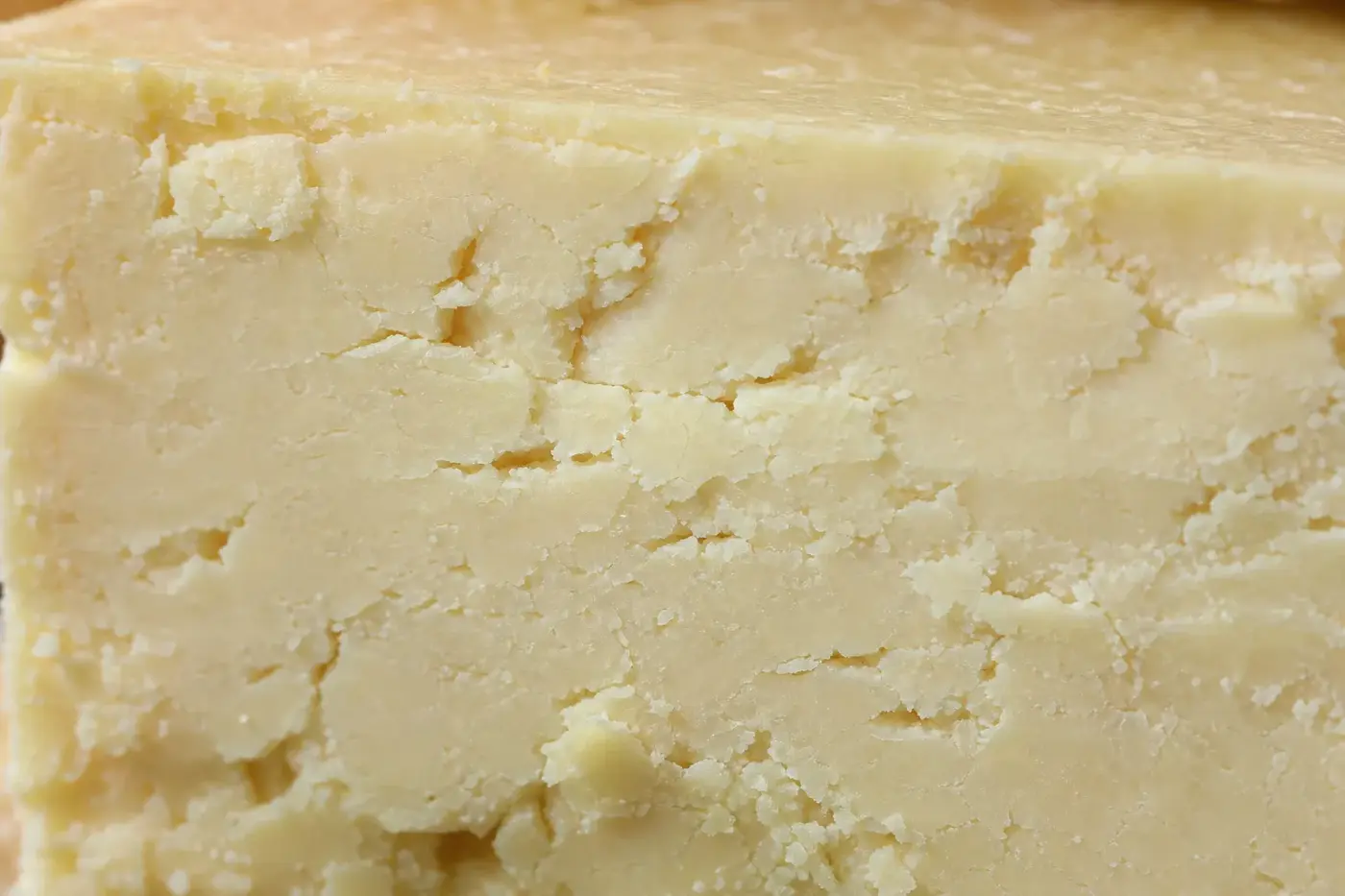
Cut into a young Queijo Serra da Estrela and watch its smooth, compact paste gently lose its shape.
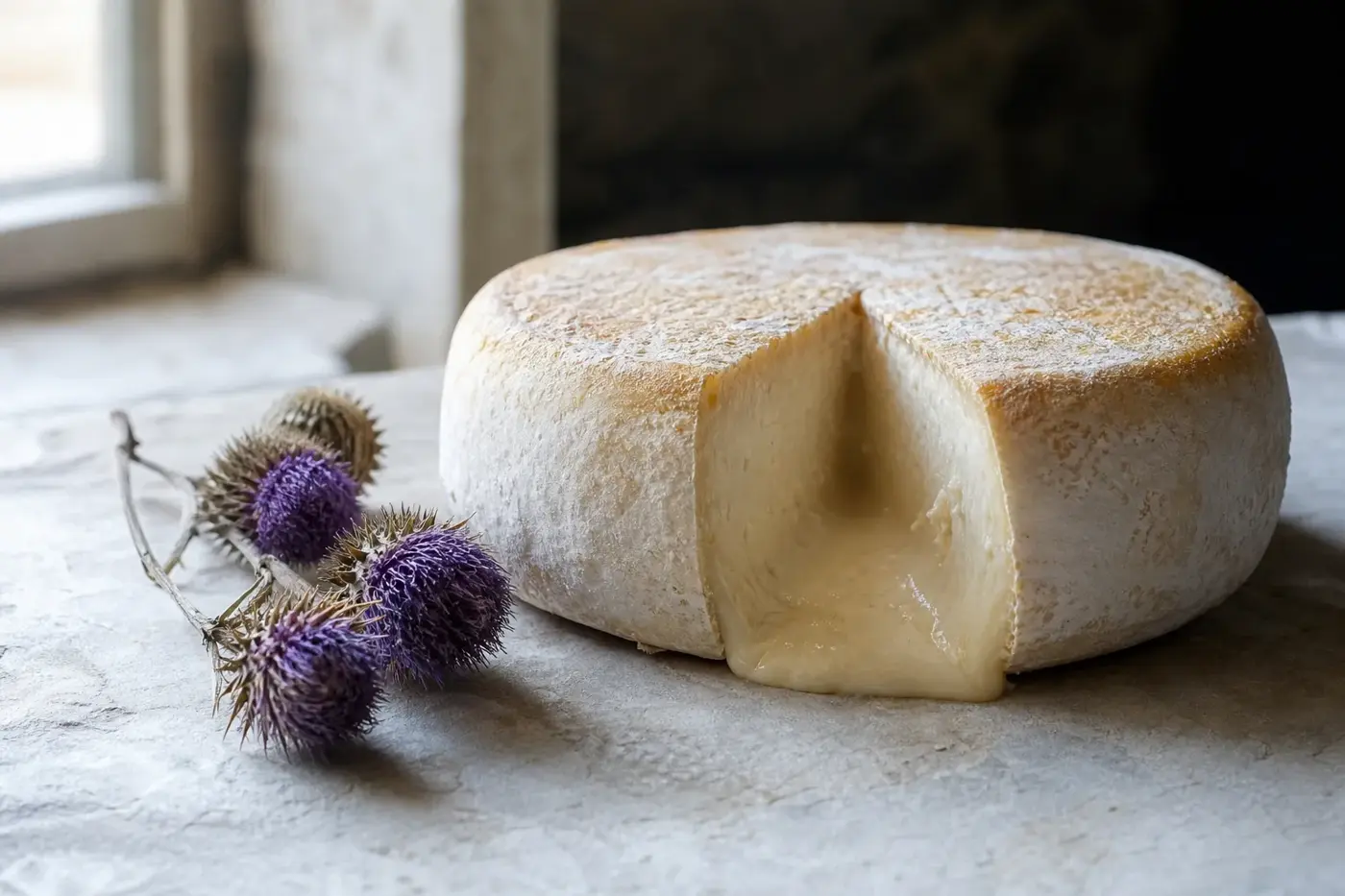
Cut into a young Queijo Serra da Estrela and watch its smooth, compact paste gently lose its shape. In Portugal’s Serra da Estrela, as in Spain’s Extremadura, cardoon flowers help turn sheep’s milk into cheese with a soft, yielding heart. Their enzymes set the milk, then keep shaping the cheese as it ripens. The flower’s work is only just beginning when the curd forms. [1,2]
Vegetable rennet: think flowers, not the vegetable drawer
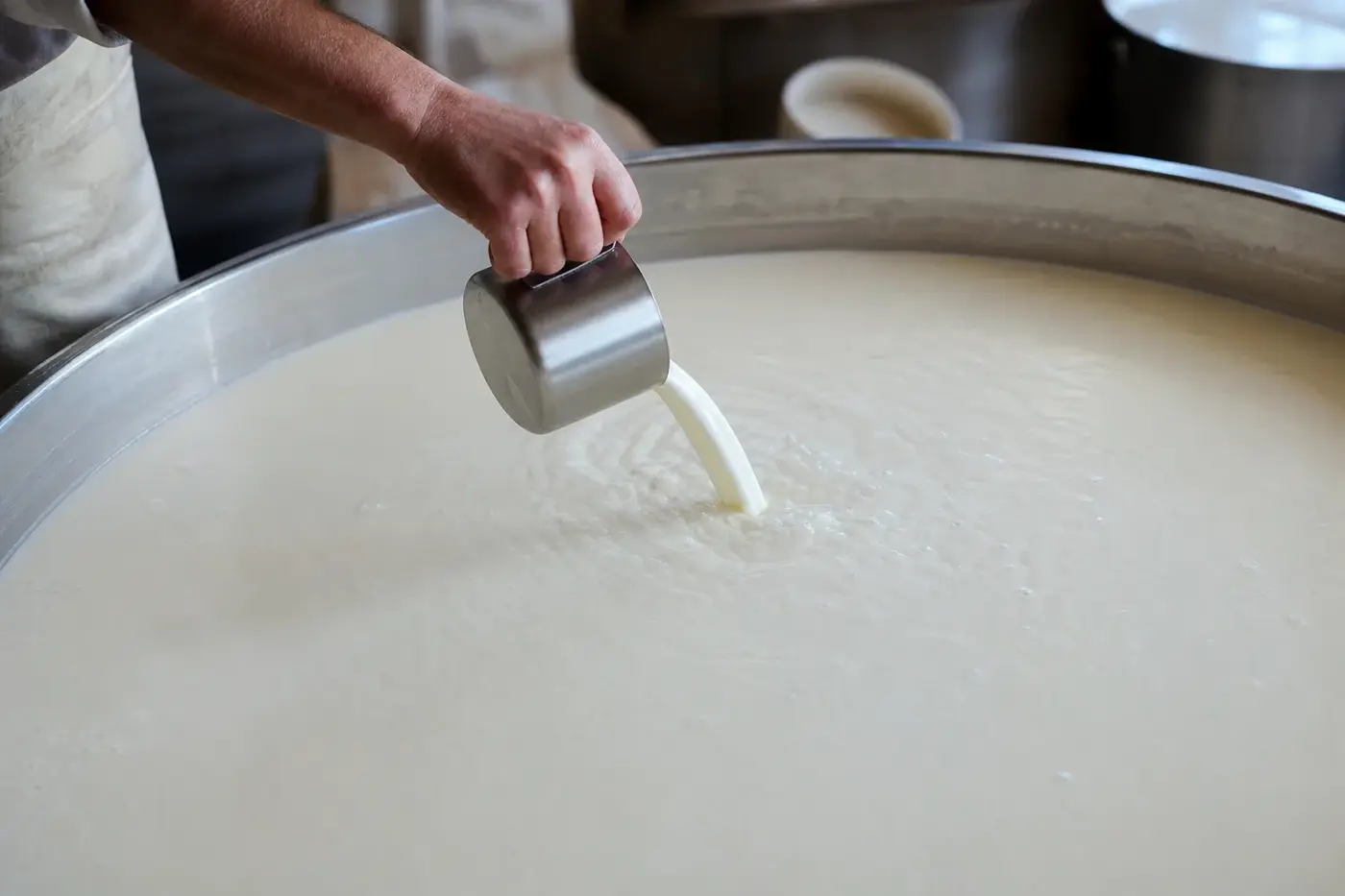
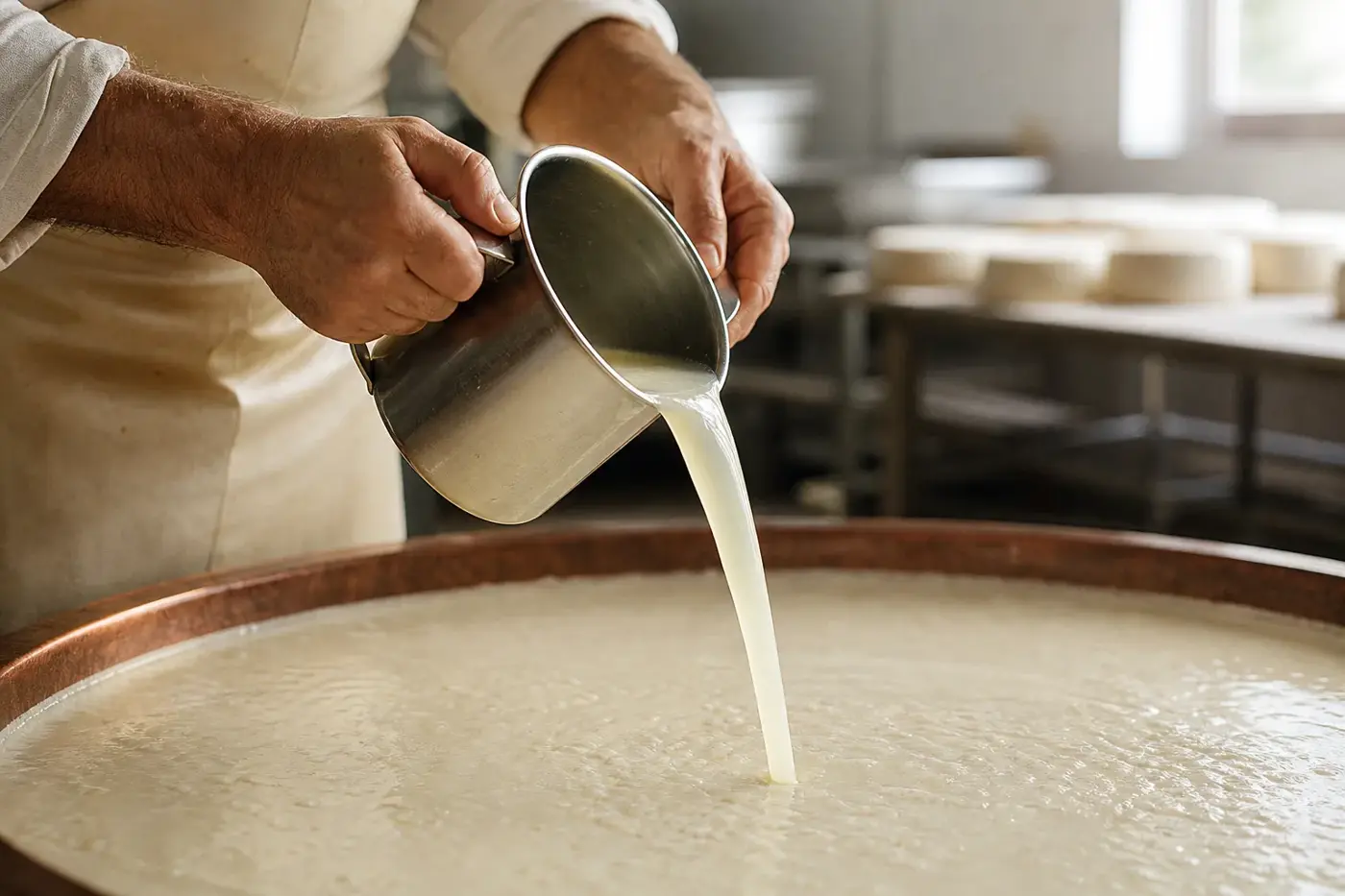
You will not find vegetables tucked into the cheese. “Vegetable rennet” means milk-setting enzymes extracted from plants. What matters is how they work: enzymatic setting cuts milk proteins, while acid setting changes their behaviour by lowering the milk’s pH. [3,4]
“Vegetarian rennet” casts a wider net. A microbial coagulant or fermentation produced chymosin may suit vegetarians without coming from a plant at all. If you want to untangle the wider family, start with rennet explained. [9,10]
The small rearrangement behind your curd
Inside milk, casein, its main group of proteins, is organised into tiny particles called micelles. Their outer layer includes kappa-casein, which helps keep those particles dispersed. A milk clotting enzyme breaks particular protein bonds, disrupting that protective arrangement so the particles can come together in the presence of calcium. [3,4]
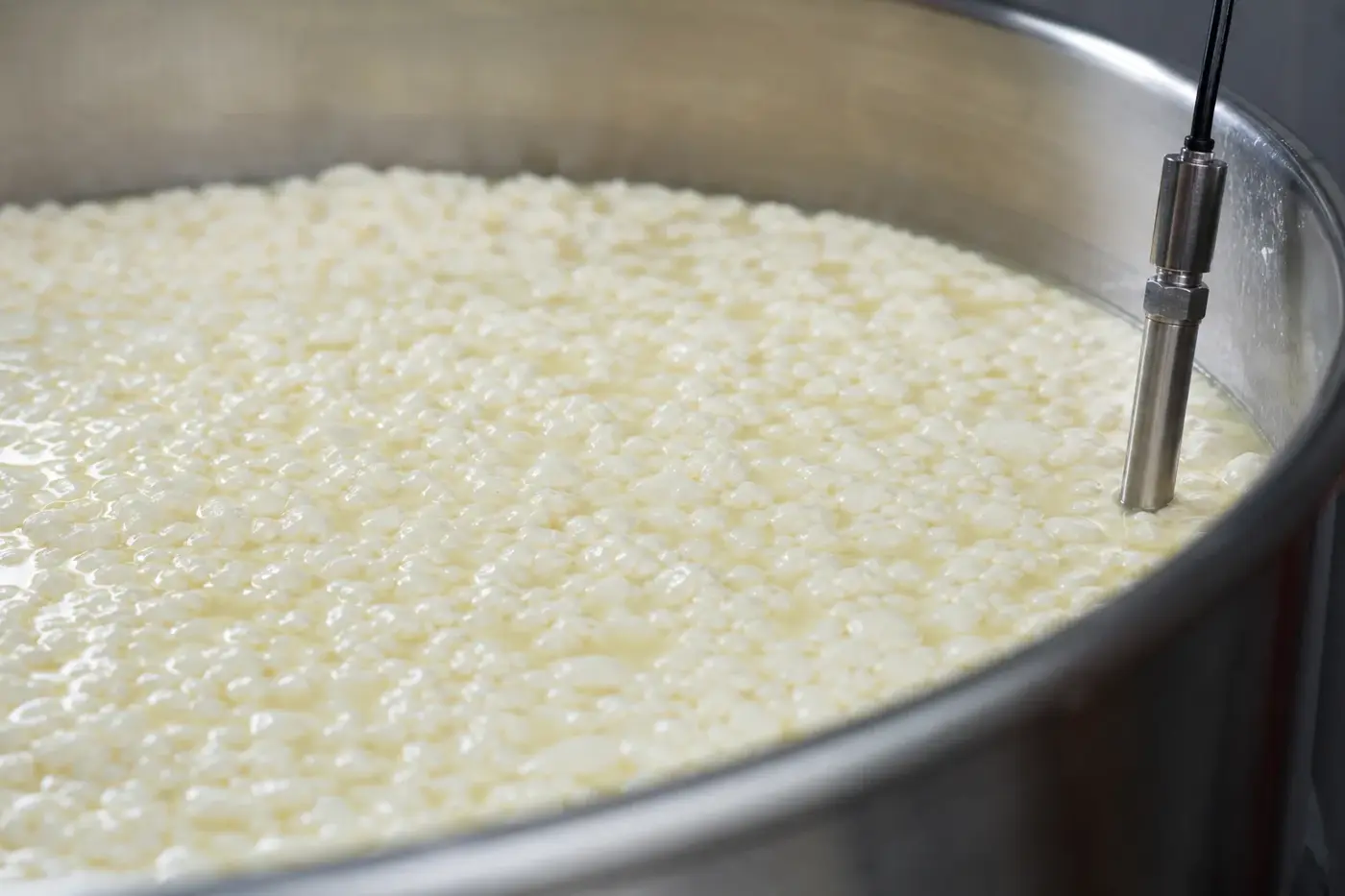
As they join, they build a network that traps water and fat: your curd. The liquid released during draining is whey. Cutting the proteins and building the gel are separate stages of coagulation. Acidity still matters in an enzyme-set cheese, but it works alongside the coagulant rather than taking over its job. [3,4]
Dried cardoon flowers, and a cheesemaker’s eye
The Iberian cheese documents name flower material from Cynara cardunculus as their coagulant’s source. Turning that natural material into the right curd takes judgement, not just a flower extract. [1,2]
The Torta del Casar specification brings the cheesemaker’s skill into focus. Working with natural, unstandardised cardoon, they must judge the curd before cutting, then manage mould filling and pressing to reach the required moisture. Change the coagulant and you must adjust the make. This is a complete method, not a simple ingredient swap. [2]
Meet the cardosins working inside the flower
Cardoon flowers contain aspartic proteases, enzymes whose active sites use aspartic acid residues to help break protein bonds. Cardosins A and B are among those studied. Research has also examined recombinant cardosin B produced in cultured plant cells. An enzyme’s identity and the system that produces it are two different things. [4]
Original casein research found that cardosin attacked several bonds in hydrophobic regions of milk proteins that chymosin attacked less extensively under the tested conditions. That broader activity matters beyond the first set. For a plant coagulant to be useful, it needs to clot milk effectively and deliver an appropriate amount of continuing protein breakdown. [3,4]
So do not let a familiar-looking flower make the decision for you. The name “thistle”, or a similar appearance, cannot tell you that a plant has the same enzyme mixture or cheesemaking performance. [3,4]
Two Iberian cheeses with cardoon at their heart
For Queijo Serra da Estrela, the story begins with unadulterated raw milk from Bordaleira Serra da Estrela or Churra Mondegueira ewes. Its EU product document specifies coagulation with Cynara cardunculus flowers, followed by slow draining and ripening. Plant, milk and method belong together here. [1]
For Torta del Casar, the Spanish specification requires raw milk from sheep of the merino and entrefino stocks. Its vegetable coagulant comes from Cynara cardunculus, and its production area lies in Cáceres, Extremadura. [2]
You will also encounter PDO, meaning protected designation of origin in this EU context. To follow the connection between a cheese’s place and its method, turn to protected names explained. [1,2]
Will your cheese welcome a spoon or hold a slice?
Serra da Estrela takes you through quite a change in texture. According to its product document, the younger cheese has a smooth, compact paste that loses its shape when cut, with a clean, slightly acidic character. The mature “Velho” form is drier and slightly crumbly. One cardoon tradition makes room for both. [1]
Torta del Casar’s specification describes a soft to very soft paste, lactic or vegetal aromas, low saltiness and low to medium bitterness. It links that characteristic texture to intense proteolysis, meaning protein breakdown, and to the cheesemaker’s control of the process. [2]
When you choose a cheese, ask about its intended style and maturity. Milk composition, retained moisture and ripening all work with the coagulant. “Plant” alone cannot tell you whether to reach for a knife or quietly fetch a spoon. [1,2]
Fig latex gets its turn in the vat
The milky sap of Ficus carica, fig latex, contains protein-cutting enzymes called ficins. Its cheesemaking use has been studied directly in Italian Cacioricotta made from goat’s milk. A 2012 comparison looked at cheeses coagulated with caprifig latex alongside cheeses made with calf rennet. [5]
The researchers measured nitrogen fractions, separated peptides by chromatography and identified peptides by mass spectrometry. The fig-coagulated cheeses showed more extensive protein breakdown. Following a particular cheese and process took the question beyond “does it clot milk?” to what those enzymes do afterwards. [5]
Papaya and pineapple: the first clot is not the whole story
Papain comes from papaya; bromelain preparations come from pineapple. If you are considering either for cheesemaking, whether it can clot milk is only the opening question. You need to know how it performs in the finished cheese. [6]
A 2024 pilot plant study included fig latex and pineapple bromelain among plant preparations used for cheddar-type cheese. This was an experimental application, distinct from the specified cardoon methods of the Iberian cheeses. When assessing papain or bromelain, look for evidence about drainage, texture and ripening, alongside clotting activity. [6]
Getting a strong curd and a meaningful yield
Coagulant strength measures activity, not simply the volume you pour into the milk. Two extracts may contain different amounts or proportions of active enzymes. Temperature and acidity influence their work, while the milk’s protein content and mineral balance influence the gel they build. [4,6]
Milk treatment changes the picture too. Heating alters milk proteins and can affect how they behave during coagulation. The Cacioricotta study, for example, used strongly heated milk, so its results need separate consideration from those for raw sheep’s milk. You can explore that distinction in milk treatments explained. [5]
A larger dose introduces more enzyme, potentially changing both the first set and later proteolysis. Yield needs an equally careful look: a heavier wet curd may simply hold more water, not more milk solids. For a useful comparison, record drainage and moisture as well as the quantity of cheese you produce. [3,6]
When that lovely softness goes too far
Protein breakdown can give you exactly the softness a cheese needs, or weaken it too much. As casein breaks down, the structure holding the cheese together loosens. Some of that activity is central to cardoon-set cheeses. Excessive or poorly balanced activity, though, can leave a weak curd or an excessively soft ripened cheese. [2,3]
Bitterness needs its own assessment. Original cardosin research mapped cleavage in hydrophobic regions of casein, but that map cannot establish how bitter the finished cheese will taste. Sensory assessment of the ripened cheese measures a different part of the result. [3]
Plant, animal or microbial: get to know your coagulant
| Coagulant | Where its enzymes come from | What to look for |
|---|---|---|
| Plant | Plant material, such as cardoon flowers | Look for the named plant and preparation. [1,3] |
| Animal | Animal tissues, traditionally the stomach | Check whether your intended cheese requires it. [10] |
| Microbial | Microorganisms | Look for the organism and supplier’s declared suitability. [9] |
| Fermentation produced chymosin | Selected production microorganisms making chymosin | Check the preparation specification and certification. [10] |
A botanical-sounding label tells you less than the origin and enzyme identity. Microbial rennet and fermentation produced chymosin are separate categories, although fermentation helps manufacture both. For a finished cheese, look for the producer’s vegetarian declaration or relevant certification, rather than deciding from one production detail. [9,10]
The UK Vegetarian Society’s vegetarian trademark criteria exclude animal rennet and other slaughter by-products. They also cover processing aids and require measures against cross-contamination. Its vegan criteria exclude dairy products too, so a plant coagulant does not make a milk cheese vegan. These are the Society’s certification criteria as of November 2026. [9]
Bring plant coagulants into your kitchen with care
Choose a preparation intended for cheesemaking, then follow its supplier’s instructions within a suitable method. Do not transfer a dose specified for one preparation to another. The amount is not a universal recipe.
Leave unidentified flowers, garden sap and extracts of unknown strength out of your vat. Match a documented coagulant to a documented process, including its milk, acidity and temperature, and observe the curd as directed. If you change several variables at once, a disappointing result becomes difficult to explain. [3,5,7]
If you want the supple paste of a particular Iberian cheese, begin with its whole make, not thistle rennet alone. Milk to cheese puts coagulation alongside draining, salting and ripening. Those other stages also help decide what reaches your plate. [1,2]
General information only, not medical advice: follow the official guidance where you live.
Questions people ask
What is vegetable rennet?
Vegetable rennet contains milk setting enzymes extracted from plants. The word vegetable describes the source of the enzymes, not vegetables added to the cheese.
Is vegetable rennet the same as vegetarian rennet?
Vegetarian rennet is a broader term. Microbial coagulants and fermentation produced chymosin may be suitable for vegetarians without coming from plants.
Which cheeses are made with cardoon flowers?
Queijo Serra da Estrela in Portugal and Torta del Casar in Spain use coagulant from Cynara cardunculus flowers. Both are made with raw sheep’s milk.
Does plant rennet make cheese vegan?
No. The UK Vegetarian Society’s vegan criteria exclude dairy products, so using a plant coagulant does not make a milk cheese vegan.
Can I use flowers or garden sap to make cheese?
The page recommends choosing a preparation intended for cheesemaking and following the supplier’s instructions within a suitable method. It says to leave unidentified flowers, garden sap and extracts of unknown strength out of the vat.
Sources
-
European Commission. Publication of the communication of an approved standard amendment to a product specification of a geographical indication: Queijo Serra da Estrela. C/2025/2033, 14 April 2025, including the revised single document. Official document.
-
Spanish Ministry of Agriculture, Fisheries and Food. Pliego de condiciones de la D.O.P. Torta del Casar. Version identified by the ministry’s file as 19 January 2023. Product specification.
-
American Chemical Society, Journal of Agricultural and Food Chemistry. Caseinolytic Specificity of Cardosin, an Aspartic Protease from the Cardoon Cynara cardunculus L.: Action on Bovine αs- and β-Casein and Comparison with Chymosin. Original research, 1995. Publisher record.
-
Scientific Reports. Tobacco BY2 cells expressing recombinant cardosin B as an alternative for production of active milk clotting enzymes. Original research, 2021. Research record.
-
Springer Nature, European Food Research and Technology. Proteolysis of Cacioricotta cheese made from goat milk coagulated with caprifig (Ficus carica sylvestris) or calf rennet. Original research, volume 234, 2012. Publisher abstract and record.
-
Implementation of plant extracts for cheddar-type cheese production in conjunction with FTIR and Raman spectroscopy comparison. Original research, 2024. Research record.
-
UK legislation publisher. Regulation (EC) No 1332/2008 on food enzymes. 2008 text retrieved through the official legislation service. Legislative text.
-
UK legislation publisher. Regulation (EU) No 1169/2011 on the provision of food information to consumers, Article 20. Official Article 20 text.
-
Vegetarian Society. Trademark Criteria. Undated live criteria, retrieved November 2026. Certification criteria.
-
US Food and Drug Administration. Enzyme Preparations Used in Food (Partial List). Live official list, retrieved November 2026. Official enzyme list.
Desk research compared official designation documents, enzyme research, UK legislation and certification criteria; outstanding verification is recorded in the editorial evidence log.
Last checked: November 2026
Last checked November 2026.
The editors suggest you read next