Xynomizithra Kritis
Spoon white curds over tomato-covered dakos and you get softness, moisture and a pleasantly tangy bite.
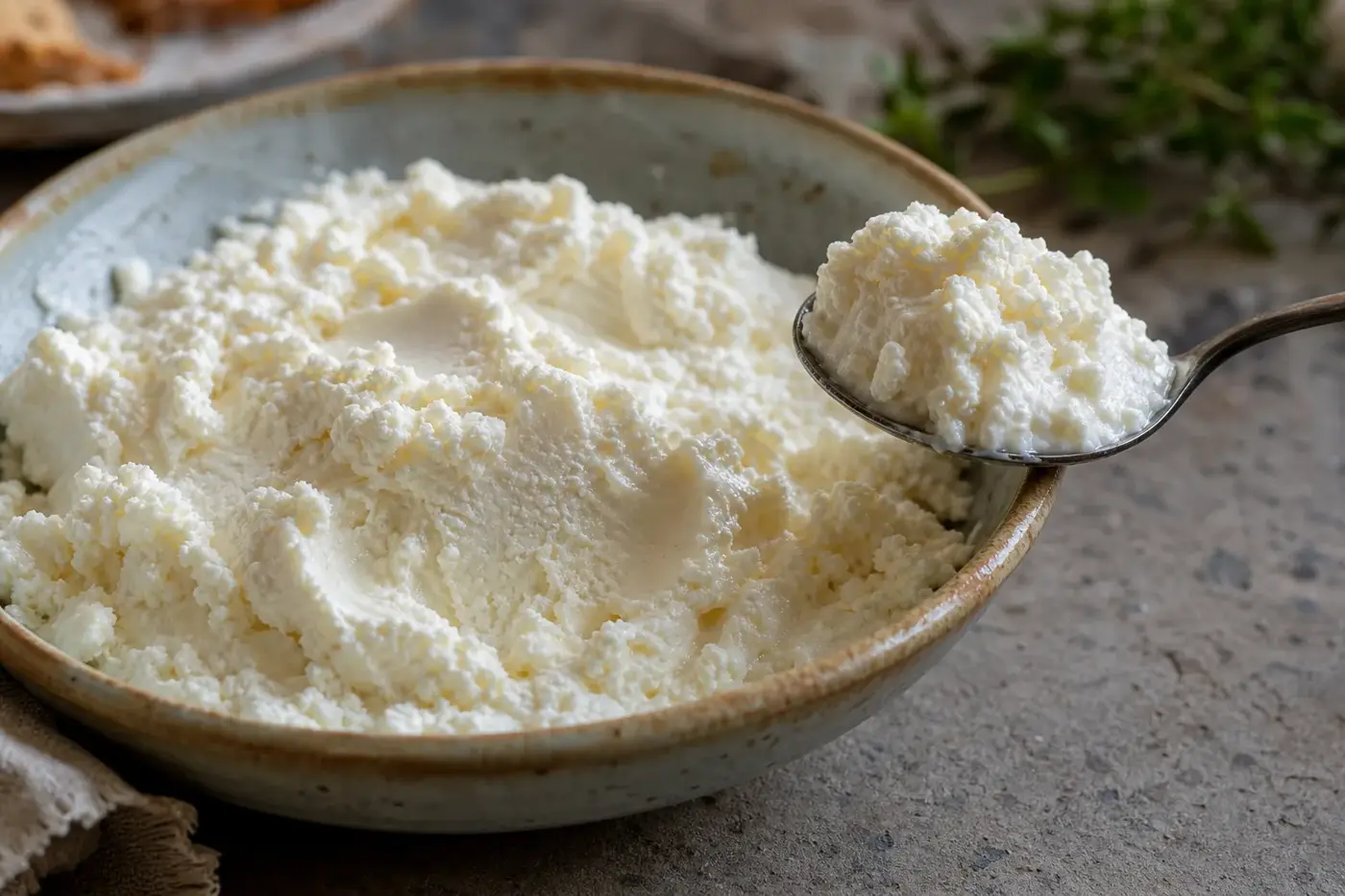
Spoon white curds over tomato-covered dakos and you get softness, moisture and a pleasantly tangy bite. Behind that spoonful lies a less obvious ingredient: time. Xynomizithra Kritis matures in barrels for at least two months, despite looking ready for lunch almost from the start. [1][2]
This rindless Cretan cheese begins with whey left from cheesemaking. Its fresh appearance hides a maturation stage required by its PDO rules. Try it on dakos or tucked into a savoury pastry, where you can put that softness and acidity to good use. [1][2]
| What to know | The detail |
|---|---|
| Familiar name | Xynomizithra Kritis |
| Registered name | Ξυνομυζήθρα Κρήτης / Xynomyzithra Kritis. [3] |
| Registration authority and ID | European Commission, EU PDO scheme; register ID unspecified here. [4] |
| EU status | Registered PDO on the Greek agriculture ministry’s list, November 2026. [4] |
| Great Britain status | Registered PDO; UK scheme registration dated 31 December 2020. Status at November 2026. [3] |
| Where it must come from | Crete: Chania, Rethymno, Heraklion and Lasithi. [1] |
| Milk treatment permitted | Raw or pasteurised source milk. [1] |
| Time to mature | At least two months in the specified maturation stage. [1] |
| Composition limits | Maximum whole-cheese moisture: 55%; minimum fat in dry matter: 45%. [1] |
| Pregnancy guidance | NHS, Foods to avoid in pregnancy, November 2026; see below. [5] |
Put down the knife and find a spoon
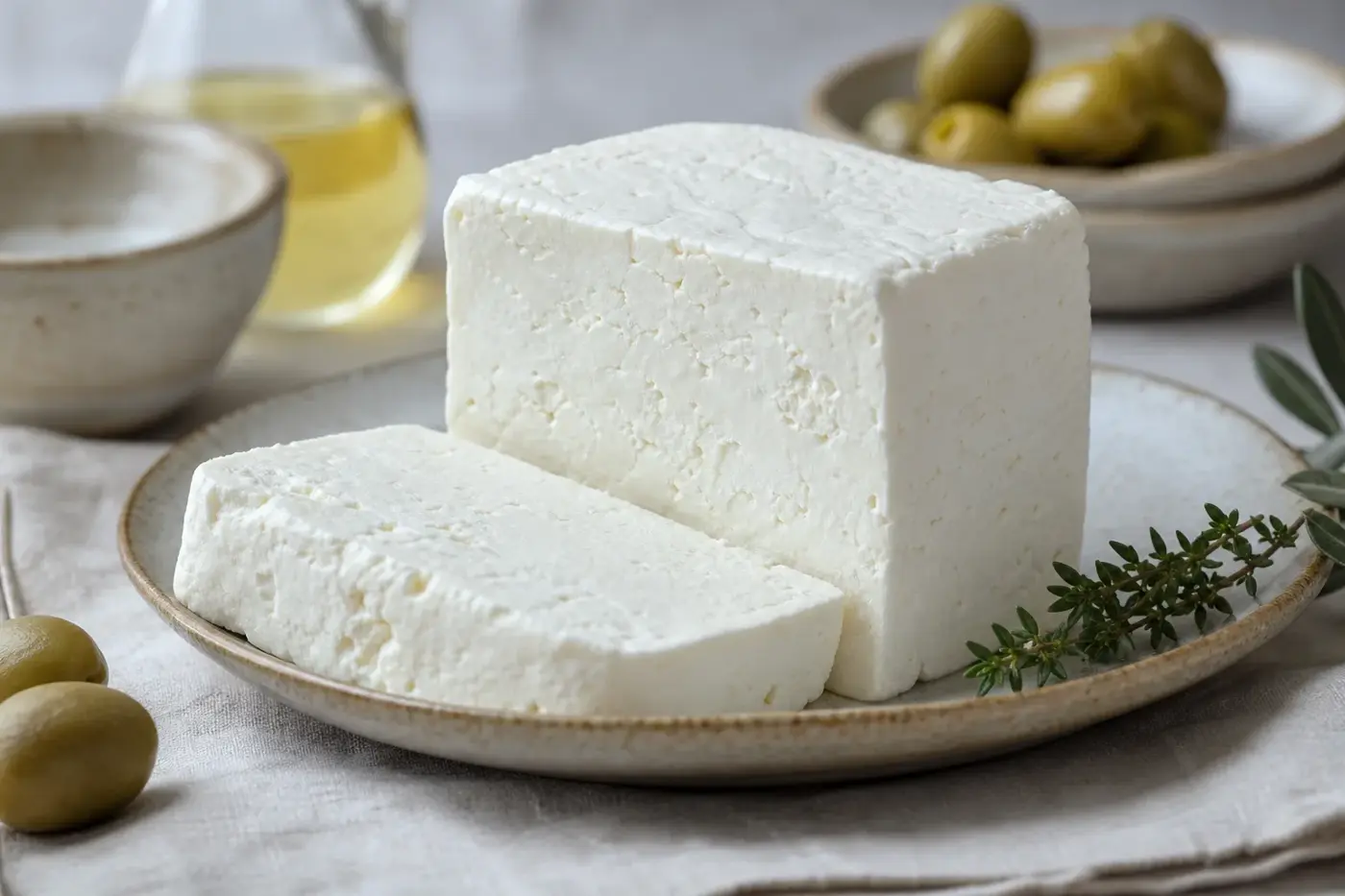
Forget neat slivers for a moment. The PDO documentation describes a white to off-white cheese with no rind, a texture ranging from granular to spreadable, and a mildly sour to sour taste developed during production. You want to spoon or loosely crumble these curds, not shave them. Your cheese knife can have the afternoon off. [1]
Kalogeraki describes its own Xynomizithra Kritis as soft and white, with a granular to creamy surface and a slightly sour flavour. You can see why tomatoes make such good company. Even a modest spoonful brings a tangy accent and a texture that makes itself noticed. [2]
Let those curds show rather than beating them into a smooth sauce. Their unevenness gives each mouthful a different balance of cheese, tomato and bread. Taste the cheese alone first, then add accompaniments gradually so you can judge how much seasoning your particular pack needs.
Follow the name back to Crete
There is more to Xynomizithra Kritis than a name for sour whey cheese. It identifies a defined Cretan product, with rules governing where and how it is made. The Greek agriculture ministry’s current published list includes Ξυνομυζήθρα Κρήτης among Greece’s PDO cheeses, linking to its national specification and original European registration document. [4]
PDO means protected designation of origin. Here, the specification anchors the raw material, manufacture and maturation to the defined Cretan area. It also connects the milk to sheep and goats traditionally raised and adapted there, feeding on the area’s flora. [1]
That connection matters when you shop abroad. If the label says only sour mizithra, look for the full name and origin before treating it as Xynomizithra Kritis PDO. The complete designation tells you more than the biggest word on the packet.
Protection has separate records in different jurisdictions. Great Britain’s official register lists Ξυνομυζήθρα Κρήτης / Xynomyzithra Kritis as registered, with UK scheme registration dated 31 December 2020 and original EU registration dated 21 June 1996. [3] For the wider difference between origin and method-based schemes, turn to protected names explained.
Give the whey its second act
The first curd is not the end of the story. Whey, the liquid separated from curd during cheesemaking, still contains proteins and fat that heating can recover as another curd, ready to drain. Agricultural University of Athens teaching material explains the process and places mizithra, anthotyros, manouri and xynomizithra in the Greek whey-cheese family. [6]
For Xynomizithra Kritis, the whey must come from sheep’s milk, goat’s milk or a mixture of both. The specification allows the cheesemaker to enrich it with local whole sheep’s or goat’s milk, up to 15% by weight. That clause specifies whole milk; it does not list cream as an alternative. [1]
This is where broad descriptions of whey cheese can lead you astray. Each cheese has its own enrichment rules. Knowing the family gives you a useful introduction, but not the precise details of what this PDO permits.
The cheesemaker recovers another cheese from the whey, then develops those soft curds through draining, salting and acidification. Those later stages give Xynomizithra Kritis its character. If you want to follow the earlier separation of milk into curd and whey, see how cheese is made.
Into cloth bags, then barrels
Heat brings the curd to the surface; draining, salt and time take it further. Behind the soft spoonful on your plate is a carefully specified sequence. The production stages run like this: [1]
- Filter or centrifuge the whey, then heat it to 92 °C.
- After the resting stage, collect the surface curd and drain it for three to five hours.
- Mix in salt, then press in cloth bags for about a week while acidity develops.
- Pack into barrels and mature below 10 °C for at least two months before sale.
Now that fresh appearance becomes rather interesting. “Fresh” describes the cheese’s moist look and everyday role in the kitchen, but the protected product goes through a prescribed maturation stage. Its tang develops during production, before you bring it to the table. [1]
The document records a traditional method, and those stages form part of the protected cheese’s specification. Added milk is optional within the rules. The maturation period is not. [1]
In your kitchen, treat Xynomizithra Kritis as a finished ingredient. Taste the softness and acidity already there, then build around them. You need not hide the curds or add more tang before discovering what the cheese contributes by itself.
Get to know the whey-cheese family
A familiar name only gets you so far when choosing a whey cheese. The Agricultural University of Athens groups these relatives by their shared method of heating whey and recovering curd. Whether a particular cheese is moist, fresh or dried still determines what it will do in your dish. [6]
Cretan producer ZOH describes its mizithra as soft, white and rindless. Its anthotyros is more cohesive and higher in fat than its mizithra, and comes both fresh and dried. These are comparisons between ZOH’s cheeses, not compositional definitions for everything sold under those names. [7]
Dried anthotyros takes you somewhere quite different from a spoonable whey cheese. The Karines dairy describes its dried version as compact and piquant, made by drying the drained cheese. You can find that cheese whole, cut and grated. [8]
If you want a substitute that behaves like Xynomizithra Kritis, ask for a moist cheese first, not one meant for drying or grating. Then think separately about acidity. The right consistency helps your dish work, but it does not automatically bring the tang you want.
Look for good curds, not a perfect wheel
Do not expect a compulsory wheel shape. The specification describes Xynomizithra Kritis as an unformed mass, and Kalogeraki also calls its product unformed. Its airtight 350 g pack is one documented retail format, not a standard size for every producer. [1][2]
A container may give the cheese an outline, but your useful questions concern the contents. Is it soft enough to spoon, how should you store it, and what instructions apply after opening? At a cheese counter, ask to see the original container or label.
Use the full registered name alongside the producer’s information to identify the PDO. Great Britain’s register gives you a spelling reference: Xynomyzithra Kritis, with “y” in the middle, while this article uses the familiar English spelling Xynomizithra. [3] For help separating the food’s name from branding and other information, see reading a cheese label.
Make room on your dakos
Dakos leaves the curds room to shine. Kalogeraki recommends its Xynomizithra Kritis for Cretan dakos, and names mizithra pies and sarikopites among its customary pastry uses. These are the producer’s examples of how its cheese is enjoyed. [2]
For an everyday serving, start with a barley rusk or substantial bread. Add tomato first, spoon the cheese over it, then finish with olive oil and a little oregano. Keep the curds in small mounds, so one bite favours tomato and the next gives you more cheese.
With savoury pastries, consider the whole filling before adding salt or liquid. Taste the cheese separately, then follow a recipe written for the pastry you plan to make. A spoonable cheese and a dry grating cheese need different decisions, however similar their names might look.
You can make things simpler still. Set out cheese, sliced tomatoes, bread and olive oil separately, and let everyone choose their proportions. It is an easy way into an unfamiliar cheese, though your idea of a fair share may require a generous spoon.
Keep its company simple, including the glass
Begin with tomatoes, olive oil, bread and one herb. Oregano follows the dakos-style serving above; mint gives you a different accent. Add either sparingly, then taste before deciding whether the cheese needs anything else.
You do not need a formal cheeseboard to get to know these curds. Try cheese with bread alone, then tomato, then a little oil. Keeping the plate simple lets you notice what each accompaniment changes.
If you are an adult of legal drinking age and choose wine, start with a dry white or dry rosé. Pour a small serving and taste it with the assembled dish, including tomato and herbs, rather than the cheese alone. These are pairing suggestions, not results from a recorded tasting.
For an alcohol free option, try still or sparkling water, or an unsweetened chilled herbal infusion. People who are pregnant, driving, taking medicines that interact with alcohol, or recovering from alcohol dependence should not drink. You can explore balancing the whole plate in cheese and wine pairing.
Choose your substitute by its job
Ask what you need the cheese to do. For a spoonable tomato topping, a moist fresh whey cheese such as fresh mizithra or ricotta makes a useful starting point; adjust the assembled dish to taste. For pastry, follow the recipe’s moisture and consistency requirements rather than assuming a straight swap.
If you want more tang, combine a mild, moist cheese with a little plain strained yoghurt. Add it gradually, stopping when your topping or filling reaches the consistency you need. You are adapting the dish, not reproducing the PDO cheese.
Call the substitute by its own name when you serve it. “Tomato rusks with ricotta” tells your guests clearly what they are eating. It also keeps the protected name for cheese made to its specification.
Keep your cheese chilled and its label close
Your pack is the place to look for milk treatment and storage instructions. Kalogeraki’s published ingredients specify pasteurised sheep’s and goat’s milk alongside sheep’s and goat’s whey. That wording establishes the milk’s treatment, not the whey’s, and the PDO name alone does not tell you the treatment used for every product. [2]
For England, Wales and Northern Ireland, the Food Standards Agency advises keeping your home fridge between 0 and 5 °C, refrigerating dairy products and following manufacturers’ instructions. Take out the portion you need and return the pack promptly. Its preparation guidance says chilled food should stay out for the shortest possible time, with a maximum of four hours. [9]
Follow the labelled use-by date and any shorter instructions for after opening. The FSA says you should not eat food after its use-by date, even when it looks and smells acceptable. [10] For help organising refrigerated cheese and keeping its instructions close, see storing cheese at home.
If you are pregnant in the UK, consult the NHS guidance on cheese, milk and other dairy, and read the particular product’s label. Ask your midwife or doctor about your own circumstances. [5]
General information only, not medical advice: follow the official guidance where you live.
Questions people ask
What is Xynomizithra Kritis?
It is a Cretan whey cheese with a protected designation of origin, or PDO. It is white, rindless and soft, with a mildly sour to sour taste.
Is Xynomizithra Kritis made with pasteurised milk?
The PDO specification permits raw or pasteurised source milk, so the name alone does not tell you which was used. Kalogeraki lists pasteurised sheep’s and goat’s milk alongside sheep’s and goat’s whey in its product.
How do you eat Xynomizithra Kritis?
Kalogeraki recommends it for Cretan dakos and names mizithra pies and sarikopites as pastry uses. For a simple serving, spoon it over tomato on a barley rusk or substantial bread, then add olive oil and a little oregano.
What can I use instead of Xynomizithra Kritis?
For a spoonable tomato topping, fresh mizithra or ricotta is a useful first choice. A little plain strained yoghurt can add tang to a mild, moist cheese.
How should Xynomizithra Kritis be stored?
The Food Standards Agency advises keeping the home fridge between 0 and 5 °C, refrigerating dairy products and following manufacturers’ instructions. Follow the use by date and any shorter instructions that apply after opening.
Sources
- Independent Authority for Public Revenue, Greece. Food and Drinks Code, Article 83: Cheese products, edition 3, April 2014, section D.3δ, Xynomyzithra Kritis, Articles 1 to 5. Official text.
- Kalogeraki. Ξυνομυζήθρα Κρήτης ΠΟΠ, undated product description, ingredients and serving suggestions, retrieved November 2026. Producer source with a commercial interest in the product. Product page.
- Department for Environment, Food & Rural Affairs. Ξυνομυζήθρα Κρήτης / Xynomyzithra Kritis, protected food name register entry, published 4 January 2021, retrieved November 2026. Register entry.
- Ministry of Rural Development and Food, Greece. Τυριά, registered Greek cheese names and specification links, listing dated 8 June 2026; and Official Journal L 148, 21 June 1996, original registration document. Ministry listing; registration document.
- NHS. Foods to avoid in pregnancy, current online guidance retrieved November 2026. Official guidance.
- Agricultural University of Athens. Food microbiology laboratory teaching material, Sample 3: Mizithra whey cheese, 2022 teaching file, page 7. Used for the shared whey-heating principle, not its general statement about maturation. Teaching document.
- ZOH. Μυζήθρα Κρήτης and Ανθότυρος Κρήτης, undated producer descriptions, retrieved November 2026. Commercial source describing its own products. Product descriptions.
- Tyrokomio, Karines dairy products. Ανθότυρος ξηρός, undated producer description, retrieved November 2026. Commercial source describing its own product. Product description.
- Food Standards Agency. How to chill, freeze and defrost food safely, published 18 December 2017, current online version retrieved November 2026. Applies to England, Northern Ireland and Wales. Official guidance.
- Food Standards Agency. Food poisoning, current online guidance retrieved November 2026. Official guidance.
Researched through official registration records and production documentation, public health guidance, university teaching material and explicitly attributed producer descriptions; serving and substitution suggestions are editorial desk research.
Last checked: November 2026
Last checked November 2026.
The editors suggest you read next