Greek Cheese
On Kos, the Easter table has room for myzithra, pepper and cinnamon, tucked into lambropites.
On Kos, the Easter table has room for myzithra, pepper and cinnamon, tucked into lambropites. Elsewhere in the island’s cheese story, tyri tis posas, or krasotyro, matures in wine sediment. Both appear in the Greek National Tourism Organisation’s account of local food. If your Greek cheese adventures stop at feta, pull up a chair. [2]
The trail runs from mainland mountain dairies to Crete and the Aegean islands. Along it, you will find brined cheeses, firm cheeses for slicing and grating, and whey cheeses for honey or pastry. Start with what you want your cheese to do. Then follow its regional name, milk and whether it is fresh or matured. [1][2]
Find your cheese, then follow the milk
Sheep and goats take centre stage in Greek cheesemaking, but cattle have a part too. The regional name tells you which cheese you are considering; the ingredients tell you which milk is in your hand. Look at both. A 2013 draft report from the Greek Ministry of Development lists feta alongside graviera, kasseri, manouri and several regional whey cheeses. [1]
First, picture your dish. Are you after brined cheese to crumble, something firm enough to grate, or soft cheese for a filling? Compare the declared sheep’s, goats’ or cows’ milk, rather than expecting every Greek cheese to follow feta’s pattern. Mountains on the packaging are lovely, but they cannot answer questions about the ingredients.
For a taste of seasonal character, ask your cheesemonger for the dairy’s documented account of grazing and production. When was the milk collected, and what were the animals eating? How long has the cheese matured? Those details bring you closer to the cheese on the counter than “mountain” alone can.
Give feta a little more attention
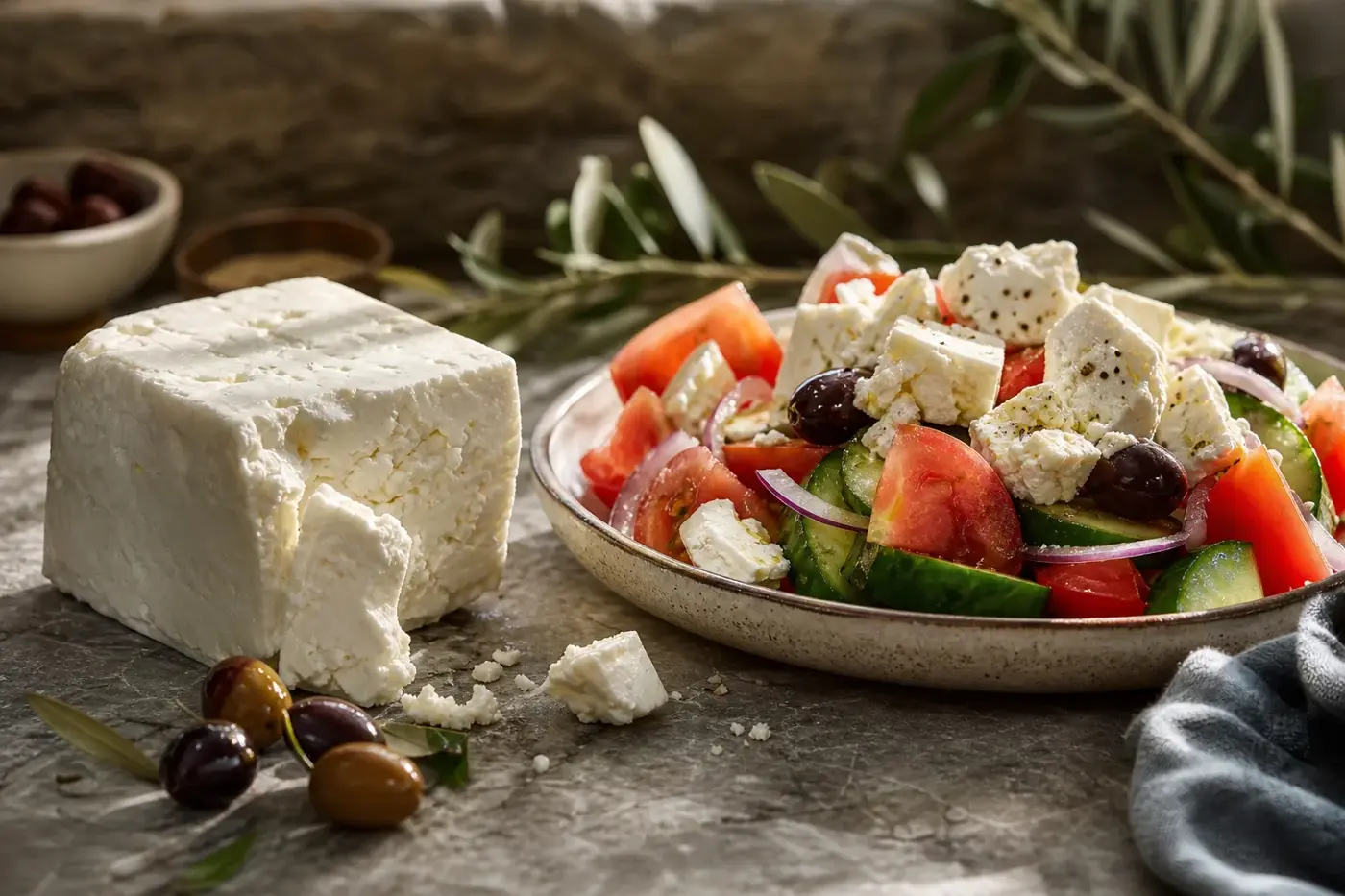
Feta is a natural first stop, but it need not be your last. Its brined format suits dishes where you want distinct pieces, such as a salad or filling, rather than a grated topping. The Greek ministry’s production account gives feta its own treatment, separately from the country’s other named cheeses. [1]
For British readers, that familiar name carries specific legal standing. Φέτα / Feta is registered as a protected designation of origin in Great Britain, according to Defra’s register, with November 2026 as the reference point. The record gives 31 December 2020 as the GB scheme registration date and 15 October 2002 as the original EU registration date. [3]
“Feta” and “white cheese” are not the same description. Before swapping one cheese for another, compare their food names, countries of production and declared milk. You can explore the detailed production rules in the feta guide. A white appearance and a bath of brine do not make two cheeses interchangeable.
For a tomato and cucumber salad, leave your feta in substantial pieces. Each forkful gets a clearer contrast than a fine scattering can give. If you are making a pie, crumble it more evenly through the filling. That way, the cheese reaches beyond a few large pockets.
Take graviera, kasseri and kefalotyri to the counter
These three names give you somewhere to begin when you fancy moving beyond feta. The Greek ministry’s account lists graviera and kasseri among the country’s regional cheeses. Tyrnavos dairy Boukouvalas also publishes separate product pages for kasseri and kefalotyri. [1][4][5]
Graviera needs its place name. The original EU registration legislation listed Γραβιέρα Αγράφων, Γραβιέρα Κρήτης and Γραβιέρα Νάξου, transliterated as Graviera Agrafon, Graviera Kritis and Graviera Naxou. It also stated that protection of “Graviera” alone was not sought. For present requirements, consult the current register entries and specifications alongside that historical text. [6]
For your first tasting, try two regional gravieras side by side. Ask your cheesemonger for the makers’ flavour and texture descriptions, then taste the cheeses alone before adding bread or fruit. Give your palate the first word. Age is useful information, but the most mature cheese will not automatically suit every purpose.
Kasseri and kefalotyri deserve separate attention, too. Boukouvalas markets them as distinct cheeses, not alternative spellings of one product. [4][5] Ask for a kasseri suited to your baked dish and a kefalotyri suited to grating, then follow that product’s handling advice. For the table, request a freshly cut piece and the maker’s tasting description.
With any firm cheese, tell the cheesemonger what you have in mind. “For eating in slices”, “for a pastry filling” or “for grating over a baked dish” gives them something useful to work with. “A strong Greek cheese” leaves rather more room for interpretation, and possibly a longer conversation than you planned.
Make room for anthotyro, myzithra and manouri
The cheese story does not end when the curd is separated. Whey, the liquid left by that process, becomes an ingredient in further Greek cheeses. To get to know the one you are buying, read the dairy’s ingredients and description. A sweeping comparison with another country’s cheese tells you less.
Arvanitis’s published catalogue describes its anthotyro as a soft white cheese eaten fresh. The Greek description identifies whey from sheep’s, goats’ and cows’ milk, with added goats’ milk. That is Arvanitis’s formula, not a promise about every anthotyro. If you pick up another product bearing the name, read its declaration. [7]
Manouri and myzithra have their own places in Greek dairy ranges. Boukouvalas publishes distinct pages for both, while the Greek ministry’s account includes manouri among Greece’s PDO names. [1][8][9] Ask whether your particular myzithra is for fresh eating, filling or grating. For manouri, find out whether the maker recommends serving it cold or cooking it.
| Name to ask for | What to look for | Your first taste |
|---|---|---|
| Anthotyro | Freshness; declared milk and whey ingredients | Try a spoonful plain, then add fruit |
| Myzithra | Fresh or dried; the maker’s recommended use | Choose the form recommended for filling or grating |
| Manouri | Ingredients, texture and serving advice | Taste a small piece with bread before adding honey |
Let your dish guide you, rather than swapping cheeses by name alone. For a pie, ask whether the cheese needs draining and consider the salt already in the filling. For dessert, choose your actual product first. Then decide how much honey or fruit it wants.
Follow the names around Greece
Start with Crete and the Aegean
Crete gives you plenty of reasons to look beyond feta. The Greek ministry’s account names Graviera Kritis, Xynomyzithra Kritis, Pichtogalo Chanion and Xygalo Siteias among its regional cheeses. [1] Build your tasting around contrast, with one firm cheese and one soft cheese. Keep the dairy’s descriptions beside them so you can compare words with mouthfuls.
For an island selection, follow the Aegean’s names. The same ministry account associates Kopanisti with Mykonos and surrounding Cyclades islands, and names Ladotyri Mytilinis, Kalathaki Limnou and San Michali. [1] Take that list to a specialist cheesemonger. It gives you a way to explore by island, rather than by texture alone.
On Kos, cheese takes you straight into local cooking. Alongside Easter lambropites and tyri tis posas or krasotyro matured in wine sediment, the Greek National Tourism Organisation describes kefalotyri, graviera and myzithra among the island’s cheeses. [2] Think about dishes as well as individual names. You begin to see how cheese belongs at the local table.
Head north, then turn to Epirus and the Peloponnese
For a northern Greek selection, start with kasseri and manouri. Both appear in the ministry’s account of Greek regional cheeses. [1] Ask about the particular dairy and production area, and look for the complete name on the label. “Northern Greek” gives you a starting point, not the whole story.
For Epirus, the ministry’s list points you towards Metsovone; for the Peloponnese, it identifies Sfela with Messenia. [1] Each name makes your search for “Greek cheese” more precise. If your British shop does not carry them, ask which documented regional cheeses it does stock. Build your selection from what you can actually take home.
Three cheeses with good stories and clear information can tell you more than a crowded board. Choose different jobs: perhaps a brined cheese, a firm cheese and a fresh cheese. Keep the labels beside your favourites. They give you a route back to the dairy or region when you want another taste.
Look closely at the protected name
With a protected designation of origin, usually shortened to PDO, the complete registered name matters. Its production requirements matter too. Graviera Kritis is more specific than graviera, just as a regional cheese name tells you more than a general texture description. The original EU registration legislation makes that distinction explicit for the graviera names. [6]
Pay attention to the jurisdiction as well. Defra’s feta record establishes registration in Great Britain and records an EU registration date separately. [3] For help understanding how production requirements and name protection fit together, turn to protected names explained.
The protected name identifies the product; the maker’s information helps you choose your particular cheese. Compare age, format, milk treatment and serving recommendations. You can use the cheese label guide to separate those details from the food’s name and the business address.
Choose your cheese for the dish
Before you buy, picture the finished forkful. Substantial pieces bring contrast to a salad, while evenly distributed crumbles carry cheese through a pie. If you are finishing a baked dish, start with a product recommended for grating. That simple question about purpose makes choosing much easier.
For a pie, decide whether you want distinct pieces or a more even filling. Ask about draining fresh cheese before you buy, and consider its own saltiness before seasoning. Begin with a recipe written for a named cheese. The Greek cheese you happen to have is not automatically the right replacement.
If you have saganaki, the fried cheese dish, in mind, tell your cheesemonger exactly what you intend to cook. Ask which product the maker recommends. Then follow a complete recipe for that cheese, including preparation and cooking method. A recommendation for grating is not a recommendation for frying.
Remember the Easter myzithra pies from Kos, with their pepper and cinnamon. They show cheese’s place in regional sweet and spiced cooking. [2] Let them lead you towards a wider choice of dishes. An unfamiliar cheese need not report straight to the salad bowl.
Bring out the bread, fruit, honey and olives
Put plain bread at the centre of your first tasting, with accompaniments offered separately. Try fruit with fresh cheese, honey with a small piece of firm cheese, and olives alongside brined cheese. Taste each cheese first, then add one accompaniment at a time. You will find it easier to notice differences and discover what you enjoy.
If you are serving Greek wine to adults of legal drinking age, ask the wine merchant to match your particular cheeses, not simply their nationality. A dry white and a lighter red are reasonable starting points for that conversation. Offer water and an alcohol-free choice too, and keep wine servings small.
For a more detailed approach, explore the cheese and wine pairing guide. Keep your first Greek cheese board simple, rather than adding every possible accompaniment. A few thoughtful choices give the differences between the cheeses room to emerge.
This page summarises published guidance from the official sources it cites. It is not medical advice. Guidance differs between countries and changes over time, so check the current source for where you live, and ask your doctor, midwife, pharmacist or dietitian about your own circumstances.
Get your cheese home and store it safely
Before buying, read the full food name, milk ingredients, milk treatment, use-by date and instructions after opening. At a staffed counter, ask to take that information home with your cheese. For brined cheese, establish whether to retain the supplied liquid; for fresh cheese, read the opening instructions. With a firm cut piece, ask how the seller recommends wrapping it.
The Food Standards Agency’s published guidance for England, Wales and Northern Ireland advises keeping your domestic fridge between 0 and 5 °C. It says to refrigerate dairy products and follow packaging instructions, including use-by dates. Follow the instructions for your particular pack, rather than a general shelf-life figure for “Greek cheese”. [10]
For pregnancy, the NHS lists pasteurised feta among the soft cheeses that can be eaten, and pasteurised or unpasteurised hard cheeses among its permitted choices. Exceptions include mould-ripened soft cheeses and soft blue-veined cheeses unless thoroughly cooked; it also says cheese cooked until steaming hot can be eaten. Consult the current NHS guidance for your actual product and preparation. [11]
For everyday handling, turn to the dedicated home cheese storage guide. Keep the original information with your cheese, especially if you move it into another container. You will still need the label’s instructions once the original packaging is gone.
Give neighbouring Cyprus its own place
Cyprus deserves its own place on a menu or in a regional selection. A shared language or a neighbouring position does not turn a Cypriot cheese into a Greek regional cheese. Keep that distinction in mind as you explore.
For your Greek selection, follow Greece’s regional names and compare places, dairies and intended uses. Start with one familiar cheese, then add one firm cheese and one fresh cheese. Keep enough information to find the examples you love again.
Questions people ask
Is feta a protected name in Britain?
Yes. Defra’s register lists Φέτα / Feta as a protected designation of origin in Great Britain, with a scheme registration date of 31 December 2020. The record gives 15 October 2002 as its original EU registration date.
What Greek cheeses can I try instead of feta?
Graviera, kasseri and kefalotyri are firm cheeses to explore. For softer cheeses, look for anthotyro, myzithra and manouri, checking the maker’s description and recommended use.
Which Greek cheese should I use for saganaki?
Tell the cheesemonger you intend to make saganaki and ask which product the maker recommends. Follow a complete recipe for that cheese, because suitability for grating does not establish suitability for frying.
Can I eat feta during pregnancy?
The NHS lists pasteurised feta among the soft cheeses that can be eaten during pregnancy. Check the current NHS guidance against the actual product and preparation.
How should I store Greek cheese?
The Food Standards Agency advises keeping a domestic fridge between 0 and 5 °C, refrigerating dairy products and following packaging instructions, including use by dates. Check the instructions for the particular cheese, including what to do after opening.
Sources
[1] Greek Ministry of Development. Business Process Analysis: Feta Cheese, draft report, 2013. Retrieved ministry-hosted document; available extract identifies Greek PDO cheese names and selected regional associations.
[2] Greek National Tourism Organisation. Local Kos delicacies, undated web edition, checked November 2026. Regional cheese names, wine-sediment maturation and Easter cheese pies.
[3] Department for Environment, Food & Rural Affairs. Φέτα / Feta, GB protected food name register, published 4 January 2021, checked November 2026.
[4] Boukouvalas Dairy. Kasseri P.D.O., undated product page, retrieved November 2026. Producer source for its separately marketed product.
[5] Boukouvalas Dairy. Kefalotyri, undated product page, retrieved November 2026. Producer source for its separately marketed product.
[6] European Commission. Commission Regulation (EC) No 1107/96 of 12 June 1996, original adopted text, Official Journal publication 21 June 1996. Historical registration text, including the distinction between regional graviera names and “Graviera” alone.
[7] Arvanitis. Product Catalogue, 2019 edition, hosted in the producer’s 2024 uploads directory. Retrieved catalogue extract describing its anthotyro. Commercial producer source.
[8] Boukouvalas Dairy. Manouri P.D.O., undated product page, retrieved November 2026.
[9] Boukouvalas Dairy. Myzithra, undated product page, retrieved November 2026.
[10] Food Standards Agency. How to chill, freeze and defrost food safely, published 18 December 2017, current retrieved web edition, checked November 2026. Applies to England, Northern Ireland and Wales.
[11] NHS. Foods to avoid in pregnancy, current retrieved web edition, checked November 2026.
Researched through official registration records, government publications, national food guidance and attributed producer material; culinary suggestions are editorial recommendations rather than recorded tastings.
Last checked: November 2026
Last checked November 2026.
The cheeses of Greece
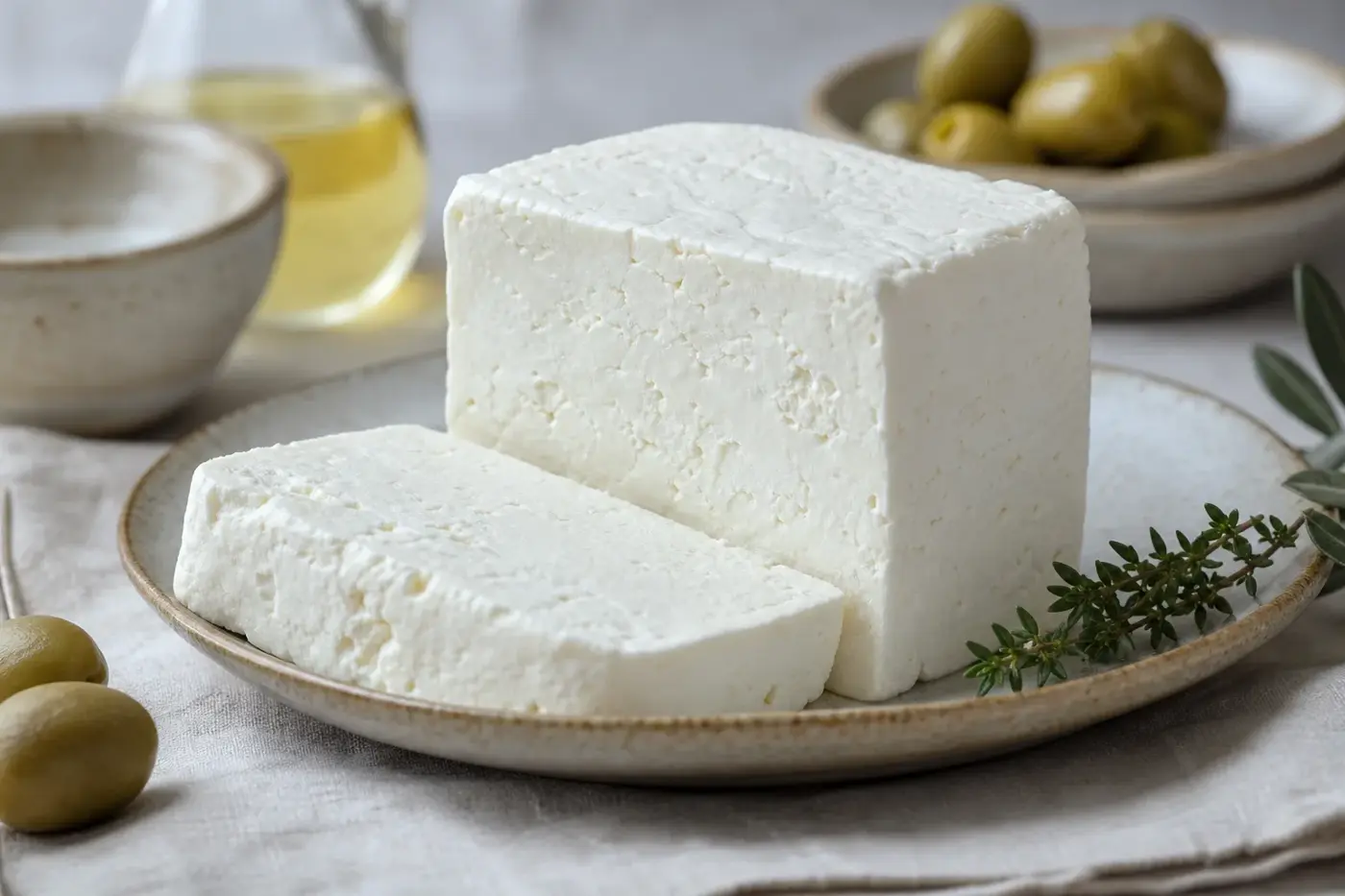
Feta
First comes the salt.
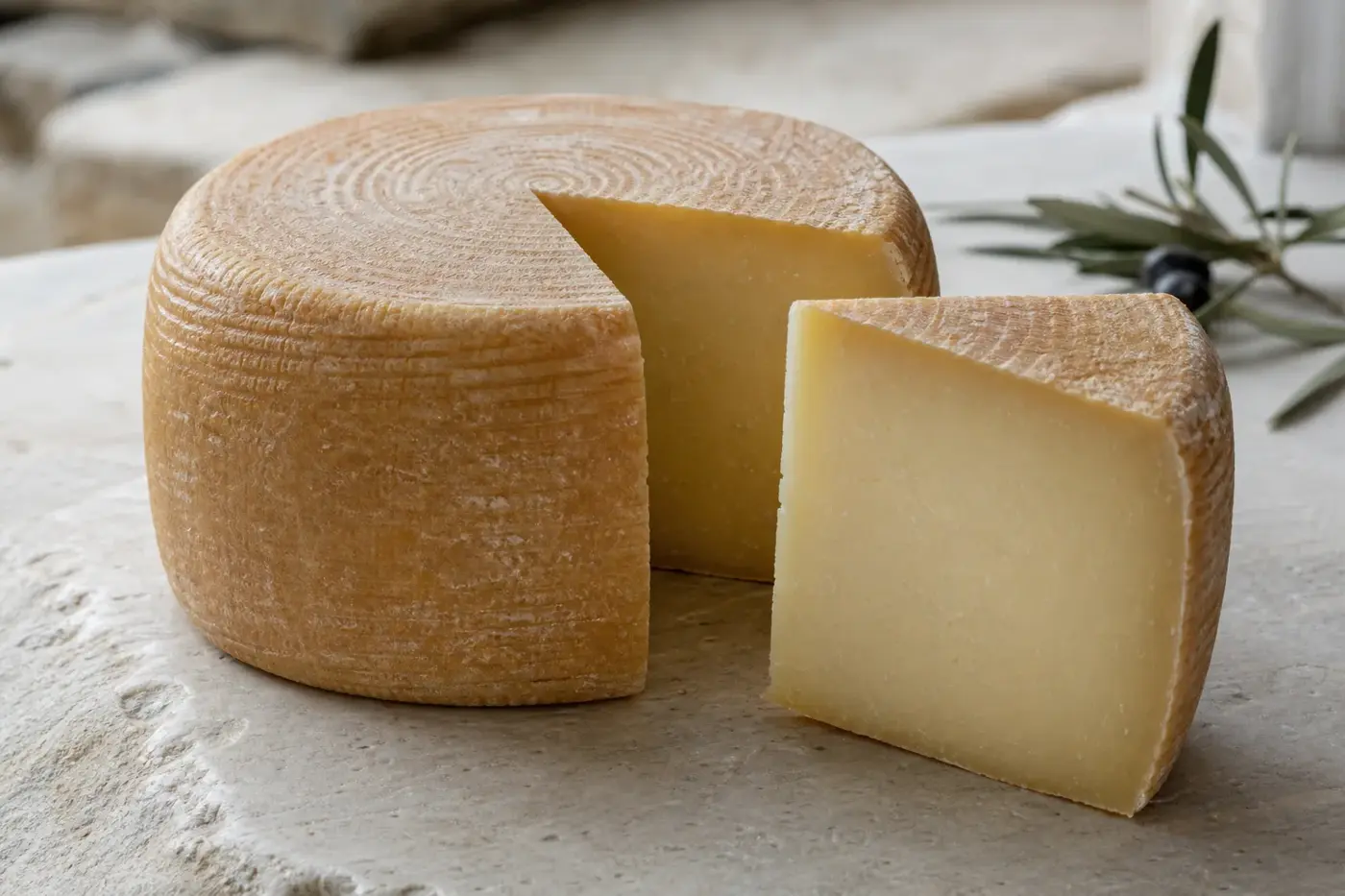
Kefalotyri
A golden surface, a squeeze of lemon, and cheese softening in the pan: this is Kefalotyri in saganaki mode.
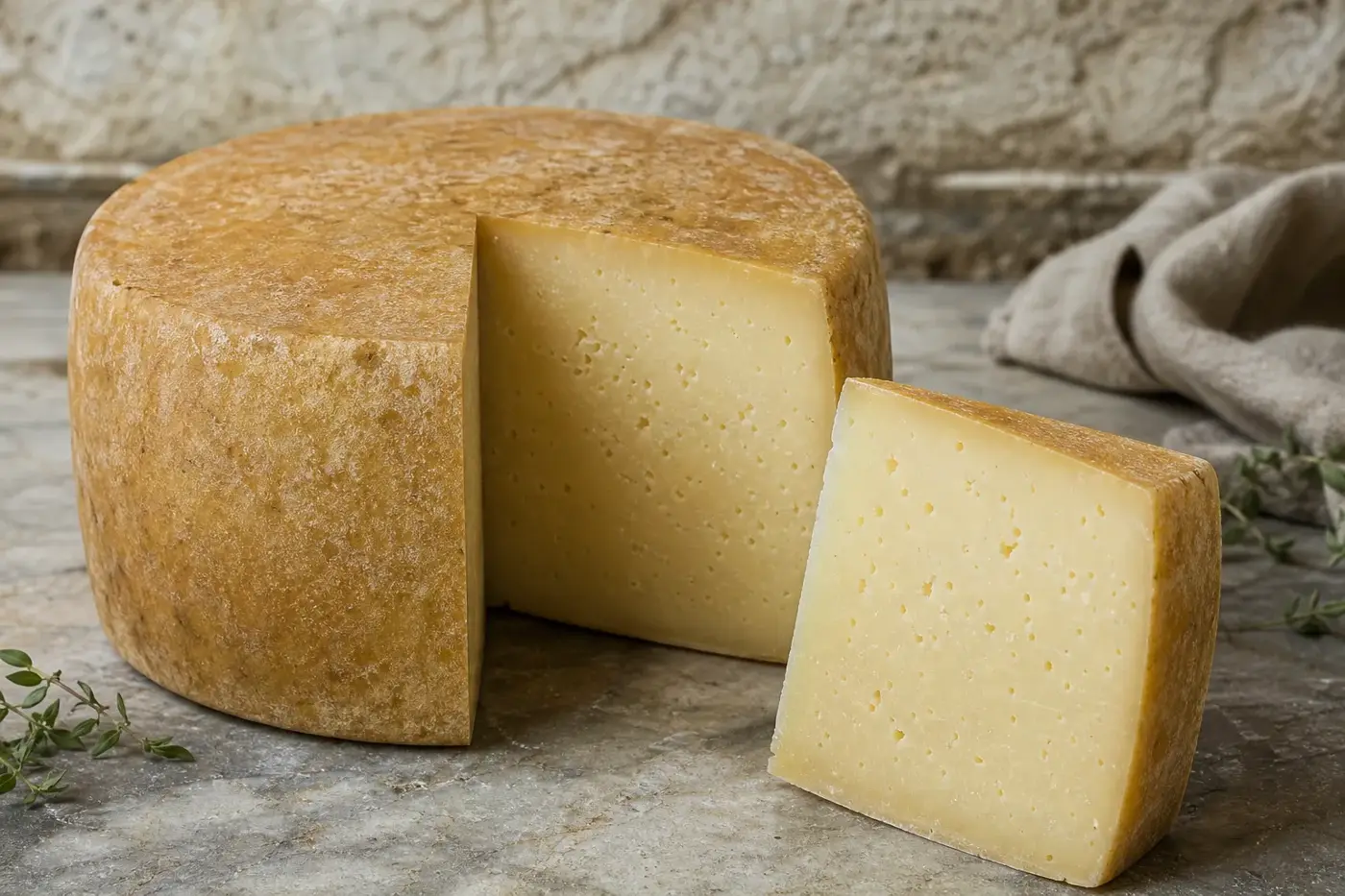
Graviera
Set a wheel of Graviera on the counter and cut a slice.
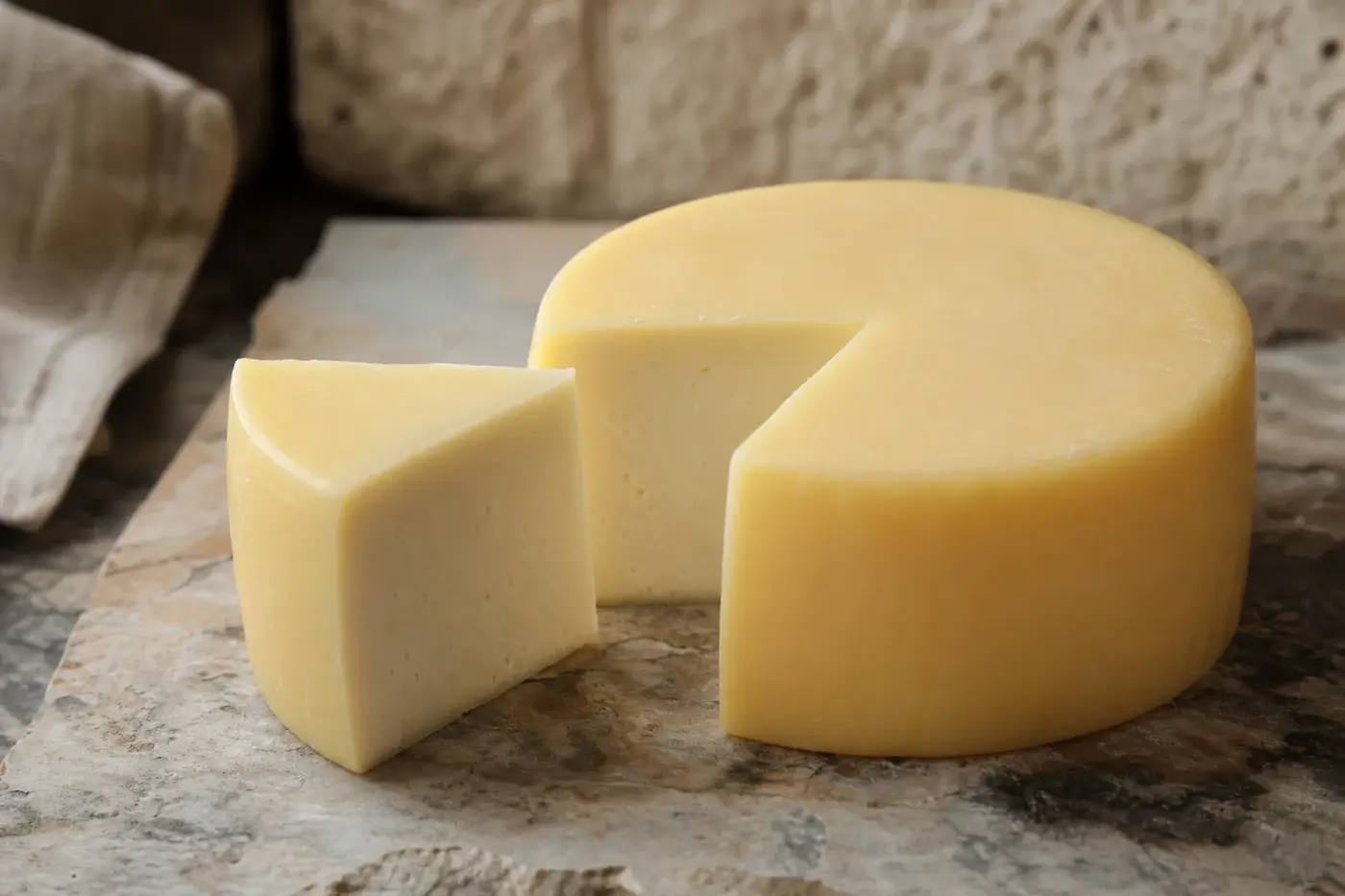
Kasseri
Into water at 70 to 80 °C go slices of curd, ready to be kneaded until smooth and pliable.
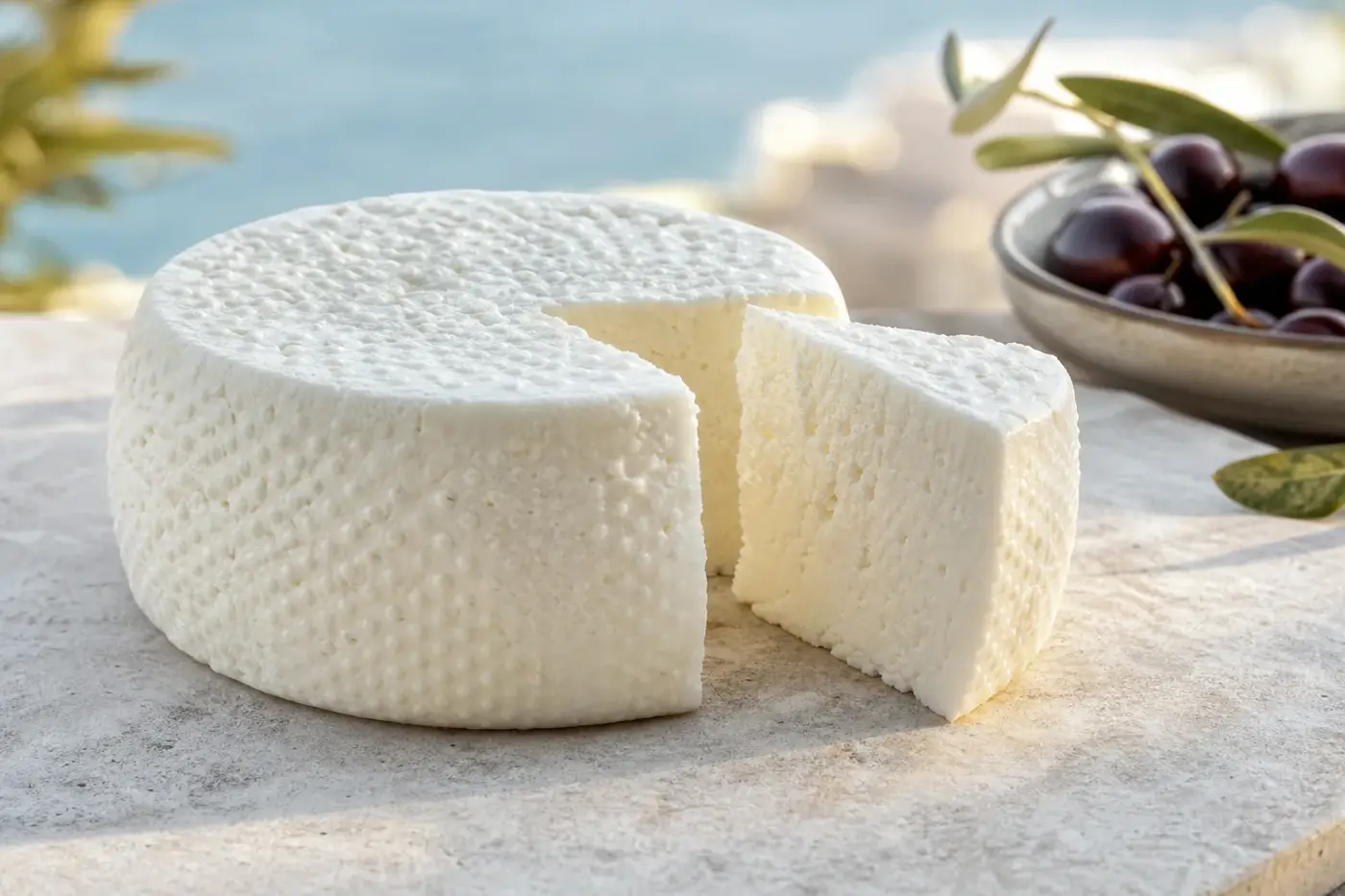
Manouri
A slice beside tomatoes and herbs.
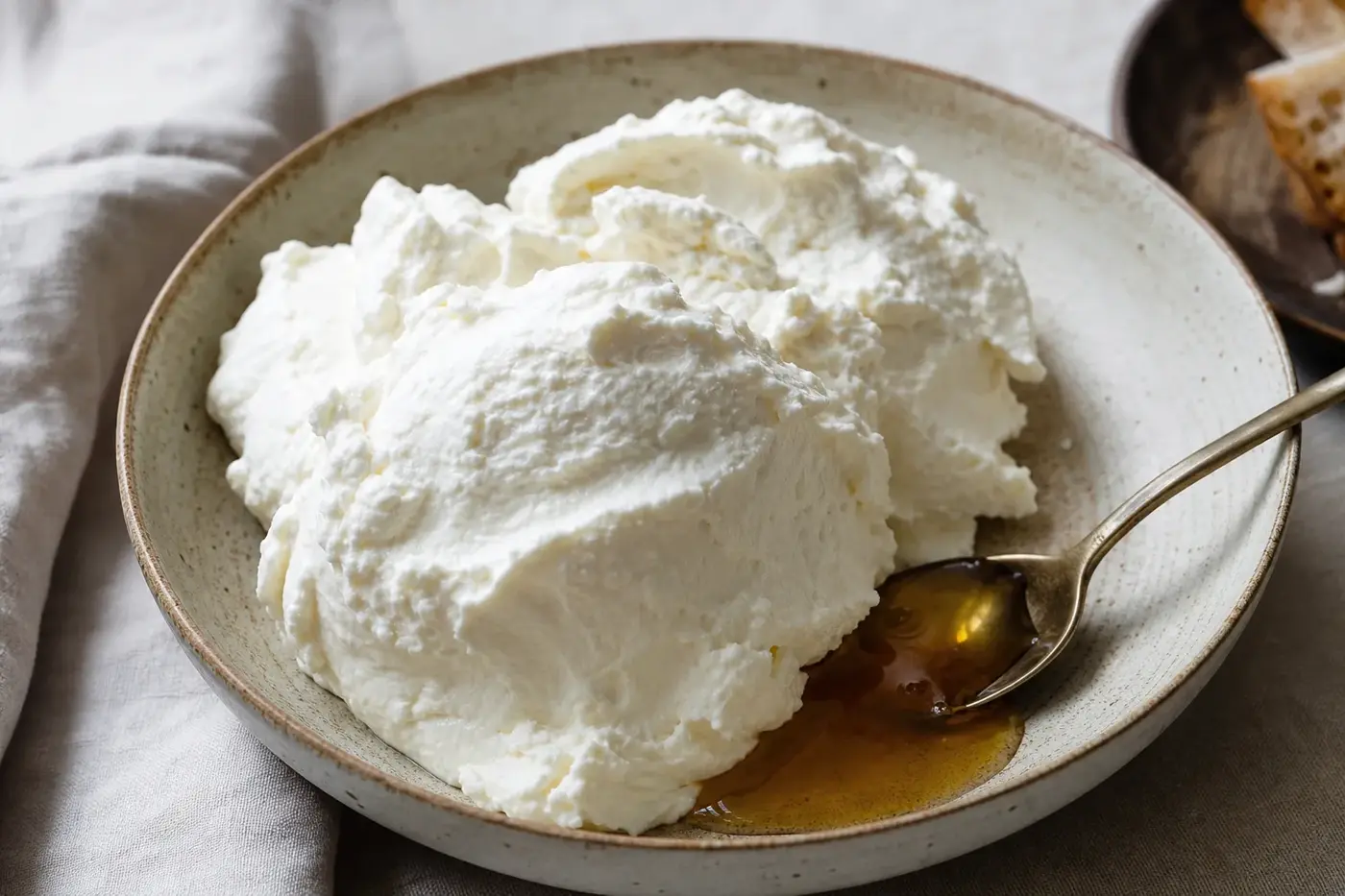
Mizithra
Watch a spoonful of honey settle over fresh Mizithra.
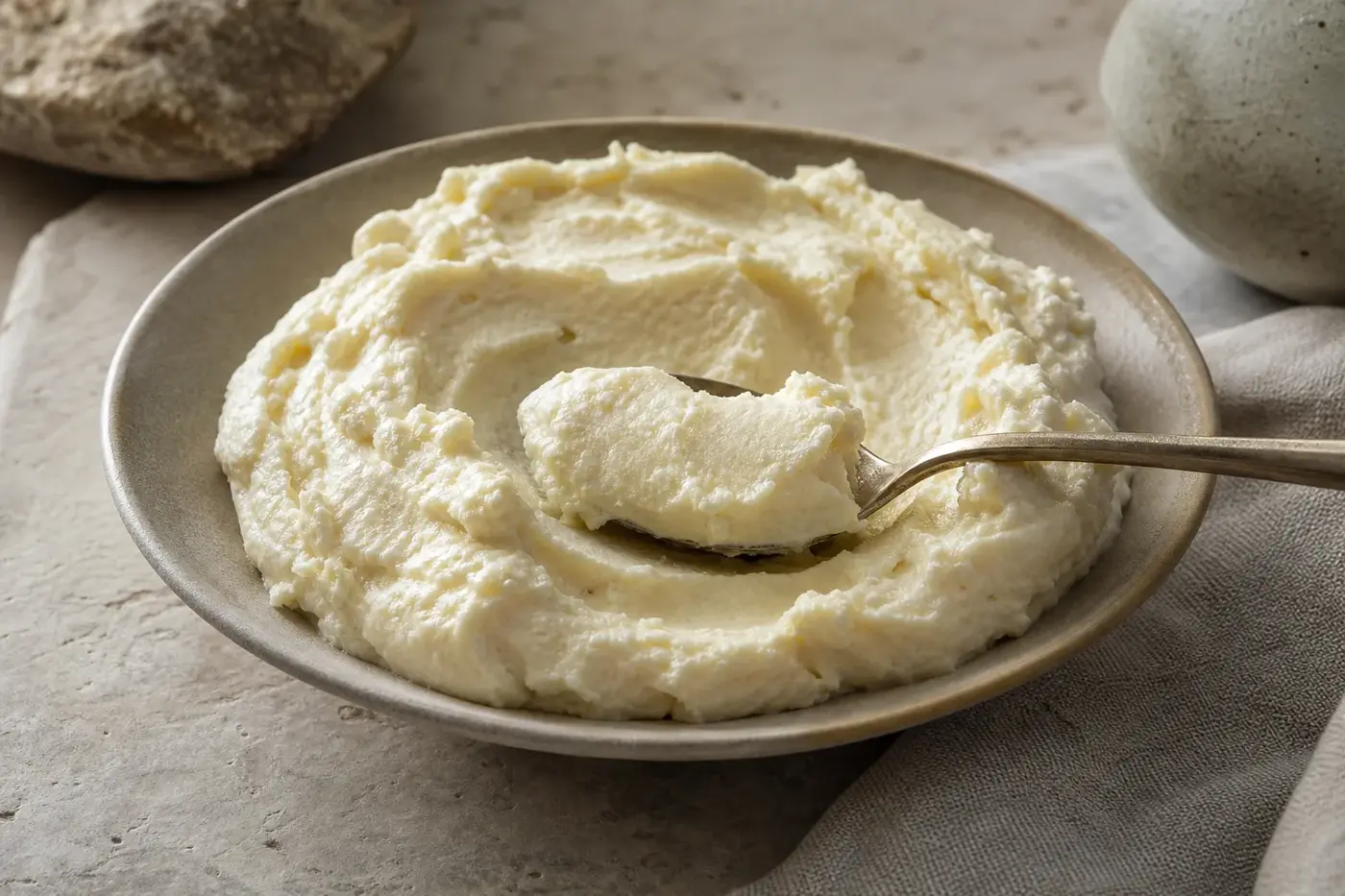
Kopanisti
Knead the curd.
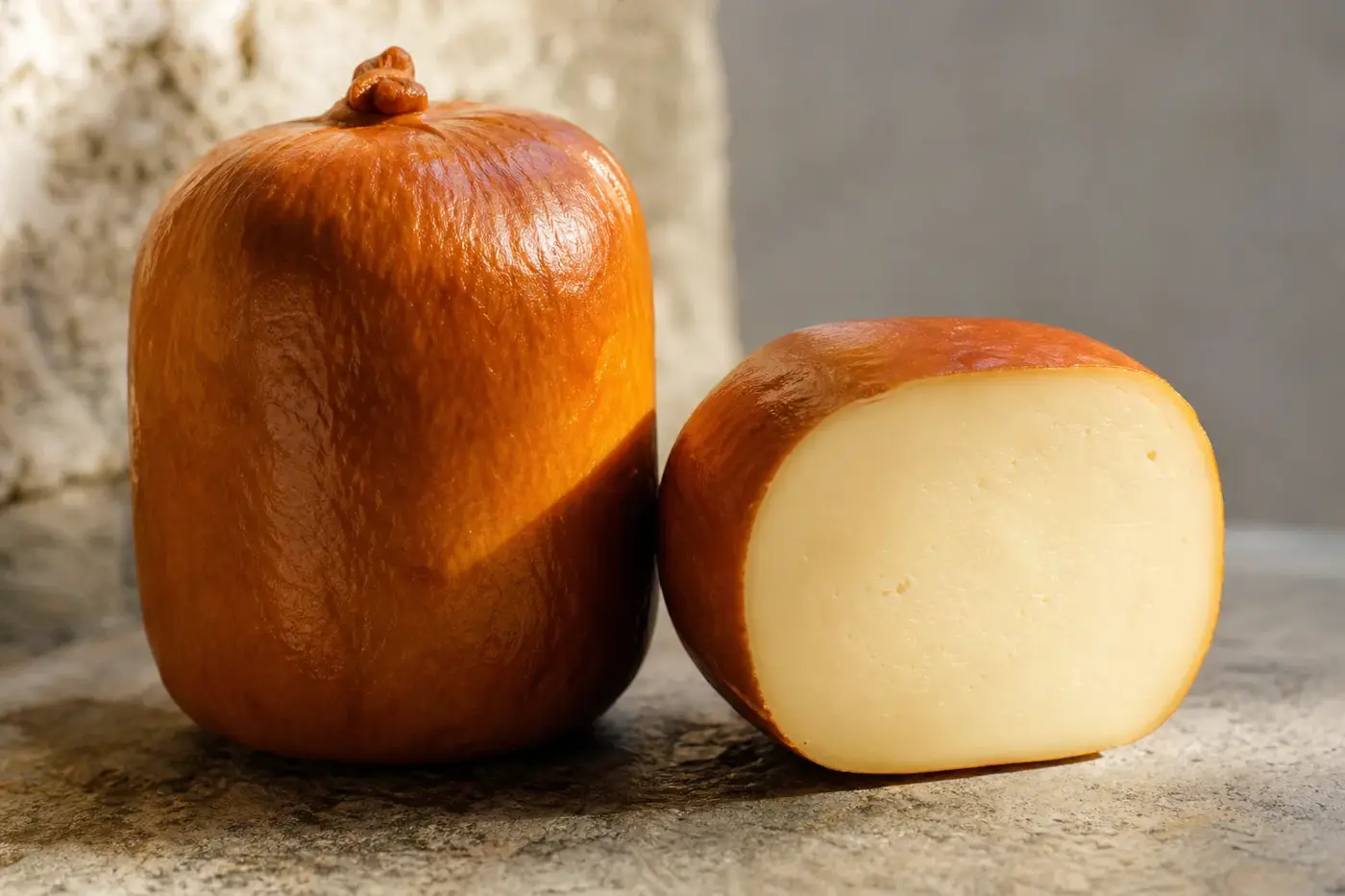
Metsovone
Vine branches, aromatic leaves and grasses feed the smoke.
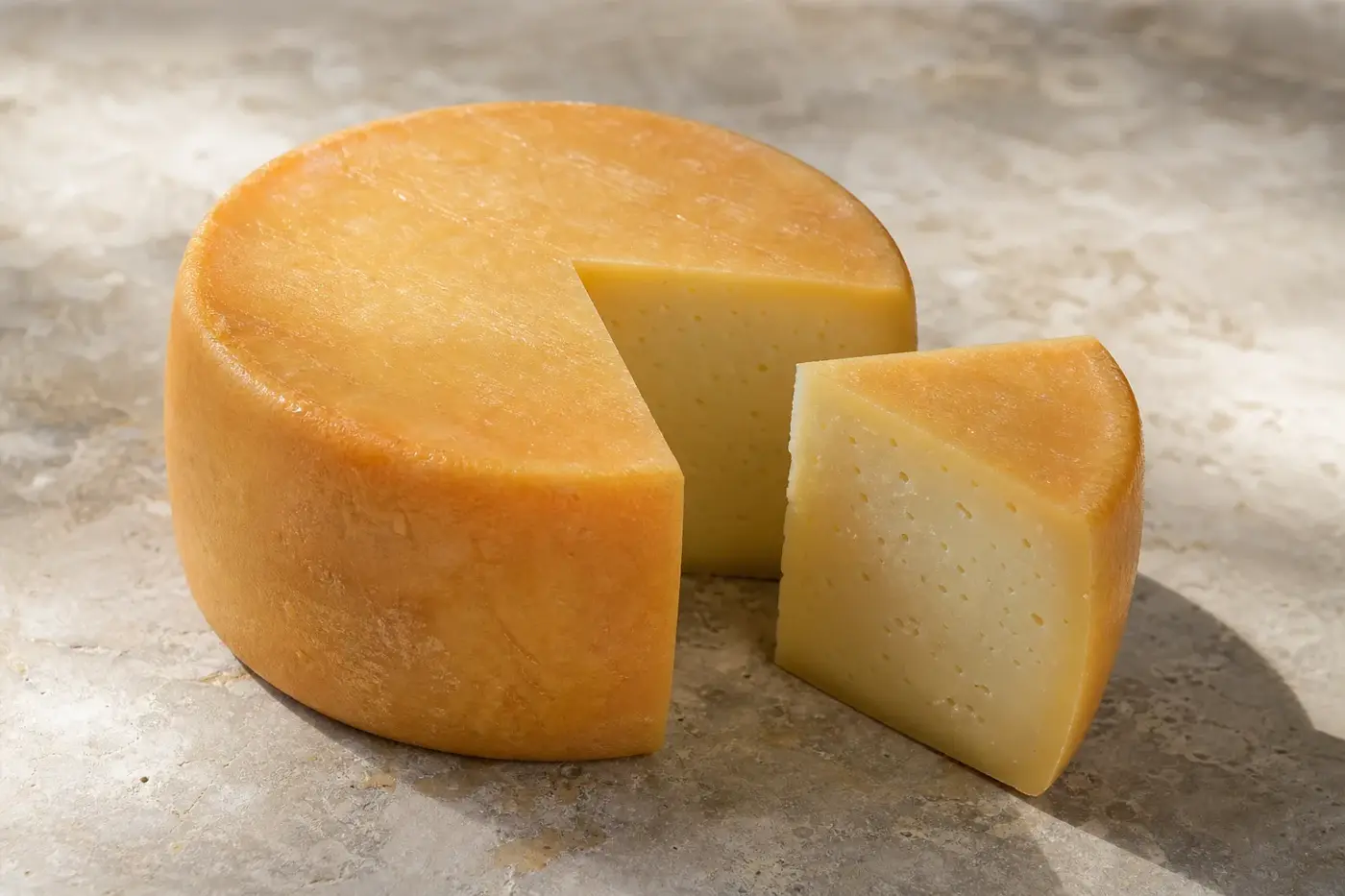
Kefalograviera
A slice of Kefalograviera hits the frying pan.
The editors suggest you read next
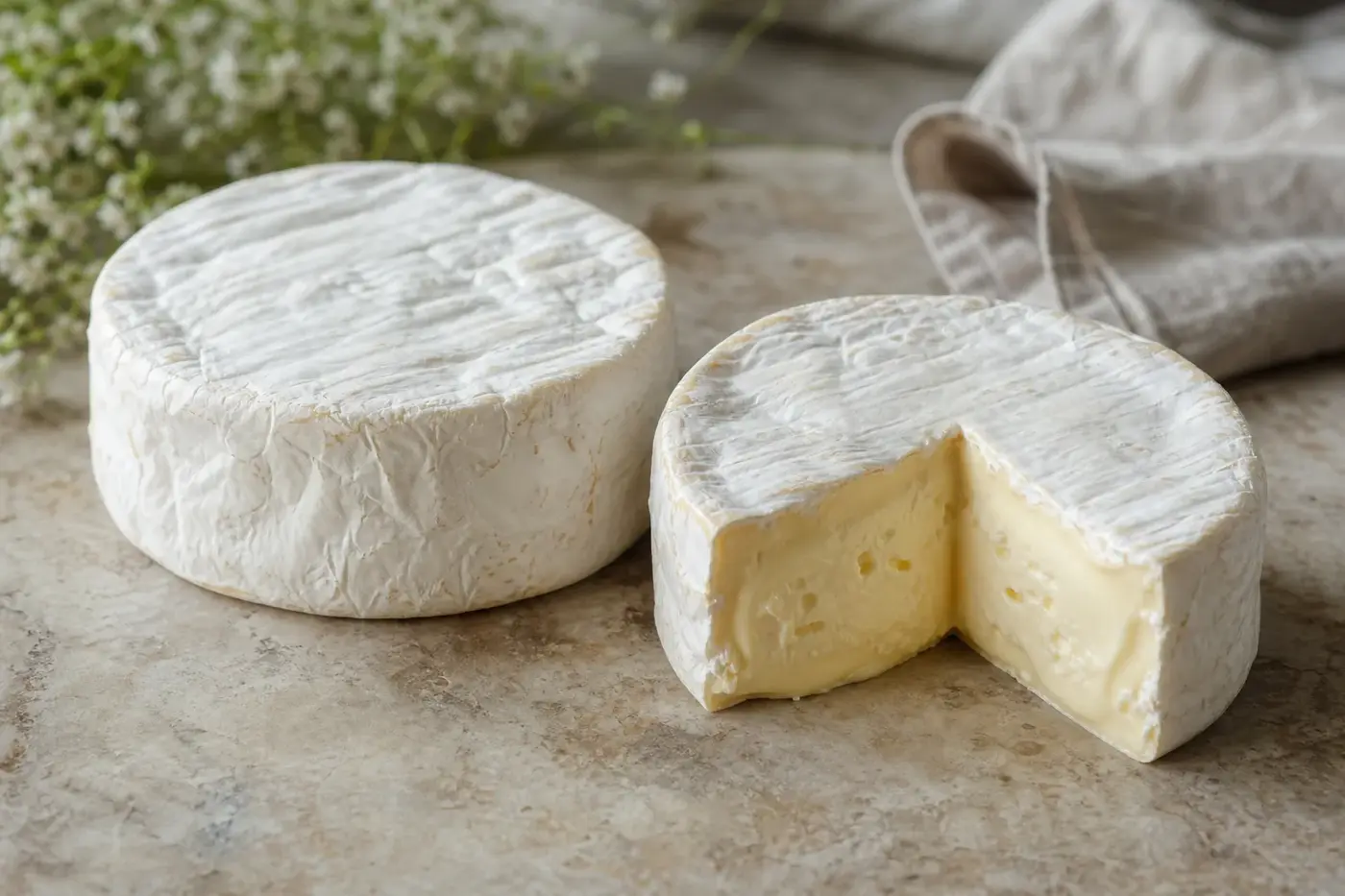
French Cheese: The Complete Guide
Picture Normandy’s pastures, then follow the milk towards the Loire’s goat dairies, the Jura’s shared cheesemaking traditions and the sheep country of the Pyrenees.