Kasseri
Into water at 70 to 80 °C go slices of curd, ready to be kneaded until smooth and pliable.
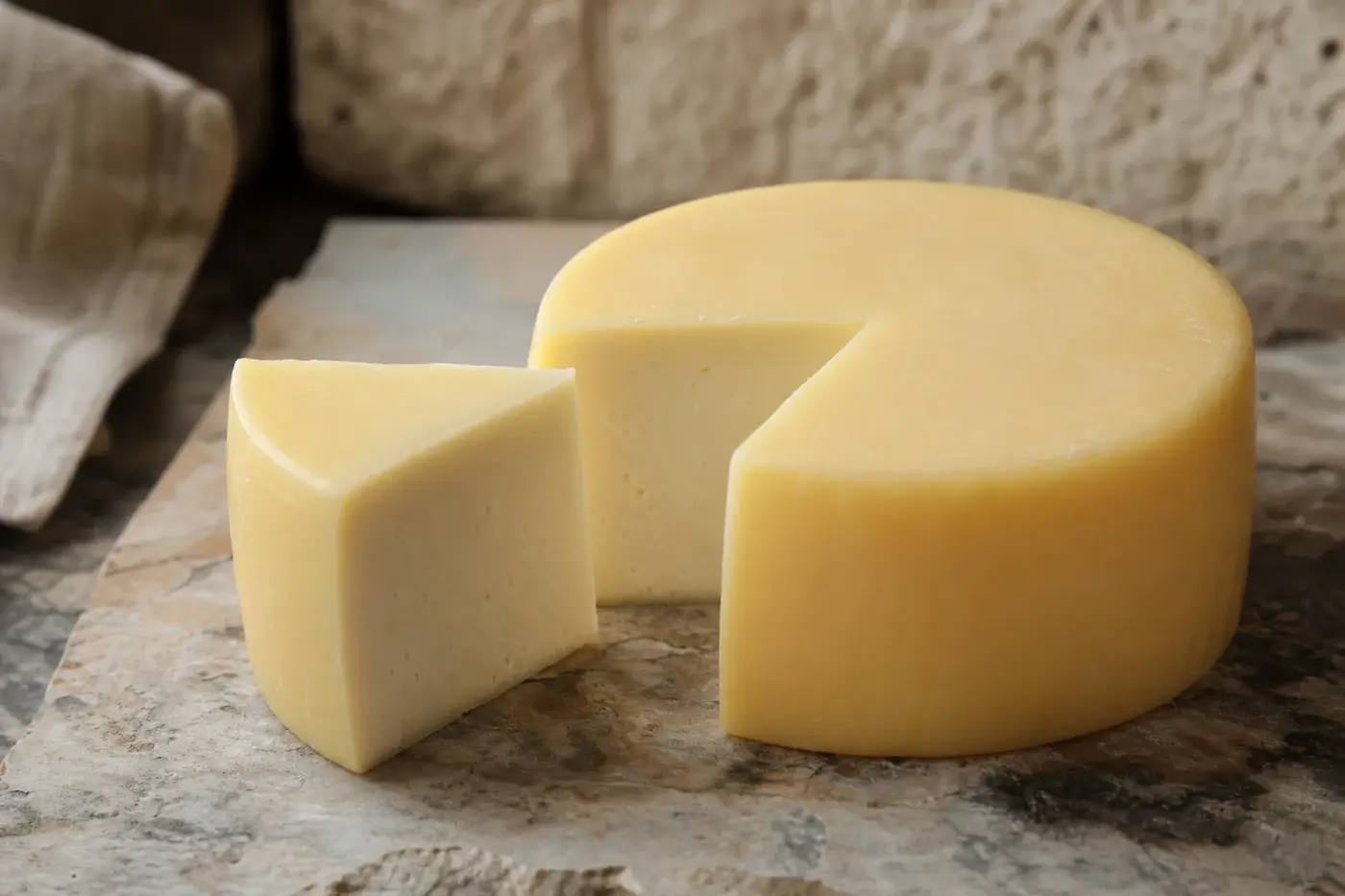
Into water at 70 to 80 °C go slices of curd, ready to be kneaded until smooth and pliable. Here begins Kasseri’s supple bite. Made in specified parts of Greece from sheep’s milk, sometimes with a little goat’s milk, it is firm enough for your cheese plate or a hot sandwich. Greek maker Lefkara Farm describes a light buttery flavour that grows more piquant with age. [1,2,4]
- Familiar name: Kasseri. [1]
- Registered name: Κασέρι / Kasseri. [1,3]
- EU authority and amendment reference: European Commission; PDO-GR-0440-AM01 is an amendment reference. [1]
- EU protection: PDO; registered in 1996. [1,3]
- Great Britain: Registered PDO; scheme entry dated 31 December 2020. [3]
- Northern Ireland: Status unconfirmed.
- Switzerland: Status unconfirmed.
- United States: Status unconfirmed.
- Milk: Sheep’s milk, with goat’s milk permitted up to 20% by weight; raw or pasteurised. [1]
- Minimum maturation: Three months. [2]
- Composition limits: Maximum moisture in the whole cheese 45%; minimum fat in dry matter 40%. [1]
- Formats: Cylindrical wheels or rectangular blocks. [1]
A pale wheel with plenty to offer
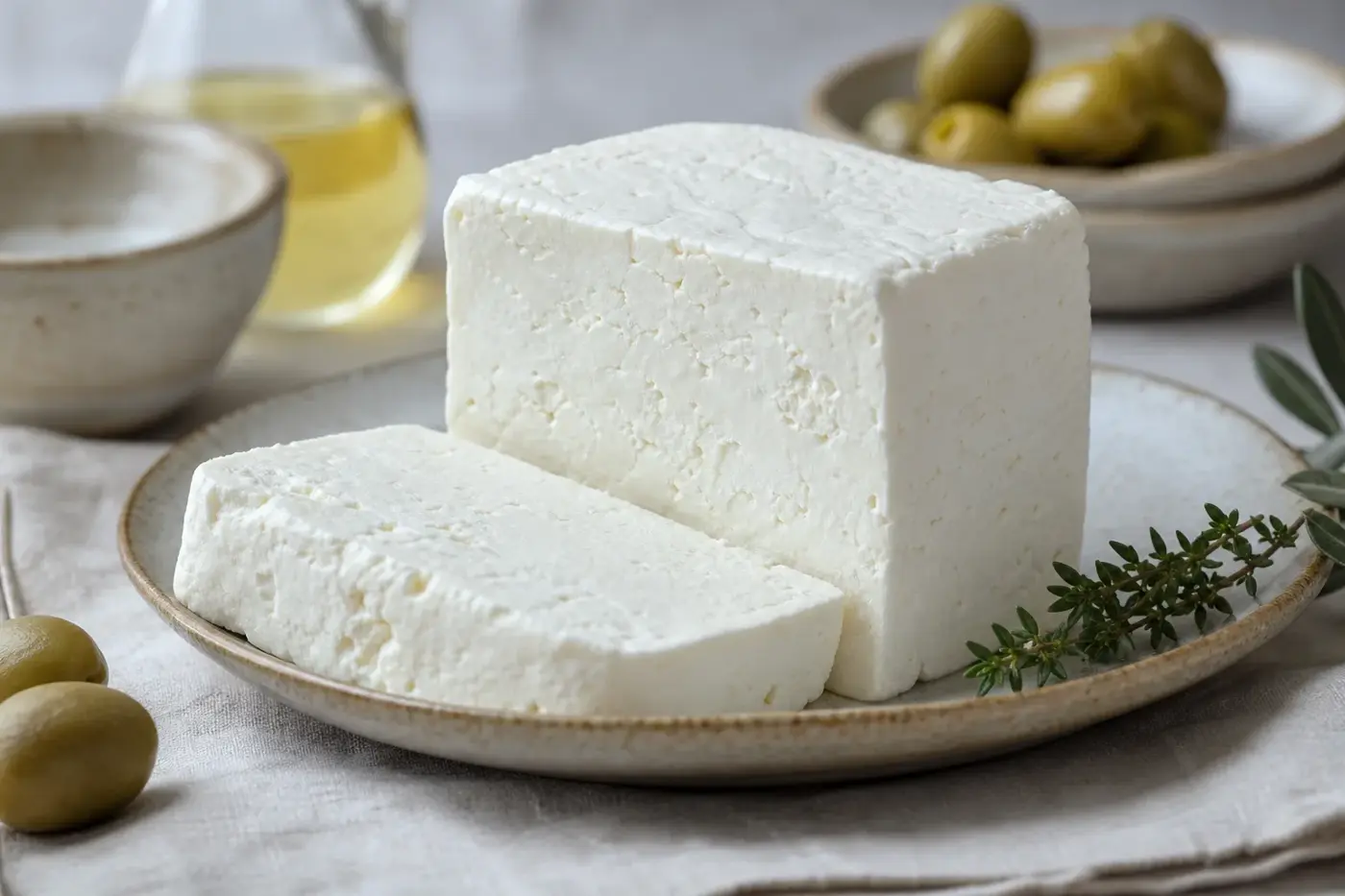
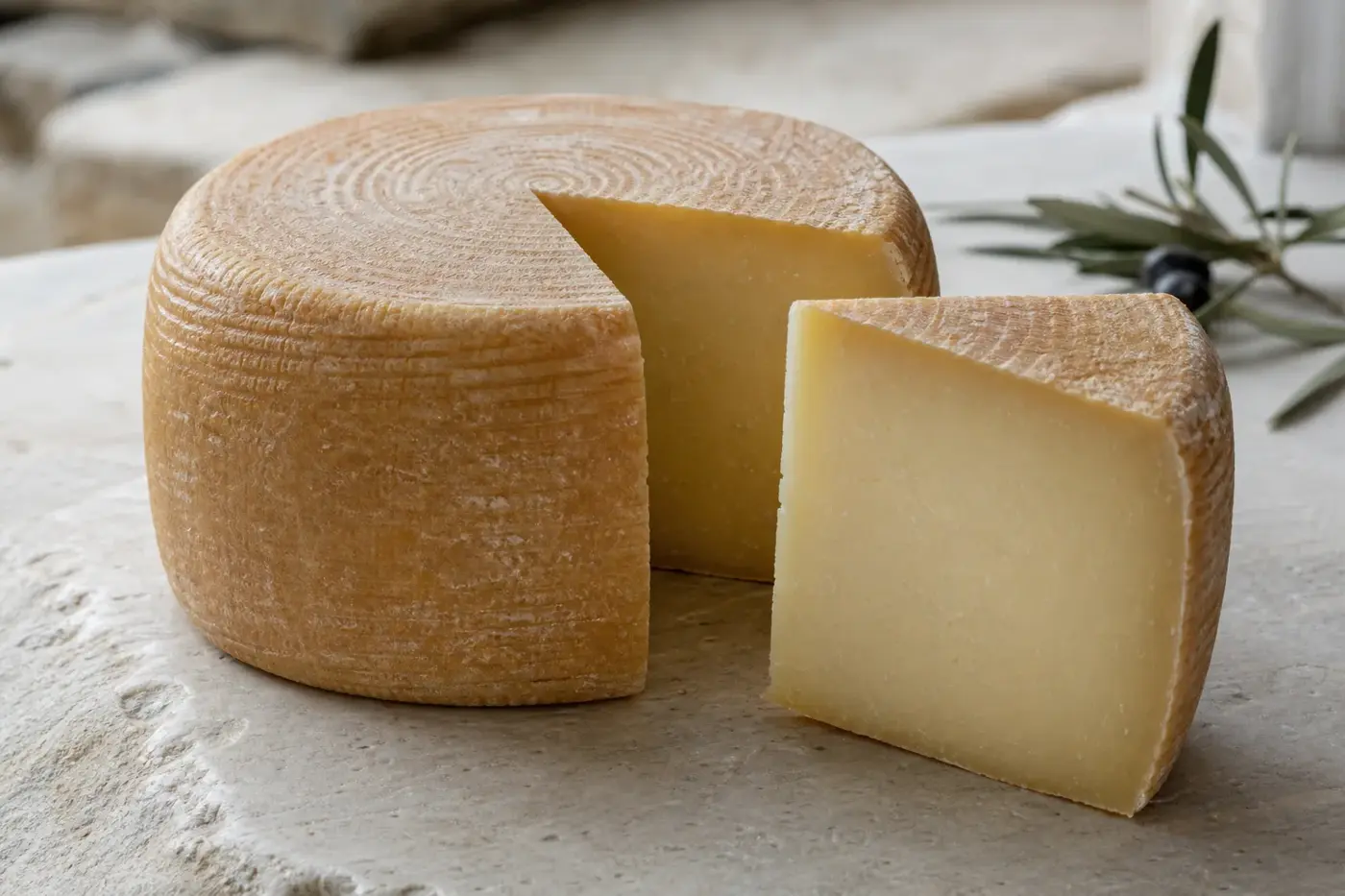
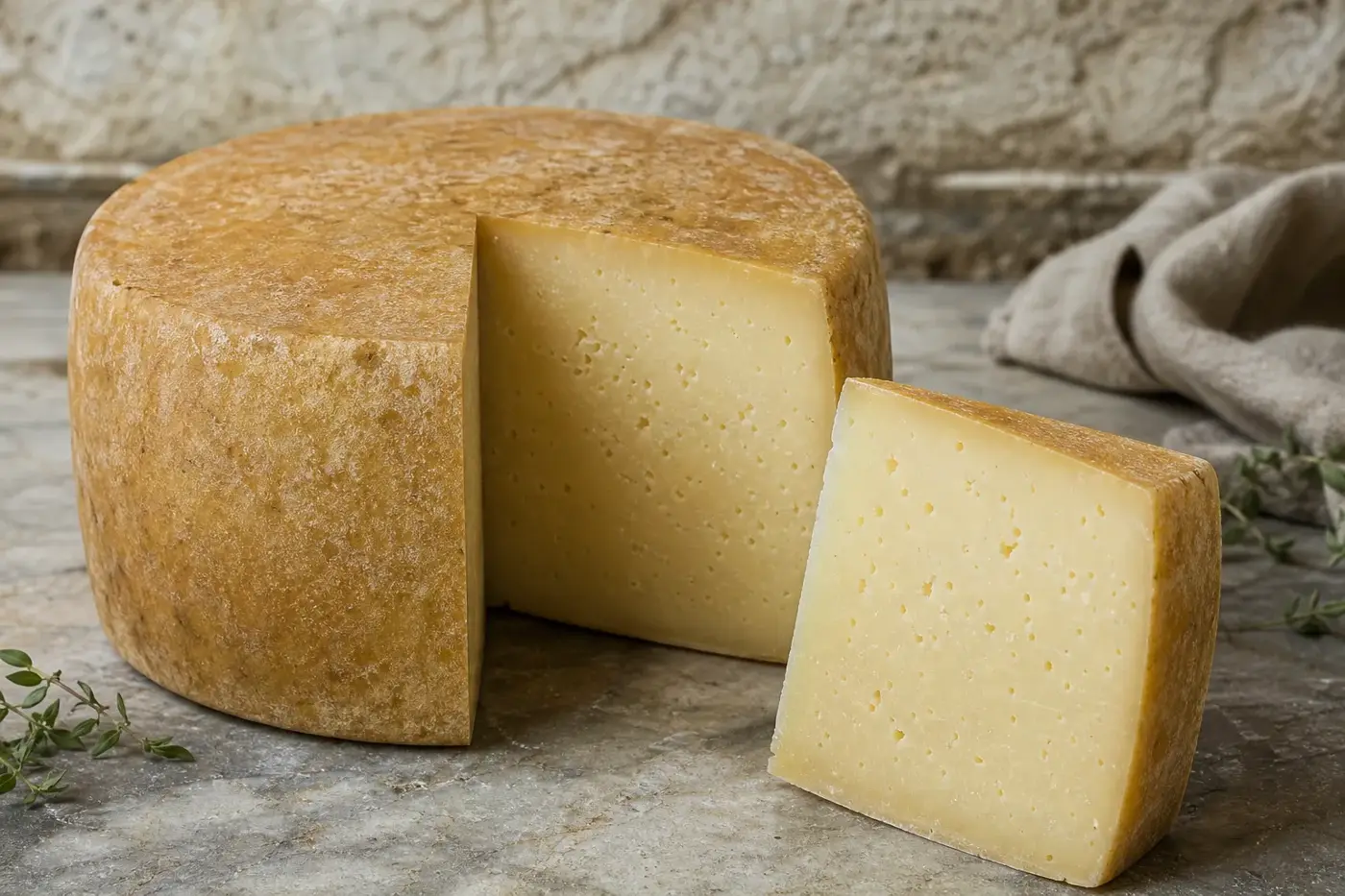
Picture a low cylindrical wheel with a thin, pale yellow exterior. Cut into it and you find compact, pale cheese, with few holes or none. Rectangular blocks are permitted too, so shape alone will not tell you whether you have Kasseri. [1,2]
Lefkara Farm describes its cheese as lightly buttery, with an aroma that develops a spicy edge as it matures. Think gently savoury, rather than the sharpness of a grating cheese. Explore that close texture with a thin slice on bread, then a thicker piece to feel its resistance to the bite. A second slice is practically research. [4]
Follow the milk through Greece
Kasseri’s EU PDO territory takes you through Karditsa, Larissa, Trikala and Magnesia; Central and Western Macedonia; Drama, Kavala and Xanthi; and Lesvos. The milk, production, maturation and initial packaging must all belong within this defined Greek area. PDO stands for protected designation of origin: here, the place is part of the promise. [1]
Sheep’s milk is essential to the story. Goat’s milk can join it, but only up to 20% by weight. Both raw and pasteurised milk are permitted. [1]
Great Britain keeps a separate register, where Kasseri is recorded as a registered PDO from 31 December 2020. Wondering how a protected origin differs from a broader cheese style? protected names explained takes you through it. [3]
Watch the curd learn to stretch
Kasseri’s character begins with stretching. First, the curd, the solid part separated from liquid whey, develops acidity until it becomes pliable enough to work. This puts Kasseri in the pasta filata, or stretched-curd, family, alongside cheeses such as mozzarella. [2]
- Set and drain: Rennet coagulates the milk. The curd is cut, usually warmed, then drained and pressed into a compact mass called baski. [2]
- Let acidity develop: Bacterial fermentation produces lactic acid. At about pH 5.2, the curd is assessed for its ability to stretch. [2]
- Warm and stretch: Slices of acidified curd are kneaded in water at 70 to 80 °C until smooth and pliable. [2]
- Shape and salt: The cheese is moulded and turned as it sets. Traditional production uses repeated dry salting, starting the following day. [2]
- Give it time: After salting, the cheeses are cleaned, surface-dried and matured below 18 °C. They leave for sale at a minimum age of three months. [2]
Find the maker and maturity you love
Start with the name on the pack. KOLIOS describes its Kasseri as made from pasteurised sheep’s milk; BELAS declares sheep’s and goat’s milk for its Vermion product. These declarations belong to particular products, so read the pack in your hand when the milk mixture matters. [5,6]
Age gives you another choice to explore. Lefkara Farm describes lightly buttery younger Kasseri, with a more piquant flavour developing as it matures. Ask your cheesemonger for a milder piece for sandwiches, or something more developed for small slices, guided by what is available. [4]
Closely related Kaşar reminds you that age is not the whole story. A study of twelve mature retail samples found differences in composition, protein breakdown and aroma compounds, with manufacturing and age identified as possible explanations. Before committing your newly bought cheese to a whole pie, try a little on toast to see how it cooks. [7]
Another Kaşar experiment followed cheeses made from cow’s, sheep’s and goat’s milk during ripening, using two cheesemaking trials. Its reported effects on meltability apply to Kaşar. Those findings do not establish how milk composition and maturation affect Kasseri’s melting. [9]
Let the label point you towards protected Kasseri
Look first for the registered name, Κασέρι / Kasseri, and the applicable PDO designation. A detailed packaging checklist needs the current identification marks, traceability and repackaging requirements from the operative specification. Editorial approval for that checklist remains outstanding. [1]
Buying a cut piece? Ask to see the original label and keep its details with your purchase. The food’s actual designation and traceable origin tell you more than a Greek brand name or flag. For unfamiliar packs, how to read a cheese label offers a fuller checklist.
You need not take home a whole wheel to get protected Kasseri. BELAS lists wheels, portions and rectangular packs; KOLIOS lists wheels and wedges. Choose a format that suits your plans, then follow the maker’s storage and opening instructions. A smaller pack is not a different cheese. [5,6]
Set out the bread, fruit and olives
Thin slices, bread, tomatoes and olives make a straightforward plate. KOLIOS suggests that combination too. Pear, grapes or a few dried figs bring a sweeter contrast; keep them separate for your first bite, then decide how much fruit or olive you want alongside the cheese. [5]
Take out only what you intend to serve, and follow the pack’s instructions. Any specific serving time needs current Food Standards Agency advice for England, Wales and Northern Ireland, a link to that advice and specialist review before inclusion. [10]
Give your sandwich a good filling
A sandwich is a fine place to begin. Lefkara Farm recommends its cheese in sandwiches served hot or cold. Slice it evenly across the bread so every mouthful gets cheese, rather than leaving a thick mound in the centre. Nobody wants the final corner to be all bread and regret; add tomato or cooked vegetables according to your recipe. [4]
For pies, reach for Kasseri when the filling calls for cheese in slices or shreds. Taste it before adding salt. A more assertive piece benefits from simple companions that give its matured flavour room. Follow a complete recipe for quantities, baking time and handling any egg, meat or vegetable filling.
A vegetable gratin or layered potato bake gives you another route. Distribute the cheese through the dish as well as over the surface, so the browned top is not doing all the flavour work. For your first attempt, choose a piece whose saltiness and texture you have already tasted.
Meet the neighbours, but keep their names
Kashkaval and Kaşar share the wider stretched-curd family, but their names refer to different regional products. A study of Galichki kashkaval documents a traditional sheep’s milk cheese from the Bistra Mountain area. Research on Turkish Kaşar distinguishes fresh, semi-hard cheese from harder mature cheese, and records sheep’s milk, cow’s milk and mixtures. Neither name alone identifies the Greek PDO specification. [7,8]
Then there is Kefalotyri, listed among Greece’s hard cheeses in a review of Balkan dairy traditions. Kasseri, by contrast, is described here as a stretched-curd cheese with a supple texture. Compare the firmness of the pieces in front of you with what your dish needs. The names are not interchangeable. [2,12]
With Graviera, you need the full name before comparing origins. Greece’s official list has separate PDO entries for Graviera Agrafon, Graviera Kritis and Graviera Naxou. Read the full designation, milk declaration and maker. If you substitute, choose for the job the cheese must do, and keep the replacement’s own name in your recipe. [13]
Give the last piece the care it deserves
Keep the original label after opening. Protect the cut face with clean food wrapping, or put the piece in a clean covered container. Store it away from raw foods and follow the pack’s refrigeration and use-after-opening instructions. For England, Wales and Northern Ireland, the Food Standards Agency advises keeping a home fridge at 5 °C or below; consult the current linked guidance for the full advice. [10]
Before you eat the remainder, look at the date, opening instructions and any change in condition. UK government guidance distinguishes a use-by date, which concerns safety, from a best-before date, which concerns quality. Do not eat cheese after its use-by date, even if it smells normal. [11]
Unexpected mould deserves a separate decision, especially on slices or grated cheese. Consult mould on cheese for the relevant official guidance rather than assuming you can trim it away. For everyday wrapping and refrigerator organisation, see how to store cheese at home.
General information only, not medical advice: follow the official guidance where you live.
Questions people ask
What milk is Kasseri made from?
Kasseri is made from sheep’s milk, with goat’s milk permitted up to 20% by weight. The milk may be raw or pasteurised.
What does Kasseri taste like?
Lefkara Farm describes its Kasseri as lightly buttery when young and more piquant as it matures. Its aroma develops a spicy edge during maturation.
Where does protected Kasseri come from?
EU PDO Kasseri comes from specified areas of Greece, including parts of Thessaly and Macedonia, Drama, Kavala, Xanthi and Lesvos. Its milk, production, maturation and initial packaging must all belong within the defined area.
How can I use Kasseri in cooking?
Lefkara Farm recommends its Kasseri in sandwiches served hot or cold. It can also be used in pies, vegetable gratins and layered potato bakes.
How should I store Kasseri?
Protect the cut face with clean food wrapping or use a clean covered container, and follow the pack’s refrigeration and opening instructions. For England, Wales and Northern Ireland, the Food Standards Agency advises keeping a home fridge at 5 °C or below. Consult its current guidance for the full advice.
Sources
- European Commission. Publication of the communication of an approved standard amendment to a product specification of a geographical indication, C/2026/192, published 12 January 2026. Reference PDO-GR-0440-AM01. Editor to add the verified document link and access date before publication.
- Greek Ministry of Rural Development and Food. Προδιαγραφές του προϊόντος «Κασέρι / Kasseri», updated specification linked from the ministry’s cheese register and the 2026 EU communication, file dated 19 February 2025. Sections 2 and 5 describe appearance and manufacture.
- Department for Environment, Food & Rural Affairs. Κασέρι / Kasseri, Great Britain protected food names register, published 4 January 2021; live entry checked November 2026.
- Lefkara Farm. Kaseri PDO, undated product account, retrieved November 2026. Commercial producer source for its own sensory description, sandwich use and serving suggestion.
- KOLIOS. Kasseri P.D.O., undated product account, retrieved November 2026. Commercial producer source for declared milk treatment, formats and accompaniments.
- BELAS. Vermion Kasseri cheese P.D.O., undated product information, retrieved November 2026. Commercial producer source for declared milk species and formats.
- International Journal of Food Science and Technology. Volatile composition and proteolysis in traditionally produced mature Kashar cheese, volume 44, issue 7, 2009, pages 1388 to 1394. Original research on twelve retail samples.
- Mljekarstvo. Traditional production and main characteristics of Galichki kashkaval, volume 64, issue 2, 2014, pages 119 to 126. Original study of traditional production and changes during ripening and storage.
- International Journal of Food Science and Technology. Changes during ripening in chemical composition, proteolysis, volatile composition and texture in Kashar cheese made using raw bovine, ovine or caprine milk, volume 49, issue 12, 2014. Publisher’s retrieved extract reports milk and ripening effects on measured meltability.
- Food Standards Agency. How to chill, freeze and defrost food safely, published 18 December 2017, live guidance checked November 2026. Applies to England, Northern Ireland and Wales.
- UK Government. Understanding food labelling: Best before and use-by dates, live guidance retrieved November 2026.
- Food Technology and Biotechnology. Traditional Balkan fermented milk products, 2018. Research review; retrieved extract identifies Kefalotyri among hard cheeses and Kasseri within the scalded-curd group.
- Greek Ministry of Rural Development and Food. Τυριά, official list of registered Greek cheese names, updated 8 June 2026.
This desk-researched article brings together official specifications, register records, attributed producer descriptions and published cheese research.
Last checked: November 2026
Last checked November 2026.
The editors suggest you read next