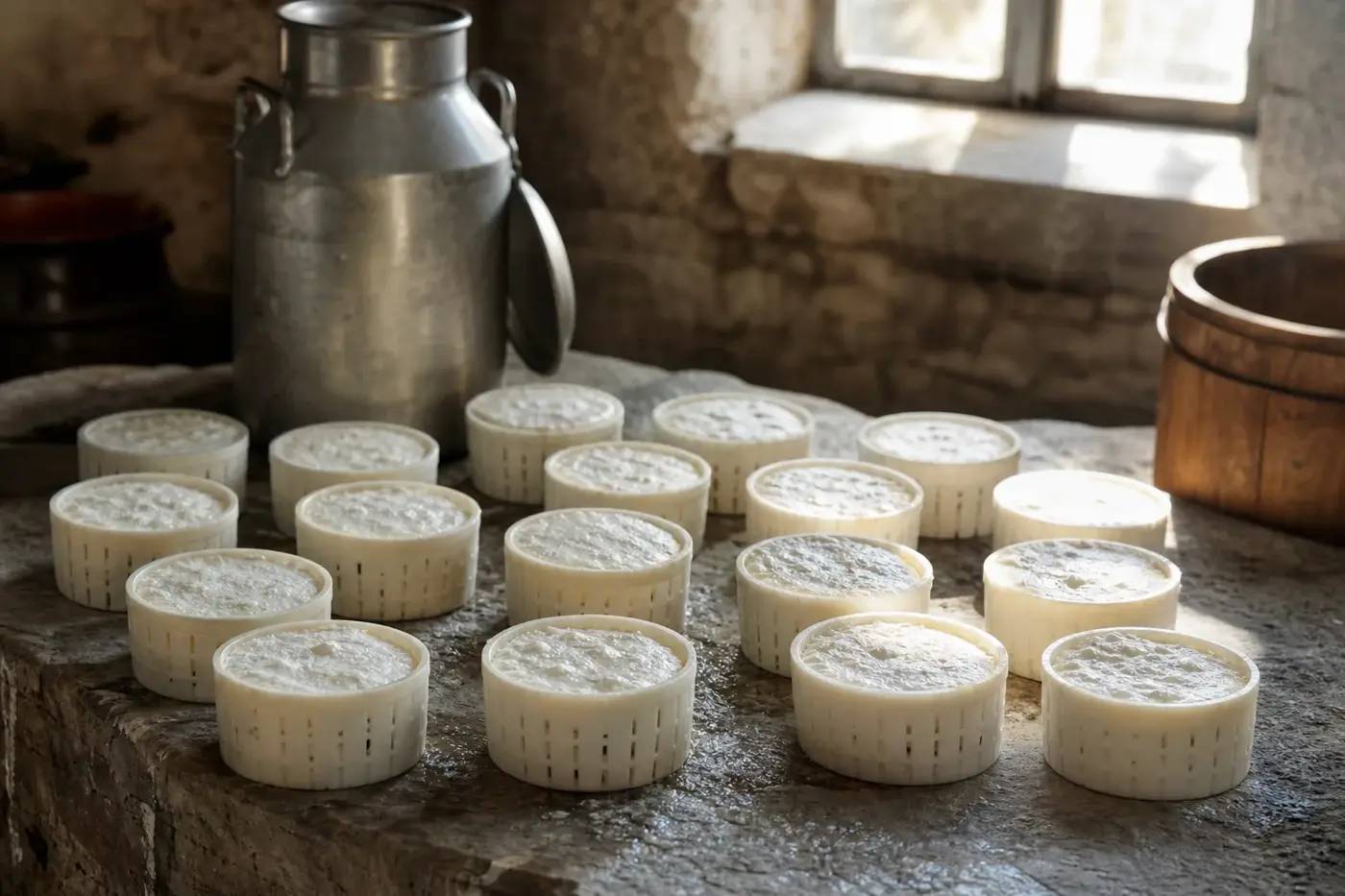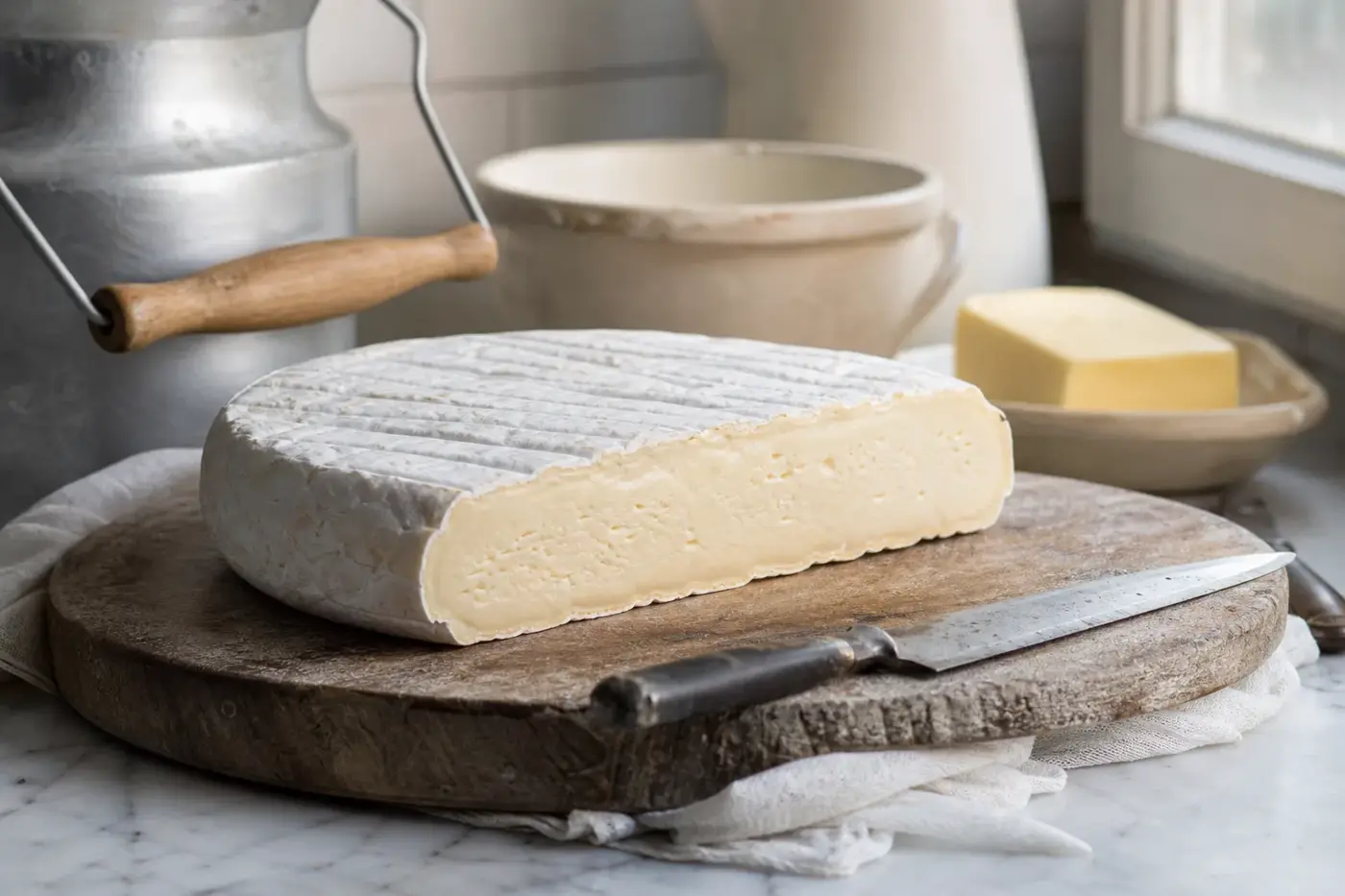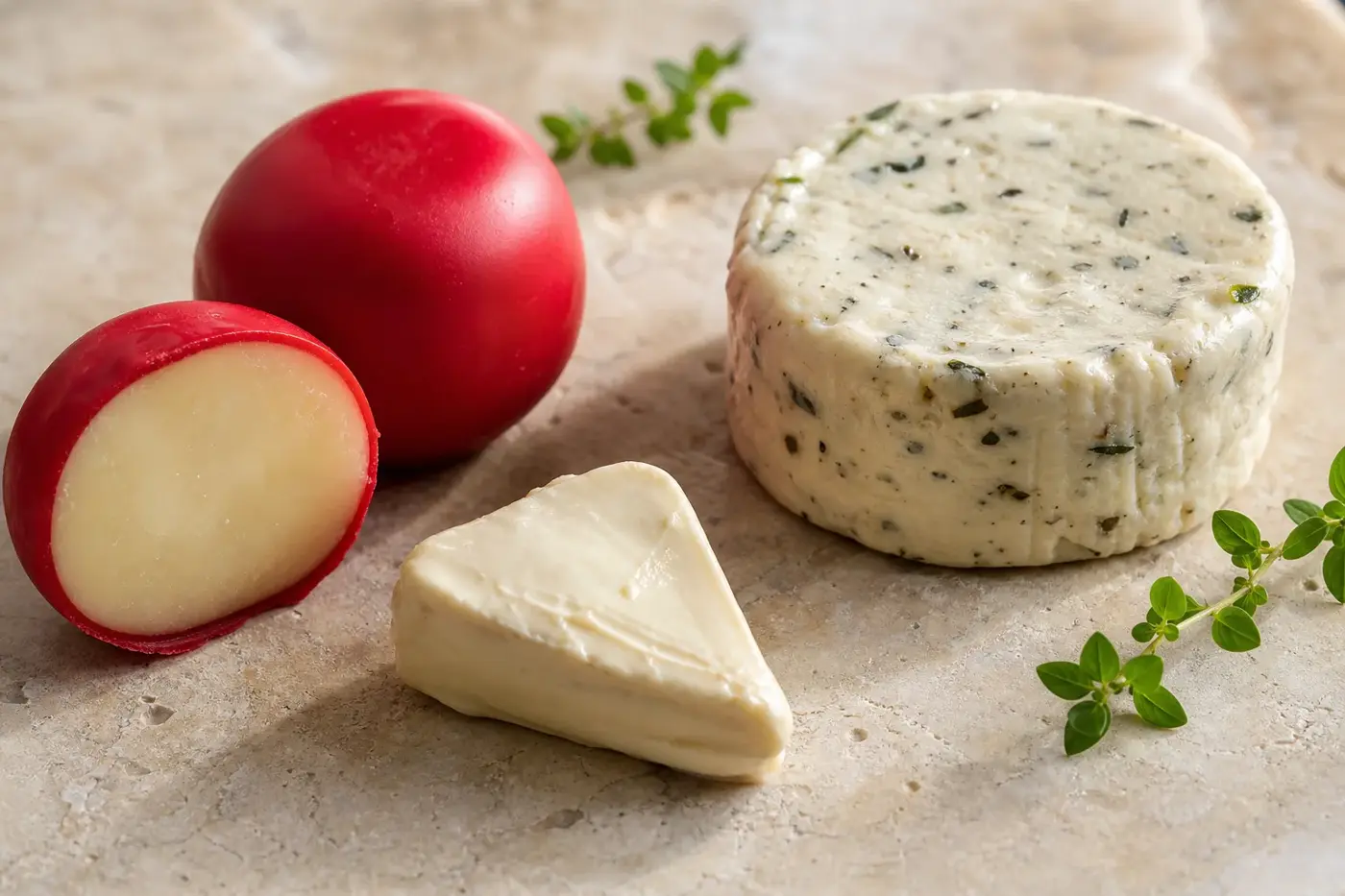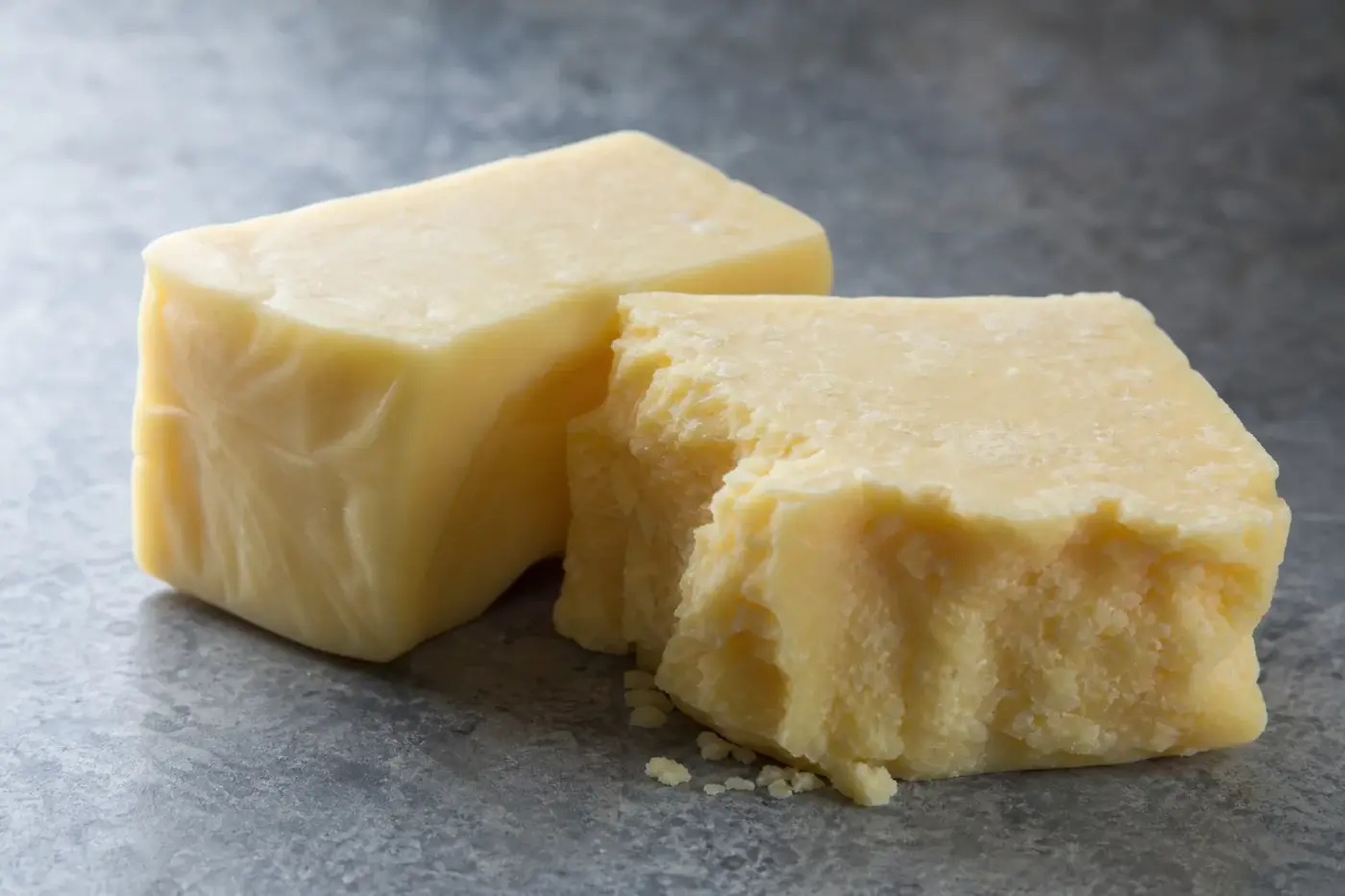
Picture butter, not cheddar. For the 94 farmers who came together in Cabot, Vermont, in 1919, that was where the story began. Their cooperative grew into the business behind Cabot Creamery, now known for cheddar and owned by the farmer cooperative Agri-Mark, Inc., following their 1992 merger. Even a cheddar name can have a buttery past.[1,2,3]
| At a glance | What you need to know |
|---|---|
| Brand | Cabot Creamery.[1] |
| Owner, United States | Agri-Mark, Inc., a farmer-owned dairy cooperative; November 2026.[2,3] |
| Where it began | Cabot, Vermont, United States; cooperative founded in 1919.[1] |
| Who makes it | Agri-Mark plants for core cheeses; some products sourced externally.[7,8] |
| Known for | Naturally aged cheddar, other cheeses and cultured dairy products.[3,9] |
| Legal food name | Unconfirmed for individual products.[8] |
| Official website | Cabot Creamery.[1] |
First came the butter, with Rosedale on the label
The first butter from Cabot's cooperative carried a different name: Rosedale Brand. Cabot's timeline starts with those 94 farmers in 1919, then brings cheddar and cottage cheese into the picture in the 1930s. By the 1960s, cheese was being marketed as Cabot.[1]
Think of the village cooperative, Rosedale and today's Cabot as chapters in one story. Butter was the farmers' first manufactured product; cheese later became central to the business's identity. In 1987, the story acquired a front door for visitors, with the first Cabot visitor centre recorded in the company's chronology.[1]
Meet the farmers behind the familiar name
The Cabot name survived its 1992 merger with Agri-Mark, and so did farmer ownership. The merger brought the brand into a larger milk marketing and manufacturing organisation. That cooperative traces its roots to the New England Milk Producers Association, formed in 1916, and adopted the Agri-Mark name in 1980.[2]
Agri-Mark, Inc. remains the cooperative behind Cabot in its February 2026 corporate statement. You see Cabot on the packet; behind it, Agri-Mark owns plants, markets members' milk and manages the wider business. Its other cheese brand, McCadam, joined through the 2003 merger with the Chateaugay Cooperative and acquisition of McCadam's assets.[2,3,4]
What farmer ownership means beyond the label
It starts with the milk. Members supply it and receive payment; the cooperative markets it, and profits return to its farmer owners. In Agri-Mark's account, ownership extends to manufacturing and marketing, while milk payments and membership remain separate parts of the relationship.[4]
The cooperative says its elected officials are member farmers. Its February 2025 governance announcement records the board electing an executive committee and appointing advisory directors for one-year terms. Farmer leaders set direction, while employees bring specialist skills in milk handling, cheesemaking, packaging and administration. Each has a different part to play.[4,5]
Farmer-owned does not, however, mean everyone working with the cooperative is an owner. Agri-Mark distinguishes member farms from employees and manufacturing operations. A farmer supplying members' milk, a cheesemaker employed at a plant and a packaging supplier each have a different relationship with the business.[4,6]
Follow the milk beyond the Vermont village
Cabot's village roots are only the beginning of its geographical story. Agri-Mark places its membership across all six New England states and New York State. Alongside Vermont, that includes Connecticut, Maine, Massachusetts, New Hampshire and Rhode Island, while its manufacturing network crosses state lines too.[6]
Here is how the work is shared across Agri-Mark's published production network, November 2026.[7]
| Place | What happens there |
|---|---|
| Cabot, Vermont | Cheddars, light cheese and cultured dairy products; cutting and wrapping |
| Chateaugay, New York | New York cheddars, Pepperjack, Gouda, Muenster and other cheeses |
| Middlebury, Vermont | Vermont cheddars and whey proteins; the cooperative's largest cheese plant |
| West Springfield, Massachusetts | Butter, condensed milks and milk powders |
The Cabot name tells you the brand, then, rather than a single place of manufacture. Cabot also says its processed American Cheese slices and Shredded Mexican Blend Cheese come from plants it does not own. For an individual product's origin, turn to the packet. The village creamery's story cannot speak for the whole range.[7,8]
Find the cheddar that suits your appetite
Do you like your cheddar smooth and mild, or with a little more crumble and insistence? Cabot's range moves towards more assertive, longer-aged selections. Its published descriptions offer three useful clues: flavour, texture and stated maturation time. Choosing a favourite may require further tasting, a burden cheese lovers tend to bear remarkably well.[9]
These are Cabot's own descriptions from its published cheddar guide, November 2026.[9]
| Cheddar | Age given in the guide | What Cabot says to expect |
|---|---|---|
| Mild | 2 to 3 months | Smooth flavour |
| Vermont Sharp | 7 to 9 months | Smooth texture, tang and some sweetness |
| Extra Sharp | About 12 months | Slight crumble and citrus-like tang |
| Seriously Sharp | 12 to 14 months | Denser, slightly crumbly texture and intense flavour |
Those ages belong to the guide; check the current pack for a product-specific age statement. Cabot also describes graders selecting cheese when its flavour is ready. A maturity word tells you the intended eating character, while a stated age measures maturation time. For the wider style, explore cheddar.[8,9]
Look beyond the cheddar block
You need not stop at a block. Cabot's catalogue includes slices, shreds, ready-cut portions and spreadable products, while its FAQ names Monterey Jack, Pepper Jack, Gouda and Muenster beyond cheddar. Butter, Greek yoghurt, sour cream and cottage cheese take you back towards the cooperative's broader dairy business and history.[1,3,8]
Treat each product on its own terms. A cheddar block, flavoured cheese and spread can have different ingredients and claims, despite sharing a name. Read the legal food name and ingredient list, and remember that ranges and distribution change. A format sold in one market may be absent from another.[10]
Inside the make: milk, whey and slabs of curd
Milk takes two different paths during cheesemaking. Curd is the solid that becomes cheese; whey is the liquid drained away. Cabot says it starts with pasteurised milk and uses a coagulating enzyme to form curd. In the American cheddar standard's process, cultures develop acidity before the curd is cut, stirred and drained.[8,10]
Then comes cheddaring, the distinctive handling stage. The curd mats together and is worked in slabs, encouraging drainage and acid development. Next it is cut into smaller pieces, salted and pressed. The federal standard also permits other procedures that give cheddar the same physical and chemical properties.[10]
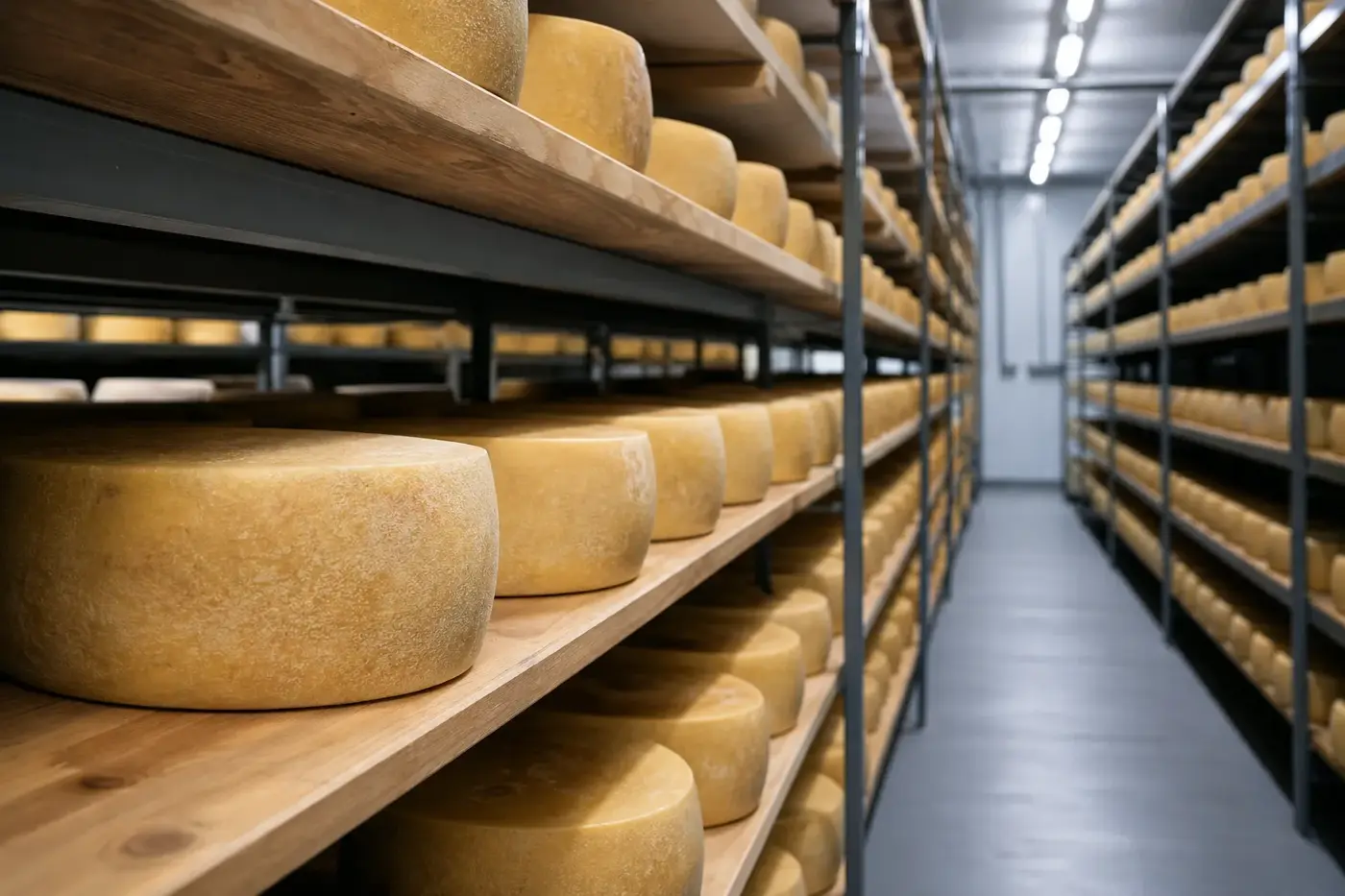
Ageing brings another set of decisions. Cabot describes temperature-controlled maturation and grading, with batches packaged according to their development rather than all at an identical point. You can follow that progression through its range, from smooth younger cheese to denser, more crumbly examples. Explore the underlying stages in how cheese is made.[8,9]
This page summarises published guidance from the official sources it cites. It is not medical advice. Guidance differs between countries and changes over time, so check the current source for where you live, and ask your doctor, midwife, pharmacist or dietitian about your own circumstances.
Lactose and milk allergy: know the difference
Cabot's FAQ states that its cheddar, Monterey Jack, Pepper Jack, Gouda and Muenster contain zero grams of lactose per serving. That claim covers those cheeses, not every Cabot dairy product, and does not establish the absence of every trace of lactose. Look at the individual pack for the claim and serving size.[8] The applicable US federal requirements for lactose claims remain unconfirmed.
Milk sugar and milk proteins raise different concerns. The US National Institute of Diabetes and Digestive and Kidney Diseases describes lactose intolerance as difficulty digesting milk sugar, and milk allergy as an immune reaction to milk proteins. Removing lactose does not establish that milk protein is absent. If you have milk allergy, follow your clinician's advice rather than choosing cheese by a lactose claim.[11]
Cabot attributes its aged cheese's low lactose to whey drainage and the later breakdown of lactose that remains. You can explore this in lactose in cheese and cheese allergy versus lactose intolerance. The practical distinction matters: a milk sugar statement answers a different question from an allergen declaration.[8,11]
What US law asks of cheddar
Flavour descriptions are only part of the cheddar story. In the United States, 21 CFR 133.113 gives cheddar a defined composition: at least 50% milkfat by weight of the solids, equivalent to fat in dry matter, and no more than 39% moisture by weight of the whole cheese. These rules govern composition, separately from flavour descriptions and maturation choices.[10]
The standard allows clotting enzymes of animal, plant or microbial origin. It also requires ingredient declarations under the applicable federal labelling provisions. Sharp, Extra Sharp and Seriously Sharp are not legal grades created by that standard. They belong to Cabot's own grader-led system for distinguishing its cheeses.[8,10]
Animal care and water: the detail matters
Cabot's stewardship page says the cooperative supports participation in the National Dairy FARM Program. That programme covers animal care alongside workforce and environmental topics. Supporting a programme, establishing participation and measuring results are separate steps. The statement supplies neither farm-by-farm welfare results nor comparisons with other dairy systems.[12]
At its creameries, Cabot reports reusing water to wash milk trucks and operating a fuel-efficient transport fleet. These are specific company-reported practices, but understanding their environmental significance requires measured water and fuel use, a defined period and a clear account of the operations covered. A practice at one site cannot give you an impact figure for the whole cooperative.[12]
Wastewater treatment adds another part of the story. In a statement dated 12 February 2026, Agri-Mark acknowledged compliance challenges at Middlebury. It said upgraded treatment equipment was installed in late 2024 and commissioned in early 2025, and reported subsequent compliance with its discharge permit. That is the cooperative's dated account of that facility.[3]
Choose your cheese and keep it at its best
Start with how you want to eat it. Cabot's descriptions point towards smoother cheddar for slicing and more crumbly, assertive cheese for eating in pieces. Before choosing, look at the format, ingredients, pack condition and any age statement. Availability varies by retailer and country, so current local listings give you the practical picture.[9]
At home in the US, FDA advice is to keep your refrigerator at 4 °C (40 °F) or below. Follow the pack's refrigeration instructions and reseal opened cheese against drying. Cabot recommends keeping the original wrapper and wrapping the open end tightly. The home cheese storage guide covers the wider handling principles.[8,13]
For serving, put out a small amount and replenish it from the refrigerator, rather than leaving the whole block on the table. FDA's US consumer advice limits foods requiring refrigeration to two hours at room temperature, or one hour above 32 °C (90 °F). Count all time out of refrigeration, including preparation and display.[13]
Questions people ask
Who owns Cabot Creamery?
Cabot Creamery is owned by a farmer cooperative. The brand became part of the cooperative following a merger in 1992.
Is all Cabot cheese made in Vermont?
No. The cooperative's production network includes a plant in Chateaugay, New York, which makes several cheeses. Cabot also says its American Cheese slices and Shredded Mexican Blend Cheese come from plants it does not own.
How long is Cabot cheddar aged?
Cabot's guide gives ages of two to three months for Mild and seven to nine months for Vermont Sharp. It gives about 12 months for Extra Sharp and 12 to 14 months for Seriously Sharp.
Does Cabot cheese contain lactose, and is it suitable for someone with a milk allergy?
Cabot says its cheddar, Monterey Jack, Pepper Jack, Gouda and Muenster contain zero grams of lactose per serving. The US National Institute of Diabetes and Digestive and Kidney Diseases distinguishes difficulty digesting milk sugar from an immune reaction to milk proteins. Consult the institute for more information and follow your clinician's advice on milk allergy.
How should Cabot cheese be stored?
The US FDA advises keeping the refrigerator at 4 °C or below. Its consumer advice limits foods requiring refrigeration to two hours at room temperature, or one hour above 32 °C. Consult the FDA for current US guidance.
Sources
- Cabot Creamery. Our Farmer-Owned Cooperative, undated web edition, accessed November 2026. Historical timeline and product categories. Source.
- Agri-Mark. The Northeast's Premier Dairy Farmer Cooperative, undated corporate history, accessed November 2026. Cooperative origins, Cabot merger and McCadam history. Source.
- Agri-Mark, Inc. Statement Regarding Wastewater Violations, 12 February 2026. Company statement and corporate description. Source.
- Agri-Mark. Member Benefits, undated web edition, accessed November 2026. Member payments, profit returns and elected farmer leadership. Source.
- Agri-Mark. Agri-Mark Board Of Directors Elects New Executive Committee And Appoints Advisory Directors, 12 February 2025. Source.
- Agri-Mark. Our Co-Op, undated web edition, accessed November 2026. Membership geography, employees and manufacturing activities. Source.
- Agri-Mark. Our Plants, undated web edition, accessed November 2026. Locations and stated manufacturing roles. Source.
- Cabot Creamery. Frequently Asked Questions, undated web edition, accessed November 2026. Manufacturing, external sourcing, grading, lactose claims and wrapping advice. Source.
- Cabot Creamery. Types of Cheddar Cheese, undated web edition, accessed November 2026. Manufacturer's ageing statements and sensory descriptions. Source.
- United States Food and Drug Administration. 21 CFR 133.113: Cheddar cheese, current eCFR text retrieved November 2026. Source.
- National Institute of Diabetes and Digestive and Kidney Diseases. Definition & Facts for Lactose Intolerance, web edition retrieved November 2026. Source.
- Cabot Creamery. Our Stewardship, undated web edition, accessed November 2026. Company statements about FARM participation, water reuse and transport. Source.
- United States Food and Drug Administration. Are You Storing Food Safely?, web edition retrieved November 2026. Source.
This desk-researched article brings together cooperative records, manufacturer product descriptions and the American cheddar standard, with outstanding verification requirements recorded below.
Last checked: November 2026
Last checked November 2026.
The editors suggest you read next
Who Makes the World's Cheese? The Big Dairy Groups
You pick up Galbani at the cheese counter, then pause over Kerrygold.