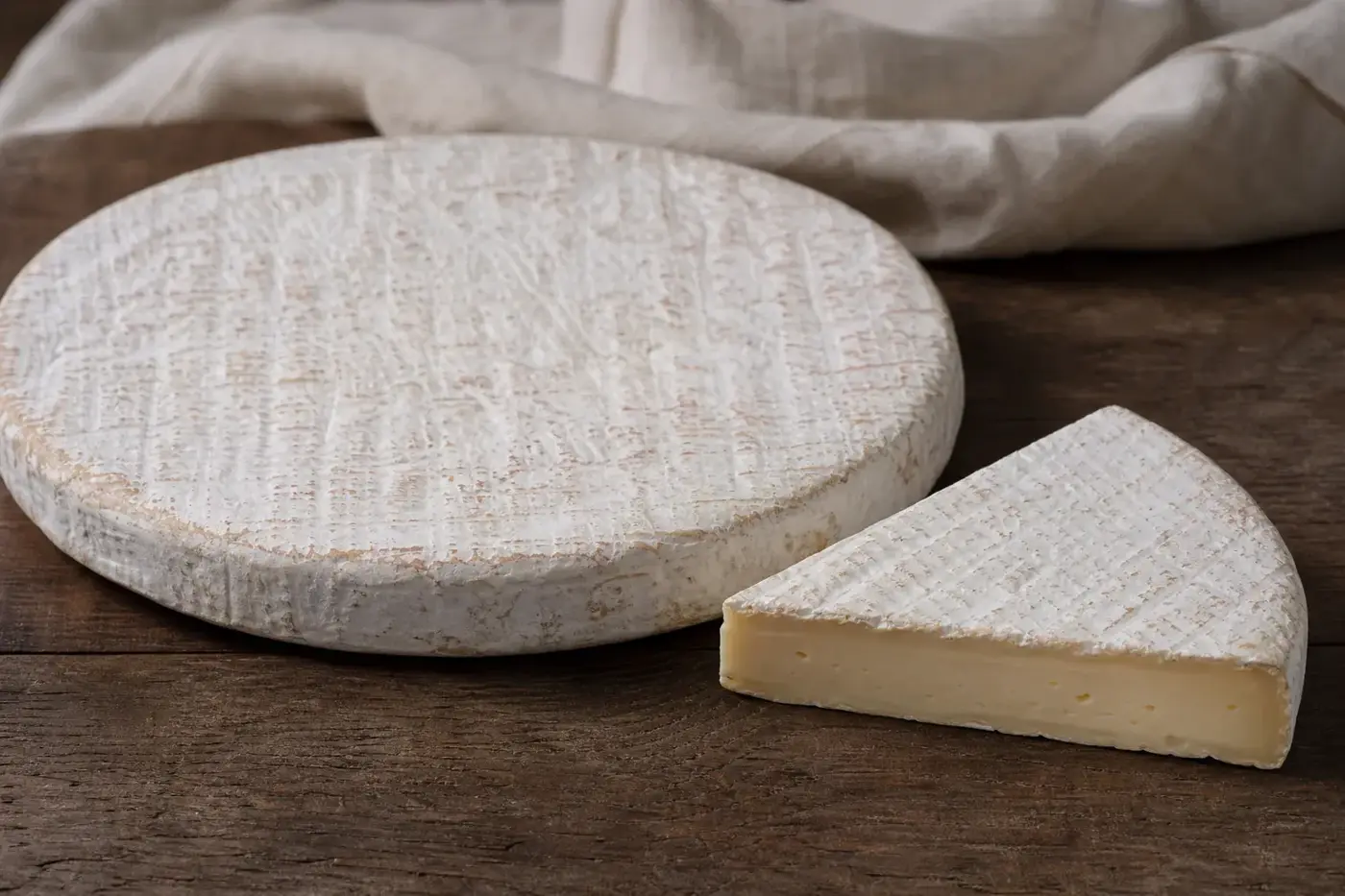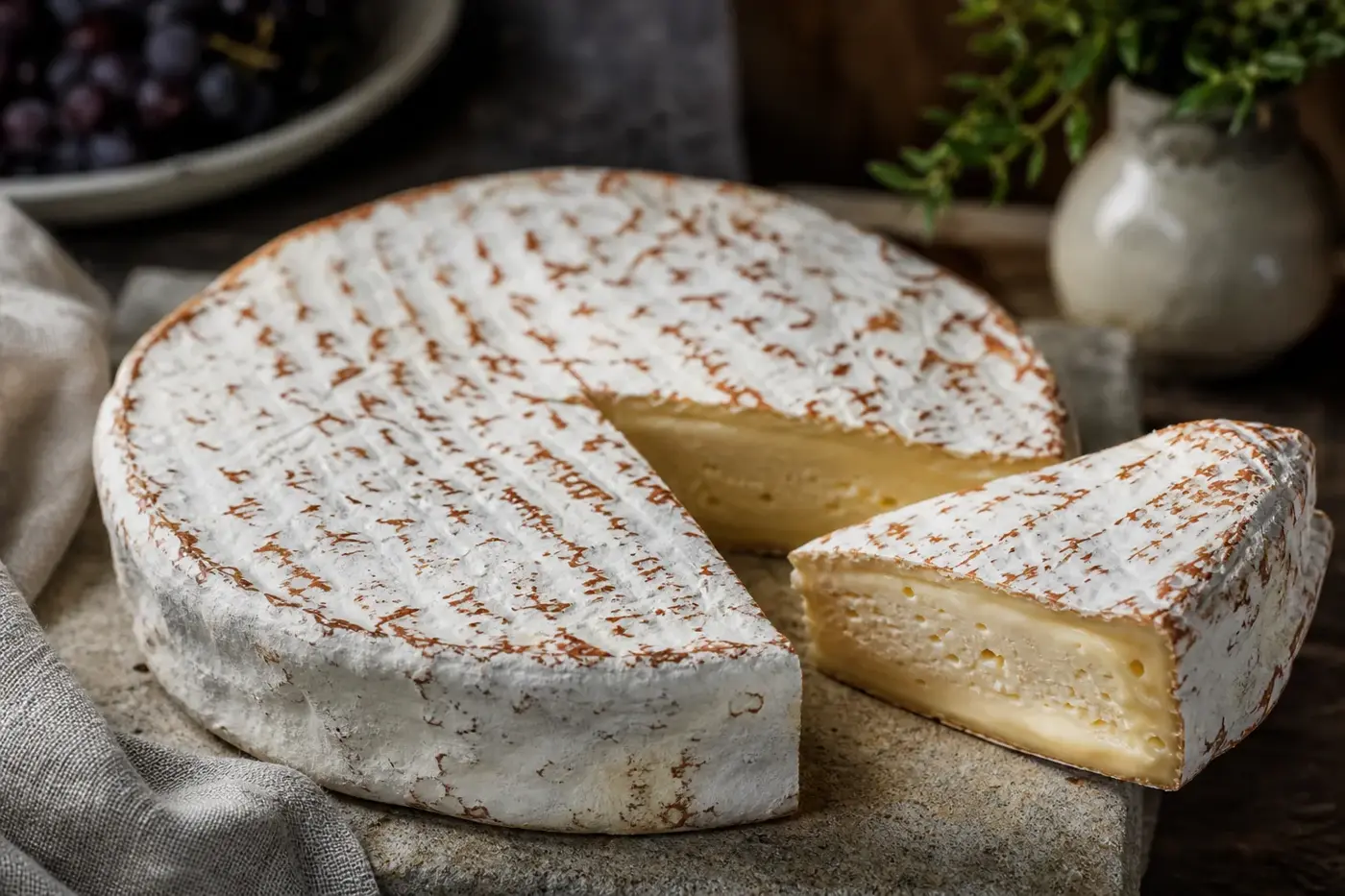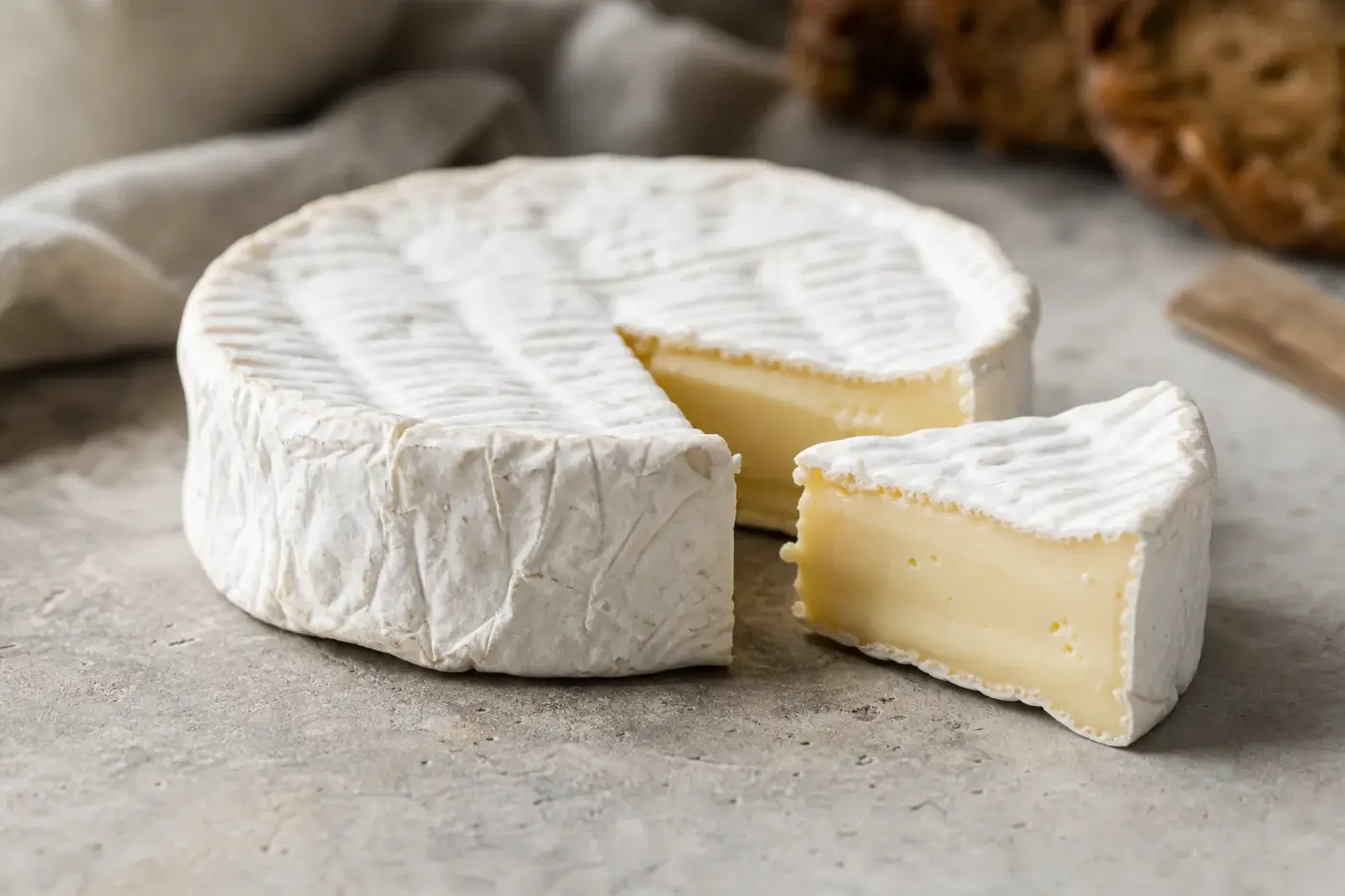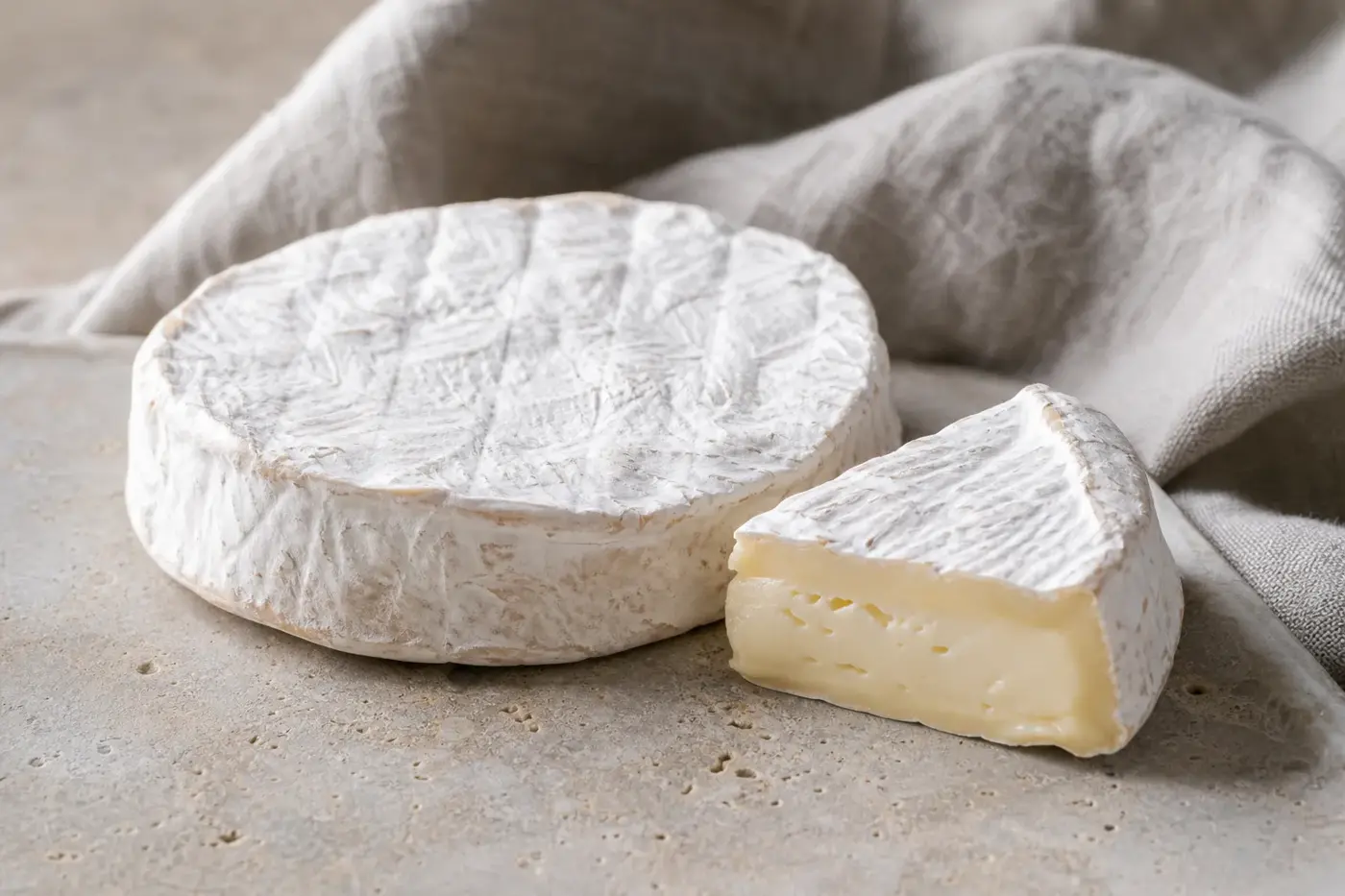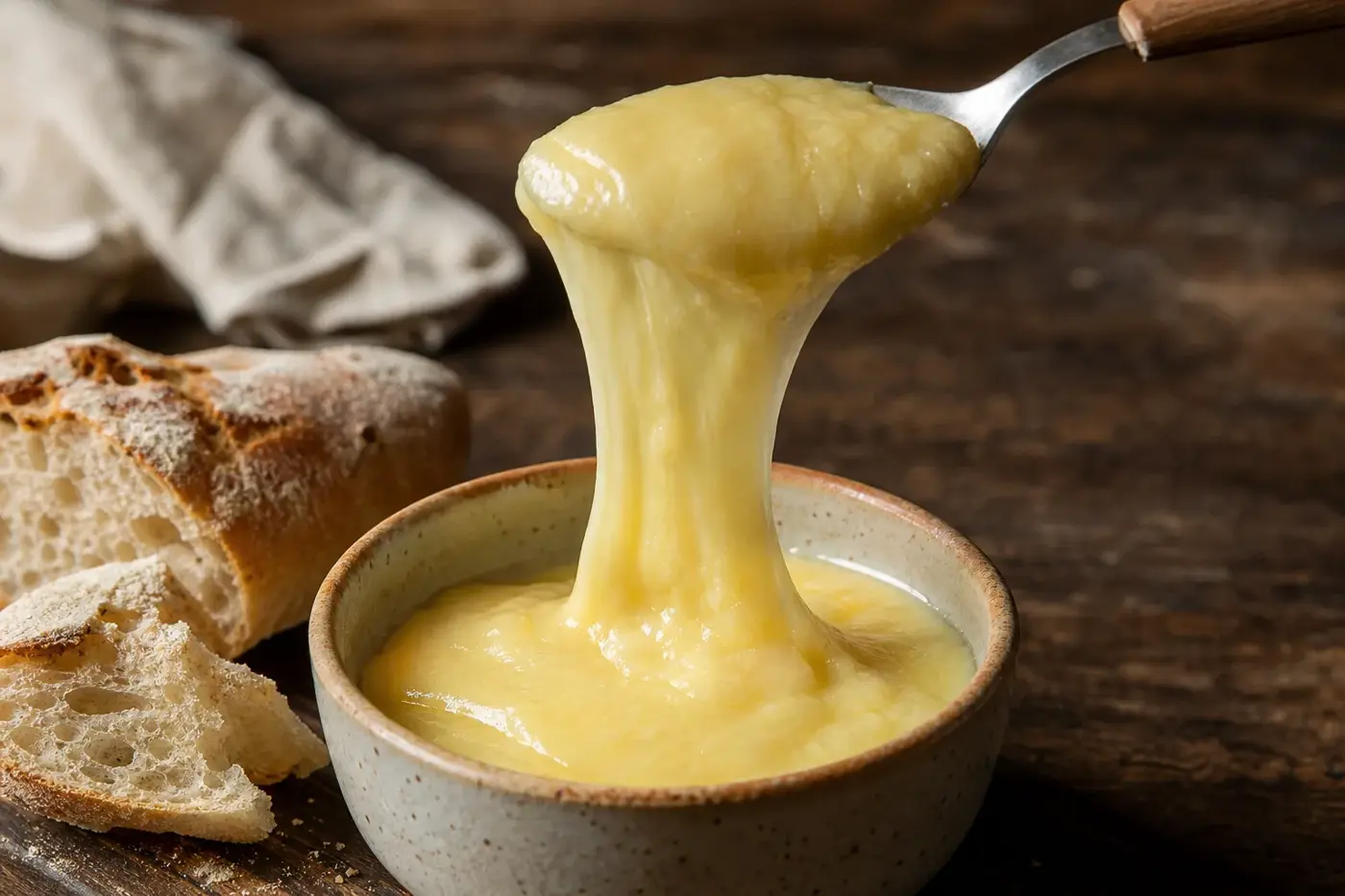
Watch Cancoillotte slip from a spoon towards your bread. This soft, flowing speciality of Franche-Comté in eastern France began as something quite different: metton, a drained, crumbled skimmed-milk curd, matured and then melted with water and butter. The transformation gives you a cheese to spread, or spoon warm over a meal. Asking it for a tidy slice would be missing the point.[2][3]
| What to know | The detail |
|---|---|
| Name on the pot and register | Cancoillotte.[1] |
| EU protection | Protected geographical indication, PGI, registered by Commission Implementing Regulation (EU) 2022/787.[1] |
| Registration authority | European Commission.[1] |
| Dates behind the registration | Adopted 13 May 2022, published 20 May 2022, effective 9 June 2022.[1] |
| Where it is made | Franche-Comté and specified adjoining communes in eastern France.[2] |
| The milk it starts with | Skimmed cow’s milk, made into metton.[2] |
| Essential additions | Water and butter.[2] |
| What you can expect | Semi-liquid to stringy, slightly sticky; plain versions are cream to pale yellow.[3] |
| Fat limit | Less than 15% of the whole finished product under the PGI specification.[2] |
Meet the cheese that refuses to sit still
Much of Cancoillotte’s pleasure lies in its movement. INAO, France’s national institute responsible for official origin and quality schemes, describes it as semi-liquid to stringy, with a slight stickiness. Then comes the flavour: milk and butter, with a lightly yeasty note.[3]
You are not looking for a neat slice, nor quite a thick cream. Plain Cancoillotte has an even colour somewhere between cream and pale yellow. Garlic, herbs and other additions bring their own character, but matured metton is always the foundation.[2][3]
For your first taste, try plain Cancoillotte with bread. It gives you a useful starting point before you explore flavoured versions for cooking. Plain is not inherently better; comparing preparations is part of the pleasure, as is discovering where each belongs in your kitchen.
Want to give that unusual texture some context? How to tell cheese styles apart explores the wider distinctions between texture, rind and manufacturing method.
Before the spoonful comes the metton
Get to know the curd behind the cheese
Making Cancoillotte takes two distinct stages. First, skimmed cow’s milk becomes metton. That cheese must mature before the second stage, when melting turns it into the Cancoillotte you recognise.[3][4]
The protected specification permits two routes to white metton. The lactic route uses starter cultures; the enzymatic route uses a coagulating enzyme together with lactic cultures. Both involve coagulation, turning liquid milk into curd that can be separated from the whey.[2]
Then the curd needs draining. Depending on the process, cutting, heating or stirring helps the whey escape, and pressing may remove more. The white metton forms blocks, which are broken into grains ready for maturation.[2]
The producers’ association describes this intermediate cheese as granular, firm and strongly scented. It is quite a journey from there to the flowing spoonful on your bread. Before melting begins, the milk has been drained, the curd crumbled and the metton prepared for maturation.[4]
Give the metton warmth and time
Here, affinage, the controlled maturation of cheese, happens in crumbled metton rather than an intact wheel. The PGI specification requires a maturation-room temperature of at least 20 °C and a minimum maturation period of 12 hours. Yeast development is central to what happens next.[2]
These are commercial production requirements, not home cheesemaking instructions. When you choose a pot, keep the matured ingredient and finished preparation distinct in your mind. Metton has already undergone a deliberate transformation before water and butter turn it into the flowing cheese for your table.[2][4]
For a wider view of those stages, explore how cheese is made. It follows the broader sequence of coagulation, draining and maturation.
Water, butter and the all-important melt
Matured metton, water and butter are the essentials. The producers’ association describes manufacturers heating and mixing them until the preparation is homogeneous. Only then is the finished Cancoillotte ready to go into pots.[2][4]
Yes, butter belongs here, despite that skimmed-milk beginning. This is not the recipe changing its mind halfway through. They are two separate production decisions: cream comes out of the milk first; butter goes in during the final transformation.[2]
Permitted emulsifying salts help everything melt and mix. The specification allows listed citrates and phosphates, among other authorised melting salts, up to a maximum combined dose of 2% in the finished product. Ordinary salt may also be added.[2]
So “melted cheese” has a precise meaning here. Cancoillotte begins with a cheese that has already been made and matured. It is not simply milk thickened into a sauce.[2][4]
Keep that sequence in mind when you compare pots. Start with the metton-based preparation, then look at the flavouring and the manufacturer’s serving directions. Plain and garlic versions share the same fundamental transformation, even if you have quite different meals planned for them.
A protected name with a place behind it
Cancoillotte is registered as a PGI in the European Union. On French packaging, you will commonly see IGP, short for indication géographique protégée. The registration regulation was adopted on 13 May 2022 and published on 20 May; its twentieth-day entry-into-force provision made it effective on 9 June 2022.[1]
The production area covers every commune in Doubs, Jura, Haute-Saône and Territoire de Belfort. These are the four departments of the former Franche-Comté region. Specified communes in Ain, Côte-d’Or, Haute-Marne, Saône-et-Loire and Vosges are included too.[2][3]
That boundary matters throughout the making. Milk production, white-metton manufacture, metton maturation, melting and packaging must all happen within the specified area.[2]
The geographical connection runs through production, rather than arriving as a regional name at the finish. When you pick up a pot, read its label instead of relying on a retailer’s regional description. Consider the name, preparation and declared ingredients together.
Wondering how the other European schemes differ? Protected names explained takes you through the distinctions.
From the dairy plains to breakfast bread
Cancoillotte’s regional story begins with making good use of skimmed milk. The producers’ association explains that butter and cream production in the plains left this milk available. Making it into metton, then maturing and melting it, gave the remaining milk a purpose.[5]
The association also recounts a possible ancient origin. Its story links the cheese to Roman-era Sequania and suggests a Latin ancestry for the name. These origins remain uncertain: a story of beginnings, rather than evidence that today’s Cancoillotte was made two thousand years ago.[5]
For firmer historical ground, turn to the official specification. It cites a linguistic and ethnographic atlas published in 1978 as evidence that established use of the word reaches back at least to the nineteenth century.[2]
INAO places commercial expansion in the late nineteenth century, when Cancoillotte travelled beyond local markets into Parisian dairy shops. Its account also takes you into the home. There, people ate it with bread, at breakfast and during ordinary meals, warm for some and cold for others.[3]
That everyday setting is a good one to bring into your kitchen. Think of a pot that earns its place across a meal. You need not keep this cheese waiting for a formal board.
Find your flavour, from plain to vin jaune
With plain Cancoillotte, you get the milk, butter and lightly yeasty character described by INAO. The institute also records versions flavoured with garlic, spices, white wine, vin jaune, mushrooms and walnuts. That first plain spoonful is only the beginning.[3]
The protected recipe permits specified flavouring categories, with different limits for spices and condiments, mushrooms and herbs, and the listed wines and spirits. Matured metton may also be smoked. Liquid smoke, however, is prohibited.[2]
Let your meal help you choose. Plain makes a useful introduction; garlic suits a straightforward potato supper; a herb or mushroom version can bring more of the seasoning itself. These are serving suggestions, and individual manufacturers’ versions will not necessarily taste alike.
For texture, read the maker’s description and directions. The official range runs from semi-liquid to stringy, so there is room for different expressions of the same speciality.[3]
When you compare two pots, ask yourself a practical question. Which would you rather spread, and which would you rather spoon over food? That tells you more about their place at your table than treating thickness alone as a badge of quality.
Bread ready? Bring Cancoillotte to the table
INAO records Cancoillotte spread cold and served warm with strips of bread. The official specification also places it alongside regional specialities including Saucisse de Morteau and Saucisse de Montbéliard. You have good starting points here, whether you want a spread or a supper.[2][3]
For a simple meal, start with potatoes, bread or vegetables. Spoon warmed cheese over cooked potatoes, put out bread to gather it up, or serve it beside cooked vegetables for everyone to help themselves. These are serving ideas rather than a recipe.
Regional charcuterie is another possible companion. Leave enough room on the plate for the cheese’s flavour to come through. Potatoes, one vegetable and a little Cancoillotte give you a clearer introduction than several competing sauces.
Follow the pack’s warming directions. If the manufacturer permits saucepan warming, use gentle heat and stir as the cheese loosens. Transfer a portion to suitable cookware; do not assume the retail pot can take the heat.
Give cold Cancoillotte a turn as well. Spread a little on bread before warming the rest, then see which texture you prefer. Your pot does not have to become a cooked dish to earn its place at dinner.
Let the label help you choose
First, decide whether you want plain Cancoillotte or a flavoured preparation. Then read that product’s ingredients, any milk-treatment information provided and its storage directions. There is more to learn from the pot than from a brief regional description on the shelf.
Give the nutritional information the same attention. The PGI specification requires less than 15% fat by total finished weight and a minimum dry-matter content of 20%. Those limits do not make every recipe nutritionally identical.[2]
For a useful comparison, put the fat figure per 100 g on one label beside the same figure on another. Keep that separate from fat in dry matter, which measures fat relative to the cheese’s solids. How to read a cheese label helps you untangle the different declarations.
As you get to know Cancoillotte, change one thing at a time. Try plain against garlic, or cold against warm. Keep the accompaniment and your other serving choices steady, and it becomes easier to notice what each change brings.
Once opened, keep the pack close
For storage, the French official guidance here is dated November 2026. France’s agriculture ministry advises you to read the storage temperature and date on prepacked foods. Take refrigerated purchases home promptly, using an insulated bag for the journey.[6]
At home, check your refrigerator with a thermometer, as the ministry recommends. Its guidance places opened fresh foods in the coldest zone, between 0 °C and 4 °C. Follow the storage conditions on the product itself.[6]
Once you open the pot, follow the manufacturer’s specified after-opening temperature and consumption period. French Service Public guidance stresses that a use-by date remains valid only when the recommended storage conditions have been respected. A break in the cold chain can make food hazardous before that date.[7]
Read the words beside the date carefully. À consommer jusqu’au means a use-by date; à consommer de préférence avant means a best-before date. Service Public distinguishes the first as a safety limit and the second as a quality indication.[7]
For the wider practical picture, see how to store cheese at home. Keep the pack to hand while you use the pot, so you can return to its directions whenever you need them.
General information only, not medical advice: follow the official guidance where you live.
Questions people ask
What does Cancoillotte taste and feel like?
INAO describes flavours of milk and butter with a lightly yeasty note. Its texture ranges from semi liquid to stringy, with a slight stickiness.
How is Cancoillotte made?
Skimmed cow’s milk is made into metton, which is drained, crumbled and matured. The matured metton is then melted with water and butter.
How do you eat Cancoillotte?
It can be spread cold on bread or served warm. The page also suggests spooning it over cooked potatoes or serving it beside vegetables.
Where is protected Cancoillotte made?
Its protected area includes all communes in Doubs, Jura, Haute Saône and Territoire de Belfort, as well as specified communes in five adjoining departments. Milk production, metton making and maturation, melting and packaging must all take place within the area.
How should Cancoillotte be stored after opening?
France’s agriculture ministry advises keeping opened fresh foods in the coldest part of the fridge, between 0 °C and 4 °C. Follow the manufacturer’s specified temperature and consumption period after opening, and check the ministry’s current guidance.
Sources
[1] European Commission. Commission Implementing Regulation (EU) 2022/787 of 13 May 2022 entering a name in the register of protected designations of origin and protected geographical indications [‘Cancoillotte’ (PGI)]. Official Journal L 141, 20 May 2022, Articles 1 and 2.
[2] French Ministry of Agriculture. Cahier des charges de l’indication géographique protégée « Cancoillotte ». Consolidated specification accompanying the notice in BO-Agri 2022-23, June 2022, sections 2, 3, 5, 6 and 8.
[3] Institut national de l’origine et de la qualité. Cancoillotte. Official product record, undated, accessed November 2026, sections “Le produit”, “Arômes et saveurs”, “Un produit, un territoire” and “Un produit reconnu”.
[4] Association de Promotion de la Cancoillotte. Secrets de fabrication. Undated industry account, accessed November 2026. The association represents the product’s producers and promotes Cancoillotte.
[5] Association de Promotion de la Cancoillotte. Toute une histoire. Undated industry historical account, accessed November 2026. Its ancient-origin explanation is reported as the association’s uncertain account.
[6] French Ministry of Agriculture. Des conseils pour bien ranger votre frigo. 19 May 2025, sections on shopping, refrigerator use and storage zones.
[7] Service Public, Direction de l’information légale et administrative. Date limite de consommation (DLC), de durabilité minimale (DDM), de congélation. Verified 6 February 2026, sections on use-by and best-before dates.
Researched through the registration regulation, official French specification, INAO record, attributed producer-association accounts and French consumer storage guidance.
Last checked: November 2026
Last checked November 2026.
The editors suggest you read next