Cheese and Coffee
Drop a piece of cheese into hot coffee in northern Sweden, and it warms, softens and takes on the flavour of your cup.
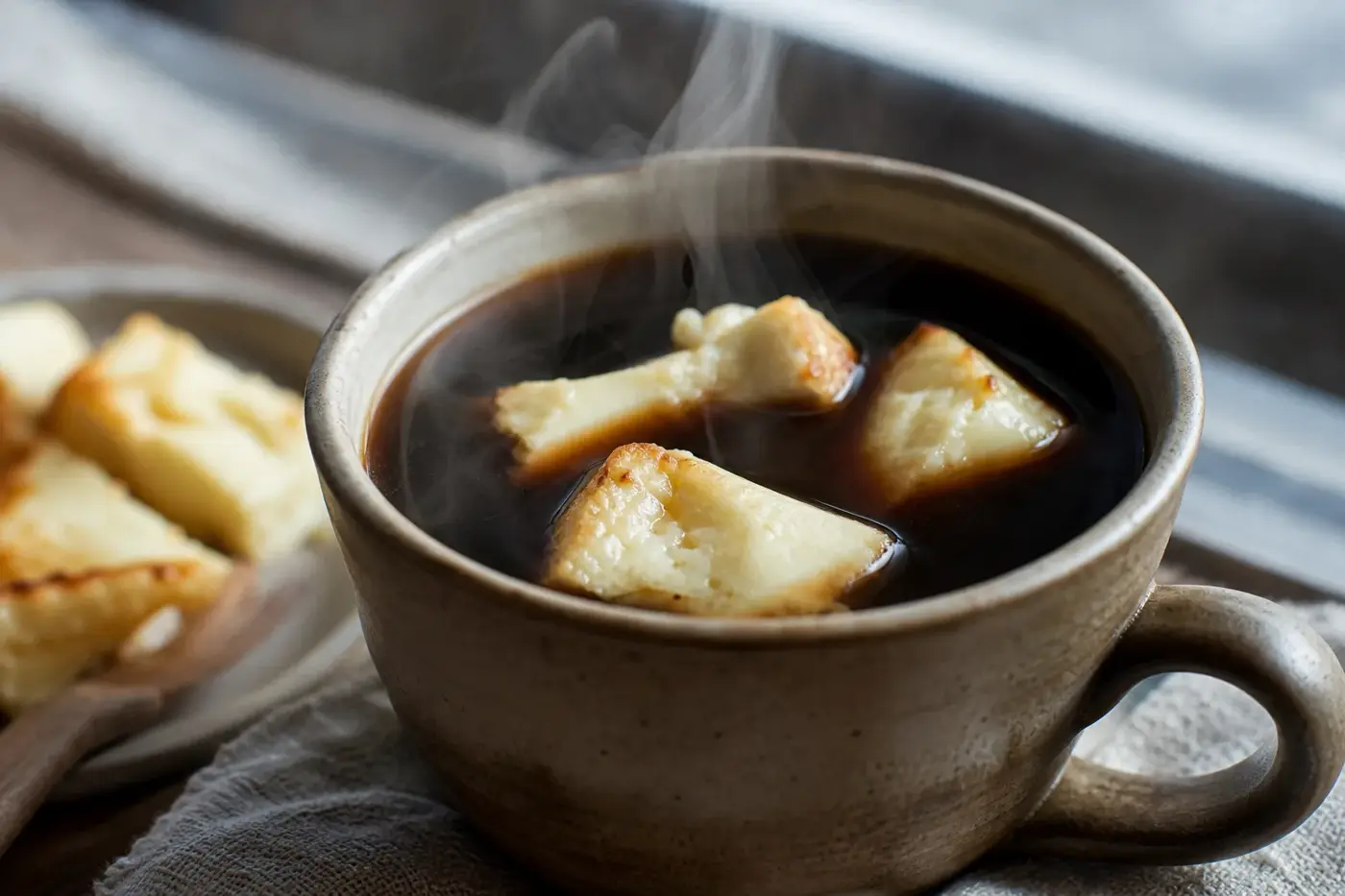
Drop a piece of cheese into hot coffee in northern Sweden, and it warms, softens and takes on the flavour of your cup. Sveriges Gårdsmejerister describes the custom in its published application for Kaffeost. [6] You need not put cheese in your coffee to explore this pairing. But it does make the biscuit look rather unadventurous.
Start with a mild, soft cheese and a medium roast filter coffee, then taste the same cheese with a fuller brew. Which cup gives the cheese room? Which takes over? Small bites and sips help you explore intensity, acidity and texture, without chasing one supposedly perfect match.
A few good first bites and sips
- Taste milder cheeses before stronger ones.
- Try the coffee without milk or sugar before adding either.
- In northern Sweden, a producer association describes serving pieces of cheese in hot coffee. [6]
Two cups, one cheese: pull up a chair
Choose a plain, spreadable soft cheese whose maker describes it as mild. Brew an approachable medium roast as filter coffee, then make a second cup with a different roast or brewing method. Leave milk and sugar aside for now. Give yourself a chance to know the coffee first.
Take a bite of cheese, swallow, then sip. Can you still taste its milkiness, or does the coffee seem more bitter? Is the finish pleasantly rounded or simply heavy? Repeat with your second cup.
A smooth cheese gives you one texture against the drink; a crumbly cheese gives you another. For help choosing that contrast, explore cheese styles and textures. Notice what changes before you decide which you prefer.
You might bring together a shared impression, such as sweetness, or contrast a savoury bite with the drink. Neither approach needs a complicated verdict. Do you want another taste of both? That is a useful sign, and considerably less paperwork than a tasting manifesto.
Find your coffee's volume control
Roast level is not strength. Strength means the concentration of coffee material in your drink; extraction means how much material brewing removes from the grounds. Keep those ideas separate and you have more ways to adjust your cup.
Research using one washed Arabica coffee, three roast levels and nine brewing conditions per roast found changes in sourness, bitterness, sweetness, thickness and other attributes. Across all three roasts in that experiment, perceived sweetness decreased as strength increased. [1] A stronger cup, then, does not simply give you more of everything you enjoy.
Begin with a medium roast you already like. Try a lighter roast for brighter contrast, or explore a darker roast for its roasted bitterness. Before you bring in the cheese, identify the cup's dominant feature: acidity, bitterness or concentration. Even an intensely brewed light roast can overwhelm a delicate cheese.
If the coffee takes over, dilute a little with hot water and compare before changing the cheese. The Specialty Coffee Association's research account shows that strength and extraction can substantially change sensory character, even with the same coffee. [2] Your first adjustment might belong in the cup, not on the plate.
Give your cheese a moment of its own
The cheese in front of you matters more than its category. Look for salt, milky sweetness, tang and the length of the finish. With an older cheese, notice how long its flavour stays after you swallow. That persistence gives you a reason to try fuller coffee; age alone does not settle the match.
Fat deserves your attention too, but texture does not tell you fat content. Compare a small bite of soft cheese with a firmer one, noticing whether the coffee's bitterness changes. You are tasting each cheese as a whole, not isolating fat's effect.
Give salt and acidity their turn. Does a salty bite make the coffee seem sweeter or harsher? Does a tangy bite make its brightness refreshing or too sharp? Keep your cheese portions similar when comparing cups.
Mild soft cheese: leave room for milkiness
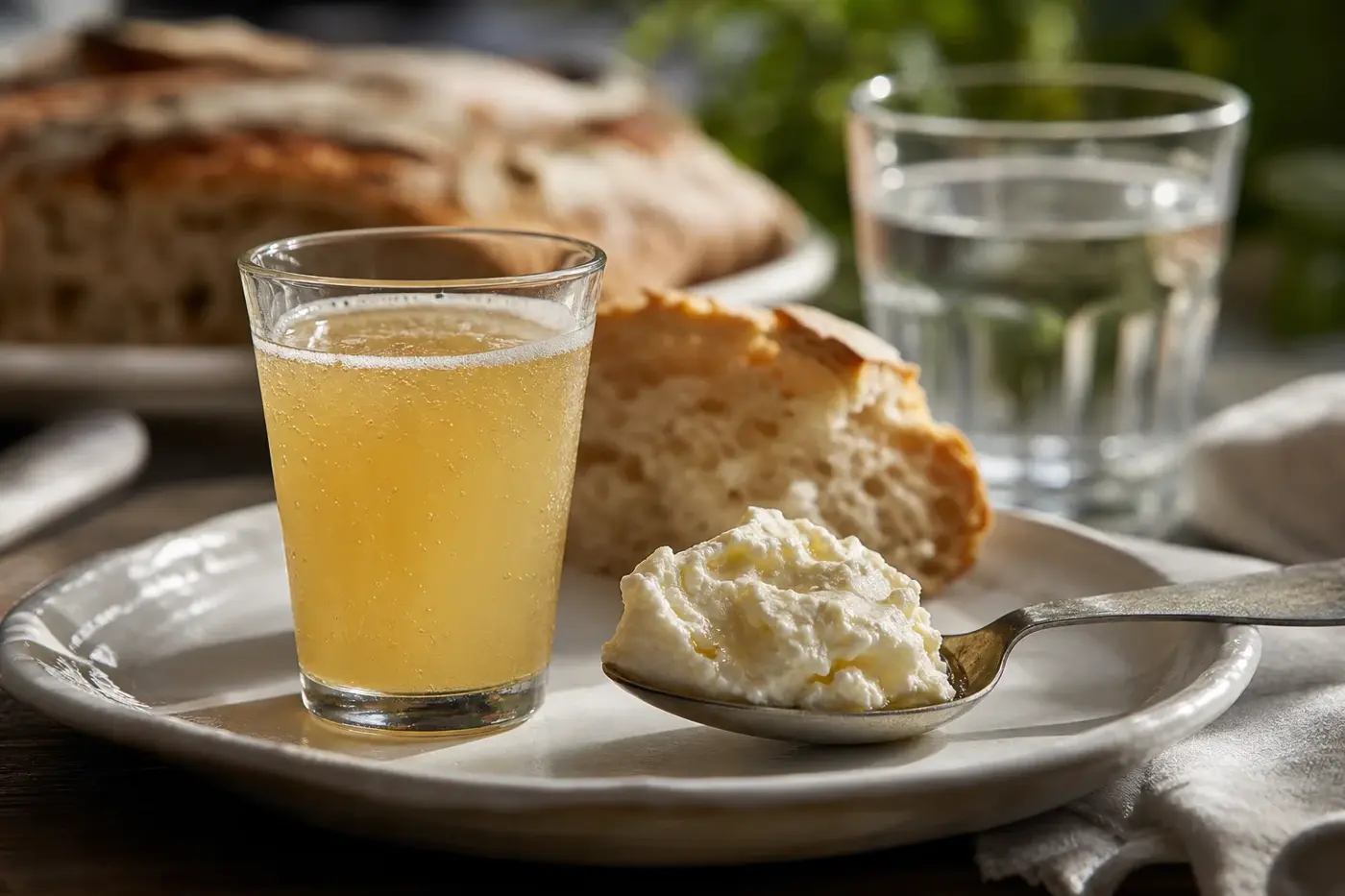
A mild, plain soft cheese and a filter coffee that tastes balanced alone make a useful first pairing. You want to taste the milkiness and coffee sweetness distinctly. If the coffee erases the cheese, try a less concentrated cup. If the cheese leaves a heavy finish, take a smaller bite.
| What your cheese brings | Coffee to try | What to look for | Why give it a go? |
|---|---|---|---|
| Mild and spreadable | Medium roast filter | Milkiness and a clear coffee finish | Suggested starting point; strength research [1] |
| Firm with a lasting flavour | Fuller filter or cafetière | Both flavours stay clear | Suggested comparison of intensity |
| Salty blue | Coffee you perceive as sweet | Sweetness against salt | Suggested flavour contrast |
| Tangy fresh cheese | Lighter roast filter | Brightness without sharpness | Suggested comparison of acidity |
Think of these suggestions as a small tasting plan, not marching orders. The coffee research supports adjusting your brew. Comparing flavours before and after a bite tells you which combination works for you.
Mature Cheddar: pour something fuller
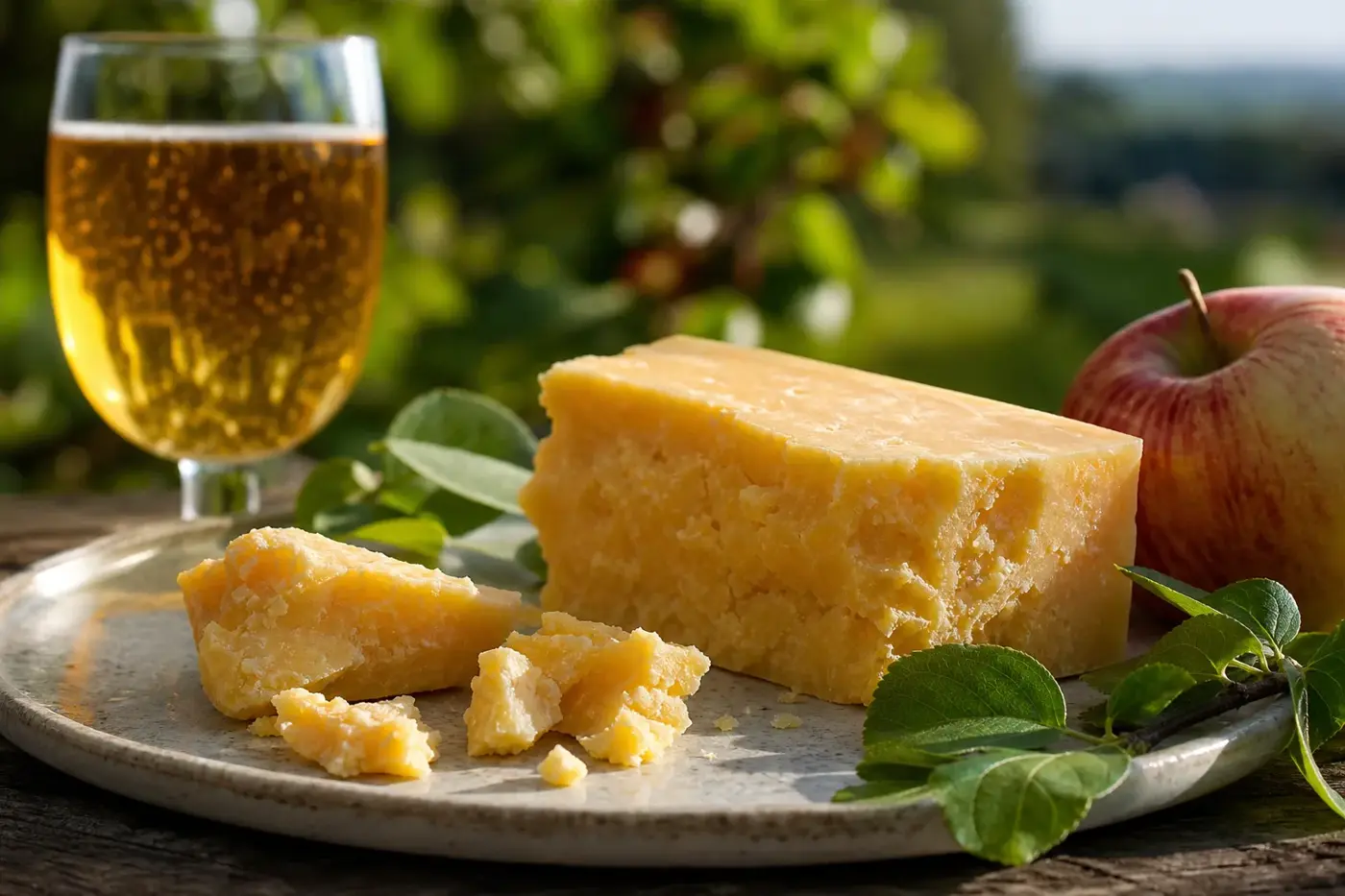
Try mature Cheddar with a fuller filter brew or cafetière coffee, keeping your first pour modest. Choose a piece whose flavour you know. Does the coffee stand alongside it, or simply make the finish more bitter?
A crumbly clothbound example brings texture into the conversation. Quicke's describes its Vintage Clothbound Cheddar as crumbly and complex. [4] Let a small piece break down before sipping, then compare it with the spreadable cheese you tasted first.
Blue cheese: give salt a sweeter companion
A salty, forceful blue calls for coffee you perceive as sweet, rather than an automatic reach for the darkest roast. Taste the coffee first and look for a rounded finish. Then introduce a very small piece of blue, seeking sweetness against salt with enough coffee flavour left to enjoy.
If the finish becomes bitter or muddled, reduce the cheese before strengthening the coffee. Curious about milk or sugar? Add a little to a separate cup and keep the original as your reference.
Fresh cheese: follow the tang
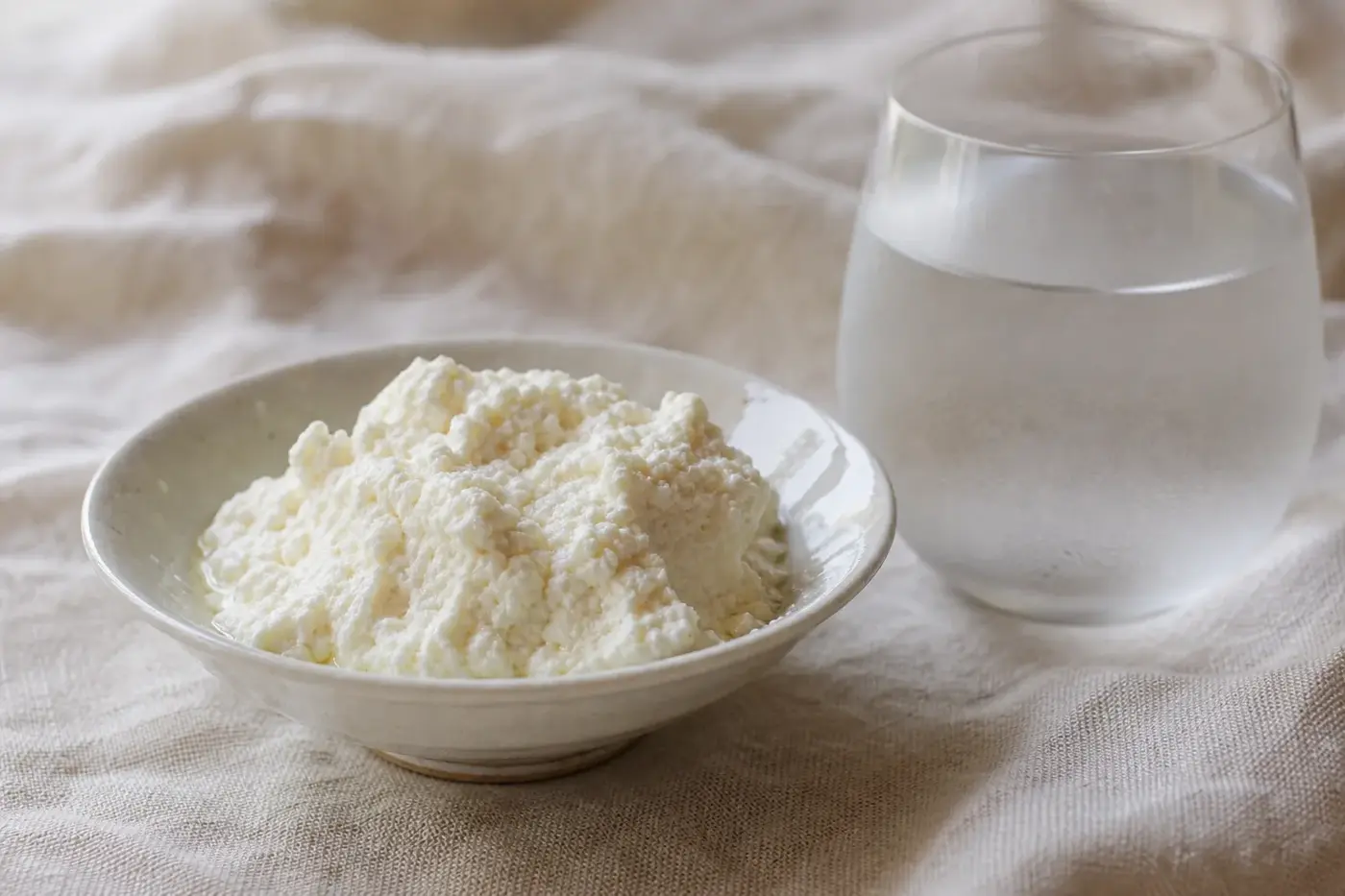
Pair a plain fresh cheese with a lighter roast filter coffee. Start with a cheese you find gently tangy rather than intensely sour, tasting cheese first and coffee second. You are looking for a clean, lively sequence, without either leaving an aggressively sharp finish.
If the combination tastes sharp, try a smaller bite, a less tangy cheese or coffee with less apparent acidity. Change one thing at a time. Add plain bread before fruit, so you can judge whether the cheese and coffee themselves have become more balanced.
Make room for milk, sugar and a cooling cup
Once you have tasted black coffee, repeat your preferred pairing with your usual addition of milk. Compare mouthfeel, coffee flavour strength and finish. If you normally take sugar, add it gradually to a separate sample. Does that extra sweetness help the cheese, or obscure the comparison?
Brewing temperature and drinking temperature are different matters. Follow your equipment's brewing instructions, then let the coffee become comfortable to sip. Give yourself time to taste it.
The Specialty Coffee Association's professional tasting standard follows coffee as it cools, beginning assessment at about 70 °C (158 °F) and continuing below body temperature. [5] At home, return to your pairing as the cup cools. Notice what you enjoy at that point, too.
Bread cheese in coffee: sit down to a Swedish ritual
With Kaffeost, your cup becomes part of preparing the cheese. Sveriges Gårdsmejerister's published application describes the northern Swedish custom of putting pieces in hot coffee, then eating them once warmed, softened and infused with coffee flavour. The account particularly associates the practice with boiled coffee, or kokkaffe. [6]
Regional variations give you different textures and appearances. A mountain-associated tradition includes dried or smoked cheese; a north-eastern variant is oven-baked. The document describes surfaces ranging from pale to marked with browned baking marks, and milk from cows, goats or reindeer. [6]
When choosing your cheese, notice whether it is smoked, dried or baked before serving. Choose cheese sold specifically for serving in coffee and follow its maker's directions. Use a spoon, let both coffee and cheese become comfortable to taste, and compare the cheese's texture before and after warming.
Set your tasting table in an easy order
- Set out small individual portions: a bite or two of each cheese and small coffee pours, with water alongside.
- Start with mild soft cheese, follow with fresh cheese, move to Cheddar and finish with blue.
- Taste each coffee alone, then after the cheese. Change one thing at a time and keep a little black coffee as your reference.
- Write down three observations: the dominant flavour, the texture of the finish and whether you preferred the combination to its separate parts.
For a measured starting brew, the SCA's descriptive assessment standard uses 55 to 60 g coffee per litre of water for filter or French press preparation, with grinding adjusted to the method. [5] For your first comparison, keep your usual reliable method. You will have fewer moving parts to think about.
Let bread, fruit and nuts join one at a time
Begin with plain bread or an unseasoned cracker. Once you have chosen a pairing, try a slice of pear, a little dried fruit or a few unsalted nuts. Each accompaniment gives you another comparison, rather than merely filling a gap on the plate.
Does fruit bring welcome sweetness, or make the coffee seem sharper? Do nuts add useful texture, or a distracting extra flavour? Let each addition earn its place, however persuasive a full cheeseboard may look.
When a pairing fails, simplify. Remove the accompaniments, reduce the cheese bite and taste the coffee again. Adjust concentration, milk or sweetness separately.
Keep a little on the table and the rest chilled
The UK's Food Standards Agency guidance for England, Wales and Northern Ireland, dated here to November 2026, advises keeping a fridge at 5 °C (41 °F) or below. Keep dairy products refrigerated and follow the pack's storage instructions and use by date. [7]
Put out only what you intend to taste and keep the rest chilled. For practical organisation, see storing cheese at home. For the wider guidance, turn to cheese food safety.
General information only, not medical advice: follow the official guidance where you live.
Questions people ask
What cheese and coffee pairing should I try first?
Start with a mild, plain soft cheese and a balanced medium roast filter coffee. Taste the coffee on its own, then take a bite of cheese, swallow and sip the coffee.
What coffee goes with mature Cheddar?
Try a fuller filter brew or cafetière coffee with mature Cheddar. Check whether the coffee stands alongside the cheese or makes the finish more bitter.
What coffee should I pair with blue cheese?
Try a coffee you perceive as sweet with a small piece of salty blue cheese. If the finish becomes bitter or muddled, reduce the amount of cheese before strengthening the coffee.
Does a darker roast mean stronger coffee?
No. Roast level is not strength: strength is the concentration of coffee material in the drink. Even an intensely brewed light roast can overwhelm a delicate cheese.
How should I store cheese for a tasting?
The UK's Food Standards Agency advises keeping dairy products refrigerated, following the pack's storage instructions and use by date, and keeping a fridge at 5 °C or below. See its guidance for England, Wales and Northern Ireland [7].
Sources
- Journal of Food Science, “Effects of brew strength, brew yield, and roast on the sensory quality of drip brewed coffee”, volume 85, issue 8, pages 2530 to 2543, 2020. Original descriptive sensory research; abstract retrieved.
- Specialty Coffee Association, “How Hot is Hot Enough? Brew Temperature, Sensory Profile, and Consumer Acceptance of Brewed Coffee”, issue 15, undated online feature, checked November 2026. Research programme account explaining strength, extraction and brewing temperature.
- Journal of Food Science, “The effect of fat and coffee concentration on the consumer acceptance of iced-coffee beverages”, volume 86, issue 11, pages 5004 to 5015, 2021. Original consumer research; abstract retrieved.
- Quicke's, website, “Our range” section, undated, checked November 2026. Commercial producer's description of its own clothbound Cheddar range.
- Specialty Coffee Association, SCA-102 Coffee Value Assessment: Sample Preparation and Tasting Mechanics, 2024 edition, sections 5.3 and 6.3. Coffee quantity, brewing methods and assessment during cooling.
- Sveriges Gårdsmejerister, Ansökan om skyddad beteckning: Kaffeost, file revision dated 11 October 2024, hosted by Livsmedelsverket. Applicant association's account, particularly sections 3.2, 5.2 and 5.3.
- Food Standards Agency, How to chill, freeze and defrost food safely, published 18 December 2017, current retrieved text checked November 2026. Applies to England, Northern Ireland and Wales.
- Food Standards Agency, Alerts, live alert index, checked November 2026 for the editorial recall review.
This piece was researched through published coffee sensory studies, SCA standards, a Swedish producer association's documented account, a producer's tasting description and official food safety guidance; pairing suggestions are editorial proposals for readers to compare.
Last checked: November 2026
Last checked November 2026.
The editors suggest you read next