Cheese Clubs, Societies and Podcasts
Four cheeses on the table.

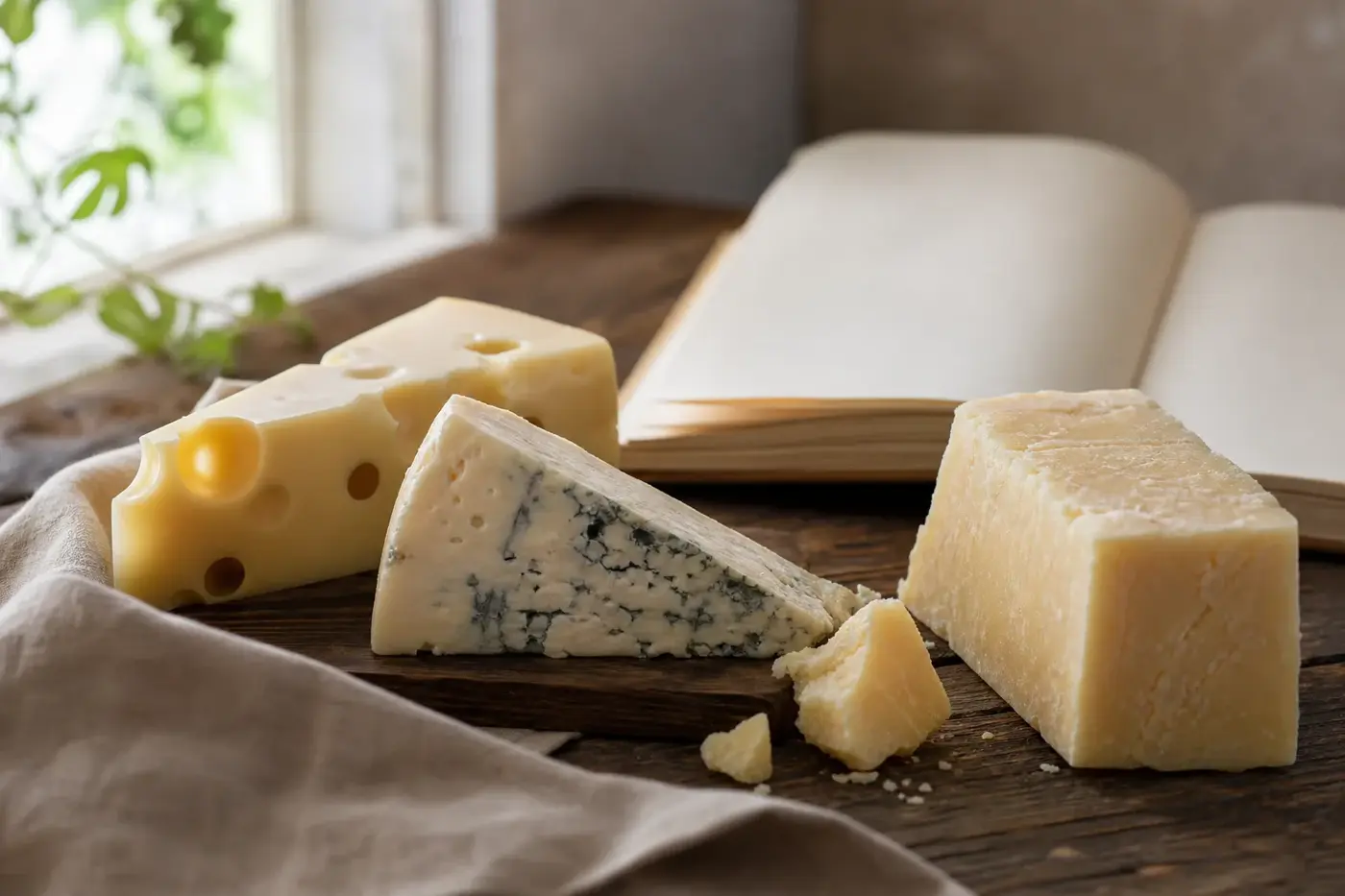
Four cheeses on the table. Crackers within reach. Open The Fine Cheese Co.'s rolling subscription and you have approximately 700 g to explore, with tasting notes and cheese cards to guide you. [1] The only thing missing might be someone willing to discuss the third cheese at length.
You could gather company for a tasting, join a society or hear the people behind the cheese through your headphones. Each offers a different way in: conversation around a plate, an ongoing network or stories from those who make and sell cheese. Start with the experience you want, then look closely at what comes with it.
Find the cheese company you want to keep
Perhaps you want to meet people. Perhaps you want unfamiliar cheese, a deeper understanding of a subject or professional contacts. These distinctions will help you find an event or membership that feels right.
- Tasting club: look for guided comparisons, conversation and room to ask questions about the cheeses in front of you.
- Social society: seek regular gatherings you would enjoy returning to, whether the programme is informal or educational.
- Subscription club: consider the selection, notes and delivery arrangements. Ask whether live discussion or contact with other members comes with it.
- Podcast: follow your interest in the subject and interviewing style. Try an episode before committing to the series.
Your next tasting could be close to home
Start with your nearest cheesemonger. Browse its events page, then ask about introductory tastings, visiting makers or regular groups. Food halls, cookery schools, restaurants and community venues are worth a look too.
Search for “cheese tasting” plus your town, or “cheese club” plus your region. Local noticeboards, university societies and neighbourhood event listings can point you towards community groups. Before making plans, follow the listing back to the organiser's own current information.
For your first visit, choose a clearly described introductory session over a specialist theme that leaves you guessing. Ask who leads it, how much discussion to expect and whether people commonly come alone. If conversation matters most, ask about group size and seating: a photograph of a full room cannot tell you either.
Two subscriptions, two ways to fill your cheese plate
For November 2026, these two offers give you contrasting starting points. Their differences can help you decide what matters most to you. Confirm the current options for your address before choosing.
The Fine Cheese Co.: find your delivery rhythm
The Fine Cheese Co.'s rolling subscription brings four cheeses, approximately 700 g in total, with crackers, tasting notes and cheese cards. Choose deliveries every one, two or three months. The company says you can pause or cancel through your account, with vegetarian, no blue cheese and no goats' milk cheese preferences available. [1]
Its delivery policy advertises delivery to mainland Great Britain. Confirm your postcode and first box date directly, particularly if you are arranging a gift or sending to an address outside the mainland. [2]
The Cheese Society: keep it rolling or choose an ending
The Cheese Society offers one-off boxes, rolling subscriptions and prepaid subscriptions. With rolling, you can change, pause or cancel future deliveries. With prepaid, the subscription ends after your chosen deliveries, without automatic renewal.
You can select a first delivery date and submit dietary requirements before checkout. [3] The cheeses come from Lincolnshire, elsewhere in Britain and beyond. Its shipping policy states UK delivery from Tuesday to Friday, so check your postcode and chosen plan with the provider. [3,4]
Look beyond the lovely box
Good notes give you more than a selection to eat: they give you something to learn from. Read a recent selection alongside the subscription terms, looking for connections between each cheese and its maker, milk, method and age. Why was this cheese chosen? The answer is worth more than another lavish application of “delicious”.
| Take a look at | Ask this | What you gain |
|---|---|---|
| Selection | Which styles and milk species feature? How do substitutions work? | A balance between discovery and your preferences. |
| Delivery area | Is my exact postcode covered? | The useful detail behind a national headline. |
| Frequency | Can I choose the interval and first delivery? | Deliveries that fit your household and travel. |
| Flexibility | When must I skip, pause or cancel? | Clarity about which future delivery your change affects. |
| Storage needs | How much arrives, and what storage guidance comes with it? | Time to make fridge space and plan how to enjoy it. |
Ask about receiving arrangements, packaging and how to report a delayed or damaged parcel. For storage guidance, read how to store cheese at home alongside the information supplied with your particular cheeses.
Find a society that opens the right doors
The American Cheese Society brings enthusiasts into a community that also serves people working in cheese. Its stated purpose centres on understanding, appreciating and promoting artisan, farmstead and speciality cheeses produced in the Americas. Educational resources and networking support that purpose. [5]
You do not have to work in cheese to join. Membership includes an Associate category for enthusiasts, alongside professional and organisational options. If industry connections or continuing education appeal to you, look closely at the benefits for your category.
ACS distinguishes individual professional development from organisational opportunities, such as entering its judging competition. Membership follows a January to December calendar year. [5] Choose this sort of network for its educational and professional programme; for a relaxed evening comparing cheeses with neighbours, start with a local tasting group.
Pull up a chair for Cutting the Curd
Cheesemakers, cheesemongers and others working around cheese provide the voices at the heart of Cutting the Curd. Heritage Radio Network's cheese podcast is led by interviews, and HRN currently credits five hosts. Its programme pages offer episode descriptions and embedded audio players, so you can choose a conversation and listen. [6,7]
On 21 August 2026, an episode brought the team together to recap food and cheese trade events, including the American Cheese Society conference. Try it for a taste of the show's conversational approach and industry focus. The official archive also holds maker interviews and discussions of cheese culture. [6,7]
Begin with a subject you already care about, then wander somewhere less familiar. If a discussion assumes you know your curds, cultures or ripening, keep how cheese is made nearby as a companion.
Let your curiosity choose the next podcast
Search your usual listening app for “cheese”, “cheesemaking”, “cheesemonger” and whatever subjects intrigue you. Broader food programmes can reward a search for individual cheese episodes too. HRN's host directory, for example, includes Food FM: Slice of Cheese, another lead to explore through the publisher's programme information. [8]
Listen for who is speaking, what they discuss and how they support their claims. Look for host biographies, clearly identified guests and disclosures of commercial relationships. Where both are available, try an interview and an explanatory episode to hear how the programme handles different material.
Look at publishing dates rather than assuming a weekly schedule. For claims about science, regulation or a cheese's origin, follow the episode notes to the underlying source. A guest describing their own work gives you their perspective; broader claims deserve corroboration.
Ask a little before you join
A short, specific enquiry can help you decide whether an event feels right. You need not send the organiser an exhaustive questionnaire. Choose the questions that matter to your visit.
- Experience: Is this designed for beginners? Will unfamiliar terms be explained?
- Participation: Is it mainly a talk, a guided tasting or an open discussion? Can I come alone?
- Accessibility: What are the entrance, seating and toilet arrangements? Are large-print notes, captions or transcripts available where relevant?
- Dietary requirements: Can you provide ingredient information for every cheese and accompaniment, explain substitutions and confirm which requests you can accommodate?
- Practical arrangements: What happens if I miss a session? Are alcohol-free drinks available? May I take notes or photographs?
If vegetarian suitability matters to you, ask specifically about the coagulant used to set the milk. Rennet explained gives you the background for that conversation.
Make your own table the tasting club
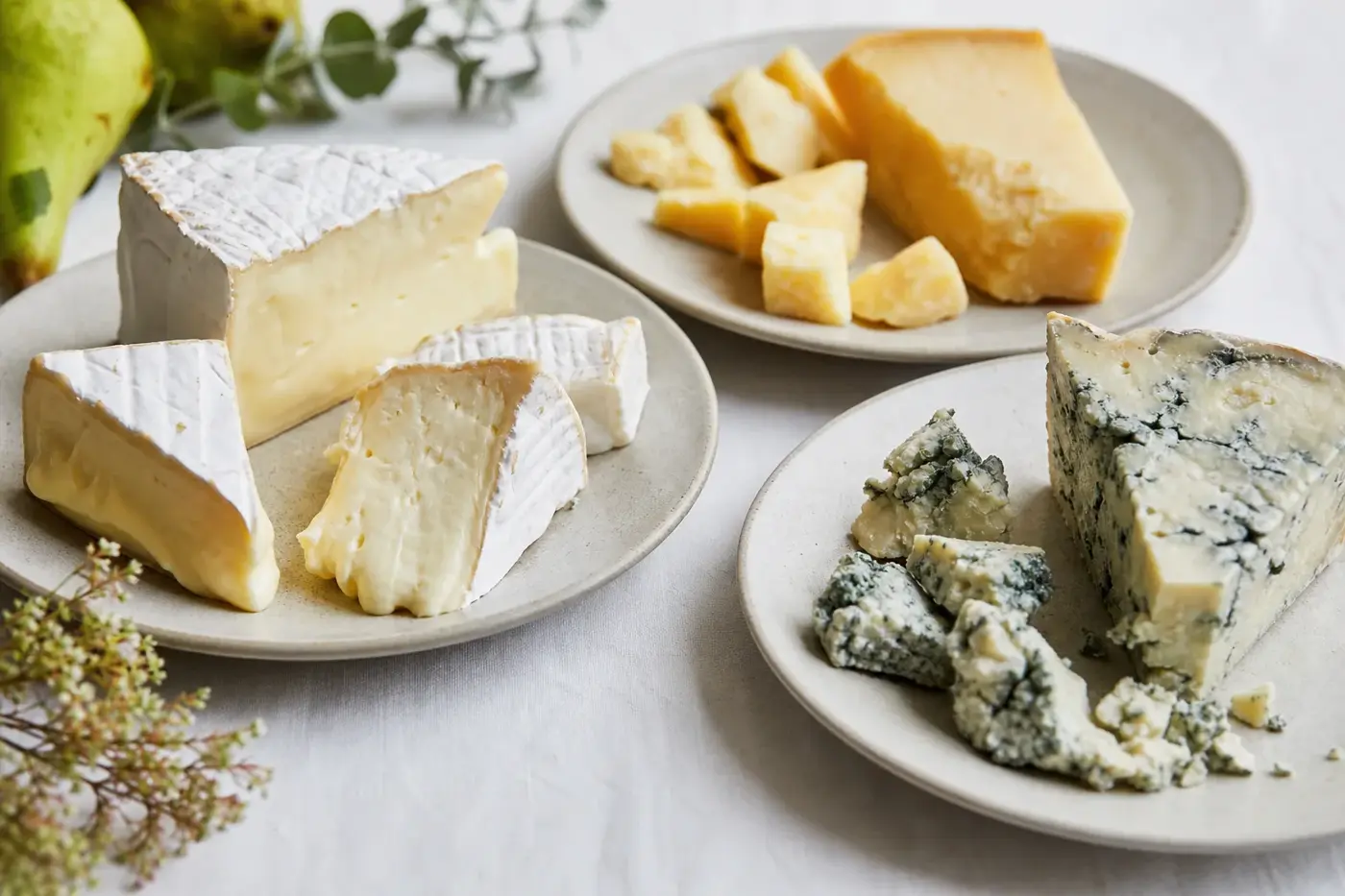
A few friends, three contrasting cheeses and one question are enough to begin. Ask everyone to compare texture before discussing flavour. Then shape this simple format around the people at your table.
- Keep the theme small. Contrast styles rather than gathering as many cheeses as possible. Use how to tell cheese styles apart to plan your comparison.
- Let one person choose. Ask them to keep the labels and record each cheese's name, maker and milk, along with any information supplied by the seller.
- Write before you talk. Each person notes texture, aroma and flavour in their own words. Make room for “I don't know” and for different reactions.
- Compare what you noticed. Discuss what changed between cheeses, which descriptions helped and what you would like to investigate next. Rotate the organiser for the next meeting.
Keep a shared notebook rather than a league table. Record what you compared and the questions it raised, not just which cheese won everyone over. Your notes give the next gathering somewhere to begin, while leaving each person room to notice something different.
Give your growing curiosity somewhere to go
If informal tastings leave you wanting a more ordered programme, ask a course provider for its syllabus, level, assessment method and teaching format. First decide whether you want guided enjoyment, a qualification or skills relevant to work. Then ask how much tasting is included and whether practical sessions require attendance at a particular venue.
For professional networking, match an organisation's activities to your aim. You might want to meet makers, learn about maturation, develop counter skills or find colleagues in your region. ACS's membership information is one starting point for an Americas-focused network; choose the category and benefits that fit your circumstances. [5]
Within Learning About Cheese, the related reading below helps you build useful vocabulary. Take it into your next tasting, course or professional conversation. A little familiarity can make the discussion easier to follow and give you more confidence to ask questions.
Keep the cheese conversation going
- Cheese: The Complete Guide: build a broad foundation before choosing a more specialised subject.
- How to Tell Cheese Styles Apart: Milk, Rind, Texture and Method: give your tasting group a shared framework for comparing what is on the plate.
- How Cheese Is Made: From Milk to Cheese: follow the production vocabulary used in classes and maker interviews.
Questions people ask
How can I find a cheese tasting near me?
Ask your nearest cheesemonger whether it runs tastings or knows of a regular group. You can also search for cheese tasting plus your town, then check the organiser's current information.
What is the difference between the two cheese subscriptions featured?
The Fine Cheese Co. offers deliveries every one, two or three months, with preferences including vegetarian and no blue cheese. The Cheese Society offers rolling and prepaid subscriptions, and customers can choose a first delivery date and submit dietary requirements before checkout.
Can I join the American Cheese Society if I do not work in cheese?
Yes, it has an Associate category for enthusiasts who do not work in cheese. It also offers professional and organisational membership options.
What is Cutting the Curd about?
Cutting the Curd is Heritage Radio Network's interview led cheese podcast, featuring cheesemakers, cheesemongers and others working around cheese. Its programme pages have episode descriptions and embedded audio players.
How do I organise a simple cheese tasting with friends?
Choose three contrasting cheeses and ask everyone to compare their textures before discussing flavour. Keep the labels and record each cheese's name, maker and milk, then write down observations before sharing them.
Sources
[1] The Fine Cheese Co., Rolling Subscription, undated product page, version retrieved November 2026. Provider's description of its own commercial service.
[2] The Fine Cheese Co., Shipping policy, undated policy, version retrieved November 2026.
[3] The Cheese Society, The Cheese Club, undated product page, version retrieved November 2026. Provider's description of its own commercial service.
[4] The Cheese Society, Shipping policy, undated policy, version retrieved November 2026.
[5] American Cheese Society, Membership, including membership FAQs, undated page, version retrieved November 2026. The society's account of its purpose, eligibility and benefits.
[6] Heritage Radio Network, Cutting the Curd, undated series page and archive, version retrieved November 2026.
[7] Heritage Radio Network, We're back! Summer Fancy Food, Cheesemonger Invitational & ACS Recap, episode 580, published 21 August 2026.
[8] Heritage Radio Network, Hosts, undated directory, version retrieved November 2026.
This piece combines desk research from providers' and organisations' own published information with editorial questions for comparing communities and planning an informal tasting.
Last checked: November 2026
Last checked November 2026.
The editors suggest you read next