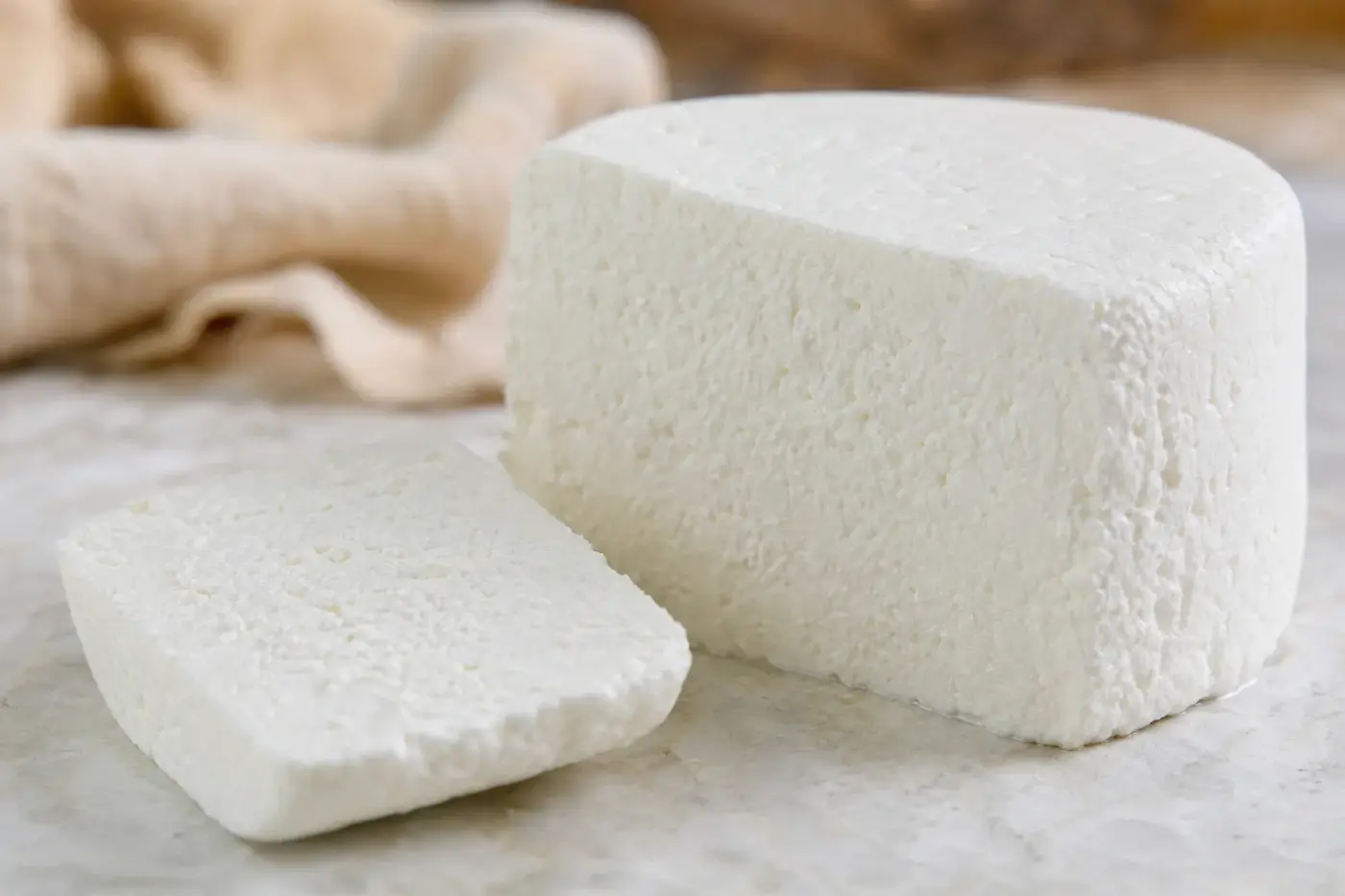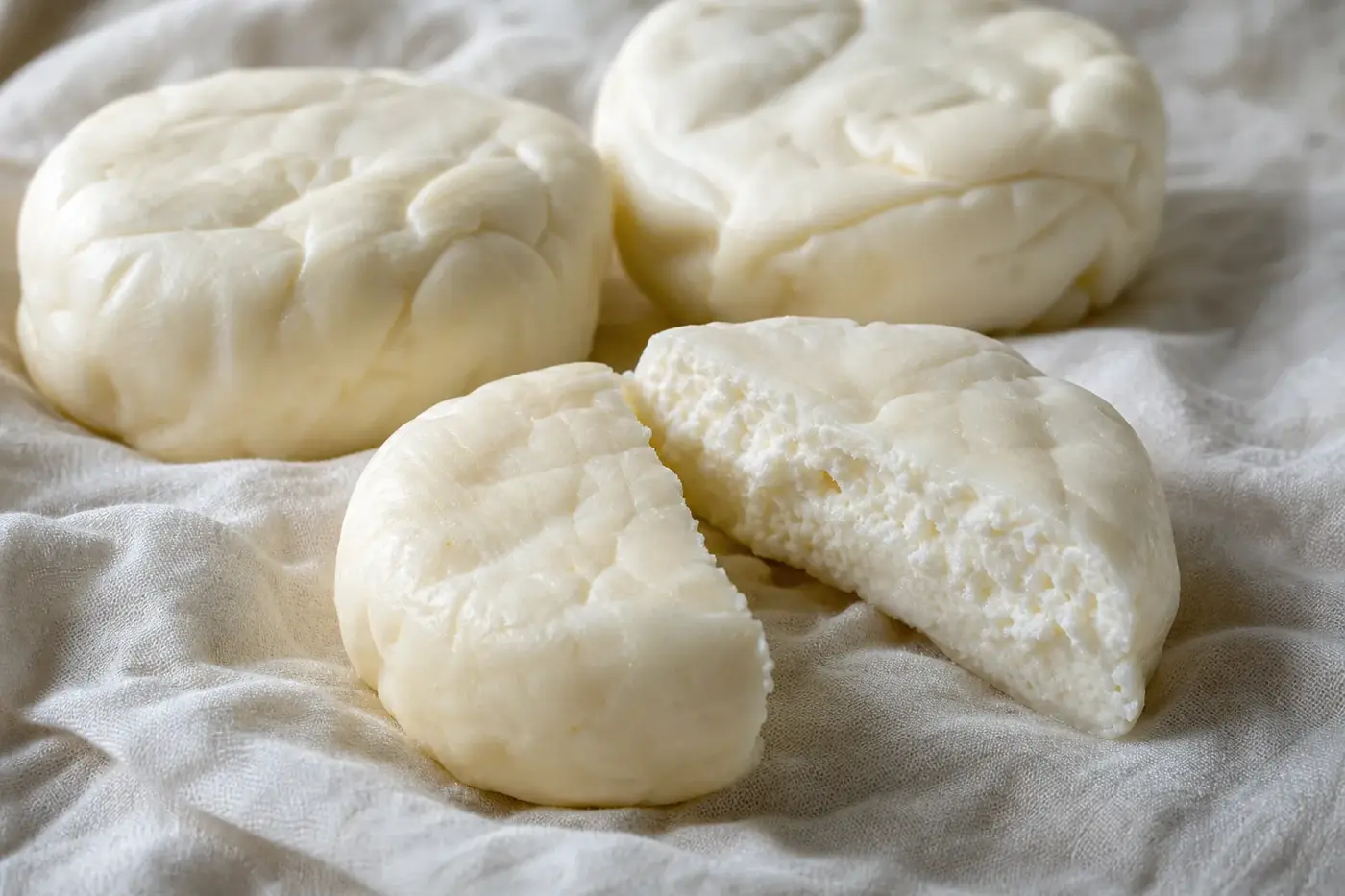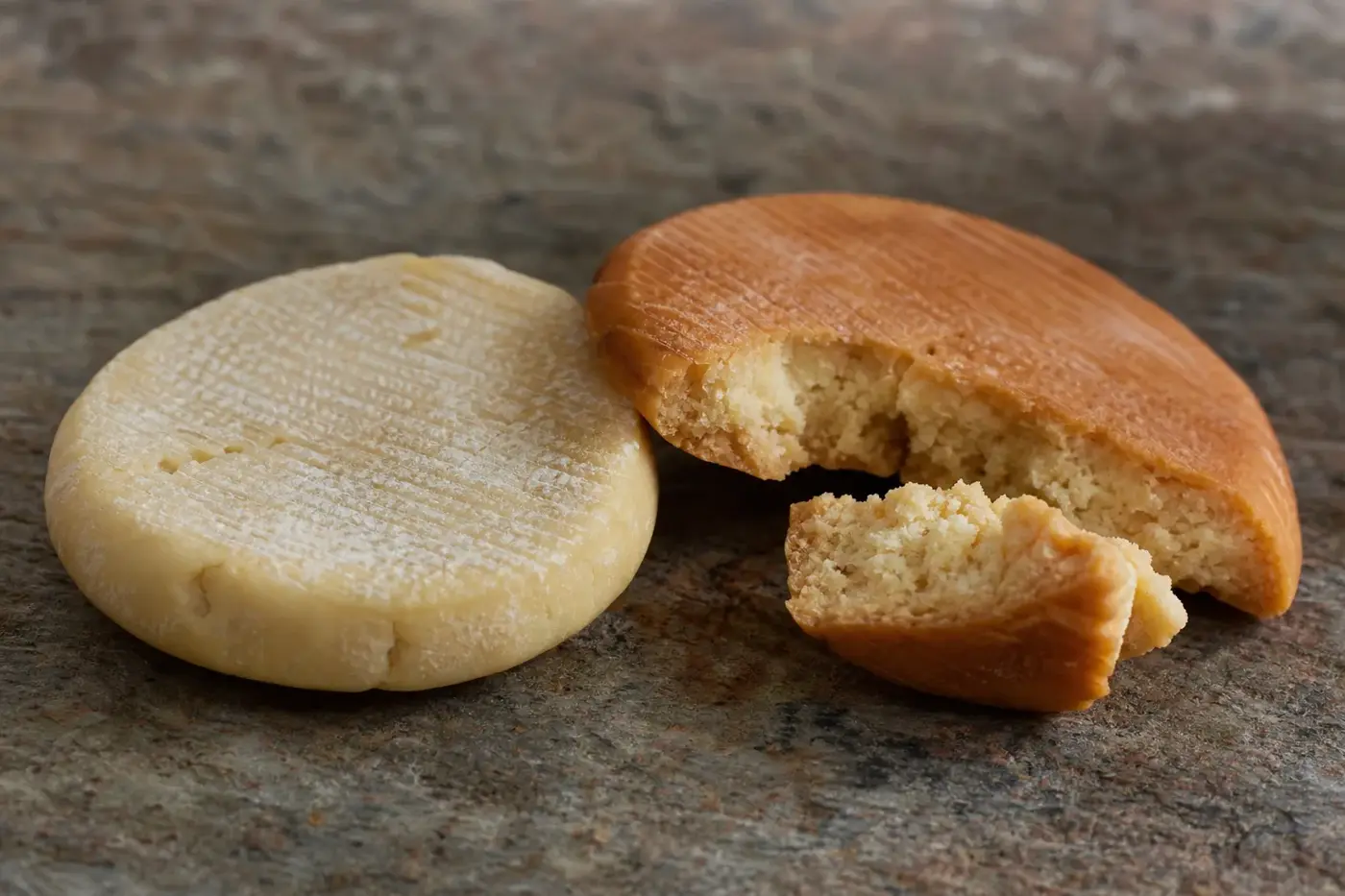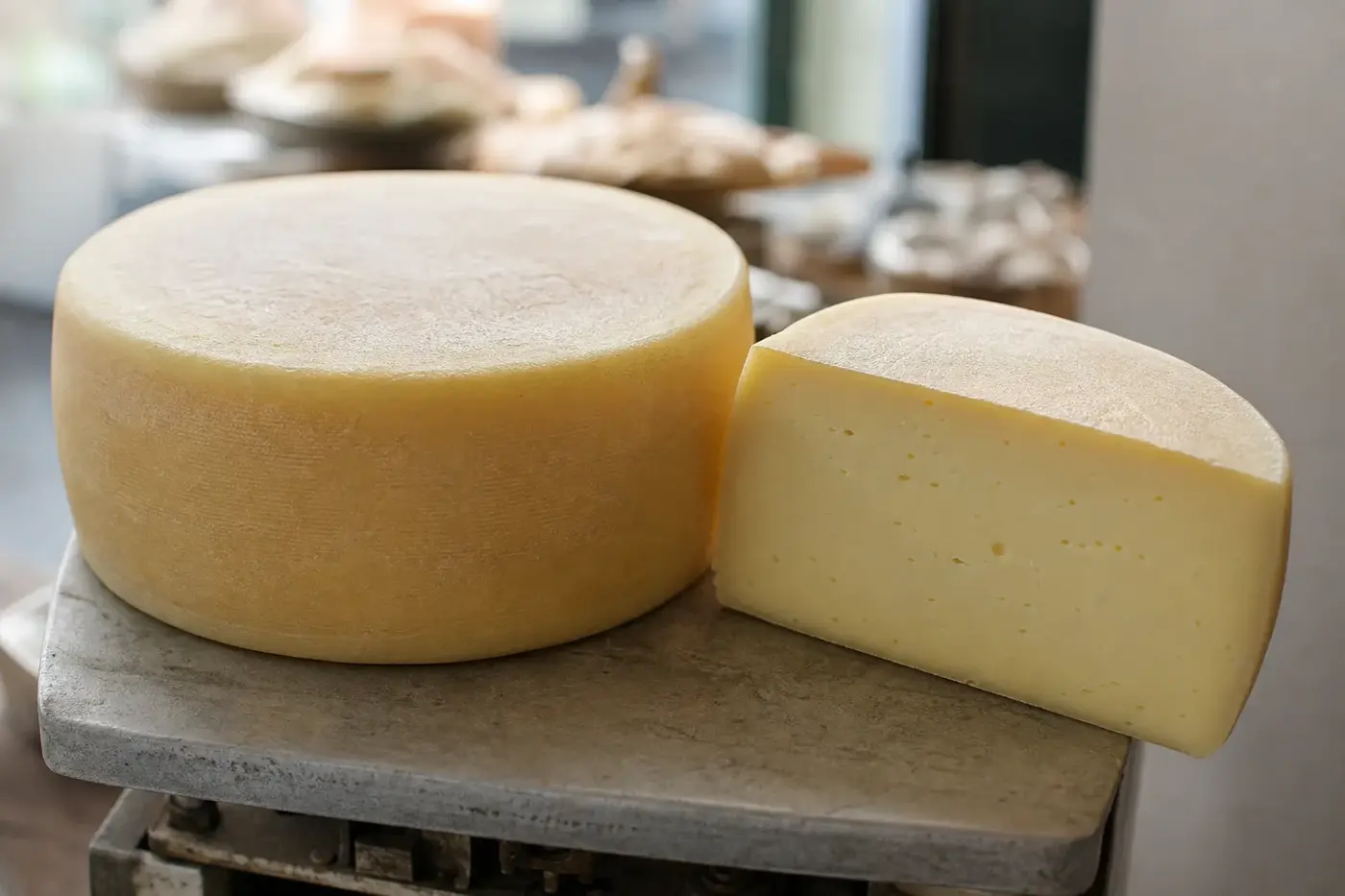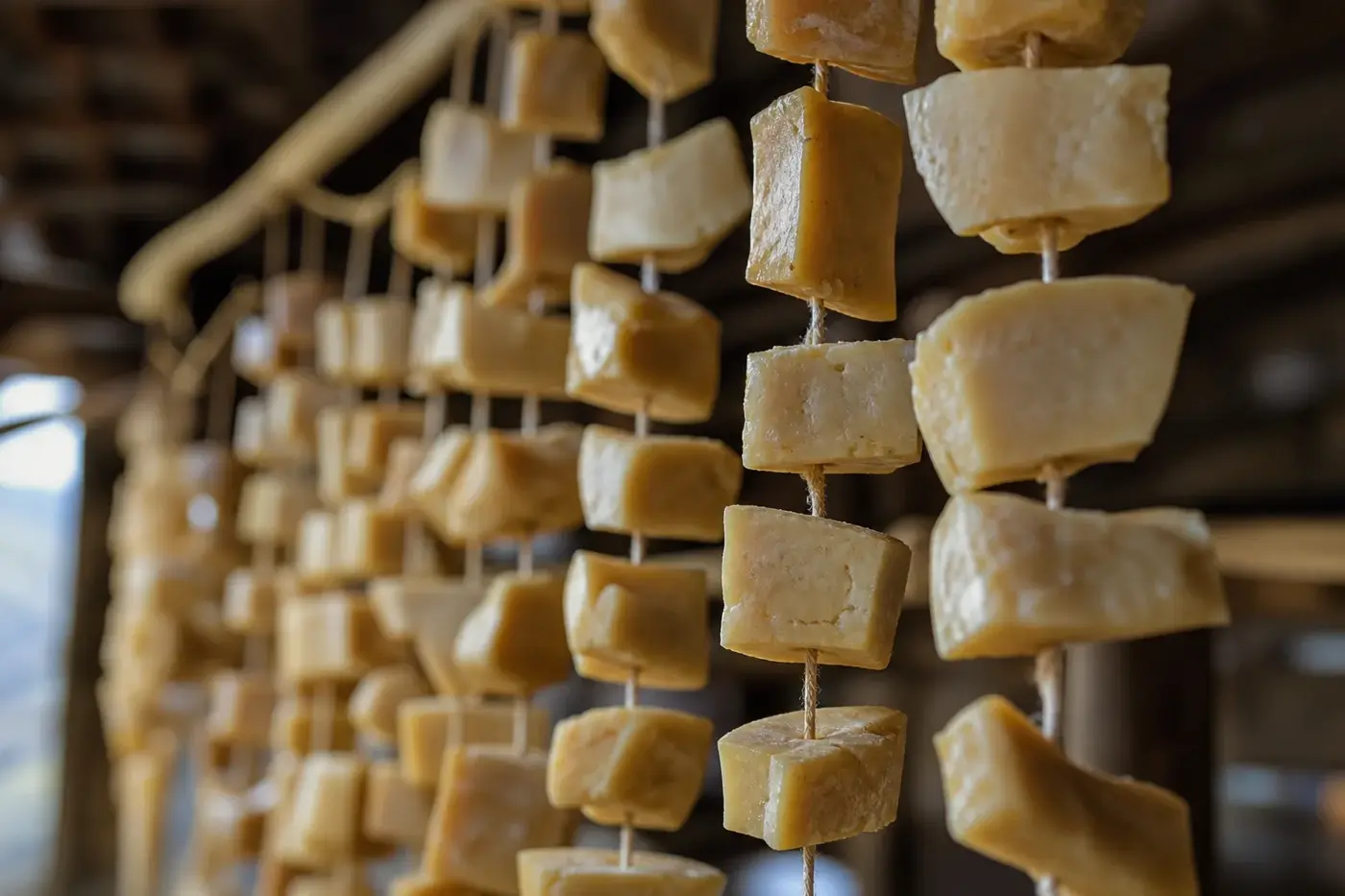
Hold a piece of hard chhurpi in your mouth and wait. Dry and dense, it softens slowly rather than yielding to ordinary bites. This is not a cheese to hurry. Its soft counterpart heads for the cooking pot: two very different pleasures from the Himalayan dairying traditions of Nepal, Sikkim and Darjeeling.[1][2]
A little knowledge before your first taste
| What to know | Your quick guide |
|---|---|
| Name | Chhurpi.[1] |
| Traditional home | Nepal; Sikkim and the Darjeeling hills in India.[1][2] |
| Milk | Cow or yak; milk from yak and cattle crossbreeds is also documented.[1][3][4] |
| Forms to look for | Soft cheese for your cooking pot; hard dried cheese for chewing.[1] |
| How it is made | Acid and heat coagulation, then draining; further pressing and drying for hard forms.[1][4] |
Choose your chhurpi: cooking pot or patient chew?
Before you choose, ask whether your chhurpi is soft or hard. A regional field survey records soft chhurpi in curries and pickles. It calls hard chhurpi a masticator: something you hold in your mouth and chew. The distinction tells you how to eat it, not simply how firmly someone pressed it.[1]
Then come the local names. A Sikkim study distinguishes soft chhurpi, hard chhurpi and dudh chhurpi. A regional name may point to a particular milk or production tradition, rather than wetter and drier versions of the same batch. Ask what the maker means by the name.[5]
Meet the herds behind your cheese
In Nepal’s account of chhurpi, two names deserve your attention: nak and chauri. Nak is the female yak; chauri refers to a yak and cattle crossbreed. Nepal’s agricultural guidance lists chhurpi alongside butter, ghee and other cheeses made from their milk.[3]
Those names bring particular animals and herds into focus. They tell you more than a vague promise of mountain milk. If a packet says only “yak cheese”, there is still a worthwhile question to ask: which animals supplied the milk?[3]
A Nepalese dairy sector survey published in 2017 documented chhurpi production among nak and chauri farming households. Alongside research from eastern Nepal, Darjeeling and Sikkim, it places the cheese in a working dairy economy. Milk becomes butter and curds, and every product has its use. For dried chhurpi especially, preservation belongs to that established pattern, not a modern snack invention.[1][5][6]
Cow, yak or crossbreed? Read beyond the name
Both cow milk and yak milk have a documented place here. The eastern Himalayan survey records each in soft and hard chhurpi. It specifically identifies cow milk for dudh chhurpi in Darjeeling and Sikkim. The name introduces you to a cheese tradition, but does not guarantee an animal species.[1]
Research in Ladakh and Himachal Pradesh offers another useful comparison. Researchers collected milk and dairy samples associated with Jersey cows, female yaks and locally named yak and cattle crosses. Their account uses the spelling chhurpe. Take that variation as your cue to look for the actual milk declaration and place of manufacture, rather than treating every mountain cheese as interchangeable.[4]
Follow the butter, find the curds
Soft chhurpi can begin with milk or with buttermilk, the liquid left after butter has been removed. The eastern Himalayan survey follows fermented milk through a sequence yielding butter, buttermilk and cheese. Heat the buttermilk and clumps of curd, the solid part, form and separate from the remaining liquid.[1][4]
Once drained, soft chhurpi holds more moisture than cheese destined for drying and chewing. Butter making and cheese making are connected here. Follow one and you begin to understand the other.[1][4]
The western Himalayan study records a related route with its own order of work. Boiled milk was cultured with material from an earlier batch, then churned. The resulting buttermilk was heated to form curds. Starting a new fermentation with an older one is called backslopping: souring, heating and separation work together, with regional differences that no single fixed recipe could capture.[4]
For the broader sequence of coagulation, curd separation and whey drainage, see how cheese is made. With chhurpi, keep the whole milk processing chain in view, including butter making. Your cheese is one outcome of connected dairy processes, not a recipe standing alone.[1][4]
From soft curds to a cheese made to keep
To make hard chhurpi keep, makers remove more moisture. The eastern field study describes cloth drainage and stone pressing for churkam, a related hard form. Cutting and further processing followed. The pieces were then threaded together and hung to dry.[1]
The western study records another approach: makers shaped the curds and dried them in the sun. Both accounts lead you towards dried cheese, but through different working practices. There is no single method behind every hard piece.[1][4]
The Sikkim herding study describes the hard product as very hard, low in moisture and chewy. Think preserved dairy piece, not a wedge with sandwich ambitions. Its dense texture and gradual softening are the point of the experience.[5]
Meet the flavours, and reconsider “soft”
The regional research account describes relatively fresh soft chhurpi as mildly flavoured, slightly acidic and rubbery. Its photographs show pale, crumbly cheese. Expect curds or a soft mass, not a flowing paste or the glossy interior of a ripe bloomy rind cheese. A guide to cheese styles helps you put that texture in context.[2]
The same account distinguishes this milder soft cheese from stronger, more acidic fermented products, including chhu in Sikkim. Hard chhurpi looks much more compact and commonly comes in small cut pieces. The Sikkim herding study reports sweetness alongside the chewiness. Hardness, then, tells you only part of the flavour story.[2][5]
For either form, the cited accounts leave aroma an open question. Ask the maker about it, along with the processing, when you choose your cheese. Dried pieces need not all taste alike.[2][5]
Put the curds on to cook, or settle in to chew
Choose soft chhurpi when you want curds for a cooked vegetable dish. Regional documentation records it in curries and thick soups eaten with rice. In neighbouring Bhutanese cooking, related datshi meets green chillies in ema datshi. You have soft dairy curds and chilli heat, with each tradition retaining its own name and local methods.[1][2]
Hard chhurpi asks you to slow down. Traditionally, you hold it in your mouth and work it gradually as it softens. That explains the prolonged chew, and gives you a reason not to bite forcefully into a dry block.
As of November 2026, US guidance from the American Dental Association advises against chewing ice because it can damage teeth.[7] That guidance does not specifically assess chhurpi. Ask your dentist about your own circumstances.
This page summarises published guidance from the official sources it cites. It is not medical advice. Guidance differs between countries and changes over time, so check the current source for where you live, and ask your doctor, midwife, pharmacist or dietitian about your own circumstances.
Give soft and dried chhurpi their own storage plan
Fresh soft chhurpi and thoroughly dried pieces need different storage decisions. Start with the producer’s instructions for your exact product, including what changes after opening. Traditional practices explain the cheese’s history; the instructions tell you how to keep your purchase.
For consumers in England, Wales and Northern Ireland, the Food Standards Agency’s advice as of November 2026 is to keep your fridge at 5 °C or below.[8] It says to refrigerate dairy products and follow packaging instructions. For fresh chhurpi, start there.[8]
For dried pieces, follow the storage directions supplied with the product. Traditional keeping practices do not give you a household expiry date. Check the date marking too: UK government guidance distinguishes a use by date, about safety, from a best before date, about quality.[5][9]
Incorrect storage can make food unsafe before its use by date.[9] Some documented chhurpi styles taste sour. Ask what is normal for your particular product before relying on sensory checks, because a sour note alone needs context.
For practical refrigeration and handling guidance, read how to store cheese at home, alongside the official advice for your country. If you have a question about mould, the mould on cheese guide covers it in more detail.
Take these five questions to the cheese counter
Whether you are choosing a packet or accepting loose pieces, find out exactly what you are taking home. An enticing description of mountain origins is a beginning, not a shopping plan. These five questions will tell you much more.
- Which form is it? Choose soft chhurpi when your recipe needs cooking curds. For hard pieces, ask how they are intended to be eaten.[1][5]
- Which milk was used? Look for a clear declaration of cow, yak or crossbreed milk, including mixtures where relevant. Ask separately about milk treatment.[3][4]
- What has been added? Read the actual ingredients rather than guessing from the name or colour. Check the maker’s description of any smoking or drying treatment.
- Where was it made? Ask for the producer and production locality, not just the seller’s address. The regional name alone cannot tell you the particular method used.[1][4]
- How should you keep it? Get storage instructions, including what to do after opening. For loose cheese, ask the seller to provide the same information clearly.[8][9]
For packaged products, how to read a cheese label gives you a fuller checklist. On your first purchase, choose the meal or eating experience before choosing the cheese. Curds for cooking and a prolonged chew are very different things to bring home.
Get to know the neighbours: aaruul and kurut
Chhurpi belongs alongside aaruul and kurut in the wider story of preserved dairy foods. Each name, though, carries its own tradition. The chhurpi studies document differences in starting milk, butter separation, fermentation and drying. Hardness gives you only one point of comparison.[1][4]
When you buy or cook with these foods, follow the named product’s method and intended use. Similar looking dried curds are not automatically substitutes for one another.[1][4] The separate Aaruul and Kurut page explores those dried fermented curds.
Questions people ask
What is chhurpi?
Chhurpi is a cheese from the Himalayan dairying traditions of Nepal, Sikkim and Darjeeling. It comes in soft and hard forms, which are eaten differently.
How do you eat hard chhurpi?
Hard chhurpi is traditionally held in the mouth and chewed slowly as it softens. It can be too dry and dense for ordinary bites.
What milk is chhurpi made from?
Chhurpi can be made from cow or yak milk. Milk from yak and cattle crossbreeds is also documented.
How is soft chhurpi used?
Soft chhurpi is used in curries and pickles. It is also documented in thick soups eaten with rice.
How should chhurpi be stored?
For England, Wales and Northern Ireland, the Food Standards Agency advises refrigerating dairy products at 5 °C or below and following packaging instructions. Consult its guidance and follow the product's storage directions, including those for dried pieces and after opening.
Sources
- Sikkim University, Naturally fermented milk products of the Eastern Himalayas, Journal of Ethnic Foods, volume 3, issue 4, pages 270 to 275, 2016. Original regional field survey, including preparation methods, milk sources and uses.
- Sikkim University and Himalayan University Consortium, Final report of ICIMOD-Mountain Chair, December 2019 to December 2022, 2022. Embedded Journal of Ethnic Foods account, volume 9, article 30, particularly the Himalayan fermented milk discussion and Figure 3.
- Suryabinayak Municipality agricultural information service, गाई पालन, undated online edition, section याक, नाक र चौरी. Nepalese government agricultural guidance explaining nak, yak and chauri and their dairy products.
- Nutritional quality and microbial diversity of Chhurpe from different milk sources: an ethnic fermented food of high-altitude regions of the Western Himalayas, Discover Food, 2024. Original sampling study, particularly sections 2.1 and 2.2.
- Sikkim University, Indigenous rearing practices of Yak and its multipurpose uses in the Sikkim Himalayas, IOSR Journal of Agriculture and Veterinary Science, volume 9, issue 3, version I, pages 1 to 8, March 2016. Section 2.1.5 and Figure 3.
- Nepal Environment Protection Center for the National Dairy Development Board, Milk Marketing Strategy Study in Nepal: Final report, 28 June 2017. Household survey and discussion of dairy processing in nak and chauri districts.
- American Dental Association, MouthHealthy, Top 9 Foods That Damage Your Teeth, undated online edition. General guidance on chewing hard substances.
- Food Standards Agency, How to chill, freeze and defrost food safely, published 18 December 2017, current online text checked November 2026. Applies to England, Northern Ireland and Wales.
- UK Government, Understanding food labelling: Best before and use-by dates, undated current online edition, checked November 2026.
Researched through published regional fieldwork, original dairy studies, Nepalese agricultural records and official consumer guidance, with production descriptions compared across regions.
Last checked: November 2026
Last checked November 2026.
The editors suggest you read next