Indian Cheese
Take a piece of dried chhurpi in the Himalayas and settle in.
Take a piece of dried chhurpi in the Himalayas and settle in. It can be hard enough to demand slow chewing: this is cheese with no interest in your busy schedule. Elsewhere, soft chhena is worked into sweets, paneer becomes pressed blocks, West Bengal’s Bandel takes shape as small, salted rounds, and Jammu brings kalari to the table. These are regional answers to questions of available milk, preservation and cooking, not one national style.[1][2][3]
Follow the curd into kitchens and mountains
Picture a block for a vegetable curry, soft curd for sweets and dried cheese for a mountain journey. Each has a different job to do. Paneer may be familiar far beyond India, but there is much more to this dairy repertoire. Once milk thickens, gentle draining, firm pressing, salting and drying send the curd towards very different foods.[1][2]
These traditions cross borders, too. The FAO places paneer within the wider Indian subcontinent and describes related Himalayan cheeses across India, Nepal and Bhutan. Chhurpi belongs to interconnected mountain traditions, with local differences in names, livestock and processing. That shared setting helps you understand India’s regional practices better than national boundaries alone.[1]
For the underlying processes, start with how cheese is made. Then follow the more revealing question: what does each tradition ask the curd to become?
Paneer: much more than a neat cube
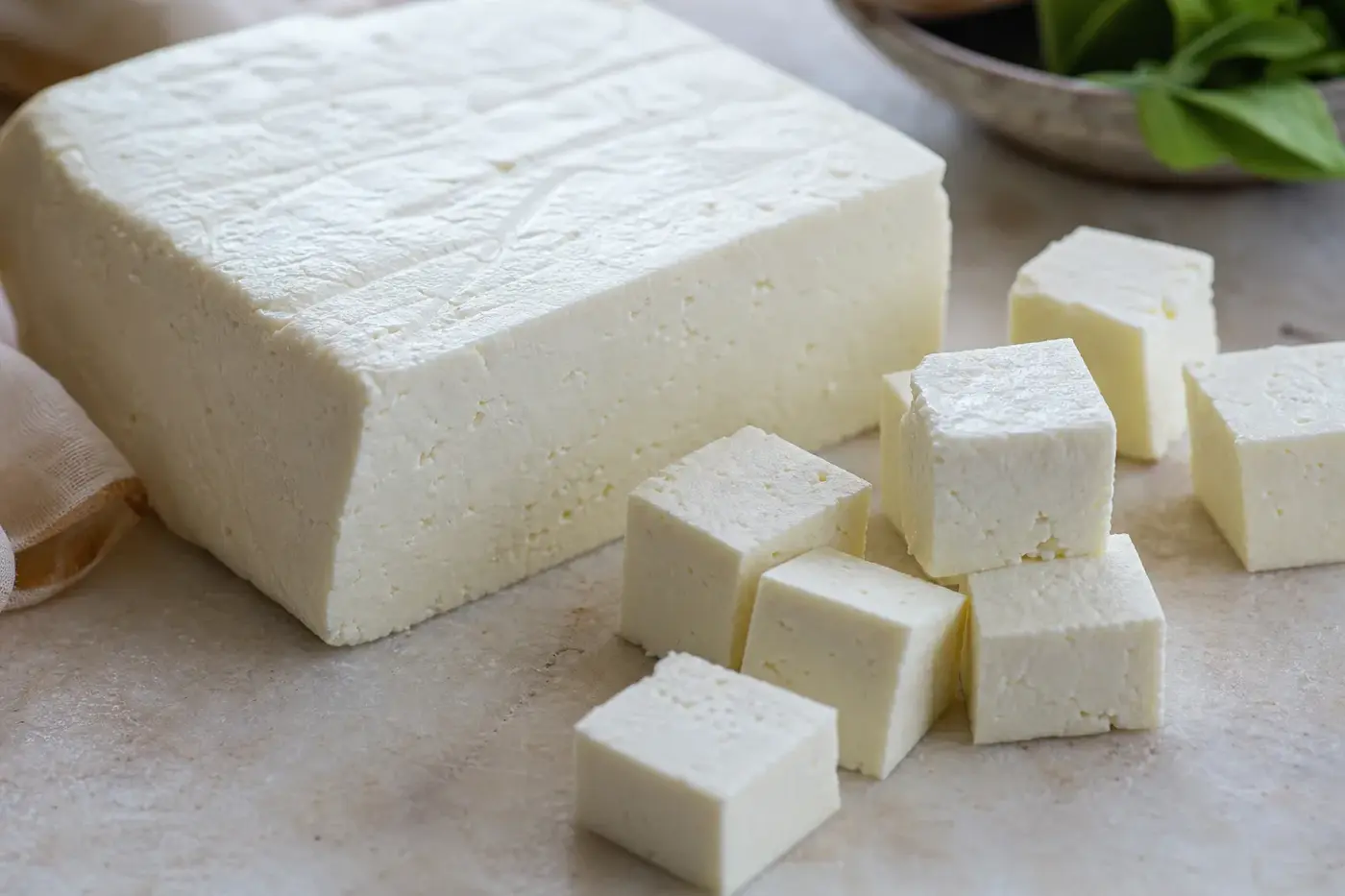
Paneer’s familiar block begins with heat, acid and pressing. In India, FSSAI’s dairy standards describe paneer and chhana as products made through heating and precipitation with permitted acidulants, ingredients that increase acidity. These include citric acid, lactic acid, vinegar and sour whey. During precipitation, milk proteins gather into curds and separate from the liquid whey.[4]
Then comes the shaping. The FAO’s manufacturing account describes draining the curds and pressing them in moulds to make blocks. What was loose curd becomes something you can cut into portions rather than spoon out. Cow’s milk, buffalo milk and mixtures of the two are documented starting materials.[1]
In your kitchen, let the dish decide the shape. Cut pieces when you want separate mouthfuls within a sauce; crumble the block when you want curd distributed throughout. A neat cube has its place, but it need not attend every meal.
When buying paneer, look beyond the name to the block in front of you. Ask about the milk, read the ingredients and follow the producer’s cooking directions. Different milk blends and processing choices sit behind that familiar name. Those details help you decide what to do with it.
Chhena: the soft beginning of something sweet
Sandesh and rasogolla begin with chhana, according to the FAO’s account of these sweets. Also written chhena, it starts much like paneer: acid separates curds from heated milk. The paths part at the finish. Chhena is drained as a softer curd, rather than pressed into paneer’s firm block.[1]
That workable curd has a particular place in the sweetmaking traditions associated with West Bengal and Odisha. Regional dairy literature discusses chhena in this eastern Indian setting alongside other fermented and concentrated milk foods. Here, you want soft curd ready to be worked, not a block waiting for a knife.[5]
Match your ingredient to the method. If a sweet begins by working soft chhena, buy chhena or use the ingredient the recipe specifies. For a savoury dish needing distinct pieces, choose a block intended for cutting. Getting the starting form right saves you trying to rescue the texture later.
Be specific when you ask for “curd”. On an Indian menu or shopping list, that may mean dahi; “cheese curds” means the solids separated during cheesemaking. Asking for the product by name makes clear which food you need.
Chhurpi: from the cooking pot to the mountain journey
Soft chhurpi goes into momos, curries, chutneys and pickles; hard chhurpi is chewed slowly. The same name leads you to quite different encounters. Research distinguishes soft and hard forms within this family of Himalayan cheeses and records both cow’s milk and yak milk in their manufacture. Documented uses of the soft cheese include those in Himalayan communities near the India and Bhutan border.[2][6]
Drying takes the hard form in another direction. Published accounts describe removing whey, pressing the curd and drying it in sunlight or near a wood fire. The result is much firmer than fresh curd. Think slow chewing, rather than the cooking uses associated with soft chhurpi.[2][6]
The starting milk varies, too. Across Himalayan traditions, the FAO records whole milk, skimmed milk and buttermilk, and identifies yak and chouri milk in hard chhurpi production. Chouri are yak and cattle hybrids. Its account specifically includes Sikkim and the Darjeeling district among the places where you encounter these cheeses.[1]
Before buying chhurpi for a recipe, ask whether it is soft or dried hard. That answer tells you more about its immediate use than the name alone. Moisture, firmness and intended use vary across regions. A hard piece calls for a different approach from fresh curd.
Behind chhurpi lies a wider rhythm of everyday dairy work. Butter removal, curd separation and drying can produce several foods from the same milk supply. Seen this way, preservation is part of the cheese’s purpose, not simply an interesting finishing touch.
Kalari: Jammu’s cheese heads for the hot pan
Shaped into discs and dried, kalari is commonly fried or seared before eating. You may also see it written as kaladi. Associated with the Jammu region, it appears in an account published by the Jindal India Institute as a street snack eaten with bread or kulcha. That account records cow, buffalo and goat milk among its possible raw materials.[3]
Before you reach for the pan, find out what your particular cheese needs and follow the producer’s directions. A dried disc and a moist, freshly made one call for different preparation. The same name does not promise the same starting point.
Bread makes a straightforward accompaniment, true to kalari’s documented life as a snack. Keep the cheese at the centre rather than assuming it needs a substantial sauce. When buying, ask about its milk, its condition and the intended cooking method. Those answers matter more than the spelling on the sign.
Bandel: small rounds, plain or smoky
Bandel’s small, flattened rounds make a striking contrast to a larger block of paneer. The FAO describes an unripened, salted cow’s milk cheese shaped in perforated containers. More recent work by researchers at Jadavpur University records both smoked and non-smoked Bandel cheeses available in West Bengal.[1][7]
Ask which variety you are buying: Bandel does not automatically mean smoked. A qualitative study published in 2025, based on stakeholder interviews, describes the cheese as soft and unripened, with a crumbly texture. It also records a smoke flavour for the smoky product discussed.[8]
Bandel has drawn researchers into processing as well as description. Jadavpur researchers investigated solar drying to develop a different, ready-to-eat product from the cheese. That experimental treatment is distinct from the customary cheeses sold under the Bandel name.[7]
For your first encounter, ask whether the cheese is plain or smoked and how the maker recommends serving it. Try a small portion in a simple preparation. Judge how much salt it contributes before seasoning the rest of the dish. Let the cheese in front of you guide your hand.
Get to know the milk behind the name
Cow, buffalo and mountain livestock milk all contribute to Indian cheese. Cow and buffalo milk appear in paneer production; Himalayan accounts include cattle, yak and their hybrids. Kalari’s documented sources extend to goat milk, too. These regional practices show you the possibilities, while individual makers make their own production choices.[1][2][3]
Species tells only part of the story. Ask whether cream has already been removed, whether buttermilk is used and how much whey is expelled. Each answer helps explain the cheese you bring home. A mountain cheese made after butter production starts with a different material from a fresh cheese made using whole milk.
Read the milk declaration alongside the rest of the product information. A cheese’s name cannot explain every production choice. The guide to reading a cheese label helps you distinguish the food’s identity from the other information on its packaging.
Cheese, dahi or khoa? Choose for the dish
Draining curds, fermenting milk and evaporating water lead to different foods. Dahi and khoa belong to India’s dairy repertoire, but neither follows the same process as drained cheese curds. FSSAI places dahi within its fermented milk standard. It describes khoa, also called mawa, separately as milk concentrated by removing water through controlled heating.[4]
Those distinctions earn their keep at the stove. Cheesemaking separates solids from whey; khoa production evaporates water from milk; dahi develops through fermentation. Starting with the same ingredient does not make the finished foods interchangeable in your recipe.
When a dish specifies paneer, chhena, dahi or khoa, first ask what that ingredient does. Are you looking for separate pieces, workable curd, fermented milk or concentrated milk solids? Consider a substitute only once you have answered that question. Your preparation still needs the right form.
This page summarises published guidance from the official sources it cites. It is not medical advice. Guidance differs between countries and changes over time, so check the current source for where you live, and ask your doctor, midwife, pharmacist or dietitian about your own circumstances.
Bring your cheese home and store it with care
Buy fresh paneer and avoid products with slime, damaged seals or puffed packaging: that is FSSAI’s advice in its Eat Right Handbook for India. The handbook also says to discard doubtful food rather than taste it to test it. If you are buying packaged cheese, read the producer’s storage instructions and date information before it goes into your basket.[9]
Refrigeration is essential for perishable foods. FSSAI’s handbook advises refrigerating cooked and perishable foods, separating raw and cooked foods, and not leaving cooked food at room temperature for more than two hours. These Indian agency recommendations are presented here as of November 2026.[9]
At home, keep the package instructions with your cheese. Soft chhurpi, pressed paneer and dried hard chhurpi are different products, so establish the storage conditions for the one you bought. If you are buying unpackaged cheese, ask the seller for clear storage and use instructions before taking it home.
For cooked leftovers, FSSAI advises reheating to 70 °C for two minutes, with the food steaming hot throughout. Its handbook warns that contaminated food can look, smell and taste normal.[9] Keep handling decisions separate from judgements about flavour. For the wider principles, turn to cheese storage guidance.
Questions people ask
What is the difference between paneer and chhena?
Both begin with curds separated from heated milk using acid. Paneer is pressed into a firm block, while chhena is drained as a softer curd and worked into sweets such as sandesh and rasogolla.
How is chhurpi eaten?
Soft chhurpi goes into momos, curries, chutneys and pickles. Hard chhurpi is dried until much firmer and is chewed slowly.
What is kalari cheese?
Kalari, also written kaladi, is a cheese associated with Jammu. It is shaped into discs, dried and commonly fried or seared before eating.
Is Bandel cheese always smoked?
No, both smoked and plain Bandel cheeses are available in West Bengal. Bandel is an unripened, salted cow’s milk cheese shaped into small rounds.
How should paneer and other perishable cheeses be stored?
FSSAI advises refrigerating perishable foods and checking the producer’s storage instructions and date information. For its advice, see FSSAI’s Eat Right Handbook.
Sources
- Food and Agriculture Organization of the United Nations. The technology of traditional milk products in developing countries, chapter 7, “Cheese and cheese products”, online edition, publication date not verified. Sections 7.5 and 7.6. Source.
- Journal of Ethnic Foods. Appraisal of some ethnic milk products from minor milch animal species around the world: a review, 2023. Section “Chhurpi”. Source.
- Jindal India Institute, O.P. Jindal Global University. Saying Cheese: The Indian Way, online institutional commentary, publication date not verified. Source.
- Food Safety and Standards Authority of India. Food Products Standards: Dairy Products and Analogues, version 3, 7 May 2025. Sub-regulations 2.1.6, 2.1.13 and 2.1.16. Source.
- African Journal of Biological Sciences. Regional fermented-food review, volume 6, special issue 2, 2024, pages 103 to 116. Full bibliographic title requires editorial confirmation. Source.
- Nepal Journal of Science and Technology. Effects of Coagulants on the Chemical Composition and Product Quality of Churpi, online research record, edition and original publication year not verified. Source.
- Jadavpur University researchers, International Journal of Food and Nutritional Sciences. An Indigenously Designed Solar Drier For A Novel Ready-To-Eat Cheese Variant Processing, volume 11, special issue 3, 2022. Source.
- Manipal Academy of Higher Education, research repository. Preserving Authenticity and Heritage: Culture of Bandel Cheese, published in Gastronomic Tourism: Discovering the World through Culinary Journeys, CABI International, 2025, pages 9 to 16. Repository abstract and bibliographic record. Source.
- Food Safety and Standards Authority of India. The Eat Right Handbook, online edition, publication year not verified. Chapter 6, particularly printed pages 45, 47 and 50. Source.
This piece was researched from official Indian dairy standards and food safety guidance, institutional accounts, published research and the FAO’s comparative dairy reference.
Last checked: November 2026
Last checked November 2026.
The cheeses of India
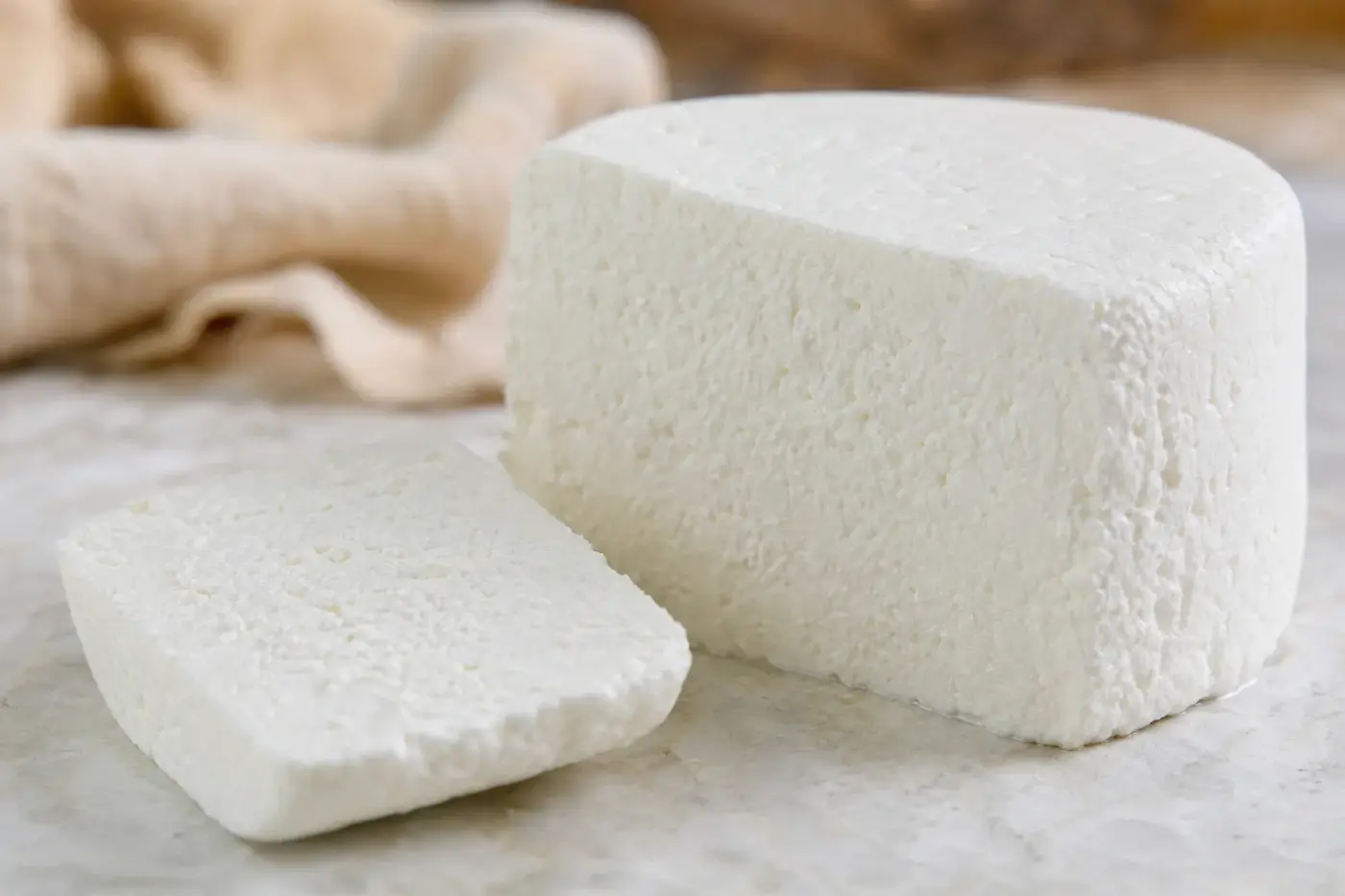
Paneer
Watch a cube of paneer brown in a hot pan.
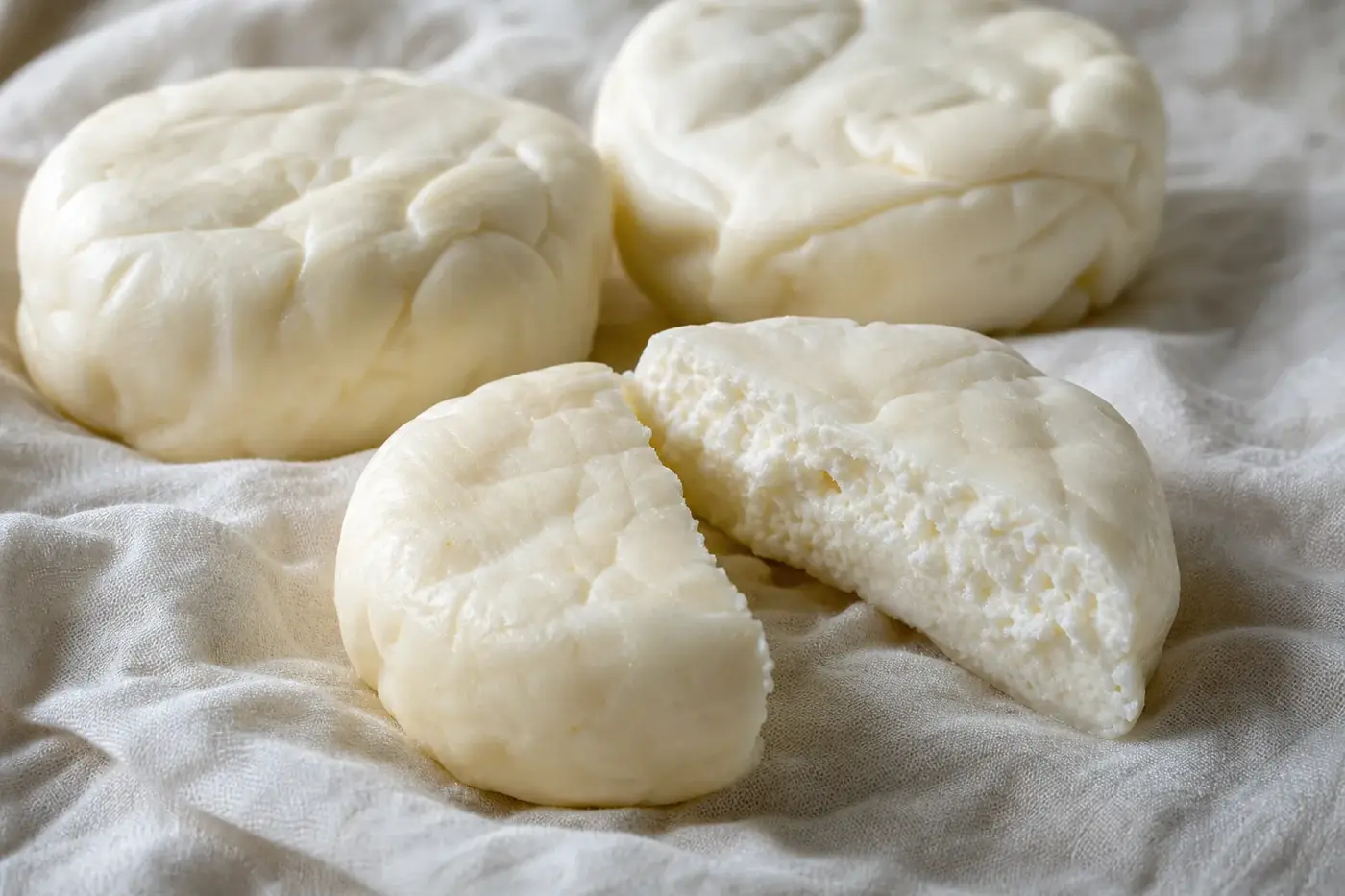
Kalari
In the hills around Udhampur, surplus household milk became small cheeses under women’s hands when selling it fresh was difficult.
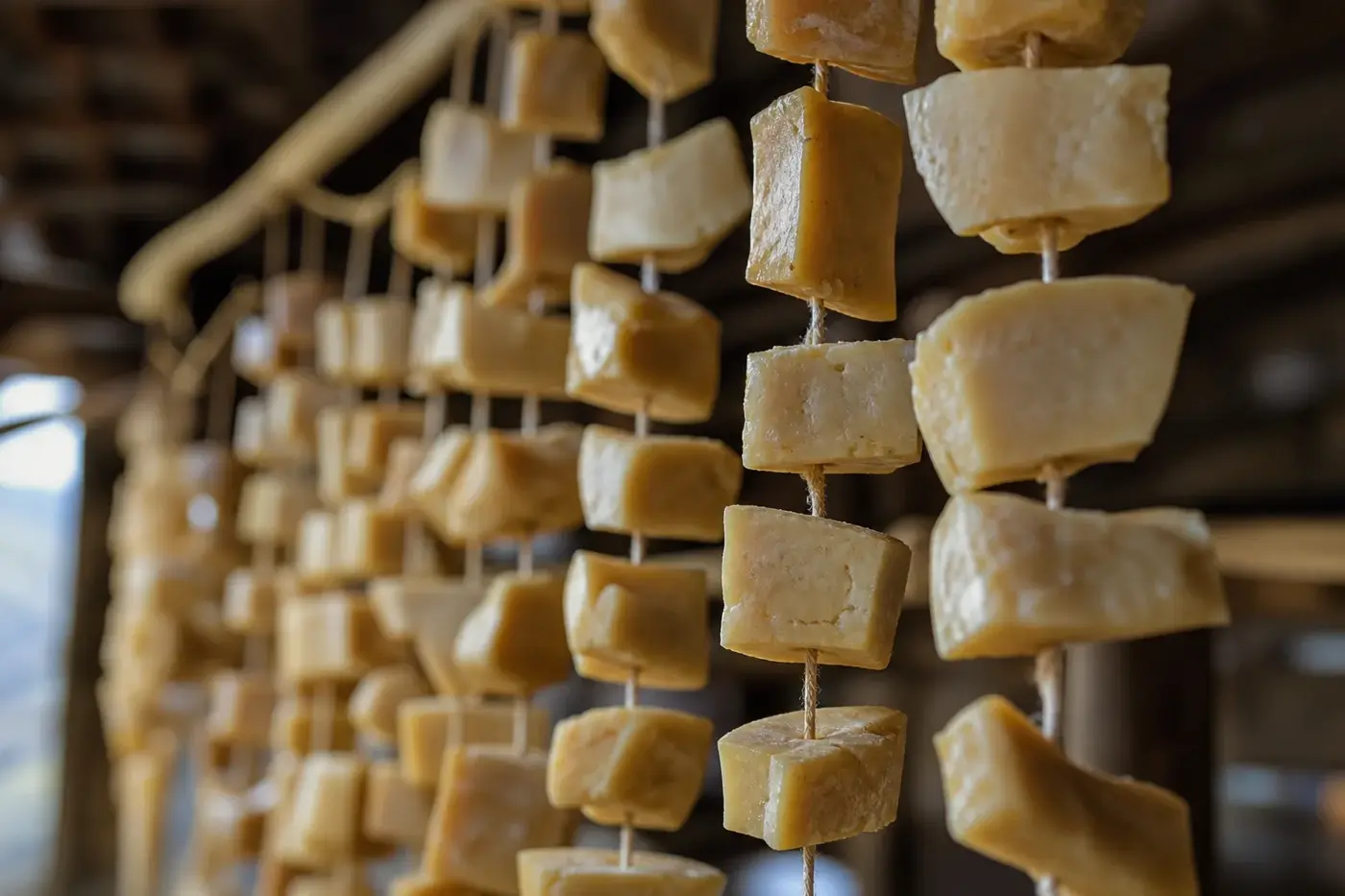
Chhurpi
Hold a piece of hard chhurpi in your mouth and wait.
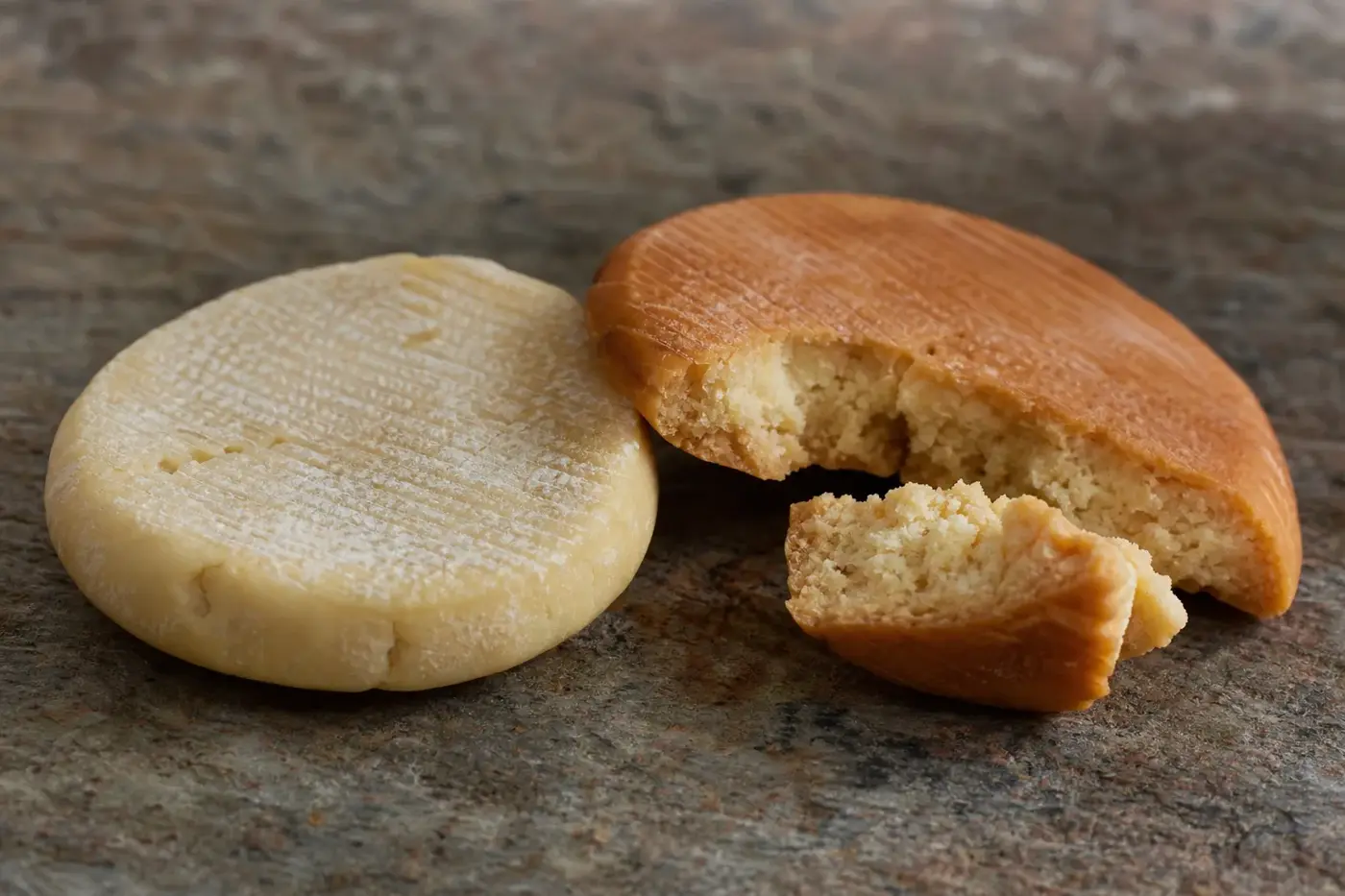
Bandel
Break open a small, flattened disc of Bandel.
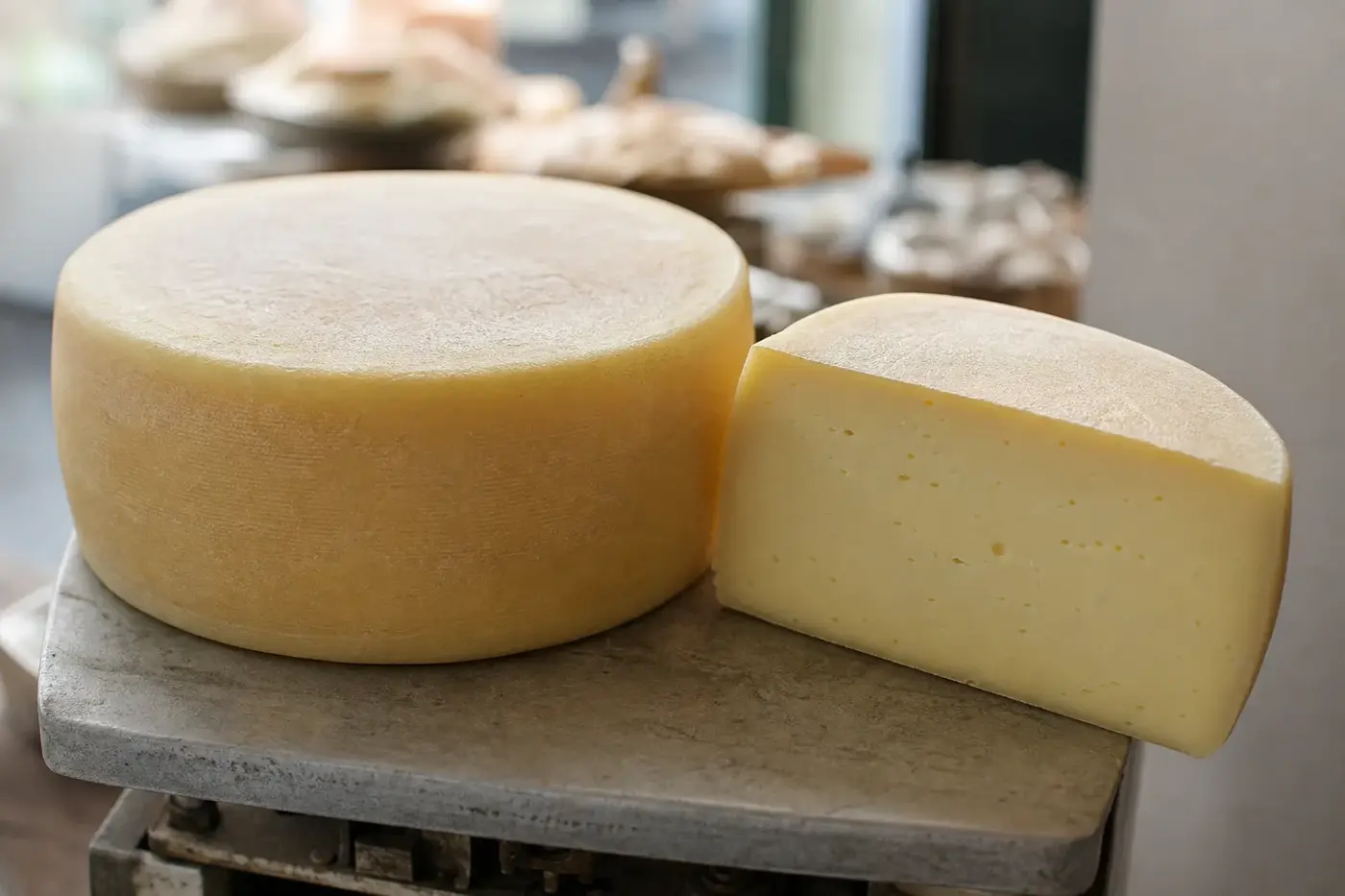
Kalimpong Cheese
A wheel of cheese beside a milk lollipop: perhaps not the pairing you had in mind.
The editors suggest you read next
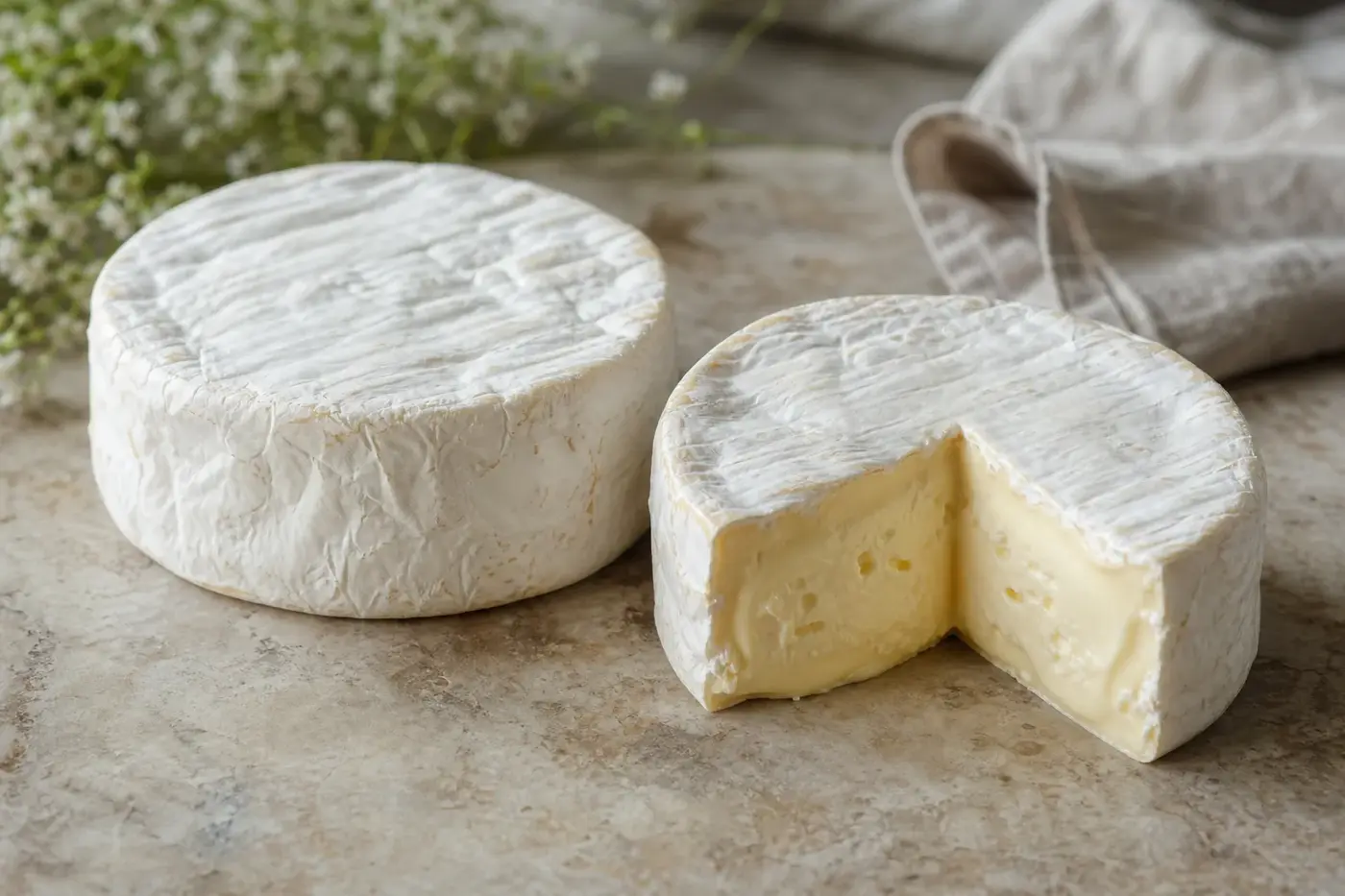
French Cheese: The Complete Guide
Picture Normandy’s pastures, then follow the milk towards the Loire’s goat dairies, the Jura’s shared cheesemaking traditions and the sheep country of the Pyrenees.