Kalimpong Cheese
A wheel of cheese beside a milk lollipop: perhaps not the pairing you had in mind.
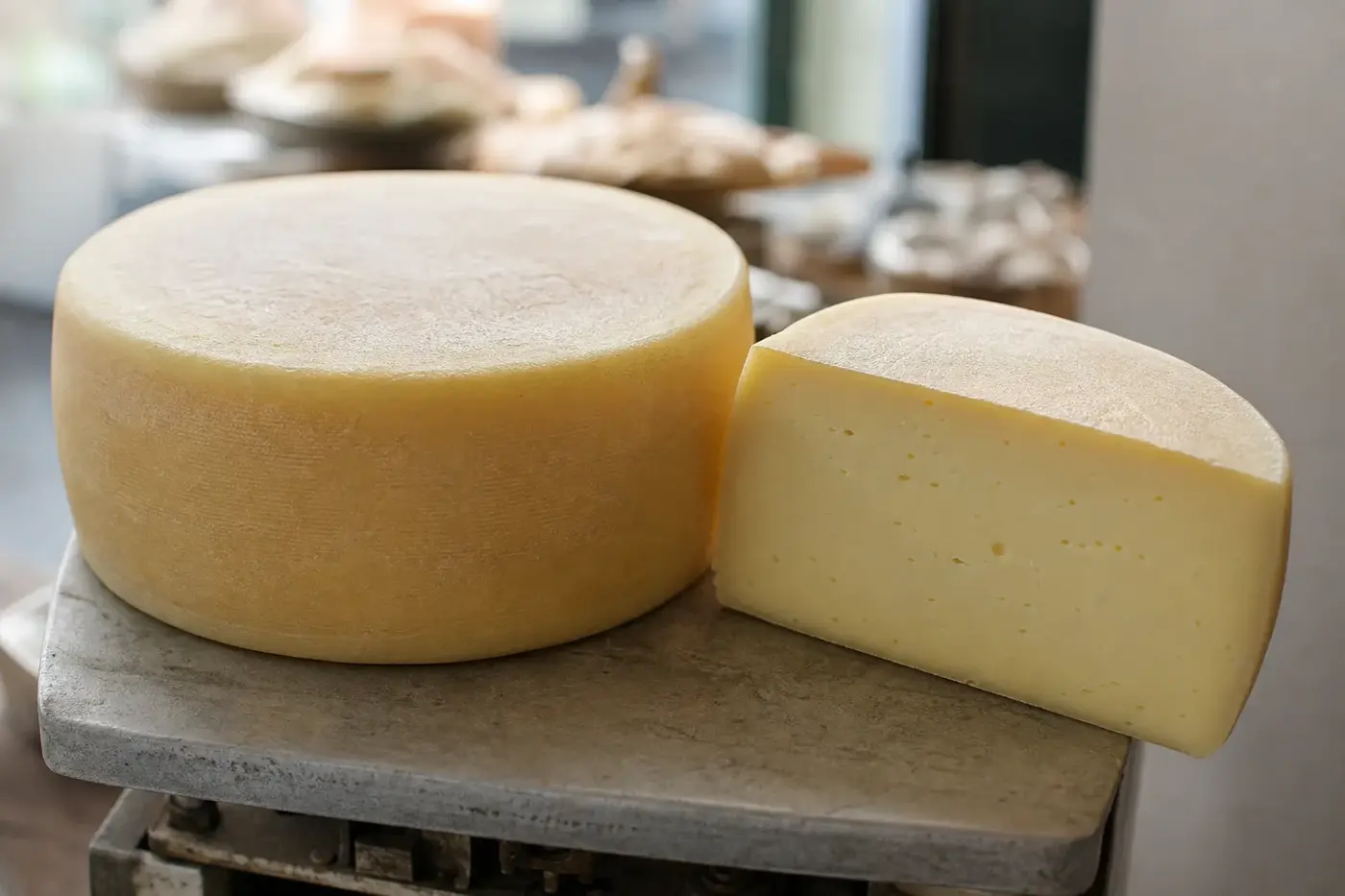
A wheel of cheese beside a milk lollipop: perhaps not the pairing you had in mind. In Kalimpong, a hill town in West Bengal’s eastern Himalayas, both belong to the story of a Swiss-founded welfare dairy that supplied dairy products and jobs. Local workers learnt the craft, then opened cheesemaking businesses of their own. This is a story of skills putting down roots, not simply a recipe arriving from abroad. [1][2][3]
| What you might like to know | What the record tells you |
|---|---|
| The familiar name | Kalimpong cheese. [2][3] |
| The place behind it | Kalimpong, West Bengal, India. [1] |
| Historical production connection | Pedong and the Swiss Welfare Dairy in Kalimpong. [2][3] |
| How it has been sold | Whole wheels and cut portions in a published purchasing account. [4] |
Follow the cheese into the Himalayan hills
Kalimpong is both a town and a district in northern West Bengal. Here in the eastern Himalayas, cheesemaking belongs to a hill economy, far from India’s better-known dairy regions on the plains. The district administration gives you the geography; local food research takes you closer, into markets, shops and household kitchens. [1][5]
At Larks Provision Store, fieldwork in 2019 recorded visitors asking specifically for Kalimpong cheese. Yet the researcher described soft chhurpi as the cheese used in her own family’s cooking. A town’s famous cheese need not be the one in every cooking pot. There is room for both in Kalimpong’s food life, each with its own purpose. [5]
CaféKalimpong places cheese among the region’s cottage industries and names Gitabling as one of the villages contributing to production. Its account compares Kalimpong cheese with Gouda. Take that as a local business’s helpful shorthand, rather than a promise that every wheel follows one recipe. [6]
Get acquainted with the wheel
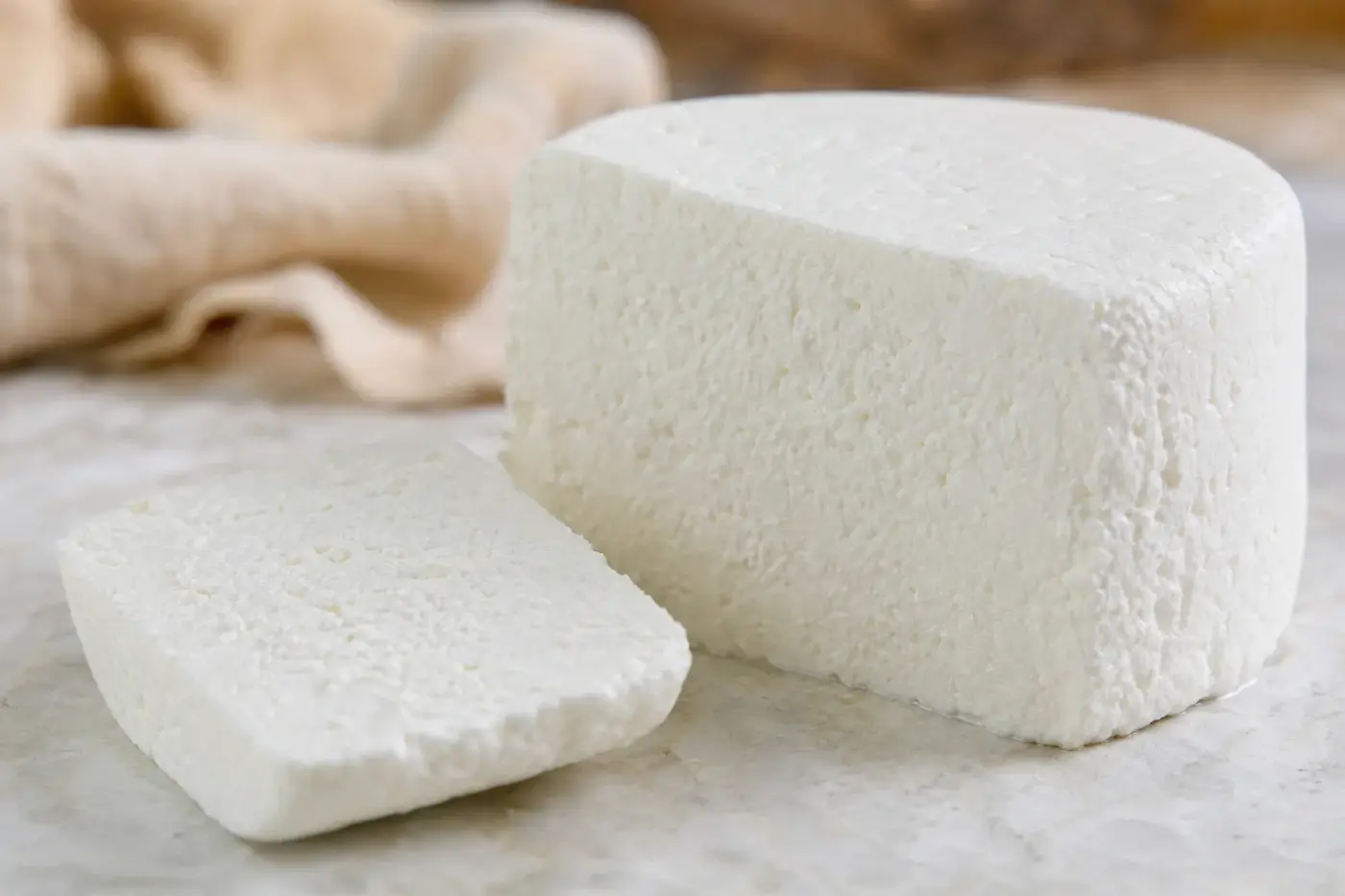
A whole wheel, a cut portion on the scales, vacuum-packed cheese ready to leave: a Civil Society purchasing account gives you a glimpse of one supplier’s offering. Its photographs show that particular cheese and its presentation. They do not establish a standard shape, size or packaging style across makers. [4]
The recipients found their cheese mildly aromatic, with a milky smell and an earthy character rather than pronounced sharpness. If yours has that same quiet character, give it some space. Start with plain bread or an unseasoned cracker before introducing stronger accompaniments. [4]
When buying, look beyond the regional name. Ask which dairy made the cheese, when it was made and whether it is young or matured. If you are ordering remotely, request a photograph of the actual cut face. Maker, age and visible texture give you a clearer basis for choosing.
A Swiss connection with local roots
The local workers who became independent cheesemakers sit at the heart of this story. Between Sikkim and Bhutan, published in 1978 after fieldwork in Pedong during 1977, connects cheesemaking with a Swiss priest working in Pedong. It describes a later move to Kalimpong and the establishment of the Swiss Dairy Complex. Nepali workers trained there went on to start cheesemaking businesses of their own. [2]
The book places the Pedong beginnings at about 1940. That is the author’s retrospective account, rather than a date established by a surviving production ledger or foundation certificate. It also preserves a memorable anecdote in which a missing cupboard key creates an immediate need to earn income through cheese. Behind that small domestic predicament lies the larger story of welfare work, dairy production and locally established successor businesses. [2]
St Teresa’s Church offers a separate institutional history. Its parish account credits the Swiss Welfare Dairy with making cheese and lollipops, providing employment and supporting workers’ housing around the Seventh Mile area. The social purpose comes through clearly, although the account gives no precise foundation date. [3]
Together, the 1978 book and the parish account record a Swiss connection to local dairy production. The book also follows trained local workers into independent businesses. Original records are still needed to settle the cheese’s origins and the dairy’s chronology. [2][3]
Start with the milk behind your wheel
Ask a Kalimpong cheesemaker where the milk comes from. Is it supplied by the dairy’s own animals, neighbouring farms or a combination of sources? That gives you a useful starting point for understanding the particular cheese. For the wider picture, see how cheese is made.
The Civil Society account records contact with Makarios Bous Farm and describes its cheesemaker tending cows when first approached. It brings the farm behind that transaction into focus. For the cheese you plan to buy, ask for a declaration of the milk species and treatment. [4]
With small-scale production, availability deserves a question too. Is cheese made continuously or in batches, and how far ahead should you discuss an order? Ask which product will be available from the next make. A photograph of a handsome wheel is not a stock list, however persuasive you find it.
Keep milk treatment as a separate question. “Local milk”, “farm milk” and “fresh milk” mean different things from pasteurisation. Request explicit confirmation that the milk used for your cheese was pasteurised, on the label or in the maker’s written product information.
Let the maker talk you through the making
Milk separates into curd and whey at the beginning of cheesemaking. The curd is the concentrated milk material that becomes cheese; the whey is the liquid removed along the way. FSSAI’s general description covers coagulation, when milk proteins set, followed by partial drainage of whey. [8]
There is no established typical Kalimpong method here to guide your choice. The useful conversation is with the individual producer, who can take you from milk to finished wheel:
- Curdling: which coagulant sets the milk?
- Draining: how does the maker remove the whey?
- Shaping: are the curds gathered in moulds to form wheels?
- Pressing: is pressure applied, and what texture is the maker aiming for?
- Maturation: is the cheese sold promptly or held to develop its character?
A named producer’s explanation tells you more than the regional name alone. Ask how each stage shapes the wheel you are being offered. There is no need to assume that everyone follows the same method.
If you choose vegetarian food, give rennet particular attention. This enzyme preparation coagulates milk in many cheeses, but appearance cannot tell you its source or establish vegetarian suitability. Ask for the actual product declaration. [8] For the distinctions, see rennet explained.
Taste what a little age might bring
If a seller offers Kalimpong cheese at different ages, ask for the production date, maturation period and the maker’s description of each. The available evidence does not establish a characteristic difference between young and mature examples. Let the particular cheeses lead your tasting, rather than arriving with a fixed expectation.
For a useful comparison, choose two ages from the same maker, not unrelated cheeses sharing a regional name. Begin with texture: does each piece slice cleanly, crumble or yield under light pressure? Then give your attention to the aroma and finish.
Maturation and home storage are separate matters. Choose the age you want from the producer. Once you get the cheese home, follow that product’s refrigeration instructions.
Find the person behind the cheese
Makarios Bous Farm, Larks Provision Store and CaféKalimpong all appear in the published record, but they play different parts. Makarios Bous Farm features in the purchasing account; Larks Provision Store appears as a retailer in the 2019 fieldwork. CaféKalimpong publishes a local account of the food and its cottage-industry setting. [4][5][6]
Use these names as starting points for enquiries. Before travelling or ordering, confirm who currently makes the cheese, where your particular wheel was produced and which business is selling it. If you buy a cut and repacked portion, ask the retailer to identify the dairy.
For remote purchases, settle transport arrangements before agreeing to dispatch. FSSAI’s dairy-industry guidance addresses temperature control and protection against contamination in transit. Vacuum packaging tells you how cheese is packed, not how cold it will stay. Ask how its required temperature will be maintained throughout the journey. [7]
Make room for chhurpi and Bandel, too
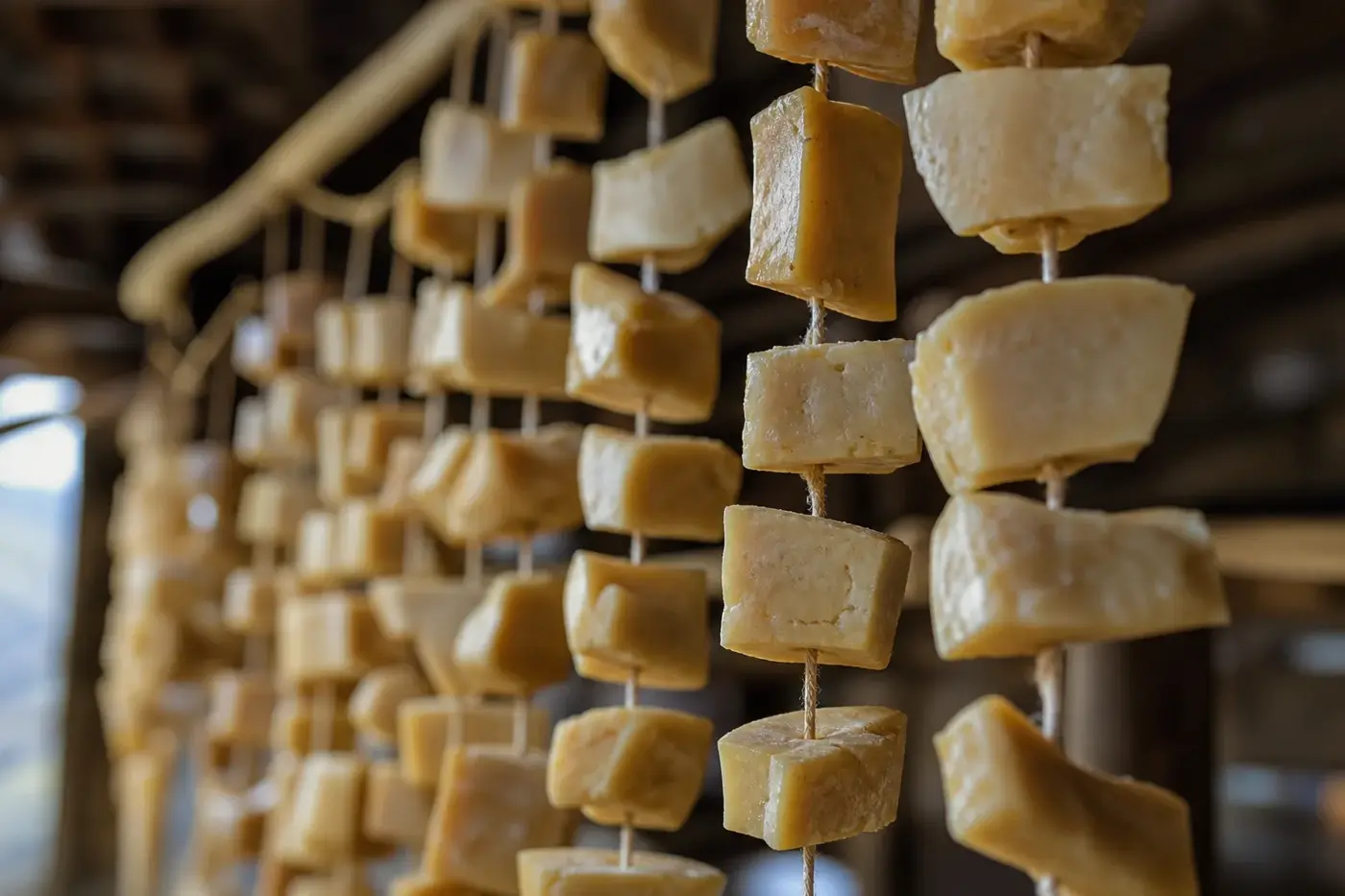
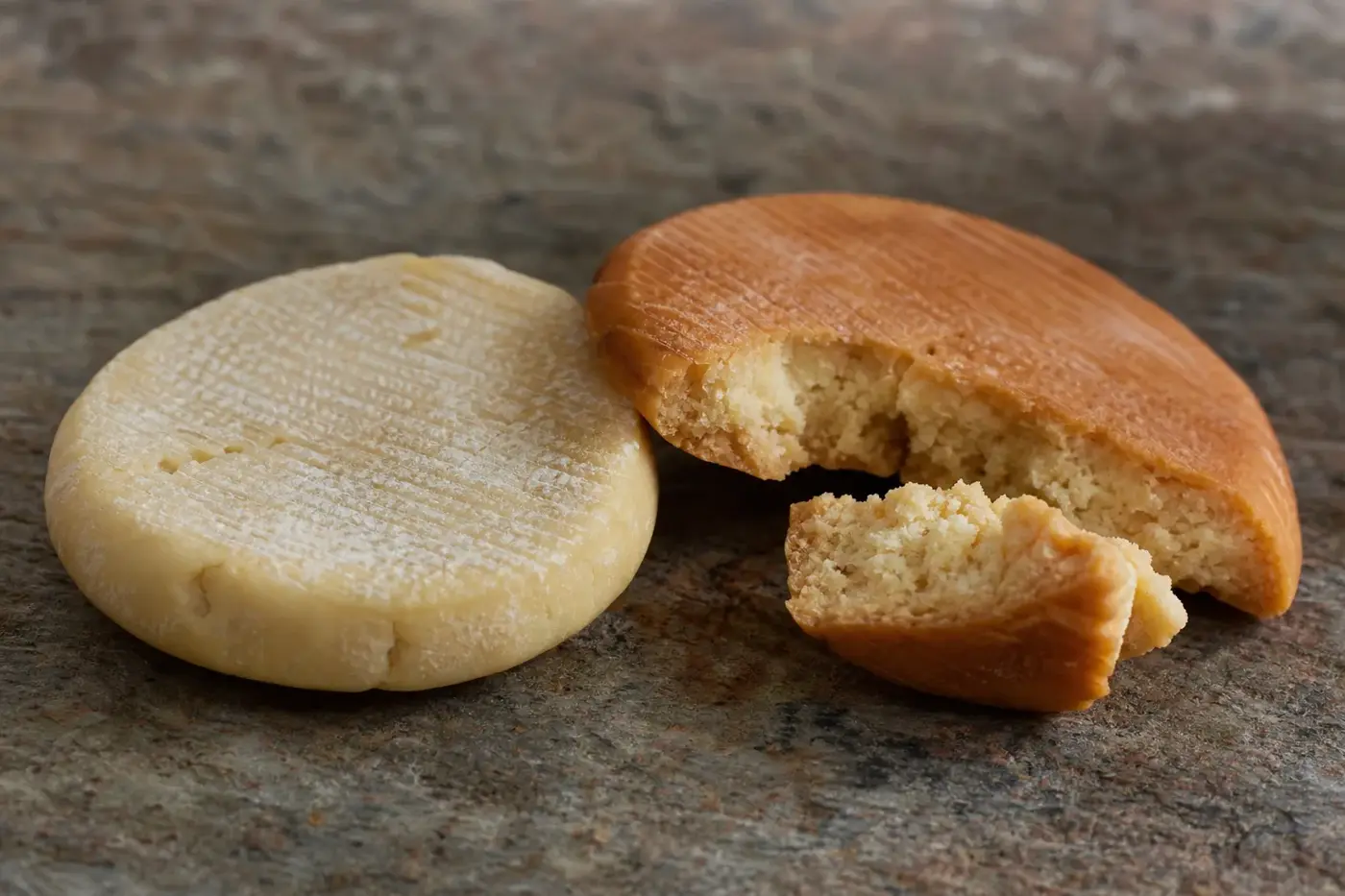
Strings of hardened pieces and displays of small cubes bring hard chhurpi into view in recent field research in Kalimpong shops. That research distinguishes hard chhurpi from the soft variety. If you are trying to understand what is on offer, that distinction matters. [9]
Soft chhurpi has its own place in household cooking. The earlier household account describes it prepared with radish, or with tomato, onion and chilli. These are documented uses of chhurpi, not established traditional recipes for Kalimpong wheel cheese. [5]
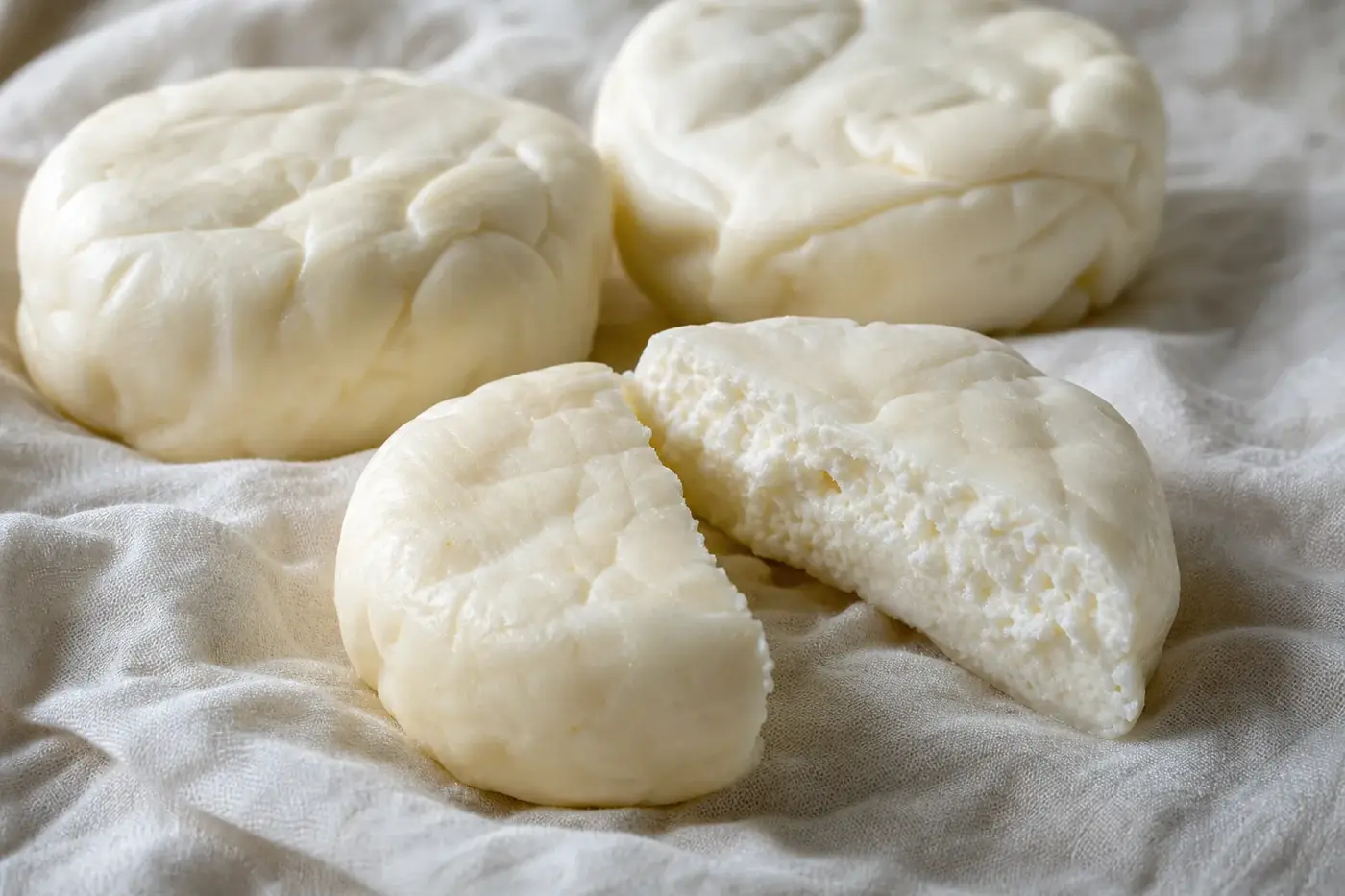
Bandel is another cheese again. This Bengal cheese is associated with a salty character and smoked versions, so ask for it by its own name. Bandel is not another name for Kalimpong cheese. [10]
If you would like a broader way to understand the differences, compare method, rind and texture. You can explore those distinctions in how to tell cheese styles apart.
Give your cheese a little room at the table
Taste a small piece on its own, then try it with plain bread. That follows the serving suggestion in the published tasting account. It also gives you a useful baseline before stronger accompaniments join the plate. [4]
Introduce other flavours gradually. Try an apple slice, cucumber or a little tomato, then a sharper pickle if the cheese can hold its own. Water is a straightforward alcohol-free drink for that first tasting.
In the kitchen, let the cheese in front of you guide the dish. Test a little on toast before committing a whole portion to a gratin or filling. Does it melt evenly, release oil or keep its shape? Adjust accordingly: these serving and cooking suggestions are practical ways to explore the cheese you have bought.
Bring home the information as well as the cheese
Look on the pack for the maker’s identity, batch information, date marking and storage instructions. FSSAI’s labelling regulations provide the Indian framework for this information. That includes storage conditions where they affect the food’s durability. [11]
Ask the maker or seller for written confirmation that the milk used for that particular cheese was pasteurised. Keep the answer with the product information. Do not rely on a general description of the dairy’s milk.
In India, request the seller’s written refrigeration and handling instructions for the product, including cut portions. Keep those instructions with the cheese so you can refer to them after purchase.
For handling at home, see how to store cheese at home. If unexpected mould appears, consult mould on cheese: when to cut and when to bin before deciding what to do.
General information only, not medical advice: follow the official guidance where you live.
Questions people ask
Where does Kalimpong cheese come from?
Kalimpong cheese is associated with Kalimpong in West Bengal, India. A historical account connects its production with Pedong and the Swiss Dairy Complex in Kalimpong, where trained Nepali workers later started cheesemaking businesses of their own.
What does Kalimpong cheese taste like?
Recipients in one published purchasing account described their cheese as mildly aromatic, with a milky smell and an earthy character rather than pronounced sharpness. The account suggests trying it with plain bread or an unseasoned cracker.
What milk is used to make Kalimpong cheese?
The milk species and treatment used in current products have not been verified. Ask the maker for a declaration of the milk species and whether the milk was pasteurised.
Is Kalimpong cheese vegetarian?
The coagulant used by current makers has not been verified. Ask for the product declaration, as appearance will not establish the source of the coagulant or the cheese’s suitability.
Is Kalimpong cheese the same as chhurpi?
The page describes them as distinct cheeses. Soft chhurpi is used in household cooking, while research in Kalimpong shops recorded hard chhurpi as strings of hardened pieces and displays of small cubes.
Sources
- Kalimpong District Administration. “About District”, undated official district information, retrieved November 2026.
- B.R. Publishing Corporation. Between Sikkim and Bhutan: The Lepchas and Bhutias of Pedong, first edition, 1978, preface and page 24. Digitised copy retrieved November 2026.
- St Teresa’s Church, Kalimpong. “History”, undated institutional account, section on the Swiss Welfare Dairy, retrieved November 2026.
- Civil Society. “Hunting down Kalimpong cheese and bringing it home”, published 29 July 2024, displayed update 9 May 2026. Purchasing account, photographs and attributed tasting observations.
- Zubaan. Longing for a Plate of Food in Kalimpong, essay reporting fieldwork in 2019, publication year not verified. Sections on Larks Provision Store and household uses of chhurpi.
- CaféKalimpong. “Food”, undated business account, retrieved November 2026.
- Food Safety and Standards Authority of India. Guidance Document: Food Safety Management Systems, Milk and Milk Products, 2019. Transport, hygiene and temperature control sections. Official document link to be verified before publication.
- Food Safety and Standards Authority of India. Food Product Standards: Dairy Products and Analogues, version 3, 7 May 2025, section 2.1.17, “Standard for Cheese and Cheese Products”.
- Zubaan Publishers. Food, Memory, and Identity: Oral Histories and Culinary Practices, 2026, pages 42 to 43.
- Telegraph India, My Kolkata. “Fabled fromage: Two Bengal cheeses and their tales of homecoming”, 12 August 2022. Bandel comparison only.
- Food Safety and Standards Authority of India. Food Safety and Standards (Labelling and Display) Regulations, 2020, version IV, 23 September 2022.
Researched through retrieved institutional history, original fieldwork, a documented purchasing account and Indian food standards and guidance.
Last checked: November 2026
Last checked November 2026.
The editors suggest you read next