How to Choose Cheese
A crumb of young Blue Stilton lands sharply on your tongue.
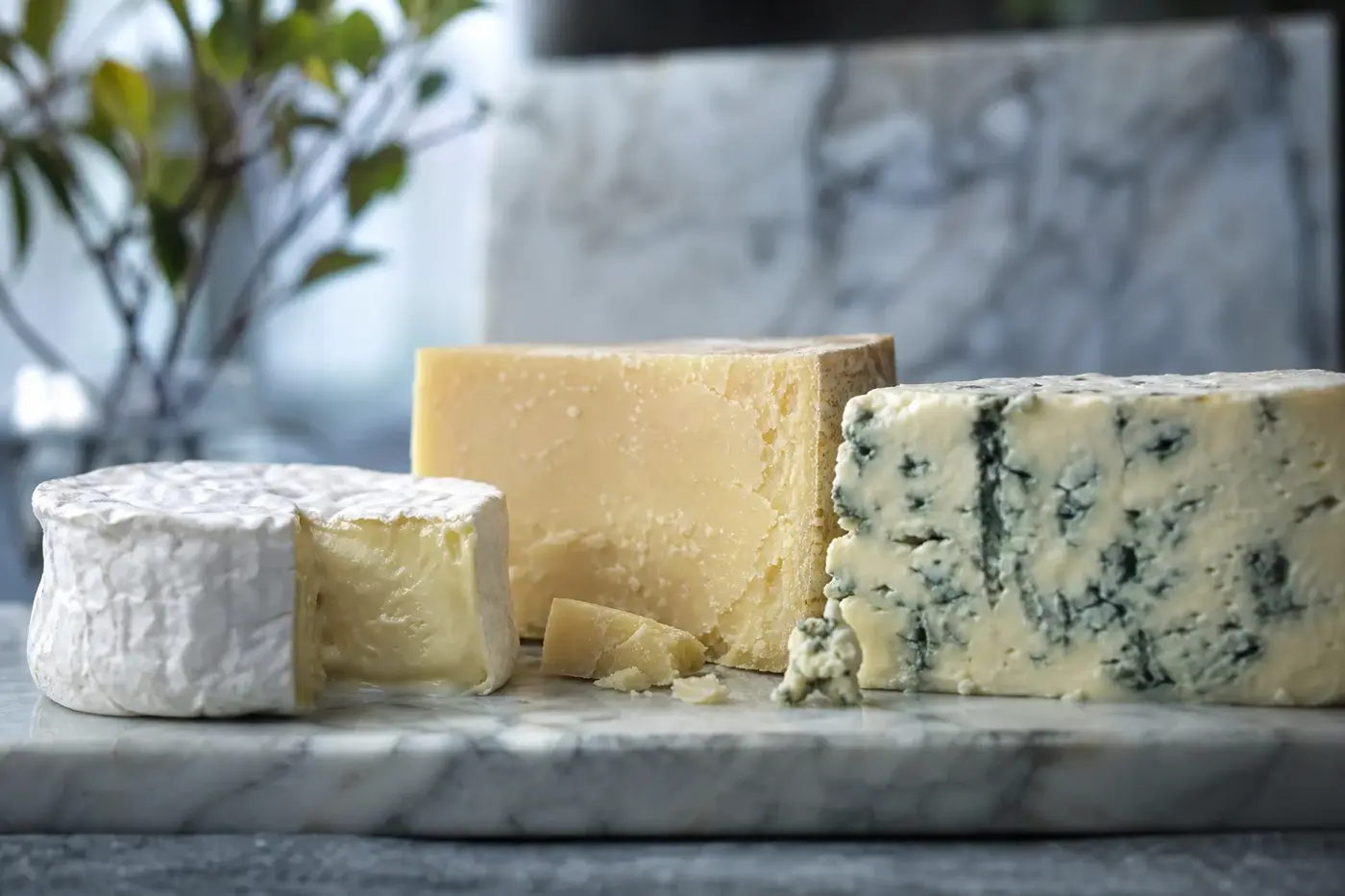
A crumb of young Blue Stilton lands sharply on your tongue. An older piece yields more easily, its flavour mellower, as the Academy of Cheese describes. [2] Same cheese, a different mouthful. Which would you reach for?
That is the pleasure of choosing cheese. Perhaps you want something spoonably soft, a firm slice for bread or a sharp, crumbly bite. Start with that appetite, then consider the occasion, the people eating and how much you will realistically use. Admiring a wedge is not quite the same as having plans for it.
Who is coming, and what's on the table?
A lunch of cheese and bread calls for something different from a small course after dinner. Before the names distract you, answer three questions. How many people are eating, when will you serve the cheese, and is it the focus or part of a meal?
Ask guests about dietary needs before choosing. For a mixed group, offer one familiar option and a contrast; for a solo snack, one cheese you genuinely fancy is enough. Tell the seller your serving day, so you can discuss which available piece will suit.
Let texture lead you to your next favourite
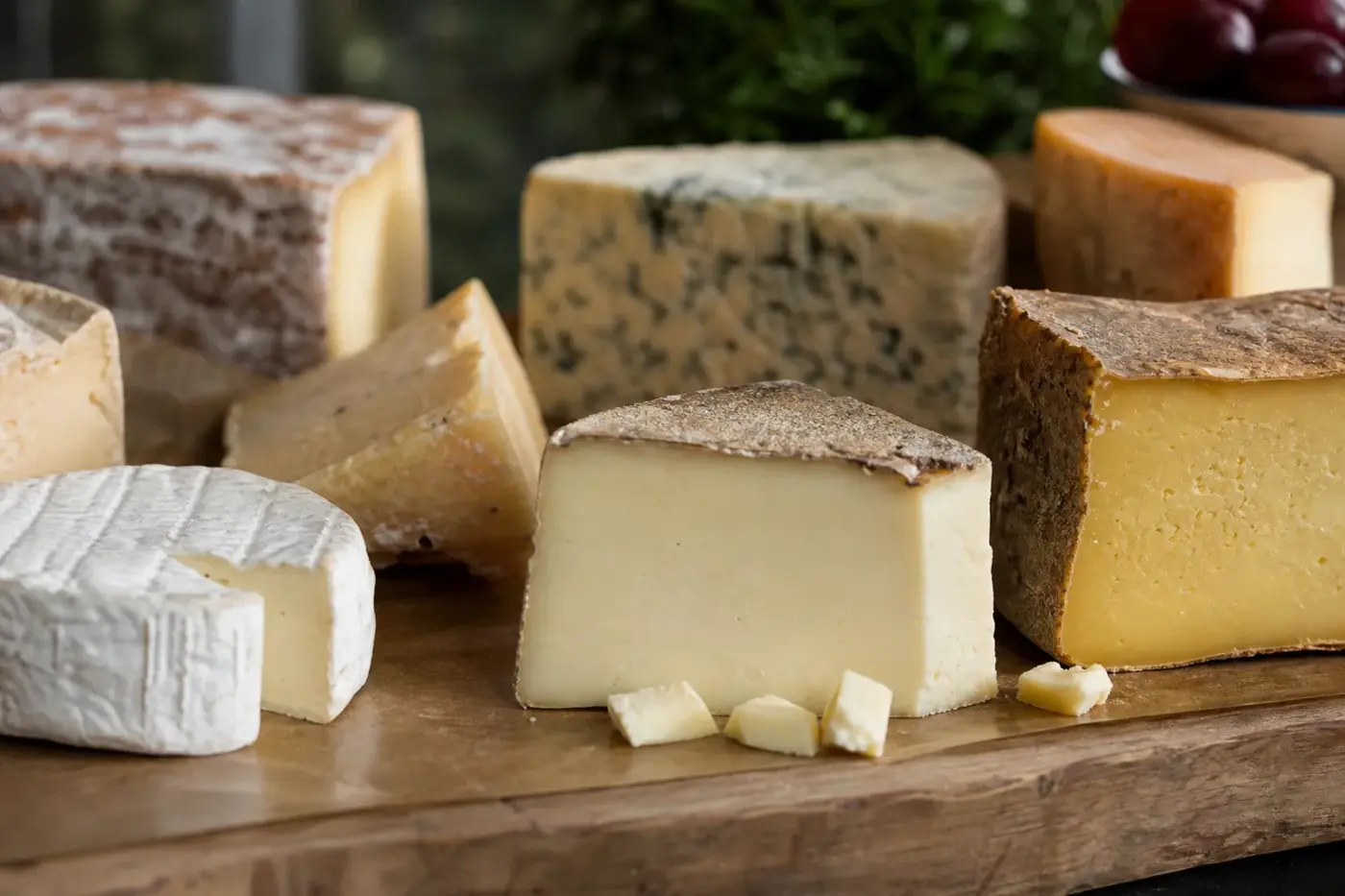
At a cheese counter, texture gives you a useful first question. The Academy of Cheese separates how the curd is made from later treatments, such as blue mould or rind washing. Shopping categories therefore overlap: a blue cheese can also be soft. Use these questions to find your way. [1]
| Style | What texture would you like? | What to ask about flavour |
|---|---|---|
| Fresh | Moist, unripened cheese, such as cottage cheese | “Milky and gentle, or distinctly tangy?” |
| Soft | A yielding or spreadable centre; ask about ripeness | “Gentle, mushroomy or more pronounced?” |
| Firm | Slices that hold together rather than spread | “Younger or more savoury?” |
| Hard | Dense cheese for shavings, grating or small pieces | “Sharp, brothy or relatively restrained?” |
| Blue | Veined cheese that crumbles or yields | “Assertive blue flavour or mellow?” |
| Washed rind | Ask whether the centre is soft or firm | “How does the aroma compare with the flavour?” |
Ask about the actual piece in front of you, not just its name. In the Academy's young Blue Stilton example, sharpness and crumble give way to mellower flavour and a more yielding texture. Elsewhere, its examples show ageing bringing harder textures and brothy notes. The style opens the conversation; the piece decides your mouthful. [2]
Curious about the differences? Explore how to tell cheese styles apart.
There is more to cheese than its milk
Cow's milk tells you an ingredient, not the whole story. Put milk, method and age together and you get much closer to the cheese. The Academy explains that milk composition changes with species, breed, feed and season. Cultures, moisture removal and ripening shape the result too. [1]
Ask for two examples made from the same milk and taste the difference. Or compare younger and older versions of one cheese, rather than automatically reaching for the oldest. The Academy's ageing examples include greater savouriness and a mellowing of youthful sharpness, alongside changes in texture. Choose the combination you enjoy. [2]
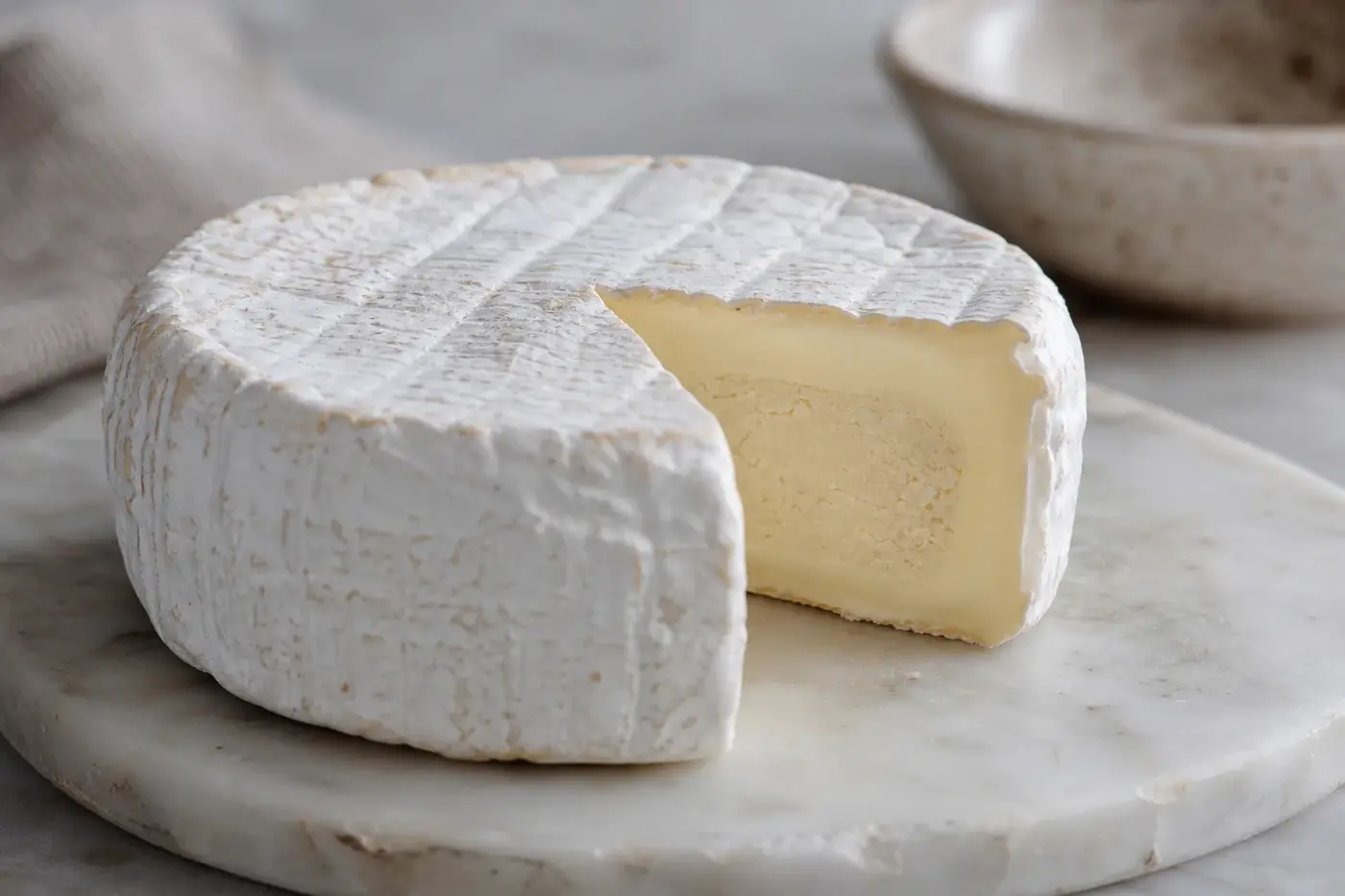
Then take a look at the rind. White surface mould and blue mould are different approaches to ripening; washing a rind encourages another surface community again. Ask what each treatment brings to that particular cheese, especially if you love a soft centre but prefer a restrained aroma. [1]
Take a small step beyond your favourite
Change one feature at a time. Love a supple young cheese? Try a more mature version before heading towards something very pungent. If you like crumble but not blue flavour, ask for that texture without the blue.
You might discover that sharpness delights you, while a strong rind aroma does not. For an exploratory tasting, start with something mild, milky or creamy, then try a firmer, more savoury piece. Follow with a more aromatic washed rind and finally a blue, asking the seller for gentler examples first. This is a route through contrasting textures and flavours, not a test of courage.
Give every piece a reason to be there
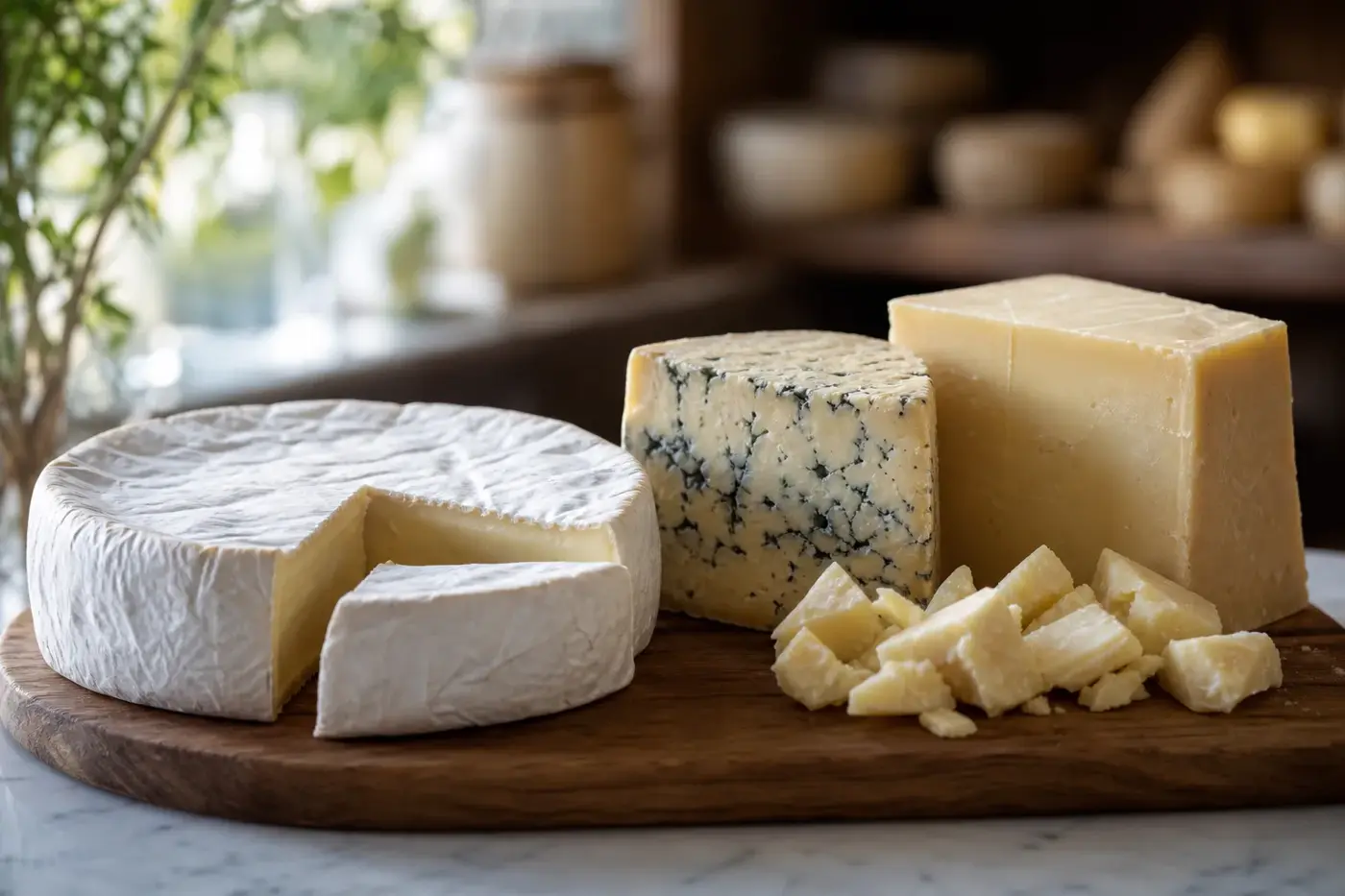
For a small gathering, three cheeses make a useful starting point: one soft, one firm or hard, and a contrast, perhaps blue or washed rind. Swap any of them to meet your guests' needs. Two genuinely different cheeses can be more satisfying than several similar wedges.
Before adding another, ask what it brings. Freshness, another texture, a flavour someone particularly enjoys? If it simply repeats what you already have, leave it. Put the familiar beside the unfamiliar and let people choose how far to explore.
Choose your total before the counter charms you
Decide how much cheese you need before dividing it between varieties. Otherwise, every extra choice quietly enlarges the purchase. Cheese counters are very good at making “just one more” sound reasonable. For a cheeseboard, consider the bread, accompaniments and surrounding courses, and ask your seller to suggest a total for your group and their appetites.
The arithmetic is simple: three 100 g pieces make 300 g, giving six people 50 g each. That is a planning calculation, not a fixed serving allowance. Decide whether it suits your meal, then adjust for appetite and whether cheese is the centrepiece or the finishing course.
For a snack, weigh a portion you already enjoy and use that as your reference. For cooking, follow the recipe's cheese weight, noting whether it means drained cheese or includes rind. Buying for several days? Give the remainder specific jobs before adding another piece.
Tell the seller what you want your cheese to do
Perhaps you want cheese to spread on bread, give fine shavings or make a smooth sauce. Tell the seller which. For melting, ask how that particular cheese performs in your dish. For grating, describe whether you want fine particles or larger shavings.
For spreading, ask to see how the cut face behaves. Does it hold its shape, crumble or yield to a spoon? In a sandwich, would you prefer neat slices or a deliberately crumbly filling? At a supermarket shelf, look for the same clues in the pack's texture description or serving suggestions.
Serving it uncooked? Think about how temperature affects texture. Follow the product's storage instructions and current FSA guidance. [8]
Find the right cheese for dietary needs
Vegetarian suitability comes down to ingredients and processing aids. Rennet is an enzyme preparation that sets milk into curd, and the Vegetarian Society distinguishes animal rennet from vegetarian options, including microbial and plant coagulants. Look for an explicit vegetarian statement or suitable certification. If the label says only “rennet” or “enzymes”, ask the maker. [3]
Milk allergy and lactose intolerance call for different decisions. The UK NHS guidance referenced in November 2026 distinguishes allergy to milk protein from difficulty digesting lactose, the milk sugar. Lactose free dairy still contains milk protein. Ask an allergy specialist before treating another animal's milk cheese as a substitute, and examine the whole product, including added ingredients and allergen information. [4]
For lactose intolerance, the NHS says reducing lactose or avoiding it can prevent symptoms, but recommends professional advice before excluding foods. Ask your dietitian about suitable products and portions. For the evidence behind individual cheeses, turn to lactose in cheese. [5]
Changing animal species does not settle a lactose question. The NHS notes that lactose occurs in milk from cows, goats and sheep. Compare the specific product information with your agreed dietary plan, rather than assuming every cheese within a style has the same composition. [5]
This page summarises published guidance from the official sources it cites. It is not medical advice. Guidance differs between countries and changes over time, so check the current source for where you live, and ask your doctor, midwife, pharmacist or dietitian about your own circumstances.
Start with pregnancy and higher risk guidance
If you are pregnant in the UK, the NHS advises avoiding mould ripened soft cheeses with a white coating, soft blue cheeses and soft cheeses made from unpasteurised milk unless cooked until steaming hot all the way through. Read its current list before shopping for the full advice, including its advice on unpasteurised dairy. [6]
The NHS also identifies older people and people whose conditions or treatments weaken immunity as being at higher risk of serious listeriosis. Follow the relevant official guidance and ask your clinician about your circumstances. November 2026 is the reference date for both NHS sources. [6,7]
Trust your taste, then turn to the label
A useful tasting starts with noticing what you enjoy. Where samples are offered and suit your dietary requirements, taste before choosing. Tell the seller whether you liked the texture, acidity, lingering savoury flavour or absence of a strong aroma. “Something like this, but less salty” gives them more to work with than “something good”.
Buying online? Look for a named product, its weight, ingredients and storage information before ordering. Ask the same questions at a counter, with the answers written down if necessary. Start with a manageable piece of something unfamiliar, then note its name and what you enjoyed so you can find it again.
Read storage and opening instructions before settling on quantity. The FSA recommends a fridge between 0 and 5 °C (32 and 41 °F) in its guidance for England, Wales and Northern Ireland. UK government guidance distinguishes use-by dates, which concern safety, from best before dates, which concern quality. Do not eat cheese after its use-by date, and follow any shorter instructions after opening. [8,9]
For the details on the pack, use how to read a cheese label. Then turn to how to store cheese at home for what happens next.
Questions people ask
How many cheeses should I choose for a small cheeseboard?
Three cheeses are a useful starting point: one soft, one firm or hard, and a contrasting blue or washed rind cheese. Two genuinely different cheeses can be more satisfying than several similar wedges.
How much cheese should I buy per person?
Three 100 g pieces give six people 50 g each, but this is planning arithmetic rather than a fixed allowance. Consider appetites, accompaniments and whether cheese is the centrepiece or a finishing course.
How can I tell if a cheese is vegetarian?
Look for an explicit vegetarian statement or suitable certification. The Vegetarian Society distinguishes animal rennet from vegetarian options such as microbial and plant coagulants; if the label says only “rennet” or “enzymes”, ask the maker.
Can I eat cheese if I am lactose intolerant?
The NHS advises that reducing lactose or avoiding it can prevent symptoms, but recommends professional advice before excluding foods. See NHS guidance and ask your dietitian about suitable products and portions.
Which cheeses does the NHS advise avoiding during pregnancy?
The NHS advises avoiding mould ripened soft cheeses with a white coating, soft blue cheeses and soft cheeses made from unpasteurised milk unless cooked until steaming hot all the way through. See the current NHS list for its full advice, including advice on unpasteurised dairy.
Sources
- Academy of Cheese. Milk Production & Cheesemaking. Undated online subject guide, version retrieved November 2026. Relevant sections: milk composition, cultures, curd handling and make/post-make categories.
- Academy of Cheese. Maturing, Affinage and Grading. Undated online subject guide, version retrieved November 2026. Relevant section: “How does Cheese Ripen?”
- Vegetarian Society. Which cheeses are suitable for vegetarians and which aren’t?. Online guidance, version retrieved November 2026. Relevant sections: animal ingredients, coagulants and checking labels.
- NHS. Dairy and alternatives in your diet. Reviewed 11 December 2023; version retrieved November 2026. Relevant sections: milk allergy, lactose intolerance and dairy alternatives.
- NHS. Lactose intolerance. Online guidance, version retrieved November 2026. Relevant sections: lactose-containing foods, treatment and professional dietary advice.
- NHS. Foods to avoid in pregnancy. Online guidance, version retrieved November 2026. Relevant section: cheese, milk and other dairy.
- NHS. Listeriosis. Online guidance, version retrieved November 2026. Relevant section: risks of listeriosis.
- Food Standards Agency. How to chill, freeze and defrost food safely. Published 18 December 2017; version retrieved November 2026. Applies to England, Northern Ireland and Wales.
- GOV.UK. Understanding food labelling: Best before and use-by dates. Online guidance, version retrieved November 2026. Relevant sections: date meanings, storage and instructions after opening.
- Food Standards Agency. Alerts. Live recall and allergy alert index, retrieved November 2026 for the editorial recall check.
This piece combines desk research from official health and food safety guidance with cheese education sources and explicitly identified editorial buying suggestions.
Last checked: November 2026
Last checked November 2026.
The editors suggest you read next