How to Use Leftover Cheese Safely: Recipes and Practical Ideas
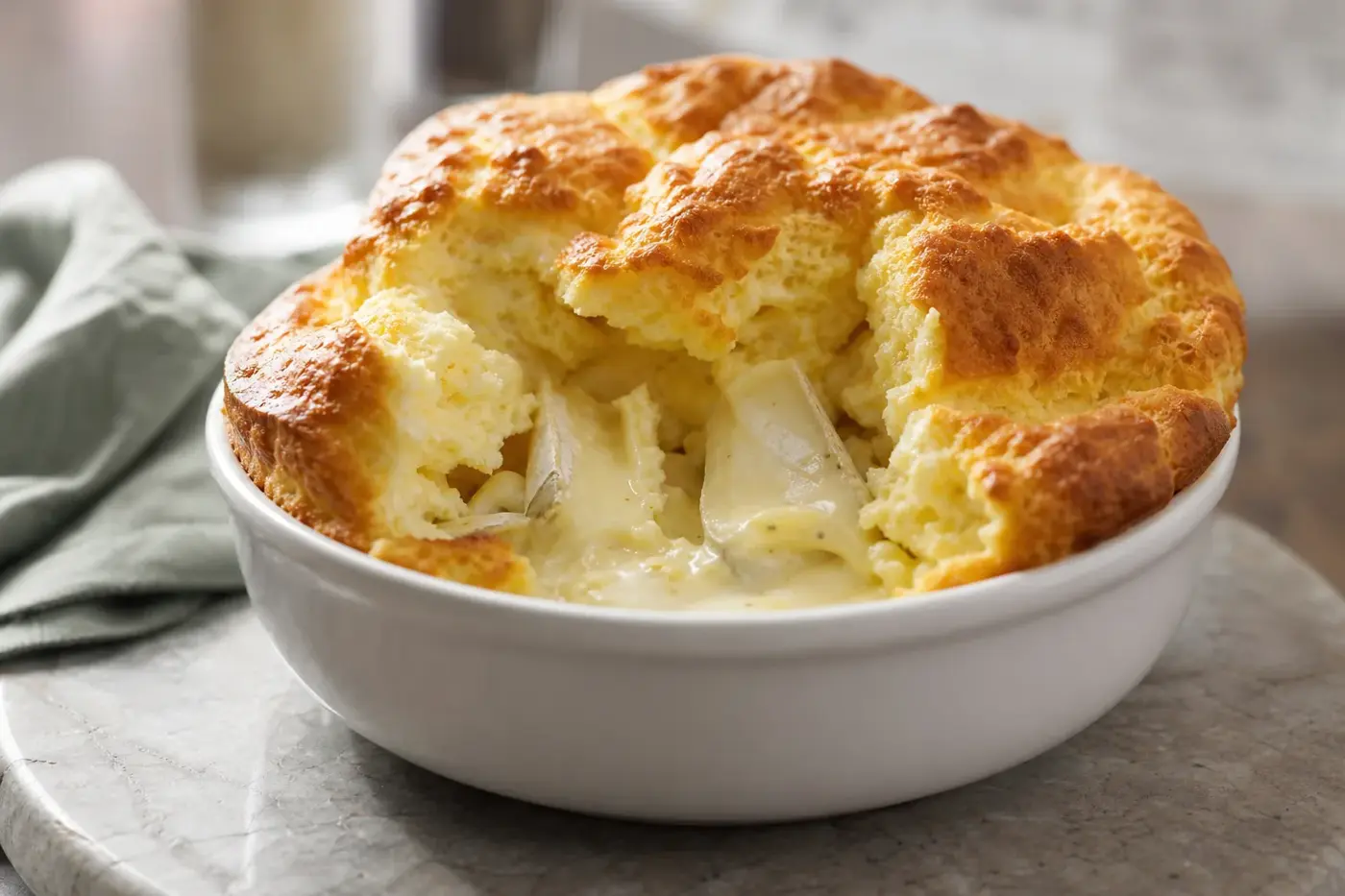
The macaroni comes out of the oven with browned crumbs and melted cheese: a fine final act for those little fridge scraps.
The macaroni comes out of the oven with browned crumbs and melted cheese: a fine final act for those little fridge scraps. Your collection has found its purpose, and it involves a saucepan rather than another week of indecision. First, though, look at the dates, packaging and storage history. Blue veins and a white bloomy rind can belong in a cheese; unexpected mould needs a different judgement.[4]
Sort your cheese by its next meal: melting pieces for macaroni, a hard end for grating, a spoonful of fresh cheese for a dip. However tempting a piece looks, its dates and storage instructions come first.[1]
Start with these fridge essentials
- FSA guidance for England, Northern Ireland and Wales recommends keeping your fridge between 0 and 5 °C.[2]
- USDA advice for the United States treats unexpected mould on soft cheese differently from mould on a substantial hard block.[4]
- Freezing can change cheese texture, leaving some cheeses better suited to cooked dishes.[8]
Keep the label with the last piece
That last piece of cheese still needs its label. Keep three things together: the date, the storage instructions and any instruction about how quickly to use it after opening. Keep them until you have finished the cheese, not just the first meal.[1]
For UK readers, the Food Standards Agency (FSA) distinguishes use-by dates, which concern safety, from best before dates, which concern quality. Its November 2026 guidance says not to eat, cook or freeze food after its use-by date. A reassuring smell does not change that advice.[1]
A best before date leaves room to assess quality, provided you have stored the cheese correctly. Compare its condition with the manufacturer's instructions, because cheeses keep for different periods once opened. For help with the rest of the pack, see reading cheese labels.[1]
Recognise when it is time to let go
Unexplained sliminess, an abnormal odour or other suspicious deterioration means you should discard the cheese. University of Connecticut Extension identifies these as things to look for when assessing cheese. Liquid around it can sometimes simply be whey, so compare what you find with its expected condition and packaging instructions.[5]
A torn outer sleeve is different from a broken seal that has exposed cheese to contamination. Discard contaminated food. If refrigerated food's storage has been neglected, the US Food and Drug Administration (FDA) says throwing it away is usually the best course.[6]
Under US FDA guidance, food requiring refrigeration has a room-temperature limit of two hours, or one hour above 32 °C (90 °F). These US limits are from November 2026.[6]
This page summarises published guidance from the official sources it cites. It is not medical advice. Guidance differs between countries and changes over time, so check the current source for where you live, and ask your doctor, midwife, pharmacist or dietitian about your own circumstances.
Know which mould belongs on your cheese
Blue veins and a white bloomy rind are not automatically trouble. USDA guidance explains that certain cheeses are made with mould inside, on the surface, or both. Unexpected growth during storage calls for a different response.[4]
Here is how the USDA separates the cases:[4]
| What you find | What the USDA advises in the United States |
|---|---|
| Unexpected mould on soft cheese | Discard it. |
| Unexpected mould on sliced, grated or crumbled cheese | Discard it, whatever cheese it started as. |
| Unexpected mould on a substantial hard block | Cut away at least 2.54 cm (1 inch) around and below the spot. Keep your knife out of the mould, then rewrap the cheese in fresh wrapping. |
On a tiny hard cheese end, that cutting margin may leave nothing worth keeping. Discard it rather than reducing the margin to save a small amount. Clean the storage area and inspect neighbouring food the mouldy cheese touched. After handling it, wash your hands, utensils and work surfaces.[4][5]
Curious about what belongs on a ripening cheese? See mould on cheese for more on expected ripening and deterioration.
Give soft and fresh cheeses closer attention
Scooping mould from a fresh-cheese tub is not the same as trimming a hard block. University of Connecticut Extension says soft cheeses contain more moisture and may spoil faster. USDA guidance explains that mould contamination can reach below the surface of high-moisture foods.[4][5]
Pregnancy changes your recipe choices, too. UK NHS guidance from November 2026 advises avoiding soft cheeses with a white coating, soft blue cheeses and soft cheeses made from unpasteurised milk unless cooked until steaming hot. Its suitable choices include several pasteurised fresh cheeses.[7]
If you use those soft-ripened or soft blue cheeses during pregnancy, follow the NHS cooking advice throughout the portion. A melted top alone is not enough. Consult its current list for your particular cheese.[7]
Wrap each piece for its next meal
Keep your fridge between 0 and 5 °C and use a thermometer to check it. That is FSA guidance for England, Northern Ireland and Wales. Keep cheese protected from raw meat and its juices.[2]
Reclose the original packaging, or wrap opened pieces individually in clean food wrapping and place them in a suitable container. University of Connecticut Extension recommends clean hands and utensils, and tightly wrapping or sealing cheese before returning it to the fridge. Separate parcels also help you track each piece and its opening date.[5]
For a fuller routine, head to storing cheese at home. Giving each piece its own parcel makes it easier to know what you have and when you opened it.
Freeze with your next supper in mind
Think sauce or supper rather than a perfect slice. University of Nebraska Extension reports that freezing may make cheese crumbly or mealy, and particularly recommends using it in cooked dishes. Cream cheese and cottage cheese freeze poorly; blue cheese is especially prone to crumbling.[8]
Follow the label and freeze suitable cheese in meal-sized portions. FSA guidance for England, Northern Ireland and Wales allows freezing up to midnight on the use-by date, provided you have stored the food properly beforehand. Label each portion and keep your freezer around minus 18 °C.[1][2]
Defrost in the fridge and use within 24 hours of complete defrosting. For the cooking ideas here, cook until steaming hot.[1][2]
Give melting cheeses their macaroni moment
A white sauce is a welcoming home for small pieces of melting cheese. This version adapts Good Food's macaroni cheese recipe, with simpler seasoning and a mixed-cheese option. Not independently tested by fromage.co.uk.[9]
Make your mixed-cheese macaroni
Serves: 4. Time: approximately 50 minutes.
Equipment: scales, saucepan, whisk, pasta pan, colander and ovenproof dish.
Oven: 200 °C conventional, 180 °C fan (392 °F conventional, 356 °F fan).[9]
Gather your ingredients
- 350 g (12.3 oz) dried short pasta
- 30 g (1.1 oz) butter
- 25 g (0.9 oz) plain flour
- 500 ml (16.9 US fl oz) milk
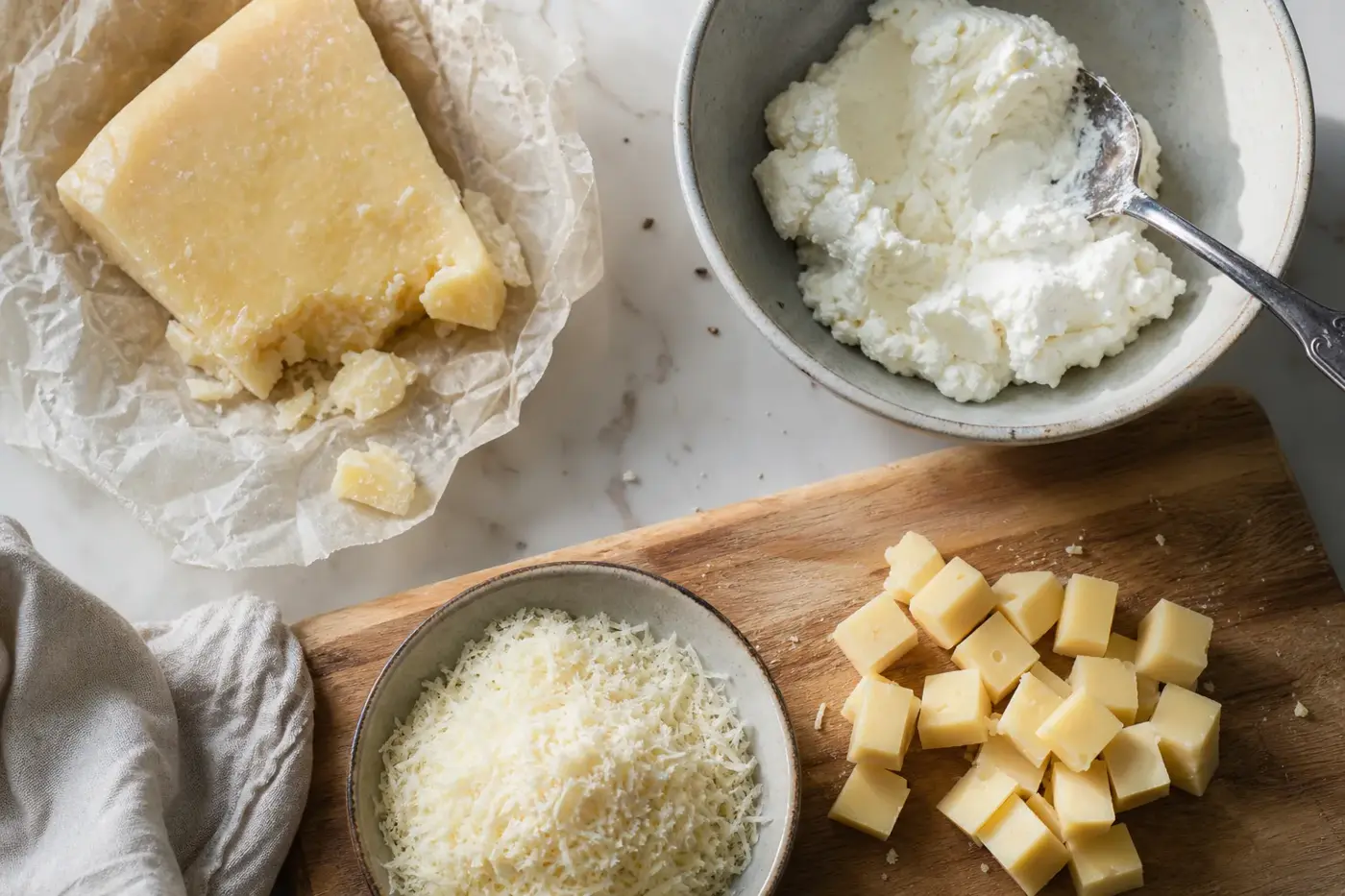
- 250 g (8.8 oz) grated suitable melting cheese
- 50 g (1.8 oz) finely grated hard cheese
- 50 g (1.8 oz) fresh breadcrumbs
From saucepan to oven
- Heat the oven. Cook the pasta for two minutes less than its packet time, then drain.
- Melt the butter, stir in the flour and cook for one minute.
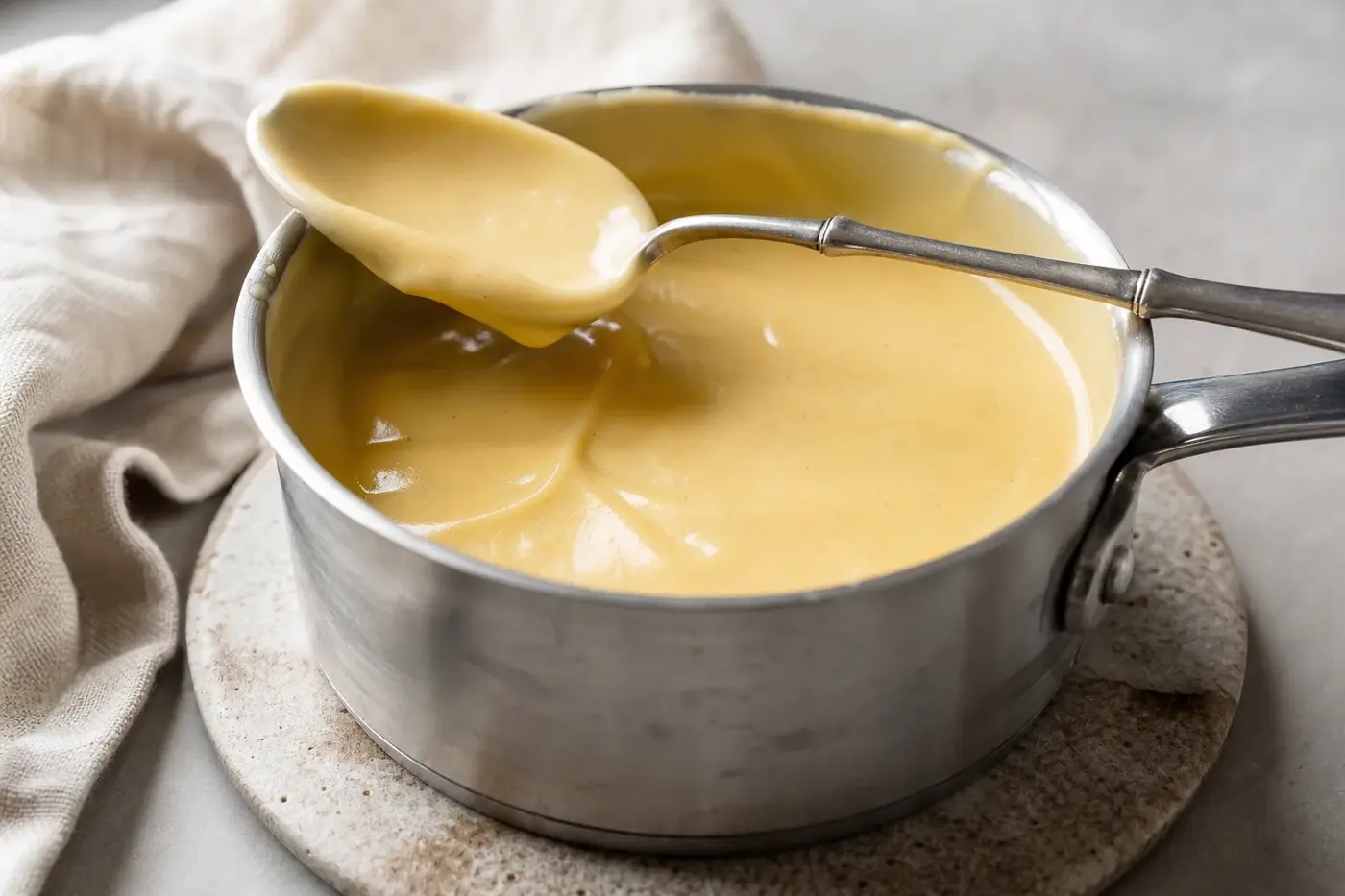
- Gradually whisk in the milk. Simmer, stirring, for five minutes until thickened.
- Take off the heat. Stir in the melting cheese and half the hard cheese.
- Mix with the pasta, transfer to the dish and scatter over the breadcrumbs and remaining cheese.
- Bake for about 20 minutes, until browned and steaming hot throughout.[3][9]
Make it yours: cheddar and gouda are a suggested cooking combination. Cheeses vary in moisture, salt, melting and flavour, so read the labels and adjust your mixture. Moist mozzarella may bring water and stretch; blue cheese may bring salt and stronger flavour, and melt unevenly. Leave particularly wet fresh cheese out of this sauce.
Allergens: milk and wheat. Read every cheese, breadcrumb and substitution label for additional ingredients and allergen warnings.[11]
Serve promptly, while it is ready to eat. For finished portions left over, follow the cooling, storage and reheating instructions below.[2][3]
Make a little cheese part of an everyday meal
Let the cheese you already have choose the meal. You need not open another pack to complete it, however persuasive the cheese drawer becomes. These are meal ideas, rather than tested recipes.
- Omelettes: scatter grated cheese over the filling before folding. Finely chopped pieces spread more easily than one thick slice.
- Frittatas: tuck small cheese pieces among cooked vegetables so each wedge gets some. Cook the centre thoroughly, following FSA advice to check food is cooked throughout.[3]
- Toasties: grate or thinly slice the cheese and spread it to the bread's edges. Keep the filling modest so you do not end up with a thick, cold centre.
- Baked potatoes: split a freshly cooked potato and add grated cheese. Or mash fresh cheese into the flesh before returning it to the oven.
Keep the rest of your cheese refrigerated while you prepare the meal. Return unused portions promptly, rather than leaving the whole collection beside the cooker.[5]
Bring hard ends back to the table
That hard end may be too small for a neat slice, but it can still finish your vegetable soup. Grate it over the top, stir it into a sauce or combine it with breadcrumbs for a baked topping. Tidy slices are not a requirement for a good supper.
A natural hard-cheese rind can add flavour to stock or soup, a use suggested by University of California Cooperative Extension. First, identify the outside. University of Connecticut Extension advises removing wax and other sealing materials.[5][10]
Keep wax, plastic and cloth out of the saucepan. If you cannot establish that a covering is edible, remove it and use only the cheese underneath. Ask the seller about an unfamiliar rind.[5]
For a breadcrumb topping, finely grate the cheese itself. The macaroni topping above gives you a starting point.[9]
Find a dish for blue, soft and fresh cheese
Once your cheese has passed the fridge check, let its character guide your next meal. These cooking combinations give small amounts somewhere useful to go.
- Mash a little blue cheese into plain yoghurt for a dressing, adding lemon juice gradually.
- Blend fresh cheese with chopped herbs for a dip.
- Dot soft cheese over cooked vegetables before baking.
- Stir a spoonful of fresh cheese into a hot vegetable sauce.
Choose a cold or cooked use to suit whoever is eating. During pregnancy, UK NHS advice says to avoid soft cheeses with a white coating, soft blue cheeses and soft cheeses made from unpasteurised milk unless cooked until steaming hot. Use those cheeses in a cooked dish rather than a cold dressing.[7]
When you combine cheeses, keep their original labels. You still need the ingredient and allergen information.[11]
Put tomorrow's portion aside
Divide cooked food into smaller portions to help it cool, then refrigerate within one to two hours. FSA guidance for England, Northern Ireland and Wales says to eat refrigerated leftovers within 48 hours. Freeze them if that will not be possible.[2]
Reheat only once, until steaming hot throughout, and stir sauces as they heat. With a microwave, follow its stirring and standing instructions: hot edges can hide a cold centre. Smaller portions can heat more evenly.[3]
Label the finished dish with its cooking date. When tomorrow's lunch comes round, reheat only the portion you need, rather than repeatedly warming the whole dish. For broader handling questions, visit the cheese food safety guide.
Questions people ask
Can I eat cheese after its use by date?
The Food Standards Agency says not to eat, cook or freeze food after its use by date, even if it smells fine. A best before date concerns quality, and cheese stored correctly can be assessed against the manufacturer's instructions. See the FSA guidance on food dates.
Can I cut mould off cheese and eat the rest?
The USDA advises discarding soft cheese and sliced, grated or crumbled cheese with unexpected mould. For a substantial hard block, it advises cutting away at least 2.54 cm around and below the spot, keeping the knife out of the mould and rewrapping the cheese. See the USDA guidance on mould.
Can I freeze leftover cheese?
The FSA says suitable food can be frozen up to midnight on its use by date if it has been stored properly. It advises defrosting in the fridge and using within 24 hours of complete defrosting. See the FSA guidance on freezing and defrosting.
Can I eat soft cheese during pregnancy?
The NHS advises avoiding soft cheeses with a white coating, soft blue cheeses and soft cheeses made from unpasteurised milk unless cooked until steaming hot. It lists several pasteurised fresh cheeses as suitable choices. See the current NHS list for the particular cheese.
How long can I keep leftover macaroni cheese?
The FSA advises refrigerating cooked food within one to two hours and eating refrigerated leftovers within 48 hours, or freezing them if that will not be possible. It advises reheating only once, until steaming hot throughout. See the FSA guidance on leftovers and reheating.
Sources
- Food Standards Agency, Best before and use-by dates, consumer guidance, version retrieved November 2026. Sections on date meanings, storage, sensory checks and freezing. Retrieved FSA document.
- Food Standards Agency, How to chill, freeze and defrost food safely, published 2017, current online text retrieved November 2026. Applies to England, Northern Ireland and Wales. Official guidance.
- Food Standards Agency, Cooking your food, published 2017, current online text retrieved November 2026. Especially “Cooking top tips” and “Using your leftovers”. Official guidance.
- USDA Food Safety and Inspection Service, Molds on Food: Are They Dangerous?, revised March 2010. Original USDA publication hosted by Gallatin City-County Health Department. Retrieved publication.
- University of Connecticut Extension, Ask UConn Extension: All About Cheese, 7 April 2022. Sections on rind, storage, handling and deterioration. Extension guidance.
- US Food and Drug Administration, Are You Storing Food Safely?, current online version retrieved November 2026. “Storage Basics”. FDA guidance.
- NHS, Foods to avoid in pregnancy, reviewed 15 June 2026. “Cheese, milk and other dairy”. NHS guidance.
- University of Nebraska Extension, Freezing Milk and Cheese, updated and reviewed 2026. “Freezing Cheese”. Extension guidance.
- Good Food, Best ever macaroni cheese recipe, originally published January 2009, online version retrieved November 2026. Ingredients and method adapted above. Source recipe.
- University of California Cooperative Extension, Preserve it! Series: Can Cheese Be Frozen (and Still Taste Good)?, page dated 12 May 2026, carrying an internal July 2025 update notation. Passage on hard-cheese rinds in stock or soup. Retrieved publication.
- GOV.UK, Understanding food labelling: Allergen labelling, current online version retrieved November 2026. Official guidance.
This piece was researched from official consumer guidance and university extension publications, with an attributed recipe adaptation and clearly identified editorial meal suggestions.
Last checked: November 2026
Last checked November 2026.
The editors suggest you read next
Cooking with Cheese: The Complete Guide
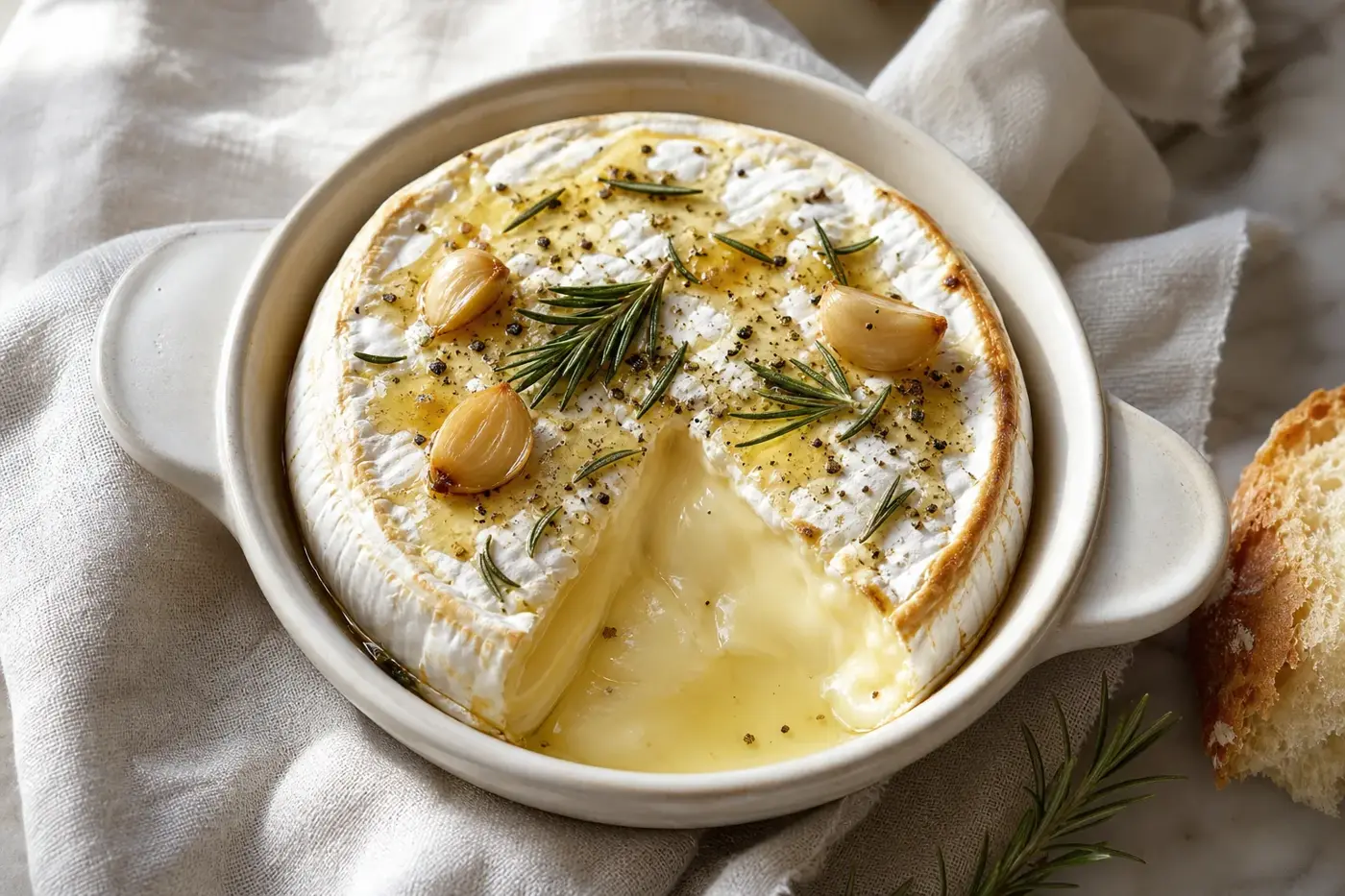
Cut into warm Brie and watch the interior melt while the rind holds its ground.