Killeen Goat Gouda
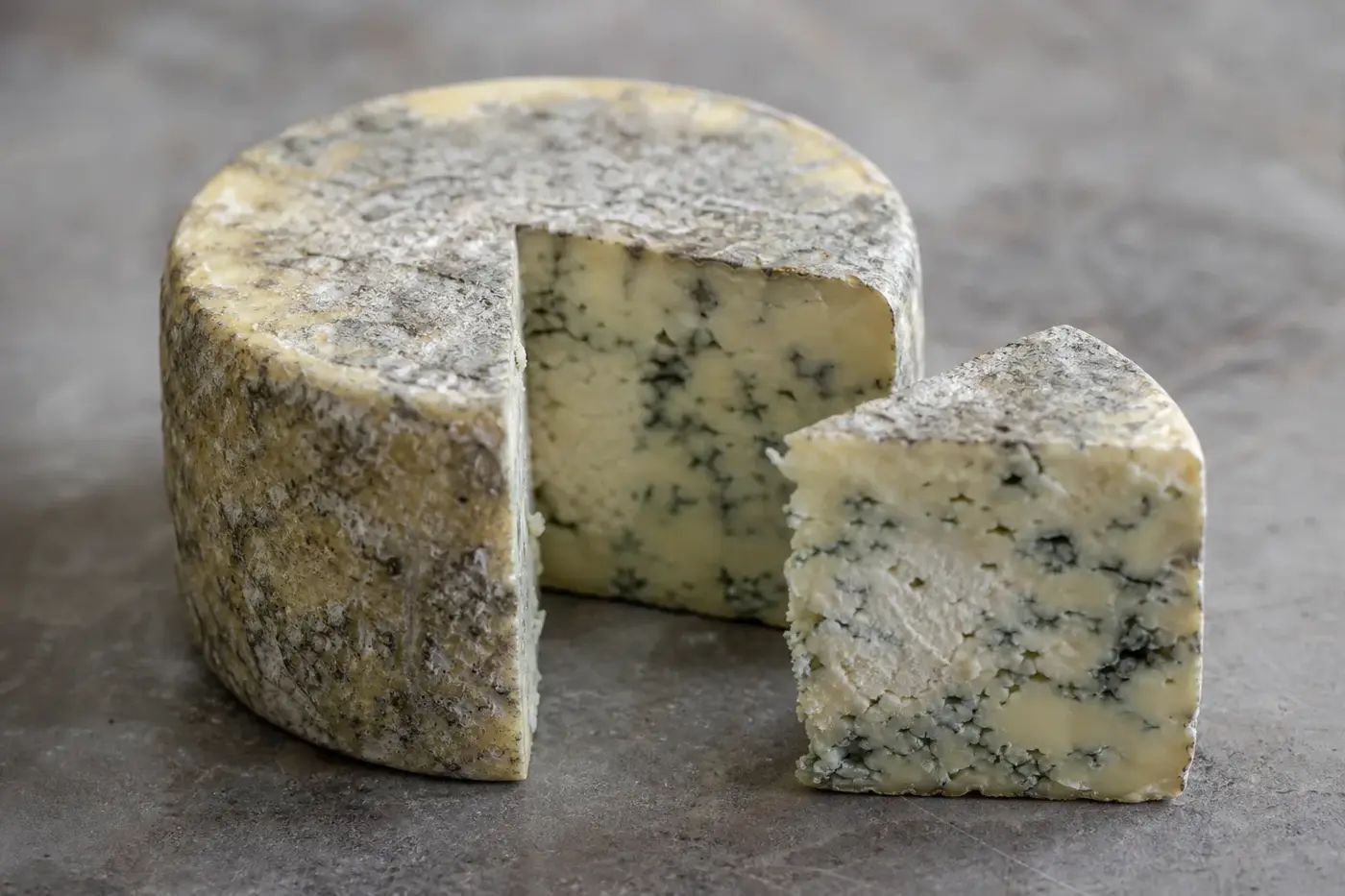
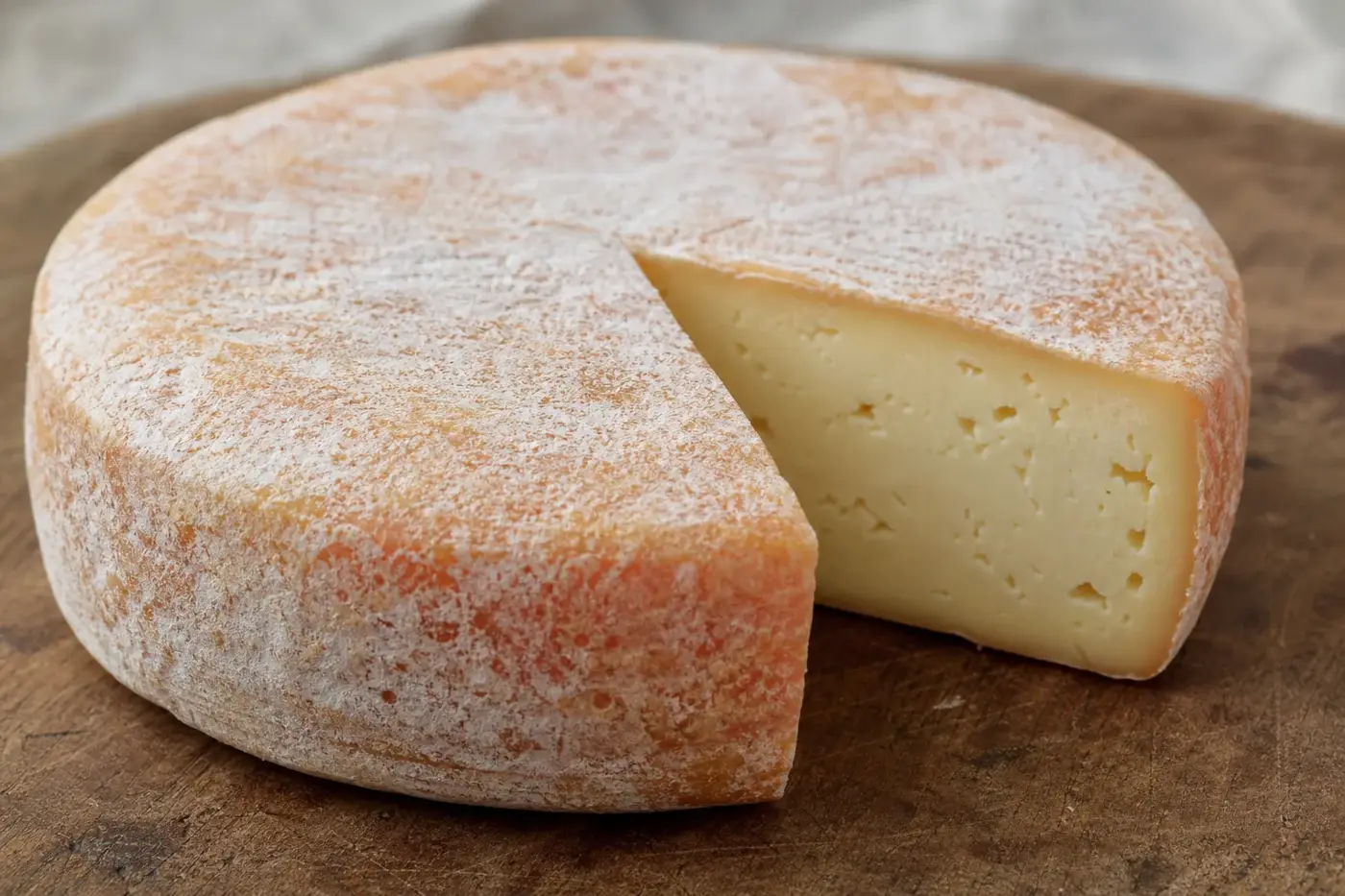
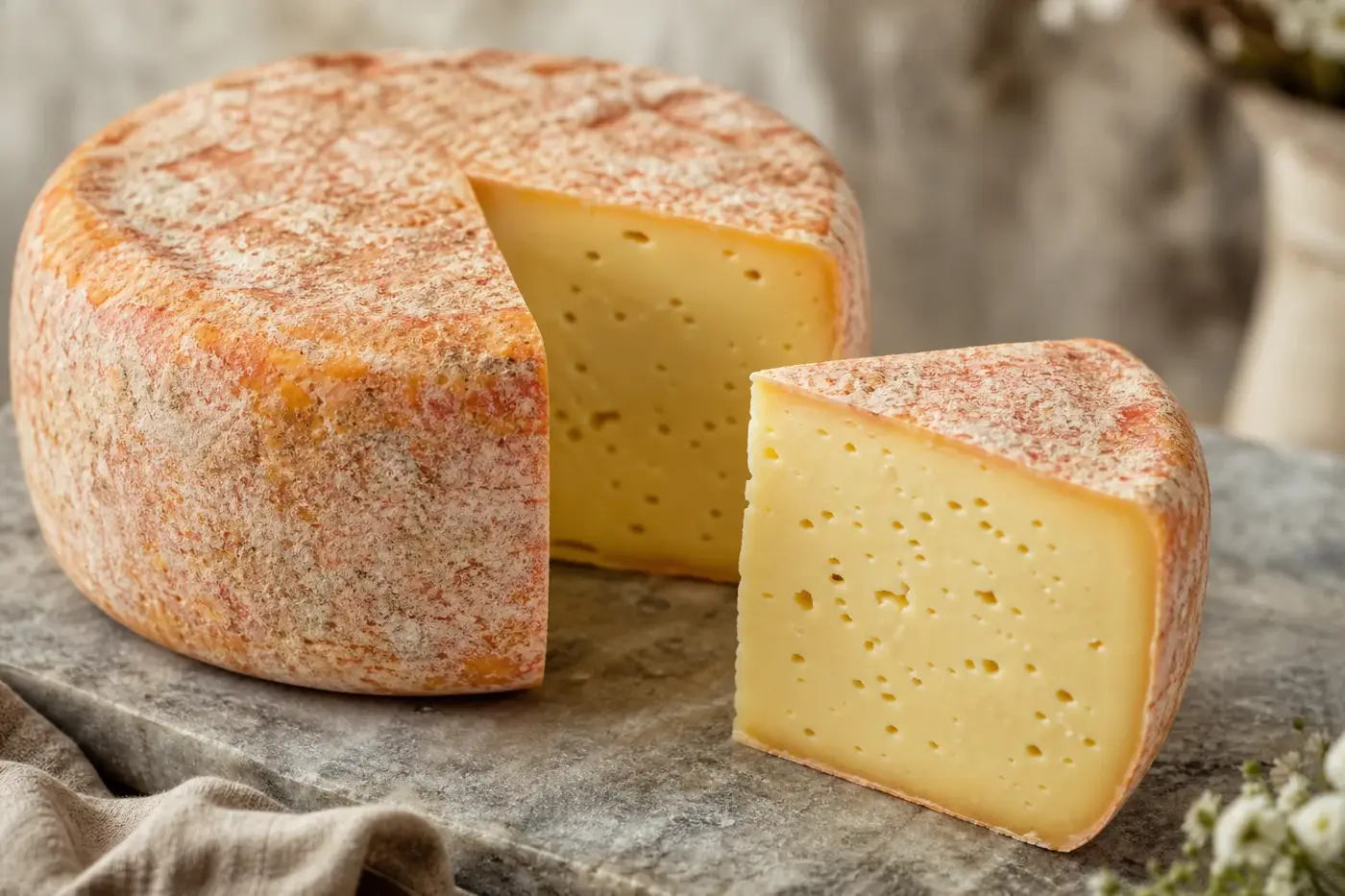
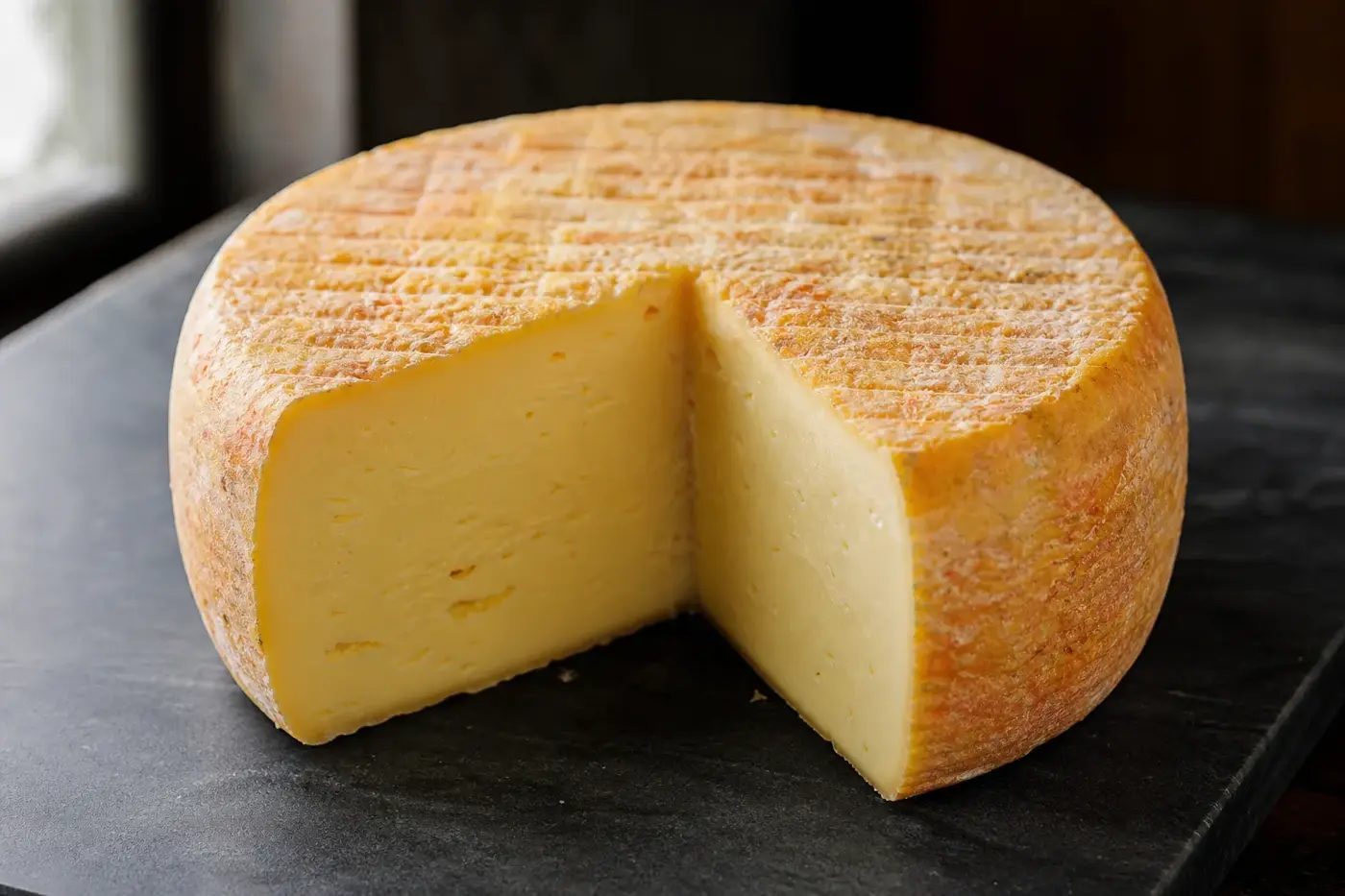
Cut through the thin coating of Killeen Goat Gouda and a pale, supple interior comes into view.
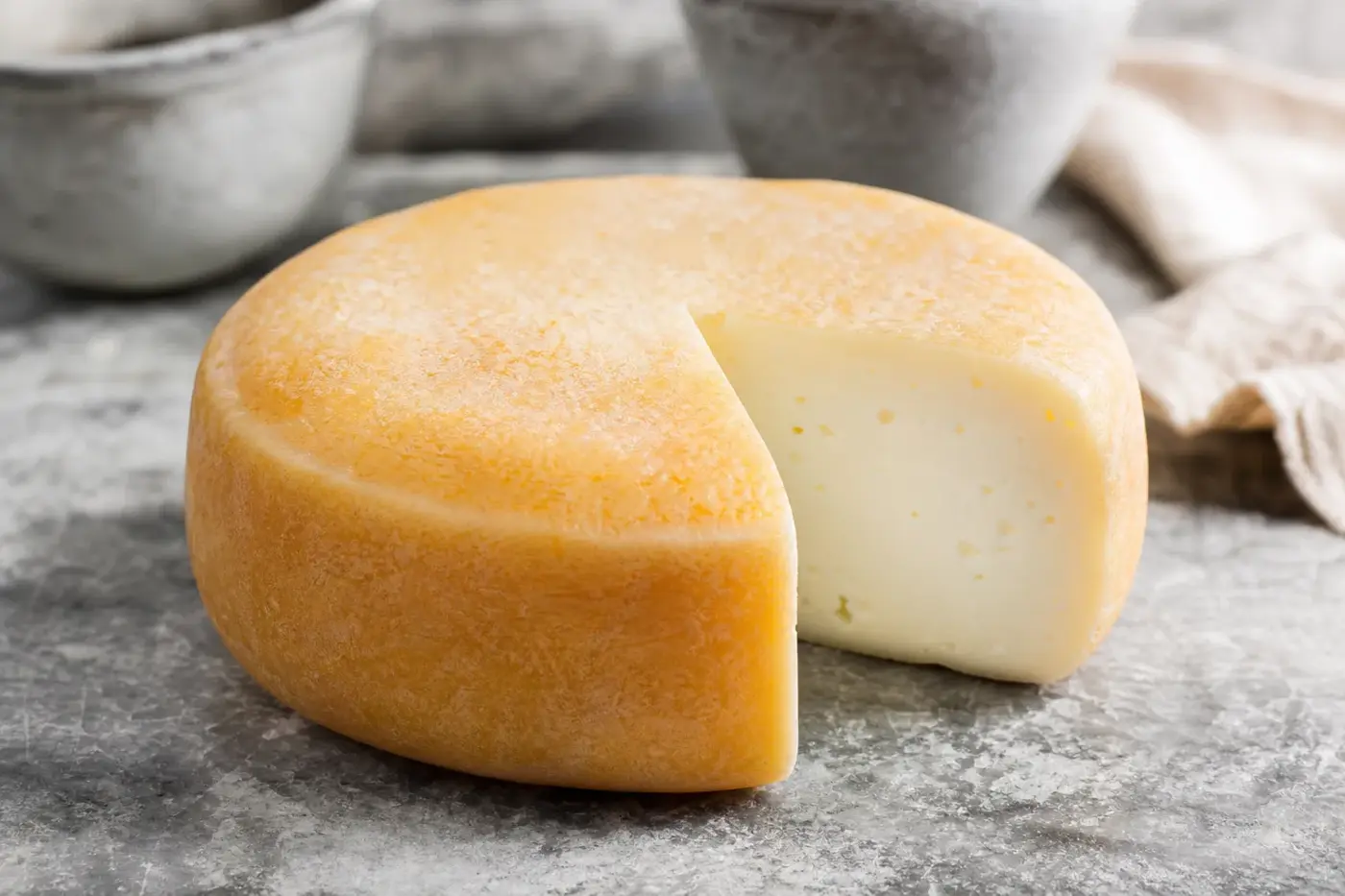
Cut through the thin coating of Killeen Goat Gouda and a pale, supple interior comes into view. Your first bite brings milky sweetness; in an older wheel, nuttiness joins the conversation. This semi-hard Irish farmhouse cheese comes from a goat farm near Portumna in County Galway, where Dutch cheesemaking meets pasteurised goat milk. Young or mature, it gives you two noticeably different encounters, which is a respectable excuse for trying both.[1][2][3]
| What would you like to know? | Your quick guide |
|---|---|
| Name | Killeen Goat Gouda, also sold as Killeen Goat.[3] |
| Who makes it? | Killeen Farmhouse Cheese.[1] |
| Where does it come from? | Near Portumna, County Galway, Ireland.[3] |
| Which milk? | Pasteurised goat milk; current milk source uncertain.[2][5] |
| What style? | Semi-hard, Gouda-style.[2][5] |
| What sets the curd? | Traditional animal rennet.[2][6] |
| How old is it? | Maker: two months at release; Bord Bia: mature from five months.[2][3] |
| How big is a wheel? | Approximately 5 kg, according to the maker.[2] |
| What is on the outside? | Thin, breathable plastic coating over the rind.[3] |
| Allergens | Milk; the named retail product discussed below also declares egg.[7] |
From the Netherlands to a Galway dairy
Killeen’s Gouda story begins with its cheesemaker. Dutch-born and trained in the Netherlands before coming to Ireland, they brought that working tradition to a farm at Loughanroe East, Ballyshrule, outside Portumna in east Galway. Bord Bia dates the start of Killeen goat cheesemaking to 2004. Here, Dutch knowledge found an Irish farm dairy.[3]
A cheese seller’s visit in November 2017 lets you glimpse the partnership behind the wheels: goat husbandry on one side, cheesemaking experience on the other. Before cheese production became established, the farm sold its milk. The visitor recorded spring kidding and a seasonal milking cycle, with the dairy’s work fitting around the goats at that time.[4]
When you ask for Killeen, it helps to be specific. Its own website says the goat cheese is made on its goat farm, while milk for its cow’s milk cheeses comes from a nearby dairy farmer. Those are separate milk streams. Ask for the goat Gouda by name, rather than simply asking for Killeen.[1]
Follow the goat milk to the right wheel
Pasteurised goat milk is the starting point for this Gouda-style cheese. The maker identifies its main semi-hard cheese, including the goat version, as pasteurised. Bord Bia’s 2010 farmhouse cheese guide records milk from the farm’s own goat herd; the present milk source remains uncertain.[2][5]
The Academy of Cheese names that herd as Saanen goats in its 2022 teaching profile. It also identifies animal rennet, matching the maker’s description of traditional rennet. If you have ever wondered what rennet does, it helps milk set into curd, the solid material that becomes cheese.[2][6]
Gouda gives you a way into Killeen’s method, with goat milk as its particular starting material. You may also encounter a separate raw milk goat cheddar in the maker’s range. Keep the two distinct: raw milk and cloth wrapping belong to that cheddar, not to this pasteurised Gouda with its coated rind.[2]
A warm wash, a press and time to mature
Warm water plays a telling part in this cheese. In the Courtyard Dairy’s published account of its 2017 farm visit, milk was heated, cultures and rennet added, and the resulting curds cut and stirred. A warm-water wash came next, followed by moulding and pressing.[4]
Whey is the liquid surrounding those curds, and washing changes that liquid before pressing brings the curds together. The visitor links this step with Killeen’s supple texture and sweeter character. Pressing gives the curd its wheel shape. You can follow the wider journey from milk to finished cheese in how cheese is made.[4]
On the outside, you find a beige to orange rind beneath a thin, breathable plastic coating. Salt appears in the ingredient declaration for the Dunnes Stores mature Killeen product. The practical instruction is straightforward: remove that coating before serving.[3][7]
Age is worth asking about at the cheese counter. The maker says its semi-hard cheese is sold at two months; Bord Bia lists Killeen Goat Mature from five months upwards. Bord Bia’s older guide also describes a drier texture with prolonged ageing. Ask which maturity you are buying, because those wedges will not all offer the same texture or flavour.[2][3][5]
Let milkiness lead and nuttiness follow
Beneath that coloured exterior, you find a much paler cheese. Bord Bia describes the young paste, cheesemaking language for the body of the cheese, as white and supple with small holes. Its mature entry is beige. The maker puts whole wheels at approximately 5 kg.[2][3]
Sweetness runs through the published descriptions. Cooleeney, which lists Killeen in its export range, describes a smooth, sweet cheese that grows nutty with age. Bord Bia’s 2010 guide records fresh, clean, milky flavours, followed by more pronounced nuttiness as maturation progresses. Think milk character first, rather than sharp pungency.[5][8]
Choose a more developed wheel and the descriptions grow richer. The Courtyard Dairy finds caramel and fudge-like qualities with a delicate goat note; Dunnes Stores also mentions caramel in its specially matured product. These sellers’ tasting notes give you useful clues when choosing the maturity that sounds most tempting.[4][7]
Before reaching for bread or fruit, give a freshly cut piece your full attention. Smell it, then notice how that impression compares with the flavour after chewing. Look for milkiness, sweetness and, in older cheese, a nuttier or caramel-like finish. Separating aroma from taste gives you a more precise tasting note than expecting one sweeping impression of “goatiness”.[4][5][8]
Plain and mature have their award moments
Both mature and plain Killeen appear in the 2024 Artisan Cheese Awards results. The mature entry, recorded as “Killeen Goatmature”, took Gold in class 4, Hard, and Silver in class 12, Farmhouse. Plain “Killeen Goat” received Bronze in class 8, Goat, and class 12, Farmhouse.[9]
These are separate entries, another useful reminder that maturity matters here. Each award belongs to a named cheese, a competition year and a specific class, rather than serving as an undated badge. When you choose between plain and mature, let the texture and flavour you enjoy have the final say.[9]
Make room for that first mouthful
Begin with a small piece on its own, then bring in plain bread or an oatcake. Apple or pear gives you a fresh contrast. Keep chutney to the side: its vinegar and spice can be rather keen to chair the meeting. These suggestions follow Killeen’s published sweet, milky and increasingly nutty character, giving those qualities room to show.[5][8]
For current Irish advice on refrigerated storage and food kept out of refrigeration, consult the Food Safety Authority of Ireland. Follow the instructions on your pack.[10]
For an alcohol free accompaniment, try still water or an unsweetened apple drink. Either leaves the cheese’s flavour clear.
Choose your wedge, care for it, try it melted
At the counter, ask whether your wedge is plain, flavoured or mature, and request its age if the seller knows it. Alongside the plain cheese, the maker lists a fenugreek goat version. Plain makes a useful starting point for your first encounter. You can follow the milk’s character and the effects of maturation without the added flavour.[2]
Read the ingredients and allergens on the actual pack you buy. The Dunnes Stores listing for its mature Killeen product declares pasteurised Irish goat milk, salt, animal rennet, starter culture and lysozyme from egg. It identifies both milk and egg as allergens. That declaration belongs to that retail product, so use your own piece’s label for its ingredient and allergen information.[7]
The same listing specifies storage at 0 °C to 4 °C (32 °F to 39 °F), with consumption within three days of opening and by its best-before date. Follow those directions for that product, and the supplied instructions for other cuts. For general help protecting a cut cheese, see storing cheese at home.[7][10]
Cut away Killeen’s plastic coating before eating. If you cannot easily see the boundary, ask the cheesemonger to show you where the coating ends and the cheese begins. That is especially helpful with a small wedge carrying only a narrow strip of exterior.[3][6]
Dunnes Stores describes its mature product as a good melting cheese, so a simple toastie or potatoes gives you a straightforward first trial. Use a little, taste, then decide whether stronger ingredients are welcome. Save a piece to eat plain alongside it. Comparing unheated cheese with the melted result makes the change in texture easier to appreciate.[7]
Follow your curiosity to the next cheese
- Raw Milk, Thermised and Pasteurised Cheese: get to know milk treatments before comparing Killeen with another cheese.
- How to Read a Cheese Label: find the product name, milk treatment, ingredients and storage directions on the cheese you buy.
General information only, not medical advice: follow the official guidance where you live.
Questions people ask
Is Killeen Goat Gouda made with pasteurised milk?
Yes, it is made with pasteurised goat milk. The current source of the milk has not been verified.
Is Killeen Goat Gouda vegetarian?
It is made with traditional animal rennet. The rennet helps the milk set into curd.
What does Killeen Goat Gouda taste like?
Young cheese has a fresh, clean, milky sweetness. It becomes nuttier as it matures, and a more developed wheel can have caramel and fudge like qualities.
Can you eat the rind of Killeen Goat Gouda?
The rind has a thin, breathable plastic coating. Cut away the coating before eating.
Does Killeen Goat Gouda contain egg?
The Dunnes Stores mature Killeen product declares lysozyme from egg and identifies both milk and egg as allergens. Check the label of the piece you buy for its own ingredients and allergens.
Sources
- Killeen Farmhouse Cheese, Home, undated web edition, accessed November 2026. Maker's account of the farm location and separate goat and cow milk supplies.
- Killeen Farmhouse Cheese, Cheese, undated web edition, accessed November 2026. Maker's descriptions of milk treatment, release age, formats, rennet and separate cheese varieties.
- Bord Bia, Killeen Farmhouse Cheese, undated live profile, accessed November 2026. Location, Dutch training, history and product descriptions. Bord Bia is Ireland's food promotion body.
- The Courtyard Dairy, Producer Focus: A visit to Killeen Cheese, 24 November 2017. A cheese retailer's firsthand visit account, used for its dated observations and attributed tasting descriptions.
- Bord Bia, Your Guide to Irish Farmhouse Cheeses, first edition, 2010, Killeen entries, printed pages 66 and 67. Used as a historical product reference, not evidence of current availability.
- Academy of Cheese, Level Two: Member, 75 Cheese Profiles, version 2, 2022, Killeen profile. Herd breed, animal rennet and coating classification.
- Dunnes Stores, Simply Better Irish Farmhouse Killeen Goat's Cheese 150g, undated live product declaration, accessed November 2026. Ingredients, allergens, storage instructions and the retailer's own sensory and melting descriptions.
- Cooleeney Farm, Killeen, undated live export listing, accessed November 2026. Commercial supplier's description of texture and flavour development.
- Artisan Cheese Awards, Award Winners 2024, 2024 results, Killeen Farmhouse Cheese rows.
- Food Safety Authority of Ireland, Storing food safely, undated consumer guidance, retrieved November 2026. Irish refrigerator temperatures, label instructions and the two-hour discard advice.
Researched through the maker's published accounts, Bord Bia records, a documented retailer visit, product declarations, official Irish storage guidance and the competition organiser's results.
Last checked: November 2026
Last checked November 2026.
The editors suggest you read next