Queso Camerano
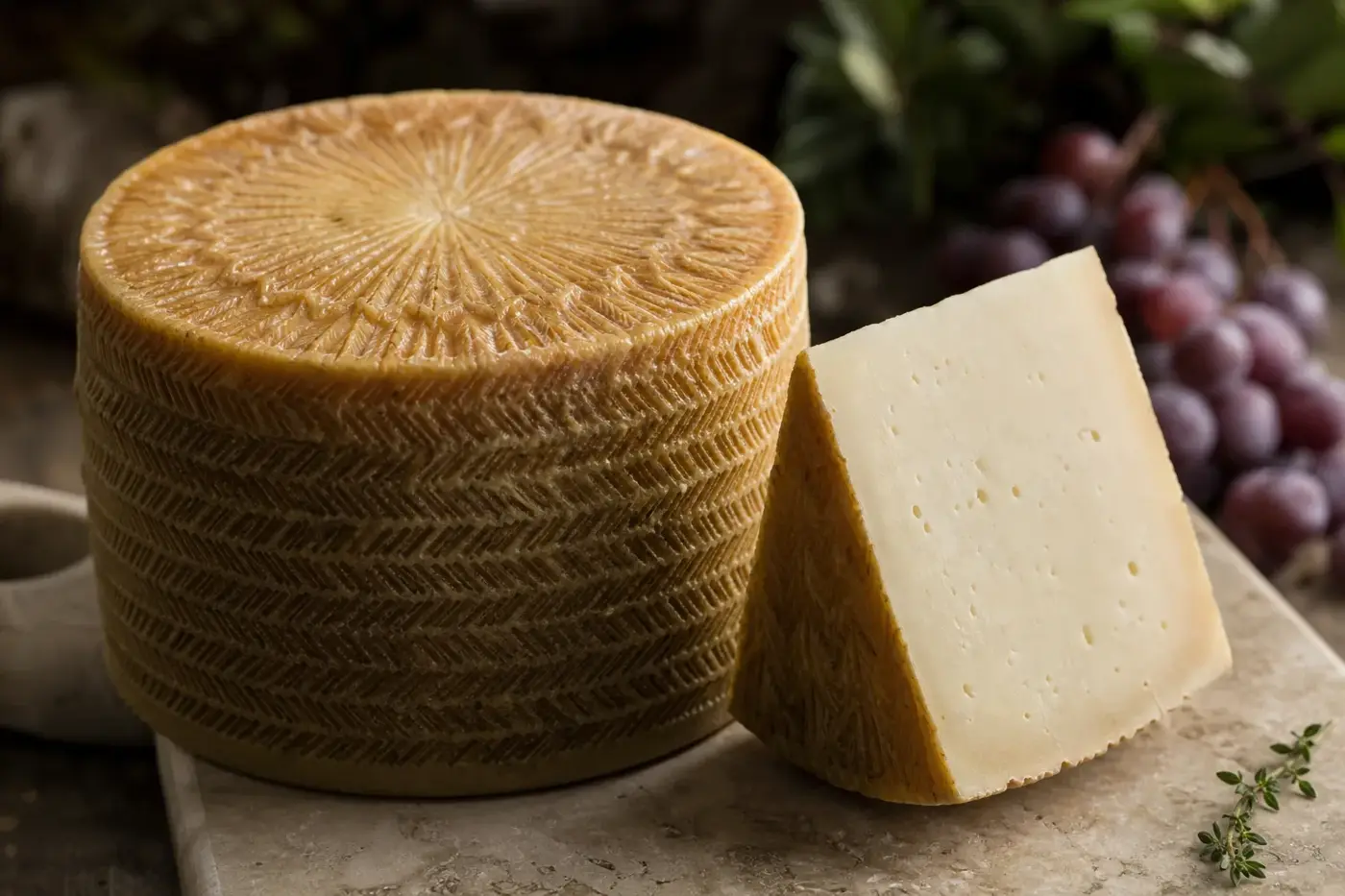
Before your knife meets Queso Camerano, let your eyes follow its woven basket pattern.
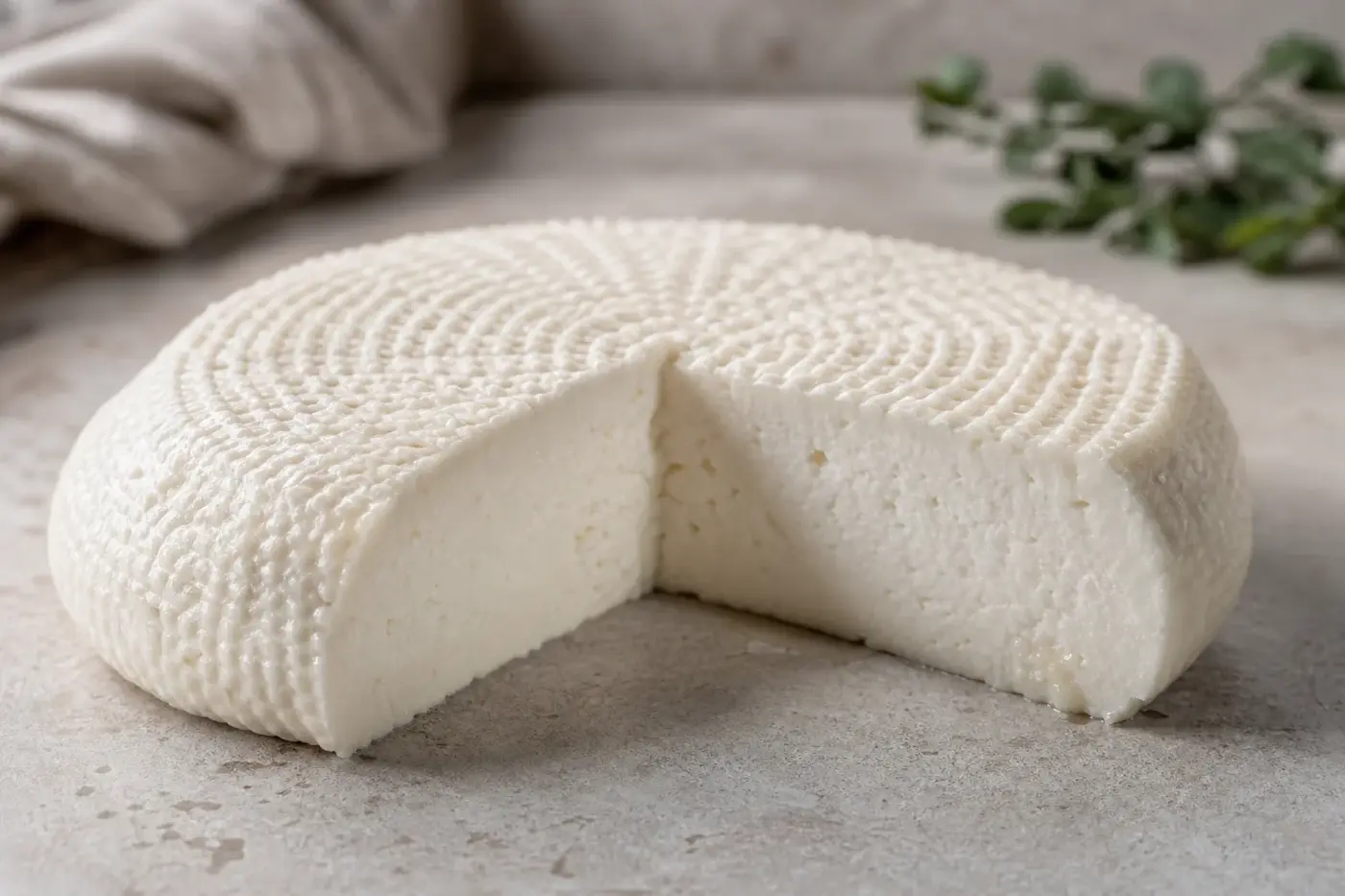
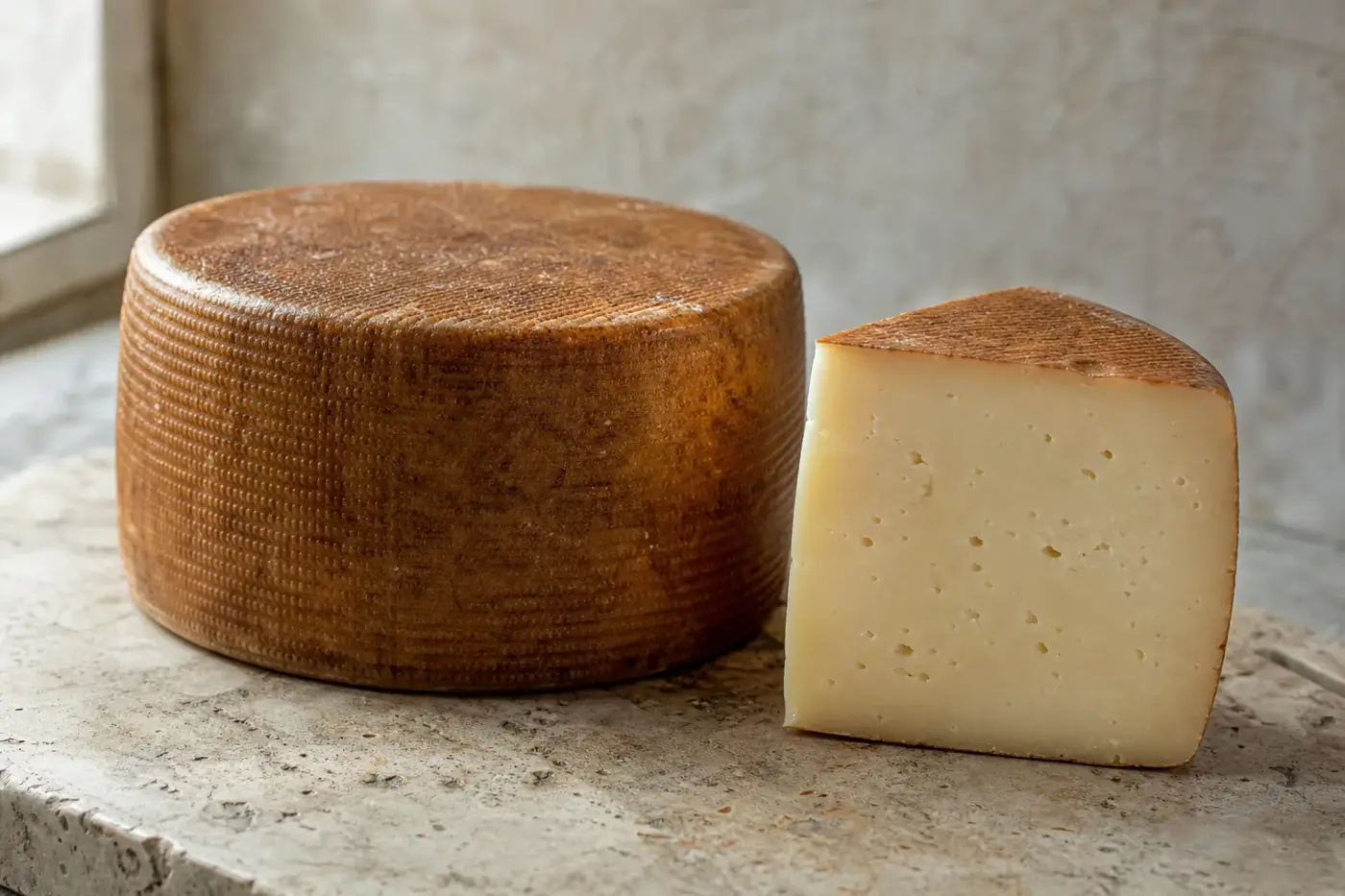
Before your knife meets Queso Camerano, let your eyes follow its woven basket pattern. It recalls the cillas in which goat keepers in the Cameros mountains of La Rioja once made their cheese. This Spanish goat’s milk cheese comes in four forms, from moist, rindless fresco to firmer, more developed curado. Each carries that signature, rather like a family resemblance you can spot across the cheese board. [3, 4]
Your first taste of Queso Camerano
| What you might ask | What to know |
|---|---|
| Familiar and registered name | Queso Camerano. [1, 2] |
| EU record | European Commission, eAmbrosia ID EUGI00000014020; consult the record for current status and operative legislation. [1] |
| Great Britain | Registered PDO; GB scheme registration 31 December 2020 at 23:00; November 2026 reference. [2] |
| Milk | Goat’s milk; raw or pasteurised according to form, as discussed below. [4] |
| Coagulant | Natural goat rennet. [3] |
| Where it comes from | Delimited municipalities in La Rioja, Spain. [3, 5] |
| The four forms | Fresco, tierno, semicurado and curado. [4] |
| Ageing beyond the minimum | Ask about the actual age when choosing. |
Follow the basket mark into the mountains
That cilla impression brings you close to the working lives of the cheesemakers. The specification describes goat keepers making cheese in wicker baskets as their herds moved between mountain and valley pastures. Those journeys helped carry cheesemaking beyond the Cameros mountains into other parts of La Rioja. [3]
Today, food-grade plastic moulds reproduce the woven impression of that old tool. The governing specification connects the mould with another defining feature: gravity drainage. The cheese compacts under its own weight, without mechanical pressing. [3]
Give the basket mark a moment before you cut. It tells you something about both the mountain history and the making of your cheese. Inside, the texture reveals which of the four forms has reached your board.
A La Rioja home, from milk to maturation
Queso Camerano’s protected home stretches beyond the Cameros mountains. It covers the listed municipalities of Rioja Alta, Sierra Rioja Alta, Sierra Rioja Media and Sierra de Rioja Baja, plus specified municipalities in Rioja Media and Rioja Baja. Milk production, cheesemaking and maturation all take place within this delimited area. [3, 5]
In Rioja Media, those additional municipalities are Daroca, Lagunilla de Jubera, Logroño, Ocón, Santa Engracia and Villamediana de Iregua. In Rioja Baja, they are Aguilar del Río Alhama, Arnedo, Autol, Bergasa, Bergasillas, Cervera del Río Alhama, Grávalos, Herce, Igea, Pradejón, Quel, Santa Eulalia Bajera, Tudelilla and Villarroya. [5]
The rules follow your cheese from milk to storage. Milk must come from registered goat holdings within the area; cheesemaking, maturation and conservation must happen in registered premises there. That gives you more than a dairy address. The guide to protected names explains the difference between a regional association and a registered name. [3, 5]
Meet the goats that make Camerano possible
Serrana, Murciana-Granadina, Malagueña and Alpina goats, along with their crosses, are the permitted breeds. The specification links their feeding to local grazing and agricultural by-products. Daily grazing is required when the weather permits, with an exception during kidding. [3]
For the milk treatments permitted in each form, consult the operative specification. If the terminology leaves you hesitating, the guide to milk treatments will help.
Natural animal rennet of goat origin turns the liquid milk into curd. If you choose cheese by production method or dietary preference, this detail matters. Find out how animal and other coagulants differ in rennet explained. [3]
Watch four cheeses take different paths
The four forms begin to diverge while they are still in the vat. After coagulation, the curd is cut into small grains and the liquid whey drains away. Fresco and tierno receive light working; semicurado and curado get more intensive working. Curd washing is optional, as is modest reheating for the two more mature forms. [3, 5]
Once in their moulds, the cheeses drain under their own weight, without mechanical pressing, before salting by immersion in brine. Fresco finishes without maturation. The others are turned and cleaned as they ripen. For cheeses matured for at least 30 days, the specification permits rubbing with olive oil to control surface mould growth. [3]
Find your favourite, from fresco to curado
Start with the name when you choose. Each form has its own maturation requirement and texture, but the periods below are minimums, not the cheese’s actual age. Ask your cheesemonger how old it is, especially when comparing cheeses within a category. [3, 4]
| Your choice | Minimum maturation | The texture waiting inside |
|---|---|---|
| Fresco | No minimum maturation | Very moist, soft and rindless |
| Tierno | 15 days | Soft to firm |
| Semicurado | 30 days | Firm, with few or no eyes |
| Curado | 75 days | Firm and hard, with few or no eyes |
For milk treatment by form, consult the operative specification. These Queso Camerano PDO categories draw on the Spanish specification and managing association, with November 2026 as the reference date. [3, 4, 6]
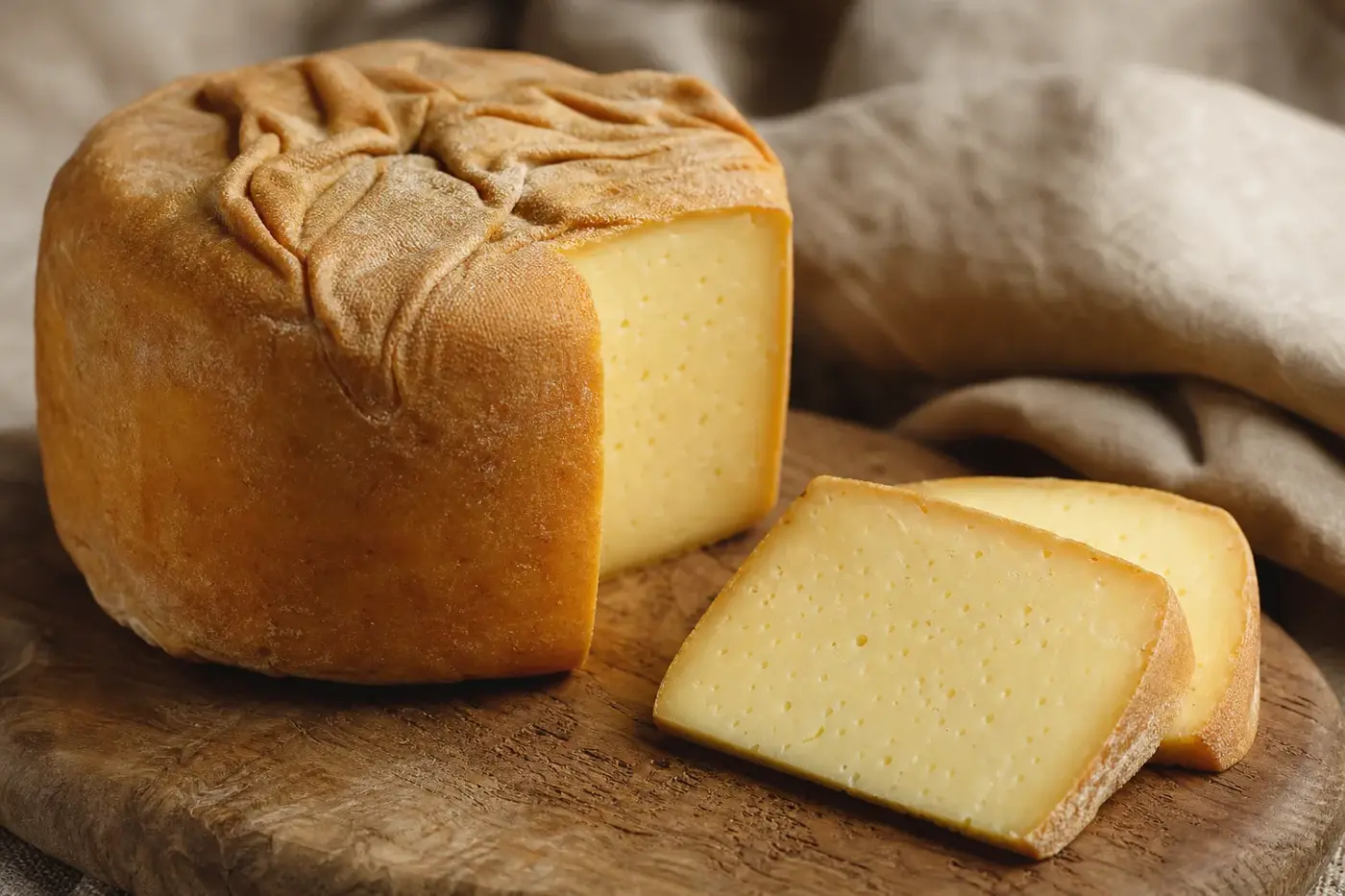
All four are flattened cylinders with basket impressions, though their sizes vary. The detailed physical descriptions give fresco a weight of 200 to 800 g; the others range from 200 to 1,200 g, with variable dimensions. Fresh cheese has practically no rind. The older forms develop a more distinct exterior. [5, 6]
Taste your way from sweet curd to peppery curado
Bright white, moist and soft, fresco makes a gentle entrance. The agriculture ministry’s cheese catalogue describes a gently sweet taste and faint goat’s milk aroma. Choose it when you fancy delicate fresh curd rather than the firmer bite of an aged cheese. [6]
Tierno shifts the balance. The same catalogue records mild acidity, aromas of lightly acidified curd and cut grass, and a firmer centre beside a softer outer area. Semicurado and curado become drier and more granular, with lightly bitter notes. In curado, the peppery sensation is more noticeable. [6]
Give the whole cheese your attention as you taste. Notice the developing rind, the texture of the paste, the bite and the aroma. Strength alone is a rather narrow job description for a cheese.
Make room for Camerano at your table
Choose your form first, then read the producer’s label for milk treatment, storage directions and the date. The specification provides numbered designation labels or seals for traceability. Look for the registered name alongside the designation identification. Keep the packaging if you might want another cheese from the same producer. [3]
Let texture guide what you put alongside it. Try fresco with sliced ripe tomatoes and bread, or pear and a little honey, keeping everything separate at first so you can taste the curd alone. Tierno suits small wedges with apples or a simple lunch of bread and cheese.
For semicurado, try thinner wedges with roasted peppers or unsalted almonds. Start curado in smaller pieces with plain bread, then add a little quince paste if you like a sweet contrast. Your accompaniments should complement the cheese, not audition for the leading role.
For a tasting, arrange the forms from fresco through to curado, with water or an unsweetened herbal infusion. Cut a small piece of each and notice the knife’s passage, the feel of the paste and the length of the finish. Then return to the youngest cheese after the oldest. That second taste can make the contrasting textures easier to describe.
In the kitchen, finish a tomato salad with fresco or tuck small pieces of tierno into a vegetable sandwich. Serve semicurado with roasted vegetables, or shave curado over cooked lentils or roasted squash. Start with a little. Taste the whole dish before deciding whether it needs more cheese or salt.
Give your Camerano the right fridge care
Keep your fridge at 5 °C or below and follow the packaging’s storage instructions. This is the Food Standards Agency’s household guidance for England, Wales and Northern Ireland. During preparation, keep chilled food out of the fridge for the shortest possible time. [7]
Follow the directions for the particular form you bought, including instructions after opening. For a tasting, put out only the portions you need and leave the rest refrigerated. You will find more practical advice in storing cheese at home. [7]
Meet Camerano’s fellow Spanish goat’s cheeses
La Rioja origin, the cilla impression and four recognised forms give you a useful way to recognise Queso Camerano. Together, they distinguish it within Spain’s varied goat’s cheese traditions. They also offer you a clear starting point when choosing. [4, 5]
For comparison, Queso Ibores comes from the south-eastern part of Cáceres in Extremadura and uses raw goat’s milk. Mercasa’s industry reference identifies Serrana, Verata and Retinta goats and their crosses, noting traditional paprika-treated or oiled exteriors. Queso de Murcia al vino takes you in another direction: Murcia, and cheese bathed in red wine. [6, 9]
Begin with the texture and rind you fancy, then check the individual label. Even within Camerano, your choice makes a difference. Fresh cheese and curado answer quite different needs on the same table. [4, 5]
General information only, not medical advice: follow the official guidance where you live.
Questions people ask
Where is Queso Camerano made?
It is made in a delimited area of La Rioja, Spain, extending beyond the Cameros mountains. Milk production, cheesemaking and maturation all take place within this area.
What are the four forms of Queso Camerano?
Fresco has no minimum maturation, while tierno matures for at least 15 days. Semicurado matures for at least 30 days and curado for at least 75 days.
Is Queso Camerano pasteurised and suitable for vegetarians?
Queso Camerano is set with natural goat rennet. Milk treatment for each form has not been verified, so check the producer’s label.
What does Queso Camerano taste like?
Fresco has a gently sweet taste and a faint goat’s milk aroma, while tierno has mild acidity and aromas recalling cut grass. Semicurado and curado have lightly bitter notes, with a more noticeable peppery sensation in curado.
How should I store Queso Camerano?
The Food Standards Agency advises keeping the fridge at 5 °C or below and following the packaging’s storage instructions in England, Wales and Northern Ireland. See its household guidance and follow any instructions for the particular cheese after opening.
Sources
- Ministerio de Agricultura, Pesca y Alimentación, DOP/IGP: Queso Camerano, undated current listing, accessed November 2026. The ministry identifies a specification as in force from 4 December 2012 and refers to European Commission eAmbrosia record EUGI00000014020. The source URLs and current register status are not verified.
- Department for Environment, Food & Rural Affairs, Queso Camerano, GB protected food names register, published 4 January 2021, accessed November 2026.
- Ministerio de Agricultura, Pesca y Alimentación, Pliego de condiciones de la Denominación de Origen Protegida “Queso Camerano”, specification identified by the ministry as in force from 4 December 2012, accessed November 2026. Sections B, C, D, E, F and H.
- Asociación Profesional para el Desarrollo del Queso Camerano, Queso Camerano: características, undated, retrieved November 2026. Association account of milk treatments and minimum maturation periods.
- Gobierno de La Rioja, Orden 12/2009, de 23 de marzo: Reglamento de la Denominación de Origen Protegida “Queso Camerano”, 2009, accessed November 2026. Historical regional regulation, used for corroborating geographical and descriptive details, not where superseded by the ministry’s specification.
- Ministerio de Agricultura, Pesca y Alimentación, Alimentos de España, Catálogo electrónico de quesos de España, undated edition retrieved November 2026. Entries for Queso Camerano and Queso de Murcia al vino.
- Food Standards Agency, How to chill, freeze and defrost food safely, published 18 December 2017, current page accessed November 2026. Applies to England, Northern Ireland and Wales.
- Asociación Profesional para el Desarrollo del Queso Camerano, Semicurado, undated, retrieved November 2026. Association description of rind, paste and texture.
- Mercasa, Alimentación en España: Quesos, current online edition retrieved November 2026. Industry reference, Queso Ibores entry.
This desk-researched article compares the ministry’s specification, official register material, regional records and attributed sensory descriptions; serving combinations are editorial suggestions.
Last checked: November 2026
Last checked November 2026.
The editors suggest you read next