Saint-Paulin
Picture the cellars at Port du Salut, enlarged from 1850 as the monks made more room for cheesemaking.
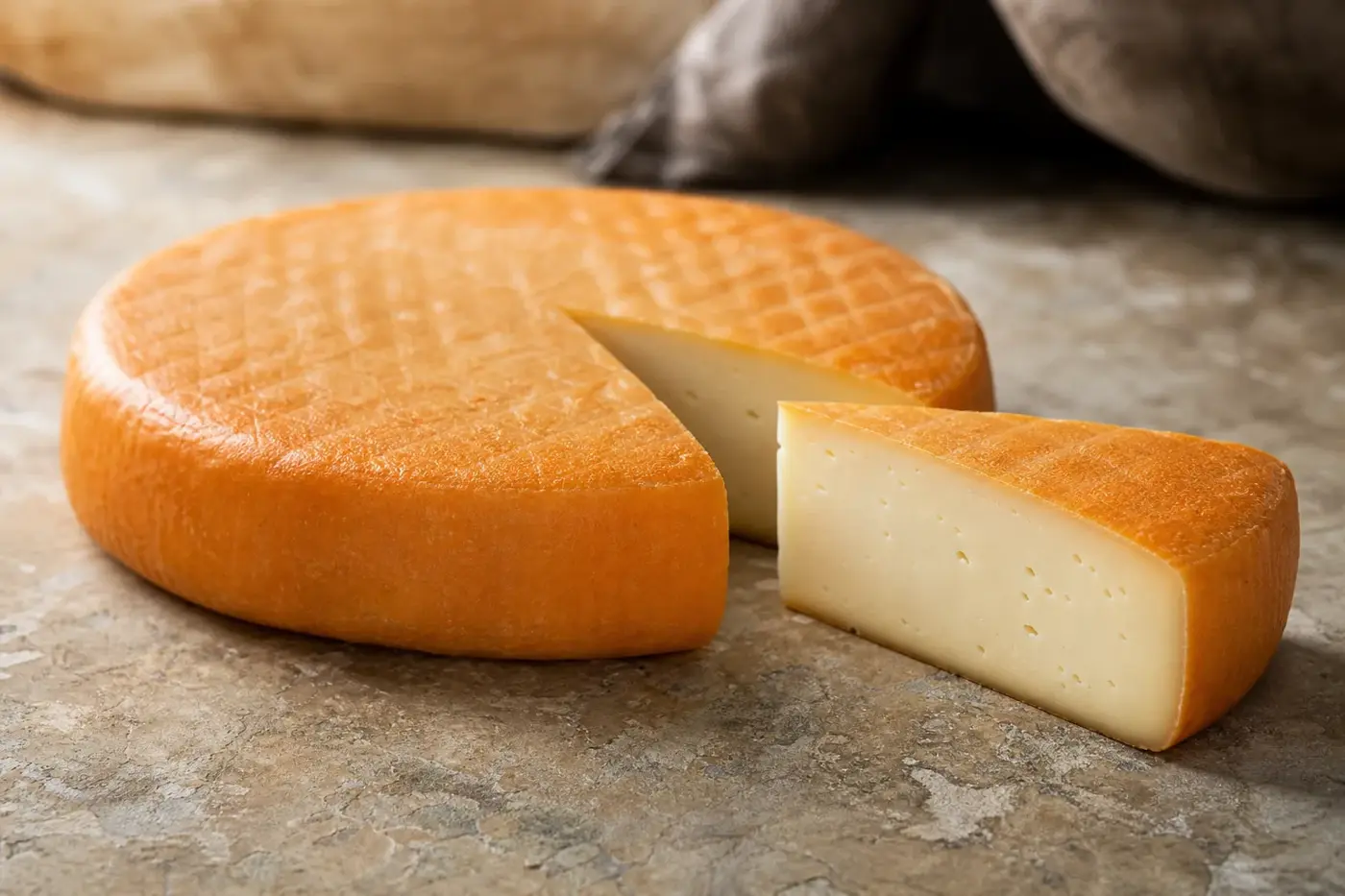
Picture the cellars at Port du Salut, enlarged from 1850 as the monks made more room for cheesemaking. Milk arrived from a growing herd and neighbouring farms, and cheese gave it a future. Saint-Paulin belongs to that French monastic tradition, though today its name describes a style: pale, flexible and pressed. The orange exterior is not a reliable guide to what lies beneath. [1][2][3]
| What to know | The detail |
|---|---|
| Name on the label | Saint-Paulin, also written Saint Paulin. [1][2] |
| Cheese style | Pressed, uncooked, semi-firm cheese. [1] |
| Milk under the French standard | Cow’s milk. [1] |
| French standard | Décret n° 2007-628, annex, Saint-paulin entry. [1] |
| French legal minimum ageing | Not specified in the Saint-paulin entry. [1] |
| What the rind can look like | Dry or slightly moist, with or without a coating. [3] |
Follow the milk through the abbey doors
At Port du Salut, cheese began with a practical problem: what to do with the milk from an expanding herd. Making cheese meant using that milk and conserving it. The abbey’s account records larger cheesemaking premises and suitable new cellars from 1850, with neighbouring farms supplying milk too. Before the famous names came the daily business of making, maturing and distributing cheese. [2]
Then the cheese reached Paris in 1873, according to the abbey. The Port du Salut name was registered as a mark in 1874, while the same account describes Saint Paulin as the name used for imitations. One name belonged to the abbey’s commercial cheese. The other travelled with a recognisable style that other cheesemakers could make. [2]
You will spot another date in Port Salut’s brand history: 1816, when it says the cheese was created. That is the brand’s story, not a birthday for every Saint-Paulin on the counter. What connects them is a monastic cheesemaking tradition and the style’s later spread, not a promise that today’s wheels come from an abbey. [5]
Look for a slice with a little give
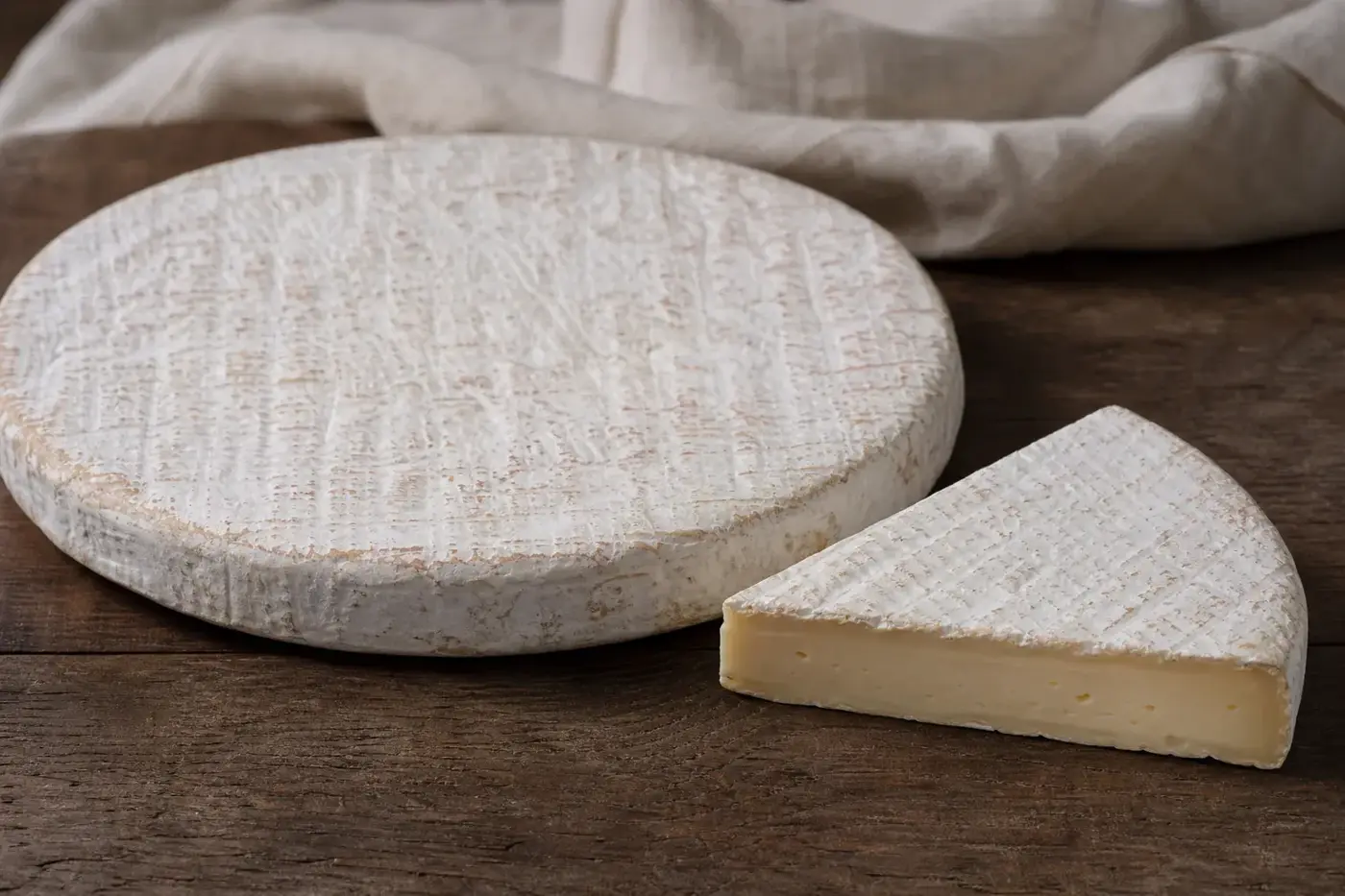
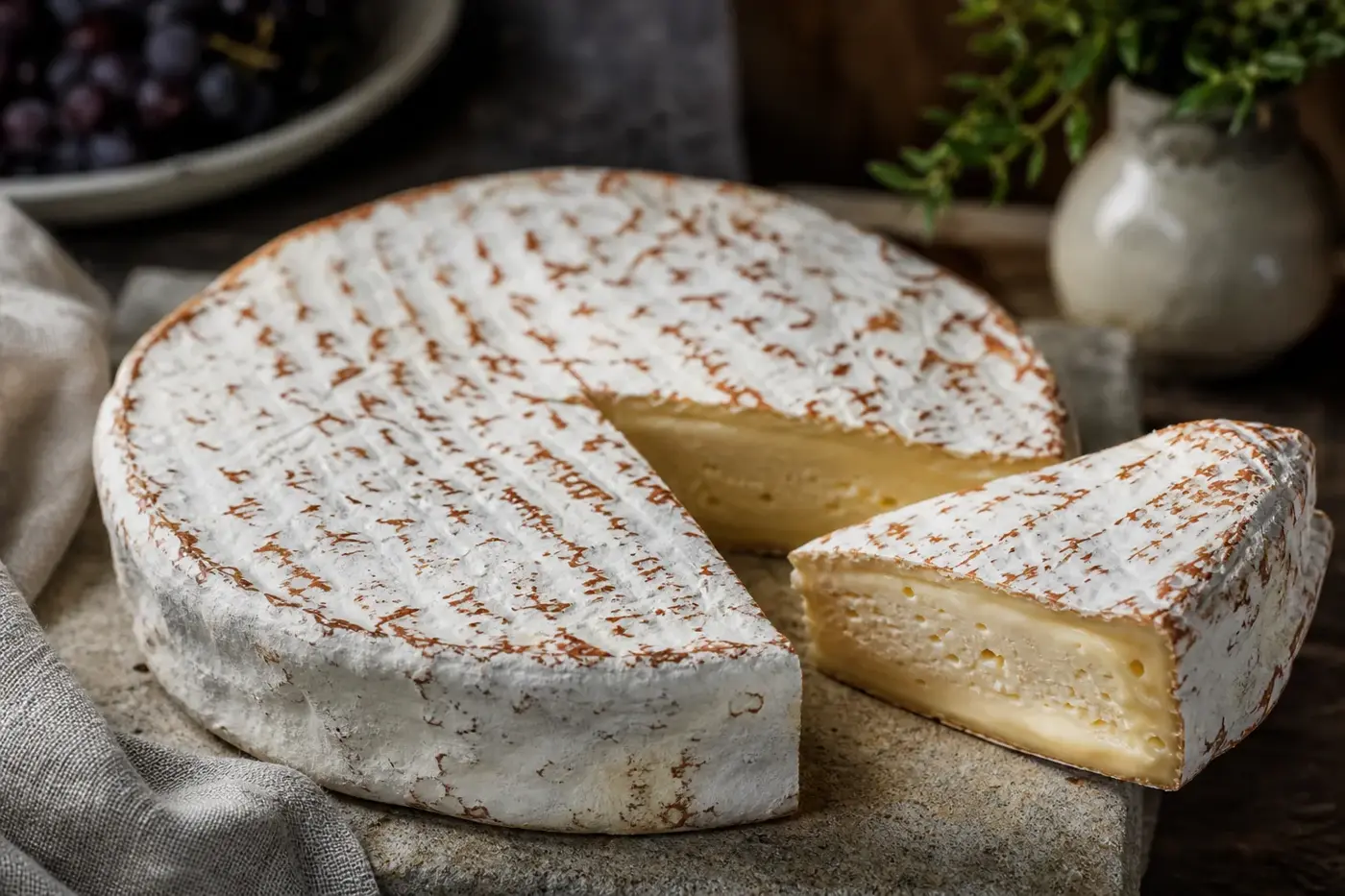
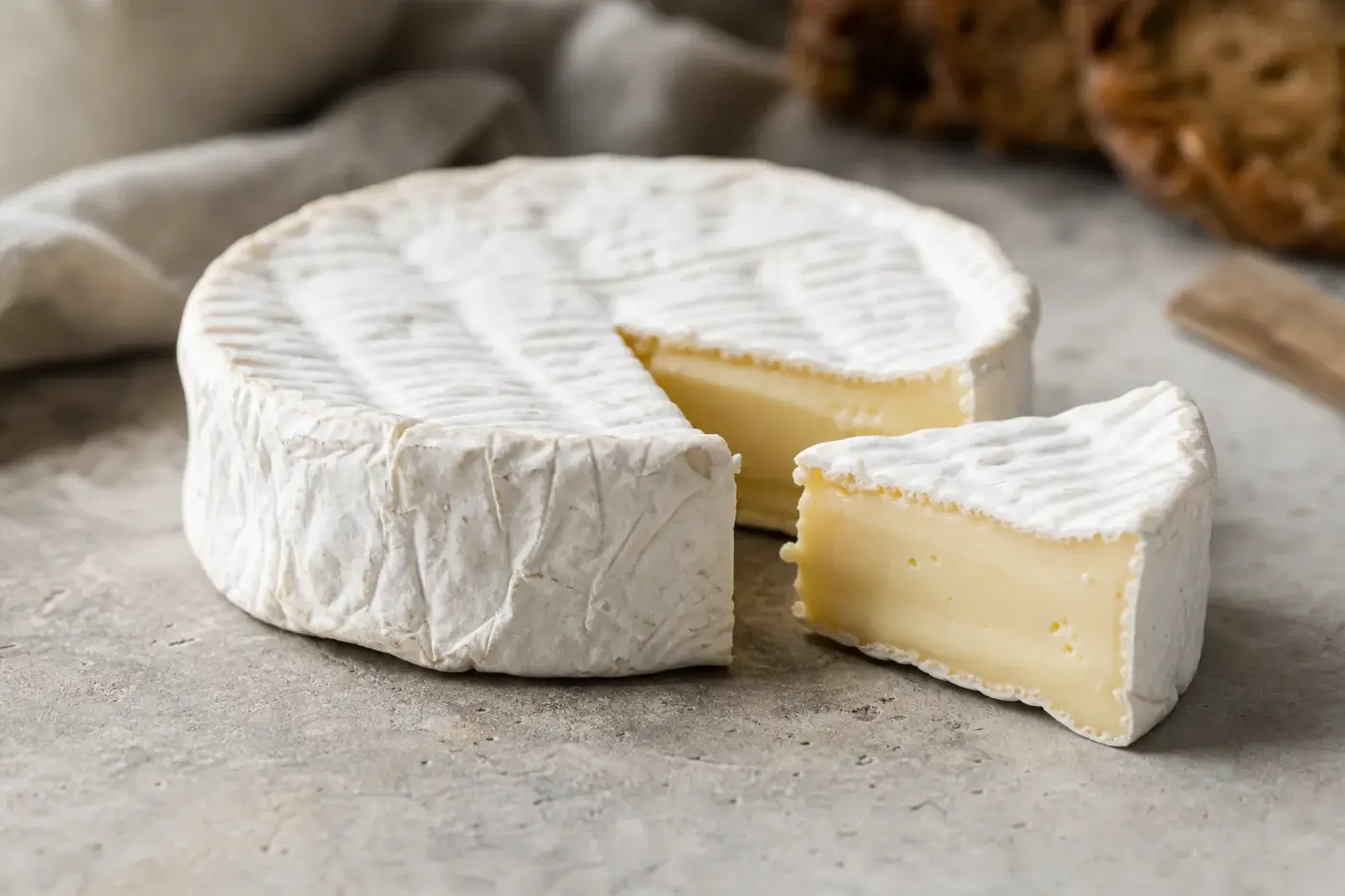
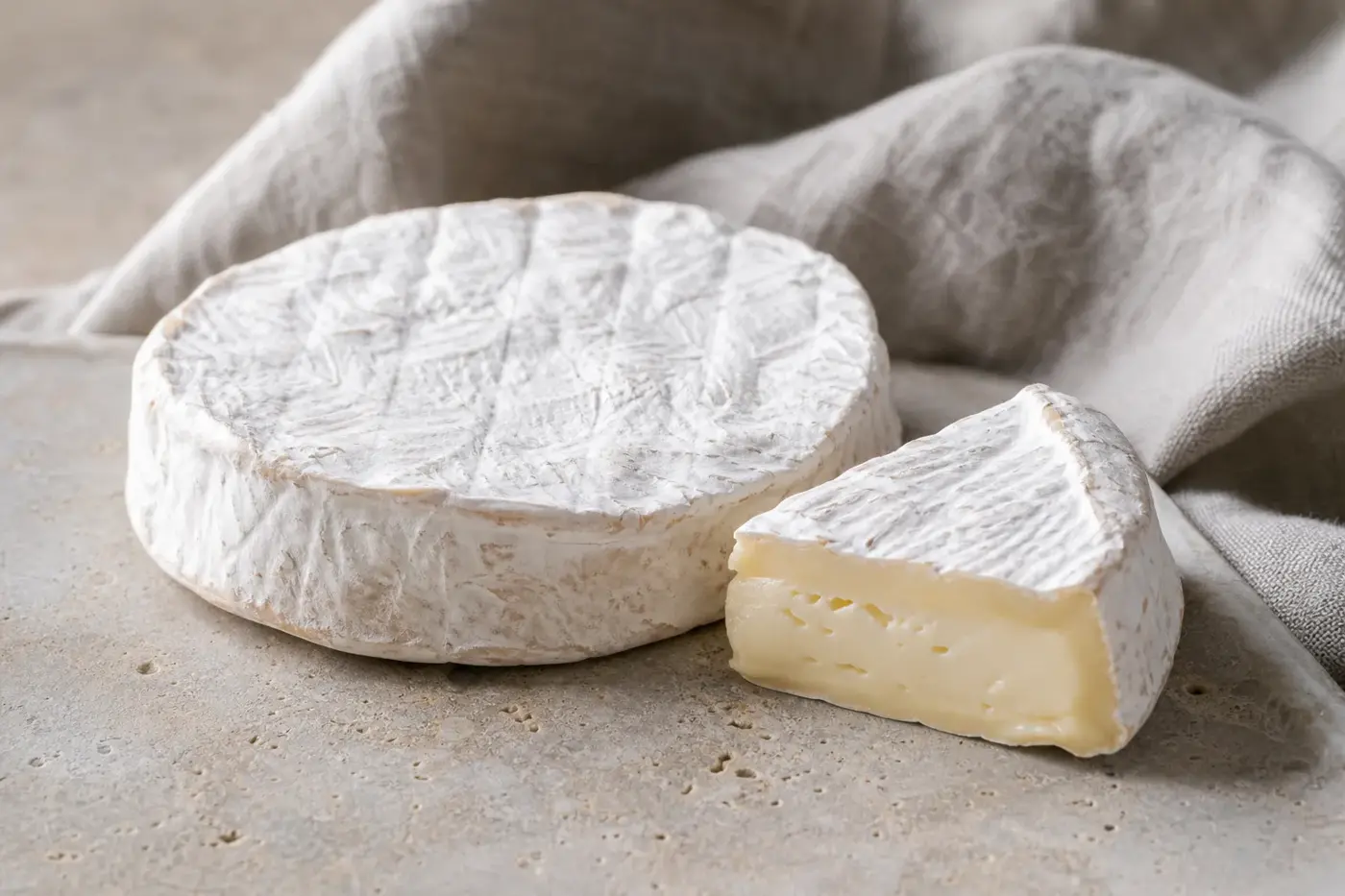
Saint-Paulin comes as a flat wheel, with French law specifying 20 centimetres across and 4 to 7 centimetres high. Inside, its colour can range from near white or ivory to yellow. Codex, the international food standards body, describes a texture that is firm but flexible. [1][3]
At the counter, ask for a slice that bends rather than crumbles. If mild and buttery is what you fancy, say so, then ask about that maker’s version. Maturity matters: Codex links ripening to the development of flavour and body. A wheel’s age and condition tell you more than its name alone. [3]
Meet the dairy behind your slice
Look to Normandy for one example of Saint-Paulin production today. Isigny Sainte-Mère lists it among the cheeses it makes, alongside several quite different styles. That range is a useful nudge: look for the dairy’s name rather than imagining Saint-Paulin as the cheese of one village. Ask where it was made, not just where the seller is based. [4]
The style leaves producers room to make choices. France’s description establishes a pressed, uncooked cheese, while Codex allows different cultures, coagulating enzymes and rind presentations. Ask about milk treatment, coagulant, surface treatment and intended maturity. Those details bring the dairy’s interpretation into focus. [1][3]
See how milk becomes a pressed wheel
The defining move is pressing without cooking the curd. France’s Saint-paulin standard specifies cow’s milk and a lightly salted, semi-firm cheese. If curd and whey sound like cheesemaking shorthand, here is the distinction: curd is the solid material formed when milk sets. Whey is the liquid separated from it. [1]
Rennet is a milk-setting enzyme preparation. Codex permits rennet or other suitable coagulating enzymes alongside starter cultures, giving producers choices within the style. [3]
The broad sequence is straightforward: set the milk, separate curd and whey, shape and press, salt, then mature. Remember that pressing when you compare Saint-Paulin with softer cheeses from monastic traditions. You can follow the stages in how cheese is made, or turn to the dairy’s technical sheet for the choices behind a particular wheel. [1][3]
Codex describes ripening normally from one week at 10 to 17 °C, while allowing alternative conditions that produce comparable characteristics. Treat that as an international reference, not a French statutory minimum. It does not tell you how long an individual producer matures its cheese. [3]
Give Saint-Paulin and Port Salut their own names
Similar looks do not make the names interchangeable. Saint-paulin is a standardised cheese designation with its own entry in France’s cheese decree. Port Salut has a separate brand history, and the abbey records transferring its mark in 1959. Read the names distinctly on a label, even when the cheeses look related or suit similar uses. [1][2][5]
An orange exterior tells you little about strength or structure. Isigny Sainte-Mère classifies Pont l’Évêque as a soft, washed-rind cheese; Saint-Paulin is pressed and uncooked. Munster belongs in this conversation about French regional cheeses too, with Ermitage listing it among its eastern French specialities. Ask about the aroma and texture of the actual cheese before you, rather than judging it by its coat. [1][4][9]
Ask a little more at the cheese counter
Start with the maker, the milk treatment and the condition of the cut piece. If the ticket gives you only a cheese name, ask to see the original product information. Then get specific: is this a younger, firmer cheese for slicing, or the maker’s more developed version for a cheeseboard? Your sandwich and your cheeseboard may have different ambitions.
If you need a vegetarian cheese, check the coagulant’s origin or look for a clear declaration for that product. Port Salut’s UK website says its wedge and slices are suitable for vegetarians, but another Saint-Paulin needs its own check. The guides to rennet and reading a cheese label help you ask the right questions. [6]
Find out what is on the rind
That golden or orange surface calls for a question, not a guess. Saint-Paulin may have a natural rind, a treated rind or a separate coating, and Codex allows different surface presentations. Ask what the outer layer is and whether the maker says to eat it before you put it on the plate. Colour alone cannot answer. [3]
Remove packaging and any covering that is not food before serving. Wax, plastic coatings and cloth are not food. If your counter-cut wedge has lost its original label, ask the seller to identify the product and its surface treatment, rather than simply naming a family of similar cheeses.
Keep it cool and serve a little at a time
Follow the pack’s refrigeration and after-opening instructions. The UK Food Standards Agency advises keeping a domestic fridge between 0 and 5 °C and refrigerating dairy products. Keep the original label, or photograph it, so dates and batch details stay with your counter-cut piece. For different formats, see how to store cheese at home. [8]
Put out a modest portion rather than your whole supply, and let your preference for firmness guide how you serve it. The FSA’s UK consumer guidance says chilled food should stay out for the shortest possible time, with four hours as the maximum. Return the unused supply promptly to the fridge and follow any stricter product instructions. [8]
Let bread, fruit and a drink join the plate
Start with plain bread and a slice of cheese, before inviting other flavours in. A crusty baguette gives you contrast, while fresh pear or apple brings fruit to the plate. Keep chutney or mustard separate and add a little at a time. You want to taste the cheese, not conduct a search for it.
For an alcohol-free pairing, try sparkling water or unsweetened apple juice. Adults of legal drinking age who choose alcohol could try a small serving of dry cider or a light white wine. These are suggestions, not rules. Compare a mouthful with and without the drink, and follow your preference.
Put a few slices to work in the kitchen
For a sandwich, start with thin slices, good bread and something crisp, such as cucumber or apple. Go gently with the mustard, then taste before adding more. If you fancy something warm, try a little cheese over cooked potatoes or in a toasted sandwich. See how that particular cheese behaves before committing it to a larger dish.
These are serving ideas, not a tested recipe. With cooked leftovers, follow the FSA’s UK guidance: cool and refrigerate within one to two hours, then eat within 48 hours or freeze. Follow the full recipe’s handling instructions as well as the cheese pack’s directions. [8]
This page summarises published guidance from the official sources it cites. It is not medical advice. Guidance differs between countries and changes over time, so check the current source for where you live, and ask your doctor, midwife, pharmacist or dietitian about your own circumstances.
Keep the label handy for pregnancy advice and recalls
During pregnancy, look at both milk treatment and cheese type. The NHS’s UK guidance, dated November 2026, includes pasteurised semi-hard cheeses among its permitted choices. It also says some hard cheeses made from unpasteurised milk can be eaten during pregnancy. [7]
Mould ripened soft cheeses with a white coating and soft blue cheeses should be avoided unless cooked until steaming hot. Read the NHS guidance for the full categories and exceptions, and ask your midwife if the product’s classification is unclear. The NHS advises avoiding alcohol during pregnancy. [7]
Before eating, compare current recall notices with your cheese’s maker, product, batch and date. France’s RappelConso published a Saint Paulin recall in June 2023 concerning a specified raw-milk product and lot. Those details matter: the notice concerned that batch, not the whole style. Consult current official alerts where you live, with the product label beside you. [10]
Questions people ask
What kind of cheese is Saint Paulin?
Saint Paulin is a pressed, uncooked, semi firm cheese made from cow’s milk under the French standard. Its interior ranges from near white or ivory to yellow and is firm but flexible.
Is Saint Paulin the same as Port Salut?
Saint Paulin is a standardised cheese designation, while Port Salut has a separate brand history. The abbey describes Saint Paulin as the name used for imitations of its cheese.
Can you eat the rind of Saint Paulin?
Saint Paulin may have a natural rind, a treated rind or a separate coating. Ask what the surface is and whether the maker says to eat it; wax, plastic coatings and cloth are not food.
Is Saint Paulin suitable for vegetarians?
Check the origin of the coagulant or look for a clear declaration for the particular product. Port Salut’s UK website says its wedge and slices are suitable for vegetarians, but another Saint Paulin needs its own check.
Can you eat Saint Paulin during pregnancy?
The NHS includes pasteurised semi hard cheeses among its permitted choices during pregnancy. Check the NHS guidance on foods to avoid in pregnancy at nhs.uk for the full categories and exceptions, and ask your midwife if the product’s classification is unclear.
Sources
- République française, Décret n° 2007-628 du 27 avril 2007 relatif aux fromages et spécialités fromagères, consolidated text, annex amended by Décret n° 2013-1010, 2013. Saint-paulin, Petit saint-paulin and Mini saint-paulin entries; Article 25 on products legally made or marketed in other specified countries. Official text.
- Abbaye du Port du Salut, Et le fromage ?, undated institutional history. Abbey account.
- FAO and WHO, Codex Alimentarius, Codex Standard for Saint-Paulin, CODEX STAN 271-1968, revision 2007, amendments 2008, 2010 and 2013, retrieved edition. Sections 2 and 3. Standard.
- Isigny Sainte-Mère, Nos Fromages, undated current producer account, accessed November 2026. Producer’s range and classification.
- Port Salut UK, Port Salut: The same traditional recipe since 1816, undated brand history, accessed November 2026. Brand account.
- Port Salut UK, Your Questions Answered, undated product FAQ, accessed November 2026. Vegetarian suitability answer for the UK wedge and slices. Product FAQ.
- NHS, Foods to avoid in pregnancy, live guidance accessed November 2026. Official pregnancy guidance.
- Food Standards Agency, How to chill, freeze and defrost food safely, published 2017, live version accessed November 2026. Official consumer guidance.
- Ermitage, La gamme Fromages, undated producer account, accessed November 2026. Producer’s regional cheese classification.
- RappelConso, Fromage Pâte pressée au lait cru : petits formats 250 g, Saint Paulin, notice 2023-06-0284, version 1, published 27 June 2023. Batch-specific recall notice.
Researched through French legislation, the abbey’s institutional history, producer publications, the retrieved Codex standard and official UK food safety guidance.
Last checked: November 2026
Last checked November 2026.
The editors suggest you read next