Selles-sur-Cher
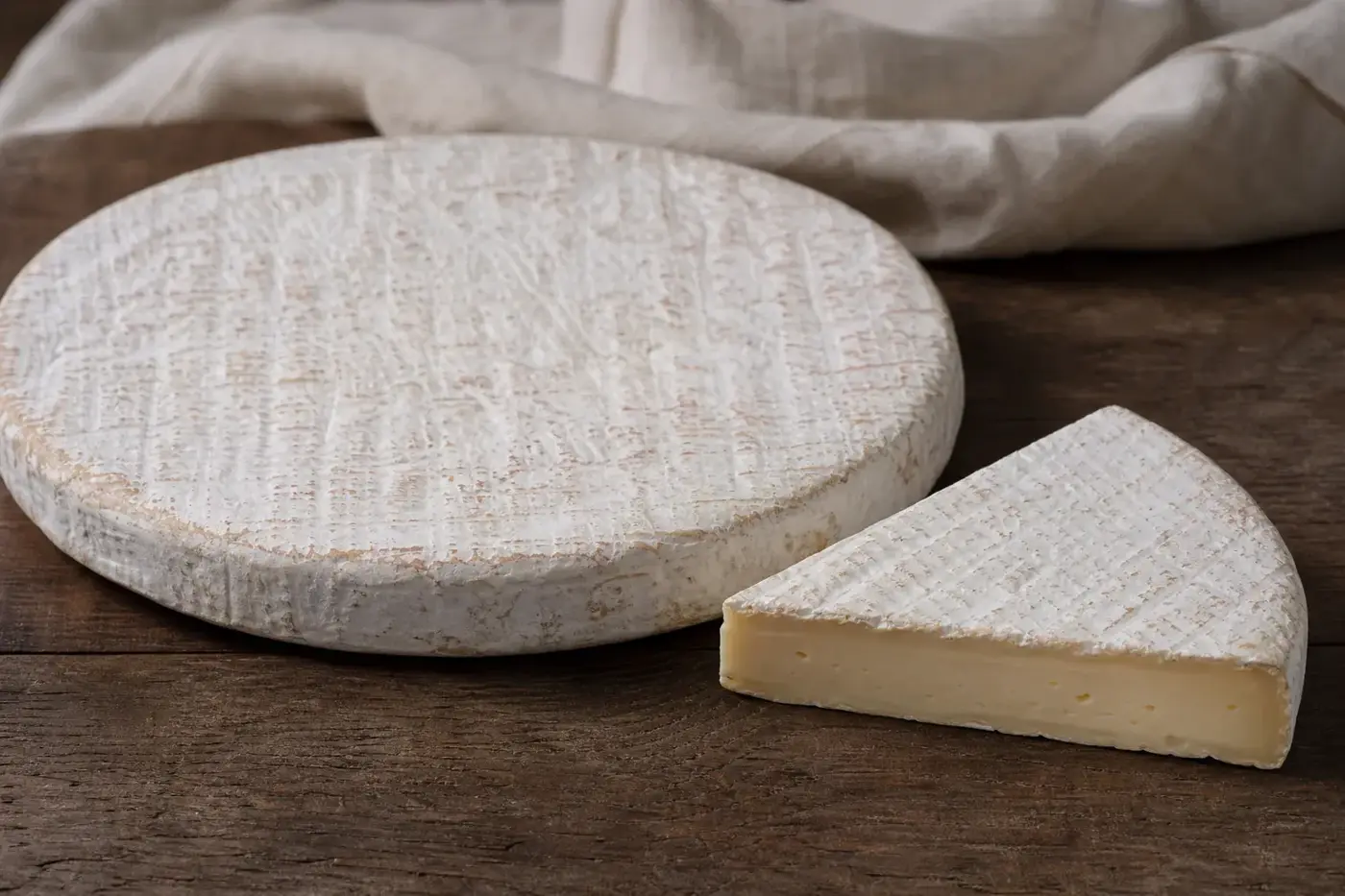
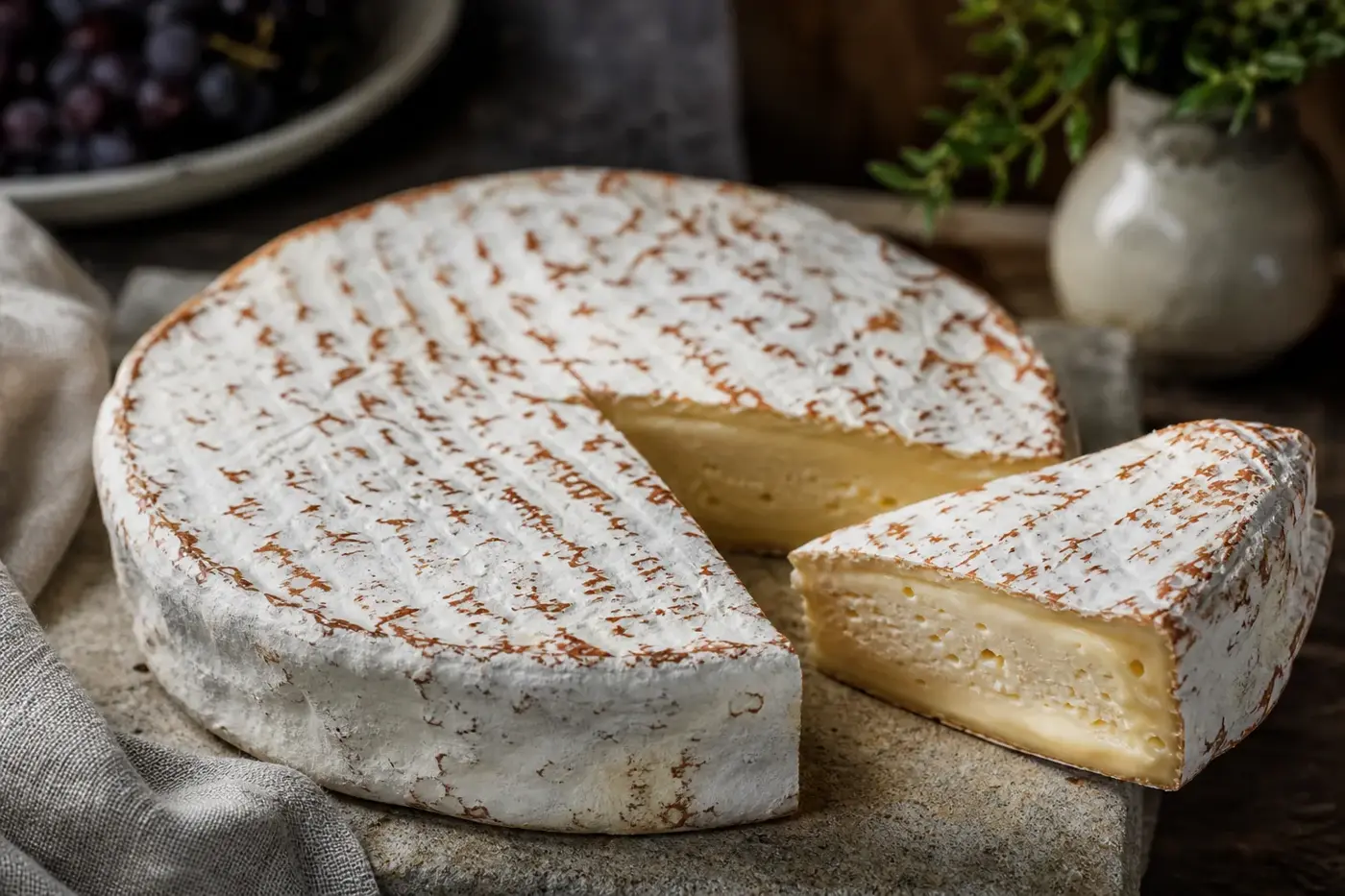
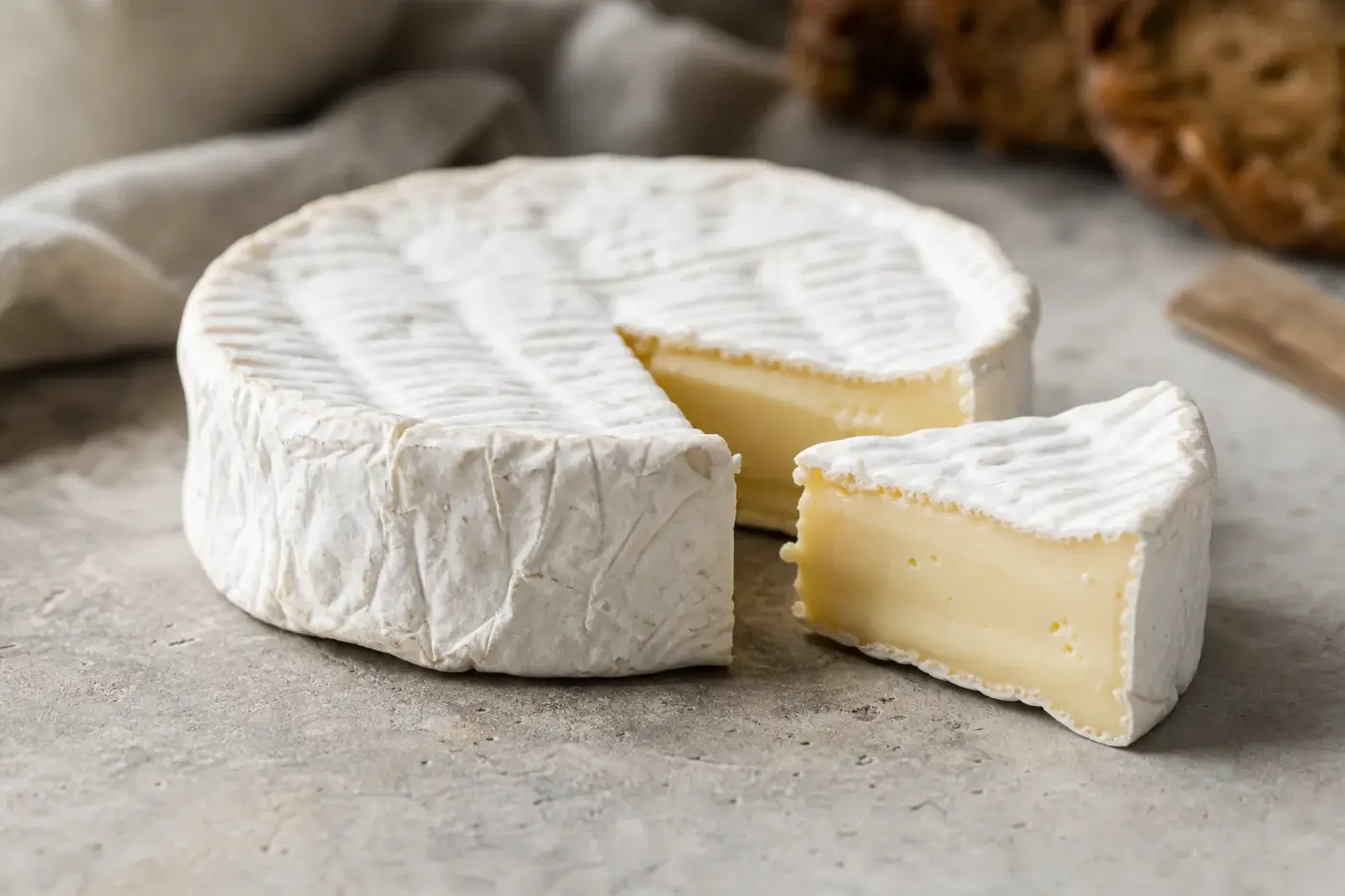
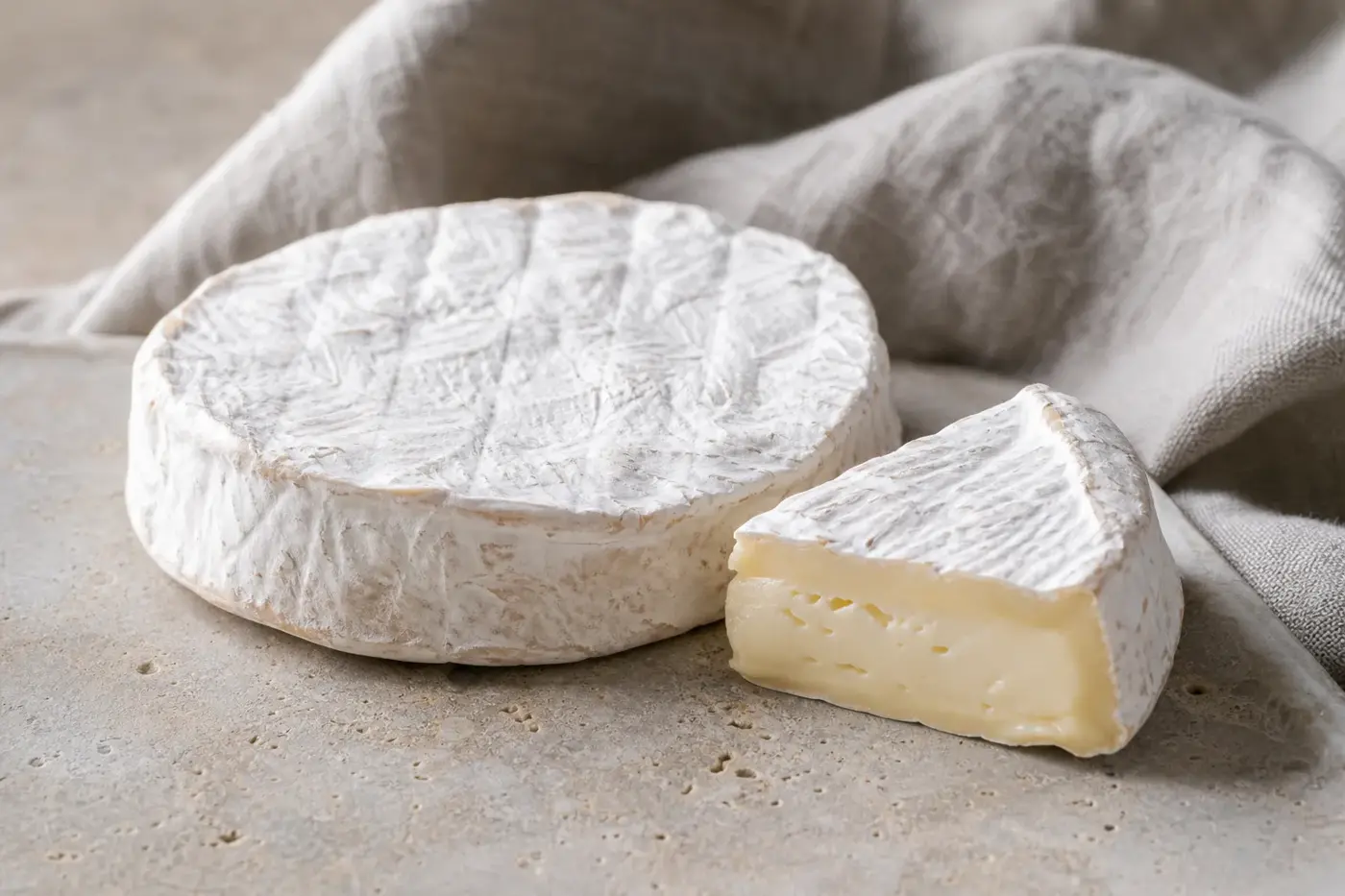
Cut through the charcoal-grey coat and a smooth white heart appears, framed by a narrow grey edge.
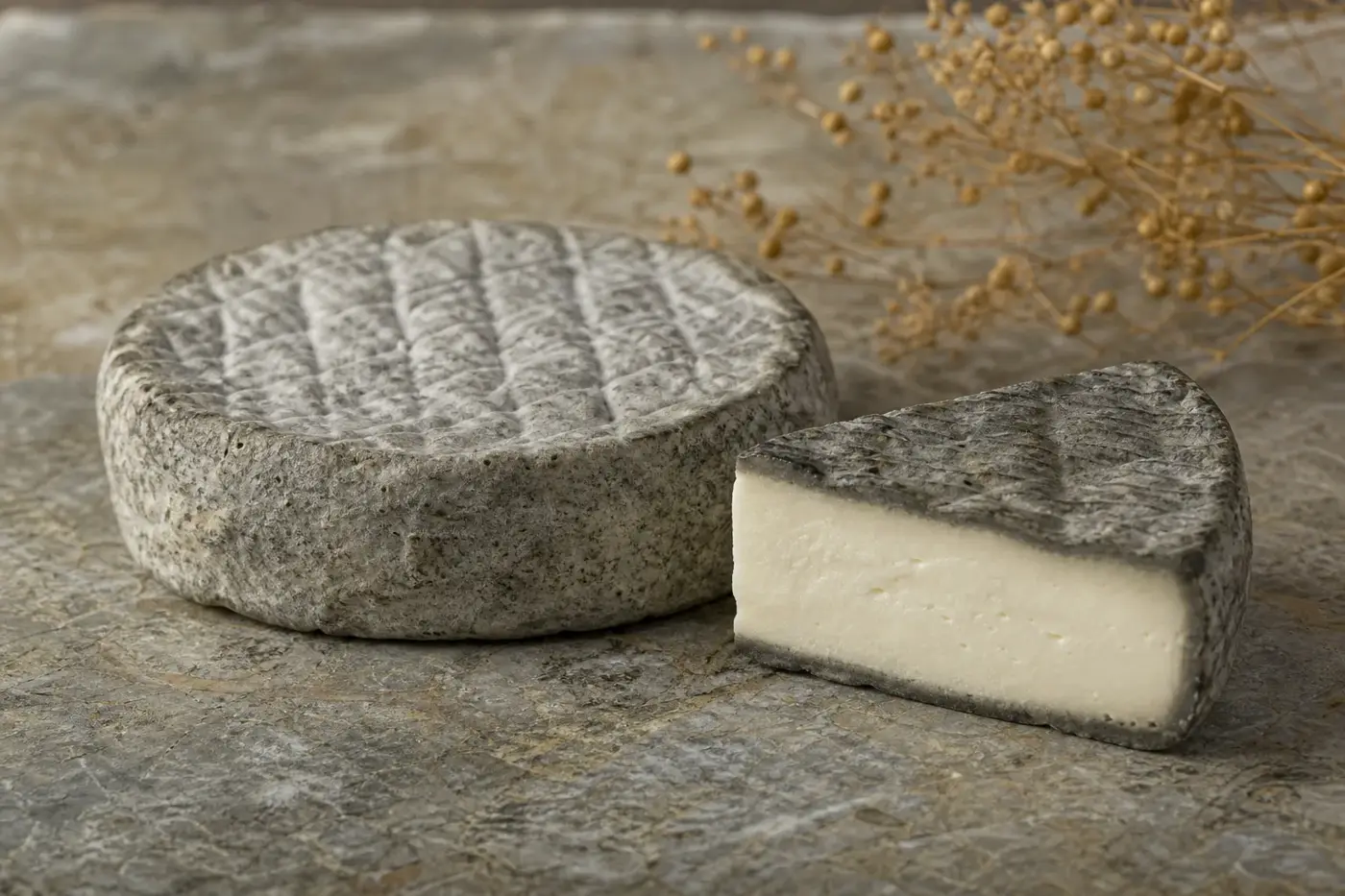
Cut through the charcoal-grey coat and a smooth white heart appears, framed by a narrow grey edge. This small, flattened goat’s cheese brings a little of France’s Loire region to your plate, with aromas the producers’ syndicate describes as goat’s milk and mushroom. Give it time and its texture and flavour shift, as the regional industry body records. There is more than one Selles-sur-Cher to get to know, which is a respectable excuse for another wedge. [2,4,6]
| What to know | The detail |
|---|---|
| Name to look for | Selles-sur-Cher. [1,3] |
| French recognition | Appellation of origin recognised in 1975, according to INAO. [2] |
| EU protection | Current register status: Unconfirmed. |
| Great Britain protection | Registered PDO; registered on 31 December 2020 at 23:00; register information dated November 2026. [3] |
| Registration bodies and identifier | France: INAO; EU: European Commission; Great Britain: Defra. EU register identifier: Unconfirmed. [1,3] |
| Where it must be made | Specified communes in Cher, Indre and Loir-et-Cher, France. [1] |
| Milk and setting ingredient | Whole, raw goat’s milk; a small quantity of rennet. [1] |
| Shape and size | Flattened disc, approximately 9 cm across and 3 cm thick; marketed weight of 150 g, according to the producers’ syndicate. [4] |
| Minimum maturation | Ten days from rennet addition, excluding specified cold transport and storage. [1] |
| That distinctive coat | Natural rind coated with vegetable charcoal. [4] |
Take a closer look at that grey border
Before your first bite, look at the shape. Selles-sur-Cher is not simply round: bevelled sides give it a shallow, slightly tapering profile. Within that narrow grey border, the smooth white paste is homogeneous, supple and yielding, according to the producers’ syndicate. It makes quite an entrance for such a small cheese. [4]
Cut small wedges rather than scooping out the centre. You will get paste and rind together, so you can discover their different characters and decide how much of each you enjoy. The syndicate recommends eating the rind as part of the cheese. [7]
Follow its roots into the Cher valley
Selles-sur-Cher comes from the meeting place of Touraine, Berry and Sologne. Picture the landscape INAO describes: a broad plateau crossed by the Cher valley, close to the Sologne forest. Goat keeping and hay production make use of its sandy and clay-sandy land. This is the countryside behind that familiar phrase, “Loire Valley goat’s cheese”. [2]
The town on the label is only part of the story. The protected territory takes in lists of communes across three departments. Milk production, cheesemaking and maturation must happen within those boundaries, as must curd freezing when that permitted practice is used. [1]
When you read Selles-sur-Cher, then, think beyond the town itself. The name belongs to a wider cheese-producing territory, with boundaries set in law.
What the protected name promises you
That grey coat is recognisable, but appearance is only part of the promise. Selles-sur-Cher is a protected designation of origin, or PDO in English and AOP in French. Its specification ties the name to a defined place, raw whole goat’s milk and a prescribed production method. Shape and ash are the parts you can see. [1,2]
French recognition came in 1975. Defra’s register records original European registration on 21 June 1996, followed by registration under the Great Britain scheme on 31 December 2020. These are separate milestones in separate systems. [2,3]
At the counter, look for the complete name, Selles-sur-Cher, and read the product information alongside it. An unlabelled grey disc cannot tell you enough by appearance alone. If you need to, ask the cheesemonger to show you the original label.
Want to untangle origin, maker and marketing language? The guides to protected cheese names and reading a cheese label explain the differences.
Patience makes that delicate centre
The making begins slowly. Acidification does most of the setting, in a process called predominantly lactic coagulation. A small addition of rennet, the enzyme preparation that helps milk coagulate, lends a hand. The specification allows 18 to 48 hours for the milk to set, below 25 °C. [1]
Then the curd needs a gentle touch. This set portion of the milk is placed into perforated, tapering moulds, according to the syndicate. Whey, the liquid released from the curd, drains away gradually over 24 to 48 hours in its published account. There is no rushing this stage. [5]
That slow sequence helps explain the delicacy you find on your plate. Selles-sur-Cher belongs with lactic goat’s cheeses, not firm, pressed styles. The distinction begins in the vat and mould, long before you see the grey rind.
If you are curious about raw, thermised and pasteurised milk, turn to milk treatments in cheese.
A grey coat with a farm-cellar story
The ash-grey surface comes from vegetable charcoal. Once the young cheeses leave their moulds, they are salted and coated. The producers’ account puts salting and coating together, immediately after unmoulding. [4,5]
Behind that familiar finish lies a domestic cheesemaking tradition. INAO describes cheeses kept in farm cellars, where ash helped support their keeping quality during ripening. Powdered charcoal mixed with salt came later. The coat carries a little of the cheese’s maturation history, rather than simply dressing it for the counter. [2]
Today’s food-grade vegetable charcoal is not ordinary household ash. At the table, leave the coating in place if you want to experience the rind as the producers recommend. It has a part in the tasting, too. [7]
Find your moment, from gentle tang to hazelnut
The grey surface changes as the cheese matures. A varied fungal flora develops: the community of moulds and other fungi involved in forming the rind. INAO identifies that developing rind as part of normal production. Think of the charcoal coating as the beginning, not a finish that stays fixed. [2]
Young Selles-sur-Cher is delicately moist and soft, with a mildly acidic taste, according to the regional goat’s cheese industry body. More maturation brings a firmer, more closely textured cheese. Perceived saltiness and goat’s milk character become stronger, while hazelnut aromas grow more noticeable in the paste. [6]
The syndicate describes a balance of salt, acidity and bitterness, alongside goat’s milk and mushroom aromas. Use those descriptions as a tasting compass, rather than a checklist. The particular cheese and its maturity decide what arrives on your plate. [4]
Choose the age to suit your appetite. Go younger for freshness and a gentle tang. Choose a more mature cheese when you fancy firmer texture and a more developed aroma.
Let the cheesemonger in on your tastes
Tell the cheesemonger what you enjoy: young and delicate, perhaps, or firmer and more aromatically developed. You will learn more by asking about the cheese in front of you than by simply requesting the oldest one. Maturity is not a competition, even at a very good cheese counter.
Nor must the rind resemble an evenly painted grey wall. The specification describes a predominantly ash-grey colour that can be more or less uniform. A white interior and a thin, attached rind are also part of its prescribed character. Consider those features together, with the cheese’s maturity in mind. [1]
Ask when it was made, how it has been matured and when the seller recommends eating it. If you are buying it wrapped, read the storage instructions and date before choosing your serving day.
If you notice unexpected changes after purchase, consult mould on cheese and ask the seller about your particular product. Colour alone is not enough to judge it.
Give it fridge space and keep its details
Keep your Selles-sur-Cher refrigerated and follow the pack instructions. The Food Standards Agency’s consumer guidance for England, Wales and Northern Ireland recommends a fridge between 0 and 5 °C and says dairy products belong in the fridge. Follow any instructions for eating it after opening. Do not assume every cheese has the same household lifespan. [8]
Keep the product information until you have finished the cheese, especially its date and batch details. For practical help organising your cheese drawer, see storing cheese at home.
If you are pregnant in the UK, consult the NHS guidance on foods to avoid in pregnancy and ask your midwife about your circumstances. [9]
Try two bites and get to know the rind
The producers’ syndicate recommends eating Selles-sur-Cher with its rind. [7] For storage and serving, follow current Food Standards Agency guidance for England, Wales and Northern Ireland, alongside the product instructions. Those practical details still matter when you bring the cheese to the table. [8]
Cut a small wedge and taste a little of the paste alone. Then try paste and rind together: first the centre’s delicacy, then the fuller contrast of the whole slice. Leave the rind on to give it a chance. You are under no obligation to eat it if its character is not for you.
Set the table with bread, fruit and Loire wines
Start simply, with plain bread and an uncluttered plate. Taste the cheese on its own before trying a slice of pear or apple for freshness. Put honey or preserves alongside, rather than spreading them over the cheese before anyone has tasted it. Let your first mouthful belong to Selles-sur-Cher.
If you are choosing wine, the regional industry body specifically suggests red Cheverny or a Touraine Chenin. The syndicate points more broadly to wines from the Loire Valley and Cher hills. Both suggestions bring the cheese together with wines from its wider region. [6,7]
Serve wine in a small measure, for adults of legal drinking age. Still or sparkling water is an uncomplicated alcohol-free companion. An unsweetened apple drink gives you another option to try.
For your first encounter, one accompaniment is plenty. Leave the cheese at the centre of attention. Between that pale paste, grey rind and changing maturity, you have enough to explore without crowding the plate.
General information only, not medical advice: follow the official guidance where you live.
Questions people ask
Where does Selles-sur-Cher come from?
It comes from a defined area across the French departments of Cher, Indre and Loir-et-Cher. Milk production, cheesemaking and maturation must all take place within that area.
What is Selles-sur-Cher made from?
It is made from whole, raw goat’s milk with a small quantity of rennet. Acidification does most of the work of setting the milk.
Can you eat the rind of Selles-sur-Cher?
The producers’ syndicate recommends eating the rind, which is coated with vegetable charcoal. Try a little of the white paste on its own, then taste it with the rind.
What does Selles-sur-Cher taste like?
Young cheese is described as soft and mildly acidic. With maturation, it becomes firmer, with more pronounced saltiness and goat’s milk character and increasingly noticeable hazelnut aromas.
Can you eat Selles-sur-Cher during pregnancy?
For pregnancy in the UK, consult the NHS guidance on foods to avoid in pregnancy at https://www.nhs.uk/pregnancy/keeping-well/foods-to-avoid/ and ask your midwife about your circumstances. Guidance differs between countries and changes over time, so check the current source for where you live.
Sources
[1] French Ministry of Agriculture, Cahier des charges de l’appellation d’origine « Selles-sur-Cher », associated with notice AGRT1413735V, Bulletin officiel No. 27, 3 July 2014. Sections 2, 3 and 5. Official specification.
[2] Institut national de l’origine et de la qualité, Selles-sur-Cher, undated product record, retrieved November 2026. Official product record.
[3] Department for Environment, Food & Rural Affairs, Selles-sur-Cher, GB protected food name register entry, published 4 January 2021, retrieved November 2026. GB register entry.
[4] Syndicat AOP Selles-sur-Cher, Le produit, undated, retrieved November 2026. Producer organisation’s product description and tasting notes. Product description.
[5] Syndicat AOP Selles-sur-Cher, Sa fabrication, undated, retrieved November 2026. Producer organisation’s manufacturing account. Manufacturing account.
[6] AOP Chèvre Centre, AOP Selles-sur-Cher, undated regional industry publication, retrieved November 2026. Maturity descriptions and regional wine suggestions. Regional product account.
[7] Syndicat AOP Selles-sur-Cher, Dégustation, undated, retrieved November 2026. Producer organisation’s serving recommendations. Serving recommendations.
[8] Food Standards Agency, How to chill, freeze and defrost food safely, published 18 December 2017, current retrieved version November 2026. Applies to England, Wales and Northern Ireland. Consumer chilling guidance.
[9] NHS, Foods to avoid in pregnancy, current retrieved version November 2026, section “Cheese, milk and other dairy”. UK pregnancy guidance.
This article was researched from official production documents, public register records, published producer descriptions and national consumer guidance; accompaniment suggestions are editorial recommendations.
Last checked: November 2026
Last checked November 2026.
The editors suggest you read next