Shepherd's Store
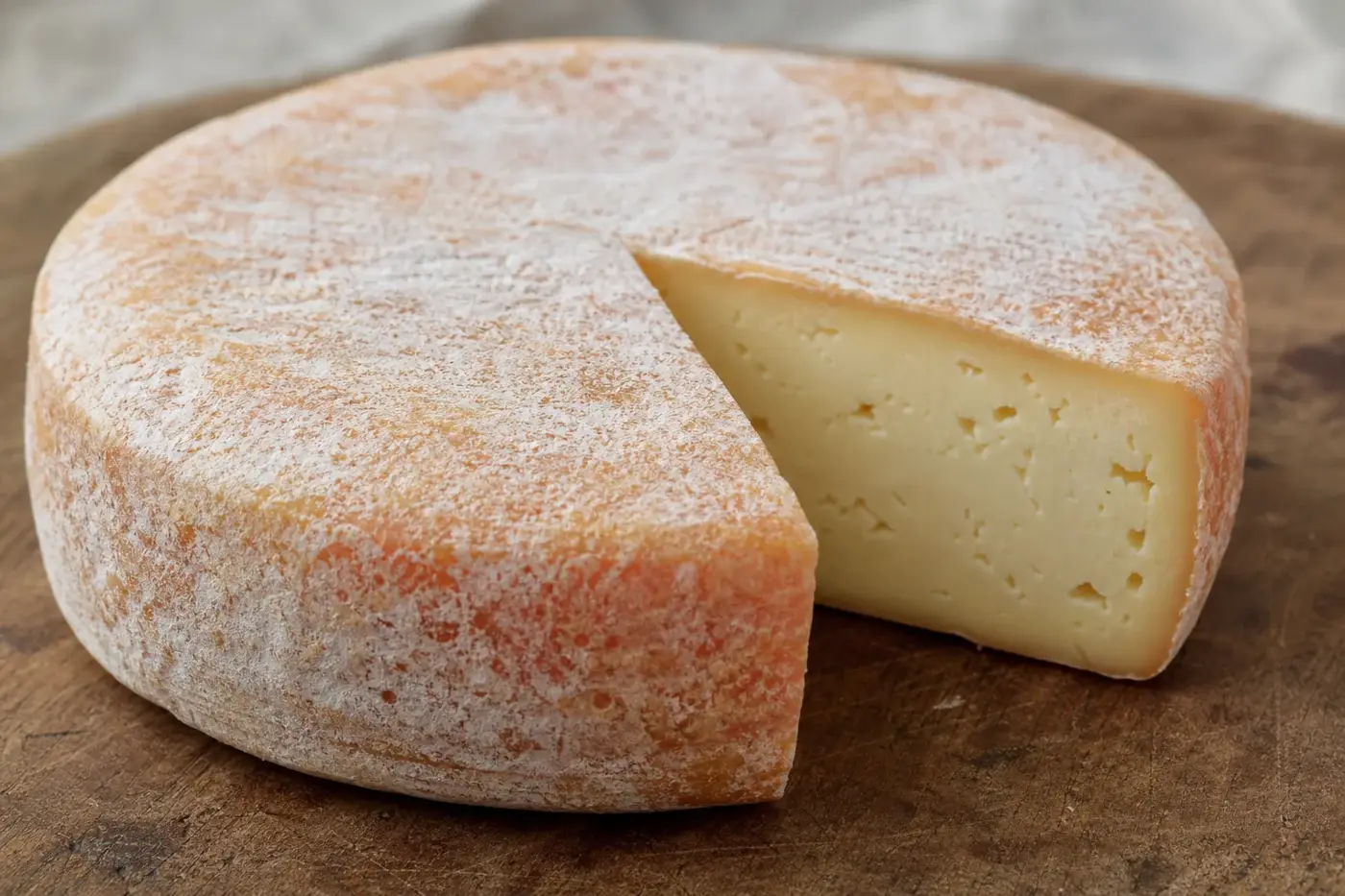
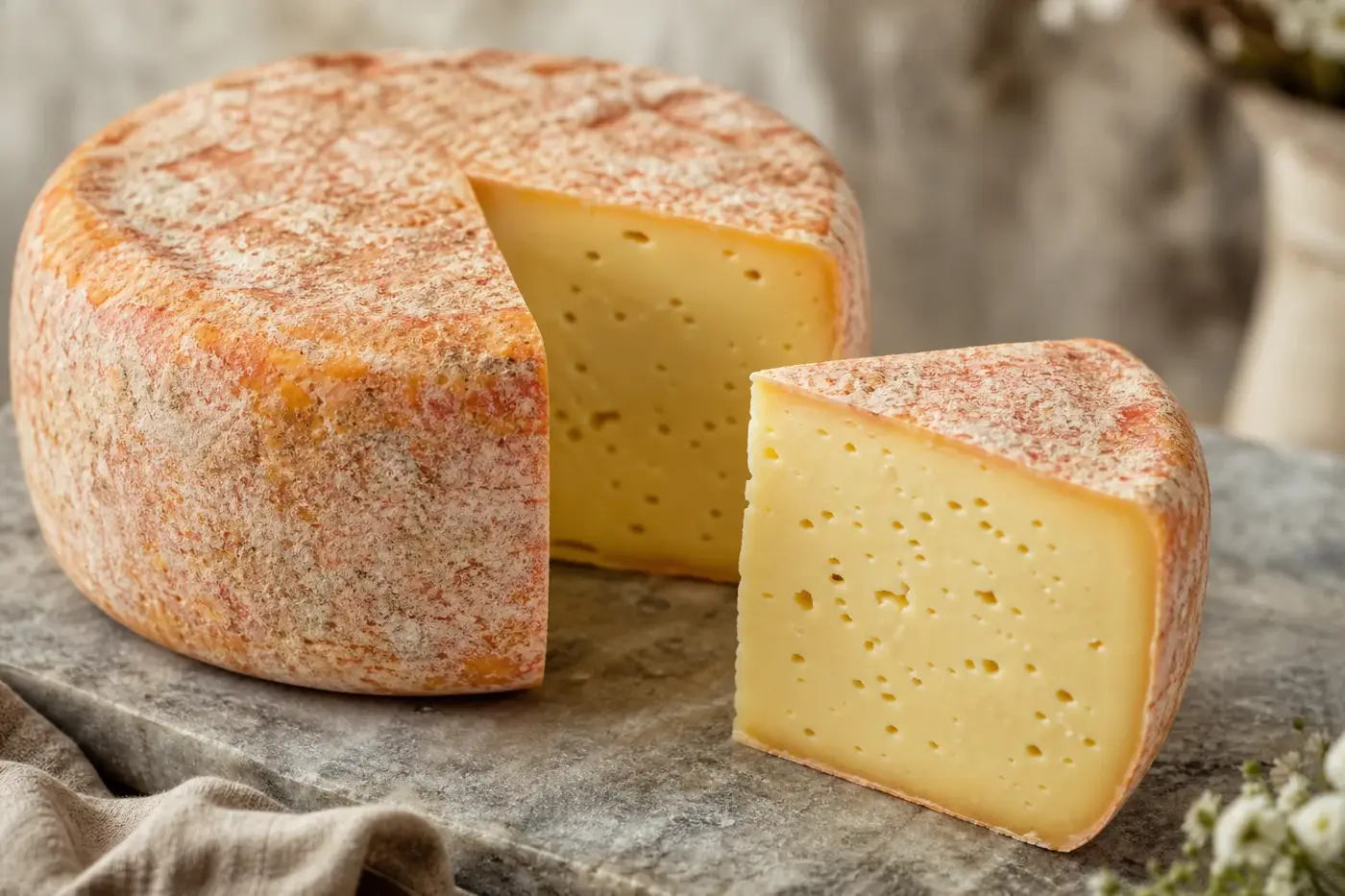
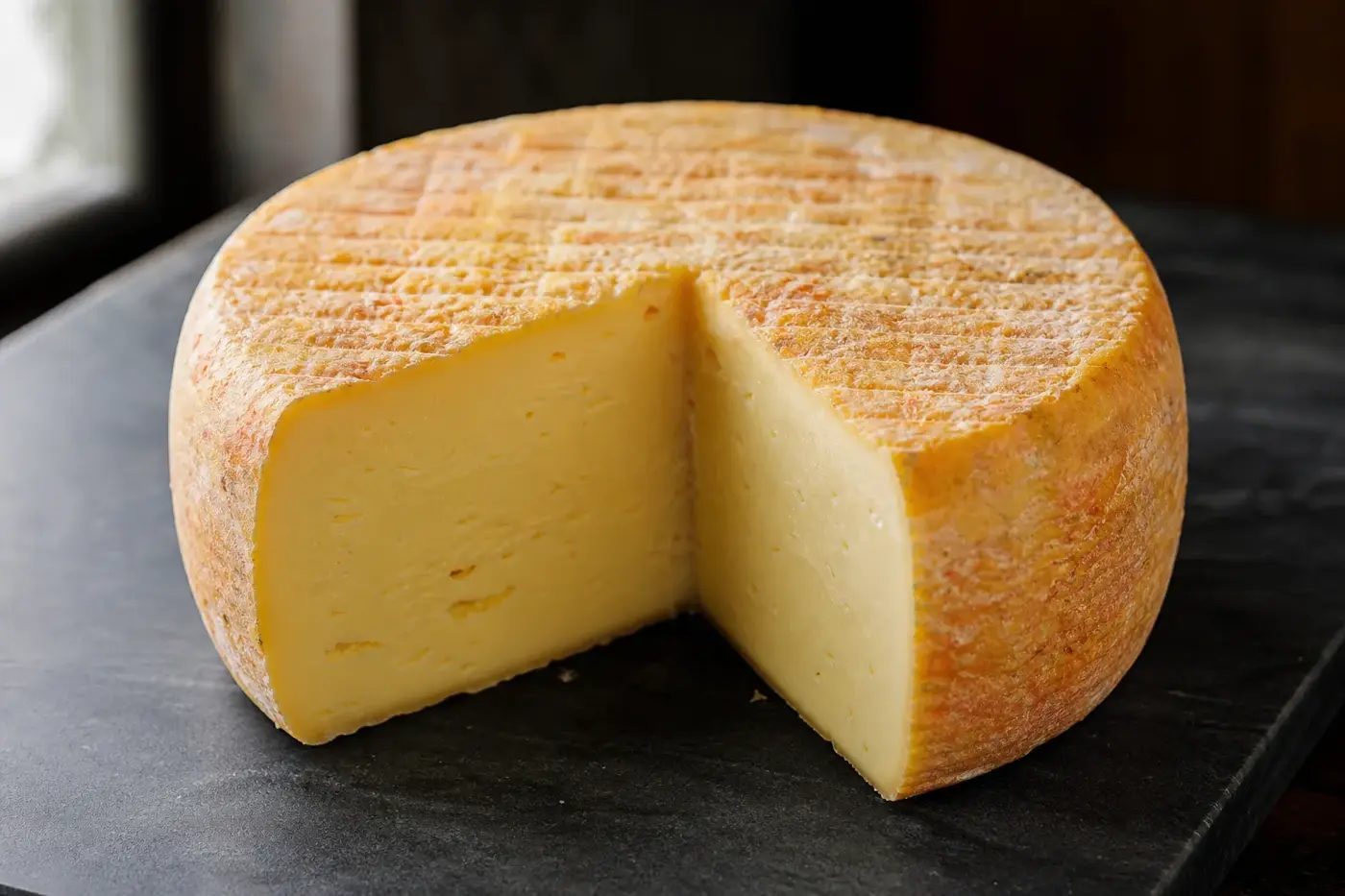
Your knife slips through a pale natural rind into firm cheese with a delicately creamy texture.
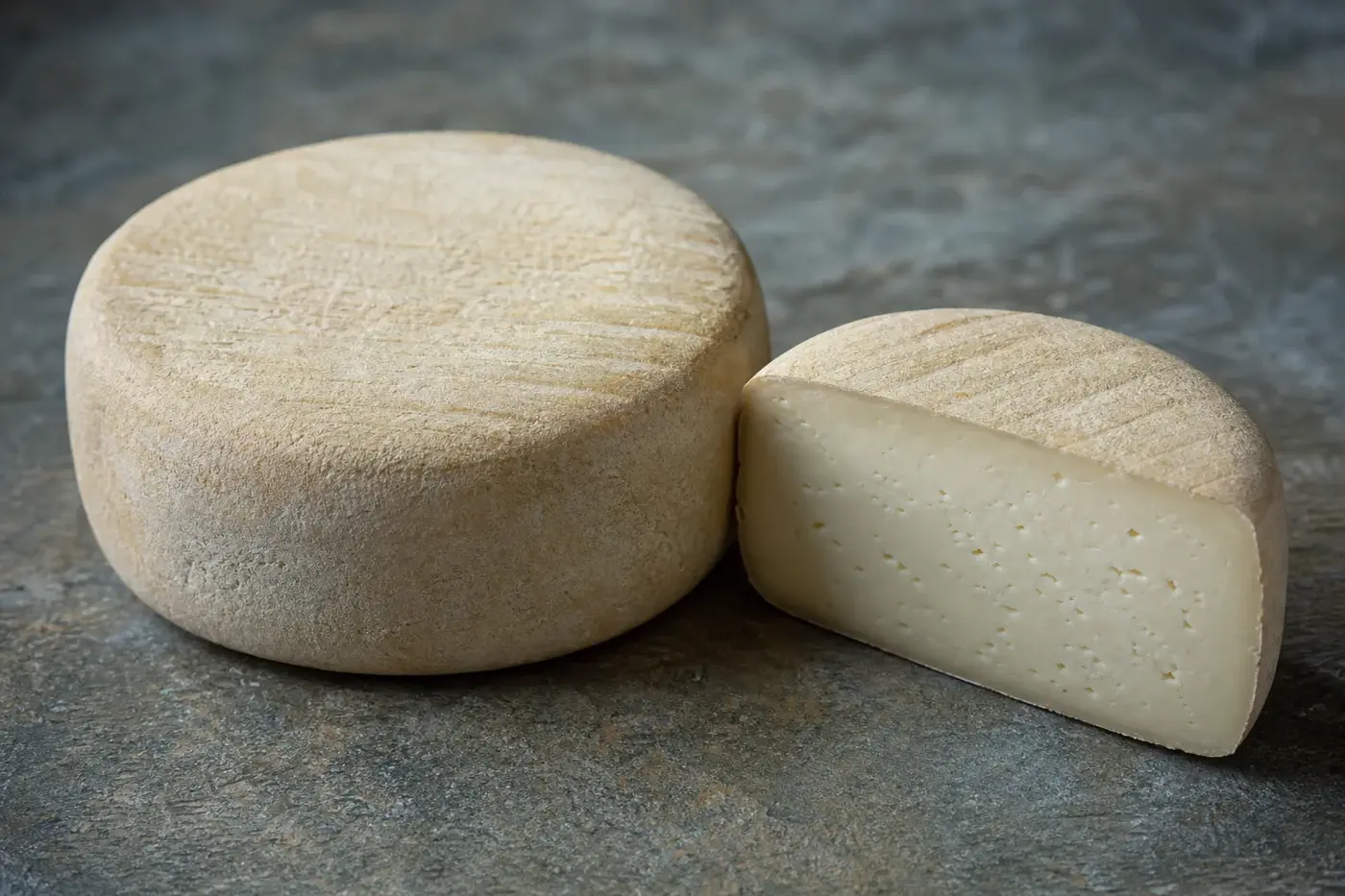
Your knife slips through a pale natural rind into firm cheese with a delicately creamy texture. Savoury flavour meets gentle sweetness, as its published producer profile describes it. This Dutch-inspired hard cheese brings Irish sheep's milk to Cashel Farmhouse Cheesemakers, a Tipperary dairy better known for blue cheese, and matures for at least six months. [1][3]
| At a glance | What to know |
|---|---|
| Name to look for | Shepherd's Store. [1][3] |
| Made by | Cashel Farmhouse Cheesemakers. [1] |
| Made and matured at | Beechmount Farm, Fethard, County Tipperary, Ireland. [3] |
| Milk | Sheep's milk. [3] |
| Where the milk comes from | Two small, family-owned Irish sheep's milk suppliers, according to the maker. [2] |
| Milk treatment | Not made with raw milk, according to the published profile. Precise treatment: Unconfirmed. [3] |
| Style | Hard, Dutch-inspired cheese. [1][3] |
| Time in the maturing room | At least six months, according to the producer profile. Statutory minimum: Unconfirmed. [3] |
| Rind | Natural, pale to white. [3] |
A Dutch idea settles into Tipperary
Shepherd's Store arrived in 2015, adding a Dutch-style hard cheese to an established Irish farmhouse cheesemaking business. The maker's history records its launch and says the team still follows the original recipe. Dutch inspiration and Irish sheep's milk meet here, with neither needing to surrender its identity. [1]
Before you reach for a knife, that gives you more to go on than the broad description “Irish farmhouse cheese”. You have a deliberately developed hard cheese from a dairy with a longer history of making blues. The maker, the animal supplying the milk and the style each contribute a different part of its story. [1][3]
Give your first piece a moment alone before putting it into a dish. Let the chutney, mustard and smoke wait their turn: cheese rarely needs an entire supporting cast at the first audition. Once you have that clear first impression, bring in accompaniments that draw out whatever catches your attention.
Beechmount Farm has more than blues to offer
Cashel Farmhouse Cheesemakers was established in 1984. At Beechmount Farm, near Cashel in County Tipperary, making, maturation, grading and selection happen together. Shepherd's Store belongs to that operation, including its own maturation work, rather than being a name attached to cheese selected elsewhere. [3]
A purpose-built dairy followed in 2011, according to the maker's chronology. Four years later came Shepherd's Store. Those milestones place it neatly in the family history: a new cheese joining an existing business after the new dairy opened. [1]
There are two milk stories here, and you need to keep them separate. Accounts of cows, grazing and milk from the surrounding fields belong to the dairy's cow's milk cheesemaking. For Shepherd's Store, follow the sheep's milk instead, back to the outside Irish suppliers who provide it. [2]
The sheep's milk comes from two Irish families
Two Irish producers supply the maker's sheep's milk. Both businesses are small, family-owned and family-managed. That is as far as the maker's published supply details take you. [2]
At the counter, ask two separate questions: where did the milk come from, and how was it treated? “Sheep's milk” names the animal, but tells you nothing about treatment. For the precise treatment used in your piece, read the current product information or ask the seller to confirm it with the dairy.
Rennet deserves a question of its own. This is the coagulant used to set milk into curd, so ask about the particular product rather than assuming one description covers the producer's whole range. The guides to milk treatments and rennet explain the terms and help you keep those questions distinct.
Follow the wheel beyond its Dutch inspiration
The maker confirms two things about its approach: Dutch inspiration and an unchanged original recipe. [1] That gives you a starting point, rather than a complete account of how Shepherd's Store is made. To get closer to the cheese itself, ask about the details.
How is the curd handled? How are the wheels formed, and what happens while they mature? Those are questions for the cheesemaker, and the answers tell you more than “Dutch-inspired” alone. Sharing an inspiration does not mean sharing an identical method.
If curd and whey feel like words from another world, picture milk separating into two parts. Curd is the solid material formed when milk coagulates; whey is the liquid separated from it. Knowing those stages helps you follow the process, while the finer details belong to the individual recipe. For the broader journey, see how cheese is made.
Six months starts the conversation about age
The published profile gives Shepherd's Store a minimum maturation of six months. [3] When you are at the counter, ask how old the wheel being cut actually is. Its particular age tells you more about your purchase than the minimum for the range.
Ask what the seller notices in it, too. Does it yield readily to the knife, or offer more resistance? Does the finish lean towards sweetness or savouriness? You are choosing something you want to eat, not handing out medals for seniority.
At home, give any comparison a fair chance. Taste the pieces at the same sitting, offer the same plain accompaniment and note their stated ages. That makes a clearer personal record than comparing the memory of a cold piece from a packet with another enjoyed over a long meal.
Start at the rind and work your way in
The maker's profile describes a natural pale or white rind surrounding a firm interior with a delicately creamy texture. At the cheese counter, you may hear that interior called the paste. It simply means the cheese beneath the rind. [3]
Give each part a little attention. Look at the outside, then the cut face, before noticing how the cheese behaves beneath your knife and as you chew. Resistance when slicing and texture in your mouth are different observations. Keeping them separate makes your tasting notes more useful when you return to them.
Ask to see a cut face at the counter where possible, and choose a portion that suits your plans. Perhaps you want a wedge for a board, a smaller piece for a first taste or enough to shave over food. One presentation need not do every job. Advice about treating or eating the rind should be specific to this product.
Make room for savoury flavour and gentle sweetness
The published producer profile describes full flavour without pronounced strength, with savoury notes and gentle sweetness. It also describes Shepherd's Store as creamier in texture than Manchego or Pecorino. Those are the profile's tasting descriptions, rather than a fromage.co.uk tasting. [3]
Take that account as a prompt, not a script you have to follow. Smell a freshly cut piece before anything aromatic joins the plate, then taste the interior. Does sweetness arrive before savouriness, or the other way round? Notice how long the flavour stays and whether the texture feels smooth, yielding or resistant.
Save the aroma vocabulary until you have the actual piece in front of you. Plain, recognisable words help more than a ready-made list of familiar hard-cheese descriptions. Even “little aroma, clear savoury finish” gives you something useful to look for next time. Write down what you notice, rather than what an appealing description invites you to expect.
Give your cheese a little room on the plate
Start with a modest plate and enough space to compare mouthfuls. Try the cheese alone, then with bread or an unsalted cracker, and finally with one fresh or preserved accompaniment. That lets you explore the sweet and savoury character described in the producer profile without crowding the first bite.
For a first plate, try apple or pear, plain bread and a small spoonful of fruit preserve. Keep the preserve separate so you decide how much belongs in each mouthful. If you prefer something less sweet, add a few plain walnuts. Then return to the cheese alone and notice what changed.
To drink, try water, alcohol free cider or lightly brewed tea. These are invitations to explore, not rules requiring a solemn pledge at the cheese counter. The useful question is simply what you enjoy alongside your piece.
Let a small portion lose its fridge chill
In Ireland, the Food Safety Authority of Ireland advises keeping fridges between 0 °C and 5 °C and following product storage instructions. [4] Keep that storage advice separate from the pleasure of tasting.
Rather than aiming for an exact serving temperature, set out a small portion and taste it as the initial refrigerator chill fades. Leave the rest refrigerated. You can follow how that piece tastes without bringing your whole supply to the table.
Bring it home and find its place at supper
Begin with the current label and the seller's information. Ask about age, milk treatment and rennet, along with any instructions supplied with a cut portion. The maker's address, product description and handling instructions each do a different job. The guide to how to read a cheese label helps you tell them apart.
For storage in Ireland, follow the FSAI advice above. Refrigerate promptly, follow the label and keep ready-to-eat food separate from raw meat, fish and poultry. Follow a use-by date wherever one is given. [4] For wider practical questions, turn to storing cheese at home.
In the kitchen, give it a simple finishing role first. Try thin shavings over cooked potatoes, small pieces in a grain salad or grated cheese offered separately with a vegetable dish. Add a little and taste before deciding whether you want more. These are serving suggestions, rather than independently tested recipes.
For a familiar reference, put Shepherd's Store beside a hard cheese you already know, such as Cheddar or Gouda. Keep the pieces separate and compare texture, sweetness, savouriness and finish. You are finding its place on your table, whether that is a plain lunchtime plate, a carefully arranged board or shavings over supper just before you serve.
General information only, not medical advice: follow the official guidance where you live.
Questions people ask
What does Shepherd's Store taste like?
The producer describes it as savoury with gentle sweetness and full flavour without pronounced strength. It is firm yet delicately creamy and matures for at least six months.
Where is Shepherd's Store made?
It is made and matured at Beechmount Farm in Fethard, County Tipperary, Ireland. Cashel Farmhouse Cheesemakers makes it using Irish sheep's milk and a Dutch inspired style.
Is Shepherd's Store made with raw milk?
The published profile says it is not made with raw milk. The precise milk treatment has not been verified, so check current product information or ask the seller to confirm it with the dairy.
Is Shepherd's Store suitable for vegetarians?
The page does not verify which rennet is used in Shepherd's Store. Ask about the particular product being sold rather than relying on a general description of the maker's range.
How should Shepherd's Store be stored?
In Ireland, the Food Safety Authority of Ireland advises keeping fridges between 0 °C and 5 °C and following product storage instructions. Consult the agency's current guidance for further details.
Sources
[1] Cashel Farmhouse Cheesemakers, Our Story, undated current webpage, particularly the 2011 dairy and 2015 Shepherd's Store entries. Retrieved November 2026 through indexed source text; direct page requests timed out.
Read at cashelblue.com
[2] Cashel Farmhouse Cheesemakers, Good Questions, Simply Answered, undated current webpage, question concerning the source of sheep's milk. Retrieved November 2026 through indexed source text; direct page requests timed out.
Read at cashelblue.com
[3] Bord Bia, Cashel Farmhouse Cheese, undated producer profile, overview and Shepherd's Store entry. Retrieved November 2026. Product descriptions are treated as producer-profile information.
Read at bordbia.ie
[4] Food Safety Authority of Ireland, Storing food safely, undated consumer guidance, sections on refrigeration, storage instructions, separation of raw foods and date labels. Retrieved November 2026 through indexed source text; the direct request returned an access error.
Read at fsai.ie
[5] Food Safety Authority of Ireland, Safe Food To Go, 2022, particularly printed pages 6 and 10 on display time, manufacturer instructions and preventing cross-contamination. Retrieved November 2026. This is food-handler guidance.
Read at fsai.ie
This desk-researched article combines the maker's published accounts, Bord Bia's producer profile and Irish official handling guidance; serving combinations are identified as editorial suggestions.
Last checked: November 2026
Last checked November 2026.
The editors suggest you read next