St Tola Log
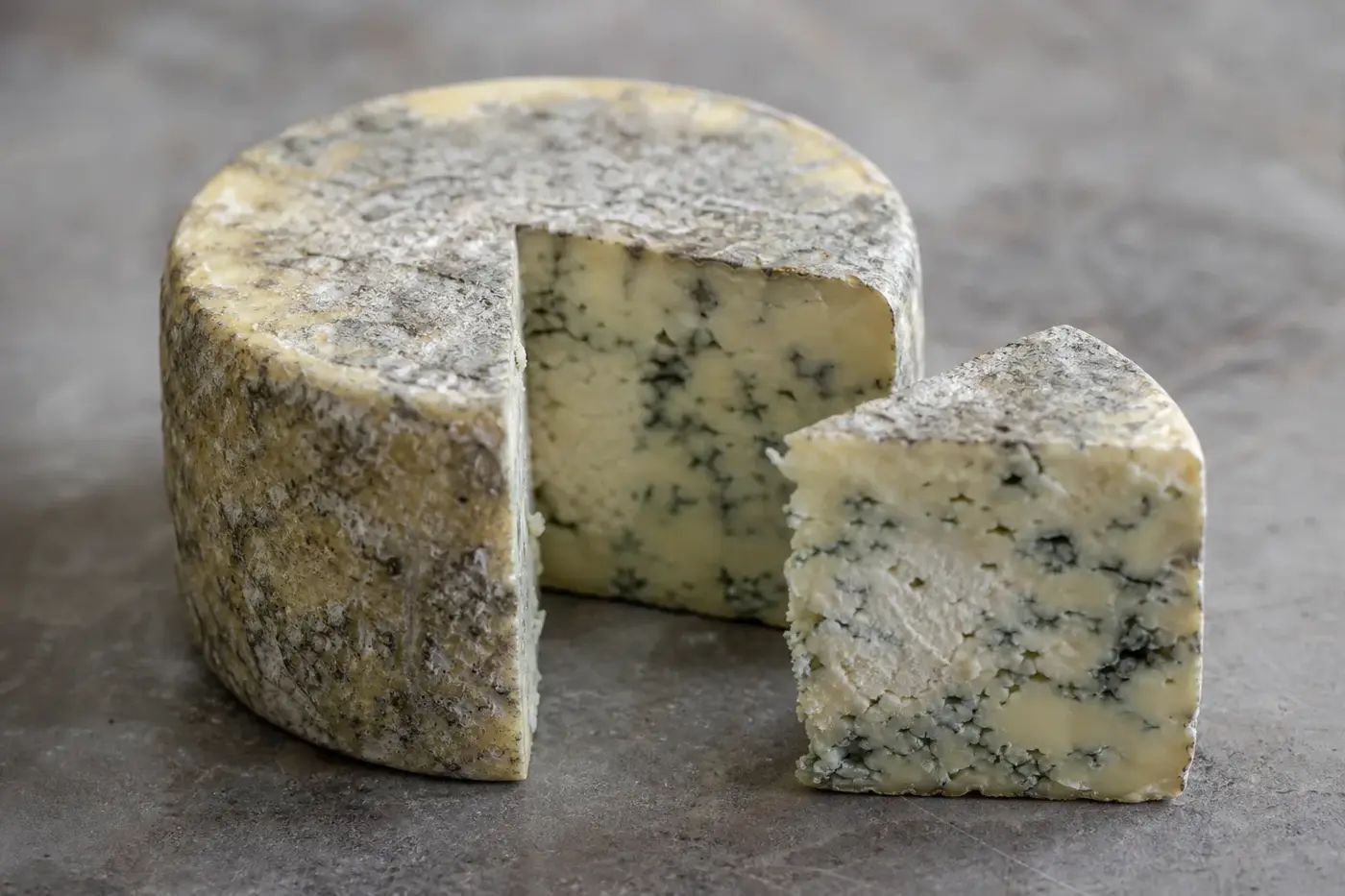
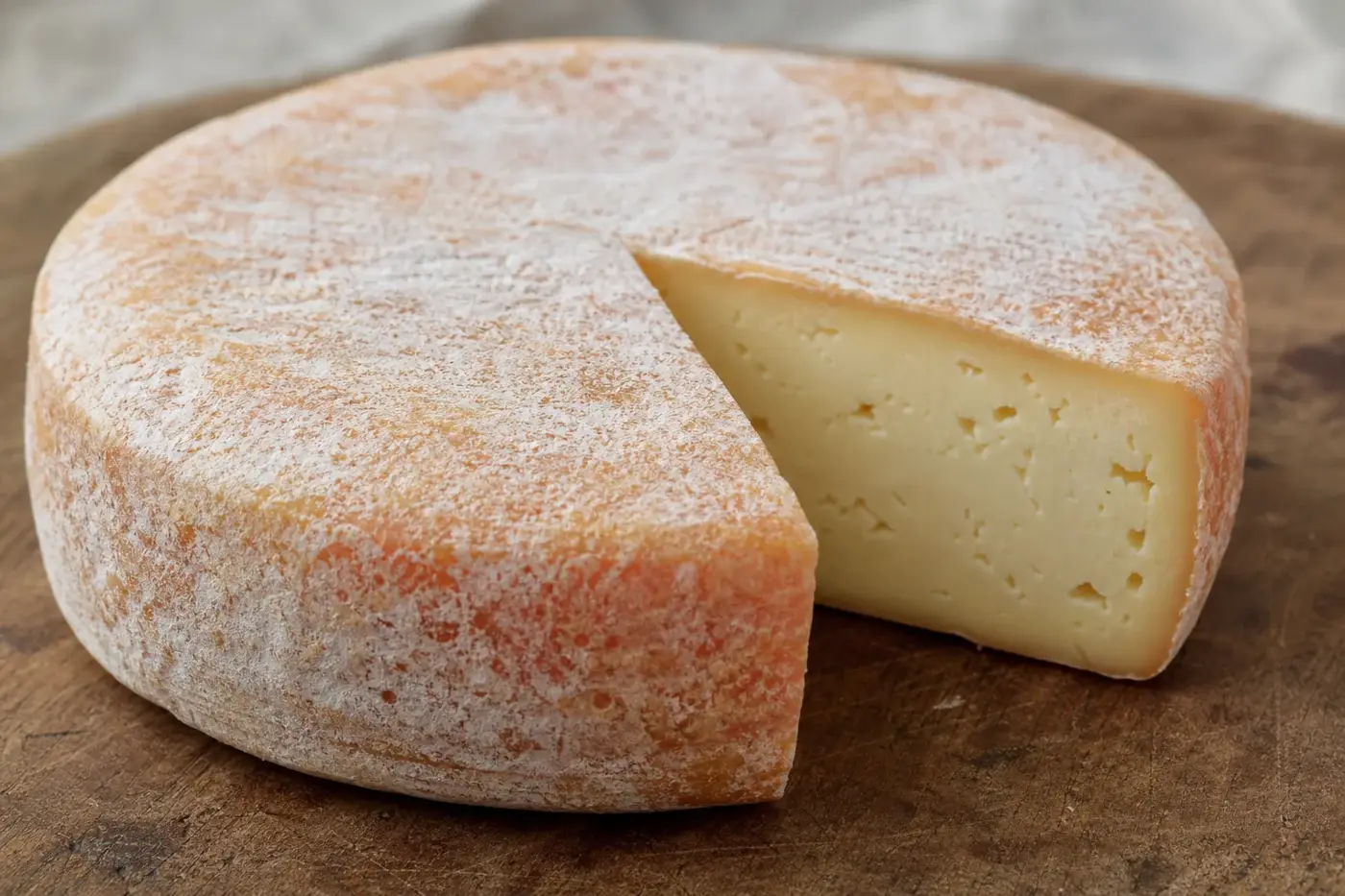
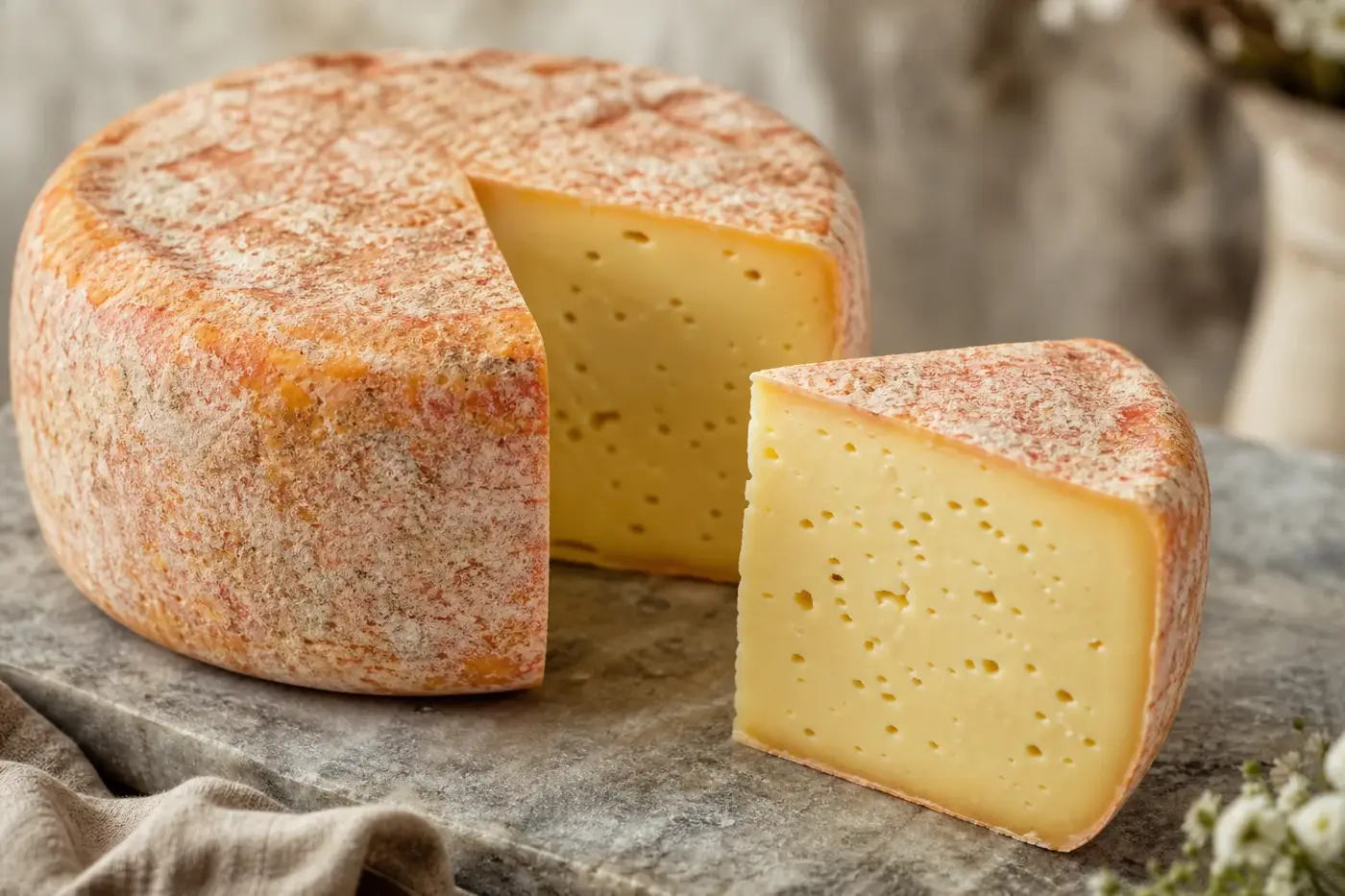
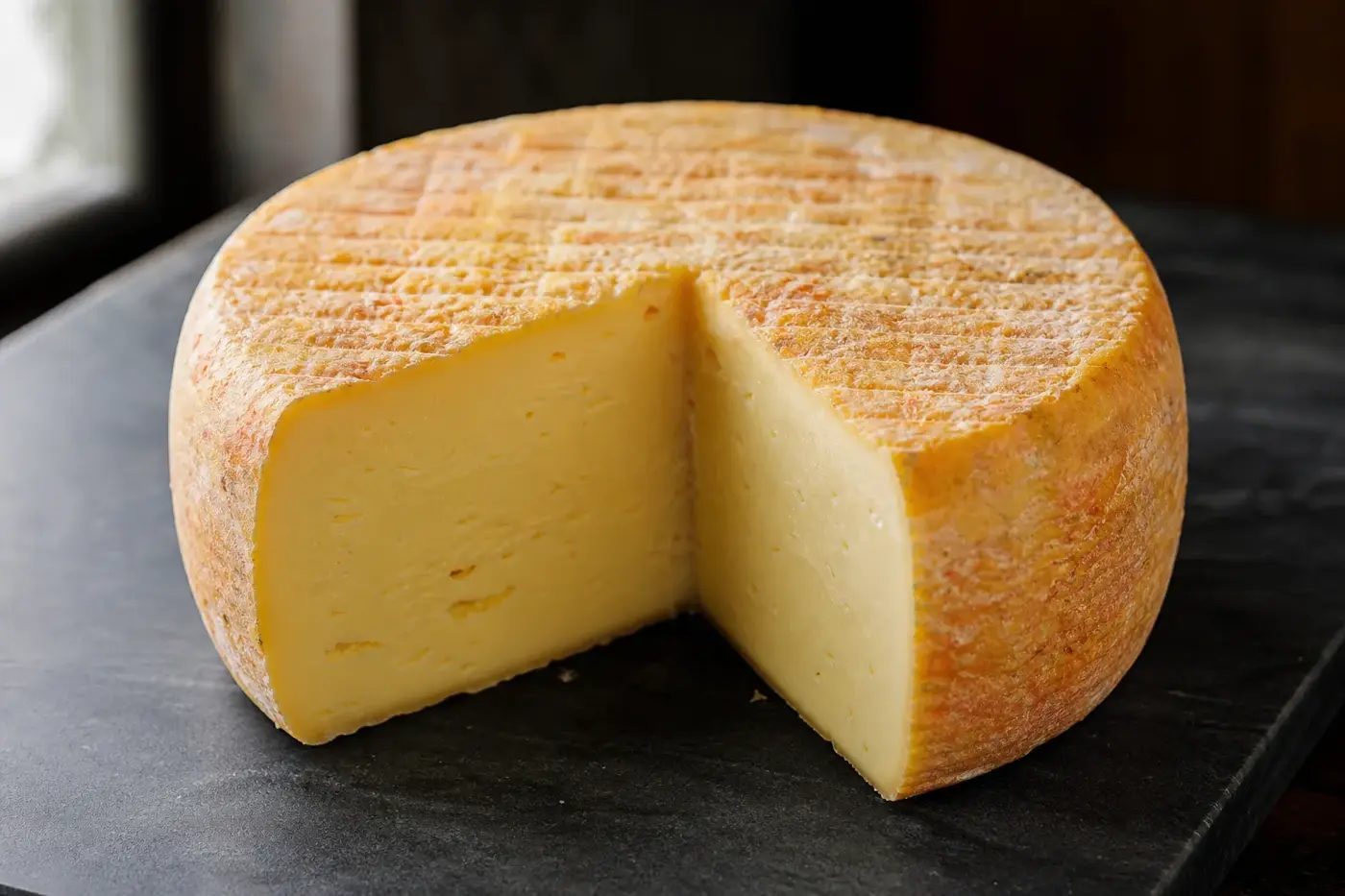
Cut into a mature St Tola Log and there it is: a golden natural rind, floral sweetness and the first suggestion of honey.
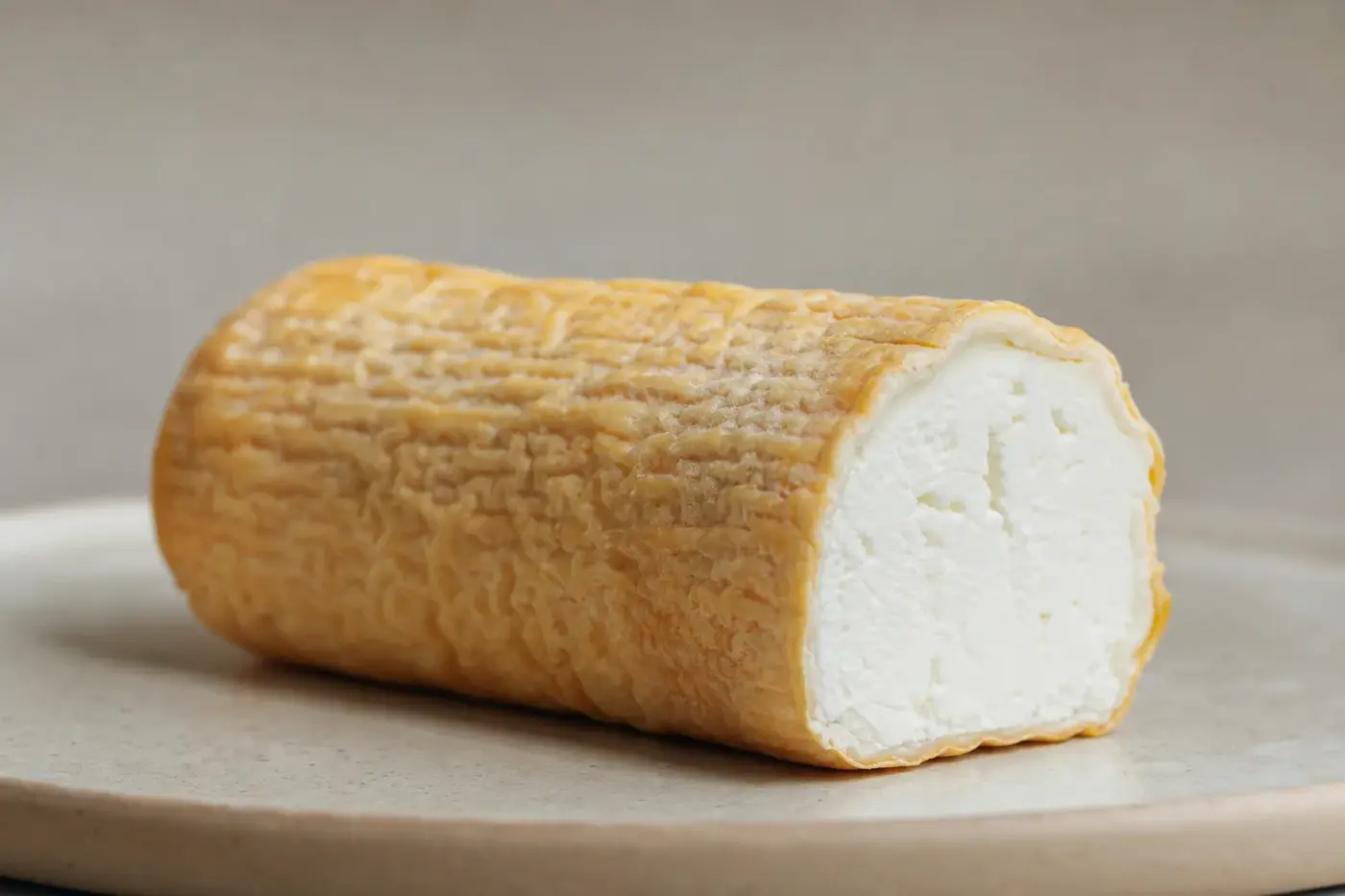
Cut into a mature St Tola Log and there it is: a golden natural rind, floral sweetness and the first suggestion of honey. This soft goat's milk cheese comes from Inagh in County Clare, Ireland. Taste it young for the maker's bright, grassy flavours, or let it mature for something fuller. You have two distinct pleasures to explore, which makes choosing just one rather inconvenient.[1][8]
| Your introduction | What to know |
|---|---|
| Name at the counter | St Tola Log.[1] |
| Maker | Inagh Farmhouse Cheese Ltd.[1] |
| Made in | Inagh, County Clare, Ireland.[2] |
| Milk | Goat's milk; the maker lists raw and pasteurised versions.[1] |
| Style | Soft log, sold fresh or matured with a natural rind.[1] |
| Published size | 1 kg log.[1] |
| Typical age | Bord Bia lists fresh logs at up to two weeks and mature logs at up to four weeks.[4] |
| Rennet | Ask about your particular St Tola Log version. The maker describes animal rennet in its raw milk cheeses and vegetarian rennet in its pasteurised cheeses.[8] |
| Registered name, registration authority and register ID | No details given here |
| Protection status in the EU and Great Britain | No details given here |
| Specific starter cultures and ripening flora for current production | No details given here |
Your first choice: fresh or mature?
At the counter, start with a simple question: fresh or mature? St Tola makes both, describing the younger cheese as lighter and more delicate. Given time, it develops a golden rind and greater complexity of flavour.[1]
Once you have chosen your maturity, ask about texture. How does this particular log feel at this stage? Those answers tell you more about the cheese in front of you than a glance through the counter glass.
There is a darker relative worth knowing, too. St Tola lists Ash Log as a separate cheese, rolled in fine vegetable ash. The plain Log earns its golden natural rind through maturation, rather than wearing the Ash Log's dark covering.[1][8]
If you would like to place it in the wider cheese family, see how to tell cheese styles apart. It explains the distinctions between fresh cheeses and those with developed rinds.
Meet the farm just south of the Burren
Your log begins on the farm at Inagh, south of the Burren. In the maker's account, Inagh Farmhouse Cheese started as a cottage industry and changed hands in 1999. It subsequently grew, with a small team sharing the farming and cheesemaking work.[2]
Picture peaty ground rather than limestone. That distinction matters when you are imagining a cheese associated with the edge of the Burren. The maker puts forage at the heart of its story, linking the milk's character to grass containing clover and wild herbs.[2]
Then meet the goats: Saanen, Toggenburg and British Alpine. They live mainly indoors because, the farm says, they dislike rain and wet ground. A preference you may find entirely reasonable. In summer, freshly cut grass comes to them alongside grain; in the other months, haylage replaces fresh grass.[3]
So put aside that picture of goats grazing continuously over bare limestone. To get closer to this cheese, look instead at the peaty ground, the forage and the daily care of dairy goats. Feeding and farming tell the more revealing story.[2][3]
Raw or pasteurised? Ask about your piece
The current product page lists both raw milk and pasteurised milk St Tola Log. The name alone will not tell you which you are holding. Check the label on your particular cheese, or ask the cheesemonger.[1]
The maker says most of its milk comes from its own herd. Additional milk comes from a nearby farmer outside Ennistymon. The two supplies stay separate when the range is made.[2]
Your seller may have a more particular story to tell. Neal's Yard Dairy describes its St Tola as specially made with uncooled morning milk, extra salt and curd gently mixed by hand. Its ingredient list reads: raw goat's milk, salt, cheese cultures and animal rennet.[5]
Those details belong to the cheese sold by that affineur, not every St Tola Log you might find. For a clear guide to the milk treatments, turn to raw, thermised and pasteurised cheese.
Soft curd calls for gentle hands
Gentle handling runs through the maker's accounts of cheesemaking. In a supplier interview, the cheesemaker describes milk travelling from the milking parlour into cheese vats. Starter and rennet go in, followed by setting, draining and shaping: the stages that turn that milk into cheese.[6]
Each addition has a job. Starter cultures encourage acid development, while rennet helps the milk coagulate into a gel. This produces curd, which stays to become cheese, and whey, the liquid drained away. These are general cheesemaking principles, rather than a complete St Tola recipe.[9]
In another published interview, the maker describes leaving the setting milk undisturbed. Muslin bags are then lifted so that whey drains under the curd's own weight. The drained curd is salted and gently moved into moulds, where more whey escapes.[7]
Think gradual drainage rather than heavy pressing. The curd is being prepared for a soft log, not the firmer texture of a pressed cheese. That difference helps explain all the careful handling.[7][9]
For fresh cheeses, the supplier interview describes a final, neat touch. A warm knife smooths the surface before packing. You get a tidy exterior, quite different from the rind that develops on a mature log.[6]
To follow the process beyond this particular cheese, visit how cheese is made. It takes you through the wider sequence.
Two paths: the fridge or the armoires
After moulding, the paths divide. Fresh cheese goes into cold refrigeration, while logs chosen for maturation enter cabinets called armoires. In the maker's published interview, warmer conditions and controlled humidity encourage rind development, with the cheeses turned as it forms.[7]
The aim is the desired rind, and customer requirements also help guide maturation. The account describes that approach rather than giving you a technical production schedule. It does not supply numerical cabinet temperatures or humidity settings.[7]
For shopping purposes, Bord Bia offers useful age markers. Its guide lists fresh St Tola Log at up to two weeks and Mature St Tola Log at up to four weeks. These are descriptive ages, not a statutory minimum ageing period.[4]
Neal's Yard Dairy gives an average age of three to four weeks for its selection. After the cheese arrives, the affineur dries it and turns it daily during the first week, then every few days. That attention adds another stage to the development of its particular version.[5]
Taste your way from bright to honeyed
Age changes more than the rind. You can see, feel and taste the difference. Here is how the maker's descriptions and Bord Bia's product profile compare.
| What to look for | Younger log | More mature log |
|---|---|---|
| Appearance | Pure white paste, according to Bord Bia.[4] | Golden natural rind, according to the maker; pale yellow paste, according to Bord Bia.[1][4] |
| Texture | Lighter and more delicate, according to the maker.[1] | Smooth, according to the maker.[1] |
| Flavour | Cleaner and brighter, according to the maker.[1] | Fuller, sweet and floral, with developing honey undertones, according to the maker.[1] |
Bord Bia adds lemon citrus notes and a light suggestion of thyme to its description of Mature St Tola Log. That gives you something more particular to look for than “strong goat cheese”. Notice those details as you taste the mature cheese.[4]
The seller's handling has a say in texture, too. Neal's Yard Dairy describes its specially made selection as dense, with a lactic tang. It becomes firmer and more pungent as it ages, but remember: this is the cheese it commissions and then handles.[5]
Let your appetite lead the conversation at the counter. Ask for a younger piece when you fancy brightness and delicacy. If the maker's description of rind, fuller aroma and floral sweetness appeals, ask about the mature log instead.[1]
Keep it cool, then settle in for a taste
Keep St Tola refrigerated, as the maker instructs.[8] With a cut portion, keep the pack's storage directions and date information alongside it. This is particularly useful if a cheesemonger has wrapped your piece separately.
Proper chilling helps prevent harmful bacteria from growing, explains the Food Standards Agency in its guidance for England, Northern Ireland and Wales. Its current chilling guidance is linked in the Sources below. Elsewhere, follow the guidance of your relevant national agency.[10]
When it is time to eat, keep the tasting simple. Give yourself a chance to notice the cheese's changing texture:
- Ask the cheesemonger to confirm your piece's maturity and milk treatment.
- Cut across the log into rounds, as thick or thin as suits the texture.
- Divide larger rounds into smaller portions, giving each some centre and outer surface.
- Taste the cheese alone before reaching for bread, fruit or other accompaniments.
The mature Log's natural rind belongs to the eating experience described by the maker.[1] If you are comparing ages, taste both the centre and the area beside the rind. A mouthful from just one part leaves you with less to compare.
For help with wrapping or finding the right place in your refrigerator, turn to how to store cheese at home.
Make room for sourdough, figs and honey
The maker suggests sourdough, honey, walnuts and figs alongside St Tola Log.[1] Start with a little: bread beside a younger piece, then some fig or honey with a mature one. Return to a mouthful of cheese on its own between combinations.
Plain sourdough keeps your attention on the younger log's bright character. A little honey beside the mature cheese echoes the honeyed notes in the maker's description. Walnuts bring a contrasting bite to a plate that could otherwise be soft all the way through.[1]
If you are an adult of legal drinking age and choose wine, the maker suggests Sancerre, while Bord Bia lists Sauvignon Blanc. Pour a small measure and have water alongside.[1][4] For an alcohol-free comparison, try still or sparkling water, with bread and fruit providing the accompaniment.
Keep your experiment modest: one cheese, one accompaniment, then another taste without it. You are looking for whatever lets the cheese's own character come through more clearly. There is no need to audition the entire contents of the fruit bowl.
General information only, not medical advice: follow the official guidance where you live.
Questions people ask
Is St Tola Log made with raw or pasteurised milk?
The maker lists both raw and pasteurised goat’s milk versions. Check the label on the particular cheese or ask the cheesemonger.
Is St Tola Log vegetarian?
The coagulant has not been verified for each St Tola Log version. The maker describes using animal rennet in its raw milk cheeses and vegetarian rennet in its pasteurised cheeses.
What is the difference between fresh and mature St Tola Log?
The fresh log is lighter and more delicate, while the mature cheese develops a golden natural rind and a fuller, sweet, floral flavour. Bord Bia lists fresh logs at up to two weeks old and mature logs at up to four weeks.
How should St Tola Log be stored?
The maker instructs customers to keep St Tola refrigerated. Keep the pack’s storage directions and date information with any cut portion.
What goes well with St Tola Log?
The maker suggests sourdough, honey, walnuts and figs. For wine, the maker suggests Sancerre and Bord Bia lists Sauvignon Blanc.
Sources
[1] St Tola, St Tola Log, undated online product description, retrieved November 2026.
Read at st-tola.ie
[2] St Tola, Our Story, undated online account, retrieved November 2026.
Read at st-tola.ie
[3] St Tola, Sustainability, undated online account, retrieved November 2026.
Read at st-tola.ie
[4] Bord Bia, St Tola, Farmhouse Cheese profiles, undated online edition, retrieved November 2026.
Read at bordbia.ie
[5] Neal's Yard Dairy, St Tola, undated product and affinage account, retrieved November 2026. This is the seller's account of its own selection.
Read at nealsyarddairy.co.uk
[6] The Lodge at Ashford Castle, Meet the supplier: St Tola cheese, undated published supplier interview, retrieved November 2026.
Read at thelodgeac.com
[7] Celtic Life International, St. Tola, undated published interview and farm account, retrieved November 2026.
Read at celticlifeintl.com
[8] St Tola, St Tola Irish Goat Cheese, homepage product descriptions and customer questions, undated online edition, retrieved November 2026.
Read at st-tola.ie
[9] Food and Agriculture Organization of the United Nations, Milk and Dairy Products: Production and Processing Costs, FAO Animal Production and Health Paper 113, 1990, online cheesemaking discussion retrieved November 2026.
Read at fao.org
[10] Food Standards Agency, How to chill, freeze and defrost food safely, GOV.UK publication, published 18 December 2017, retrieved November 2026; applies to England, Northern Ireland and Wales.
Read at gov.uk
This desk-researched article brings together the maker's product information and published accounts, Bord Bia's cheese profile, an affineur's documented practice and official chilling guidance.
Last checked: November 2026
Last checked November 2026.
The editors suggest you read next