Vastedda della valle del Belìce
Hands fold white sheep’s milk curd through hot water.
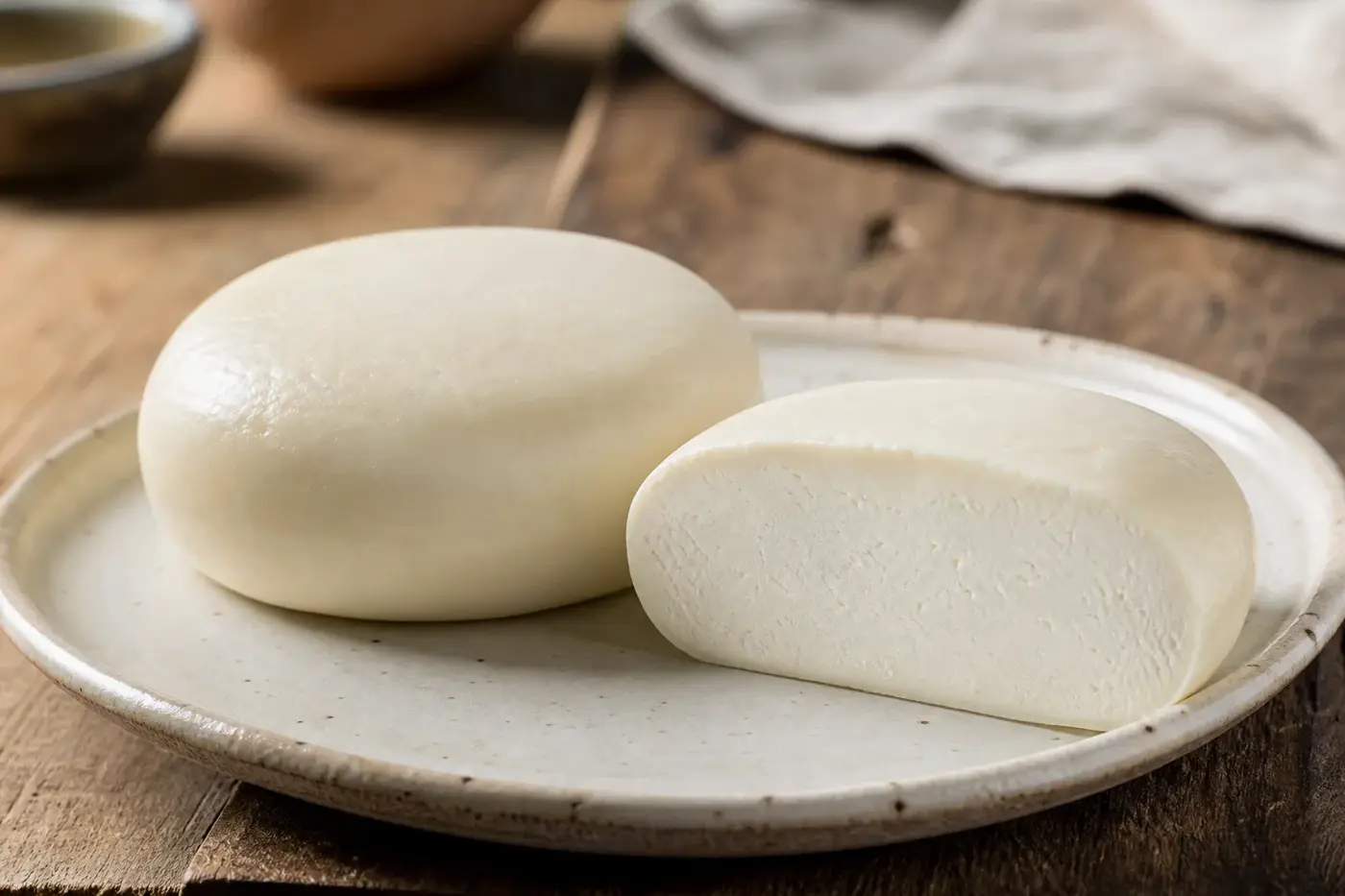
Hands fold white sheep’s milk curd through hot water. A ceramic dish waits to give it its low, rounded shape. This is Vastedda della valle del Belìce: fresh, rindless, and rooted in the flocks and cheesemaking of western Sicily. You can follow its story from the sheep to that final fold. [1][3][5]
Your first look at Vastedda
| What you’ll want to know | The details |
|---|---|
| Registered name | Vastedda della valle del Belìce. [2] |
| Registration authority and identifier | European Commission, eAmbrosia; register identifier unavailable here. |
| EU protection | PDO; Defra records original EU registration on 29 October 2010. Status as of November 2026. [2] |
| Great Britain protection | Registered PDO; UK scheme registration dated 31 December 2020 at 23:00. Status as of November 2026. [2] |
| Where it’s made | Defined municipalities in western Sicily, across Agrigento, Trapani and Palermo. [1] |
| Milk and coagulant | Raw, whole sheep’s milk from the Valle del Belìce breed; lamb rennet paste. [1] |
| Size | Diameter 15 to 17 cm; height 3 to 4 cm; weight 500 to 700 g. [3] |
| Surface and interior | Rindless, ivory-white surface; white, compact paste. [3] |
| Legal minimum ageing | No figure specified here. |
| Typical ageing | No figure specified here. |
| Minimum release timing | No figure specified here. |
| Making the cheese | Acidification and drying stages form part of making this fresh cheese. [1][5] |
| Milk allergen | Contains sheep’s milk. [1] |
| UK pregnancy guidance | NHS guidance on unpasteurised dairy foods, November 2026. [7] |
Follow the flock across western Sicily
Vastedda’s territory takes in the whole journey, from flock to finished cheese. The specification sets out where the sheep are kept, where their milk is produced, and where the cheese is made and packaged. You’re looking at a particular stretch of western Sicily, rather than the work of a single village or dairy. [1]
Follow the boundary and you’ll find the places below. Each belongs to the production area, with one particularly precise distinction in Palermo.
| Part of the production area | Places within the boundary |
|---|---|
| Agrigento | Caltabellotta, Menfi, Montevago, Sambuca di Sicilia, Santa Margherita di Belìce and Sciacca. |
| Trapani | Calatafimi, Campobello di Mazara, Castelvetrano, Gibellina, Partanna, Poggioreale, Salaparuta, Salemi, Santa Ninfa and Vita. |
| Palermo | Contessa Entellina, plus the San Biagio district of Bisacquino only. |
Source: product specification, Article 3. [1]
That last detail matters: only the specified part of Bisacquino sits inside the boundary. With a protected origin, the map is part of the cheese’s identity. For the distinction between a geographical designation and a general cheese style, take a look at protected names explained.
Meet the sheep among vines and olives
Before you reach the dairy, meet the Valle del Belìce sheep. Article 5 of the specification requires their milk, while the consortium traces the breed’s development through crosses involving Pinzirita, Comisana and Sarda sheep, followed by local selection. Those names tell you the ancestry, not a choice of breeds available to the cheesemaker. [1][4]
The consortium describes flocks on family-run and semi-industrial holdings, with grazing an important part of their care. Their feed brings the landscape into focus: fresh forage, grass between vineyard rows, olive prunings, prickly-pear pads and vine leaves after the harvest. It is a wonderfully specific glimpse of the farming behind your cheese. [4][12]
Pasture and conserved forage sit alongside those seasonal crop materials. Through the feed, you can trace vineyard margins, olive growing and what remains after harvest. This is a working agricultural landscape, helping to support the flocks. [12]
At milking, the clock starts
The cheesemaker begins with raw, whole sheep’s milk from one or two milkings. Under the specification, processing must start within 48 hours of the first. The milk is warmed and lamb rennet paste is added, setting it into a gel-like curd. [1]
Rennet helps the milk set. Here, its animal source belongs to the specified method, rather than being an incidental choice. If you’d like to understand the alternatives used elsewhere in cheesemaking, try rennet explained.
Next comes the breaking of the curd into small grains and its transfer to rush baskets. Whey drains away, leaving the curd that will become your cheese. The consortium describes a rest while it acidifies, before it is cut into strips for stretching. [1][5]
That rest matters as much as the more eye-catching work to come. Setting the milk and working the curd in hot water are separate stages, not one continuous session of shaping. Fermentation first develops the acidity needed for the next transformation. [5]
Watch hot water and skilled hands at work
The name pasta filata means stretched curd. Here, you can see exactly why: the acidified Vastedda curd is cut and placed in a wooden vessel called a piddiaturi. Using hot water and a wooden paddle, the cheesemaker brings the pieces together into one cohesive mass. [5]
The specification permits hot water or scotta, the liquid left after ricotta production, at 80 to 90 °C. The mass is drawn into cords, folded and joined. Then portions are separated, closed by hand and placed in ceramic dishes with the closure underneath. [1]
Those dishes have a shaping job, too. As the paste settles and is turned, they give it that flattened, bread-like outline. If other stretched-curd cheeses have you expecting something suspended or elongated, this one has made itself comfortable in a dish. [5]
Once the cheeses have cooled and firmed, they are salted. The consortium describes brining followed by 12 to 48 hours of drying. There is no long ageing period, but fresh does not mean instant: the curd has been developed, stretched, shaped and finished before it reaches you. [5]
Look closely at those ivory curves
A whole Vastedda looks like a small, flattened round loaf, its faces gently convex. The consortium describes a smooth, ivory-white surface without rind, pits or folds. Inside, you should find evenly white paste. [3]
Cut a piece and look for a compact, smooth face, rather than a granular one, with few or no holes. Fine striations may reveal where the curd was stretched by hand. They give you a quiet record of the work behind that neat round shape. [3]
CoRFiLaC, the Sicilian dairy research organisation, also describes an ivory-coloured, compact paste. At the cheese counter, that close, coherent structure is what you’re looking for. This is the result of stretching and folding, not a crumbly curd. [6]
There is no separate mature rind to taste. Instead, pay attention to the paste itself: its smooth structure and the milk character described by the consortium. That is where you’ll find Vastedda’s sensory interest. [3]
Let the fresh milk flavour speak first
Fresh sheep’s milk leads the consortium’s flavour description, accompanied by slight acidity and no pungent or peppery edge. The cheese is also described as mild, fresh and sweet-tasting. These are its expected characteristics, rather than a promise that every batch will taste identical. [3]
CoRFiLaC describes fresh milk and butter aromas, followed by a delicate, slightly acidic taste. Read together, the accounts suggest clear milk character, gentle acidity and a compact texture. You’re not looking for the force that comes with prolonged ripening. [6]
Try a small piece on its own before adding anything. Notice the milk aroma and light acidic finish before reaching for oil, herbs or vegetables. The accompaniments can wait; cheese lovers are not always famous for patience, but this is a useful moment to practise.
Find the full name, then talk freshness
Look for Vastedda della valle del Belìce, written in full. The specification requires the name and its logo on the outer protective wrapper. You may also see DOP, short for the Italian Denominazione d’Origine Protetta, corresponding to PDO in English. [1][11]
The Defra register lists this exact name as registered under the Great Britain scheme. You’ll find its UK registration date and original EU registration date as separate entries. They record different registrations, so the dates are not interchangeable. [2]
Ask when the cheese was made, then follow the pack’s storage and date instructions. Freshness does not mean an absence of time or fermentation. Acidification, shaping, salting and drying all have their place before Vastedda is ready to eat. [5]
Choose an amount that suits your plans, and read the instructions for consumption after opening. Your seller can explain the cheese’s freshness. For safe handling at home, keep the package’s dates and storage directions to hand. [9][10]
Bring out the bread and seasonal vegetables
Start with a plain slice and bread, then add a little olive oil. A restrained first plate lets you enjoy the mild milk character and slight acidity described by the consortium and CoRFiLaC. There is plenty to notice without surrounding it with stronger flavours. [3][6]
Seasonal vegetables can make that plate an easy meal. Try ripe tomatoes and cucumber in warm weather, or roasted squash and cooked greens when the months turn cooler. Put dressings alongside at first, so you can choose how much acidity or seasoning to add.
If you’re an adult of legal drinking age and choose wine, CoRFiLaC recommends Sicilian Inzolia, Catarratto or Grecanico. Inzolia offers one starting point from that recommendation. Serve a small glass alongside the food. [6]
Offer water as an alcohol free option. People who are pregnant, driving, taking medicines that interact with alcohol, or recovering from alcohol dependence should not drink. For more on balancing food and drink, see cheese and wine pairing.
Make room in the fridge, and keep the label
Keep Vastedda refrigerated and follow the packaging instructions. For home storage, UK Food Standards Agency guidance applicable to England, Wales and Northern Ireland recommends a fridge between 0 and 5 °C. During food preparation, keep its time out of the fridge as short as possible. [9]
After opening, follow the producer’s storage directions. UK government guidance distinguishes a use-by date, which concerns safety, from a best-before date, which concerns quality. Never eat food after its use-by date, even if it looks and smells acceptable. [10]
You can find broader guidance in how to store cheese at home. Keep the pack’s own directions nearby as well, so you have the instructions for this particular cheese.
Pregnant or at higher risk? Turn to UK guidance
During pregnancy, consult the current NHS guidance on cheese and unpasteurised dairy foods. Speak to your midwife or doctor about your own circumstances. [7]
The NHS identifies pregnant people, newborn babies, people with weakened immunity and older people as groups at greater risk of serious illness from listeriosis. It lists dairy products made from unpasteurised milk among possible carriers of the bacteria. If you’re in one of these groups, consult the official advice and your healthcare professional about your circumstances. [8]
Keep the wrapper until the final piece
Save the packaging information until you have finished the cheese. That keeps its date and storage instructions available after serving. Read the cheese’s own directions alongside the general food-handling guidance. [9][10]
General information only, not medical advice: follow the official guidance where you live.
Questions people ask
Where is Vastedda della valle del Belìce made?
It is made in a defined area of western Sicily across Agrigento, Trapani and Palermo. The specification also defines where the sheep are kept, where their milk is produced and where the cheese is packaged.
What milk is Vastedda made from?
It is made from raw, whole milk from Valle del Belìce sheep. Lamb rennet paste is used to set the milk.
What does Vastedda taste like?
The consortium describes it as mild, fresh and sweet, with the flavour of fresh sheep’s milk and slight acidity. CoRFiLaC notes aromas of fresh milk and butter.
How should Vastedda be stored?
Keep it refrigerated and follow the packaging instructions. The UK Food Standards Agency recommends a fridge temperature between 0 and 5 °C in England, Wales and Northern Ireland.
Can I eat Vastedda during pregnancy?
Vastedda is made from raw sheep’s milk. The NHS advises consulting its current guidance on cheese and unpasteurised dairy foods and speaking to a midwife or doctor about your circumstances.
Sources
[1] Italian Ministry of Agriculture, MASAF. Disciplinare di Produzione della Denominazione d’Origine Protetta “Vastedda della valle del Belìce”. Ministry-hosted specification, undated PDF retrieved November 2026, Articles 1 to 8. Official specification.
[2] Department for Environment, Food & Rural Affairs. Vastedda della valle del Belìce. Protected food names register, published 4 January 2021, accessed November 2026. Official register entry.
[3] Consorzio di tutela della Vastedda della valle del Belìce DOP. Vastedda della valle del Belìce DOP. Undated product description, accessed November 2026. Producer-group account of appearance and sensory character. Product description.
[4] Consorzio di tutela della Vastedda della valle del Belìce DOP. Pecora della valle del Belìce. Undated breed account, accessed November 2026. Breed description.
[5] Consorzio di tutela della Vastedda della valle del Belìce DOP. Lavorazione della Vastedda. Undated production account, accessed November 2026. Production description.
[6] CoRFiLaC. Vastedda Valle del Belice DOP. Undated dairy research organisation profile, accessed November 2026. Sensory description and wine suggestions only. Cheese profile.
[7] NHS. Foods to avoid in pregnancy. Page reviewed 15 June 2026, accessed November 2026. Official pregnancy guidance.
[8] NHS. Listeriosis. Current online guidance accessed November 2026. Official listeriosis guidance.
[9] Food Standards Agency. How to chill, freeze and defrost food safely. Published 18 December 2017, current online text accessed November 2026. Applies to England, Northern Ireland and Wales. Official chilling guidance.
[10] UK Government. Understanding food labelling: Best before and use-by dates. Current online guidance accessed November 2026. Official date guidance.
[11] Consorzio di tutela della Vastedda della valle del Belìce DOP. The PDO Mark. Undated explanation, accessed November 2026. Designation explanation.
[12] Consorzio di tutela della Vastedda della valle del Belìce DOP. Dati di produzione. Undated production-chain account, accessed November 2026. Used for the attributed description of feed materials, not its production statistics. Production-chain account.
This piece was researched from official registration information, the ministry-hosted specification, attributed producer-group descriptions, dairy research material and current UK public food guidance.
Last checked: November 2026
Last checked November 2026.
The editors suggest you read next
Parmigiano Reggiano
Break into a wheel of Parmigiano Reggiano and flakes fall away, revealing a finely granular cheese, pale straw to straw in colour.