Anthotyros
Picture pasta cooked in meat broth, finished with dried Anthotyros, at a Cretan wedding table.
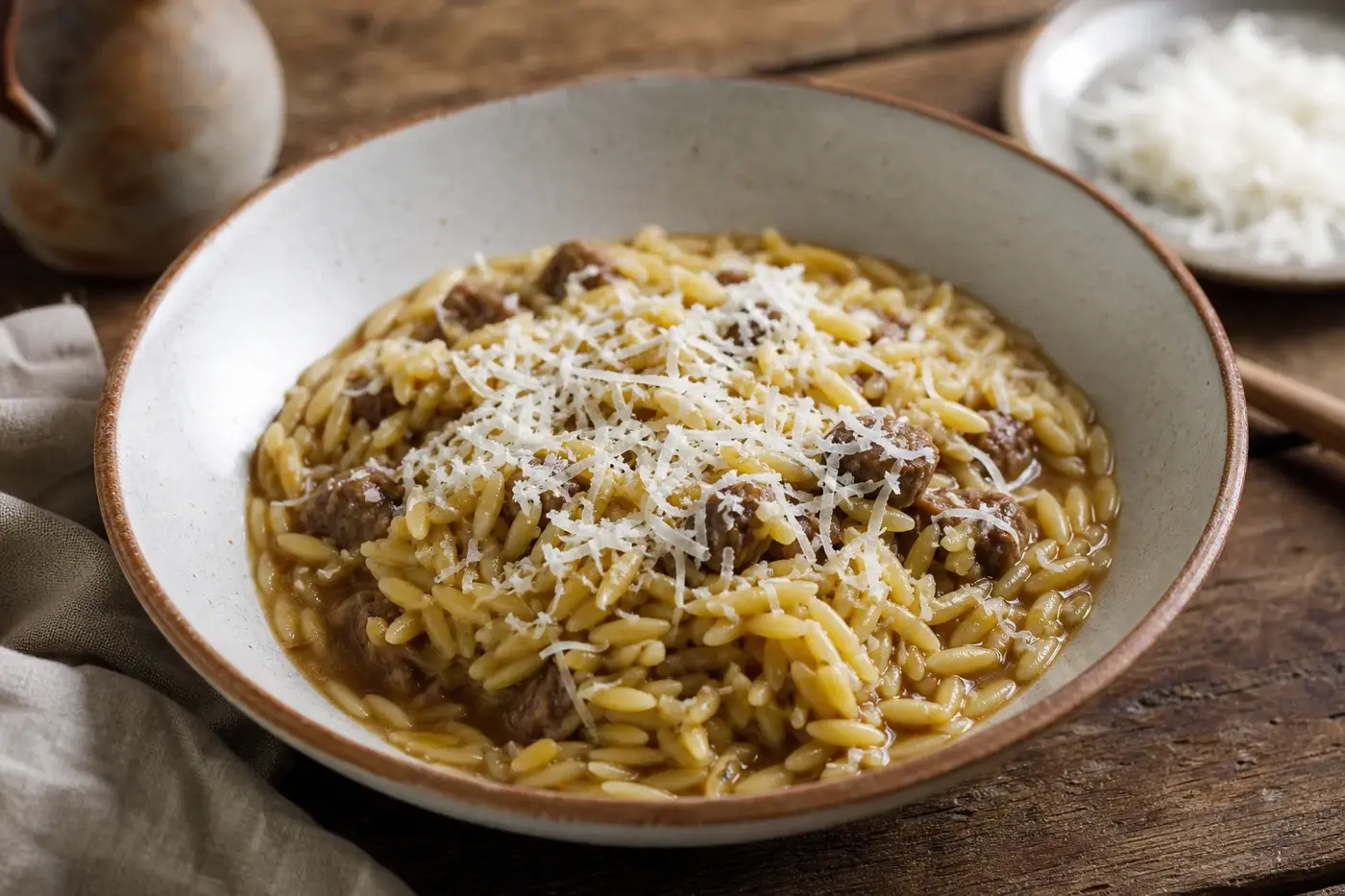
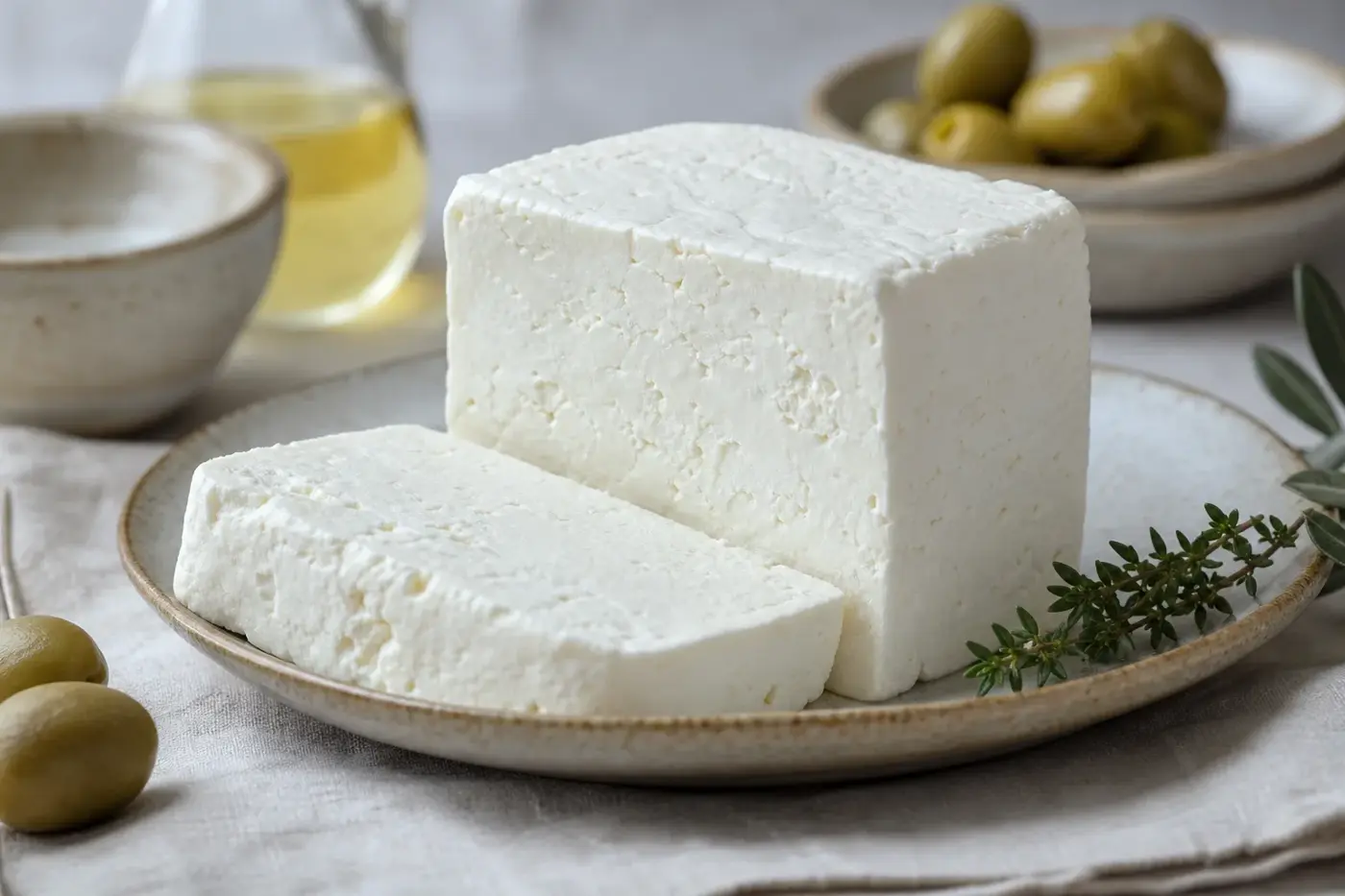
Picture pasta cooked in meat broth, finished with dried Anthotyros, at a Cretan wedding table. The dairy Kalogeraki describes this custom, which gives the cheese a place in the celebration. [5] But there is a quieter pleasure here, too: fresh Anthotyros beside fruit, white, moist and mild.
Commonly made from sheep’s or goat’s whey, or both, Anthotyros offers you two quite different cheeses. Fresh, it is soft enough to spoon. Salt and drying turn the curd into something firmer and more assertive, ready to grate over pasta. A useful range for one cheese to have. [1,2,4,6]
| Field | Anthotyros at a glance |
|---|---|
| Name | Anthotyros; also written Anthotyro, Ανθότυρος [4,5] |
| Origin | Greece; documented examples in Thessaly and Crete [4,5,6] |
| Family | Whey cheese, fresh or dried [1,2,6] |
| Milk | Commonly sheep, goat or a mixture; check your product [3,4] |
| Milk treatment | Depends on the product; check the label or ask the maker [4,5] |
| Ageing | Fresh form unaged; Amari specifies at least two months for its dried cheese [6] |
| Surface | Soft when fresh; dried examples may have a rough rind [2,5] |
| Greek reference text | Food and Beverage Code, Article 83, section A.3, whey cheeses [1] |
| Vegetarian suitability | Check your product and the source of its whey [1] |
A second life for the whey
After cheesemaking separates the curds, whey remains. Anthotyros gives that liquid another purpose: strong heating brings together the remaining proteins, forming new curds to collect and drain. The process makes something fresh from what another cheese leaves behind. [1]
A Greek Food and Beverage Code text published in 2014 describes whey cheese made by heating, with or without acidification. It allows optional additions of milk, milk and cream, and salt. Those additions help explain why fresh cheeses bearing the same name can differ. [1]
Boukouvalas adds pasteurised sheep’s and goat’s milk to whey from its Feta production. Tzafettas enriches sheep’s and goat’s whey with milk and cream, while Gusto Dairy’s specification lists whey, milk cream and salt. The ingredient list tells you more than the name alone: Anthotyros has no single fixed recipe. [2,3,4]
Keep the starting whey distinct from milk or cream added afterwards. These are separate ingredients, so a declaration that the added milk is pasteurised answers only that part of the question. For the broader process, see how cheese is made. [4,5]
Fresh or dried: choose your pleasure
If you want a soft, white cheese with a moist paste and a gentle character of milk and cream, choose fresh Anthotyros. Gusto describes its version as soft, white and buttery; Tzafettas calls its fresh cheese light and creamy. Both descriptions suggest a flavour that stays restrained. [2,3]
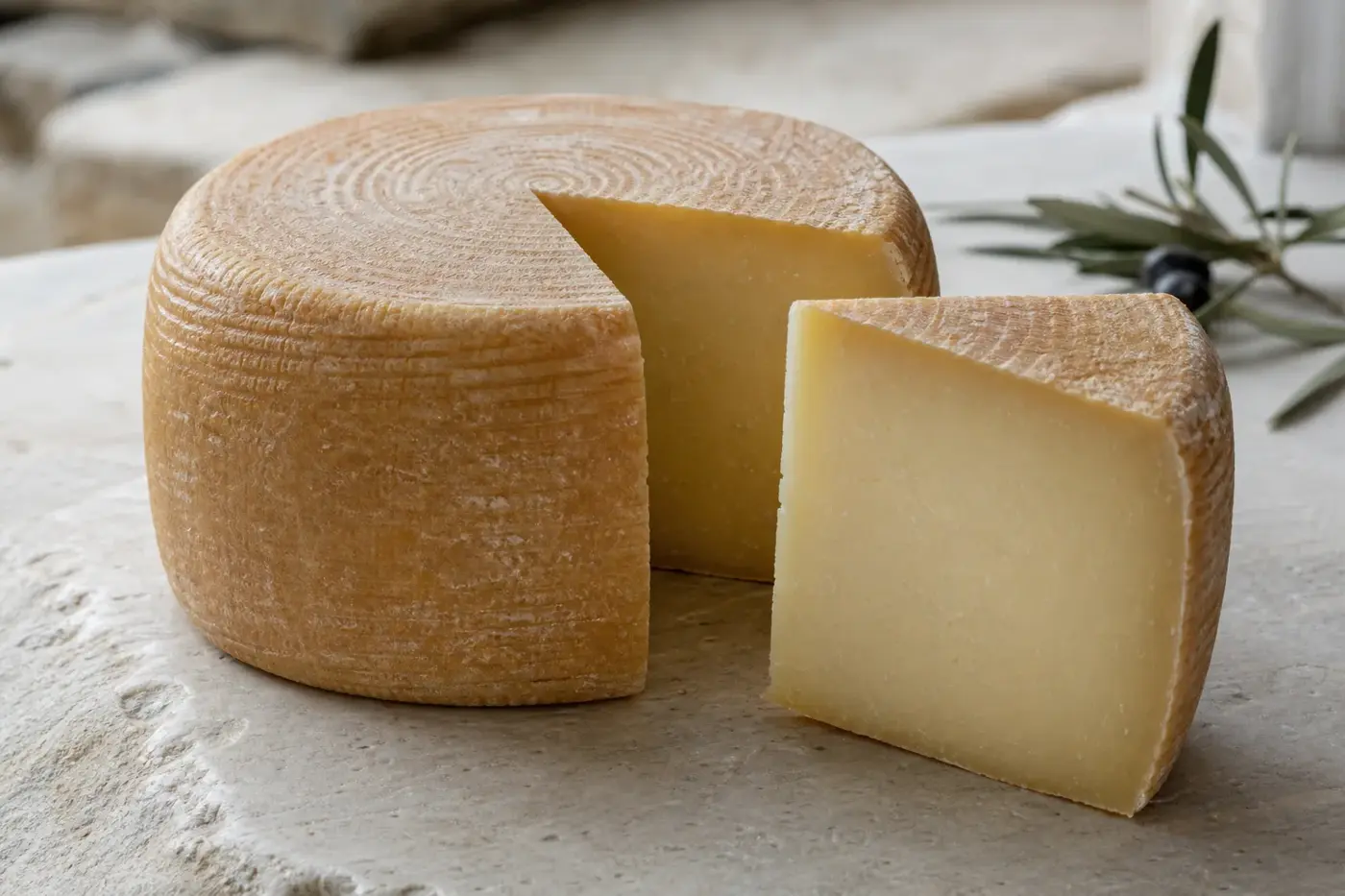
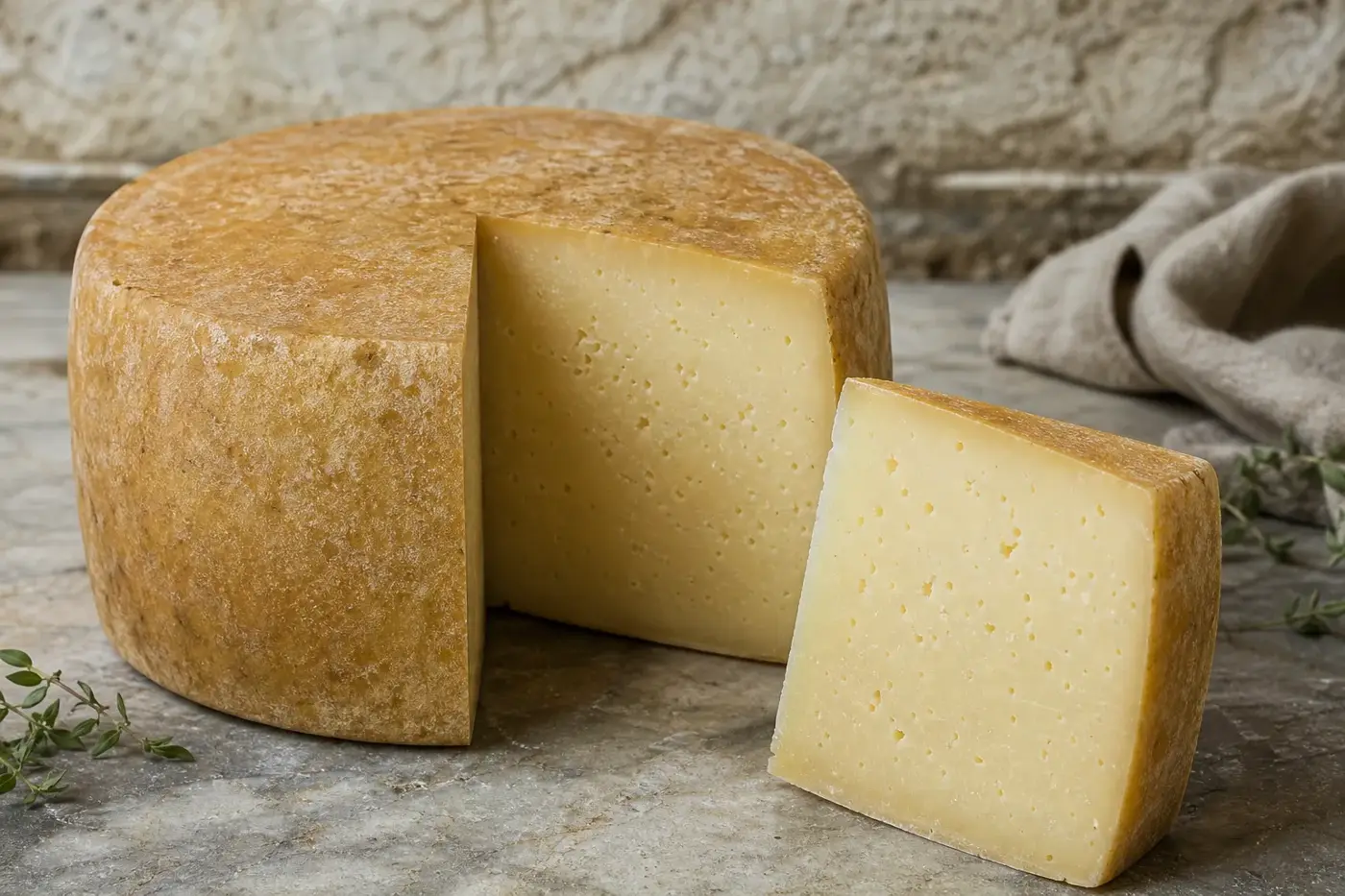
Drying brings firmness and salt to the foreground. Kalogeraki describes a white, semi-hard cheese with a rough rind and a pronounced salty, buttery taste. Amari calls its version hard and specifies at least two months of maturation before packaging. [5,6]
The shape and surface depend on whose cheese you buy. Amari offers whole, half and quarter cheeses, as well as grated cheese. The rough rind described by Kalogeraki belongs to its dried Anthotyros, rather than every cheese carrying the name. [5,6]
Anthotyros, Mizithra and Manouri: find your way
These names share a Greek whey-cheese tradition, but the particular product matters more than swapping one label for another. Boukouvalas lists Anthotyro and Myzithra separately: its Anthotyro has added milk, while its Myzithra is described as a fresh, pasteurised whey cheese. That distinction belongs to this dairy’s range, not all Greek production. [4,7]
Regional names overlap, too. Kalogeraki describes its Cretan dried Anthotyros as the dried version of sweet Myzithra. Start with the useful question: is your cheese fresh and moist, or salted and dried? Then look at what the maker adds to the whey. [5]
Manouri has a more specific production identity. Greece’s published designation specification ties it to Thessaly and Central and Western Macedonia, using sheep’s or goat’s whey with permitted additions of milk or cream. It states a minimum fat in dry matter of 70% and maximum moisture of 60% in the whole cheese. Boukouvalas describes its cream-enriched Manouri as compact in texture. [1,12]
When substituting, let enrichment and texture guide you. A soft cheese with added cream may suit a dessert where a dry grating cheese would be distinctly out of place. Your pudding need not become a test of loyalty to the cheese drawer. See protected names explained.
From Thessaly and Crete to your basket
In Tyrnavos in Thessaly, Boukouvalas makes Anthotyro using whey from its Feta production. In Crete, Amari presents dried Anthotyros as a cheese to grate over pasta. These dairy accounts give you the clearest regional picture: one name, distinct traditions. [4,6]
Kalogeraki’s account of the Cretan wedding dish brings dried Anthotyros to the table. It does not date the cheese’s beginnings or identify where it was first made. This is a serving tradition recorded by the producer, rather than an origin story. [5]
When buying, separate the place of cheesemaking from the origin of the milk and the seller’s business address. Ask your supplier which details are available for that product. A Cretan custom can inspire your meal; the pack should identify the cheese in your hand.
Bring a spoon, a pie dish or a grater
Fruit and honey make a natural starting point for fresh Anthotyros, and Boukouvalas recommends the combination. Leave the cheese in soft spoonfuls, with fruit as the main accompaniment and honey as a finishing touch, not a heavily sweetened topping. Try sliced pears, figs or grapes: suggestions that give its mild character room to breathe. [4]
For a savoury plate, try fresh Anthotyros with chopped mint or dill, olive oil and cucumber. These suggested accompaniments keep the cheese in the foreground. Boukouvalas also recommends fresh Anthotyro for pie fillings. Match its moisture to your recipe, especially when the pastry needs to stay crisp. [2,4]
Dried Anthotyros works as a finishing seasoning over pasta or cooked vegetables. Amari specifically recommends pasta and says its cheese keeps its consistency. You can take the same approach with roasted courgettes or a bowl of beans: grate, taste, then decide whether more salt is needed. [6]
Choose a substitute that earns its place
Match the job before matching the name. For a cold dessert or pie filling, start with a mild, unsalted fresh ricotta of similar moisture. Compare the cheeses themselves, because a loose cheese and a firmly drained one behave differently in a filling. These substitutions are culinary suggestions, rather than results from a site cooking trial.
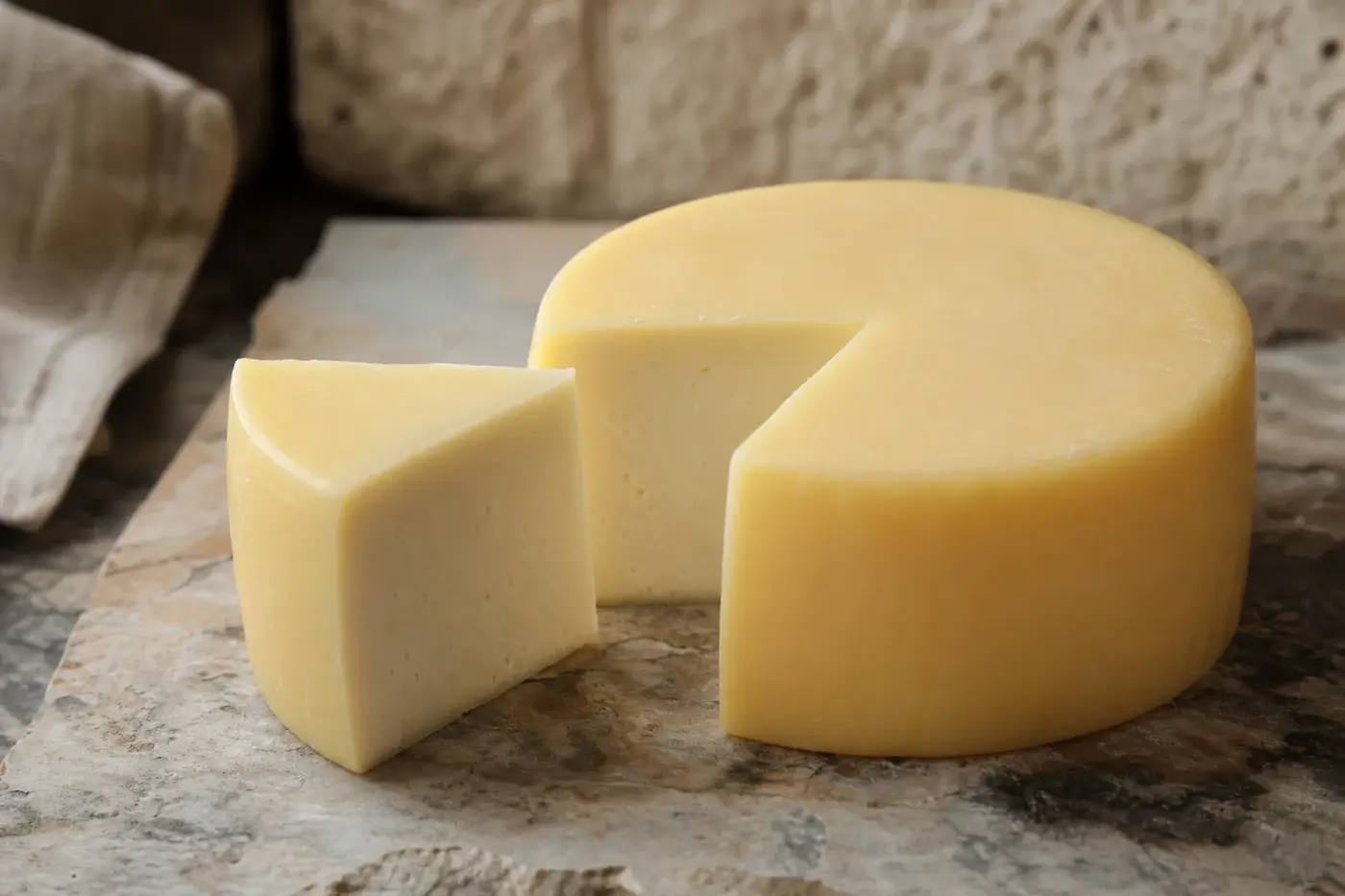
Fresh Manouri is another option when your dish calls for a compact, cream-enriched cheese. Choose it for that richness and texture, expecting a different balance from Anthotyros. For the dried form, look first for a dried Mizithra that grates readily. Check firmness and salt before deciding how generously to use it. [5,12]
Another firm sheep’s milk cheese can work as a finishing garnish if its saltiness and grating texture suit your dish. Call the substitute by its own name, and adjust the seasoning after adding it. A fresh spooning cheese and a dry grating cheese have different jobs; neither needs an awkward career change.
At the counter: questions worth asking
Decide first whether you want fresh Anthotyros for spooning or fillings, or dried Anthotyros for grating. Check the ingredients for the animal species supplying both the whey and any added milk or cream. If the country or region of milk origin matters to you, ask about that separately. [2,3,6]
For pasteurisation, ask specifically about the whey as well as any added milk or cream. The heating used to make the cheese is a different question from the declared treatment of its ingredients. See raw milk, thermised and pasteurised cheese for the distinctions between treatments. [1,4]
For vegetarian suitability, ask whether the maker confirms that the finished cheese is suitable. Also ask whether animal rennet was used in the cheese that supplied the whey. Rennet is the enzyme preparation used to set milk in many cheeses. [1]
Being made from whey describes an ingredient and a method; vegetarian suitability needs an answer for your particular product. See rennet explained. Keep the packaging or the seller’s written storage instructions, especially for a cut portion. The cheese label guide helps you distinguish ingredients, origin details and handling instructions. [1]
This page summarises published guidance from the official sources it cites. It is not medical advice. Guidance differs between countries and changes over time, so check the current source for where you live, and ask your doctor, midwife, pharmacist or dietitian about your own circumstances.
Keep it well: cold storage, dates and spoilage
Keep refrigerated cheese cold. The UK Food Standards Agency’s guidance for England, Wales and Northern Ireland recommends a fridge between 0 and 5 °C. Take your cheese home promptly and follow its storage instructions. Dried Anthotyros also needs whatever refrigeration its pack specifies; firmness alone is not a storage guide. [8]
Once opened, keep the cheese covered as directed and follow the product’s stated limit. For loose cheese, ask the seller for opening and storage instructions for that batch. UK official guidance distinguishes use-by dates, which concern safety, from best before dates, which concern quality. If an opening instruction gives an earlier limit than the printed date, use the shorter applicable limit. [8,9]
Discard cheese with unexpected mould. The FSA’s natural toxins factsheet advises against eating cheese that develops mould when it is not intended to be mouldy. It also advises discarding food that is damaged, discoloured or smells uncharacteristic. A dried rind described by the maker is different from unexpected growth. [5,10]
Follow recall notices for the named product and batch. A normal appearance does not override a use-by date or recall instruction. Keep the remaining cheese refrigerated while preparing a portion, and use clean utensils. For fuller handling guidance, see how to store cheese at home. [8,9,13]
Questions people ask
What is the difference between fresh and dried Anthotyros?
Both are forms of Greek whey cheese. Fresh Anthotyros is white, moist and mild, while dried Anthotyros is firmer and saltier and can be grated.
Is Anthotyros pasteurised?
Milk treatment depends on the product. Ask the maker about the whey as well as any milk or cream added afterwards, because a statement about the added milk does not answer the whole question.
Is Anthotyros vegetarian?
It depends on the product and the source of its whey. Ask the maker whether the finished cheese is suitable for vegetarians and whether animal rennet was used in the cheese that supplied the whey.
What can I use instead of Anthotyros?
For fresh Anthotyros in a cold dessert or pie filling, the page suggests mild, unsalted fresh ricotta with similar moisture. For dried Anthotyros, it suggests a dried Mizithra that grates readily.
How should I store Anthotyros?
The UK Food Standards Agency advises keeping fridges between 0 and 5 °C in England, Wales and Northern Ireland. Follow the product's storage instructions, including any refrigeration instructions for dried Anthotyros. The agency's natural toxins factsheet advises against eating cheese that develops mould when it is not intended to be mouldy.
Sources
- Independent Authority for Public Revenue, Greece, General Chemical State Laboratory. Food and Beverage Code, Article 83: Τυροκομικά προϊόντα, edition 3, April 2014, official hosted text. Sections A.3 and D.3β cover whey cheeses and the Manouri designation specification respectively. Official document.
- Gusto Dairy. Technical Product Specifications: Anthotyro, undated document retrieved November 2026. Producer specification covering ingredients, colour, consistency and taste. Product specification.
- Tzafettas. Anthotyro, undated product page retrieved November 2026. Producer account of whey species, enrichment and fresh-cheese character. Product page.
- Boukouvalas Dairy. Anthotyro, undated product page retrieved November 2026. Producer account of whey source, added milk and suggested uses. Product page.
- Kalogeraki. Anthotyros Dry, undated product page retrieved November 2026. Producer account of Cretan terminology, drying, ingredients, rind, flavour and wedding use. Product page.
- Amari Dairy. Dry Anthotyros, undated product page retrieved November 2026. Producer account of ingredients, maturation, formats and pasta use. Product page.
- Boukouvalas Dairy. Myzithra, undated product page retrieved November 2026. Producer description of its fresh, pasteurised whey cheese. Product page.
- Food Standards Agency. How to chill, freeze and defrost food safely, published 18 December 2017, live version retrieved November 2026. Applies to England, Northern Ireland and Wales. Official guidance.
- GOV.UK. Understanding food labelling: Best before and use-by dates, live version retrieved November 2026. Official guidance.
- Food Standards Agency. Natural toxins factsheet, publication code FSA/0486/0302, 2002. Sections on mouldy foods and avoiding natural toxins. Official factsheet.
- Independent Authority for Public Revenue, Greece. Consultation on revision of Articles 79 to 86 of the Food and Beverage Code, 2026. Consultation notice and linked proposed Article 83, used for the editorial legal check. Official consultation.
- Boukouvalas Dairy. Manouri P.D.O., undated product page retrieved November 2026. Producer account of added pasteurised cream and compact texture. Product page.
- Food Standards Agency. Alerts, live official listing retrieved November 2026. Official alert listing.
This piece was researched from Greek official documents, attributed dairy specifications and UK official food-handling guidance, with serving and substitution suggestions identified as editorial judgement.
Last checked: November 2026
Last checked November 2026.
The editors suggest you read next