Boyne Valley Bán
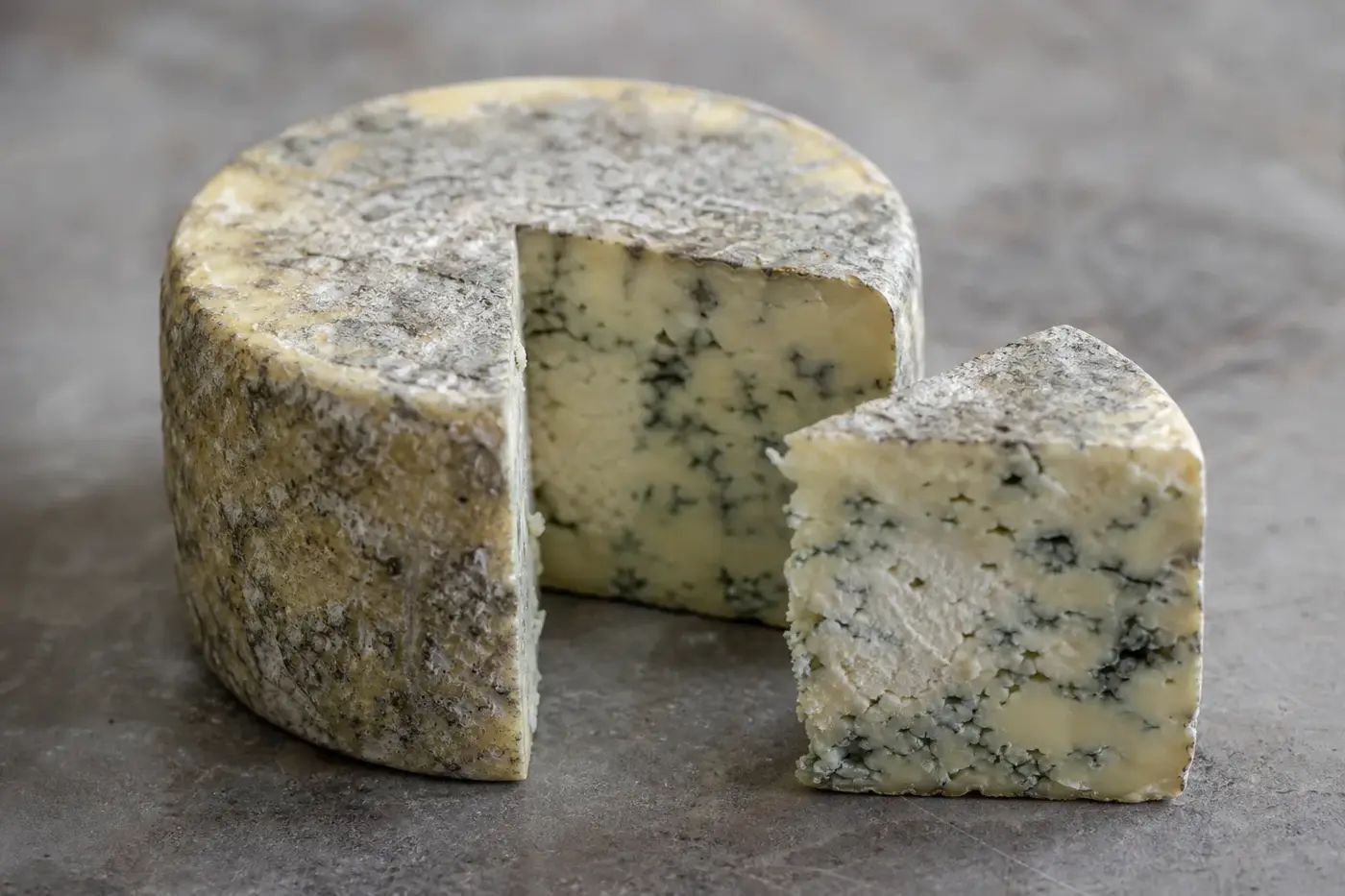
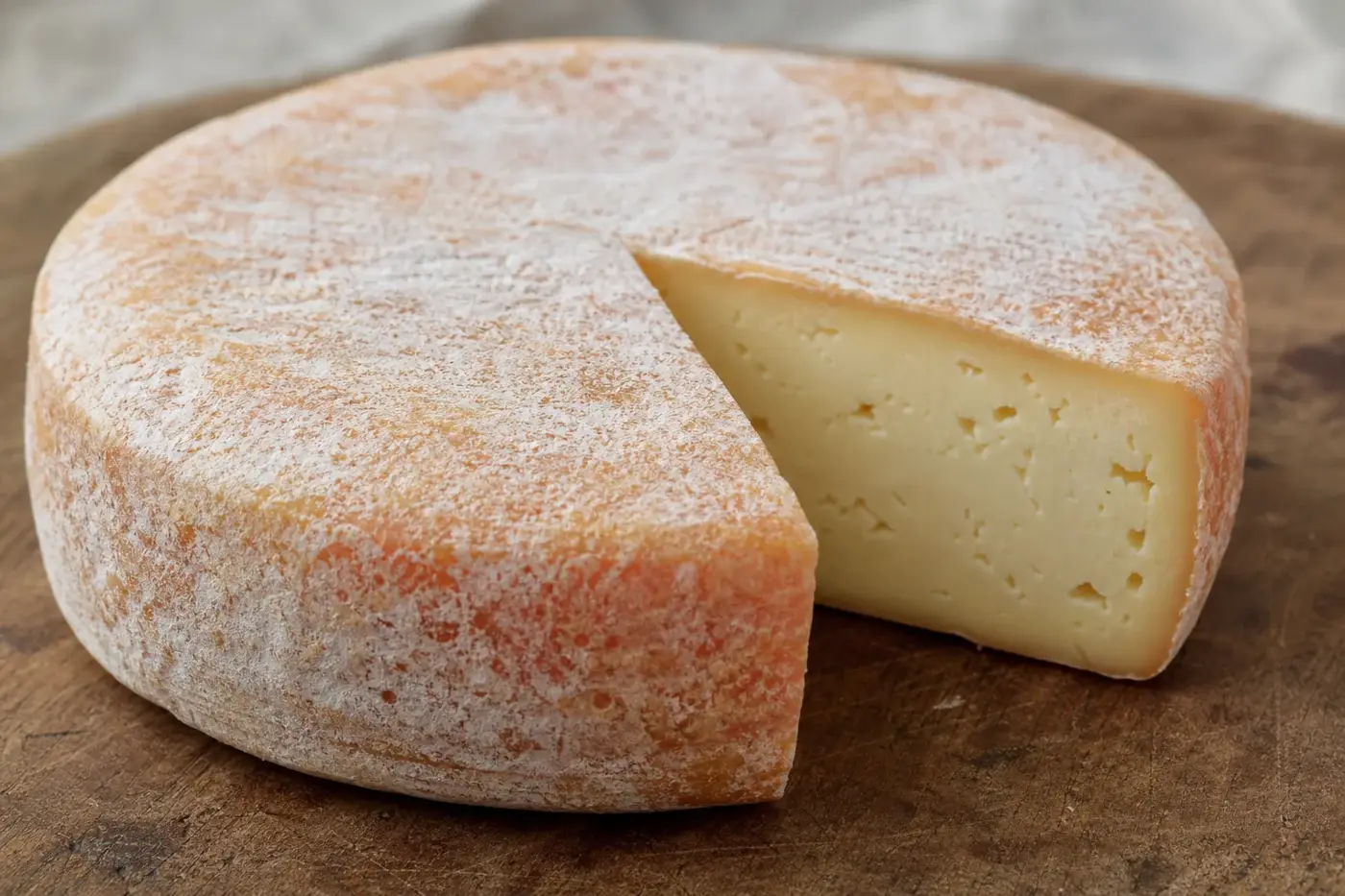
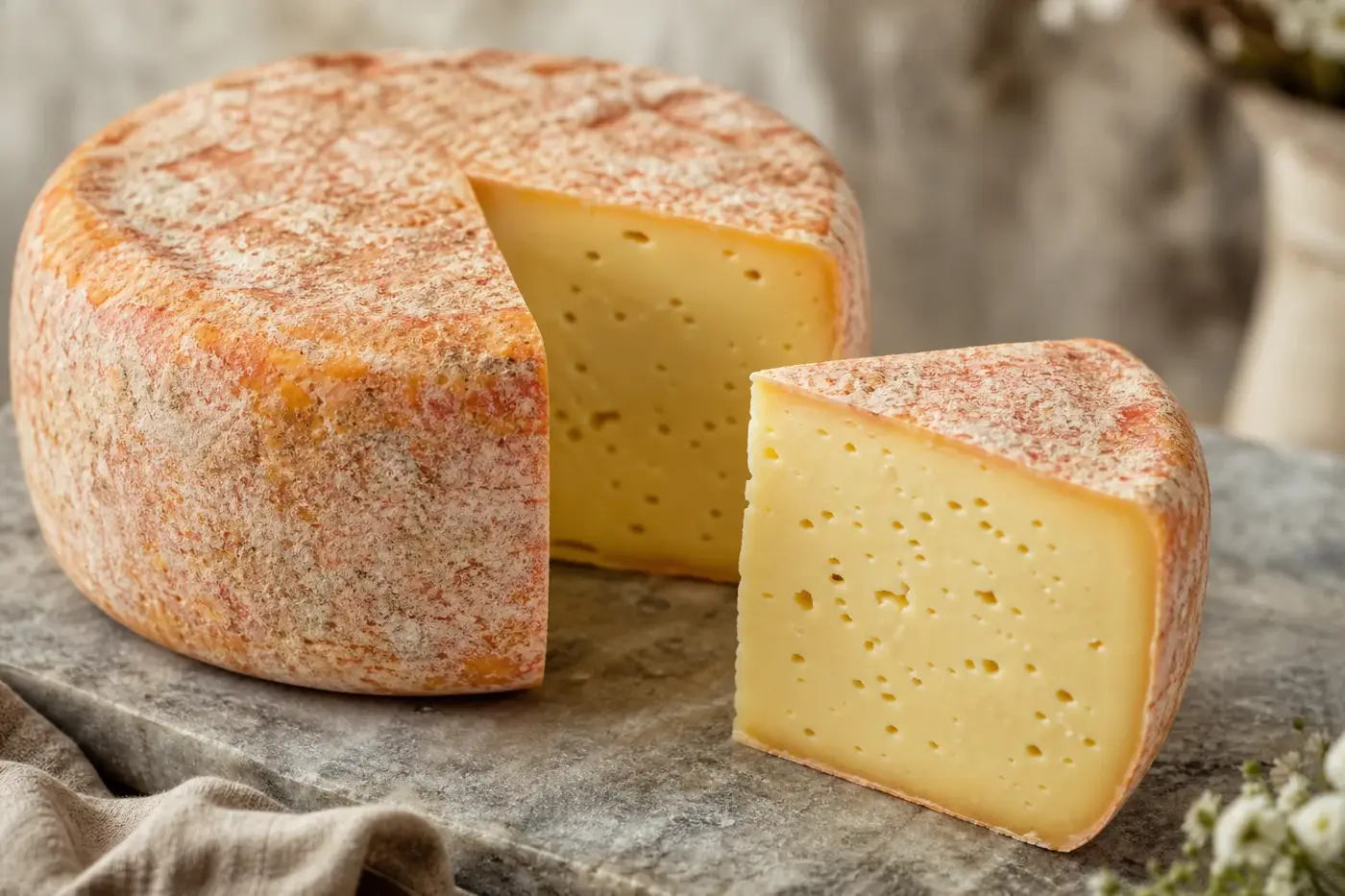
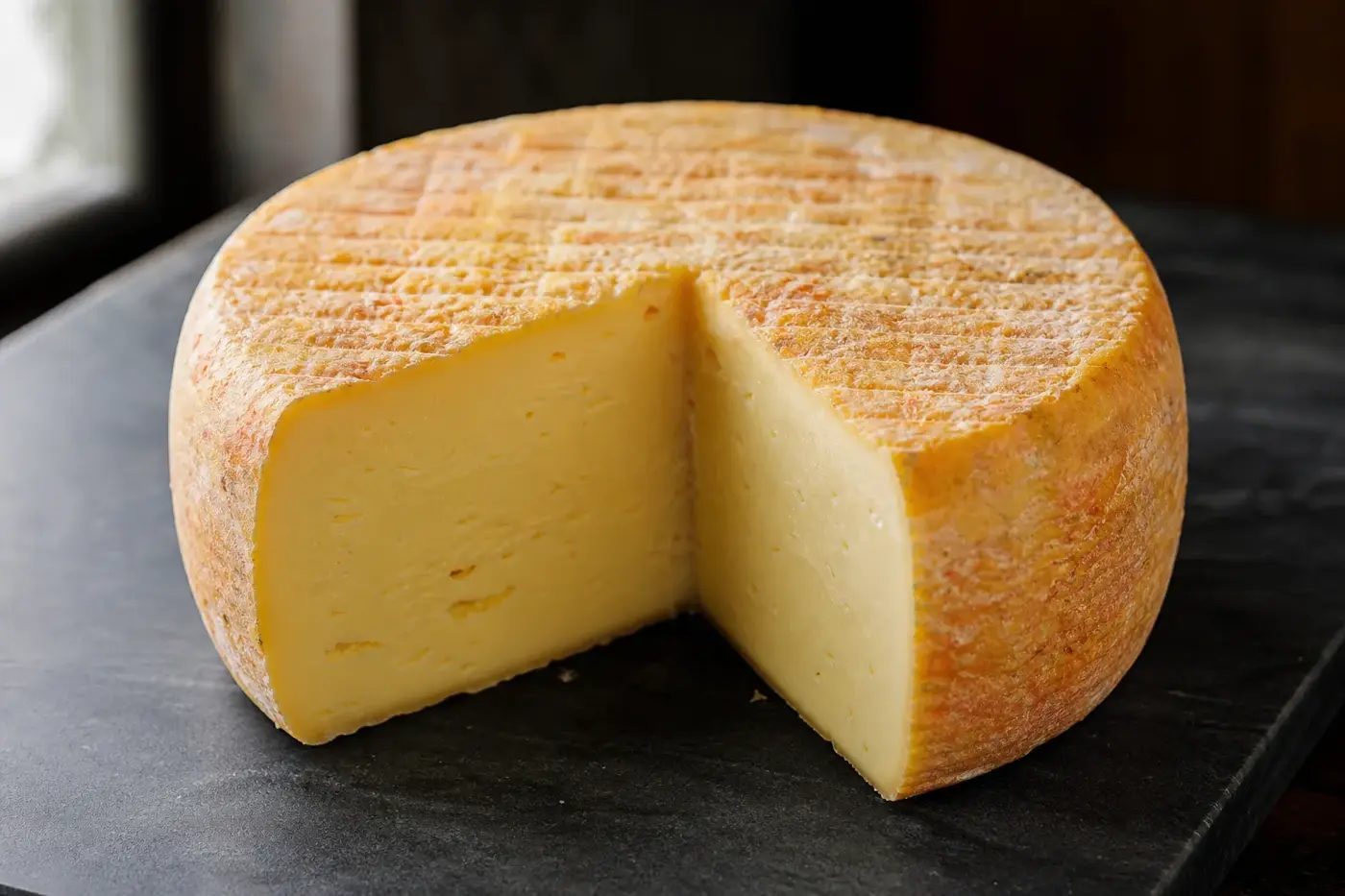
Your knife passes through the natural rind into a white, firm centre, leaving a few crumbs behind.
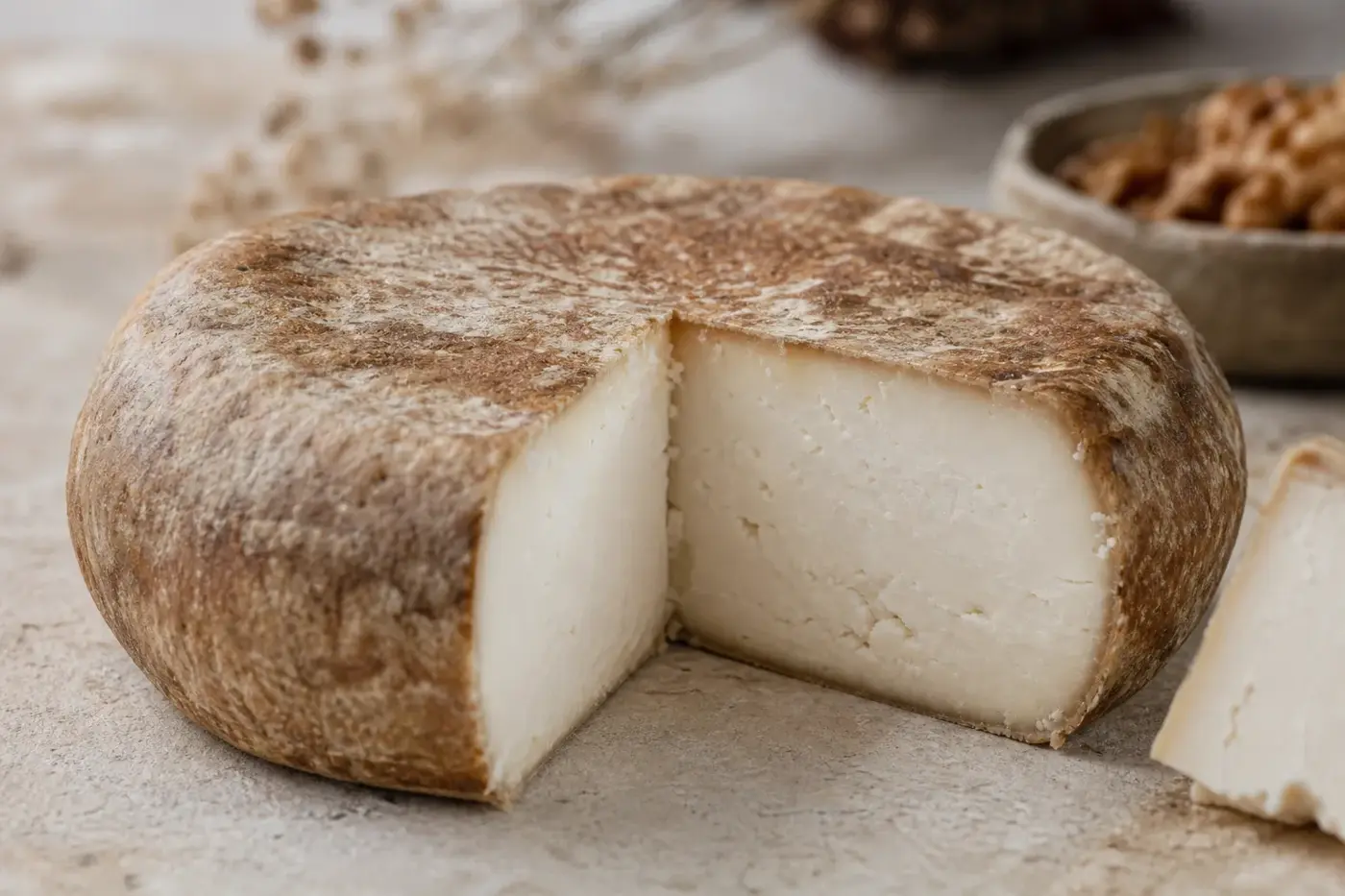
Your knife passes through the natural rind into a white, firm centre, leaving a few crumbs behind. First comes a grassy lactic tang, then a lightly nutty finish: the flavours cheesemongers describe in Boyne Valley Bán. Made by Boyne Valley Farmhouse Cheese in County Meath, Ireland, this goat’s cheese takes inspiration from French tomme but has a home very much its own. [1,2,3]
Get acquainted with Bán
| What you might like to know | The detail |
|---|---|
| Made by | Boyne Valley Farmhouse Cheese [1] |
| Home | Mullagha Farm, Rathkenny, County Meath, Ireland [4,13] |
| Milk | Pasteurised goat’s milk [2] |
| Style | Firm or semi-hard, white cheese with a natural rind [3,6] |
| Rennet | The maker declares the cheese suitable for vegetarians [2] |
| Other declared ingredients | Culture, salt and egg-derived lysozyme [2] |
| Usual ageing period | Not specified here |
| Registered name, authority and register ID | Not specified here |
| Protection status by jurisdiction | Not specified here |
Say “bawn”, then take a look inside
Bán is the Irish word for white, neatly matching the maker’s description of the cheese. To say it aloud, try “bawn”, the practical approximation offered by Irish-language teaching provider Bitesize Irish. Keep the accent when you write Boyne Valley Bán, even if shop listings sometimes leave it behind. [2,5,7,8]
The name distinguishes it from Boyne Valley Blue, the producer’s earlier cheese. Here, “white” describes the interior, which cheese people call the paste, rather than the rind. The outside has made its own wardrobe arrangements. [1,2,6]
An old stone building makes room for Bán
A roughly 200-year-old stone farm building became the cheesemaking facility in 2016. Bán arrived in 2017, adding a relatively recent Irish farmhouse cheese to a much older working farm. The producer’s first cheese, Boyne Valley Blue, had come before it. [1]
The family’s goat enterprise began in 2008. Boyne Valley Farmhouse Cheese followed in 2010, two years later. At first, the milk went to Glenisk; making cheese gave the family a product of its own, on a mixed farm where cattle and cereal growing already sat alongside dairy goats. [1]
That is the story tucked behind the wedge you take home. French tomme supplies the stylistic influence, but Bán grew out of a goat dairy and cheese business in Meath. Its name ties this modern product directly to its home region. [1]
Meet the goats at Mullagha Farm
Mullagha Farm sits outside Slane in County Meath, according to Boyne Valley Farmhouse Cheese, while the CÁIS awards record identifies Rathkenny. The family’s published account dates the farm’s purchase to 1935. Its yard once formed part of Mullagha House and Estate. [1,4,13]
The maker reports a herd of Saanen, Alpine, Toggenburg and Anglo Nubian goats, whose milk supplies the cheesemaking. The goat enterprise and cheese production share a home, giving you a direct connection between farm and finished cheese. The family also credits the Boyne Valley’s grasses with helping shape its cheeses’ character. [4]
What goes into your wedge
The maker’s current product page lists pasteurised goat’s milk, culture, salt, rennet and egg-derived lysozyme. It also declares Bán suitable for vegetarians. Pasteurisation is the specified milk treatment; you can explore the wider differences in raw, thermised and pasteurised milk. [2]
Rennet does the setting, turning milk into curd. The vegetarian declaration helps you choose, while the precise source of Bán’s rennet belongs in the product’s technical information. For the differences between animal, microbial and fermentation-produced coagulants, turn to the rennet guide. [2]
Milk is not the only allergen to consider here. The maker also declares lysozyme derived from egg, so read the actual pack before serving Bán to anyone managing allergens. Ireland’s Food Safety Authority advises following the manufacturer’s instructions on the label. [2,9]
Behind the ripening-room door
Bán is matured, rather than a fresh goat’s cheese. In a farm presentation hosted by Teagasc, the Irish agriculture and food development authority, the producer describes a pasteurised, semi-hard white goat’s cheese with a natural rind and mild to medium strength. The maker’s farm account also describes cheeses resting on shelves in a ripening room. [4,6]
Give the outside and the cut face a little attention of their own. The natural rind encloses the white paste of a firm, cuttable cheese. Sheridans Cheesemongers describes a slightly crumbly texture; Mike’s Fancy Cheese describes a musty natural rind around a smooth but firm centre. [3,10]
When you buy a wedge, ask your cheesemonger about that particular wheel’s age and texture. The published descriptions suggest that a softer impression on your palate can sit alongside a firmer structure under your knife. For the stages many cheeses share along the way, explore how cheese is made. [3,10]
Follow the grassy tang to the nutty finish
Sheridans’ description starts with a clean, grassy lactic tang and finishes on a lightly nutty note. “Lactic” means a dairy-like acidity. It gives you more to go on than “strong” or “mild”: expect freshness in the flavour alongside the character of a matured, natural-rind cheese. [3]
Cheese.ie adds sweet dairy notes, a gentle goat’s milk tang and savoury complexity. For aroma, begin with Mike’s Fancy Cheese’s description of a musty rind. Smell the exterior, then the freshly cut face, giving each its moment rather than expecting them to smell alike. [10,11]
Time shifts the balance. Mellis describes its examples as becoming more crumbly and more powerful as they mature. Ask for a gentler piece if you want the dairy tang to lead, or a more developed one if intensity appeals; comparing identified pieces at different ages, side by side, is the clearest way to explore that change. [12]
A place on the awards table
At the 2024 CÁIS Irish Cheese Awards, Boyne Valley Bán won the Hard/Semi-Hard Cheese Under 6 Months category, covering all milk types. The 2024 Artisan Cheese Awards brought gold in both the Semi-Soft and Farmhouse classes, plus silver in Goat. That puts recognition against its name across several styles. [13,14]
The British and Irish Cheese Awards results dated 20 March 2026 record gold in class F42, Goat up to 6 months. Each distinction belongs to its named competition and class. The age band tells you the category entered, not the age of every piece you might bring home. [15]
Let Bán have the first bite
Try a plain piece before reaching for anything else. Cut your wedge into manageable slices across its length, keeping a little outer edge with each slice wherever the shape allows. With a whole round, begin with radial wedges and slice those, so the centre does not become one person’s private estate.
Keep accompaniments simple, giving the tang and finish some space. Sheridans recommends rye and linseed crackers and chutney; serve the chutney alongside so everyone can choose their own level of sweetness. Fresh apple or pear offers another contrasting bite. [3]
For a drink, sparkling water is a straightforward choice. A small glass of apple juice is another option if you enjoy fruit with your cheese.
Cut only the portion you intend to serve. Follow the storage instructions on the label for the cheese left behind.
Save a little for another helping
Wrap and refrigerate the remaining cheese, following the storage instructions and dates on the piece you buy. Keep its label with it, so you retain the ingredients, date and any instructions after opening. Write the opening date on the wrapping to make your cut piece easier to manage.
For edible cheese still in the fridge, Sheridans suggests crumbling it into cold pasta dishes or shaving it onto salads. Cut only what your dish needs, then promptly return the rest to refrigeration, following the manufacturer’s instructions. You get another serving without turning the whole piece into a cooked dish. [3,9]
For wrapping and refrigerator organisation, see storing cheese at home. If unexpected growth appears on a stored piece, that is a separate question covered in mould on cheese.
General information only, not medical advice: follow the official guidance where you live.
Questions people ask
Where is Boyne Valley Bán made?
It is made by Boyne Valley Farmhouse Cheese at Mullagha Farm in County Meath, Ireland. The herd includes Saanen, Alpine, Toggenburg and Anglo Nubian goats.
What milk is used in Boyne Valley Bán?
Boyne Valley Bán is made with pasteurised goat’s milk. Its style takes inspiration from French tomme.
Is Boyne Valley Bán vegetarian and does it contain egg?
The maker declares it suitable for vegetarians, but lists lysozyme derived from egg among its ingredients. Ireland’s Food Safety Authority advises following the manufacturer’s instructions on the label; see its guidance for more information.
What does Boyne Valley Bán taste like?
Sheridans Cheesemongers describes a grassy lactic tang and a lightly nutty finish. Mellis says the cheese becomes more crumbly and powerful as it matures.
How can I serve and store Boyne Valley Bán?
Sheridans recommends rye and linseed crackers and chutney, or suggests crumbling the cheese into cold pasta dishes or shaving it onto salads. Keep the remaining cheese wrapped and refrigerated, following the instructions and dates on its label.
Sources
-
Boyne Valley Farmhouse Cheese. The Story of Boyne Valley Cheese. Undated live account, accessed November 2026. Establishment, dairy enterprise, converted farm building and development of Bán. Source.
-
Boyne Valley Farmhouse Cheese. Boyne Valley Bán, 200g. Undated live product information, accessed November 2026. Ingredients, pasteurised milk, vegetarian declaration and tomme-style description. Source.
-
Sheridans Cheesemongers. Boyne Valley Bán. Undated live product account, accessed November 2026. Texture, flavour, rind, serving suggestions and the seller’s pairings. Source.
-
Boyne Valley Farmhouse Cheese. The Story of Mullagha Farm. Undated live account, accessed November 2026. Farm history, milk-producing herd, breeds and ripening-room description. Source.
-
Foras na Gaeilge, Teanglann. Irish Pronunciation Database: bán. Live database, accessed November 2026. Dialect-specific pronunciation resources. Source.
-
Teagasc, hosting a producer presentation. Boyne Valley Farmhouse Cheese. Presentation in the publisher’s 2020 publications directory; document itself undated. Producer’s description of Bán as pasteurised, semi-hard, white, natural-rind and mild to medium in strength. Source.
-
Foras na Gaeilge, Teanglann. Foclóir Gaeilge-Béarla: bán. Dictionary edition 1977, online entry accessed November 2026. Meaning of bán.
-
Bitesize Irish. How to Say: “white” in the Irish language. Undated teaching entry, accessed November 2026. Translation and approximate English respelling “bawn”. Source.
-
Food Safety Authority of Ireland. Safe Food To Go. Retrieved accessible edition, publication date not established. Food-business guidance on refrigeration, counter display and following manufacturers’ instructions. Source.
-
Mike’s Fancy Cheese. Boyne Valley Bán. Undated live product account, retrieved November 2026. Seller’s description of rind aroma and paste texture. Source.
-
Cheese.ie. Boyne Valley Bán | Goat’s Milk | Vegetarian Rennet | Co. Meath. Undated live product account, accessed November 2026. Seller’s tasting description. Source.
-
Mellis. Boyne Valley Bán. Undated live product account, retrieved November 2026. Seller’s description of changes in texture and intensity with age. Source.
-
CÁIS, Association of Irish Farmhouse Cheesemakers. National Press Release: The Winners of the CÁIS 2024 Irish Cheese Awards Are Announced. April 2024. Category-winners list. Source.
-
Artisan Cheese Awards. Award Winners 2024 Artisan Cheese Awards. 2024 results. Classes 3, 8 and 12. Source.
-
British and Irish Cheese Awards. British and Irish Cheese Awards: Non Retailers. Results dated 20 March 2026. Class F42. Source.
Researched through the maker’s published accounts, a producer presentation, Irish-language references, cheesemongers’ attributed descriptions, awarding organisations’ results and official Irish food-handling guidance.
Last checked: November 2026
Last checked November 2026.
The editors suggest you read next