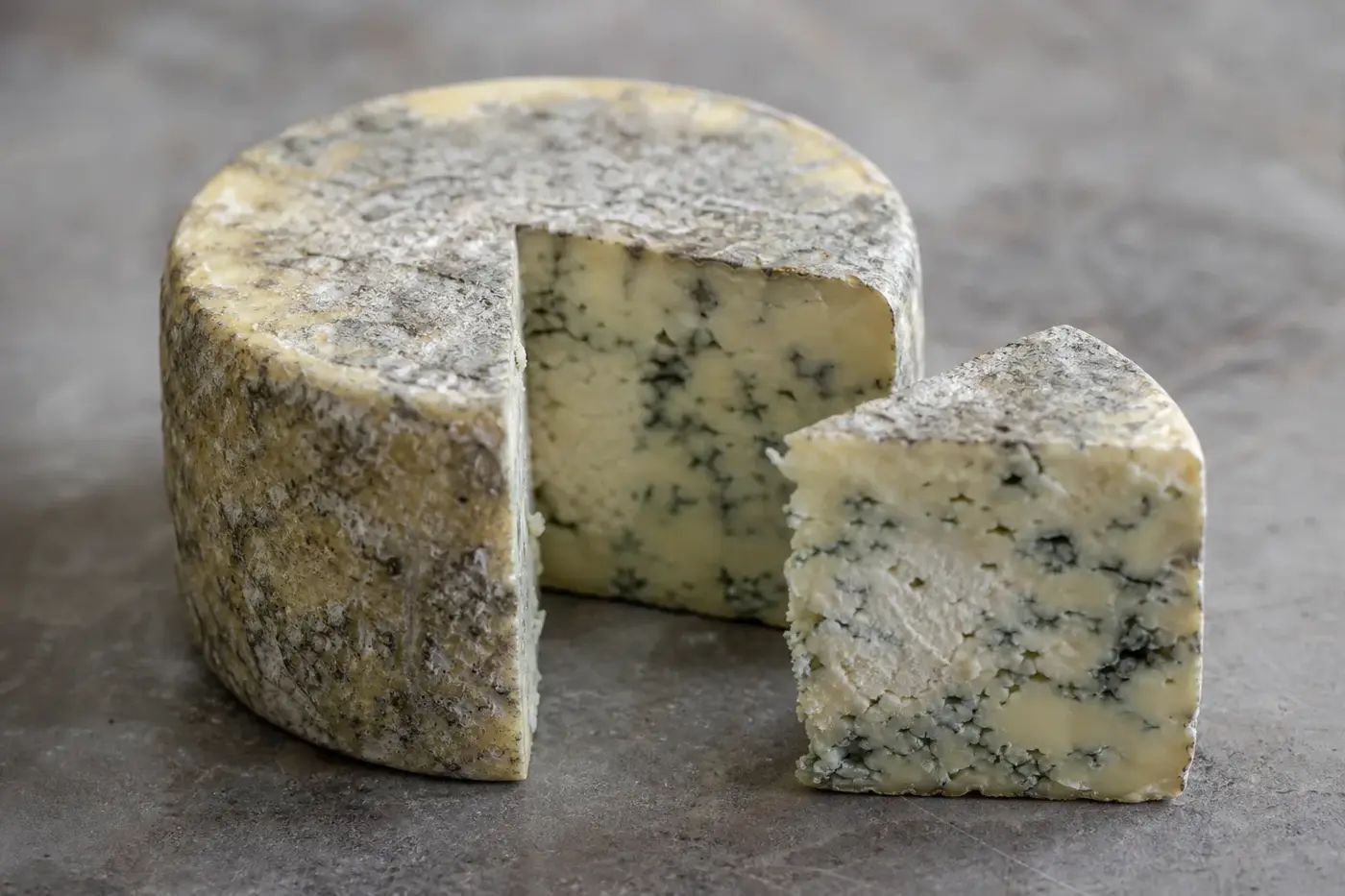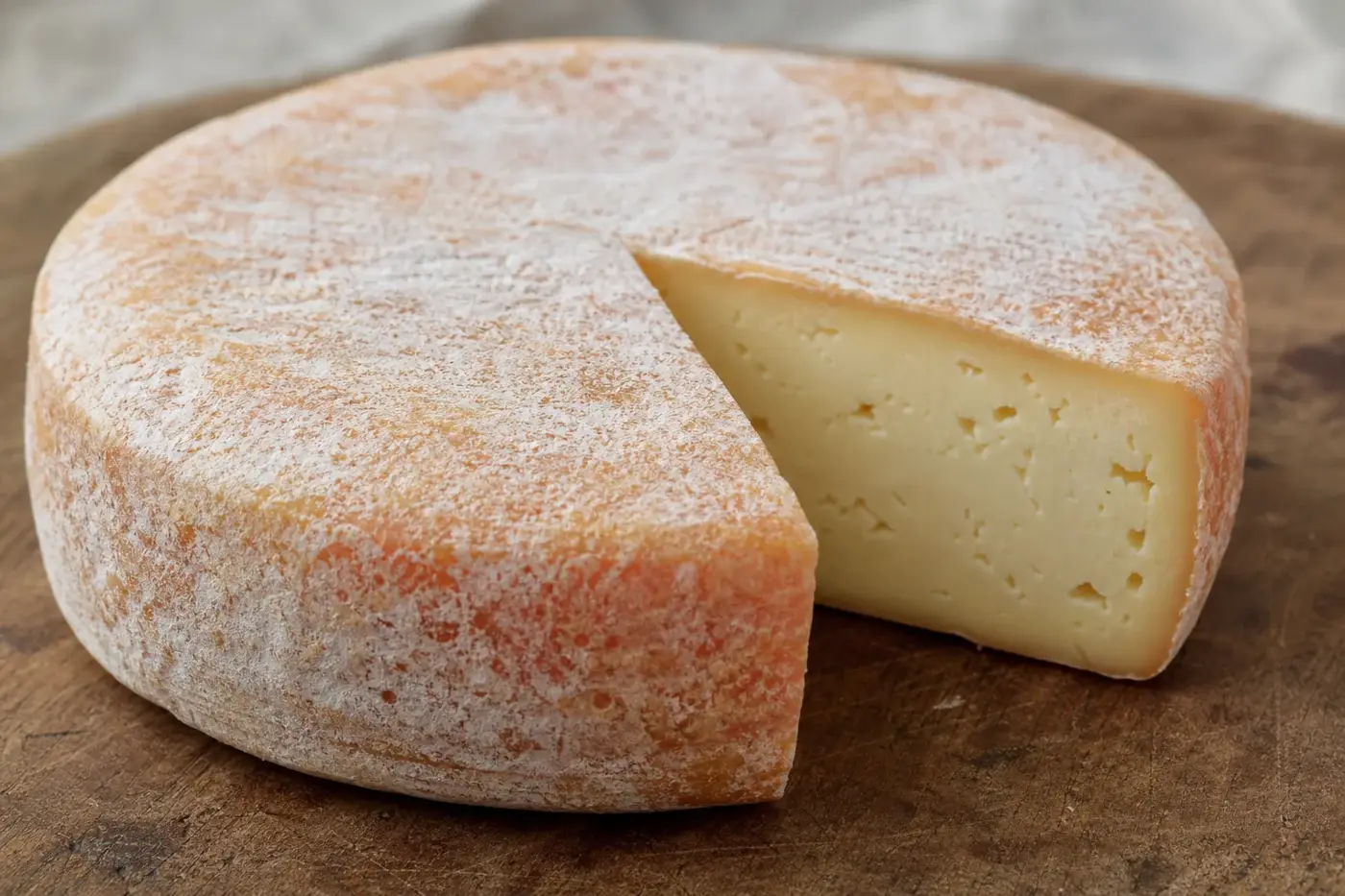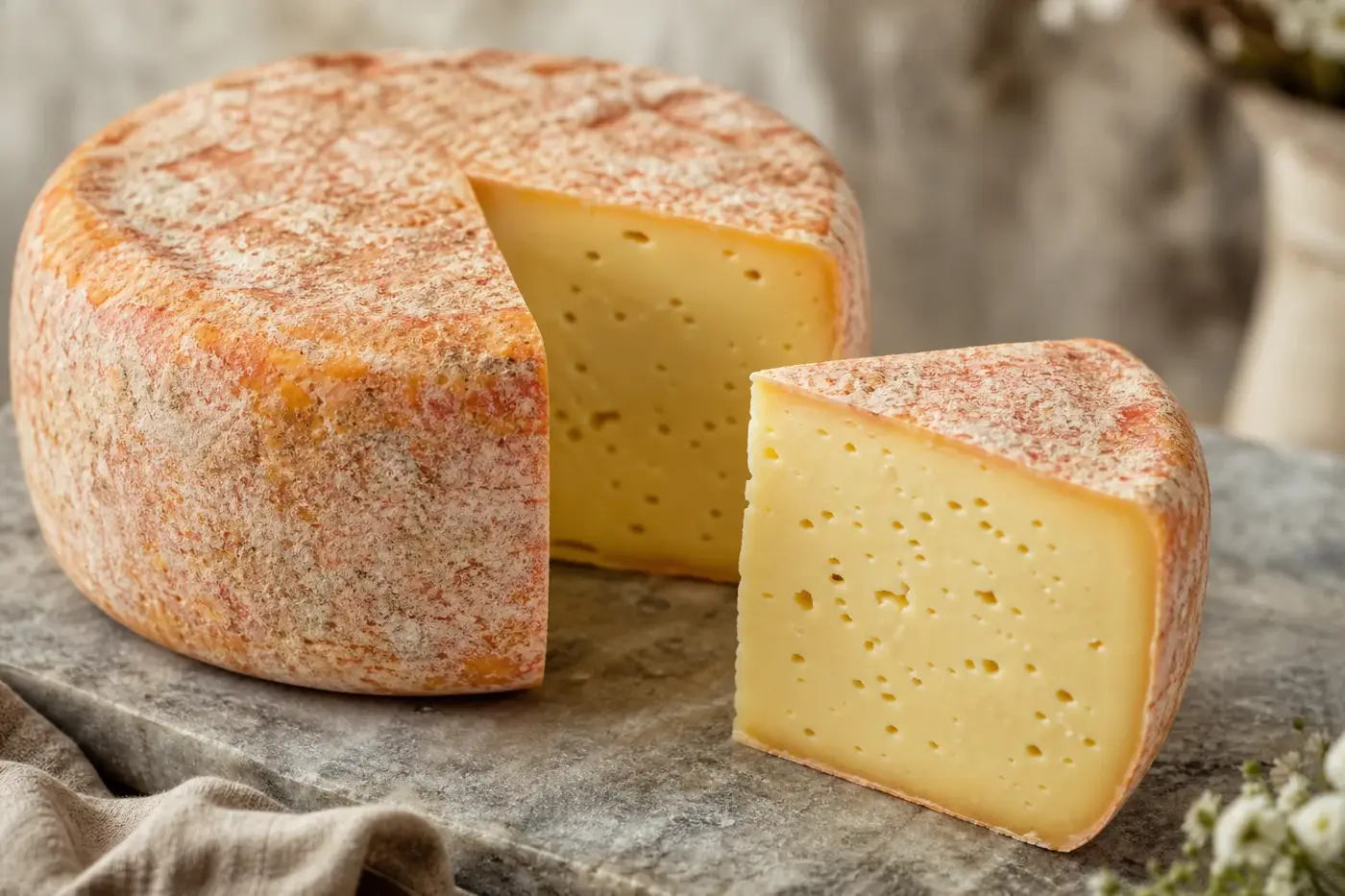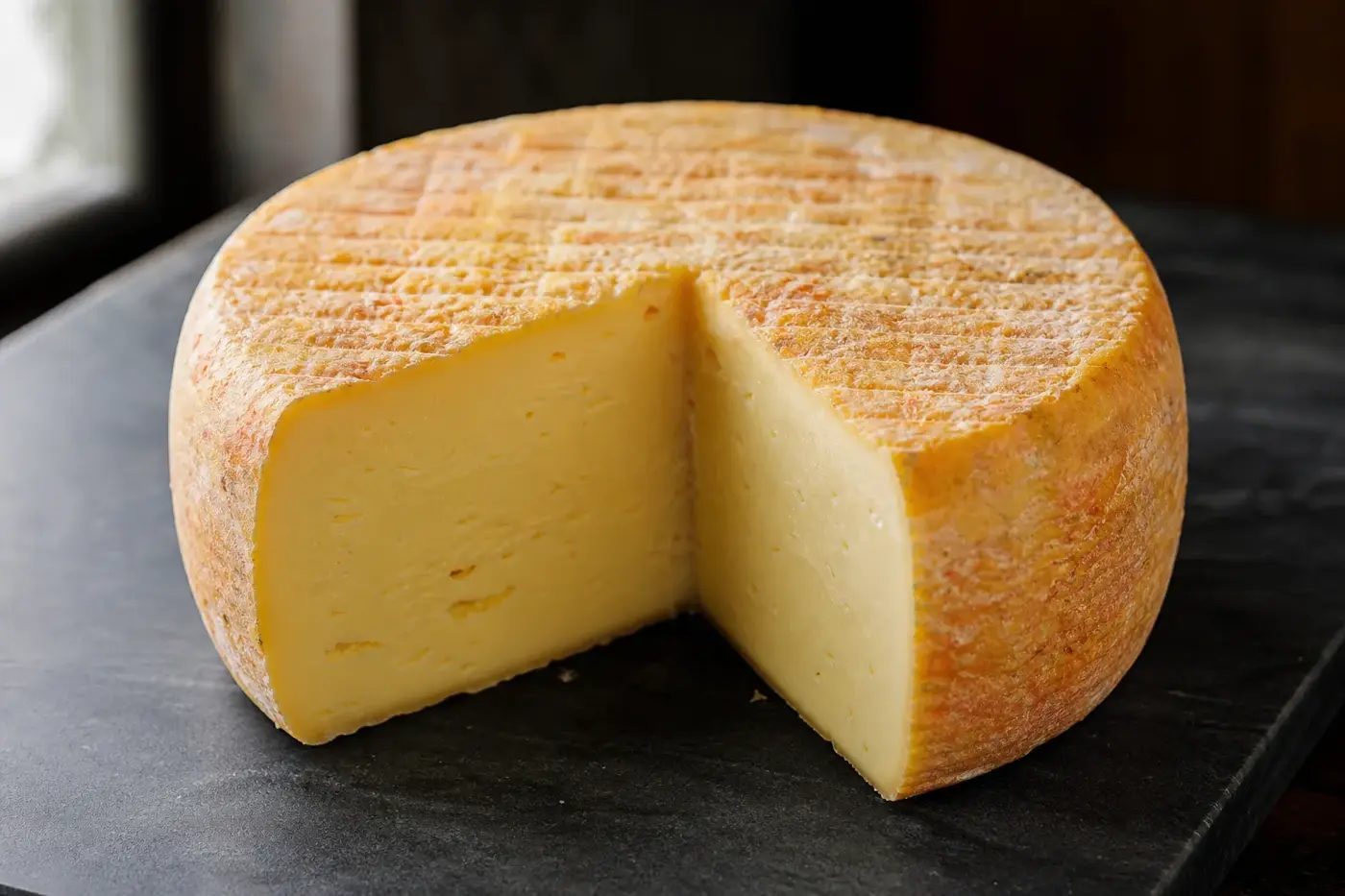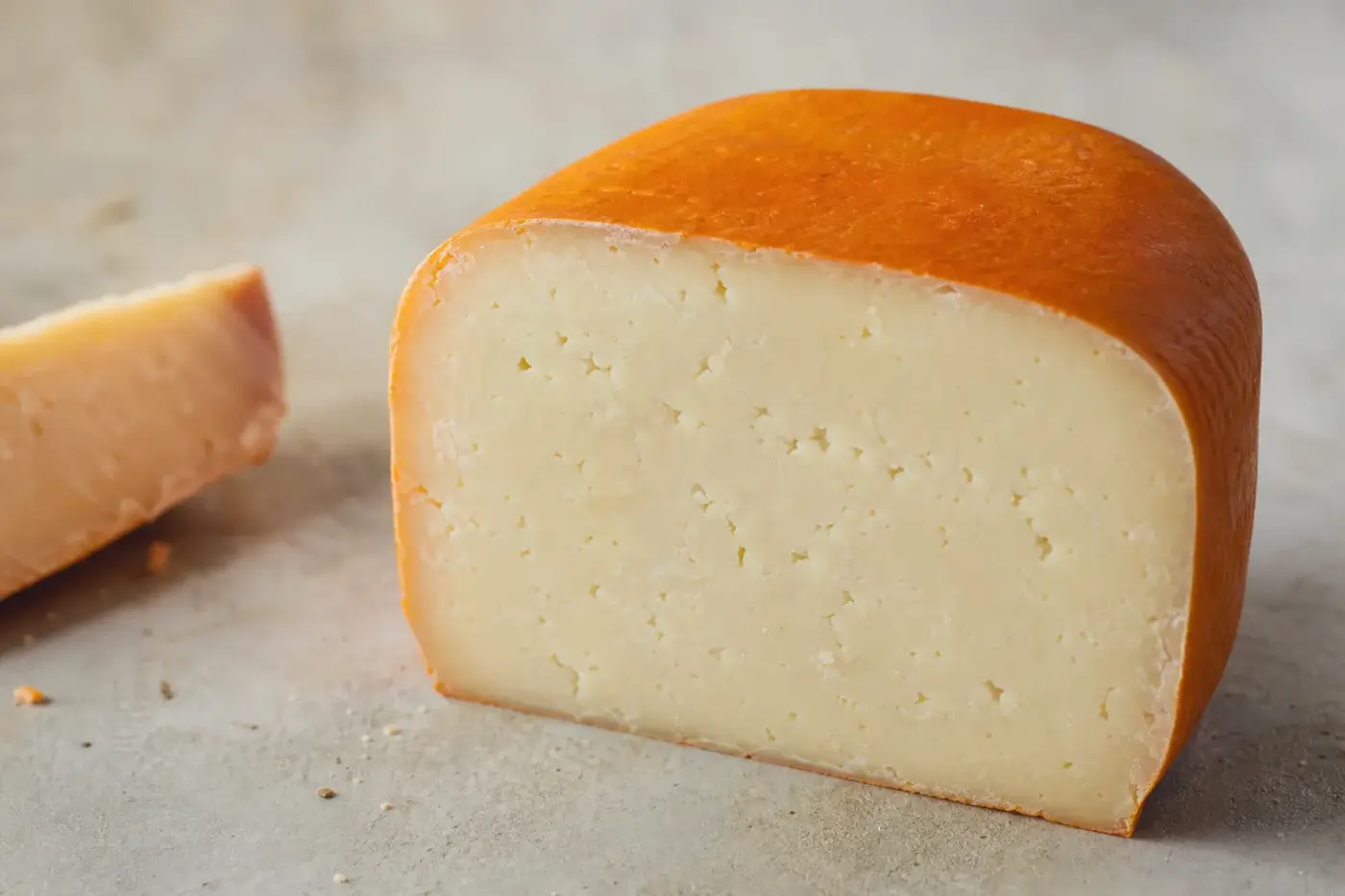
A thin flake breaks away. Taste it, and look for sweetness with a hint of caramel. Your piece of Cáis na Tíre began with sheep’s milk on a farm near Terryglass in County Tipperary, where the family’s own milk becomes a matured semi-hard to hard cheese. Behind that maker-described sweetness are months of ageing, family farming and the patient business of making and ripening. [1,4,7]
Meet your next wedge
| What you might ask | What to know |
|---|---|
| Name | Cáis na Tíre |
| Maker | Cáis na Tíre, a family farming and cheesemaking enterprise [2,3] |
| Home | Terryglass, County Tipperary, Ireland [2] |
| Milk | Sheep’s milk from the farm’s own flock [4,7] |
| Milk treatment | Unclear; producer and Bord Bia descriptions conflict [1,3,5] |
| Style | Hard, loosely based on a tomme recipe [1] |
| Usual maturation | Unclear; published producer ranges differ [1,3,7] |
| Rind treatment | Brined, dried and coated; coating material unconfirmed [3] |
Make room on the board, or reach for the grater
You can give Cáis na Tíre a place on the cheeseboard or reach for the grater. Sheep’s milk and a long maturation shape its character. The producer describes a hard cheese loosely based on a tomme recipe, but that is only your starting point: this cheese has its own farm and making traditions behind it. [1]
Choose your piece with supper in mind. If you want slices, ask about texture; if you want gratings, look for flavour that carries in small amounts. The guide to cheese styles explores how milk, rind and method set cheeses apart, even within the same broad texture class.
Two graduates find their flock in Tipperary
This family farm’s cheesemaking story begins with two agricultural graduates. Both came from farming backgrounds and studied Agricultural Science at University College Dublin, graduating in 2010. They knew dairy farming, but sheep became the centre of the enterprise they chose to build. [2]
A visit to a sheep dairy farm in England in February 2012 helped turn that choice into a plan. The following month, they bought Friesland lambs as breeding stock. That autumn brought accommodation incorporating a milking parlour and cheese storage, followed by the first lambing and milking in March 2013. [2]
Killeen Farmhouse Cheese helped make the early cheese. In an interview published in December 2016, the farm described sending its milk there for cheesemaking, then bringing the wheels home to Tipperary to mature. The producer’s website now describes manufacture on the farm itself: supplying milk developed into making and ageing cheese onsite. [3,4]
In the recent interview, the farm places this work close to Lough Derg. The cheesemaking room adjoins the milking parlour, keeping milk production and cheese production on the same farm. You can follow the connection from your wedge straight back to the flock. [7]
Follow the rhythm of spring milk
The farm’s own Friesland ewes supply the milk. In an advertiser announcement published on 4 November 2026, the producer describes sheep grazing grass and being milked twice daily during the season. Around April and May, milk production reaches its peak and cheesemaking happens approximately every second day. [4,7]
That sets the rhythm: spring milk, repeated makes, then months of storage before a cheese reaches your plate. The maker connects the milk’s importance with the farm’s grass, climate and soil. When you buy, remember that the milk’s season and the cheese’s age tell different parts of the story. [7]
From the milk vat to the final coating
The producer’s account begins with cultures, lysozyme and rennet going into the milk. Rennet helps the milk set, ready to be cut into curds and whey. Producer and Bord Bia descriptions conflict over milk treatment, while the current ingredient list and the source of the lysozyme remain uncertain. [3,5]
The curds go into moulds for pressing. Then comes a bath in salt solution, followed by drying and coating. Step by step, you get a clearer picture of the work than “tomme-style” can offer on its own. [3]
Need a vegetarian cheese? Ask about the actual piece you are buying: Bord Bia’s profile lists traditional and vegetarian rennet options, while the producer’s manufacturing account names rennet without specifying its type. The guide to rennet explains what those descriptions mean. [3,5]
Get to know the wheel’s age
Before you choose, ask the seller how old that particular wheel is. The maker’s product page gives 6 to 12 months, its process page describes 6 to 9 months in ripening rooms, and the November 2026 producer interview gives about 6 to 8 months. Knowing the age of the piece in front of you makes those different published ranges more useful. [1,3,7]
Bord Bia describes the original cheese with an orange rind and a beige paste, the interior beneath it. It lists a 4.5 kg format, although the wheel shape remains uncertain. The maker confirms coating after brining and drying, so ask how to handle that coating when preparing your wedge; colour alone cannot tell you. [3,5]
In the December 2016 interview, the farm described turning and wiping every cheese weekly. That is the patient, hands-on side of maturation. Each cheese gets attention, week after week, long before it gets yours. [4]
Find the caramel, then follow the toast
Sweetness with caramel-like tones sits at the heart of the producer’s tasting description. The Courtyard Dairy, a cheesemonger selling Cáis na Tíre, adds toasty notes and a flaky texture. It contrasts the cheese with a more supple Gouda, explaining that the curd is not washed in the Gouda manner. [1,6]
Start with a thin piece on its own and smell it before you eat. Notice the sweetness, savouriness and how the paste breaks. Put the aroma into your own words: tasting notes are an invitation, not an exam.
The cheesemonger links longer maturation with deeper toasted and caramel character. If you can try two ages, taste equal pieces with the same plain accompaniment. You will learn more that way than by assuming the oldest wheel must be your favourite. [6]
A silver and bronze moment at the Cáis Irish Cheese Awards
Cáis na Tíre sheep’s milk cheese won silver in the hard cheese over 6 months category at the Cáis Irish Cheese Awards 2024, according to the organiser’s results. Those results also record bronze for Dunnes Stores Simply Better Irish Farmhouse Cáis na Tíre in the retailer semi-hard and hard cheese category. [8]
These are two separate records of recognition. Each names the competition, year and category in which that cheese was judged. [8]
Give your cheeseboard a simple start
Give your first piece plain bread or crackers for company, then introduce one accompaniment at a time. Suggested partners include a crisp apple, a pear or a little quince paste, bringing freshness or fruit alongside the maker’s caramel-like flavour description. Keep the helping small enough that you can still taste the cheese; the quince need not take charge. [1]
For a drink, try sparkling water alongside fresh apple. The water stays neutral while the fruit brings the contrast.
For storage and serving advice in Ireland, consult the current Food Safety Authority of Ireland guidance. Follow the pack instructions too. [9]
Bring home a wedge that suits your supper
Check that you are choosing the producer’s original Cáis na Tíre, especially if the shop also stocks its Gouda-style cheese. Ask which cheese it is, how mature it is, and whether the portion was cut from a wheel or packed by the producer. Those answers tell you more than “Irish sheep’s cheese”; the guide to reading a cheese label helps you untangle the details on a wrapped piece. [1,5]
At the counter, ask about the texture of the wheel being cut that day. If you are deciding whether to slice or grate, a description of that particular cheese beats a general maturity label.
Once you get home, follow the pack’s storage instructions and refrigerate promptly after purchase, as the Food Safety Authority of Ireland advises. Keep the wrapper or label with the cheese so its date and handling instructions stay close to hand after your first serving. For storage materials and a fuller household routine, turn to storing cheese at home. [9]
The producer recommends Cáis na Tíre for grating and melting as well as for the cheeseboard. You could start with shavings over roasted vegetables, fine gratings over pasta, or a little stirred through a potato filling. Add it gradually, then taste before adding more seasoning: let this particular piece show you what it brings. [1]
Let the meal decide your cut. Try thin pieces in a sandwich, small flakes in a salad, or a fine grating to spread the cheese through a dish. With your first purchase, save a little to taste plain before cooking the rest. That reference will help you choose what to do with your next wedge.
General information only, not medical advice: follow the official guidance where you live.
Questions people ask
What does Cáis na Tíre taste like?
The producer describes a sweetness with caramel tones. The Courtyard Dairy also notes a toasty flavour and flaky texture.
How long is Cáis na Tíre matured?
The producer’s published ranges differ: its product page gives 6 to 12 months, while its process page says 6 to 9 months. A November 2026 producer interview gives about 6 to 8 months.
Is Cáis na Tíre made with pasteurised milk?
The milk treatment has not been verified. The producer and Bord Bia give conflicting descriptions.
Is Cáis na Tíre suitable for vegetarians?
Bord Bia lists traditional and vegetarian rennet options, while the producer’s manufacturing account does not specify the rennet type. Ask for confirmation about the piece being sold.
How should I store Cáis na Tíre?
The Food Safety Authority of Ireland advises following the pack’s storage instructions and refrigerating promptly after purchase. Consult its current guidance for storage and serving advice in Ireland.
Sources
- Cáis na Tíre, Cais na Tire, producer’s product listing, undated, retrieved November 2026. Milk treatment, style, ageing range, tasting description and suggested culinary uses. Producer’s product page.
- Cáis na Tíre, Our Story, undated, retrieved November 2026. Agricultural background, farm development and the start of milking. Producer’s history.
- Cáis na Tíre, Our Cheese, undated, retrieved November 2026. Onsite manufacture, ingredients added during manufacture, pressing, brining, coating and ripening rooms. Producer’s manufacturing account.
- The Courtyard Dairy, producer interview, 31 December 2016. Primary testimony about the flock, early cheesemaking arrangements, weekly maturation work and wine pairing. Published producer interview.
- Bord Bia, Cais na Tire, farmhouse cheese profile, undated, retrieved November 2026. Original cheese and Gouda-style cheese listed separately; appearance, format and rennet options. Bord Bia profile.
- The Courtyard Dairy, Cais na Tire Sheep, merchant’s product account, undated, retrieved November 2026. Attributed observations about texture, flavour and maturation. The publisher sells the cheese. Cheesemonger’s account.
- Irish Farmers Journal, A delicious hard sheep’s cheese is a family affair in Terryglass, 4 November 2026, labelled “Advertiser Announcement”. Producer statements about current farm production, seasonality, location and maturation, retrieved in the search extract. Published producer account.
- Cáis, Cáis Irish Cheese Awards 2024, winners booklet, 2024, results table. Award categories and medals checked against the PDF and its page image. Official results booklet.
- Food Safety Authority of Ireland, Storing food safely, undated, retrieved November 2026. Consumer refrigeration temperatures, prompt refrigeration and following label instructions. Irish consumer storage guidance.
- Food Safety Authority of Ireland, Safe Food to Go, retrieved edition, publication date not stated in the extracted document. Printed page 7: counter display and manufacturer’s instructions. Official food-handling booklet.
- Food Safety Authority of Ireland, Food Alerts, live index, retrieved November 2026 for the editorial recall check. Official alert index.
This desk-researched article combines the producer’s published accounts, attributed merchant observations, official competition results and Irish food safety guidance.
Last checked: November 2026
Last checked November 2026.
The editors suggest you read next