Cenarth Brie
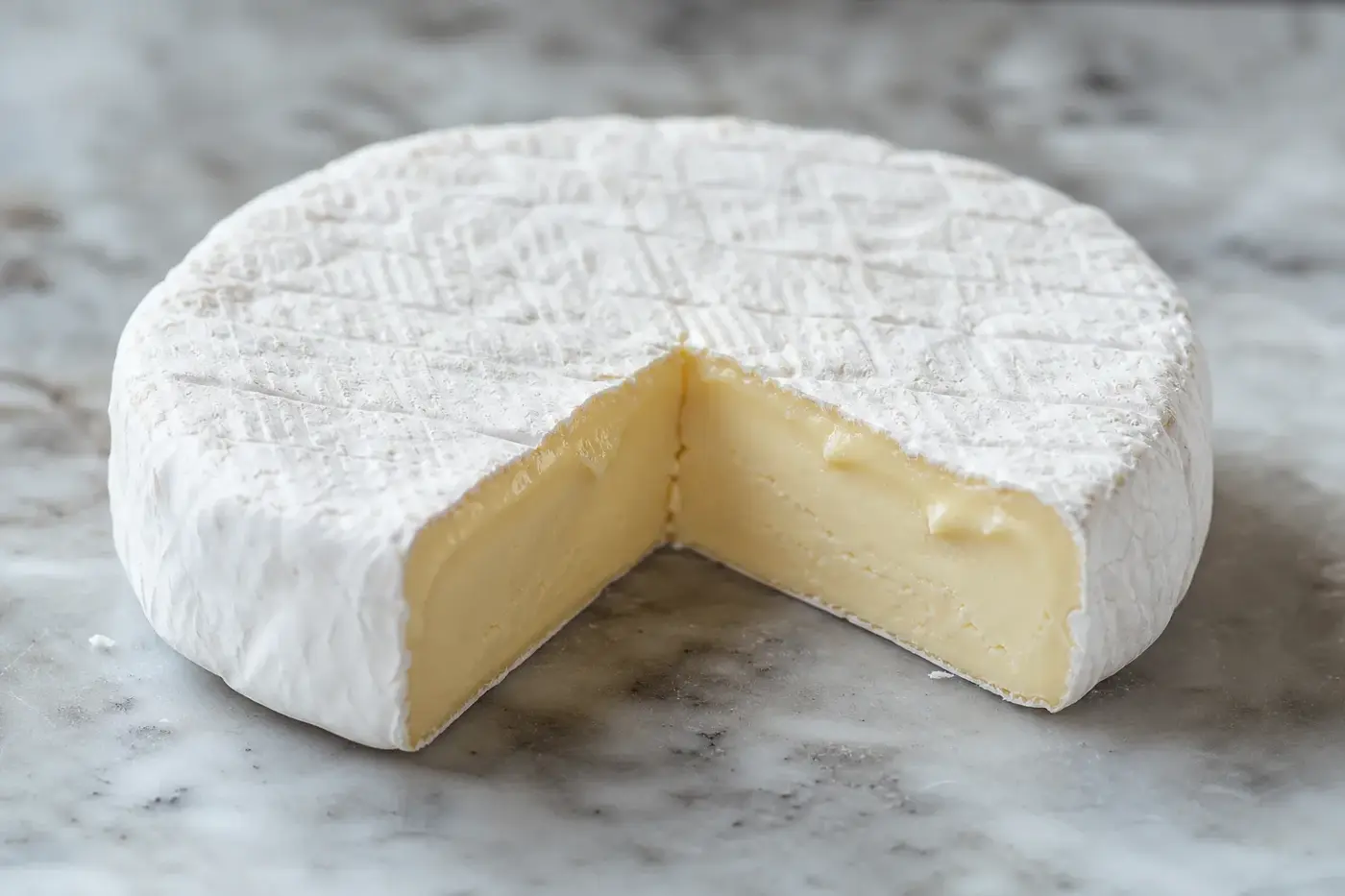
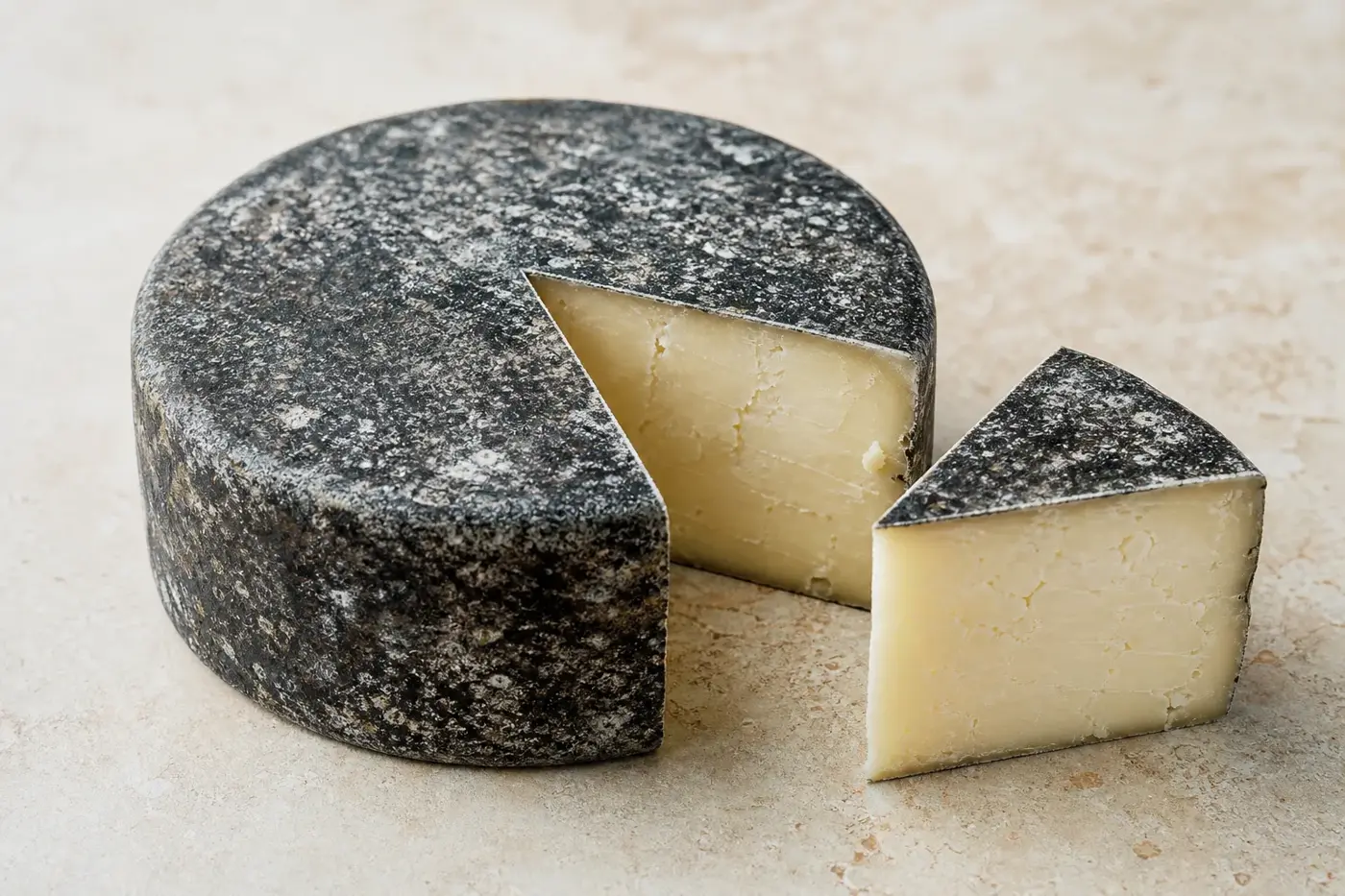
Cut through Cenarth Brie’s white rind and you might find an almost chalky centre, or something much softer.
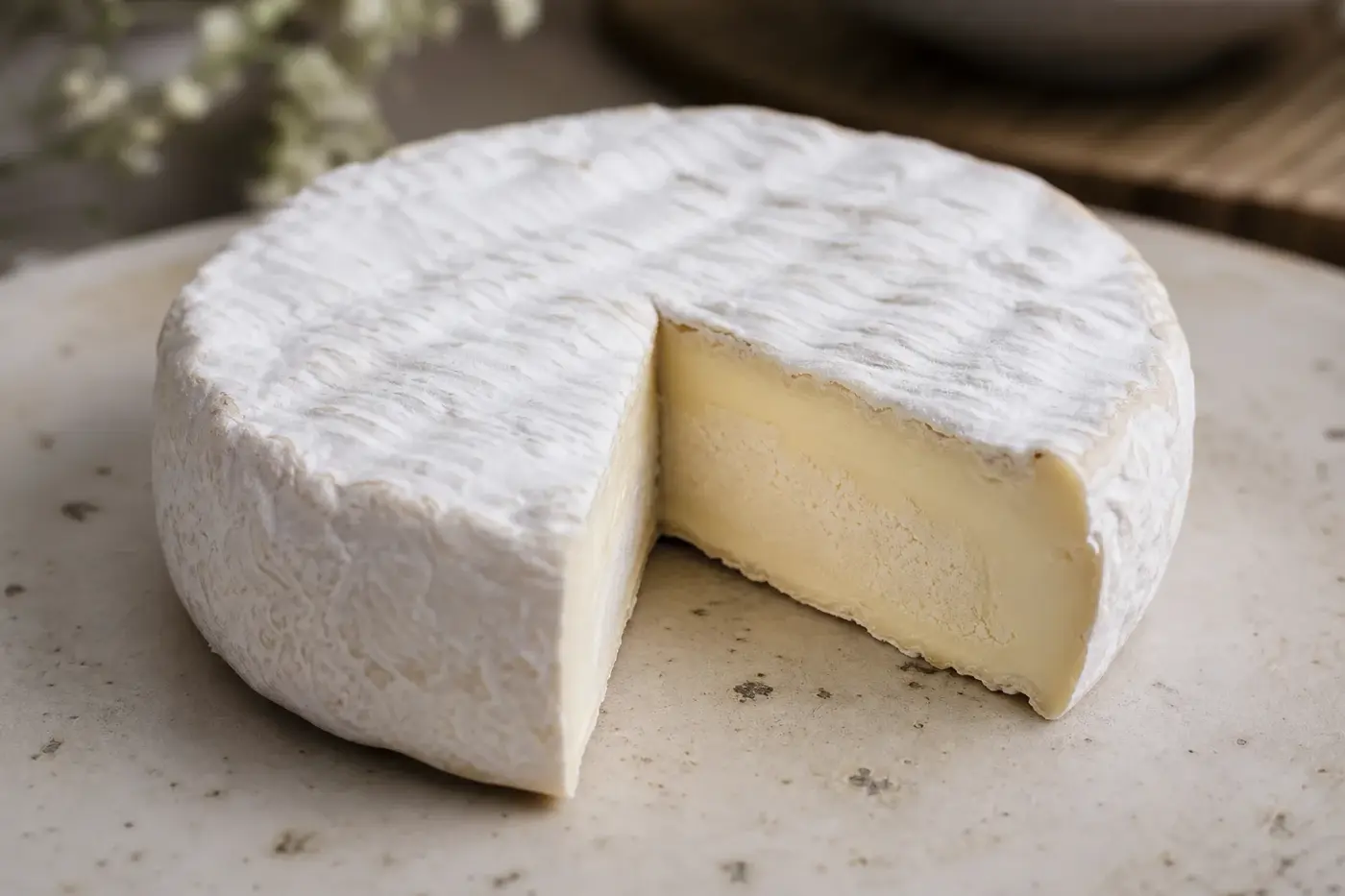
Cut through Cenarth Brie’s white rind and you might find an almost chalky centre, or something much softer. Ripening makes the difference, bringing mellow, mushroomy flavours further forward. Made by Caws Cenarth in west Wales from pasteurised cow’s milk, this Brie-style cheese puts a Welsh dairy’s character beneath that familiar pale coat. [1]
Your first look at Cenarth Brie
| What to know | The detail |
|---|---|
| Name | Cenarth Brie. [1] |
| Maker | Caws Cenarth. [1] |
| Home | Fferm Glyneithinog, Pontseli, Lancych, Carmarthenshire, Wales. [3] |
| Milk | Pasteurised cow’s milk, as declared by the maker. [1] |
| Coagulant | Vegetarian rennet, as declared by the maker. [1] |
| Style | Soft, white mould-ripened, Brie-style. [1] |
| Sizes | Small whole cheese; large wheel weighing at least 1 kg. Small cheese weight unspecified. [1][2] |
| Starter strains | Unspecified |
| Cenarth Brie’s own maturation period | Unspecified |
| Maker’s advice on eating the rind | Unspecified |
| Name protection, registration authority and identifier | Unspecified |
Look beneath that pale rind
A cut piece of Cenarth Brie gives you a good starting point: white rind outside, a softening centre within. It belongs to the soft, white-rinded family, where ripening at the surface transforms the paste beneath. The maker describes a centre that softens with maturity, while aroma and flavour become more pronounced. [1][5]
“Brie-style” tells you something about appearance and texture. Cenarth tells you which cheese, and whose work, you’re tasting. For the wider family, see Brie; here, you have a Welsh dairy’s interpretation of pale rind, soft paste and mushroomy flavours. [1][2]
There are two published formats to choose from. A small whole cheese makes a compact centrepiece, while a wedge from a larger wheel reveals the contrast between outer paste and centre. Choose a size for your occasion, then consider whether you prefer your cheese firm or yielding. [1][2]
Follow the cheese home to the Cych valley
Cenarth Brie’s story leads you to a farm in the valley of the river Cych. Caws Cenarth’s history places the dairy there, with its published address at Fferm Glyneithinog, Pontseli, Lancych, Carmarthenshire. This is a particular corner of west Wales, not simply a Welsh name on a wrapper. [3][4]
The business dates its establishment to 1987, although the family’s cheesemaking tradition reaches further back. Its history describes a modern dairy born in response to milk quotas, which first built its reputation around Caerffili. Cenarth Brie became part of the broader range the family business developed afterwards. [4]
You don’t need a crowded table to appreciate that work. A loaf, some fruit and a small piece of cheese make a simple serving. With a gently flavoured soft cheese, strongly seasoned accompaniments can take a quieter role.
A short ingredient list, with plenty going on
The maker lists pasteurised cow’s milk, sea salt, vegetarian rennet and cultures. Rennet helps milk form a gel, creating the curd that becomes cheese. Caws Cenarth identifies the rennet used in Cenarth Brie as vegetarian. [1][2][8]
“Cultures” is a small word covering several jobs. Starter bacteria produce acid during cheesemaking, while secondary cultures help the cheese ripen. The maker lists a culture as “Penicillium Candum”, using that spelling, but leaves the starter strains unspecified. [1][2][5][8]
Naming a rind culture doesn’t tell you every culture involved in making your cheese. For more on coagulants, rennet explained distinguishes animal, microbial and fermentation-produced types. When choosing a particular cheese, read its current packaging alongside the maker’s information.
From local milk to the maturation room
Caws Cenarth’s production overview begins with locally sourced milk. Pasteurisation comes before the cultures, followed by acidification and then a coagulant. The resulting curd is cut to release whey, the liquid separated from curd during cheesemaking; this account covers production across the dairy. [4]
Stirring removes more moisture, before gravity carries the curds towards the moulding equipment. Round cheeses rest overnight as acidification continues. The dairy checks moisture and acidity, salts the cheeses by hand, removes excess salt and dries their surfaces before moving them into maturation rooms. [4]
For its soft white cheeses, the dairy gives a typical maturation period of about three weeks. That timing applies to the production category. A separate ageing schedule for Cenarth Brie is unspecified. [4]
Shaping a cheese and ripening it are different stages of the work. Setting, cutting and draining establish structure and moisture; microbial activity and enzymes then change that structure during maturation, taking it beyond freshly formed curd. You can explore those underlying stages in how cheese is made. [5][8]
The white rind earns its place
That bloomy rind is more than a wrapper. It is a growing surface culture, and University of Guelph teaching material explains its role in Brie and Camembert-type cheeses: surface microorganisms consume lactate, changing acidity on the outside. Those changes help soften the paste from the surface towards the core. [5]
Protein breakdown, known as proteolysis, has a part to play too. A published Camembert study followed it using nitrogen measurements, electrophoresis and peptide analysis. Later in ripening, the researchers found protein breakdown increasingly associated with movement from the surface towards the centre. [6]
Together, these processes help explain a contrast you can see in this cheese family: a firmer middle and softer paste beneath the rind. Time matters, but the cheese isn’t simply sitting about waiting for its birthday. Ripening is an active transformation. [5][6]
When you portion Cenarth Brie, leave the white rind attached to help each wedge keep its structure. For advice on eating it, consult the current wrapper or ask the maker specifically about the rind and any surface treatment.
Mushroom, butter and a changing centre
Mushroom, butter and a suggestion of nuttiness lead Caws Cenarth’s tasting description. The maker describes Cenarth Brie as mellow, with a smooth finish. If you’re deciding whether it sounds like your sort of cheese, those notes offer a useful first impression. [1][2]
Texture is part of the story, too. According to the maker, a young, almost chalky interior softens as the cheese approaches its best-before date, while aroma and flavour intensify. You can feel that progression as well as smell it: the paste offers less resistance as the cheese’s character grows stronger. [1]
Try a small piece on its own before bringing in bread or fruit. Does it hold its shape, yield under gentle pressure or spread readily? See which of the maker’s suggested flavours you recognise; no one is collecting your tasting paper afterwards.
If you’re sharing a board, texture makes an easy place to begin the conversation. “Firm at the centre” and “soft beneath the rind” give everyone something concrete to discuss. Your impressions of aroma may differ, leaving plenty more to talk about.
A silver award for Cenarth Brie in 2017
Cenarth Brie received a silver award at the British Cheese Awards in 2017. The organiser’s results list it under Caws Cenarth Cheese Ltd., in the cow’s-milk category for cheeses over 500 g. [7]
That recognition belongs to Cenarth Brie itself. The dated record singles out this particular cheese within that category. It is distinct from the dairy’s wider award history. [7]
Keep it cool and serve thoughtfully
Caws Cenarth says to keep Cenarth Brie refrigerated. For England, Wales and Northern Ireland, the Food Standards Agency’s household guidance recommends a fridge temperature between 0 and 5 °C (32 to 41 °F). Its November 2026 guidance also advises following the storage instructions and dates on the packaging. [1][9]
The maker recommends serving the cheese at room temperature, so bring out only what you intend to serve shortly. The same FSA guidance, November 2026, says chilled food should spend the shortest possible time out of refrigeration during preparation. It gives a maximum of four hours. [1][9]
For a small round, cut wedges from the centre outwards. With a wedge from a larger wheel, divide it so every portion includes both central paste and the outer section. That gives everyone a chance to explore the changing texture, rather than leaving one person with only the pointed end.
Return the rest to the fridge promptly and follow its own pack instructions. For help with wrapping or arranging your fridge, see how to store cheese at home.
Set the table with bread, fruit and a glass
French bread and fruity dry rosé are the maker’s suggested partners. The bread provides a plain accompaniment, while the wine follows the dairy’s own serving advice. Alcoholic pairings are for adults of legal drinking age, and you should choose a small serving if drinking. [1]
Begin simply, then add contrast where you want it. Keep accompaniments separate so you and your guests can choose how much to bring into each mouthful.
- Bread: Try a plain baguette or lightly toasted sourdough. Serve it separately so everyone can choose the balance.
- Fruit: Slice pear or apple, or offer a small bunch of grapes. Taste the cheese alone first, then compare.
- Alcohol-free drink: Choose still water for the clearest tasting, or sparkling water alongside the fruit.
- Wine: Follow the maker’s fruity dry rosé suggestion, with an alcohol-free option at the same table. [1]
For an uncomplicated serving, arrange wedges beside torn bread and sliced pear. Put chutney and other strongly flavoured accompaniments in their own dish. The cheese keeps the spotlight, and anyone wanting a sharper or sweeter mouthful can add it themselves.
Try Cenarth Brie beside French Brie
Brie de Meaux offers you a useful, specific comparison. INAO describes the French cheese as a large, flat cylinder made exclusively from raw cow’s milk, with a minimum maturation of four weeks. Its stated diameter is 36 to 37 cm. [10]
Cenarth Brie uses pasteurised milk and comes in small and larger formats. The white rind gives the cheeses a family resemblance, but milk treatment, format, maker and place distinguish them. Those are useful differences to keep in mind when you choose or taste the two. [1][2][10]
To compare them at home, cut similar-sized pieces and leave accompaniments aside at first. Look at the cut surfaces, then feel how much resistance each offers to the knife. Record your own impressions before reaching for tasting notes: give your palate the first word.
General information only, not medical advice: follow the official guidance where you live.
Questions people ask
Is Cenarth Brie vegetarian?
Caws Cenarth declares that it uses vegetarian rennet. The cheese is made from pasteurised cow’s milk.
What does Cenarth Brie taste like?
The maker describes mellow flavours of mushroom and butter, with a suggestion of nuttiness and a smooth finish. Its aroma and flavour become more pronounced as it matures.
Can you eat the rind of Cenarth Brie?
The maker’s guidance on eating the rind has not been verified. Check the current wrapper or ask Caws Cenarth specifically about the rind and any surface treatment.
How long is Cenarth Brie matured?
Caws Cenarth gives a typical maturation period of about three weeks for its soft white cheeses. A separate maturation period for Cenarth Brie has not been verified.
How should I store and serve Cenarth Brie?
Caws Cenarth says to keep it refrigerated and recommends serving it at room temperature. The Food Standards Agency recommends a fridge temperature between 0 and 5 °C in England, Wales and Northern Ireland, and advises following the storage instructions and dates on the packaging; check its current guidance.
Sources
- Caws Cenarth, Cenarth Brie, 200g, current product page, undated, retrieved November 2026. Product description, ingredients, serving suggestions and refrigeration instructions.
Read at cawscenarth.co.uk - Caws Cenarth, Cenarth Brie, (Large Wheel) min weight 1kg, current product page, undated, retrieved November 2026. Format, ingredients and tasting description.
Read at cawscenarth.co.uk - Caws Cenarth, Caws Cenarth, current homepage and published contact address, retrieved November 2026.
Read at cawscenarth.co.uk - Caws Cenarth, Our Story, current producer account, undated, retrieved November 2026. Family history, river Cych setting and dairy-wide production overview.
Read at cawscenarth.co.uk - University of Guelph, CMC1: Introduction to Cheesemaking, Unit 3b. Secondary Cultures in Cheese making, online teaching material, undated, retrieved November 2026. Surface ripening and explanatory Figure 3b.3.
Read at books.lib.uoguelph.ca - Japanese Society for Food Science and Technology, Proteolysis in Camembert Cheese during Ripening, volume 43, issue 6, 1996. Publisher’s abstract reporting analytical methods and spatial progression of proteolysis.
Read at jstage.jst.go.jp - Royal Bath & West of England Society, British Cheese Awards 2017, results by producer, 2017, page 4.
Read at bathandwest.com - Society of Dairy Technology, Biochemistry of cheese ripening, International Journal of Dairy Technology, volume 57, issues 2 and 3, 2004. Published review, retrieved November 2026.
Read at cheesescience.org - Food Standards Agency, How to chill, freeze and defrost food safely, published 18 December 2017, current GOV.UK text retrieved November 2026. Applies to England, Northern Ireland and Wales.
- INAO, Brie de Meaux, current product overview, retrieved November 2026. Milk treatment, shape, diameter and minimum maturation.
Read at inao.gouv.fr
Research used the maker’s product information and production account, official food guidance, published cheese science and the competition organiser’s results; serving preferences are identified as editorial suggestions.
Last checked: November 2026
Last checked November 2026.
The editors suggest you read next
Caerphilly
Your knife meets a rind-ripened Caerphilly, and one wedge offers two pleasures: a fresh, crumbly centre and a softer, creamy layer just beneath the rind.