Welsh Cheese
Your knife meets a young Traditional Welsh Caerphilly: close-textured yet flaky, fresh on the tongue, with a little lemony lift.
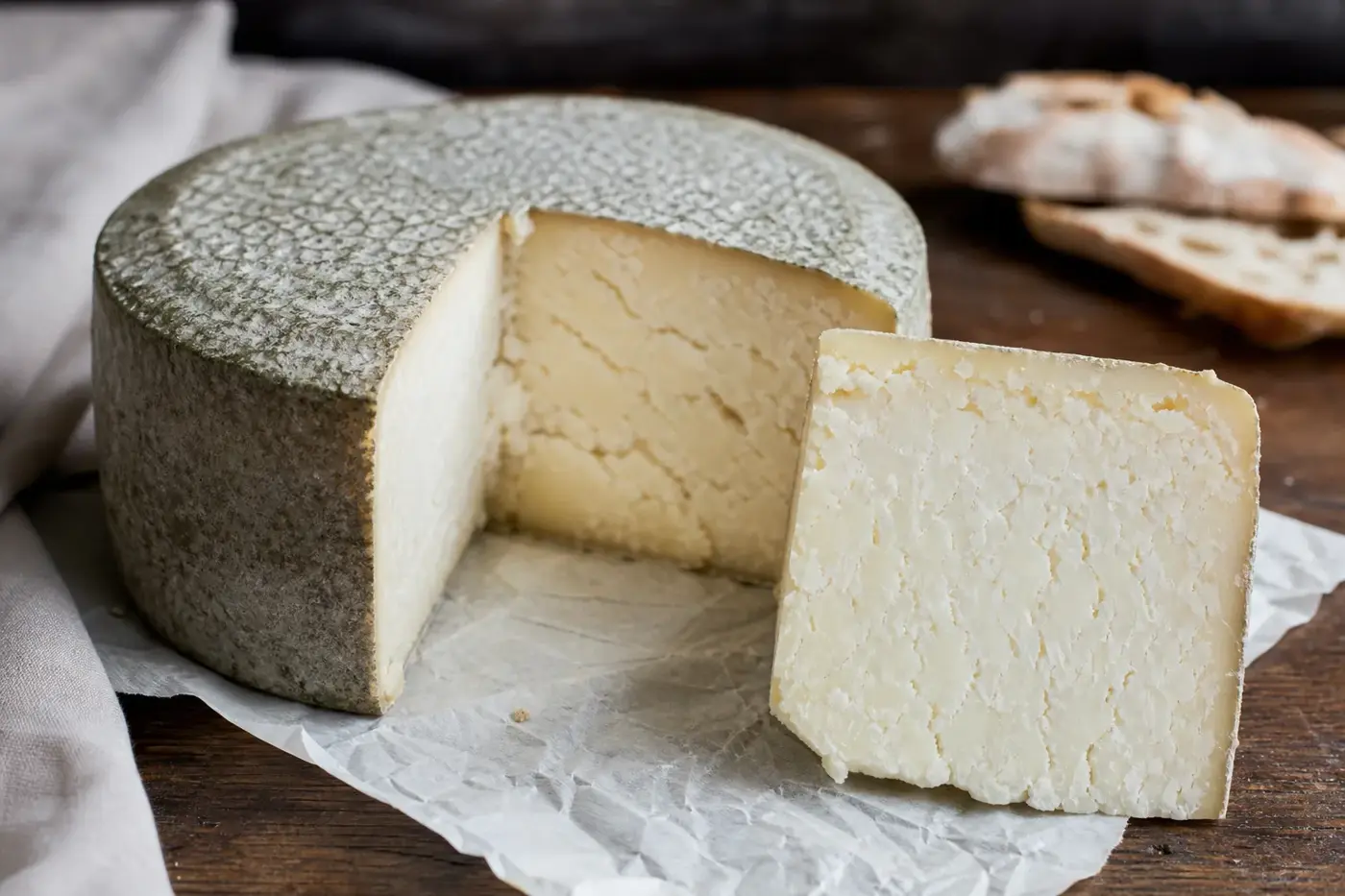
Your knife meets a young Traditional Welsh Caerphilly: close-textured yet flaky, fresh on the tongue, with a little lemony lift. According to the Welsh Government's account, you could be tasting it at just ten days old.[13] A welcome discovery if patience has never been your strongest cheeseboard skill.
That first mouthful leads you towards blues and soft cheeses in Carmarthenshire, farmhouse Cheddar in Ceredigion and sheep's milk cheeses in north Wales.[2][4][5][8][11] Follow the dairies, their milk and their maturing methods. You'll find plenty of variety, and good reasons to keep exploring.
| Field | Your guide |
|---|---|
| Geographic scope | Wales, United Kingdom.[1] |
| Registered name | Traditional Welsh Caerphilly / Traditional Welsh Caerffili.[1] |
| Great Britain status | Registered PGI; November 2026.[1] |
| Registration authority | Department for Environment, Food & Rural Affairs.[1] |
| Register ID | Not provided here. |
| Milk permitted for that PGI | Raw or pasteurised cow's milk from Welsh farms.[2] |
| Production area for that PGI | Wales.[2] |
Follow the dairies, find your Wales
Caerphilly's story belongs to south Wales, but your cheese journey needn't stop there. Head west for Caws Cenarth at Glyneithinog in Carmarthenshire, Caws Teifi at Glynhynod Farm near Llandysul, and Holden Farm Dairy making Hafod at Bwlchwernen Fawr in Ceredigion.[2][4][6][8] Each gives you a particular cheese, a particular dairy and a place to remember.
North Wales brings sheep's and goat's milk to the table. Cosyn Cymru's dairy in Bethesda, in Eryri, specialises in unpasteurised sheep's milk cheeses, while Wacky Wedge's range includes Gafr Wen, a soft raw goat's milk cheese.[11][12] Set beside the western cow's milk dairies, they reveal local traditions and individual approaches rather than one national flavour.
You can make a tasting out of that geography. Begin with Caerphilly's southern association, travel west through the blue, soft and pressed cheeses below, then bring in a sheep's or goat's milk cheese from the north.[2][4][5][6][11][12] Follow places, not just styles, and the breadth of contemporary Welsh cheese becomes easier to taste.
Caerphilly's Welsh roots and travelling recipe
By 27 June 1906, Caerphilly was making news far beyond Wales. An account headed “Caerphilly Cheese” in that day's New Zealand Mail described production in Somerset and Cheshire as well as around Caerphilly.[3] This was already a cheese with a life across the border.
Its roots remain Welsh. The official product specification traces Caerphilly to farm cheesemaking and trade around the town whose name it carries.[2] It also records the influence of dairy schools on the recipe and its quality in the late nineteenth and early twentieth centuries.
Picture skills being taught, shared and adapted, rather than a single grand moment of invention. The Welsh Government's account connects today's protected recipe with a notebook dated 1907.[13] That small piece of history gives you a way into the modern cheese.
Keep one distinction in mind when you shop. Caerphilly has a Welsh history, but the shorter name alone doesn't tell you where your piece was made. Look for the making dairy and its production location.
Give the full name a closer look
Traditional Welsh Caerphilly / Traditional Welsh Caerffili is the full registered name. Its Great Britain register status in November 2026 is registered Protected Geographical Indication, or PGI.[1] The specification requires Welsh milk and production in Wales, allowing either raw or pasteurised cow's milk.[2]
There is substance behind that longer label. It means a defined origin and way of making the cheese, including hand packing the curd, the solid material formed from milk, into moulds and traditional pressing.[2] For the wider differences between schemes, explore protected names explained.
Read the whole name before choosing your piece. A Welsh place name, a seller's address and the dairy where a cheese is made answer different questions, so ask where it was produced and compare its product name with the label.[1][2] You'll find more pointers in reading a cheese label.
Find your favourite age of Caerphilly
A young Caerphilly and a longer-matured one give you different pleasures. The Welsh Government describes the protected cheese as fresh and mild, with a slightly lemony taste and a close, flaky texture.[13] You can eat it from ten days old or let it mature for up to six months, when its flavour becomes fuller.
Ask to see the cut face before you choose. Notice how crumbly the centre is, and how far a creamier edge reaches beneath the rind. If there's a sample on offer, taste the centre and edge separately.
These small comparisons help you find the texture you enjoy. Keep the fresh tang of the official description in mind, too.[13] Age gives you useful information; tasting tells you whether this is your piece.
Perl Las and Perl Wen: two good reasons to head west
At Caws Cenarth in west Wales, two cheeses offer quite different pleasures for your board.[4][5] The dairy describes Perl Las as a golden-coloured blue with a gently salty flavour that strengthens as it matures.[4] Ask the age of your piece, because its name alone won't tell you its strength.
Perl Wen takes the dairy's farmhouse Caerffili recipe in a softer direction. Caws Cenarth describes it as a cross between Brie and Caerffili, with a soft centre, fresh citrus flavour and a hint of sea salt.[5] An established local recipe becomes the starting point for another style.
Think about the contrast you'd like on your plate. Perl Wen fills the soft-cheese place; Perl Las brings the blue. Ask about the piece in front of you, because texture, salt and maturity tell you more than a broad promise of strength.[4][5]
Take your time with Hafod and Teifi
Hafod begins with a deliberately slow make at Holden Farm Dairy, Bwlchwernen Fawr, in Ceredigion. This Cheddar uses slow acidification with a yogurt starter culture, followed by cheddaring.[7][8] The curd drains and develops before being milled into smaller pieces and salted, allowing the maker to shape its texture.
The dairy says Hafod matures for about a year under a covering of lard, with regular turning and rubbing. It also says it has moved away from cloth binding.[7] For something apparently lying around, this cheese has a surprisingly busy diary.
Check the milk treatment on the piece you choose. Neal's Yard Dairy, which selects and sells Hafod, lists both raw and pasteurised versions and says each is labelled accordingly.[8] The label should give you that detail without guesswork.
At Glynhynod Farm in Ceredigion, Caws Teifi dates its cheesemaking to 1982. Its range includes Gouda-style Teifi alongside other cheeses.[6] Heritage Teifi takes maturation further: the maker identifies it as raw cow's milk cheese aged for more than two years, made with animal rennet, the coagulant that helps milk set.[9]
Its tasting notes promise savoury intensity, honey and butterscotch notes, and crunchy tyrosine crystals.[9] Try Hafod beside Teifi, asking the seller for each cheese's age. Both are Welsh-made, but their traditions, curd handling and maturation lead you along different paths.[6][7][9]
Leave a place for sheep's and goat's milk
Cow's milk connects Caerphilly, Hafod and Heritage Teifi, but there's more to the Welsh story.[2][8][9] At its Bethesda dairy, Cosyn Cymru describes handmaking unpasteurised sheep's milk cheeses in small batches.[11] Taste one beside a cow's milk cheese to explore milk species while keeping each cheese's place of origin in view.
For goat's milk, Wacky Wedge lists Gafr Wen as a soft raw goat cheese.[12] Ask for the precise name, age and style of the cheese you're buying. “Goat” versus “cow” tells you only part of the story: a soft cheese and a long-matured pressed cheese bring other differences to the comparison.
Taste the maker's decisions
Milk matters, but so does what happens after it's chosen. Hafod's dairy explicitly connects slow acidification and curd handling with moisture loss and the texture it wants.[7] It describes its recent work as a search for cheese that is firmer yet more succulent.
Caws Cenarth's descriptions give you another contrast to explore: Perl Wen's soft citrus character beside Perl Las's stronger flavour as it matures.[4][5] Heritage Teifi's long ageing and crystals offer something different again.[9] Begin with those tangible differences, then turn to raw milk, thermised and pasteurised cheese for the background on milk treatment.
Ask at the counter, care for it at home
Take three questions to the counter: where was it made, which milk treatment does this piece use, and how mature is it? The answers help you distinguish Welsh-made cheese from a Welsh-sounding name, and a young piece from a longer-matured version.[1][8][13] Keep the label with your cheese so its identity and instructions stay together.
The official storage and handling guidance used here applies to Wales, England and Northern Ireland. It advises a fridge between 0 and 5 °C (32 to 41 °F), refrigerated dairy products, and following the pack's storage instructions and date marking.[10] Read the directions for your particular cheese, including what to do after opening.
The home cheese storage guide takes you through the wider routine. When you're ready to serve, cut a modest first selection rather than putting everything out at once. Arrange the pieces so your guests can compare centre and edge, with each cheese's name beside it.
Build a Welsh board with room to explore
Start with young Caerphilly, Perl Wen, either Hafod or Teifi, and Perl Las. You'll have contrasting textures and the characters described by their makers, rather than a fixed national selection.[4][5][7][9][13] For a smaller board, choose three of those roles; next time, replace one with a sheep's or goat's milk cheese.
| Cheese | Try it with | What to look for |
|---|---|---|
| Young Caerphilly | Plain bread and sliced apple | Let the fresh, lemony character described in the official account stay in focus.[13] |
| Perl Wen | Plain bread and pear | Give the maker's soft, citrus-led description a restrained partner.[5] |
| Hafod or Teifi | Bread; dry cider or alcohol-free cider | Try a suggested contrast for the pressed cheeses.[7][9] |
| Perl Las | Pear; beer or alcohol-free beer | Explore a suggested partner for the maker's gently salty blue-cheese notes.[4] |
Take these pairings as invitations, not instructions. Plain bread is useful beside every cheese. Taste each accompaniment on its own first, then with the cheese, and keep the combinations you enjoy.
Alcoholic options are for adults of legal drinking age who choose to drink, served in small amounts. People who are pregnant, driving, taking medicines that interact with alcohol or recovering from alcohol dependence should not drink. Apple juice, water and alcohol-free drinks let you enjoy the same board without alcohol.
General information only, not medical advice: follow the official guidance where you live.
Questions people ask
What makes Traditional Welsh Caerphilly different from Caerphilly?
Traditional Welsh Caerphilly, also called Traditional Welsh Caerffili, is a registered Protected Geographical Indication. Its specification requires production in Wales using cow's milk from Welsh farms, while the shorter name Caerphilly alone does not identify where a cheese was made.
How long is Traditional Welsh Caerphilly matured?
The Welsh Government says it can be eaten from ten days old or matured for up to six months. It develops a fuller flavour as it matures.
What is the difference between Perl Las and Perl Wen?
Perl Las is a golden blue cheese with a gently salty flavour that grows stronger with maturity. Perl Wen is a soft cheese described by Caws Cenarth as a cross between Brie and Caerffili, with a fresh citrus flavour and a hint of sea salt.
Are there Welsh sheep's and goat's milk cheeses?
Cosyn Cymru handmakes unpasteurised sheep's milk cheeses in small batches at its dairy in Bethesda. Wacky Wedge makes Gafr Wen, a soft raw goat's milk cheese.
What should I put on a Welsh cheeseboard?
The page suggests young Caerphilly, Perl Wen, either Hafod or Teifi, and Perl Las for a mix of textures and flavours. It also suggests replacing one with a sheep's or goat's milk cheese.
Sources
- Department for Environment, Food & Rural Affairs, Traditional Welsh Caerphilly / Traditional Welsh Caerffili, Great Britain protected food names register, published 2021, live record checked November 2026. Registered name, PGI status, authority and geographical scope.
- Traditional Welsh Caerphilly Cheese Producer Group, Traditional Welsh Caerphilly/Traditional Welsh Caerffili product specification, official version linked from the Great Britain register, undated. Sections 4.2 to 4.6 cover milk, area, method and the historical account.
- New Zealand Mail, Caerphilly Cheese, issue 1790, 27 June 1906, page 56, National Library of New Zealand, Papers Past. Contemporary account of production beyond Wales.
- Caws Cenarth, Perl Las, 200g, current product page, undated, retrieved November 2026. Maker's description and dairy contact location. Commercial producer source.
- Caws Cenarth, Perl Wen, 200g, current product page, undated, retrieved November 2026. Maker's account of its Caerffili recipe connection and sensory character. Commercial producer source.
- Caws Teifi Cheese, Organic Welsh Cheese, current website, undated, retrieved November 2026. Making location, stated founding year and range. Commercial producer source.
- Holden Farm Dairy, Hafod Cheese, current cheesemaking account, undated, retrieved November 2026. Acidification, curd handling, maturation and discontinuation of cloth binding. Commercial producer source.
- Neal's Yard Dairy, Hafod Cheddar, current product and selection account, undated, retrieved November 2026. Production location, milk species, raw and pasteurised versions, and product labelling. Commercial affineur and retailer source.
- Caws Teifi Cheese, Heritage Teifi, current product record, undated, retrieved November 2026. Raw cow's milk, animal rennet, maturation and maker's sensory notes. Commercial producer source.
- Food Standards Agency, How to chill, freeze and defrost food safely, published on GOV.UK, 18 December 2017, retrieved November 2026. Applies to England, Northern Ireland and Wales.
- Cosyn Cymru, Cosyn Cymru, current producer website, undated, retrieved November 2026. Sheep's milk, unpasteurised production, small-batch methods and Bethesda dairy. Commercial producer source.
- Wacky Wedge, Wacky Wedge, current producer website, undated, retrieved November 2026. Gafr Wen identified as soft raw goat cheese. Commercial producer source.
- Welsh Government, Business Wales, Traditional Welsh Caerphilly / Traditional Welsh Caerffili (PGI), undated, retrieved November 2026. Recipe notebook, texture, flavour and maturation account.
Researched through official registration documents, a contemporary newspaper record, published agency guidance and attributed maker accounts; cheeseboard combinations are editorial suggestions.
Last checked: November 2026
Last checked November 2026.
The cheeses of Wales
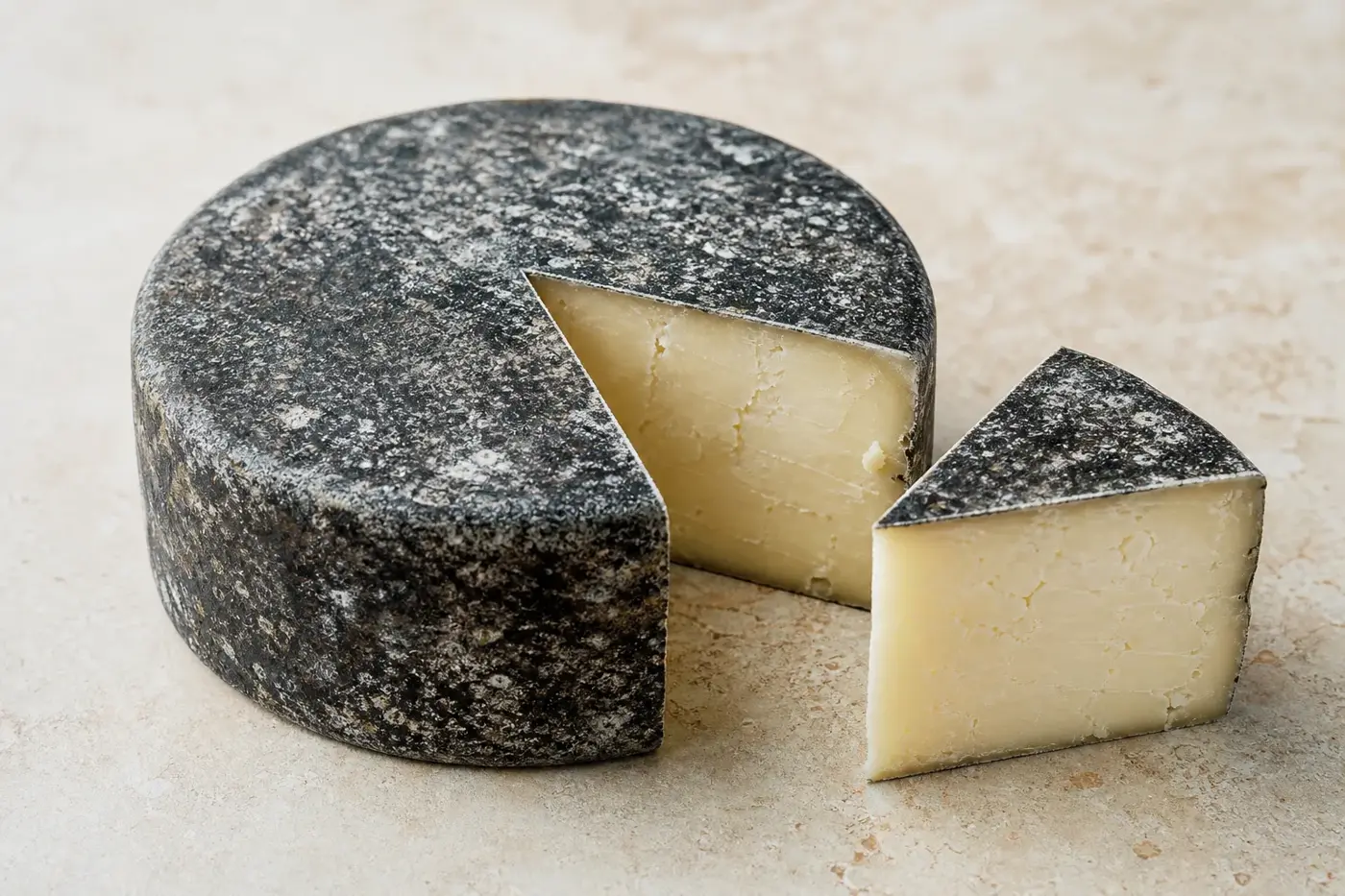
Caerphilly
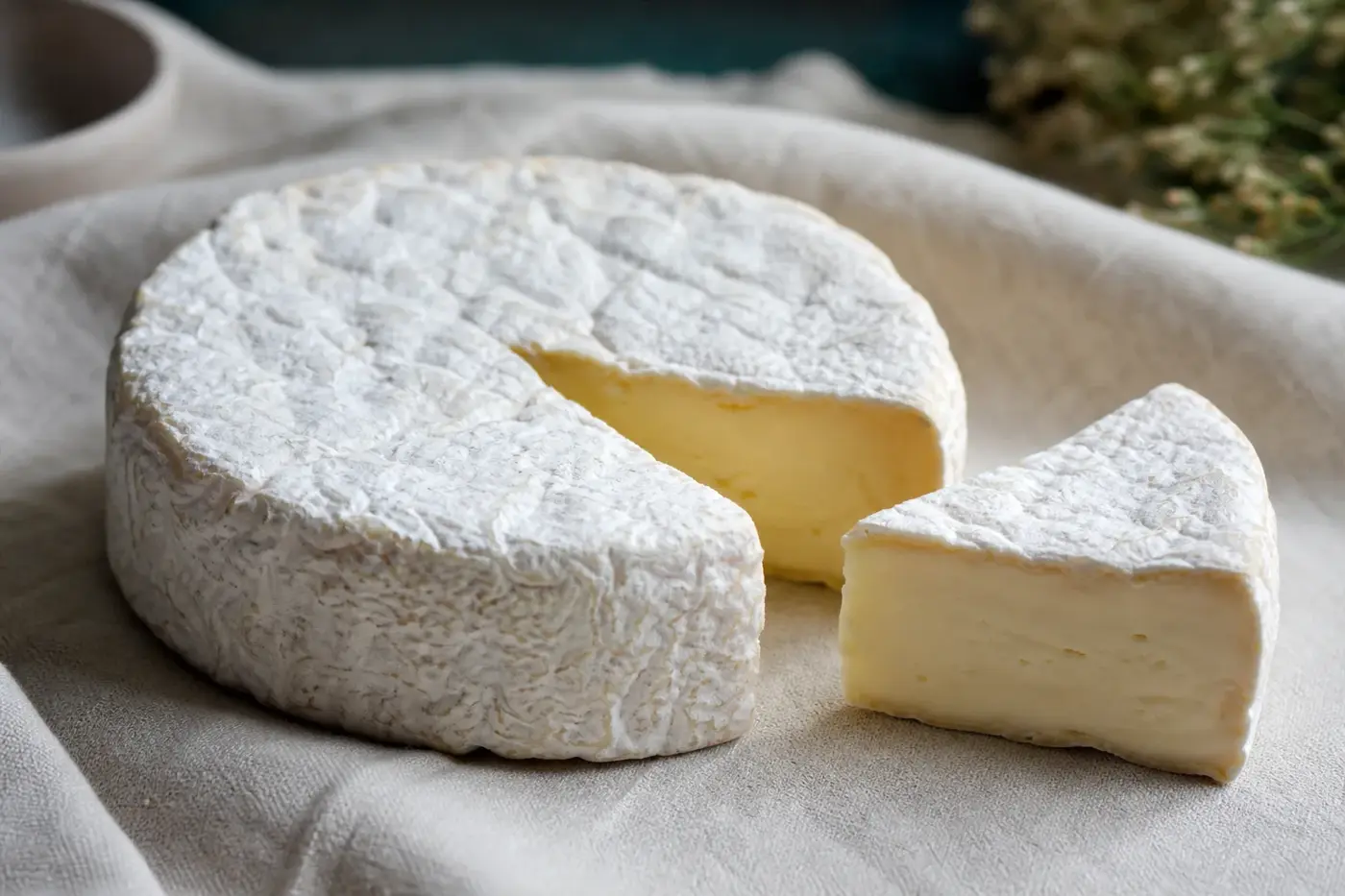
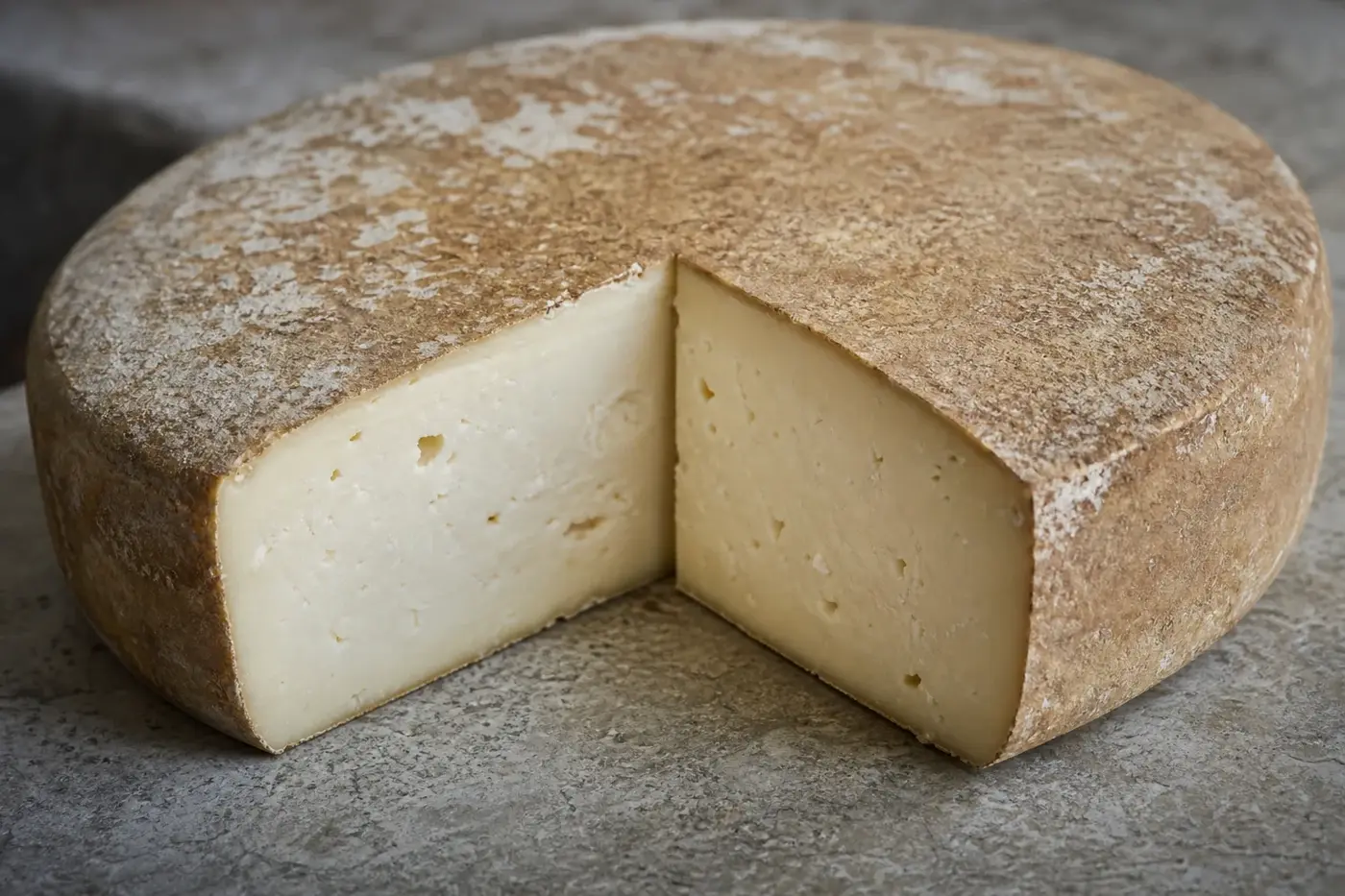
Your knife meets a rind-ripened Caerphilly, and one wedge offers two pleasures: a fresh, crumbly centre and a softer, creamy layer just beneath the rind.
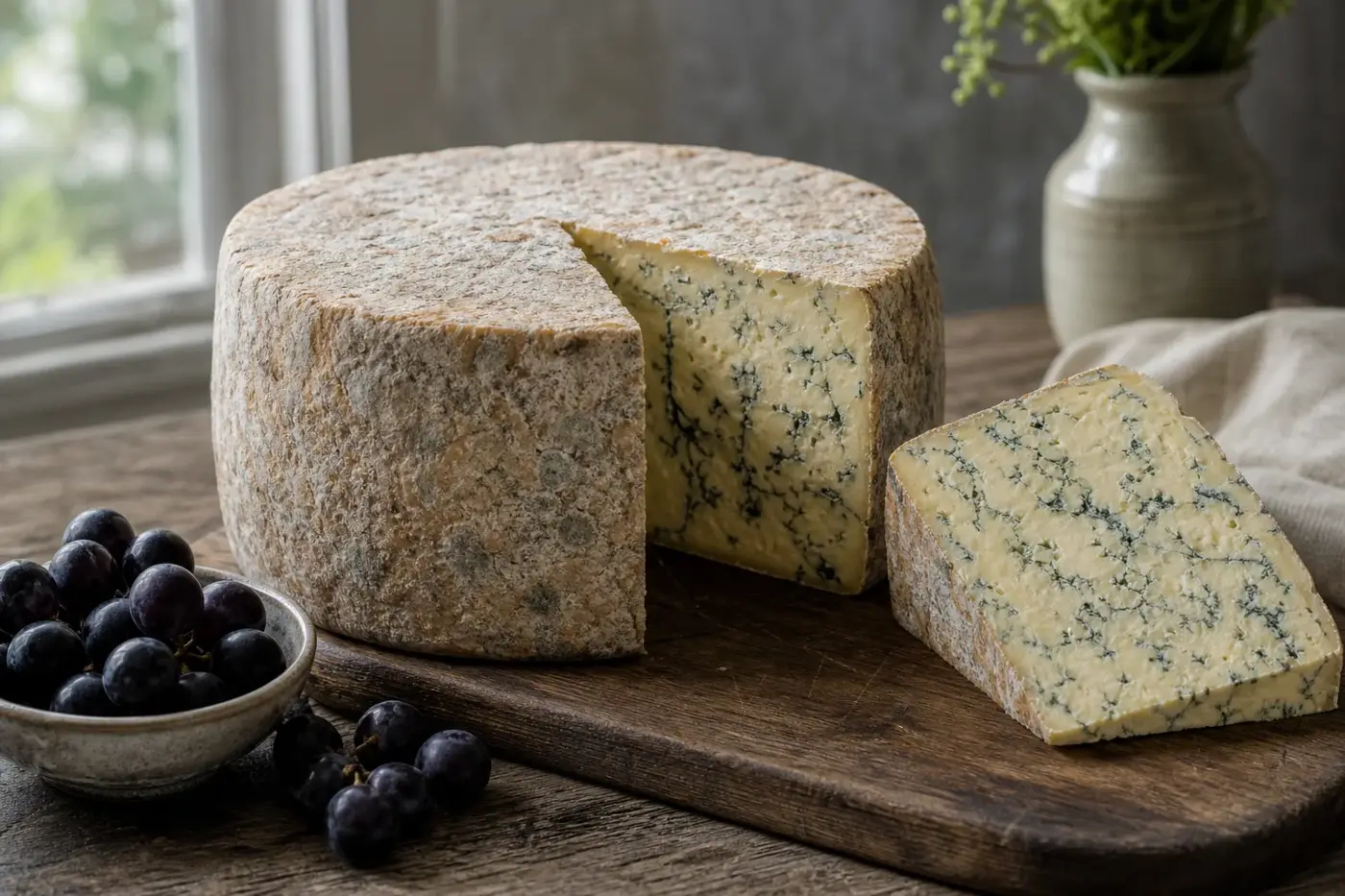
Perl Las
Cut into Perl Las and the knife reveals gold, creamy paste and threads of blue mould.
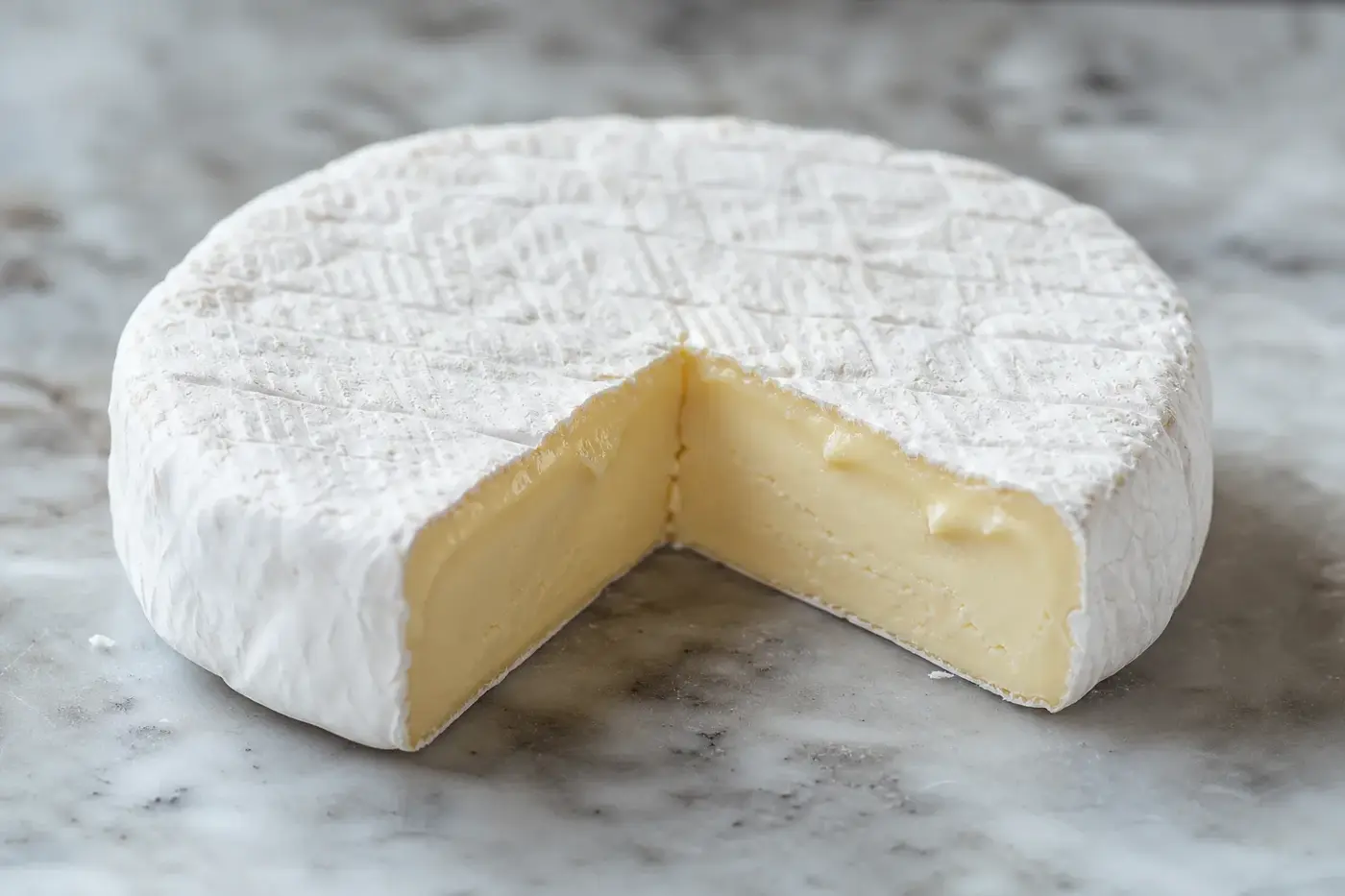
Abaty
Cut through Abaty’s white rind and you reach a pale, yielding centre.
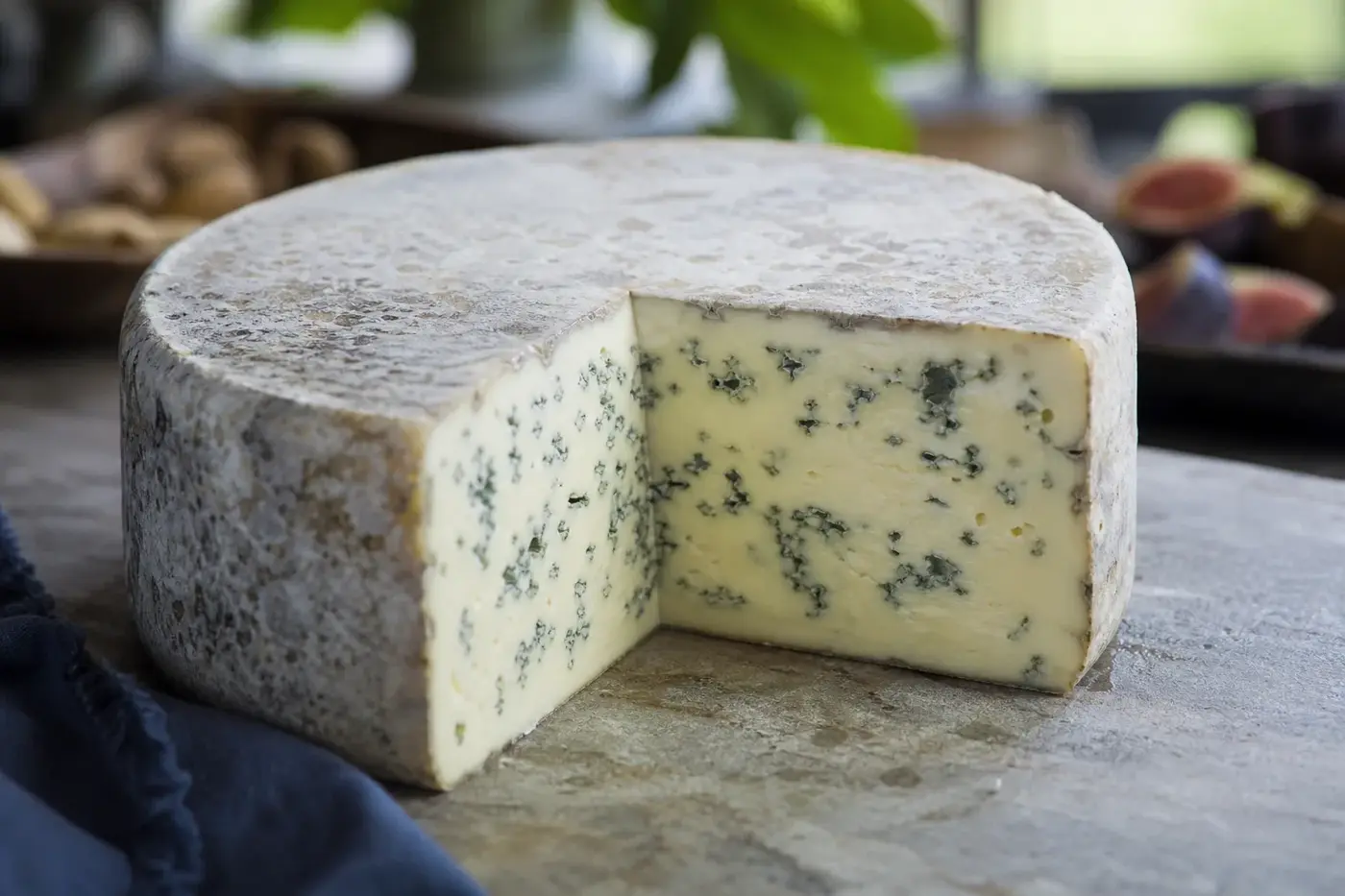
Abaty Glas
A soft, buttery bite, a little tang, then the temptation to cut another sliver.
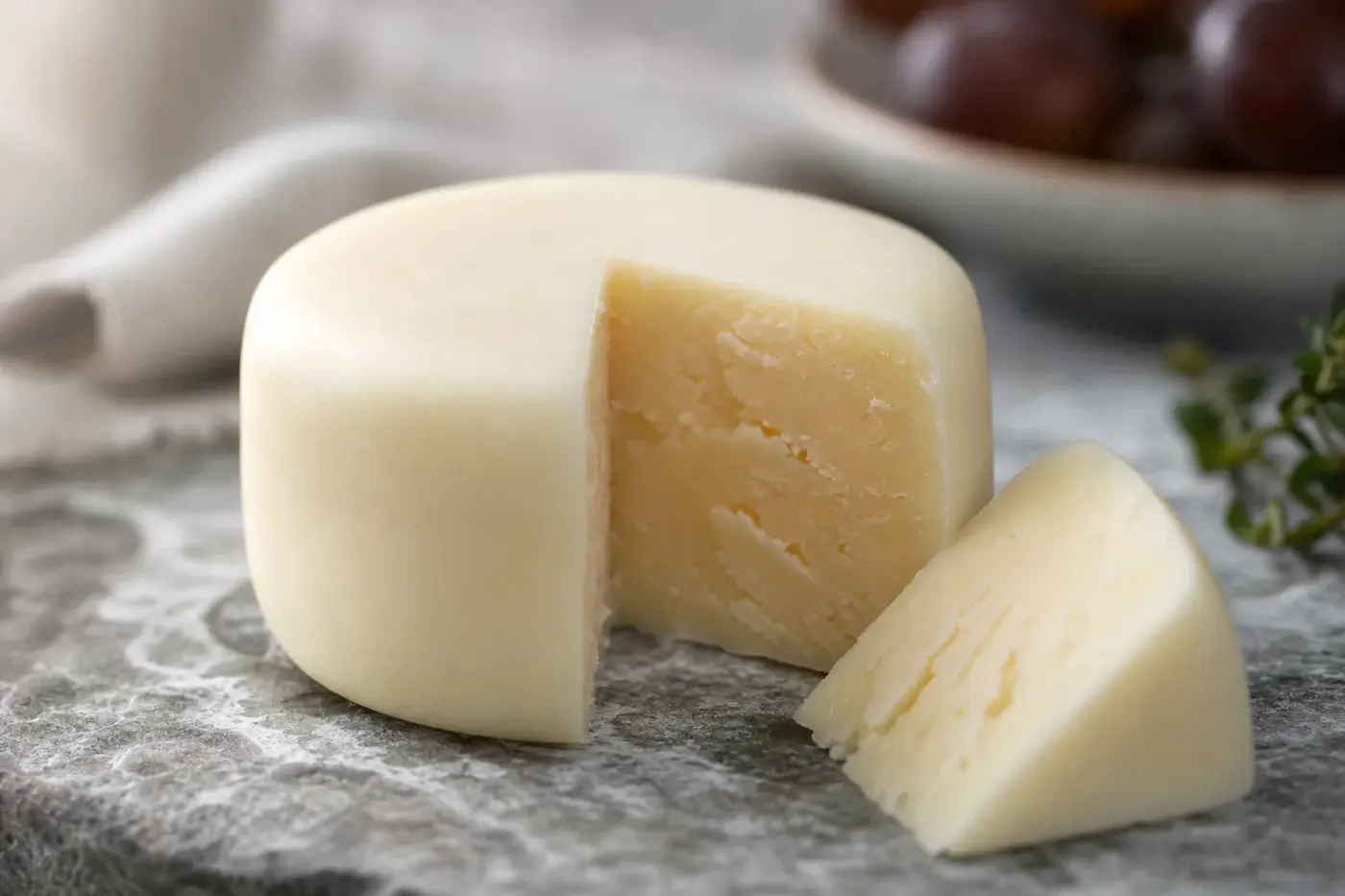
Black Sheep
Slip off the black paper sleeve, cut through the ivory wax, and you reach pale yellow cheese with a close interior, slightly broken where the knife has passed.
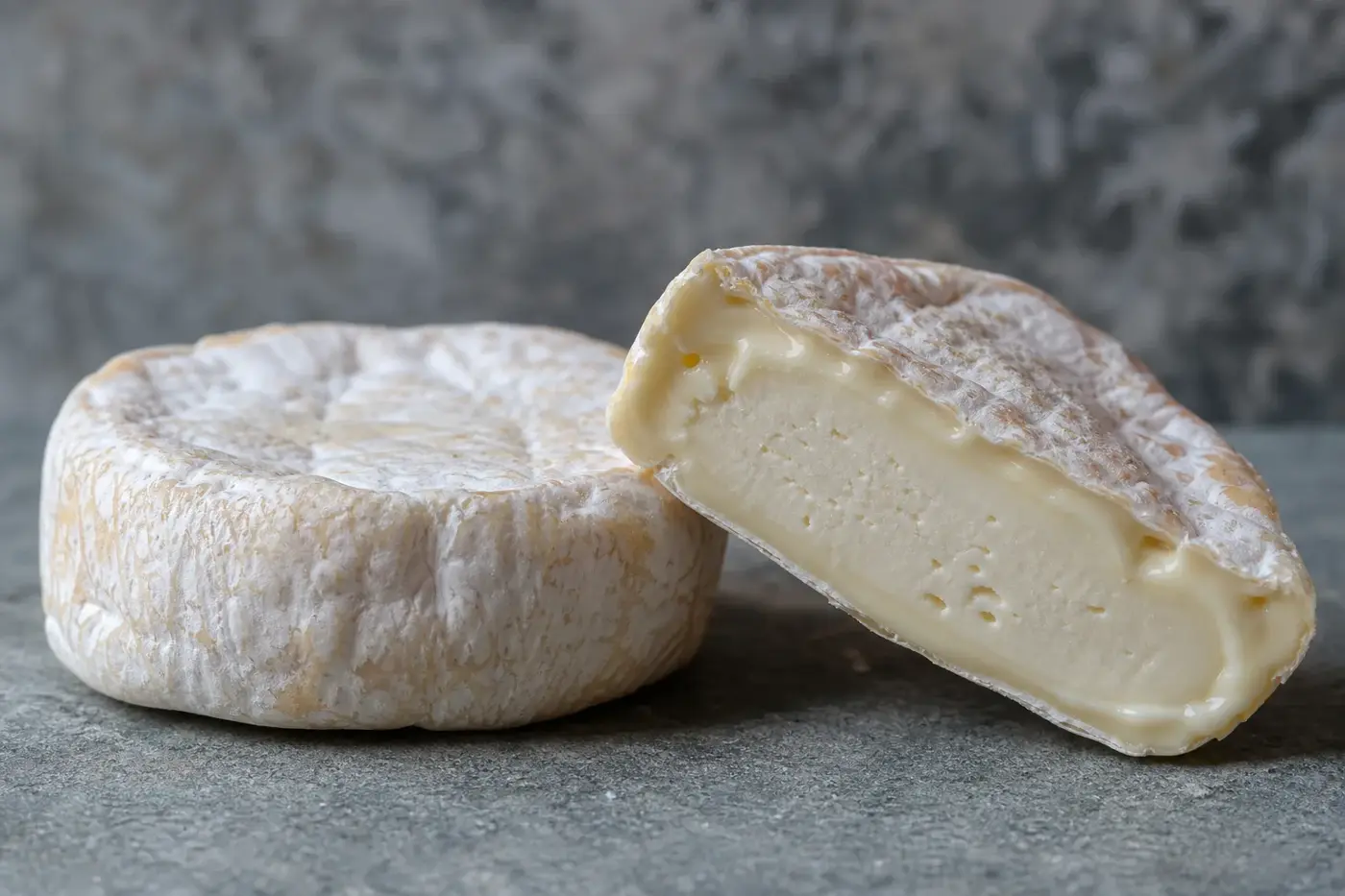
Brefu Bach
Step inside a converted former Catholic church in Bethesda, Gwynedd, and you find a new calling: cheesemaking.
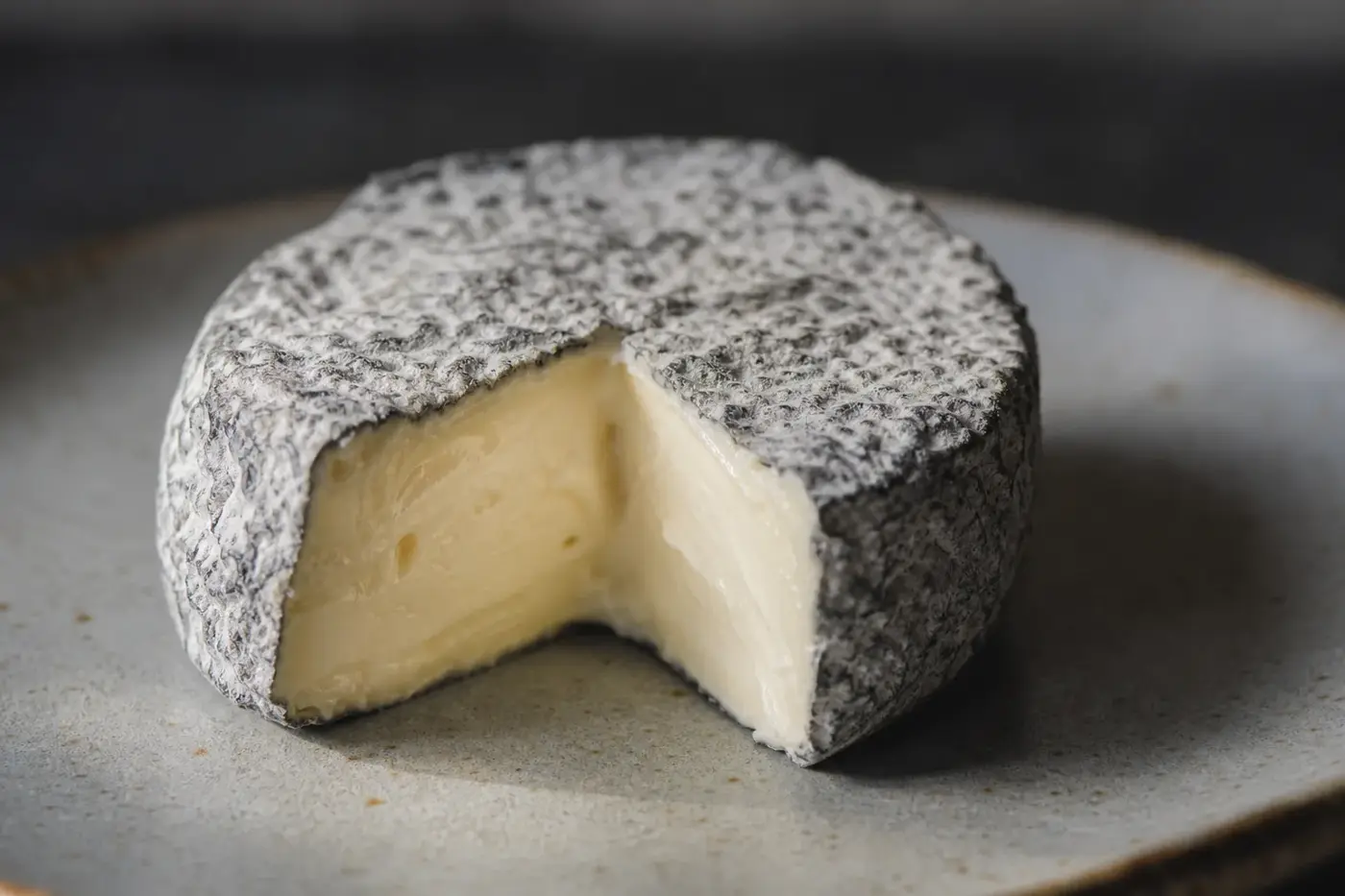
Brightwell Ash / Onnen Brightwell
Even the cheesemaking rooms packed up and moved.
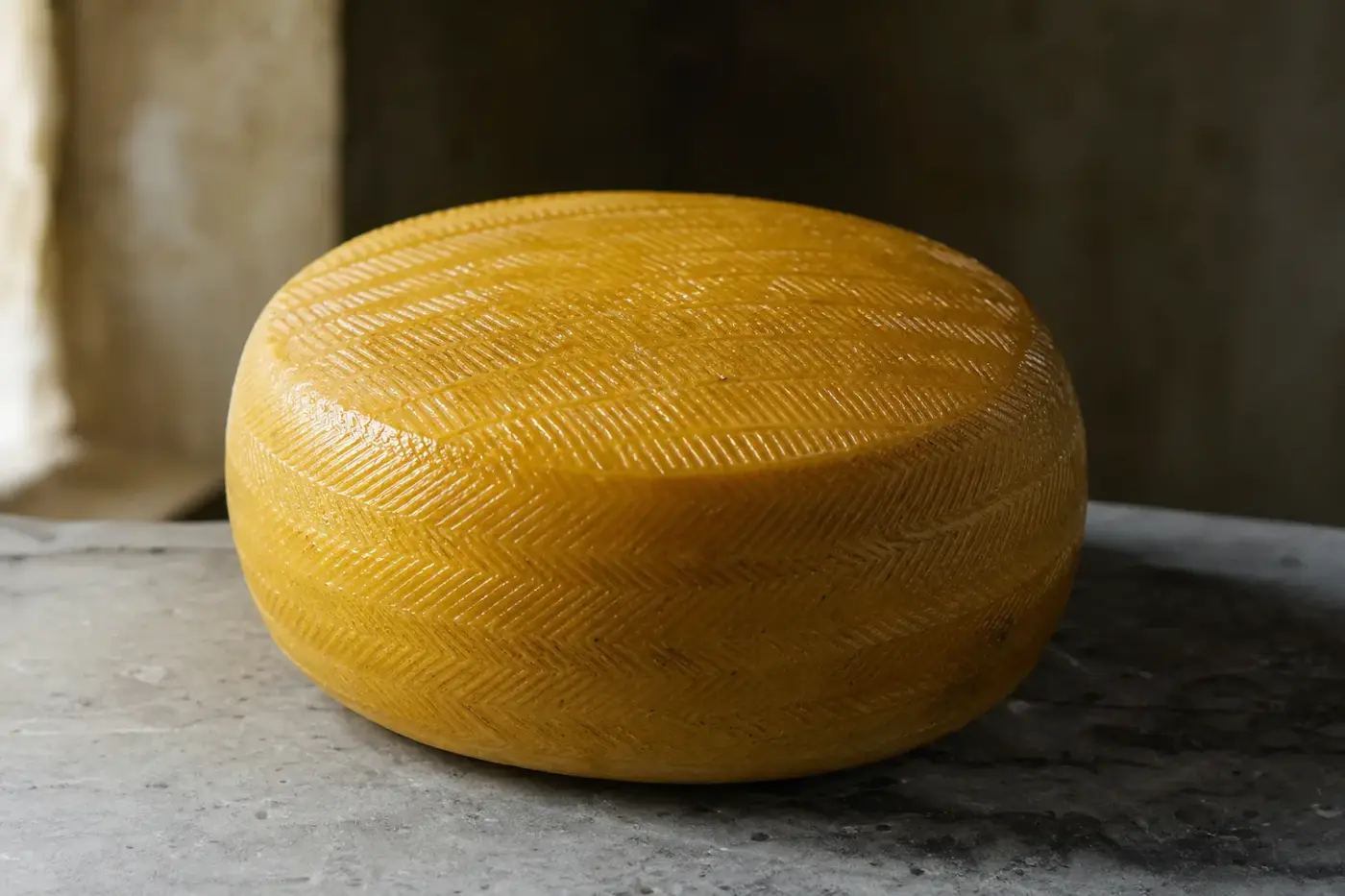
Caws Cerwyn
A small piece, a creamy mouthful, then a name that takes you into the hills.
Caws Chwaral
Step inside a converted Catholic church on Bethesda’s High Street and you find a creamery and a cheese counter.
The editors suggest you read next
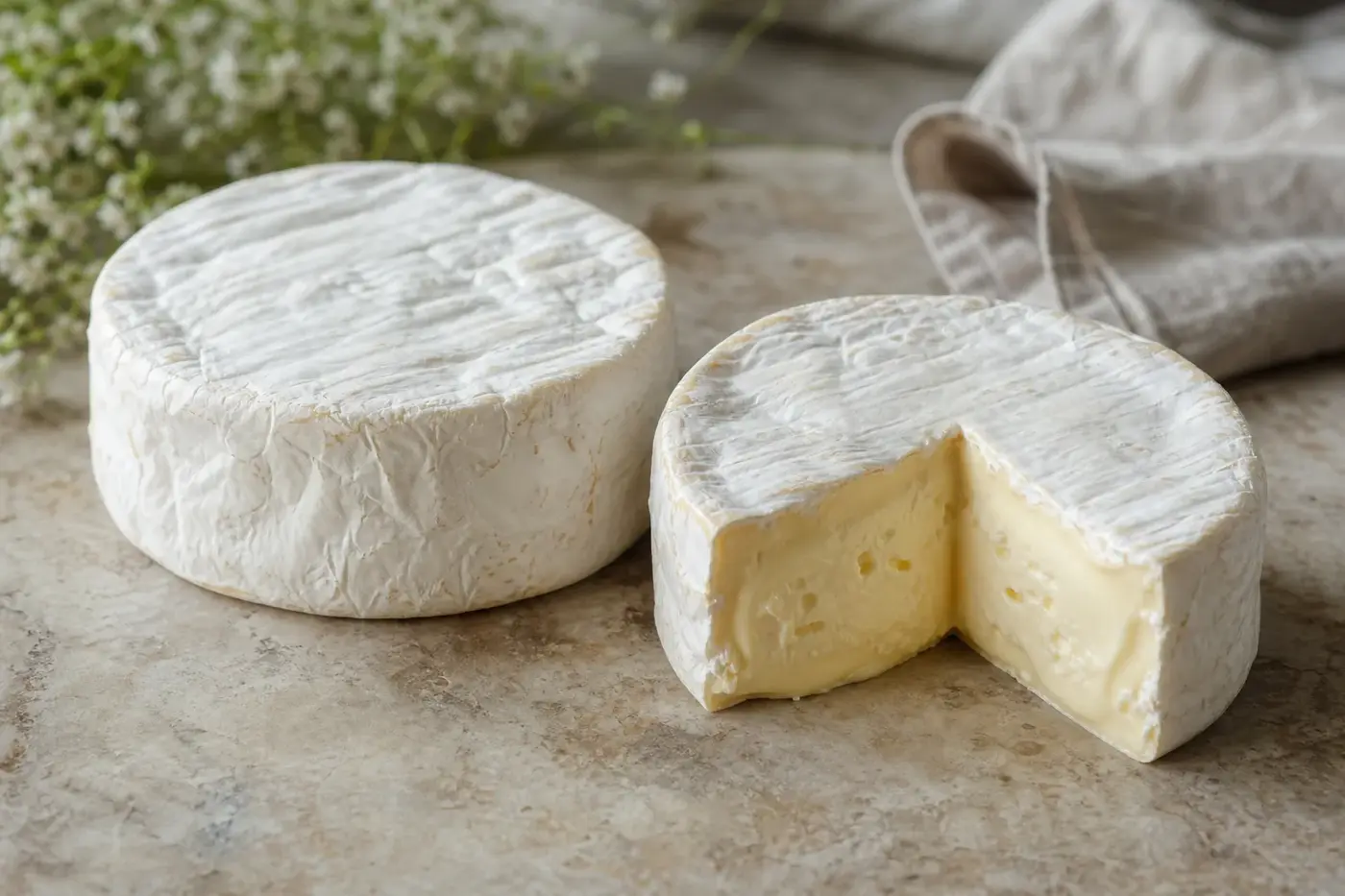
French Cheese: The Complete Guide
Picture Normandy’s pastures, then follow the milk towards the Loire’s goat dairies, the Jura’s shared cheesemaking traditions and the sheep country of the Pyrenees.