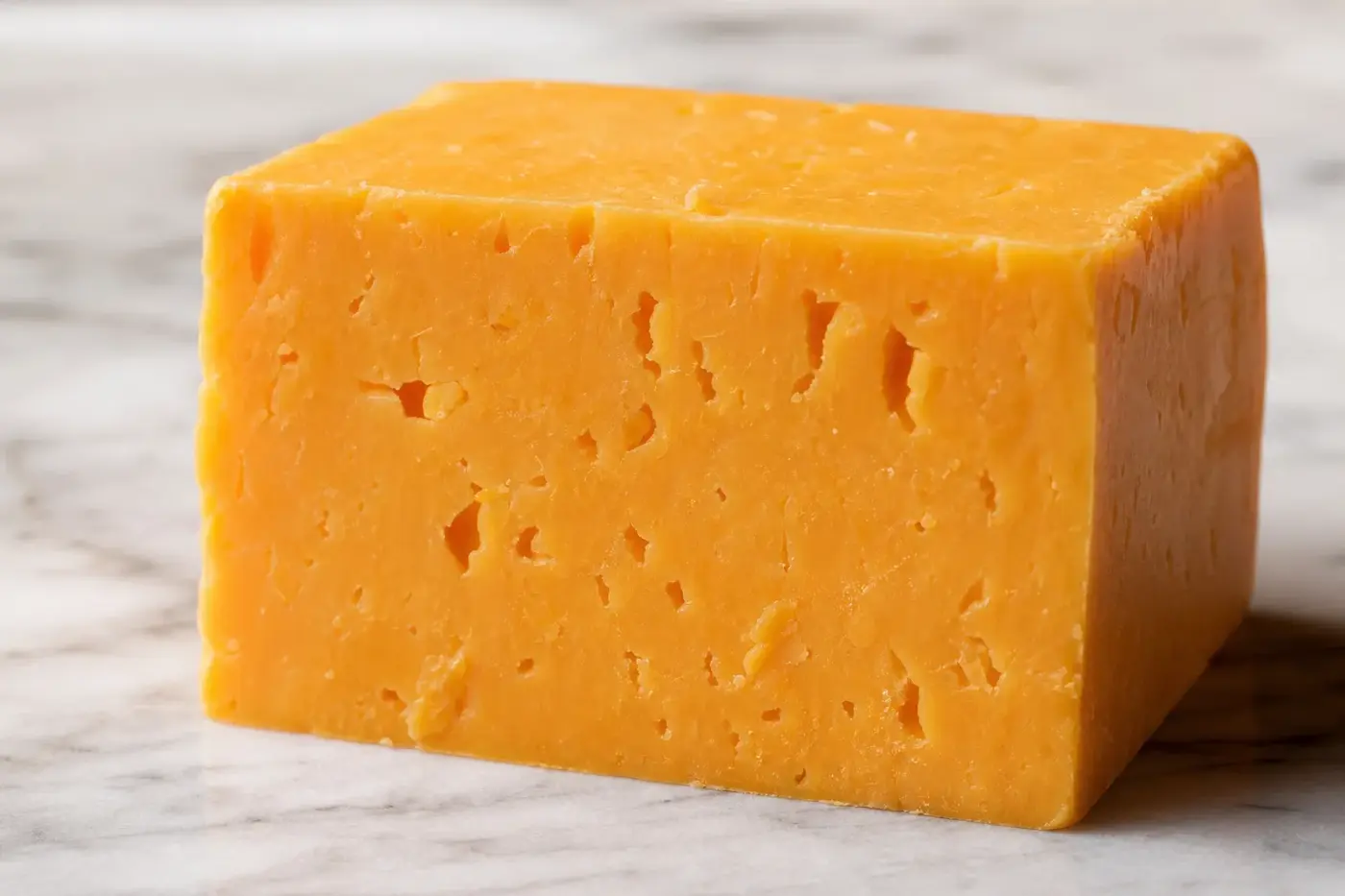
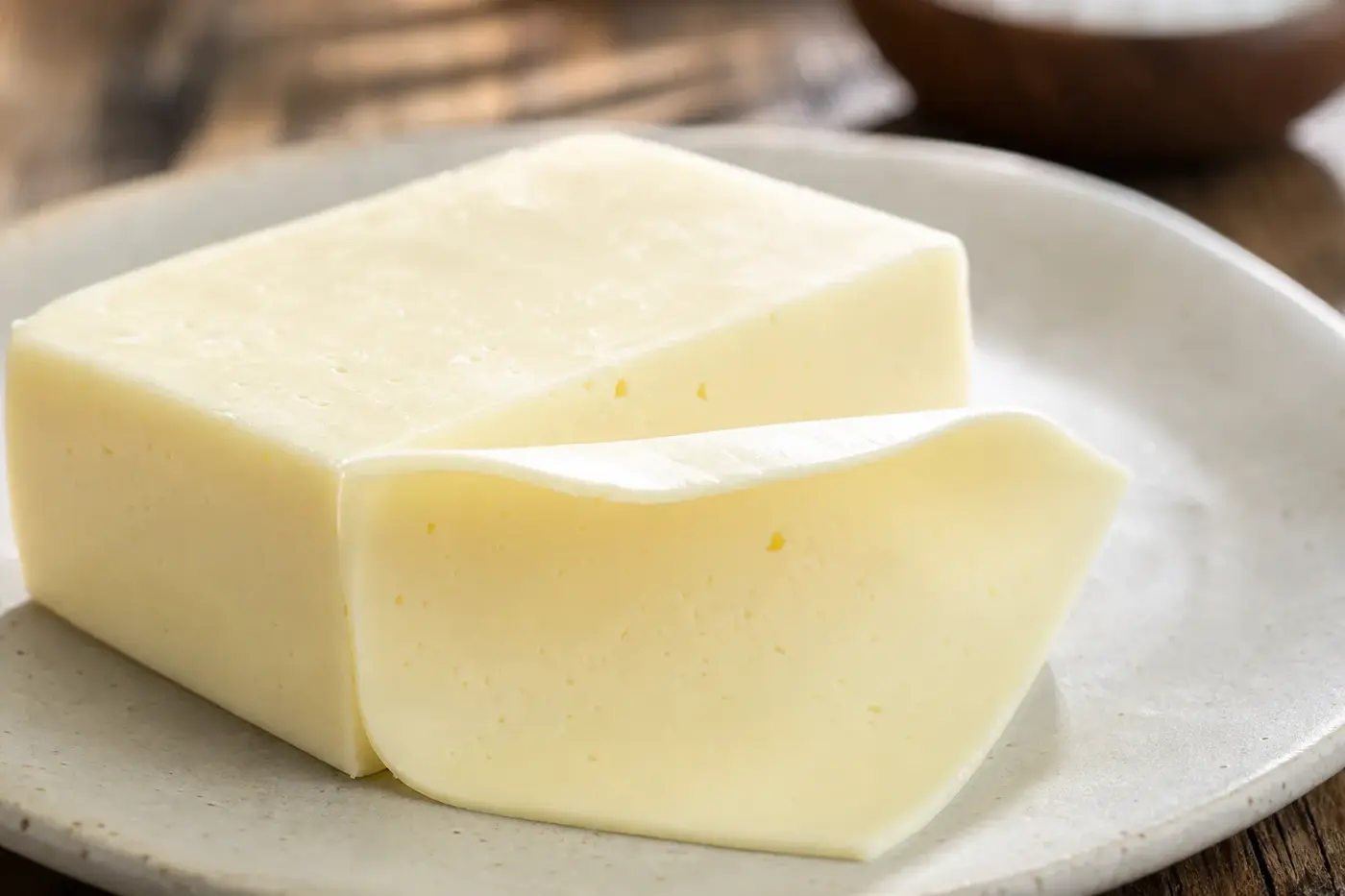
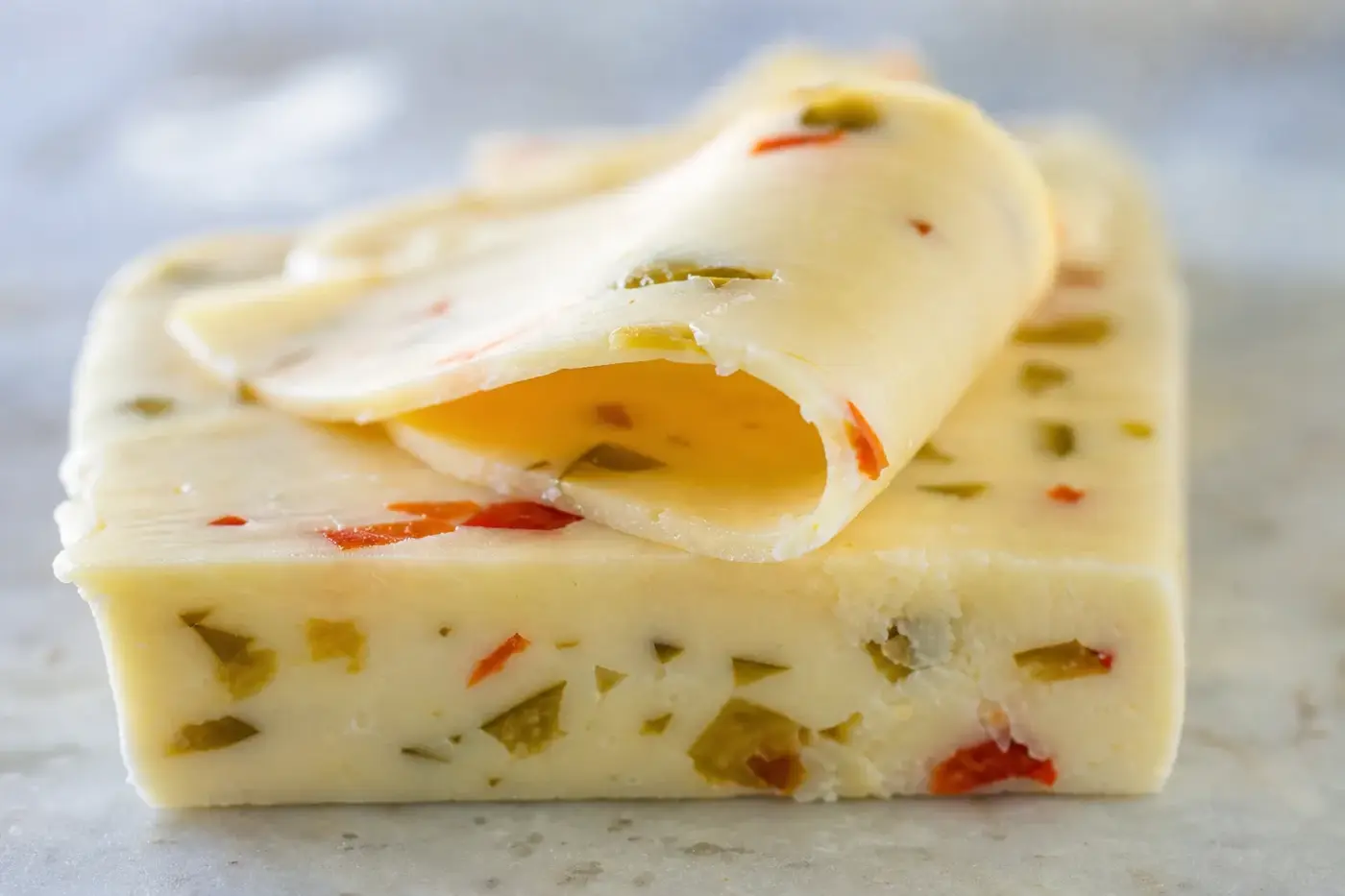
Dry Jack
Picture Monterey Jack waiting in storage in San Francisco in 1915.
Picture Monterey Jack waiting in storage in San Francisco in 1915. According to the California Milk Advisory Board, age turned that soft, youthful cheese into something firm enough to grate, answering a wartime shortage of Italian grating cheeses. Today, Dry Jack brings you a pale golden interior and a savoury, nutty character, as comfortable on a cheeseboard as it is over a grater. [1,2,4,7]
Meet Dry Jack at a glance
| What to know | The details |
|---|---|
| Name | Dry Jack, also called Dry Monterey Jack. [2] |
| Family | Aged Monterey Jack. [2] |
| Home association | California, United States. [1] |
| Milk | Cow’s milk; Vella documented pasteurised milk. [3] |
| Coagulant example | Vella declared vegetable coagulant. [5] |
| Ageing examples | Vella Dry Jack: age unspecified here; Special Select: up to 2 years. [5] |
| Wheel size example | Vella listed whole wheels of approximately 3.6 kg (8 lb). [4] |
| Rind example | Dark cocoa, pepper and oil coating, described by Vella as edible. [3,4] |
| Registered name, authority and ID | Not established here |
Age makes the difference. Dry Jack takes the smooth texture of young Monterey Jack towards something harder, ready for your knife, vegetable peeler or grater. It remains part of the same family, with a different role at the table. [2,7]
This page summarises published guidance from the official sources it cites. It is not medical advice. Guidance differs between countries and changes over time, so check the current source for where you live, and ask your doctor, midwife, pharmacist or dietitian about your own circumstances.
A San Francisco storeroom, a wartime discovery
The California Milk Advisory Board’s historical timeline dates Dry Jack’s creation to 1915. In its account, a San Francisco wholesaler left fresh Monterey Jack in storage and discovered that it had hardened when the First World War interrupted imports of Italian grating cheeses. Italian American households adopted the aged cheese as an alternative. [1]
The discovery has more than one timetable. A food-history account published in 2022 describes surplus cheese warehoused in 1915 and neglected for eighteen months, putting the discovery later than the headline date. Both accounts look back on the same wartime story, but differ over when storage became discovery. [1,8]
By December 1953, Dry Jack had a clear place in the US Department of Agriculture’s handbook. It identifies dry Jack as hard, grating-type Monterey, describes ageing for at least six months and records an oil coating containing pepper. Whatever the precise moment of discovery, its identity and place beside the grater were firmly on paper. [2]
How soft curds become a firm wheel
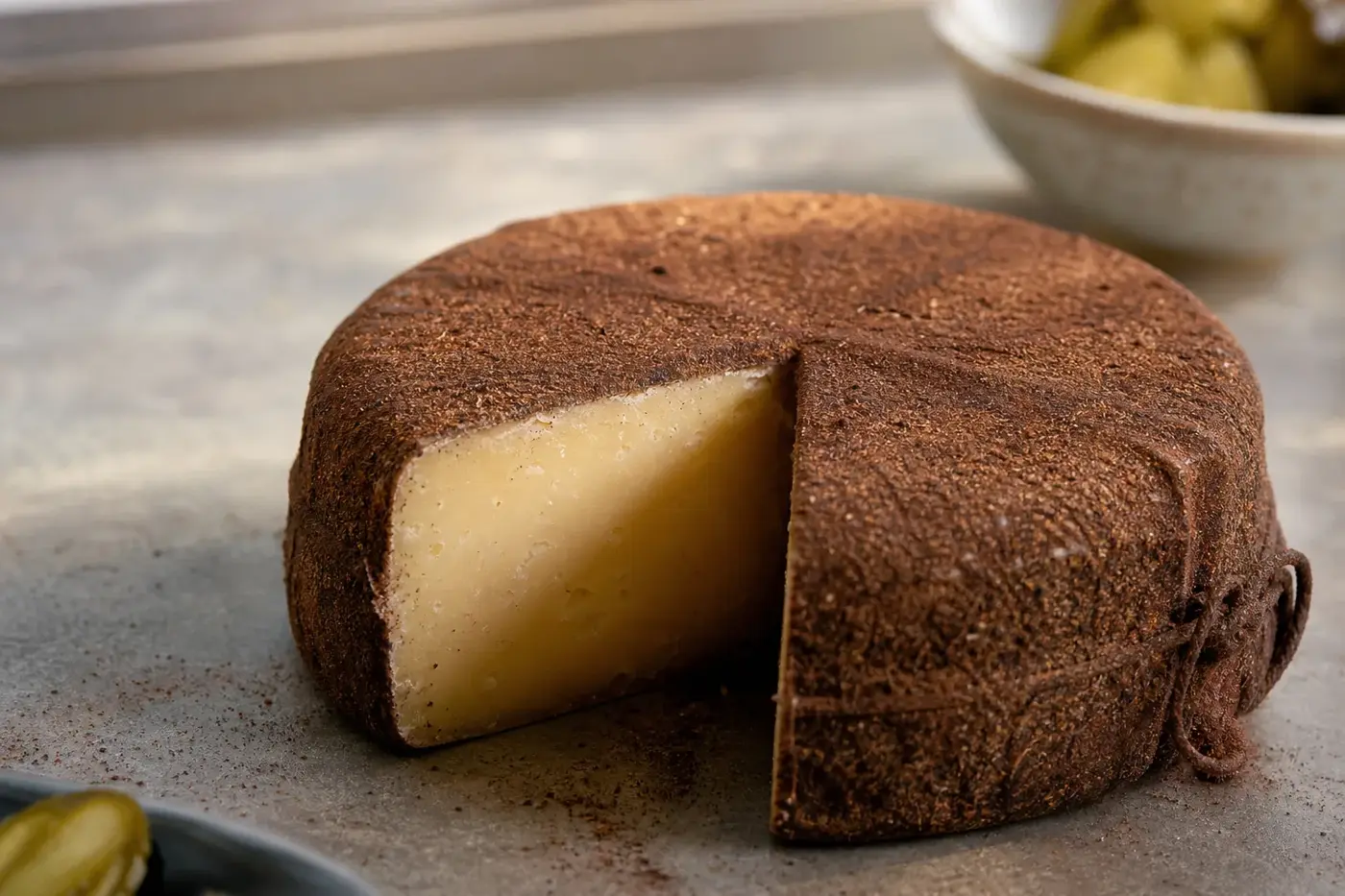
Look at a Dry Jack wheel and you may notice its characteristic indentation. Cloth tying makes that mark: in Vella’s published cheesemaking tour, curds are gathered into cheesecloth, tied into balls and pressed under weights. The process begins with milk, starter culture and coagulant. [3]
The starter acidifies the milk, while the coagulant sets it into solid curd and liquid whey. Cutting, gentle stirring and cooking encourage more whey to separate. After pressing, brining and preliminary drying prepare the clothbound wheels for their coating. Pressing and drying establish the shape and ready the surface for the long maturation ahead. [3]
As the cheese ages, it becomes drier and firmer. Vella’s FAQ records up to 2 years for Special Select, while its product page describes a Golden Bear version aged for 2 to 4 years. Those timetables belong to those named cheeses; another maker may take a different approach. [4,5]
When you choose a piece, start with its destination: slices, shavings or grated cheese? Vella described Special Select as firmer than its regular Dry Jack. Match maturity to the way you want to serve it, rather than automatically choosing the oldest. Age is useful information, not a competitive sport. [4]
For a closer look at the process, see how cheese is made.
What that dark rind is doing
That brown coat has a practical job. Vella’s tour describes cocoa, pepper and oil rubbed onto the wheels to protect against damage and excessive drying during ageing. Protection comes first, but the treatment also gives the cheese its striking, recognisable exterior. [3]
Vella describes its coating as edible. When the maker confirms that the rind on your piece is intended to be eaten, taste a little separately before including it with the cheese. Trim it away for fine, pale shavings or a cleaner finish in a pale sauce. Remove any wax, cloth or packaging. [3,4]
Cut inside for gold, firmness and nuttiness
Cut through the dark coat and the pale yellow to golden interior makes quite a contrast. Cheesemakers call that interior the paste. Vella describes its Dry Jack as firm, sweet and nutty, and listed whole wheels of approximately 3.6 kg (8 lb). That is an example of the traditional format, not a fixed size for every Dry Jack. [4]
The California Milk Advisory Board places Dry Jack among very hard cheeses and describes its flavour as nutty. You get firmness for grating, but enough character to enjoy a piece on its own. Try a thin shaving beside a thicker slice and notice how texture changes your impression of the same cheese. [7]
The maker and maturity tell you more than the name alone. The USDA’s 1953 description included versions made with partly skimmed or skimmed milk; Vella documented its own milk handling and ageing programme. Ask about the particular cheese in front of you, especially if you already have a dish in mind. [2,3]
Young Jack, Dry Jack and the Italian connection
Choose young Monterey Jack when you want a smoother, softer texture. Turn to Dry Jack for distinct slices, shavings or grated cheese. The California dairy board makes the family difference plain: Monterey Jack is smooth, while Dry Jack is very hard. Age gives each its own strengths. [7]
Dry Jack’s relationship with Italian grating cheeses is about use, not identity. It is aged Monterey Jack; Parmigiano Reggiano is a different cheese with its own production specification. Both work over a grater, but they bring different flavours to your cooking. [2,5,13]
Keep that California identity in the dish’s name: pasta with Dry Jack, for example. If your recipe depends specifically on the character of Parmigiano Reggiano, consult that cheese’s guide before swapping. A substitute can do a similar job without making the finished dish taste the same.
Give it a place on the board, then try toast
Dry Jack deserves a place on your cheeseboard in its own right. Vella recommends bread or crackers and fruit alongside it. Cut a few thin pieces and leave the rest as a wedge so everyone can choose their thickness. Taste it plain first, before the accompaniments start making their case. [5]
For salad, try broad shavings over leaves, apple and toasted nuts. For pasta, soup or roasted vegetables, finely grate the cheese over the finished dish. Start with a little and taste everything together before deciding whether it needs more cheese or seasoning.
Vella also recommended its regular Dry Jack for toasted sandwiches, omelettes and soufflés. For these, the texture of your actual piece matters more than age alone. Choose a cheese suited to the preparation, save a particularly hard piece for fine grating, and let the dish guide how you cut it. [4]
Keep its company simple: fruit, nuts and a glass
Start with crisp apple or pear, unsalted walnuts or almonds, and plain bread. Fresh fruit gives you a contrasting bite between pieces of cheese; unsalted nuts leave room to judge the cheese’s own seasoning. One fruit and one nut are enough to begin. The wedge does not need an entourage.
For drinks, try a restrained Chardonnay, a fruit-led Pinot Noir or an amber ale. Taste the wine with a plain piece of cheese before adding peppery rind or sweet fruit. With beer, look for a balance between cheese and malt that you enjoy, rather than reaching for the strongest flavour.
Give alcohol-free choices the same attention: sparkling water, an alcohol-free amber beer or unsweetened apple juice are useful starting points. Let your particular piece of cheese guide the final choice. The cheese and wine pairing guide offers a broader approach.
Alcoholic options are for adults of legal drinking age, in small servings. People who are pregnant, driving, taking medicines that interact with alcohol, or recovering from alcohol dependence should not drink. Check current advice from the NHS or the relevant authority where you live. [12]
Questions worth taking to the cheese counter
Ask who made the cheese, how long it was aged and whether you can eat the rind. Tell the cheesemonger whether you want slices or something to grate, especially if several maturities are available. Check the producer’s information for milk treatment and coagulant, particularly if vegetarian suitability matters.
Vella’s tour documents pasteurised cow’s milk, and its FAQ declares vegetable coagulant rather than animal rennet. For another maker’s cheese, look at that product’s declaration. If the label says only “enzymes”, ask which coagulant was used. The rennet guide explains the main types. [3,5]
Ask directly about current supply. In November 2026, Vella’s homepage states that cheese production has ceased and that its retail shop and mail order are permanently closed, while mentioning possible sales of remaining aged cheese. Its older product pages remain useful records of the cheeses and how they were made. [6]
Keep the wrapper from your cut wedge, or photograph the label. If the maker and batch are missing, ask the counter to identify them, and keep the storage instructions with the cheese. These details also help you establish whether your product is covered by a recall notice. [11]
Keep it well, and know when to discard it
Store Dry Jack in the refrigerator, wrapped and protected from other foods. Vella advised wrapping cut pieces tightly, then putting them in an airtight container or sealed bag. In November 2026, the US FDA recommends a refrigerator temperature of 4 °C (40 °F) or below. Follow the product’s storage directions and buy a quantity you expect to use. [5,9]
Put out a small portion for serving and replenish it as needed. The US FDA limits time at room temperature for foods requiring refrigeration to two hours, or one hour above 32 °C (90 °F). For a board containing these foods, include preparation time as well as time on display. [9]
Distinguish the original cocoa coating from new fuzzy growth. For hard cheese with a mould spot, US Department of Agriculture Food Safety and Inspection Service guidance, as of November 2026, advises cutting at least 2.5 cm (1 inch) around and below the spot. Keep the knife out of the mould, then rewrap the cheese. The guidance advises discarding mouldy shredded, sliced or crumbled cheese, and food heavily covered in mould. [10]
Discard a piece too small to allow that cutting margin. The FDA also advises discarding food that looks or smells suspicious, and warns that harmful bacteria can be present without obvious spoilage. Follow any recall notice affecting the product. For more practical advice, see storing cheese at home and mould on cheese. [9,10]
Questions people ask
How is Dry Jack different from Monterey Jack?
Dry Jack is aged Monterey Jack. Young Monterey Jack is smooth and soft, while Dry Jack is very hard and suited to shaving and grating.
How long is Dry Jack aged?
Vella recorded ageing of up to 2 years for its Special Select. Its Golden Bear version was described as aged for 2 to 4 years, but other makers may follow different timetables.
Can you eat the rind of Dry Jack?
Vella described its cocoa, pepper and oil coating as edible. Check whether the maker confirms that the rind on your piece is intended to be eaten, and remove any wax, cloth or packaging.
Is Dry Jack vegetarian?
Vella declared that it used vegetable coagulant rather than animal rennet. For another maker’s cheese, check the product’s declaration or ask which coagulant was used.
How should Dry Jack be stored?
Vella advised wrapping cut pieces tightly and placing them in an airtight container or sealed bag. The US Food and Drug Administration recommends a refrigerator temperature of 4 °C or below; check its current guidance and follow the product’s storage directions.
Sources
[1] California Milk Advisory Board, Milestones in CA Cheese History, undated online timeline, section “1915 Dry Jack Created”. Industry account of the origin story. Source.
[2] US Department of Agriculture, Cheese Varieties and Descriptions, Agriculture Handbook No. 54, December 1953, printed pages 79 and 80, “Monterey”. Historical description, not a current statutory standard. Source.
[3] Vella Cheese Company, Virtual Cheesemaking Tour, undated PDF, sections on milk treatment, curd formation, pressing, brining, coating and ageing. Maker’s account of its process. Source.
[4] Vella Cheese Company, Vella Dry Monterey Jack Cheeses, undated product descriptions, retrieved November 2026. Maker’s descriptions of flavour, format, coating, uses and maturities. Source.
[5] Vella Cheese Company, Frequently Asked Questions, undated online edition, retrieved November 2026. Sections on coagulant, maturities and storage. Source.
[6] Vella Cheese Company, A message from the Vella family, undated homepage notice, retrieved November 2026. Company statement on production, retail and mail-order closure. Source.
[7] California Milk Advisory Board, Professionals’ Guide to California Cheese, undated PDF edition. Sections on texture, tasting, cheese families and Dry Jack. Industry educational material. Source.
[8] Foodlore & More, ISSUE 67, ARK OF TASTE, Part 3: Dry Monterey Jack Cheese, 19 August 2022. Retrospective food-history account, cited only for its version of the wartime story. Source.
[9] US Food and Drug Administration, Are You Storing Food Safely?, online edition retrieved November 2026, “Storage Basics”. US consumer guidance. Source.
[10] USDA Food Safety and Inspection Service, Molds on Food: Are They Dangerous?, revised March 2010, pages 3 and 4. Agency publication hosted by Gallatin City-County Health Department. Source.
[11] US Food and Drug Administration, Recalls, Market Withdrawals, & Safety Alerts, live index retrieved November 2026. Source.
This desk-researched article compares historical dairy documentation with makers’ published accounts and US official food-handling guidance.
Last checked: November 2026
Last checked November 2026.
The editors suggest you read next
American Cheese: The Processed Slice Explained
Watch a slice of American cheese soften over your burger.