Finnish Cheese
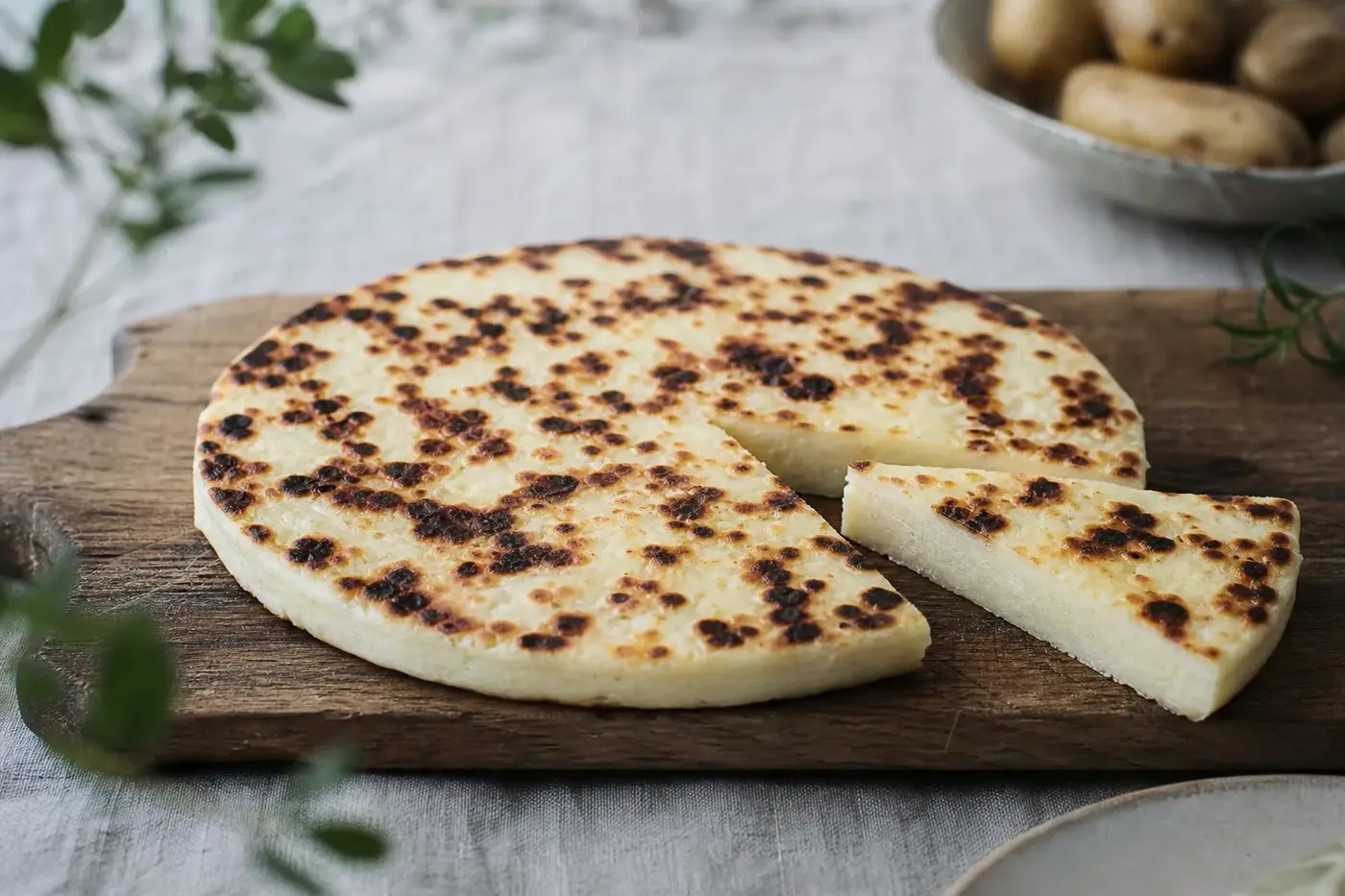
Warm Kainuun juustoleipä gives a little squeak as you bite.
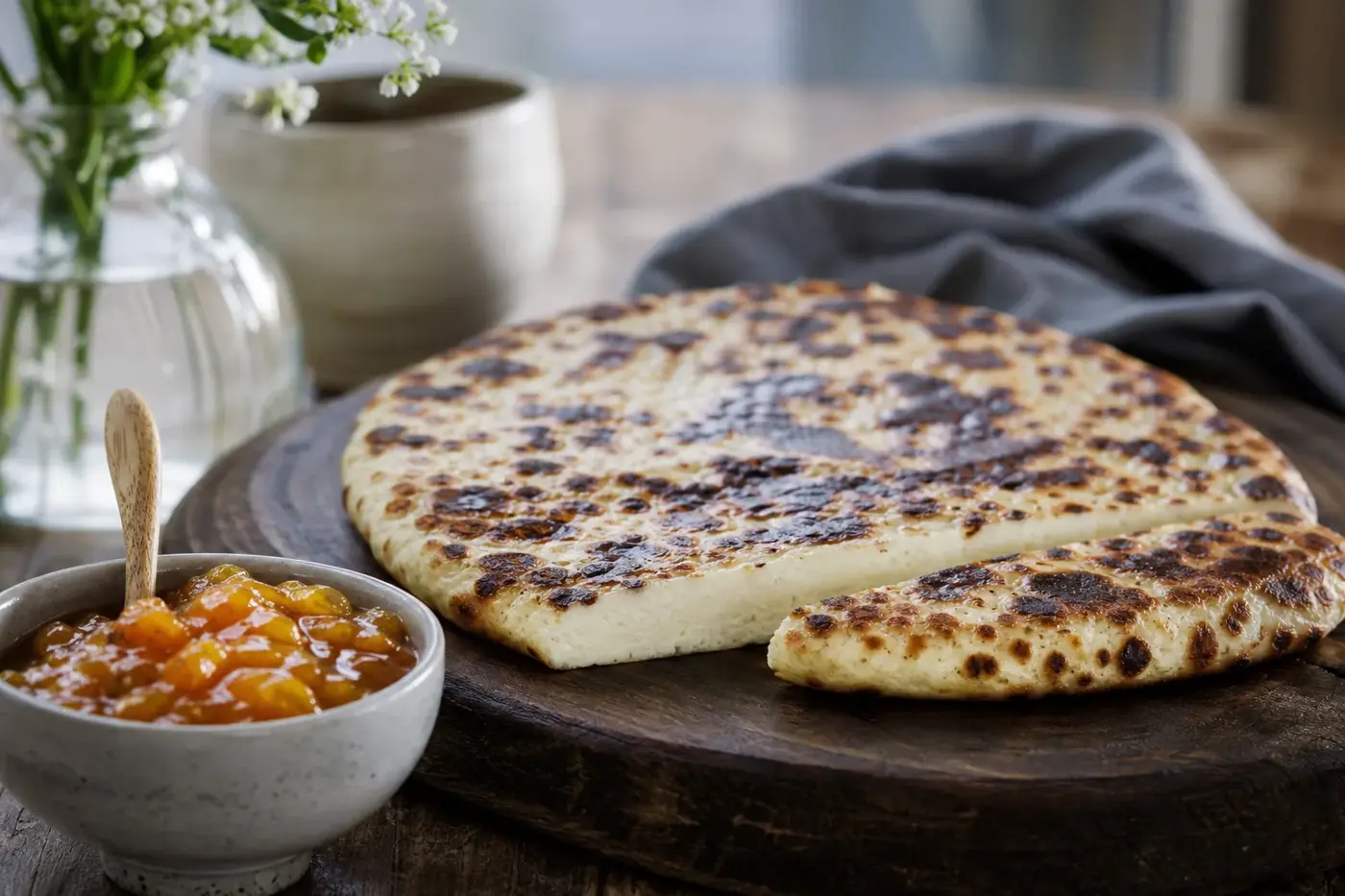
Warm Kainuun juustoleipä gives a little squeak as you bite. Beneath its baked surface, spotted brown to black, this flat cheese from eastern Kainuu is dense, white, firm and springy. Add cloudberry jam and you have a delicious way into Finland’s cheese culture, from household fresh cheeses to dairy-made Edam, Emmental and blue cheese. [1][8][3]
| At a glance | Your introduction |
|---|---|
| Country | Finland. [4] |
| Main milk | Cow’s milk; traditional descriptions also include other milks. [1][2][4] |
| Signature tradition | Fresh curd shaped into flat cheeses, then browned on both sides. [2] |
| EU names and status | Application records below, November 2026. [6] |
Get to know that squeaky bite
The pleasure of Kainuun juustoleipä lies in the contrast between baked exterior and fresh interior. Its official application describes a dense, white centre beneath the spotted surface, a firm, squeaky texture and a mild taste in the unflavoured version. Give each part a moment when you taste it: the surface first, then that springy resistance. [1]
The names offer their own small puzzle. Juustoleipä and leipäjuusto reverse the elements meaning cheese and bread, although neither application includes bread as an ingredient. The bread, apparently, is there in spirit. [1][7]
These regional names carry memories of farm kitchens, celebrations and preserving summer milk. Today, you will find them alongside the sliced cheeses of ordinary meals, keeping household traditions at the everyday table. [1][7][3]
Follow the milk through meadows and lakes
Picture summer milk in abundance, with winter still to come. The Pohjalainen leipäjuusto application describes cheese as a way to preserve that surplus for the months when cows were dry. It connects Ostrobothnian cattle husbandry with natural meadows and wetlands, setting the farm within Finland’s familiar landscape of forests and lakes. [11]
Winter feed has a part to play, too. Valio’s history records the development of silage for cheesemaking. Preserved grass might not be the first thing you think about over a cheeseboard, but it belongs in the story. [5]
Cow’s milk runs through that story, alongside traditional cheeses made with goat’s and reindeer milk. Both regional baked cheese applications allow Finnish pasteurised milk from all three animals. For the cheese you are buying, read the pack: the application tells you what is permitted; the maker’s ingredient list tells you what was used. [1][2]
The dairy map stretches beyond a purely northern picture. Luke, Finland’s Natural Resources Institute, reports that Kuopio was the largest milk-producing municipality in 2025, followed by Kurikka and Kiuruvesi. North Ostrobothnia and North Savo had the most dairy farms, linking western farming regions with inland dairy country around the lakes. [4]
Put together a Finnish cheese tasting
Leipäjuusto gets its character from browning, rather than a long wait for ripening. In the application descriptions, rennet, the coagulant that sets milk, forms the curd. The liquid whey drains away, then the curd is shaped and baked on both sides. The result is the flat, spotted fresh cheese you will soon recognise. [2]
For Pohjalainen leipäjuusto, look to Ostrobothnia. The Finnish Food Authority says its product description matches the Kainuu application; regional reputation distinguishes the two. Both describe a mild, firm cheese with that characteristic squeak. Taste them together if you can, and ask about the maker and milk as well as the place. [7]
Kotijuusto means home-style cheese in the terminology of thisisFINLAND, Finland’s national information website. Munajuusto, literally egg cheese, brings another household tradition to your plate. Juustoseura, the Finnish cheese society, records sour-milk cheeses as everyday food and egg cheeses as celebration food. Ask about a household recipe or local version, and those broad names become something more personal. [3][8]
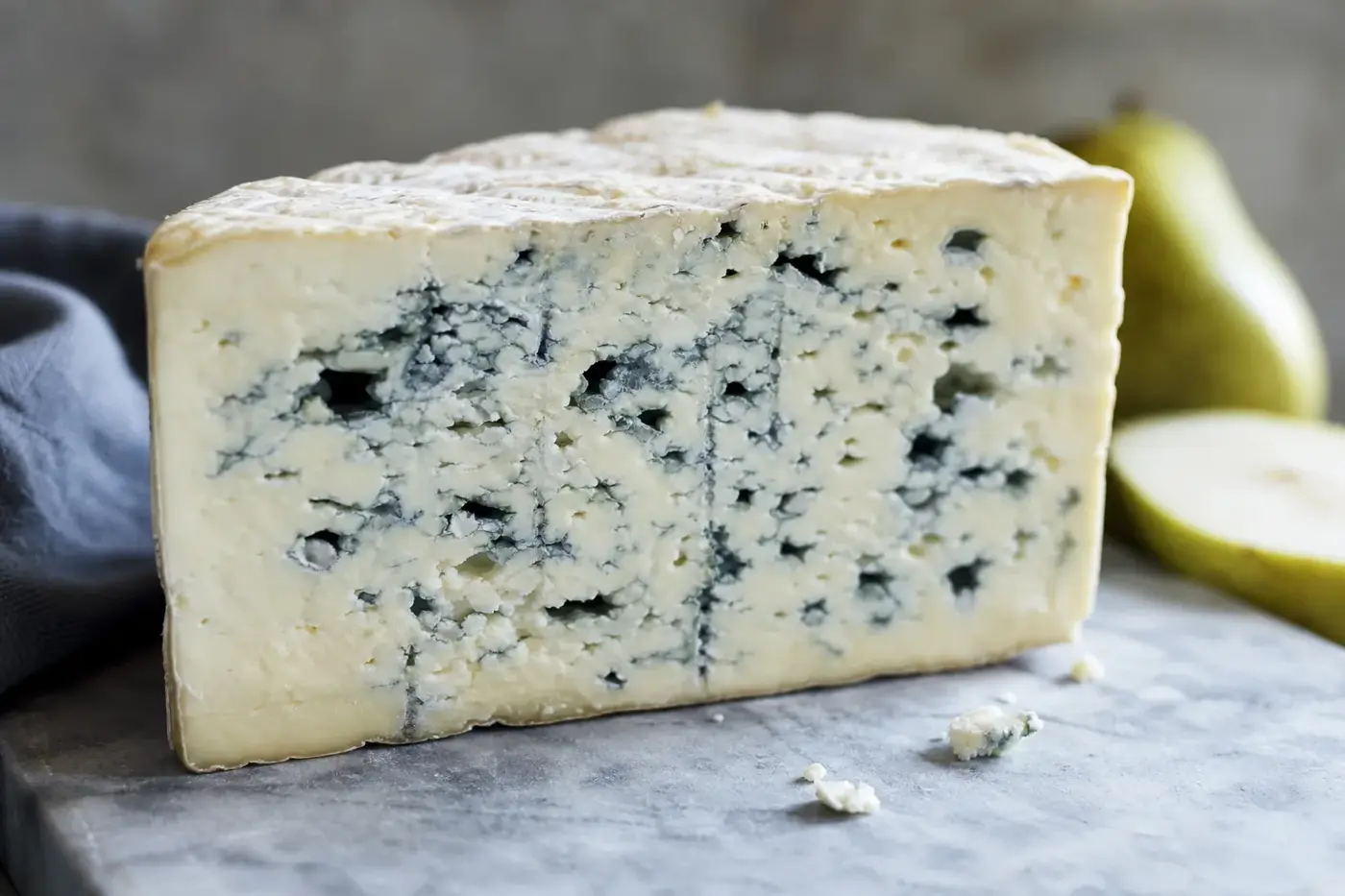
Leave room for Finnish-made Edam, Emmental and blue cheese. The cheese society places Edam and Emmental within Finland’s dairy history and records blue cheese in everyday cooking. Try them beside the fresh cheeses to explore texture and method. The guide to cheese styles helps you make sense of the differences. [3]
Read the story behind the regional names
These names bring you to the EU’s protected geographical indication scheme, or PGI. In eAmbrosia, Pohjalainen leipäjuusto appears at the “Applied” stage, with a submission date of 18 March 2024. The distinction matters when you read the record: application is not registration. [6]
| Name | EU record and stage, November 2026 | Where the published application places it |
|---|---|---|
| Kainuun juustoleipä / Kainuulainen juustoleipä | Published application; current EU status and register ID not provided here | Kainuu and Vaala municipality. [1] |
| Pohjalainen leipäjuusto | PGI application, PGI-FI-03212; eAmbrosia ID EUGI00000020243. Stage: Applied. [6] | South, Central and North Ostrobothnia, and Ostrobothnia. [2] |
The published applications specify Finnish pasteurised milk, rennet and salt, with possible acidity regulators. The curd becomes a slab 0.5 to 3 cm thick, browned on both sides. Production takes place within the defined area, followed by cooling and prompt packaging. Both applications base their geographical case on reputation. [1][2]
These are requirements in the published applications, not a substitute for completing the application process. For a clear route through application, registration and the different European schemes, turn to protected names explained. [6][7]
Pull up a chair at the Finnish table
Begin with warm leipäjuusto and cloudberry jam. ThisisFINLAND describes that serving, and the Ostrobothnian application records it as a dessert. Taste a little cheese alone before adding the jam, then try them together. You will get to know the mild cheese before meeting its accompaniment. [8][11]
Coffee brings a more specifically regional ritual. The Pohjalainen application describes pieces of cheese placed in a coffee cup, left to soften, then eaten with a spoon. Your coffee break may need cutlery. [11]
The application places this custom within western and northern food traditions. Ask a local host or restaurant how they serve it. Their answer can give you a sense of the custom’s local setting. [11]
You need not keep all your cheese for dessert. The Finnish cheese society mentions sandwiches, blue cheese in macaroni dishes and fresh cheese in cheesecake. The baked-cheese application also lists salads and main courses among leipäjuusto’s uses. Let your tasting follow a meal’s rhythm, from bread or something savoury to warm cheese and jam. [3][11]
Trace summer’s milk beyond the farmhouse
Stored milk could become hospitality. The Finnish Food Authority describes households turning plentiful summer milk into cheese for the months when cows were dry. The Ostrobothnian application records cheese being dried, then softened again by warmth. It also places cheese at communal work celebrations, ready to share. [11]
Cooperative dairying carried cheesemaking beyond the household. Valio’s own history dates its foundation to 1905 and the establishment of a laboratory to support cheesemaking to 1917. Its export history records Emmental shipments to the United States in the 1950s. Together, those milestones show dairy expertise growing in scale and reach. [5][9]
Regional baked cheeses moved into industrial production, too. The Finnish Food Authority dates Kainuun Osuusmeijeri’s industrial production of juustoleipä to the 1960s. When you explore today’s small-producer cheeses, ask what is made on site, where the milk comes from and which older practices the maker follows. Those answers give “traditional” something tangible to mean. [7]
Find a first taste worth following
A market or food hall is a good starting point for comparing makers. Ask for a locally made baked cheese, then choose a contrasting method, perhaps a pressed cheese or blue cheese. In a restaurant, look for leipäjuusto with cloudberries and ask whether the cheese comes from the surrounding region. You are getting to know a place as well as a method. [2][3][8]
For a more direct conversation, try farm shops and small dairies. Ask the producer what is currently being made. Before travelling to an advertised dairy visitor centre, consult its official website and make contact. Confirm public access, booking requirements and accessibility, then ask whether the visit includes production, tasting, a shop or an exhibition.
Allow for regional and seasonal availability rather than building every plan around one cheese. Ask whether you need to order ahead, and have an alternative in mind. A restaurant can introduce you to a serving custom; a shop gives you time with the label and maker’s details. Either offers a useful starting point if your first choice is unavailable.
Bring home a cheese you will enjoy
Start with the name, maker and declared milk. The application descriptions offer clear features to look for: a flat shape, a pale, dense interior and dark baking marks on both faces. Whole cheeses, portions and cubes are all included. Choose whichever suits the meal you have in mind. [2]
Once home, follow the pack’s refrigeration instructions and date. Finland’s Food Authority guidance on food handling and storage was last updated 27 October 2021. For the wider framework, turn to the guide to storing cheese at home. [10]
Planning a warm dessert? Choose a cheese with the maker’s warming instructions and follow them. Add cloudberry jam to your prepared portion to taste. [8]
Outside Finland, ask a specialist cheese shop or Nordic food retailer for Finnish-made leipäjuusto, juustoleipä or Finnish baked cheese. Look at the stated country of manufacture and the maker’s details, rather than relying on a Finnish-sounding name. Before ordering, ask the seller about refrigerated delivery arrangements and the storage instructions on the pack.
Let the label open the next chapter
- How to Read a Cheese Label: get to know the milk, maker and handling information on your pack.
- Raw Milk, Thermised and Pasteurised Cheese: make sense of the milk treatments you find on labels.
General information only, not medical advice: follow the official guidance where you live.
Questions people ask
What is leipäjuusto and how is it made?
Leipäjuusto is a flat fresh cheese with a dense, white interior and a firm, squeaky texture. Rennet sets the milk, the whey drains away, and the curd is shaped and baked on both sides.
What is the difference between juustoleipä and leipäjuusto?
The names reverse the elements meaning cheese and bread. Neither regional application lists bread as an ingredient.
What milk is used in Finnish baked cheese?
Cow’s milk is the principal milk, but the regional applications also permit Finnish pasteurised goat’s and reindeer milk. Check the pack to see which milk a particular cheese contains.
Is Pohjalainen leipäjuusto protected as a PGI?
As of November 2026, its eAmbrosia record was at the Applied stage, which is distinct from registration. The application was submitted on 18 March 2024.
How is leipäjuusto served?
It can be served warm with cloudberry jam, including as a dessert. The baked cheese application also lists salads and main courses among its uses.
Sources
-
Finnish Food Authority, Nimisuojahakemus koskien “Kainuun juustoleipä / Kainuulainen juustoleipä” -nimien suojattua maantieteellistä merkintää, application dossier published with the 2023 national consultation, undated document. Sections 3 to 5. Application dossier.
-
Finnish Food Authority, Yhtenäinen asiakirja: “Pohjalainen leipäjuusto”, published application single document, undated retrieved edition. Sections 3 to 5. Single document.
-
Juustoseura ry, Juuston historiaa, website account incorporating a contribution dated 9 September 2022. Used for the society’s account of household cheeses and Finnish cheese uses, rather than its unsupported early-origin narratives. Cheese society account.
-
Natural Resources Institute Finland, Milk Production by Area 2025, published 6 March 2026. Statistical release.
-
Valio, History, undated corporate history, retrieved edition November 2026. Company account of its laboratory, silage development and export history. Corporate history.
-
European Commission, eAmbrosia: Pohjalainen leipäjuusto, live application record EUGI00000020243, file PGI-FI-03212, version 3. Recorded stage: Applied; submission and status date: 18 March 2024. Official application record.
-
Finnish Food Authority, Pohjalainen leipäjuusto ja Kainuulainen juustoleipä halutaan nimisuojata, 20 December 2023. Used for the authority’s account of the applications and regional production history. Official announcement.
-
ThisisFINLAND, Demystifying Finnish dairy food, March 2015. Used for kotijuusto terminology and the published warm leipäjuusto and cloudberry serving custom. National information website.
-
Valio USA, Our heritage, undated corporate chronology, retrieved edition November 2026. Entries for 1905 and the 1950s. Corporate chronology.
-
Finnish Food Authority, Food handling and storage, last updated 27 October 2021, retrieved November 2026. “6 simple steps to avoid food poisoning.” Consumer handling guidance.
-
Finnish Food Authority, Nimisuojahakemus koskien “Pohjalainen leipäjuusto” -nimen suojattua maantieteellistä merkintää, application dossier published with the 2023 national consultation, undated document. Section 5 and its historical references. Full application dossier.
This desk-researched article brings together official application documents, agricultural statistics, Finnish cultural accounts and attributed cooperative histories.
Last checked: November 2026
Last checked November 2026.
The cheeses of Finland
The editors suggest you read next
French Cheese: The Complete Guide
Picture Normandy’s pastures, then follow the milk towards the Loire’s goat dairies, the Jura’s shared cheesemaking traditions and the sheep country of the Pyrenees.