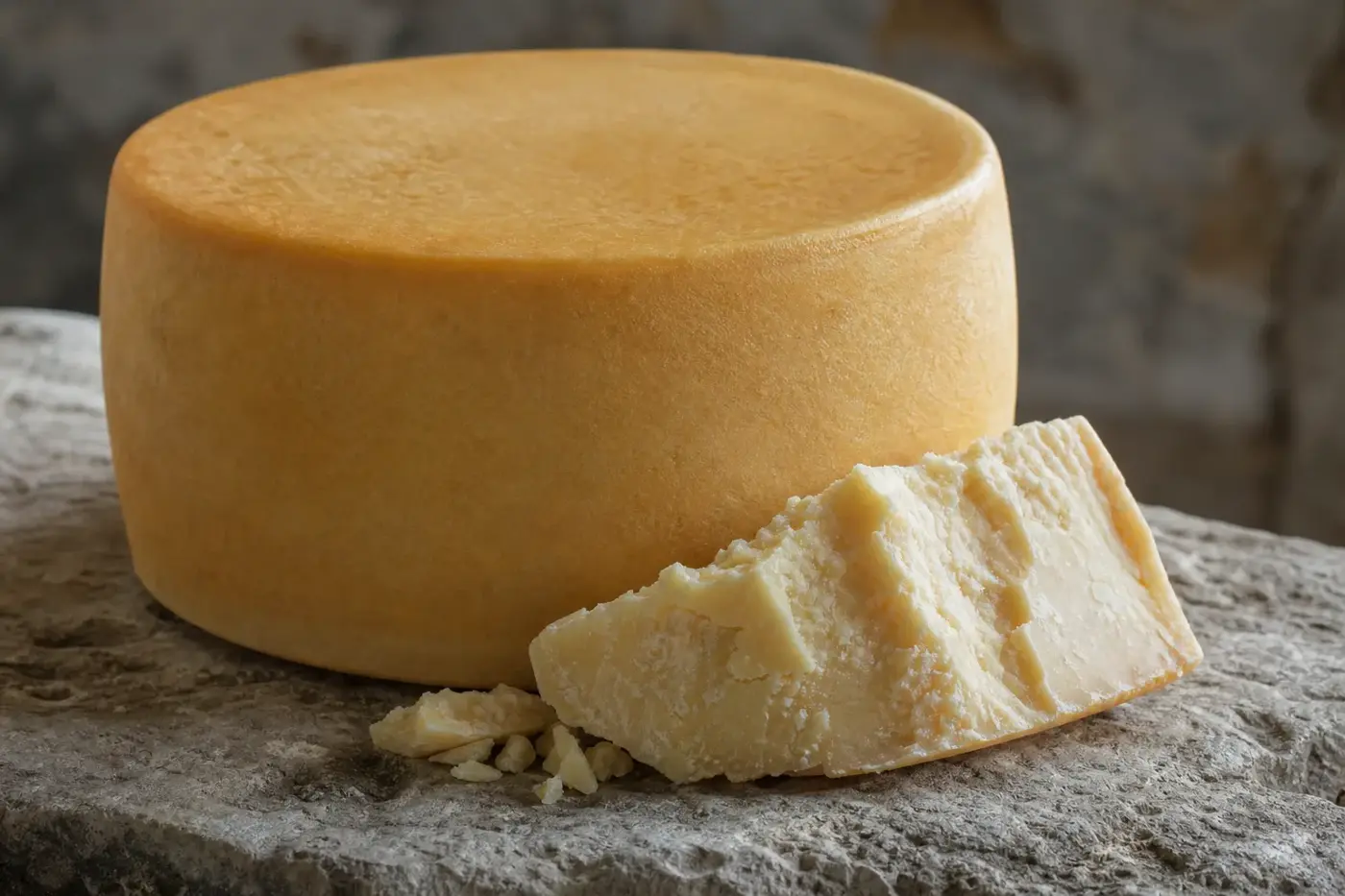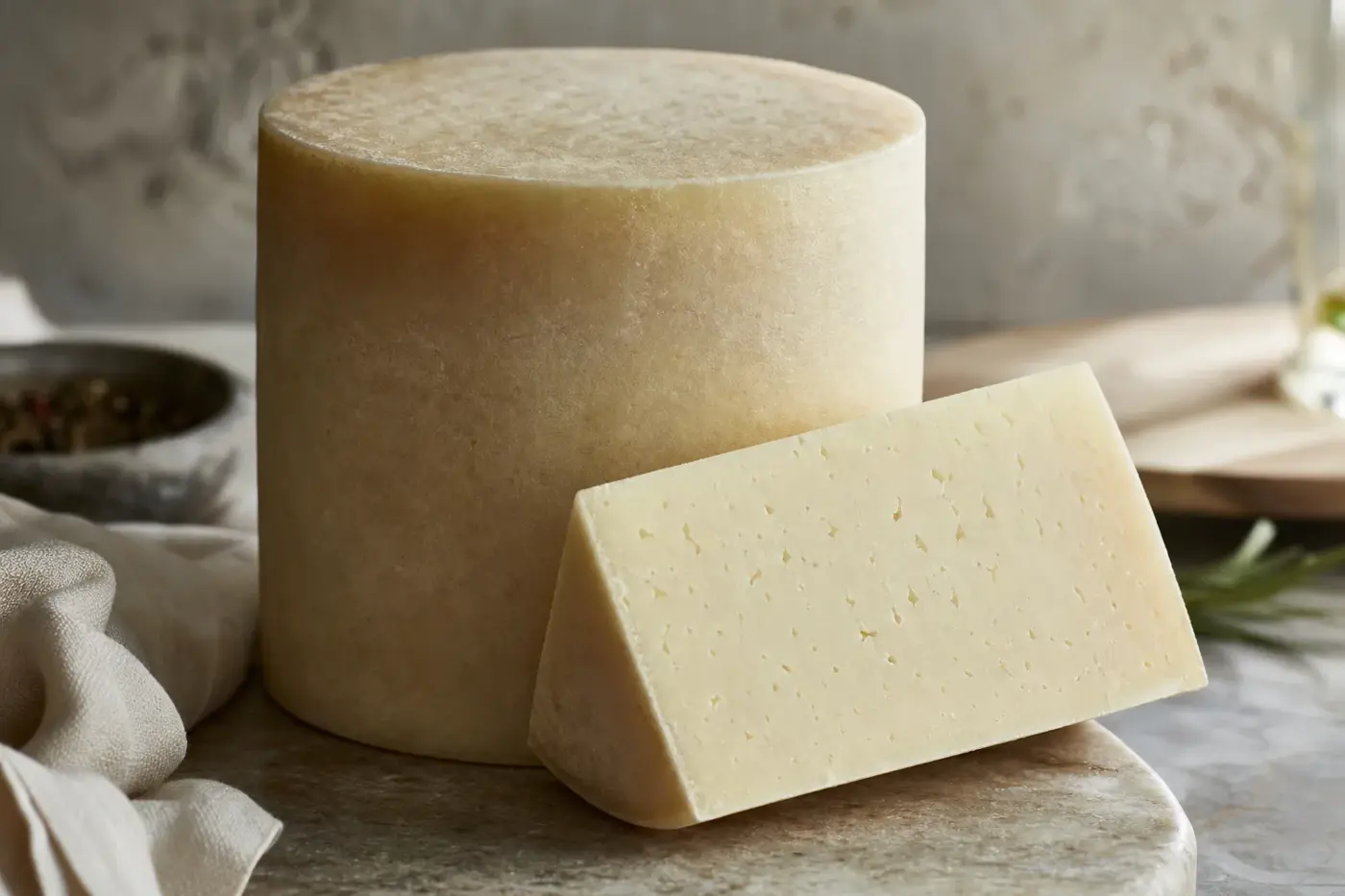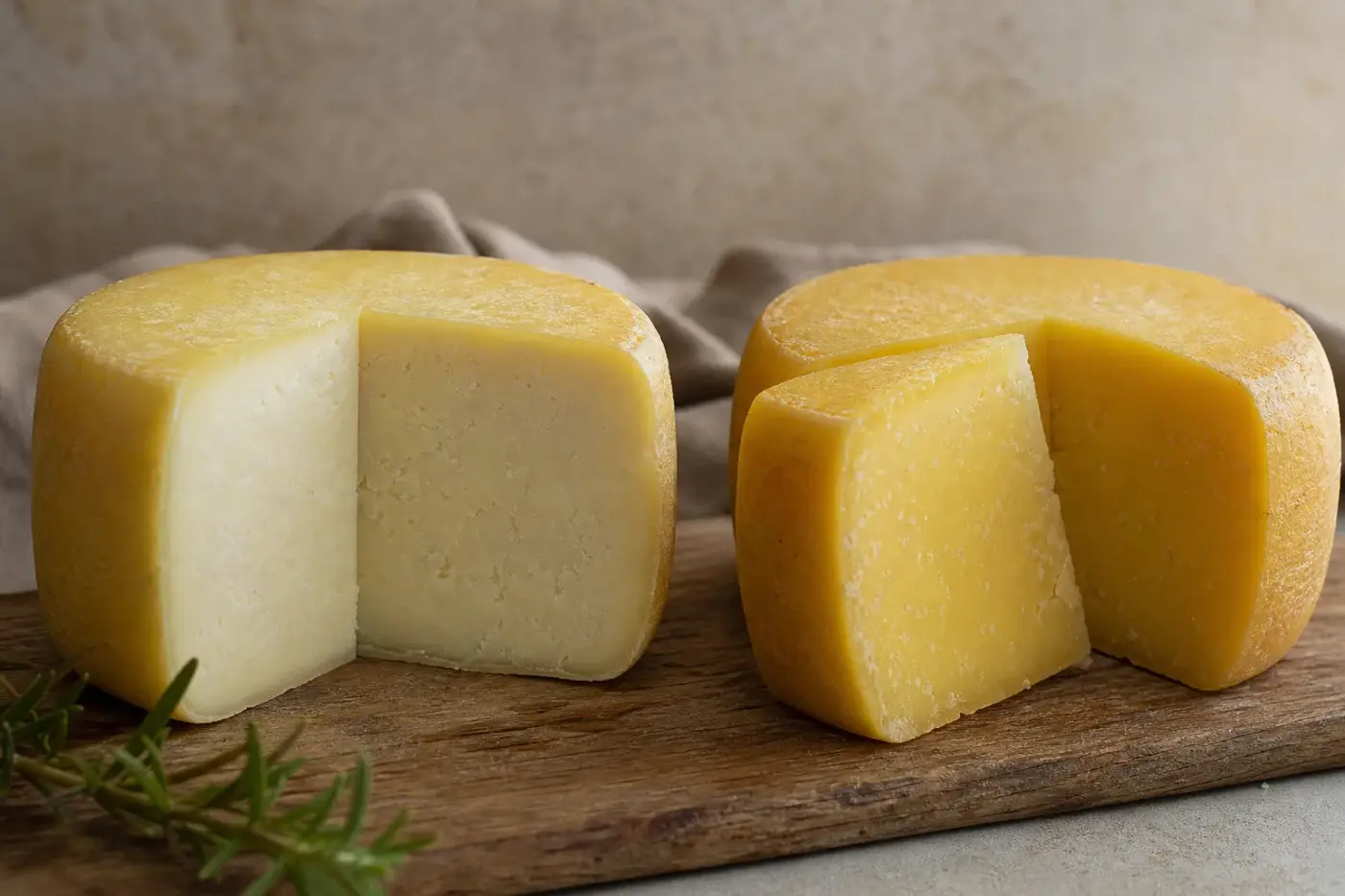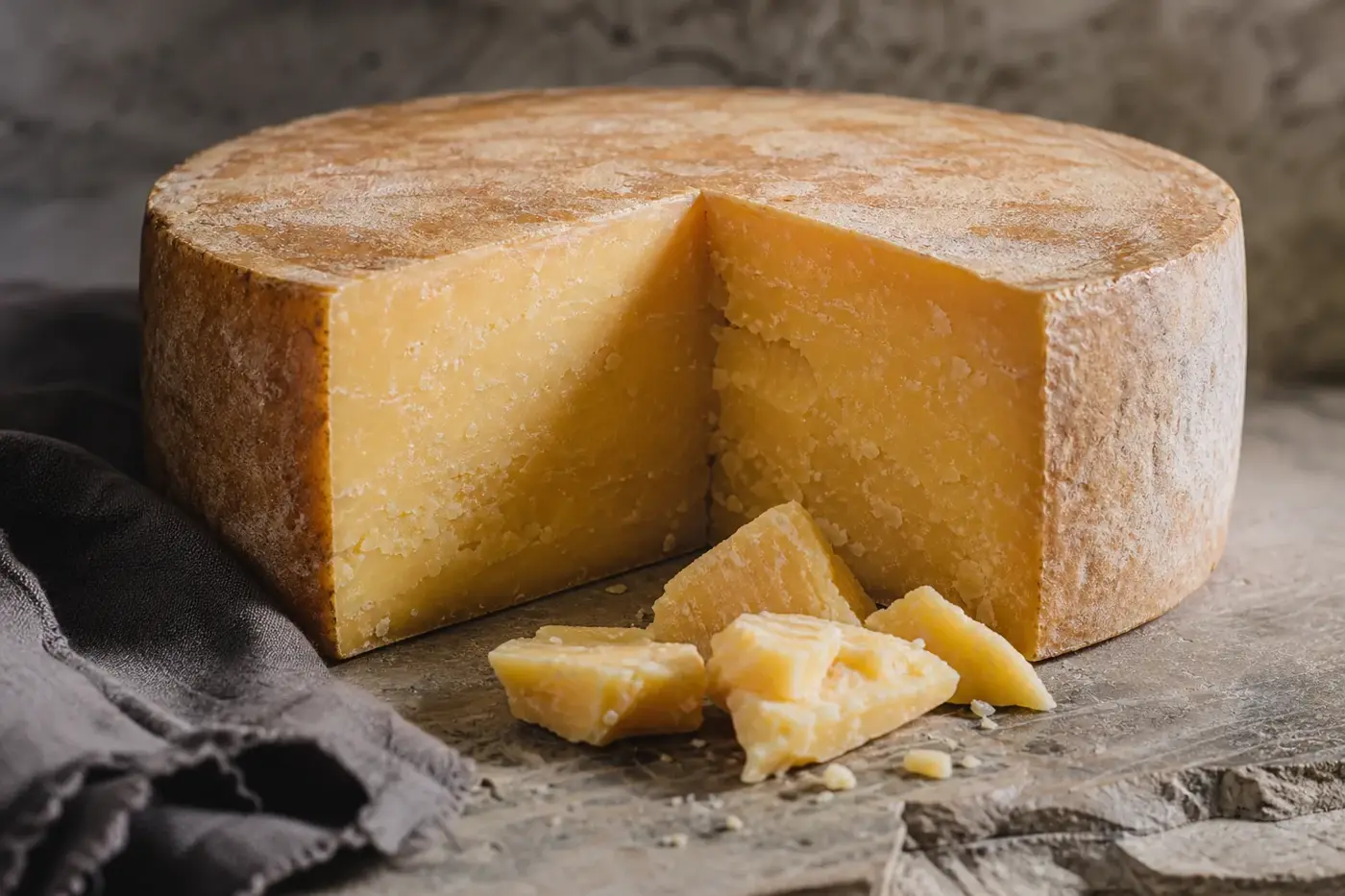
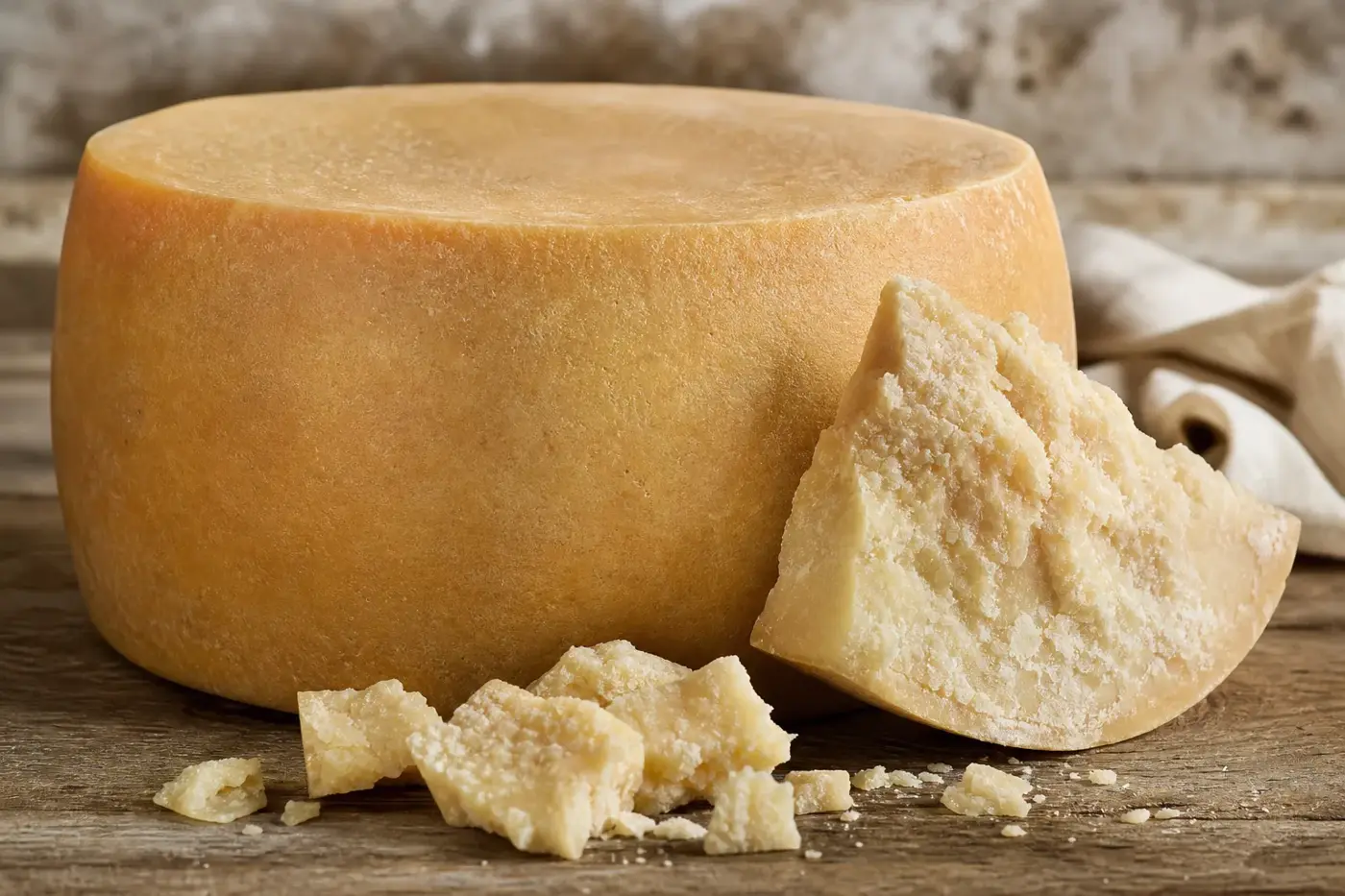
Cut into young Piave and your knife meets pale, supple cheese. Open a mature wheel and the colour deepens to straw, the paste firm and increasingly crumbly. The consortium describes this transformation in a cheese named after the river crossing its home province of Belluno, in the Alps of Veneto. Before you settle on a wedge, there is the small matter of its age. [2,5]
Get acquainted with Piave
| What you want to know | The detail |
|---|---|
| Name and type | Piave; cooked cow's milk cheese. [1] |
| EU registration | Piave, PDO; dossier PDO-IT-0686; originally registered 22 May 2010. [2,3] |
| Great Britain | Registered PDO since 31 December 2020. [3] |
| Northern Ireland | Status unconfirmed. |
| Switzerland | Status unconfirmed. |
| United States | Status unconfirmed. |
| Where it is made | Province of Belluno, Veneto, Italy. [1,2] |
| Milk and cultures | Cow's milk; local milk and whey starters. [1] |
| Milk treatment | Pasteurisation permitted; check the named product. [1] |
| Coagulant | Rennet containing at least 50% chymosin. [1] |
| Your age choices | Fresco, Mezzano, Vecchio, Vecchio Selezione Oro, Vecchio Riserva. [2] |
Follow Piave home to Belluno
Belluno is more than an address on your Piave label. The specification requires every stage of production to happen within this province, in the northernmost part of Veneto. All the milk must come from there too. The protected name keeps the whole cheese firmly rooted in its home. [1,2]
The river Piave, identified in the specification as crossing Belluno territory, gives the cheese its name. Mountain dairying has its own history here. The consortium traces that tradition to the mountain cooperative dairies established towards the end of the nineteenth century. [2,5]
On the label, you will see DOP, the Italian abbreviation for protected designation of origin, or PDO. For Piave, that protection covers the milk, making and maturation under a defined specification. As of November 2026, the cheese also holds PDO registration in Great Britain. [1,3]
A request to amend the specification entered regional consultation in October 2026, with observations invited until 9 November 2026. Consultation is a procedural stage, not approval of changed rules. To understand how the name connects to the rules behind it, start with protected names explained. [4]
Meet the local starters behind the wheel
Piave begins with two local starters: lattoinnesto, cultured milk, and sieroinnesto, cultured whey, the liquid separated from curd. They contain local bacteria, including thermophilic streptococci and lactobacilli. Rennet then coagulates the milk. The specification requires presame containing at least 50% chymosin. [1]
Pasteurisation is permitted, but the PDO name alone cannot tell you how the milk in your wedge was treated. For that detail, look at the named product. [1]
The curd is cut into rice-sized grains and cooked at 44 to 47 °C (111 to 117 °F), then moulded and pressed. That heating during manufacture makes Piave a cooked-curd cheese. Marking rings impress its name around the wheel's side. Brine salting follows, then maturation and final checks against the specification. [1]
Let the rind and crumble tell their story
Look at the cut face and you can begin to read Piave's age. The consortium describes a compact paste, very pale when young, becoming more deeply straw-coloured and crumbly as it matures. The rind tells the same story: tender and light-coloured at first, then harder, thicker and ochre on older wheels. [5]
A few little openings are allowed, so you need not expect an entirely unbroken surface. The specification permits occasional small eyes and slight separations in the paste, but prohibits widespread eyes. [2]
Choose your favourite of Piave's five ages
You have five age categories to explore. Fresco and Mezzano sit within strict maturation boundaries. The three Vecchio categories have minimum ages, but the specification sets no upper age limit. [2]
| Your age choice | Time spent maturing | Diameter, cm | Height, cm | Weight, kg |
|---|---|---|---|---|
| Fresco | More than 20, less than 60 days | 32 ± 2 | 8 ± 2 | 6.8 ± 1 |
| Mezzano | More than 60, less than 180 days | 31 ± 2 | 8 ± 2 | 6.6 ± 1 |
| Vecchio | More than 6 months | 29 ± 2 | 8 ± 2 | 6 ± 1 |
| Vecchio Selezione Oro | More than 12 months | 28 ± 2 | 7.5 ± 2 | 5.8 ± 1 |
| Vecchio Riserva | More than 18 months | 27.5 ± 2 | 7 ± 2 | 5.5 ± 1 |
EU specification values, November 2026; the figures after ± show the tolerances. [2]
Taste your way from milky to nutty
If you want supple slices, begin with Fresco. The consortium describes cooked milk and yoghurt aromas, with a delicate vegetal note. Smooth and yielding, it balances sweetness, mild savouriness and slight acidity. Enjoy it on its own terms, rather than treating it as an older Piave waiting to happen. [6]
Mezzano brings you to the middle ground. In the consortium's notes, melted butter and whey meet a lightly toasted aroma. The paste stays smooth and compact while acidity recedes. Choose it for your cheese board when you want something that still slices easily. [7]
With Vecchio Selezione Oro, you move towards toasted notes, nuts and ripe tropical fruit, with a grainier, crumblier structure. The consortium's Riserva notes reach towards dried fruit, spices and almonds, and a flavour that lingers longer on your palate. Sweetness remains as savouriness becomes more pronounced. [8,9]
Let texture guide you: supple slices, firmer pieces or crumbly shards. For mature Piave, the consortium recommends a short cheese knife to break the paste along its natural fractures. Let it break rather than insisting on tidy slices; older Piave has little interest in your geometry. Those shards bring a different presence to your plate from Fresco. [10]
Give Piave its own place beside the Italian classics
Mature Piave sits among the firm Italian cheeses you can shave and grate. Its identity, though, belongs to Belluno, with five age descriptions of its own. Parmigiano Reggiano and Asiago are separate named cheeses, so read both the cheese name and the maturity your recipe requests. [2,14,15]
That distinction matters particularly at the young end. Piave Fresco brings a different texture to a recipe written for a hard grating cheese. With mature Piave, choose the sweet and savoury profile described above, then adjust the amount to your dish. For the other cheese's production and ageing rules, turn to the Parmigiano Reggiano guide. [6,8,14]
Bring bread, fruit and a glass to the table
Start with plain bread and a piece of Piave on its own. To explore the range, put Fresco beside Selezione Oro. You can follow the contrast between smooth young paste and crumbly mature cheese more easily than with all five ages at once. The food suggestions here draw on the consortium's texture and flavour descriptions. [6,8]
Give Fresco pear or apple slices and plain wheat bread; try Mezzano with a crustier loaf and fresh grapes. With mature Piave, reach for toasted bread, dried figs or walnuts. Keep everything separate so you can adjust each mouthful. A little contrast tells you more than a sweet topping that smothers the cheese. [6,7,9]
For wine, the consortium recommends light young whites with Fresco, fruity medium-bodied reds with Mezzano and more structured reds with older Piave. Honey follows the same progression: delicate with younger cheese, stronger with mature examples, where fig and walnut preserve is another suggestion. Match intensity to age. Your glass need not keep up with every wedge on the board. [11]
If you prefer alcohol-free pairings, try sparkling water with Fresco, unsweetened apple juice diluted with sparkling water for Mezzano, and black tea with mature Piave. Alcoholic pairings are for adults of legal drinking age, in small servings. You can explore the broader principles in the wine pairing guide.
Find a kitchen role for every age
Let the age guide your knife. Slice Fresco for sandwiches, toast toppings and vegetable bakes; cut Mezzano into small pieces for polenta and baked pasta. These uses make the most of the younger cheeses' smoother textures. You do not need to treat either as a dry grating cheese. [6,7]
Mature Piave makes a finishing cheese with a character of its own. Shave it over warm vegetables or salad, break small shards beside polenta, or grate it over pasta and soup. Shavings give you separate bites of cheese; fine grating spreads it more evenly through the dish. Choose your cut for the effect you want. [5,8]
Taste before you add the final seasoning, especially with mature cheese. If you substitute Piave in a recipe naming Parmigiano Reggiano or Asiago, you are making an adaptation. Choose the age for the job, and keep Piave's name when you describe the finished dish.
Find your age, then take a closer look
Look beyond the word Piave to the full age description. On a whole wheel, the consortium identifies three useful marks: alternating vertical Piave lettering around the side, a production batch code, and a face label naming the product, age type and producer. Keep your cut wedge's label so those details stay with it. The cheese label guide helps you separate product identity from packing information. [10]
Give the rind instructions a moment of your attention. Lattebusche's 2025 Mezzano technical sheet lists pasteurised cow's milk, salt and rennet, and explicitly calls the rind inedible. Remove that product's rind before serving or cooking. The declaration applies to that named product. [12]
If you follow a vegetarian diet, ask the producer to confirm the rennet source. The word rennet in a short ingredient list cannot give you the detail of a direct answer. For the different coagulants, see the rennet guide.
Take good care of your wedge
Refrigerate your cut wedge and follow its packaging instructions. For England, Wales and Northern Ireland, the Food Standards Agency advises a home fridge temperature of 5 °C (41 °F) or below. Keep chilled food out for the shortest possible time during preparation. Check the current guidance for your country. [13]
Keep the original wrapping where practical, particularly for Fresco, as the consortium advises. Protect the cut face and rewrap after taking what you need. Hold on to the producer's storage and date information: a whole wheel's age does not set an opened wedge's storage deadline. For wrapping choices and refrigerator organisation, visit storing cheese at home. [10,13]
General information only, not medical advice: follow the official guidance where you live.
Questions people ask
Where is Piave made?
Piave is made in the province of Belluno in Veneto, Italy. All the milk and every stage of production must come from within the province.
How do the ages of Piave differ?
Piave has five age categories, from Fresco to Vecchio Riserva. Young Fresco is pale and supple, while mature Piave becomes more deeply straw coloured and crumbly.
Is Piave made with pasteurised milk?
Pasteurisation is permitted under the Piave specification. Check the named product to establish its milk treatment.
Is Piave suitable for vegetarians?
The specification requires rennet containing at least 50% chymosin. For a vegetarian diet, ask the producer to confirm the rennet source.
Can you eat the rind of Piave?
Read the rind instructions for the product in front of you. Lattebusche’s 2025 Mezzano technical sheet describes that product’s rind as inedible.
Sources
-
Italian Ministry of Agricultural, Food and Forestry Policies. Disciplinare di produzione della denominazione di origine protetta «Piave», annex to the decree of 1 September 2020, published in Gazzetta Ufficiale, Series General, No. 225, 10 September 2020. Copy retrieved from the protection consortium. Production specification.
-
European Commission. Publication of an application for approval of an amendment, which is not minor, to a product specification, 2020/C 115/06, including the Piave single document, PDO-IT-0686-AM02, Official Journal C 115, 7 April 2020. This is the published amendment application and single document, not the approving act. Official Journal document.
-
Department for Environment, Food & Rural Affairs. Piave (cheese), official Great Britain protected food name register, published 4 January 2021, live record checked November 2026. Register entry.
-
Regione del Veneto. Richiesta di modifica ordinaria del disciplinare di produzione della DOP “PIAVE”, notice No. 13368, published 9 October 2026, observations deadline 9 November 2026. Consultation notice.
-
Consorzio per la Tutela del Formaggio Piave DOP. Piave DOP, undated live account of the cheese, ingredients and maturation, checked November 2026. An industry body's account. Cheese overview.
-
Consorzio per la Tutela del Formaggio Piave DOP. Piave DOP Fresco, undated published sensory description, checked November 2026. Fresco description.
-
Consorzio per la Tutela del Formaggio Piave DOP. Piave DOP Mezzano, undated published sensory description, checked November 2026. Mezzano description.
-
Consorzio per la Tutela del Formaggio Piave DOP. Piave DOP Vecchio Selezione Oro, undated published sensory description, checked November 2026. Selezione Oro description.
-
Consorzio per la Tutela del Formaggio Piave DOP. Piave DOP Vecchio Riserva, undated published sensory description, checked November 2026. Riserva description.
-
Consorzio per la Tutela del Formaggio Piave DOP. Recognising and storing it, undated, checked November 2026. Identification and cutting advice are attributed to the consortium; household refrigeration advice follows source 13. Identification, cutting and storage.
-
Consorzio per la Tutela del Formaggio Piave DOP. Abbinamenti, undated pairing recommendations, checked November 2026. Pairing recommendations.
-
Lattebusche. Scheda tecnica prodotto: 0402 Piave Mezzano, revision 9, 15 January 2025, verification/approval 8 July 2025. A producer's declaration for its named product. Technical sheet.
-
Food Standards Agency. How to chill, freeze and defrost food safely, published 18 December 2017, live guidance checked November 2026. Applies to England, Northern Ireland and Wales. Official refrigeration guidance.
-
Consorzio del Formaggio Parmigiano Reggiano. Specifications and legislation, identifying the specification in force from 24 April 2025, checked November 2026. Specification documents.
-
Regione del Veneto. Disciplinari prodotti DOP, IGP e STG, live official index, checked November 2026. Lists Piave and Asiago separately and links their specifications. Regional specification index.
This piece combines desk research from the published specification, official registration and consultation records, attributed consortium descriptions, a named producer's technical sheet and official refrigeration guidance.
Last checked: November 2026
Last checked November 2026.
The editors suggest you read next
Parmigiano Reggiano
Break into a wheel of Parmigiano Reggiano and flakes fall away, revealing a finely granular cheese, pale straw to straw in colour.