Queijo Minas
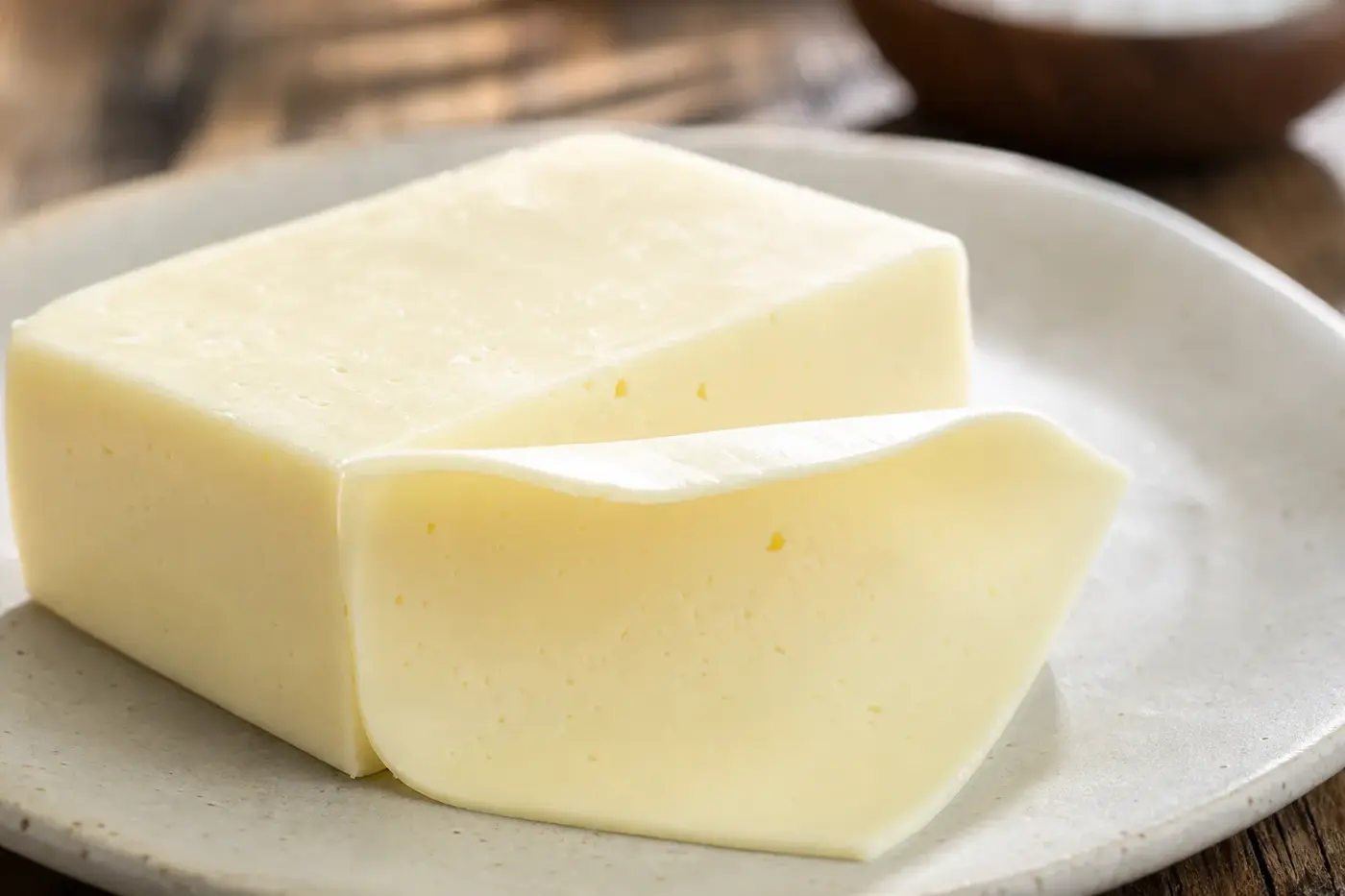
Set a soft, moist, white slice of Minas Frescal beside a firmer matured Minas cheese.
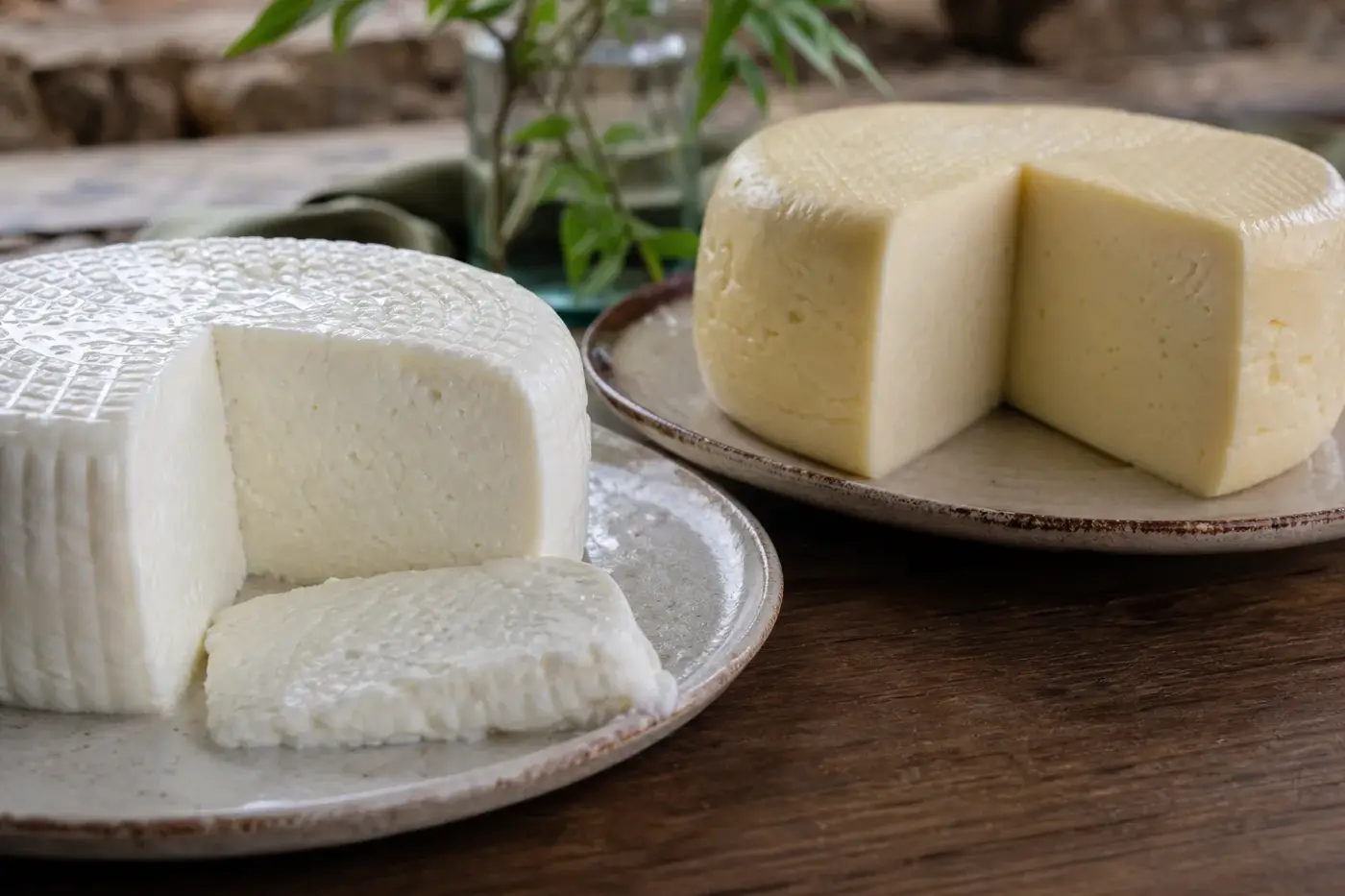
Set a soft, moist, white slice of Minas Frescal beside a firmer matured Minas cheese. The contrast begins before you take a bite. Both belong to Minas Gerais, Brazil, but Queijo Minas gathers fresh, standard matured and regional artisan cheeses, not simply one cheese at different ages. Frescal is usually rindless; matured Minas cheeses have a firmer body and a more developed texture. [1,2,4]
| What to know | Your bearings |
|---|---|
| Family name | Queijo Minas. [1,2,3] |
| Where the tradition belongs | Minas Gerais, Brazil. [4,10] |
| Styles to get to know | Fresh Minas Frescal; matured Minas Padrão; regional artisan cheeses. [1,2,4] |
| Brazilian identity standards | Frescal: Portaria 352/1997, amended by IN 4/2004; Padrão: IN 66/2020; Minas meia cura: IN 74/2020. [1,2,3,5] |
| A regional name to know | Canastra: INPI records an Indicação de Procedência, registration IG201002, granted 13 March 2012. Current status remains uncertain here. [4] |
Fresh or matured? The dairy decides
Frescal is made for you to eat fresh, its slice soft and moist. Padrão is drained, pressed, salted and deliberately ripened, while Canastra belongs to a particular regional raw milk tradition. These differences begin in the making. Leaving Frescal in your fridge longer will not turn it into either matured style; the fridge has no such ambitions. [1,2,4]
Want your bearings before the first bite? Start with how to tell cheese styles apart, a broader introduction to milk, rind and texture.
Minas Frescal: make room for the milky one
Soft, whitish, mild or slightly acidic: Brazil’s Frescal standard gives you a good idea of what awaits. It permits no rind or a thin rind, a small but useful qualification to the familiar description of Frescal as rindless. Very high moisture and fresh consumption distinguish it from ripened Minas cheeses. [1]
Making Frescal begins with enzymatic coagulation, using rennet or other suitable milk-clotting enzymes. Rennet gathers milk proteins into curd, the solid portion separated from liquid whey. Milk or reconstituted milk and the coagulant are required; lactic bacteria are optional. Salt, cream, calcium chloride and specific lactic cultures are among the optional ingredients. [1]
At the table, give that delicate, milky character room. Try a generous slice with bread or guava paste, rather than expecting the force of a strongly ripened cheese. Here, the accompaniments supply the contrast. [1,9]
Minas Padrão: a little time, a firmer slice
Minas Padrão must mature for at least 20 days. Under Brazil’s IN 66/2020, producers use pasteurised milk, coagulant and lactic cultures, then drain, press, salt and mature the cheese above 10 °C and below 16 °C. Those temperatures belong to production. They are not instructions for storing your purchase at home. [2]
You can expect a semi-hard body tending towards softness, a closed texture and a colour from cream-white to slightly yellow. The standard describes flavours from slightly acidic to mild: matured need not mean sharp. Producers have room to make different cheeses within these requirements. Ask about the actual age and texture of the one you are buying. [2]
Meia cura: two words, more than one meaning
Meia cura means half-cured or partly matured. You may find it in shops and recipes describing a ripening stage. It also forms part of a regulated product name: Brazil’s federal standard for Queijo Minas Meia Cura, IN 74/2020, specifies pasteurised milk. [3]
With Canastra, those words have a regional meaning. INPI’s record places meia cura between the fresh and cured stages of that raw milk cheese. Read the surrounding description carefully: meia cura in a Canastra description and the regulated name Queijo Minas Meia Cura are distinct uses. Neither automatically means Minas Padrão. [3,4]
Behind the bite: whey, milk and cultures
How much whey stays in a cheese helps determine the body you encounter. Deliberate maturation matters too: draining and pressing establish texture, then ripening develops it further. A style name and a producer’s description together tell you more than a label saying simply Minas. [1,2]
Milk treatment and cultures fill in another part of the picture. Frescal permits specific lactic bacteria without requiring them; Padrão requires lactic cultures. Canastra’s recorded ingredients are raw whole cow’s milk, salt, rennet and pingo, its natural lactic culture. Alongside moisture removal, these choices explain much of the difference on your plate. [1,2,4]
Curious about the journey from milk to cheese? Follow how cheese is made, then get to know the different coagulants in rennet explained.
Canastra: get to know the place behind the name
Canastra has a regional identity with a formal record. INPI lists its Indicação de Procedência as granted on 13 March 2012, under registration IG201002. The technical sheet names Piumhi, Vargem Bonita, São Roque de Minas, Medeiros, Bambuí, Tapiraí and Delfinópolis. Its current registration status and operative specification remain uncertain here. [4]
Give this regional cheese a little time of its own. Read Queijo Canastra for its separate identity and production context.
Raw or pasteurised? Read beyond “Minas”
Start with the named cheese’s milk treatment and inspection information. Minas does not promise one milk treatment. Brazil’s artisan raw milk cheese rules permit maturation shorter than 60 days where technical and scientific studies establish that the reduction preserves quality and safety, subject to the regulation’s conditions. That provision concerns controlled production, not ageing cheese at home. [5,6]
For pregnancy advice in the UK, consult the NHS guidance on foods to avoid alongside the particular cheese’s details; November 2026 is the guidance date recorded here. Ask your midwife or doctor about your circumstances. [7]
In your kitchen: find the right cheese for the job
Think about what you want to cook before choosing your cheese. Frescal’s soft body calls for different handling from Padrão’s semi-hard texture. Those recorded characteristics give you a starting point for the kitchen choices below. [1,2]
| Your kitchen task | Frescal | Firmer matured Minas |
|---|---|---|
| Slice | Cut gently and support the soft slices | Choose this for more substantial slices |
| Crumble | Break into moist pieces | Go coarse or fine, depending on firmness |
| Grate | Use a recipe written for fresh cheese | Brazilian pão de queijo recipes document grateable meia cura |
| Melt | Match the recipe to your particular fresh cheese | Ask the producer how it behaves when heated |
Firmness straight from the fridge will not tell you how a cheese behaves under heat. Moisture and age influence texture, but these styles do not necessarily melt alike. For a filling or sauce, choose a recipe naming the intended style and follow the producer’s handling instructions. [2,10]
At the table: guava paste and pão de queijo
Romeu e Julieta brings cheese and goiabada, guava paste, together. A Brazilian agricultural publication describes the familiar pairing of fresh cheese and guava sweet. Start gently with Frescal, or choose a firmer matured Minas for a more substantial cheese texture beside your slice of paste. This is a perfectly respectable reason to try both. [9]
Pão de queijo, Brazil’s cheese breads made with cassava starch, needs closer attention to the recipe. Minas Gerais heritage documentation records grated Minas meia cura; Belo Horizonte’s official recipe also specifies grated meia cura. If your recipe calls for it, look for a grateable, partly matured cheese. Moist Frescal is not a direct replacement. [10,11]
Buying and storing: keep the name and the label
Begin with the full name: Frescal, Padrão, Minas Meia Cura or a named regional cheese. Read the maker’s details, milk treatment, ingredients, storage conditions, date marking and instructions after opening. If you are buying a cut portion, ask the seller to keep that information with your cheese. “White cheese” leaves far too much unsaid. [1,2,3]
Keep your home fridge at 5 °C or below, as the Food Standards Agency advises. Follow the label’s storage and use instructions, including those for after opening. Check the current advice where you live, too. [8]
For unexpected mould, disposal and recalls, turn to the relevant official food safety agency for advice specific to your country. You can also read mould on cheese and how to store cheese at home for further guidance.
Minas Frescal and queso fresco: similar roles, distinct identities
You might give Minas Frescal and queso fresco similar places at the table as fresh, soft cheeses. Minas Frescal has its own Brazilian identity standard, while the FDA uses queso fresco-type cheeses as a broader food safety category covering several fresh cheeses. Freshness and texture can help you choose an accompaniment. For storage and safety, follow the particular product’s instructions and the guidance where you live. [1,12]
General information only, not medical advice: follow the official guidance where you live.
Questions people ask
What is the difference between Minas Frescal and Minas Padrão?
Frescal is a soft, moist cheese made to be eaten fresh. Padrão is drained, pressed, salted and matured for at least 20 days, giving it a firmer body.
Can I turn Minas Frescal into a matured Minas cheese by keeping it longer?
No. The differences between Frescal and matured styles are built into the making, so leaving Frescal longer in the fridge will not turn it into Padrão or Canastra.
Is Queijo Minas made with raw or pasteurised milk?
It depends on the named cheese. Padrão and the regulated product Queijo Minas Meia Cura are made with pasteurised milk, while Canastra’s recorded ingredients include raw whole cow’s milk.
What does meia cura mean?
Meia cura means half cured or partly matured. It can describe a ripening stage, but it is also part of the regulated name Queijo Minas Meia Cura. In Canastra, it refers to a stage between fresh and cured.
Which Minas cheese is used in pão de queijo?
Minas Gerais heritage documentation and Belo Horizonte’s official recipe specify grated Minas meia cura. Look for a grateable, partly matured cheese when the recipe calls for it rather than treating moist Frescal as a direct replacement.
Sources
- Ministério da Agricultura e Pecuária, Portaria nº 352, de 4 de setembro de 1997: Regulamento Técnico para Fixação de Identidade e Qualidade do Queijo Minas Frescal, incorporating the classification amendment made by Instrução Normativa 4/2004. Official ministry copy generated in 2023.
- Ministério da Agricultura, Pecuária e Abastecimento, Instrução Normativa nº 66, de 21 de julho de 2020: identidade e requisitos de qualidade do queijo minas padrão, 2020. Articles 2 to 11.
- Ministério da Agricultura, Pecuária e Abastecimento, Instrução Normativa nº 74, de 24 de julho de 2020: identidade e requisitos de qualidade do queijo minas meia cura, 2020. Article 2.
- Instituto Nacional da Propriedade Industrial, Ficha técnica de registro de indicação geográfica: Canastra, registration IG201002, granted 2012, undated technical sheet. Sections 1, 4 and 5.
- Ministério da Agricultura e Pecuária, Legislação em inspeção de produtos de origem animal, live official legislation index, consulted November 2026. Dairy identity standards and artisan raw milk cheese entries.
- Ministério da Agricultura, Pecuária e Abastecimento, Instrução Normativa nº 30, de 7 de agosto de 2013, 2013. Artisan raw milk cheese maturation provisions.
- NHS, Foods to avoid in pregnancy, live guidance, consulted November 2026. “Cheese, milk and other dairy”.
- Food Standards Agency, How to chill, freeze and defrost food safely, guidance published 2017, live version consulted November 2026. Applies to England, Wales and Northern Ireland.
- Sistema Faeg/Senar Goiás, Campo, July 2024, page 37, “Receitas do Campo: Romeu e Julieta”. An agricultural industry and training publication, used for its account of the pairing.
- Instituto Estadual do Patrimônio Histórico e Artístico de Minas Gerais, Parecer: Sistemas culinários da cozinha mineira, milho e mandioca, official heritage assessment, undated retrieved copy. “Receita de pão de queijo”.
- Portal Oficial de Belo Horizonte, Pão de queijo, Bienal da Gastronomia recipe, undated page. Retrieved official search excerpt specifies grated meia cura.
- US Food and Drug Administration, Queso Fresco-type Cheeses Consumer Guidance, live guidance, consulted November 2026. Retrieved official search excerpt includes the refrigeration exposure rule quoted above.
This desk-researched article brings together Brazilian identity standards, INPI’s regional registration record, Brazilian culinary documentation and separately attributed national consumer guidance.
Last checked: November 2026
Last checked November 2026.
The editors suggest you read next
American Cheese: The Processed Slice Explained
Watch a slice of American cheese soften over your burger.