Queso de l'Alt Urgell y la Cerdanya
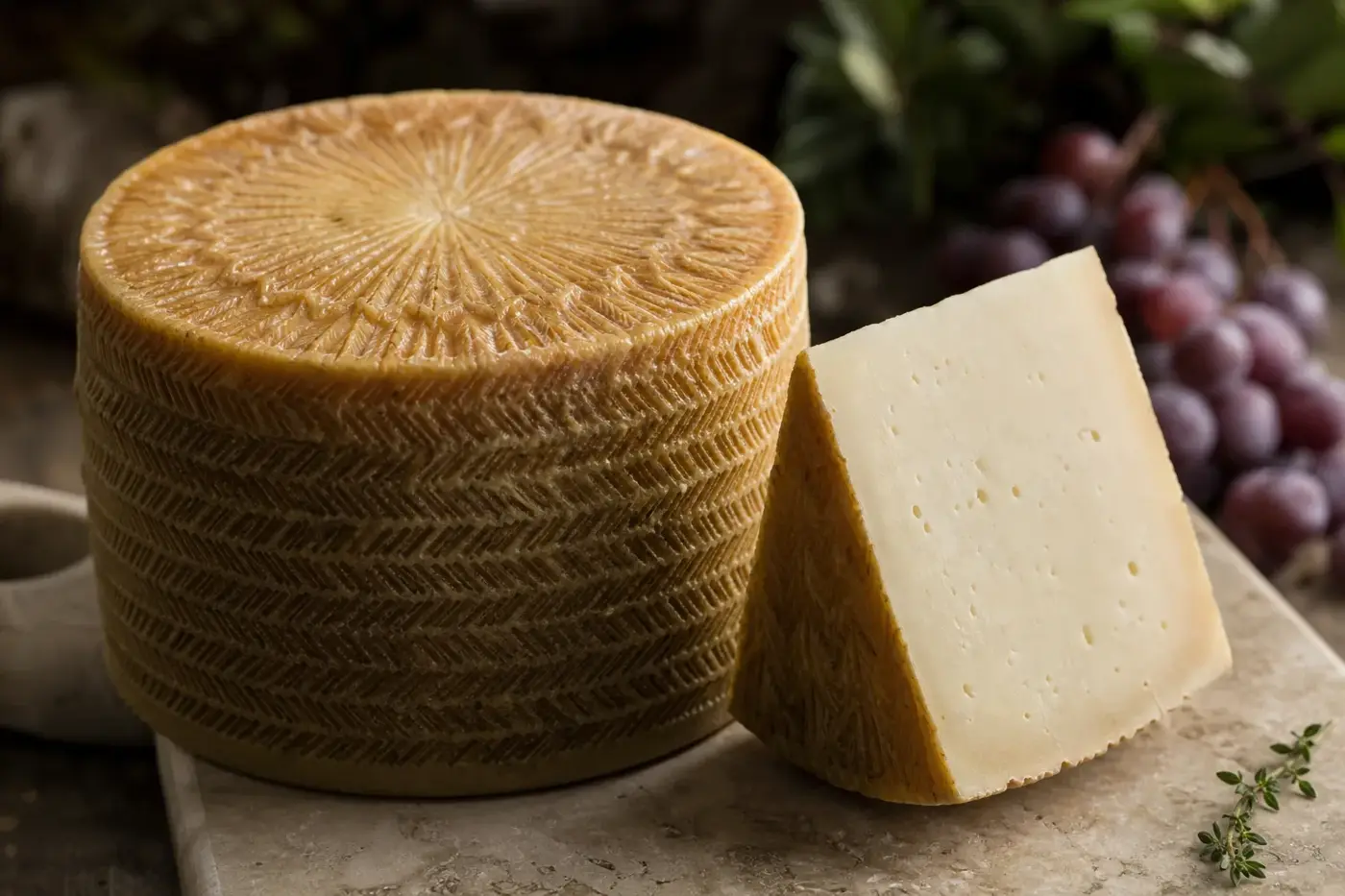
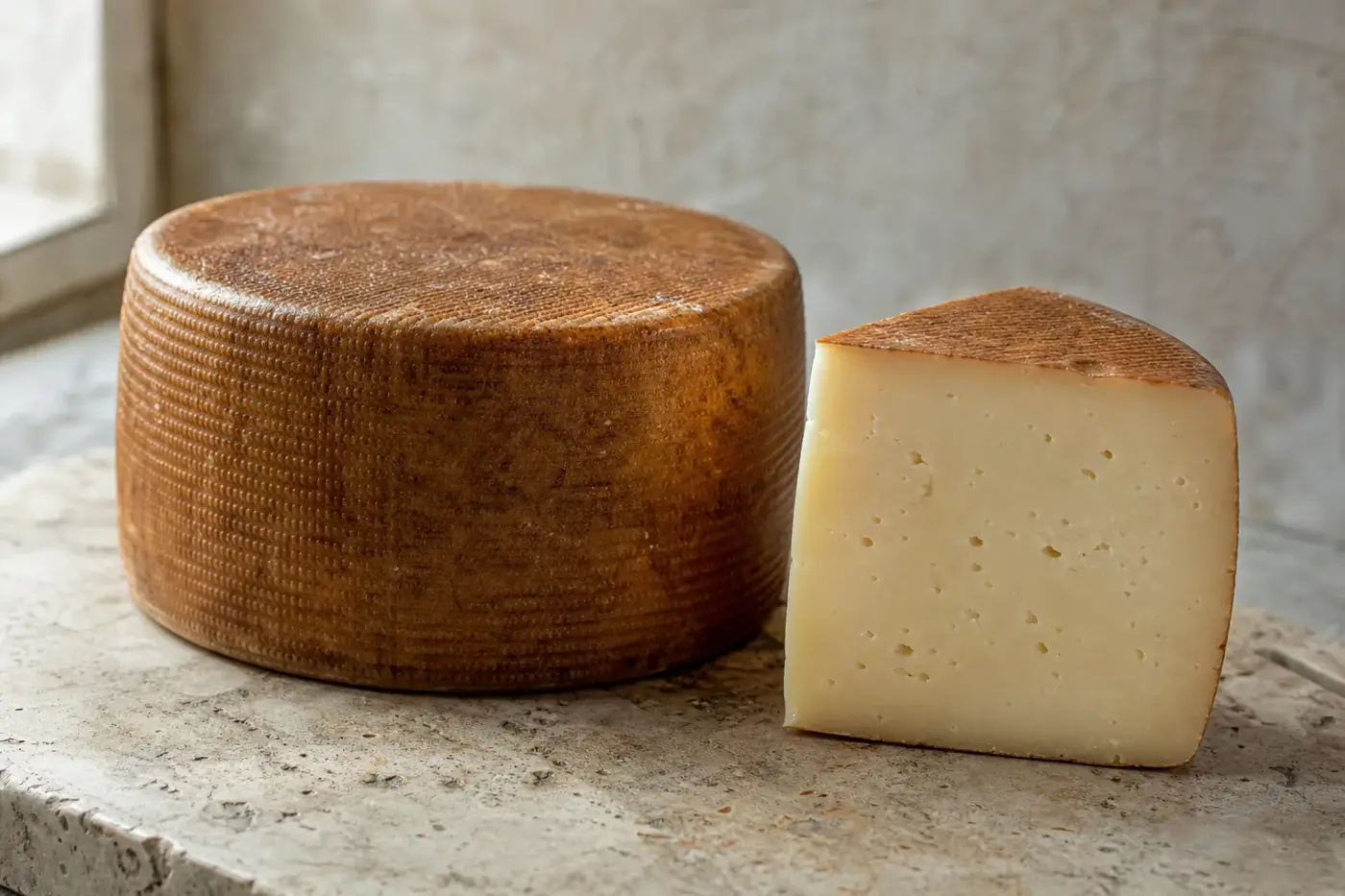
Your knife slips through a pale brown, slightly moist rind into ivory cheese dotted with small, irregular openings.
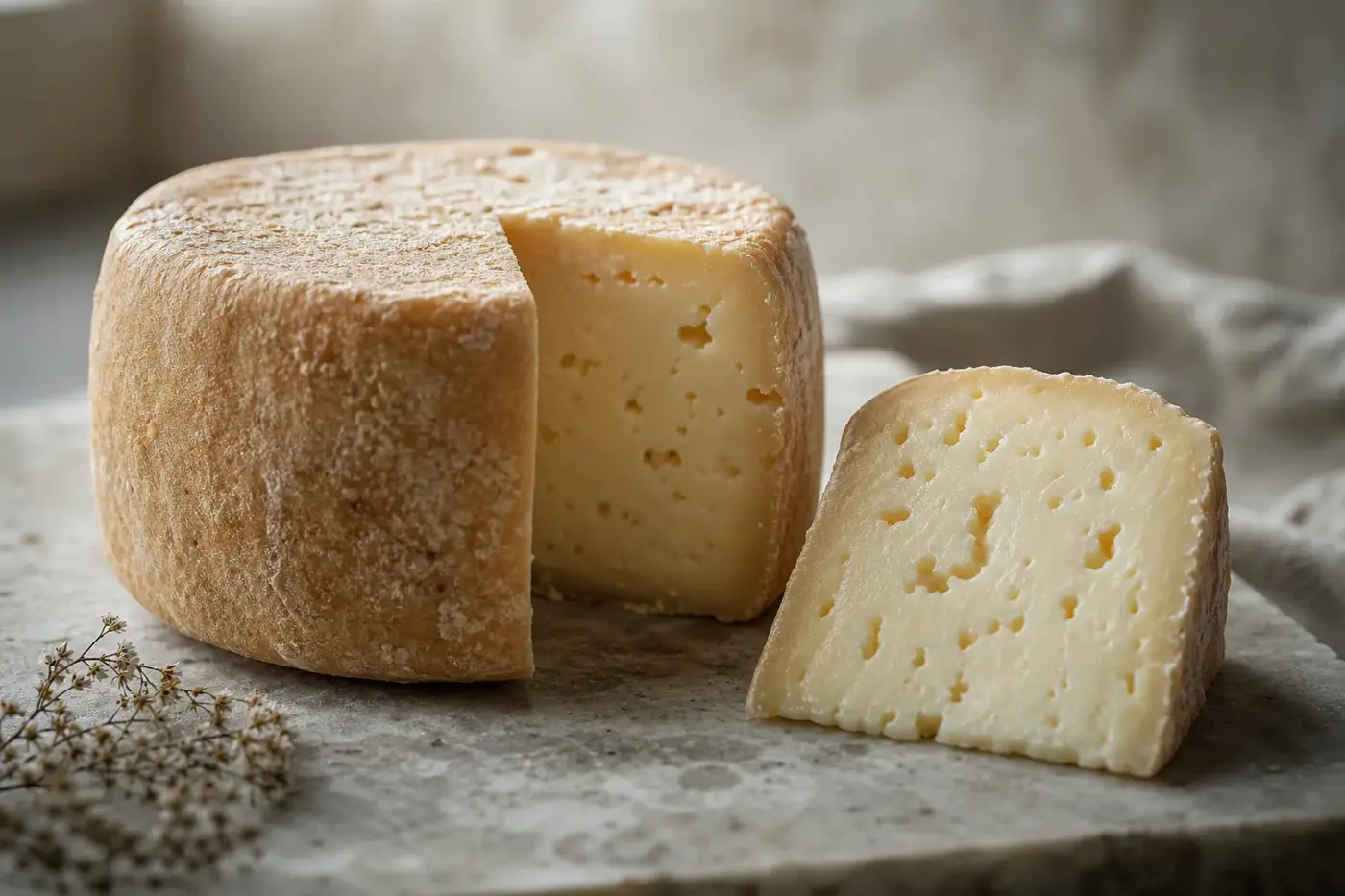
Your knife slips through a pale brown, slightly moist rind into ivory cheese dotted with small, irregular openings. The centre is tender, the flavour mild. Then that sweet, penetrating aroma arrives: this cow's milk cheese from the Catalan Pyrenees saves its more outgoing character for the surface. [1]
Get acquainted with the wheel
| What you might want to know | The details |
|---|---|
| Familiar and specification name | Queso de l'Alt Urgell y la Cerdanya [1] |
| Protected designation | Spanish DOP, corresponding to PDO in English [2] |
| EU register record | EUGI00000013305 [9] |
| EU registration date and current procedural stage | Unspecified |
| Where the milk and cheesemaking belong | Alt Urgell and Cerdanya, Catalonia, Spain [1] |
| Milk | Whole, pasteurised Friesian cow's milk [1] |
| Minimum time to mature | 45 days [1] |
| Wheel size | Approximately 2.5 kg; diameter 19.5 to 20 cm [1] |
| Coagulant | Not specified in the published specification [1] |
| Cultures | Dairy starters and aromatic surface cultures [1] |
Start at the centre, then invite the rind
Begin with a little of the mild interior, then include some rind in your next bite. The contrast is part of the pleasure, and you can decide how much of that more expressive surface you enjoy. Try the cheese alone, then on plain bread, before stronger accompaniments join the conversation. [1]
There are people behind your wedge, too. At Espai Ermengol in La Seu d'Urgell, a cheese exhibition explores milk production's importance to Alt Urgell's development, as described by Catalonia's tourism agency. Original objects, photographs and an audiovisual presentation bring the dairy industry and surrounding communities into view, connecting farms, dairy and district. [7]
Follow your wedge back to the Pyrenees
The cheese's defined area comprises the municipalities of Alt Urgell and Cerdanya, in the Spanish provinces of Lleida and Girona. These are the places behind the name on your wedge, rather than just a mountain setting. [1]
Cadí describes these two Pyrenean districts as its working territory. Milk travels from their farms to its production facilities in La Seu d'Urgell. Its account takes you through fields and fodder, dairy herds, daily milk collection and manufacture, making the connection between mountain agriculture and finished cheese tangible. [4]
At the counter, look for the full designation rather than a mountain illustration or a broad reference to Catalonia. A handsome mountain on a label cannot introduce your cheese for you. Ask the cheesemonger which product you are buying and whether your portion can be traced to the labelled wheel.
Meet the farmers who joined forces in 1915
Cadí traces its cooperative beginnings to 1915. According to its published history, farmers joined forces to earn a livelihood from milk and its transformation into butter and cheese. Here, mountain tradition means a named organisation and a shared purpose, not simply an attractive backdrop. [3]
The producer describes daily milk collection and traditional processes developed with technical support. Local dairy culture, modern equipment and controlled fermentation all have a place in the story. If you want to understand the milk treatments, raw milk, thermised and pasteurised cheese explains the differences. [4]
From the vat to a spell in the cellar
First, the milk is homogenised and pasteurised, then coagulated. The curd is cut, drained, moulded, pressed and brined. Early in maturation, aromatic cultures are applied to the rind, and the required cellar period develops the cheese's texture and character. [1]
You can follow those stages in how cheese is made. At the counter, ask how old your piece is, rather than simply whether it is mature. Compare that recorded age with its condition and the style you fancy: you give the seller something useful to discuss and yourself a better chance of choosing to taste.
Ask for a look beneath the rind
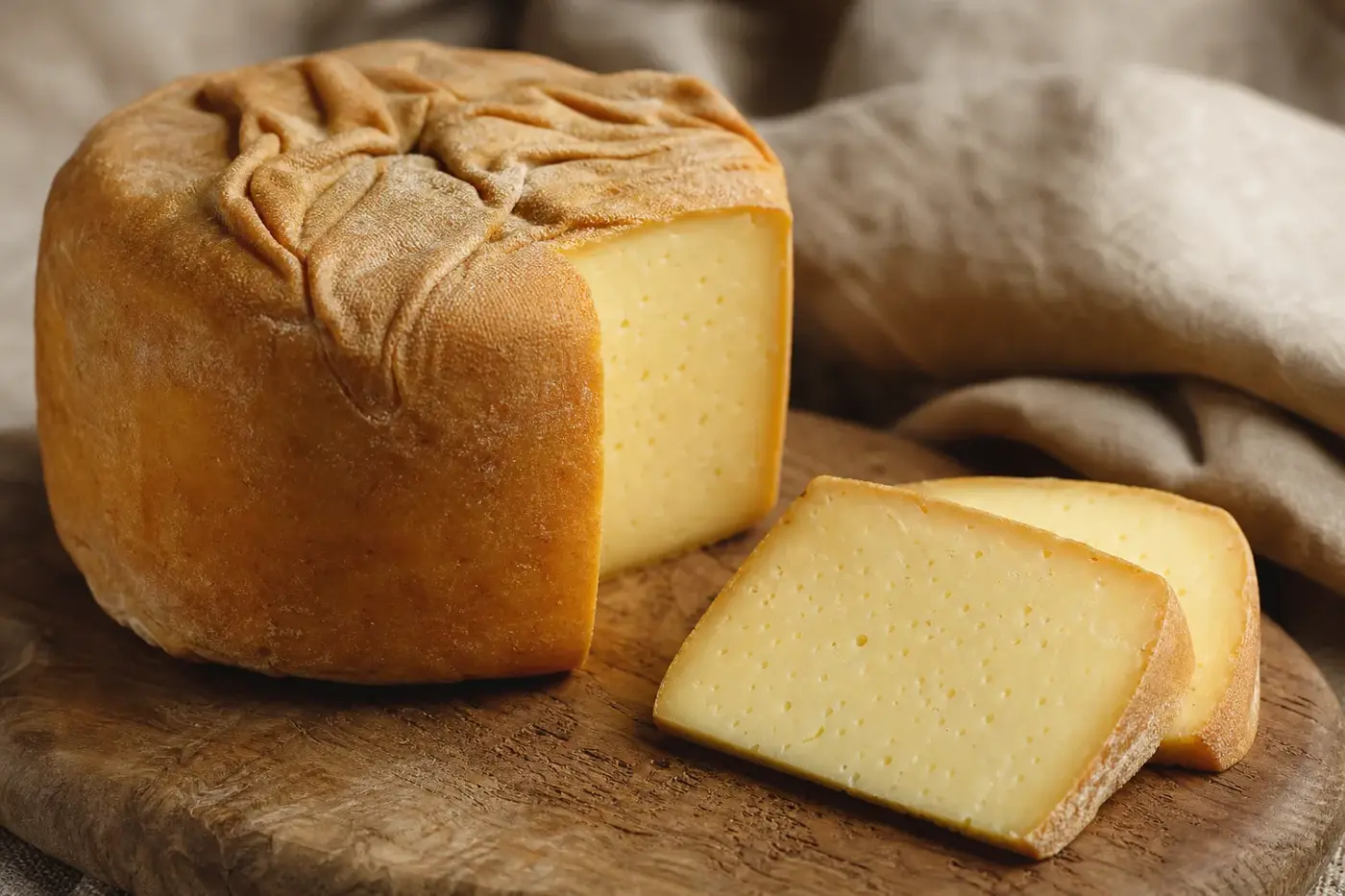
Beneath that pale brown, slightly moist surface, the ivory paste has numerous small, irregular mechanical openings. The cut face gives you another part of the cheese's story, so it deserves a look alongside the rind. [1]
Ask to see both before choosing your portion. A photograph of an intact wheel tells you less about what you will take home than the cheese itself. Have the seller identify it and explain its rind treatment, especially if your piece has been cut and rewrapped away from its original packaging.
Give that aroma your attention
The specification describes a sweet, penetrating aroma and a mild flavour. Give yourself a moment to explore each separately, without rushing to decide what you think. [1]
Smell the cut paste, then the outside, and begin with a small taste of the interior. Does the texture feel yielding? Notice how readily the slice breaks down and how long the flavour stays after swallowing. These are useful clues, not an entrance examination for your cheeseboard.
If maturity interests you, ask a cheesemonger for pieces of different recorded ages. Taste them under the same conditions and notice what changes. Jot down the maker, age and purchase date alongside your impressions, so you can find a memorable piece again rather than merely reminisce about it.
Look for the protected name behind the brand
Spain's agriculture ministry lists Queso de l'Alt Urgell y la Cerdanya as a DOP, the Spanish abbreviation corresponding to PDO in English. It identifies the Catalan agriculture department as the competent authority and the Consejo Regulador as the designation's management body. Each has a distinct responsibility within the designation. [2]
Look for the designation's name, logo and numbered certification label. These are the identifying details to seek out on the wheel. [1]
Buying a cut portion? Ask to see the original wheel's identification or the seller's traceability information, and keep the wrapping until you have finished the cheese, particularly if you would like the same one again. The guide to protected names explains the wider system; reading a cheese label helps you distinguish the food's name from a brand, a seller's address and other packaging details.
Take home a wedge that fits your plans
You need not commit to a whole wheel to get acquainted. Choose a portion that suits your plans, and ask the seller to write its full identity on the wrapping if it is being cut for you. Request storage and opening instructions for that particular piece, too.
For England, Northern Ireland and Wales, consult the Food Standards Agency's current guidance on chilling and preparing food. [6] Elsewhere, follow your country's official guidance. For broader storage advice, turn to storing cheese at home.
Let the first plate stay simple
Start with bread, a fresh pear or apple, and water or lightly brewed tea. These suggestions leave you room to explore the cheese rather than crowding it out. Try one accompaniment at a time, notice whether the cheese's flavour stays clear, and adjust to your preference.
On a shared board, give it its own space and a clean knife. Taste it before strongly flavoured accompaniments, then return to it afterwards for the contrast. You might prefer a quiet partner or a more assertive one; this order helps you find out which works for you.
In the kitchen, try a simple toasted sandwich, a topping for baked potatoes or a small addition to an omelette. Keep the other ingredients straightforward while you get to know its character. Cadí's cooking project promotes everyday home cooking with its products: it is the producer's recipe collection, with a commercial interest in their use. [8]
This wedge or Garrotxa? Follow your taste
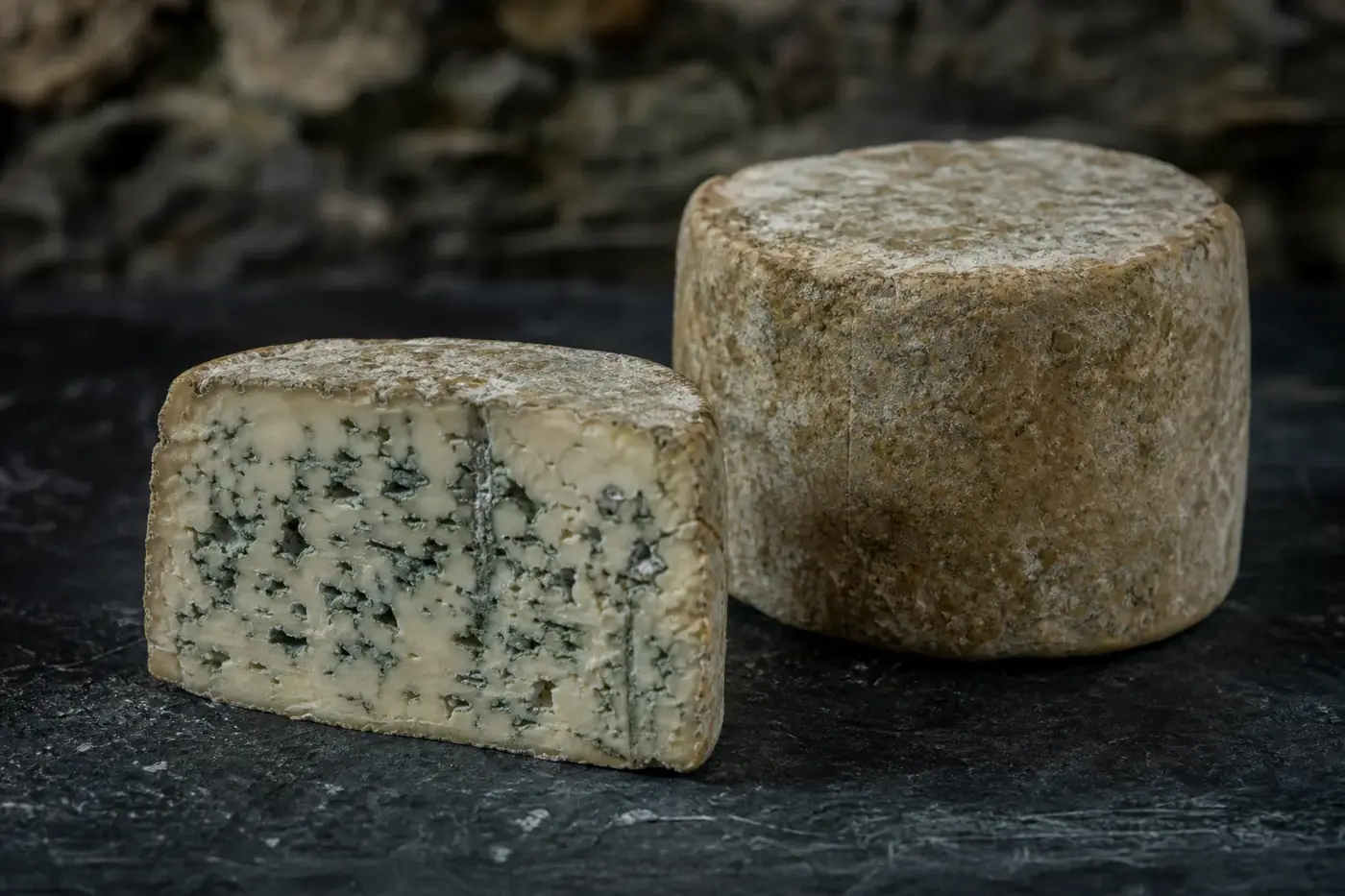
Start with the milk and rind. Garrotxa also belongs to Catalan cheesemaking, but the Catalan government's specification describes a different product under the names Formatge Garrotxa and Queso Garrotxa. It uses whole goat's milk and has a greyish blue mould covering, rather than the character you find here. [5]
Its paste is off-white, its texture moderately firm and elastic, and its flavour includes a slight acidity. Its defined production area covers all Catalonia. Current registration status is unspecified. [5]
Those differences give you a useful starting point: cow's milk or goat's milk, an aromatic natural rind or a mould-covered one, and whichever texture appeals most. If you serve both, give each its own role. You can enjoy the contrast without asking either cheese to impersonate the other.
Carry that approach into other Spanish and Portuguese cheeses. Compare milk, rind, making method and intended use before choosing a substitute. A shared country, region or place on a cheeseboard starts the conversation; let the cheese's character settle your choice.
Follow your curiosity to the next cheese
- How to Tell Cheese Styles Apart: Milk, Rind, Texture and Method: get to know the features that give a cheese its style.
- Cheese: The Complete Guide: explore the wider journey from milk and cheesemaking to choosing and serving.
General information only, not medical advice: follow the official guidance where you live.
Questions people ask
Where is Queso de l'Alt Urgell y la Cerdanya made?
It is made in Alt Urgell and Cerdanya in the Catalan Pyrenees. The defined area covers municipalities in the Spanish provinces of Lleida and Girona.
Is Queso de l'Alt Urgell y la Cerdanya made with pasteurised milk?
Yes. The specification calls for whole, pasteurised Friesian cow's milk.
What does Queso de l'Alt Urgell y la Cerdanya taste like?
It has a mild flavour and a sweet, penetrating aroma. Its tender interior contrasts with its more expressive rind.
Is Queso de l'Alt Urgell y la Cerdanya a protected cheese?
Yes. It is a Spanish DOP, corresponding to PDO in English. Look for the designation's name, logo and numbered certification label.
How is Queso de l'Alt Urgell y la Cerdanya different from Garrotxa?
Queso de l'Alt Urgell y la Cerdanya is made with cow's milk and has an aromatic rind. Garrotxa is made with whole goat's milk, has a greyish blue mould covering and a flavour with slight acidity.
Sources
- Ministerio de Agricultura, Pesca y Alimentación, Pliego de condiciones de la Denominación de Origen Protegida “Queso de l'Alt Urgell y la Cerdanya”, submission dated 21 February 2000, hosted in the Generalitat de Catalunya's current specifications collection.
- Ministerio de Agricultura, Pesca y Alimentación, DOP/IGP: Queso de l'Alt Urgell y la Cerdanya, undated live designation record, accessed November 2026.
- Cadí, Qui som?, undated producer account, accessed November 2026.
- Cadí, Què fa únics als nostres productes?, undated producer account, accessed November 2026.
- Generalitat de Catalunya, Pliego de condiciones de la indicación geográfica protegida “Formatge Garrotxa” / “Queso Garrotxa”, version marked “Registro UE, diciembre 2023”.
- Food Standards Agency, How to chill, freeze and defrost food safely, published 18 December 2017, live version accessed November 2026; applies to England, Northern Ireland and Wales.
- Agència Catalana de Turisme, La ruta del queso, undated tourism and museum description, accessed November 2026.
- Cadí, Cuinar amb Cadí, undated producer cooking project, accessed November 2026.
- European Commission, eAmbrosia, record EUGI00000013305, record endpoint linked by MAPA, accessed November 2026. Verification limitations are recorded in the editorial evidence log.
- Recall sources inspected: AESAN, Alertas alimentarias, and Food Standards Agency, Alerts, live landing pages accessed November 2026.
This piece was researched through official specification documents, government designation records, published agency guidance and attributed producer accounts.
Last checked: November 2026
Last checked November 2026.
The editors suggest you read next