Rocamadour
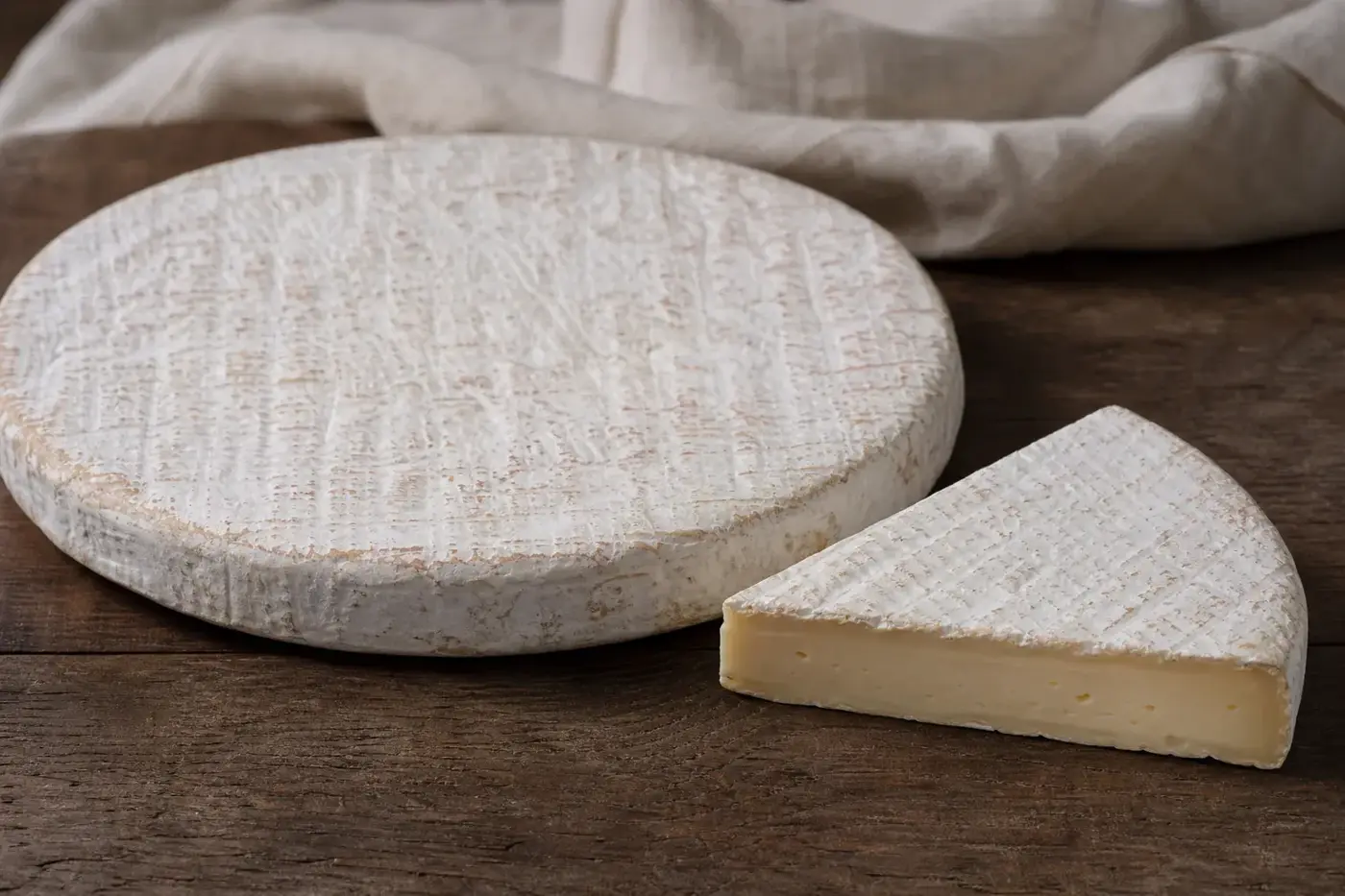
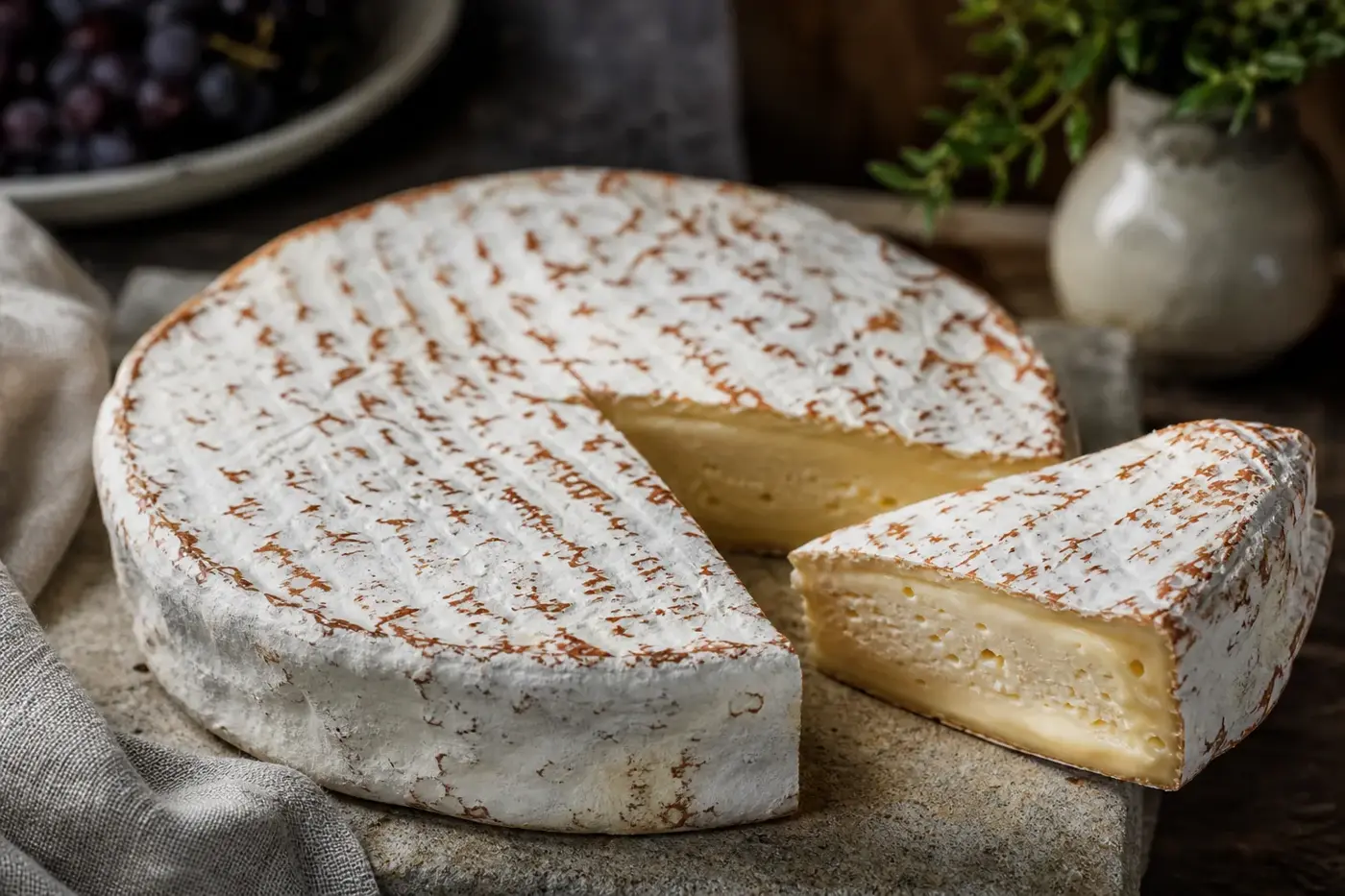
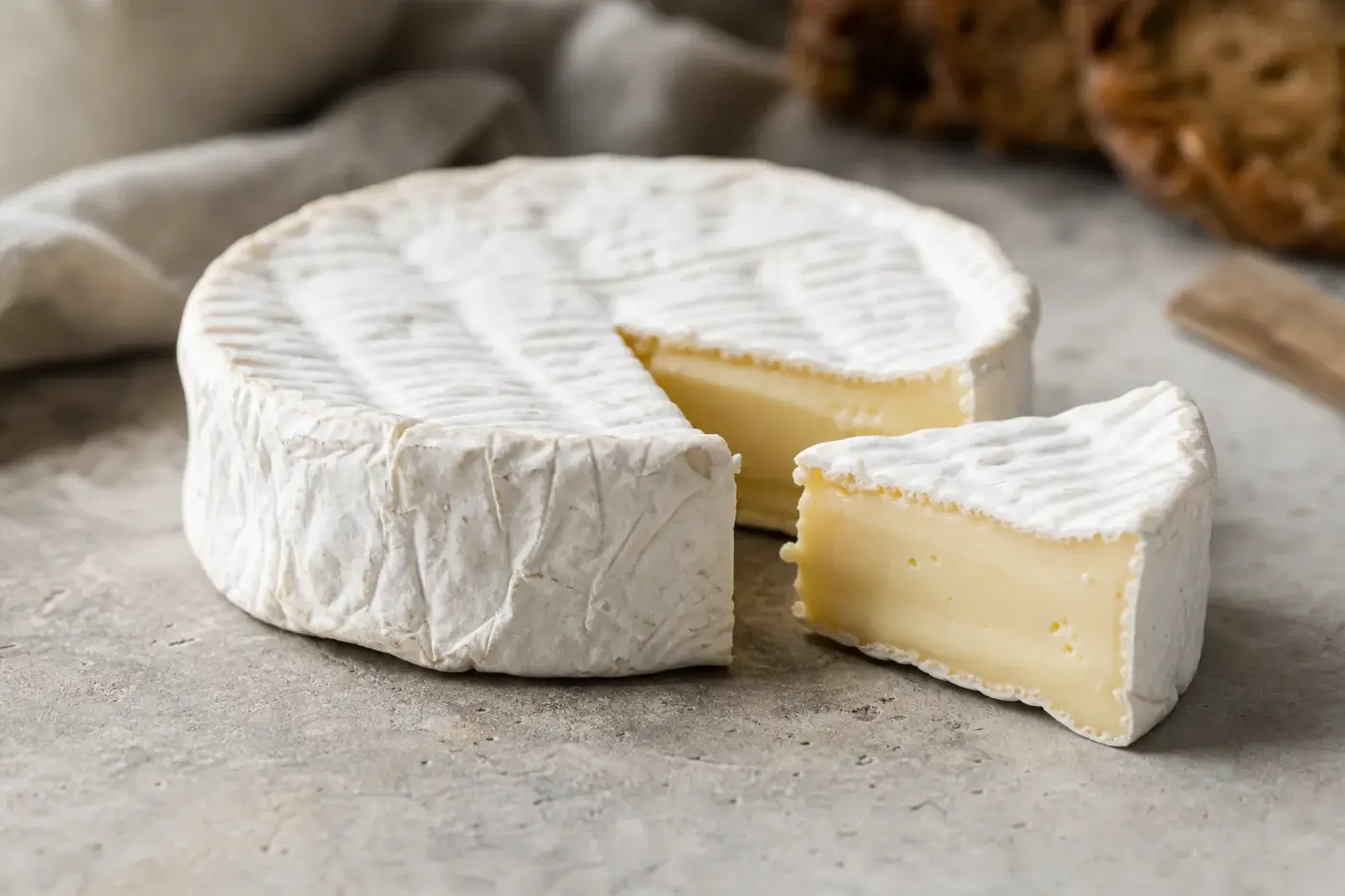
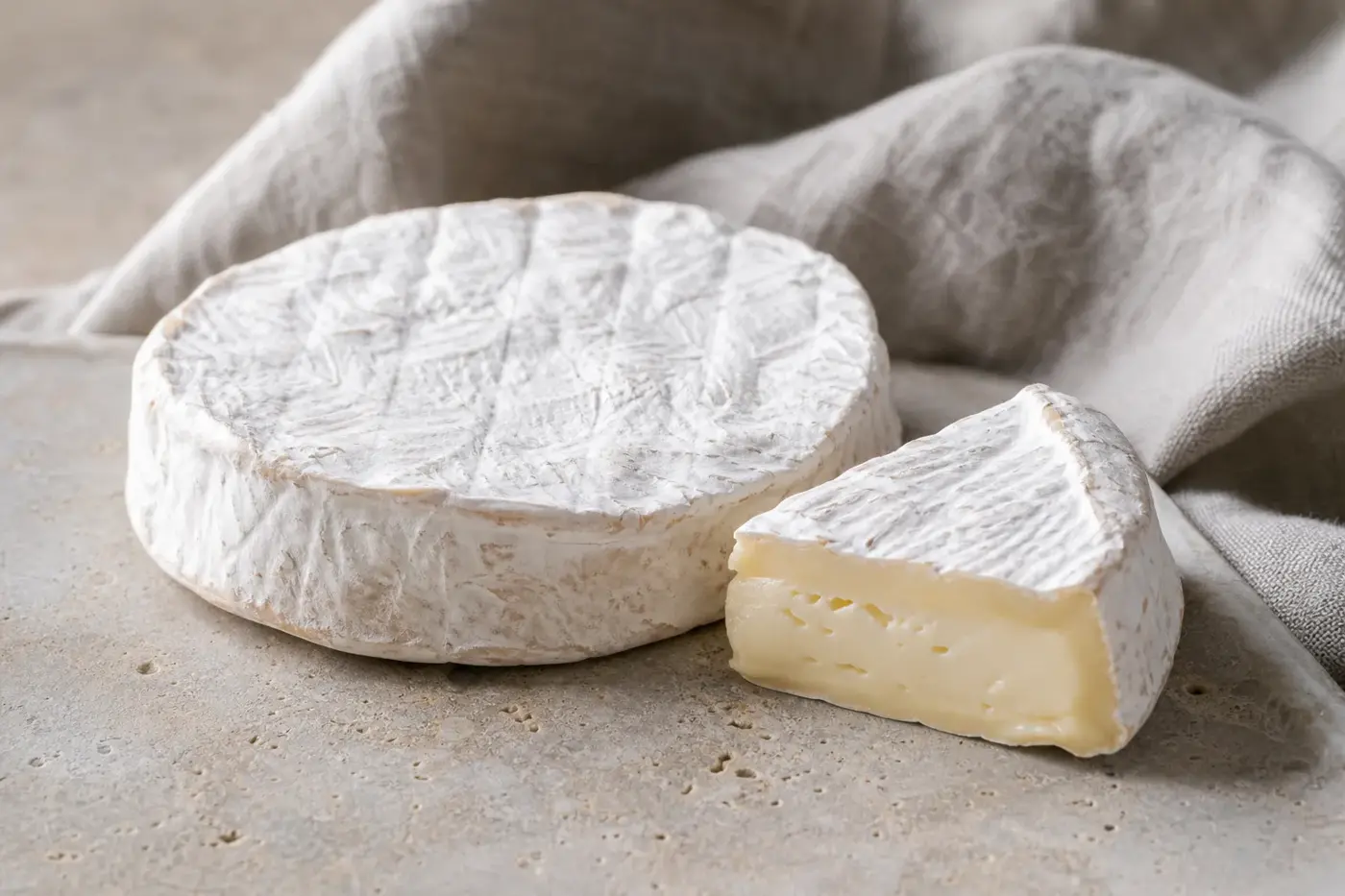
Slip beneath Rocamadour’s fine, velvety skin and you reach a soft layer forming around the centre.
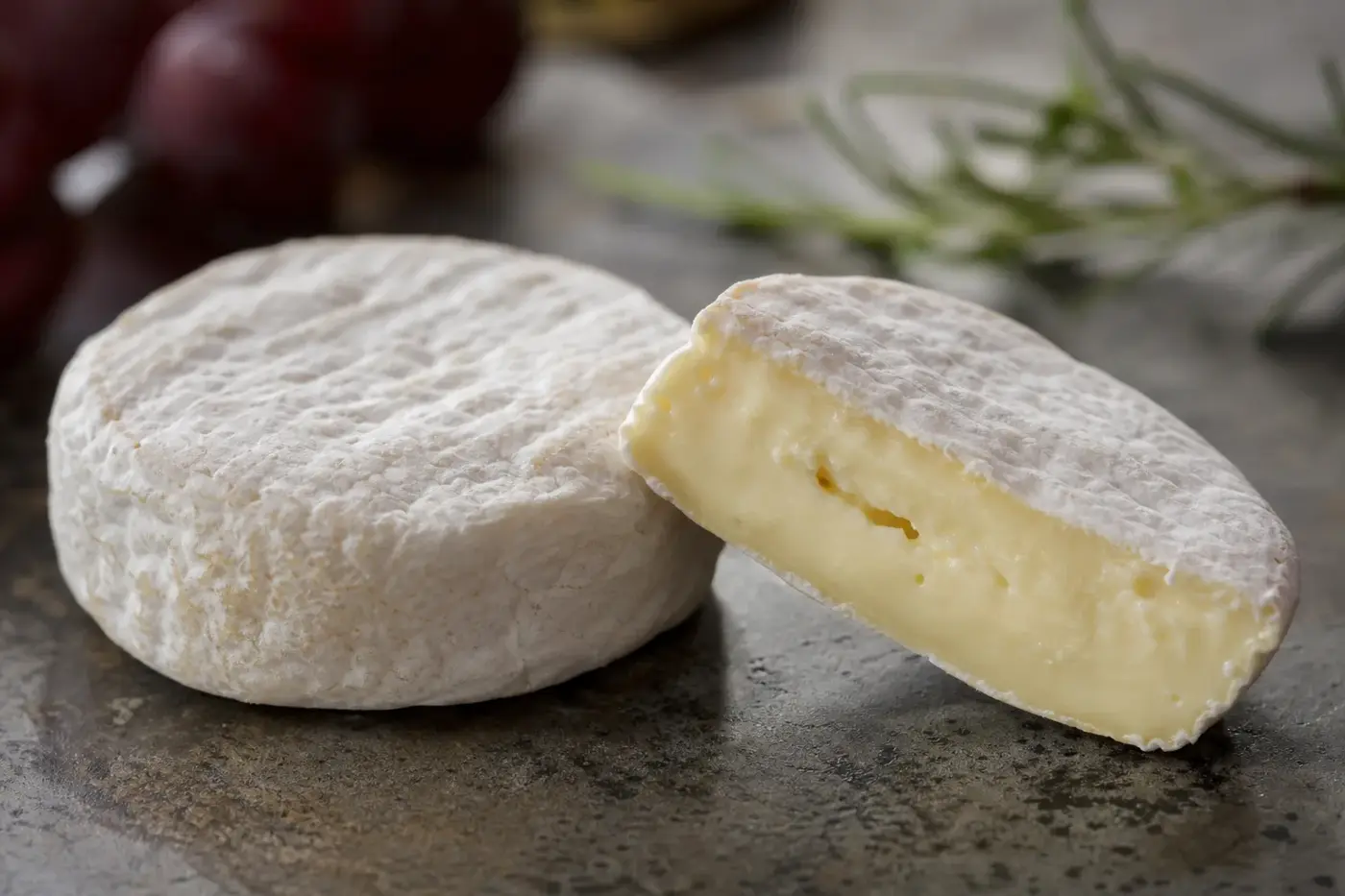
Slip beneath Rocamadour’s fine, velvety skin and you reach a soft layer forming around the centre. In its home country, the cheese is said to “piaule”; INAO describes this transformation after six to seven days. In your hand, this little round of raw whole goat’s milk brings together the goat farming of Quercy’s limestone plateaux and the patient craft of slow coagulation. [1, 2]
| Get to know it | Rocamadour |
|---|---|
| The name to look for | Rocamadour. [2, 3] |
| Registration authority and register ID | Great Britain: Defra protected food names register. Separate register ID: unconfirmed. EU register ID: unconfirmed. [3] |
| Protected status | France: AOP, the French term for PDO. Great Britain: registered PDO; November 2026 status. [1, 3] |
| Where it must be made | Specified communes and parts of communes in Lot, Aveyron, Corrèze, Dordogne and Tarn-et-Garonne. [2] |
| Milk and coagulant | Raw whole goat’s milk; animal rennet. [2] |
| Its size and shape | Approximately 35 g; the industry guide describes a disc approximately 6 cm across and 1.6 cm high. [2, 4] |
| Minimum maturation | Current specification minimum: unconfirmed. [2] |
| When the softness develops | INAO describes six to seven days for the characteristic softening beneath the skin. [1] |
| Skin and centre | Fine, lightly velvety skin; soft, supple paste. [2] |
| UK pregnancy guidance | NHS advice on unpasteurised and soft ripened cheeses; November 2026 guidance. [6] |
Beyond the cliffs, into goat country
Look towards Rocamadour in the Lot and you see buildings rising against a cliff. The cheese takes the village’s name, but its farming territory reaches beyond those buildings into the Causses du Quercy. The valleys of the Lot and Dordogne cut through these limestone plateaux. [1, 5]
INAO describes dry, calcareous country, with summer conditions that support distinctive vegetation. This land has long suited goat keeping. To understand the cheese’s home, you need that surrounding farming landscape as much as the village itself. [1, 5]
Milk production, cheesemaking and maturation must all take place within the area defined in the specification. The boundary follows a detailed list of communes and parts of communes, rather than whole departments. When you see Rocamadour at the counter, that village name stands for a wider agricultural territory, precisely drawn around the places where milk becomes cheese. [2]
Meet the cabécou family
You may first encounter Rocamadour through the word cabécou. The French dairy PDO industry guide explains this Occitan term as a small goat’s cheese and records the earlier name “cabécou de Rocamadour”. Think of cabécou as the regional family, and Rocamadour as the protected name with its own production specification. [4]
That protection arrived in stages. INAO records French appellation recognition from 1996, while the Great Britain register records original EU registration on 9 January 1999. Registration under the GB scheme followed on 31 December 2020 at 23:00, so each date marks a different step in the cheese’s protection. [1, 3]
Look for the exact name Rocamadour on the label, alongside its designation information. Cabécou alone tells you something useful about the regional family, but less about the production rules behind your cheese. You can follow that distinction further in protected names explained.
A slow beginning, by design
At least twenty hours for coagulation, followed by at least twelve hours of preliminary draining. Rocamadour has a full diary of doing very little, very carefully. Its specification requires raw whole goat’s milk from Alpine or Saanen goats, or crosses between those two breeds. [2]
Raw means the milk has not been pasteurised; whole means it has not been skimmed. Coagulation is when milk sets into curd, the solid material that becomes cheese. Here, acid development works alongside a small addition of animal rennet, an enzyme preparation that helps the milk set. [2]
Those long setting and draining stages are requirements, not a cheesemaker’s personal flourish. You are eating a gently formed, drained cheese, rather than a cooked, pressed wheel. Its character starts with that slow set, then develops as the maker carefully manages the moisture left in the curd. [2]
If milk treatments leave you puzzling over the counter, turn to raw milk, thermised and pasteurised cheese. Knowing the distinctions gives you a useful starting point when choosing.
Follow the curd to the cellar
Draining separates the curd from whey, the liquid released from the milk. Rocamadour’s rules require preliminary draining and limit manufacturing ingredients to dairy materials, rennet, suitable microbial cultures and salt. This little cheese has a clearly defined way of being made. [2]
Moulding gives the drained curd its flattened round shape. Salting follows as part of the preparation, before drying and ripening are completed. The finished cheese stays supple, rather than developing the firm structure you would find in a pressed cheese. [2, 4]
Then comes the ripening room or cellar. Brive’s tourism office describes cheeses resting on racks and being turned daily during this stage. The minimum maturation period begins at unmoulding, separate from all those earlier hours of setting and draining. [5]
A fine skin develops on the surface, rather than a thick covering. Between that skin and the centre, the characteristic soft layer described by INAO begins to form. This is what lies behind the local expression: the cheese “piaule”. [1]
Cream, butter and a little give
Press Rocamadour slightly and it yields; taste it and it spreads readily in your mouth. The official specification describes a supple paste with a mouthfeel similar to its skin. If your idea of goat’s cheese is always crumbly and sharply acidic, you have a pleasant adjustment to make. [2]
INAO describes subtle cream and butter aromas, with a delicate goat’s milk smell. The dairy PDO industry guide adds a white surface, paste ranging from ivory to darker beige, and light caprine, cream and hazelnut notes. These descriptions point you towards softness and delicacy, rather than force. [1, 4]
Maturity matters more than simply seeking out the oldest cheese. Ask your cheesemonger whether the batch is relatively restrained and still holding its shape, or has developed INAO’s soft layer beneath the skin. That answer tells you rather more about what will happen on your plate. [1]
For a salad, you might prefer a disc that holds together. For bread, a softer example may be just right. Choose the stage that suits your appetite and what you plan to serve.
Let the goats set the calendar
Rocamadour’s story starts before the cheese room, with what the goats eat. INAO describes animals fed predominantly from the geographical area; the specification includes grass, hay and other forage among permitted feeds. The connection to the landscape is agricultural, not simply a place name printed on a label. [1, 2]
Local vegetation helps you understand that farming system. It does not mean an individual herb spotted on the plateaux will make itself known in every cheese. Think instead of the relationship between the land, the feed available to the goats and the milk arriving at the cheesemaker.
You need not follow a simple spring buying season, either. The specification permits management that shifts kidding and milk production outside the usual seasonal pattern. Ask about the producer’s production calendar and the batch’s age: together, they tell you more than the month alone. [2]
Take three questions to the counter
Who made it? How far has it matured, and when will you eat it? Start with those questions, then look for the documented characteristics: a small, flattened disc, fine skin and supple paste. [2]
Do not ask colour to make the whole decision for you. The specification allows the skin to range from white towards cream or darker beige. Colour alone is therefore a poor reason to reject a cheese; you need the fuller picture. [2]
Tell the seller whether you have bread, a salad or a warmed dish in mind. Asking for “the strongest” can become a cheese lover’s reflex, but strength is not a dinner plan. Ask instead how this particular batch holds together or spreads, and you have something useful to match to your meal.
Before buying, read the storage instructions and date, especially if your cheese has a journey ahead before reaching the fridge. The NHS advises following the label and using chilled foods by their use-by date. You can find more practical pointers in reading a cheese label. [7]
From the fridge to your plate
Keep chilled ready-to-eat food at 5 °C or below, separate from raw food. Follow the storage instructions supplied with your cheese. For home handling, UK NHS advice is to use opened food within two days unless the packaging says otherwise. [7]
For flavour, Brive’s tourism office recommends an hour out of refrigeration before you eat Rocamadour. Keep that hour within the NHS limit: ready-to-eat foods should be eaten within four hours of leaving the fridge. Preparation, waiting before serving and time on the table all count towards that period. [5, 7]
Bring out only what you expect to serve, and leave the rest chilled until you need it. This avoids repeatedly warming your whole supply. For help with wrapping and finding a place in the fridge, see storing cheese at home.
Bring bread, leaves and a glass
Lightly toasted bread is the industry guide’s recommended companion for spreadable Rocamadour. Its suggestions include traditional baguette, seeded bread and fruit bread. Start with plain bread so you can taste the cheese, then decide whether you want more sweetness or texture. [4]
For a salad, place the cheese beside dressed leaves rather than vigorously mixing a soft disc through them. Apple or pear can join it, along with a simple dressing. These are serving ideas, not a tested recipe, so take your lead from the cheese’s maturity and the rest of your meal.
Gentle warming on toast gives you another serving option. Where UK pregnancy guidance applies, however, gentle warmth is not enough. The NHS says the cheese must be cooked until steaming hot throughout. [6]
For adults of legal drinking age, the industry guide suggests dry white wines from the Loire or Burgundy, and dry cider. Choose a small serving if drinking. Alcohol-free options include sparkling water with plain bread, or an unsweetened apple drink alongside the salad; find broader principles in cheese and wine pairing. [4]
Raw milk and the guidance for you
Rocamadour must be made with raw milk, so UK NHS pregnancy guidance is directly relevant. It says foods made from unpasteurised milk, including soft ripened goat’s cheese, must be thoroughly cooked. Soft mould-ripened cheeses with a white coating must also be cooked until steaming hot. [2, 6]
The NHS’s broader dairy guidance advises certain groups to avoid particular cheeses, including ripened goat’s milk cheese. These groups are infants and young children, people over 65, pregnant people, and people with a long-term medical condition or weakened immunity. The guidance discusses cooked recipes as an alternative. [8]
Follow the linked official advice and ask your healthcare professional for individual guidance. The UK recommendations here are dated November 2026; if you live elsewhere, consult your own national authority. You can find further context in Listeria and cheese safety.
Give the little disc room to shine
When comparing French goat’s cheeses, start with Rocamadour’s distinctive features: its small, unashed disc, fine skin and particularly supple texture. The broader cabécou family gives you the closest useful reference. Format and maturation tell you more than an assumption that all French goat’s cheeses will taste alike. [2, 4]
Ask the seller to compare the cheeses actually in front of you. Look at shape, rind treatment, firmness and maturity, rather than stopping at the type of milk. That brings the conversation back to the useful business of what you will eat.
For a shared plate, choose a contrasting format or texture instead of gathering several cheeses simply because they use goat’s milk. Give Rocamadour something different to sit beside. Its small scale and soft paste deserve a little room to stand out.
General information only, not medical advice: follow the official guidance where you live.
Questions people ask
What is Rocamadour made from?
Rocamadour is made from raw whole goat’s milk and animal rennet. The milk must come from Alpine or Saanen goats, or crosses between the two breeds.
Is Rocamadour the same as cabécou?
Cabécou is the regional family of small goat’s cheeses, while Rocamadour is a protected name. The earlier name “cabécou de Rocamadour” is recorded by the French dairy PDO industry guide.
What does Rocamadour taste like?
INAO describes subtle cream and butter aromas and a delicate goat’s milk smell. The dairy PDO industry guide also notes light hazelnut flavours.
Can I eat Rocamadour during pregnancy?
The NHS says foods made from unpasteurised milk, including soft ripened goat’s cheese, must be thoroughly cooked. It also says soft mould ripened cheeses with a white coating must be cooked until steaming hot. Consult the NHS pregnancy guidance and a healthcare professional about your own circumstances.
How should I store and serve Rocamadour?
The NHS advises keeping chilled ready to eat food at 5 °C or below, separate from raw food, and following the storage instructions. Brive’s tourism office recommends giving Rocamadour an hour out of the fridge before eating. The NHS says ready to eat foods should be eaten within four hours of leaving the fridge, including preparation and time on the table.
Sources
[1] Institut national de l’origine et de la qualité. Rocamadour, product account and designation information, undated live page, checked November 2026. Official account.
[2] French Ministry of Agriculture. Cahier des charges de l’appellation d’origine « Rocamadour », approved by Décret n°2014-1150 of 7 October 2014, Bulletin officiel n°42, 16 October 2014. Specification.
[3] Department for Environment, Food & Rural Affairs. Rocamadour, Great Britain protected food name register entry, published 4 January 2021, checked November 2026. Register entry.
[4] Produits laitiers AOP. Rocamadour, industry promotional account, undated live page, checked November 2026. Its tasting descriptions and pairing suggestions are attributed as industry guidance. Product account.
[5] Brive Tourisme. Histoire et secrets du Rocamadour, undated live page, checked November 2026. Used for its account of maturation and serving, not its designation chronology. Local account.
[6] NHS. Foods to avoid in pregnancy, current online guidance, checked November 2026. UK pregnancy guidance.
[7] NHS. Listeriosis, current online guidance, checked November 2026. UK storage and Listeria guidance.
[8] NHS. Dairy and alternatives in your diet, current online guidance, checked November 2026. UK dairy guidance.
Researched from official designation documents, the GB register, attributed industry and local accounts, and UK NHS guidance, with editorial serving suggestions identified separately.
Last checked: November 2026
Last checked November 2026.
The editors suggest you read next