Saint-Nectaire
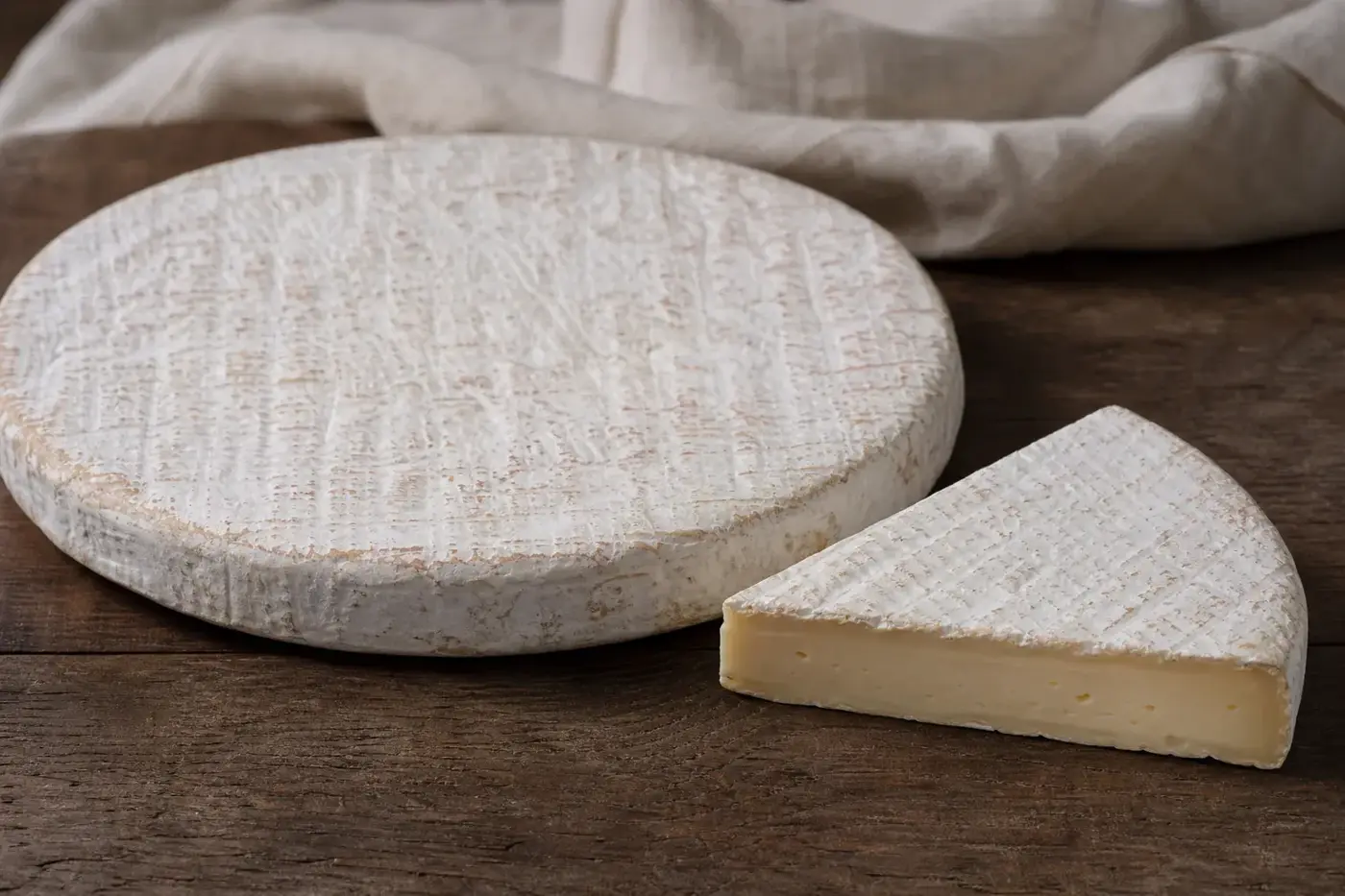
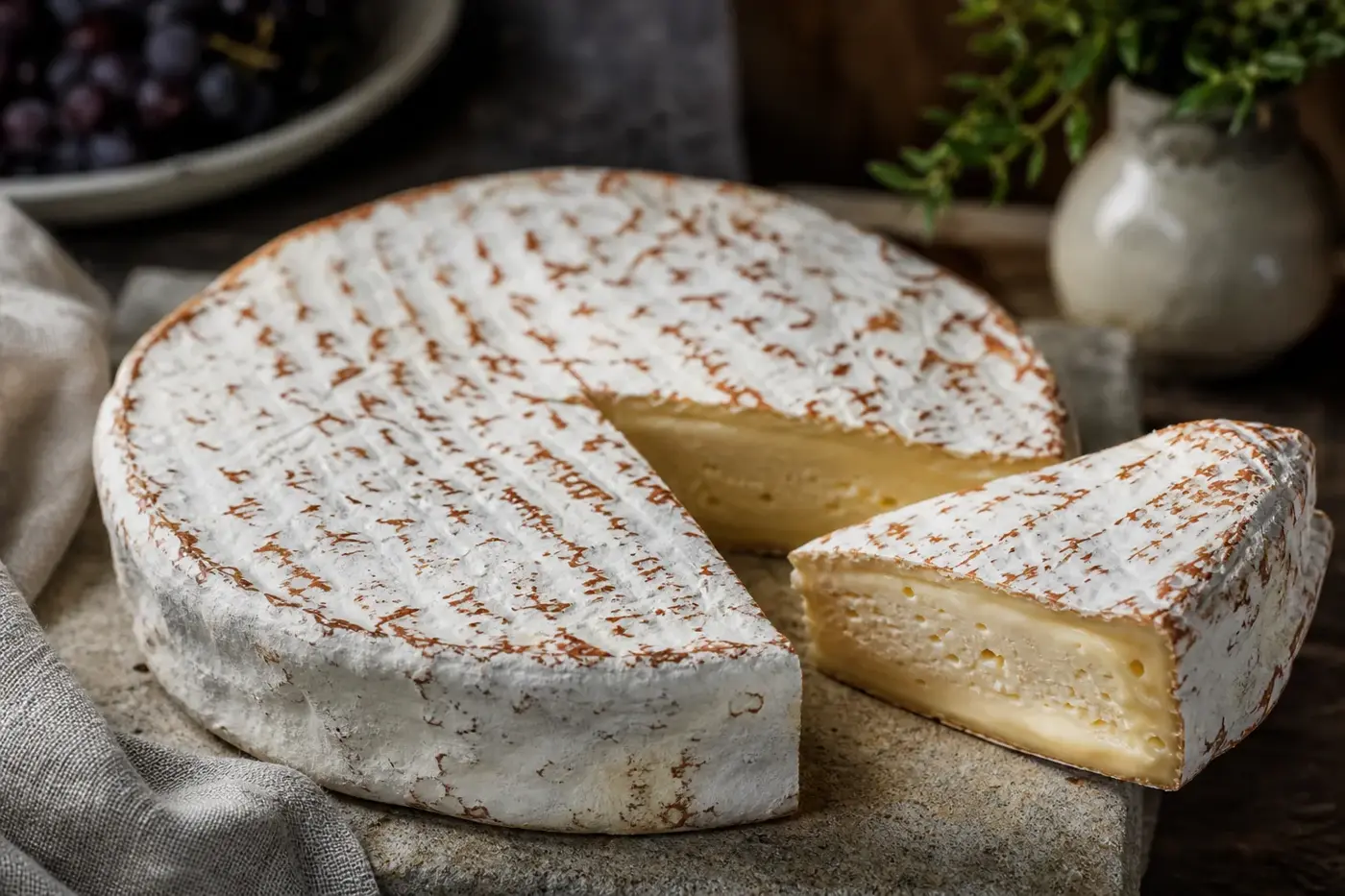
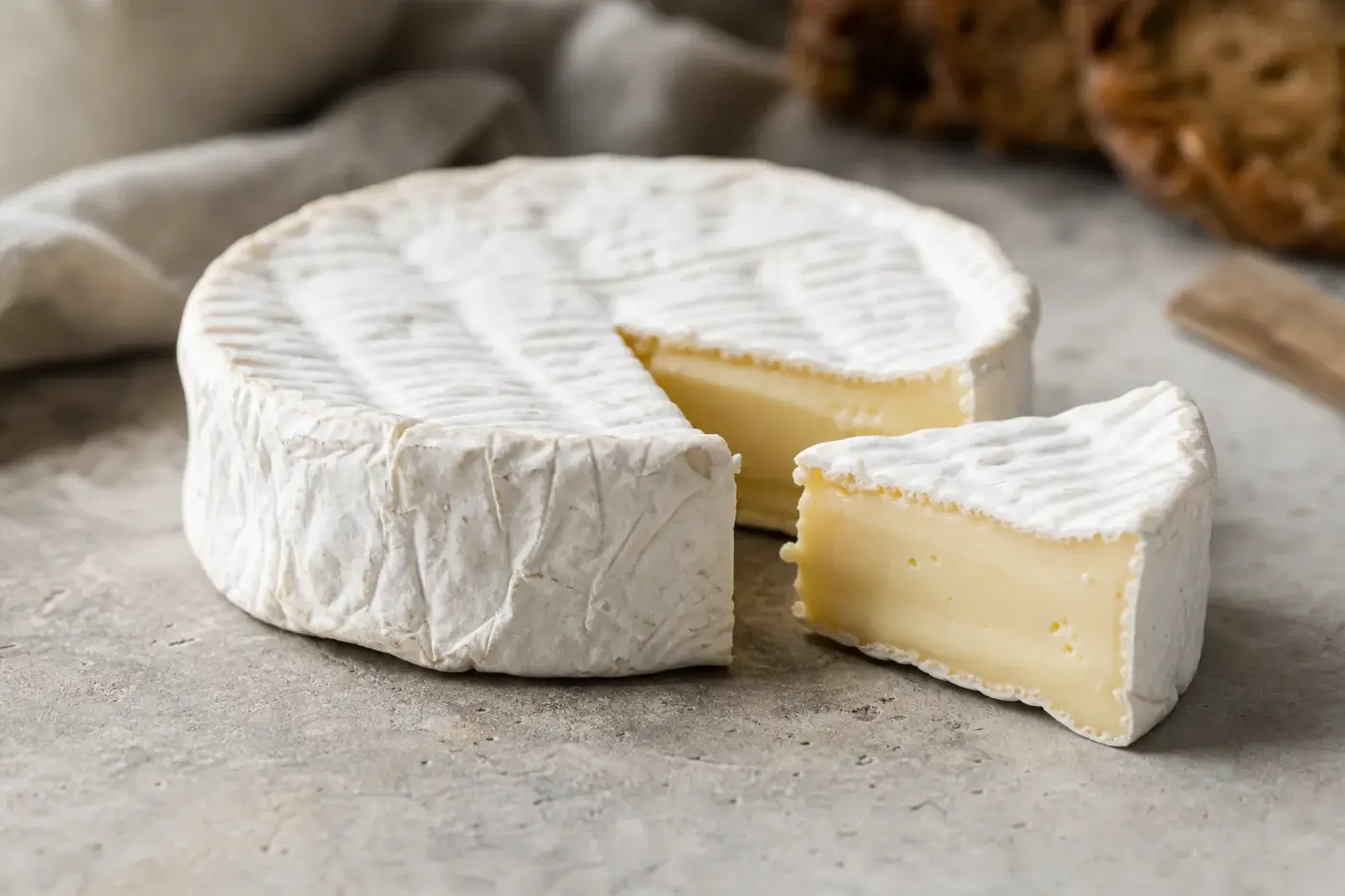
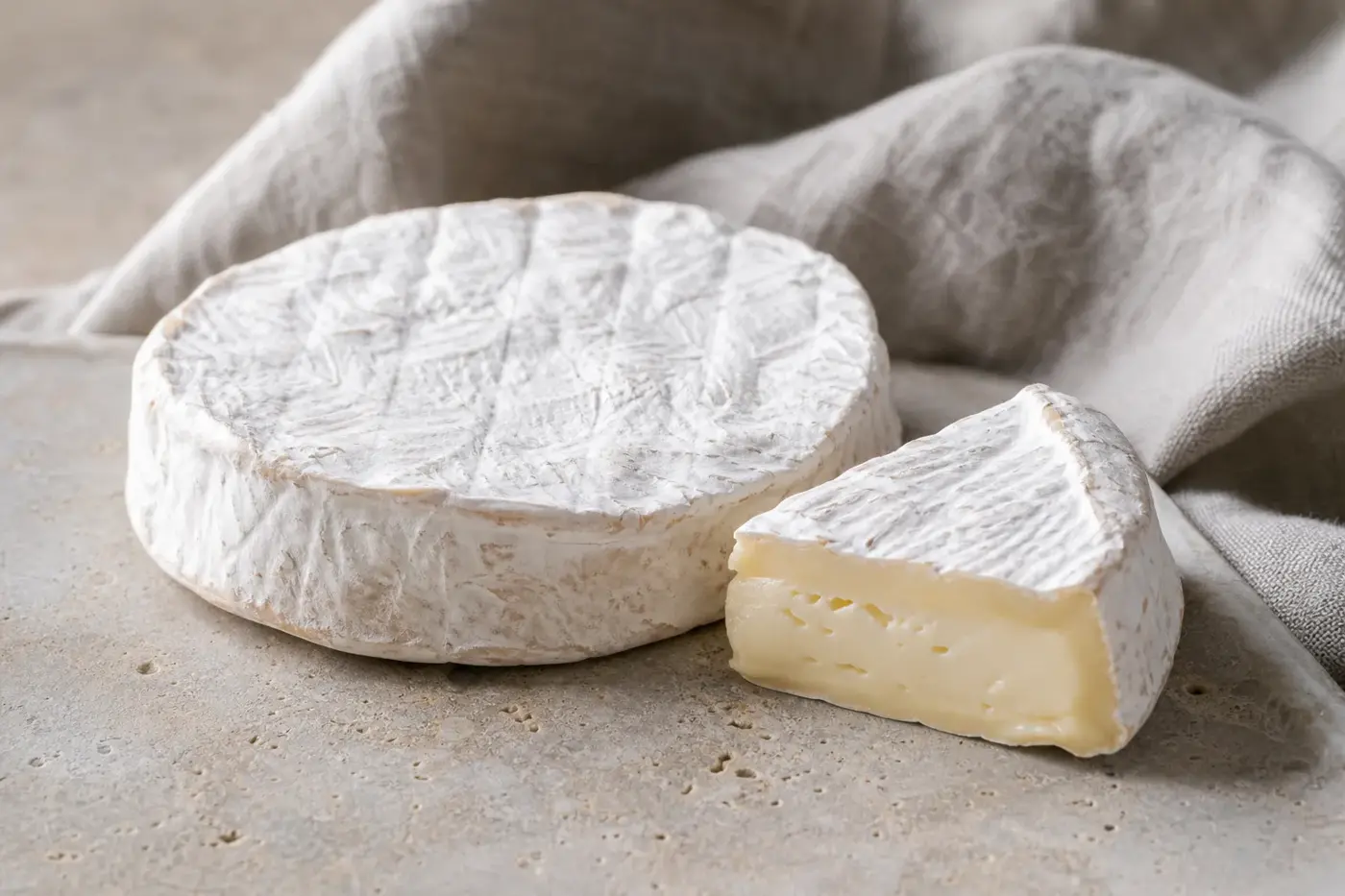
Let your eye travel over that patchwork rind, then down to the supple ivory centre.
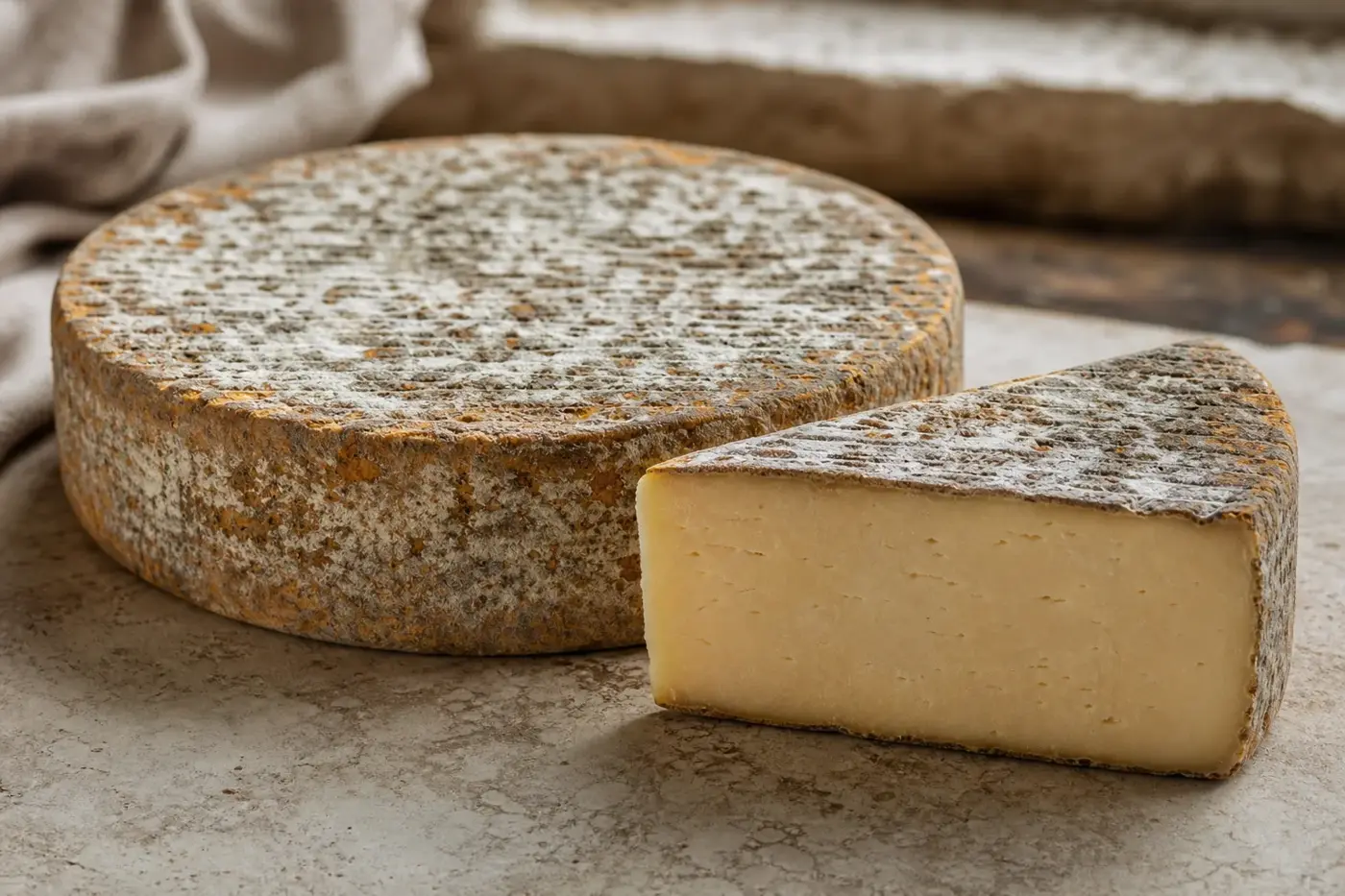
Let your eye travel over that patchwork rind, then down to the supple ivory centre. Here is Auvergne’s volcanic upland farming and patient maturation, ready for your cheese board. Before you choose a piece, ask one important question: farmhouse or dairy? Farmhouse Saint-Nectaire begins with raw milk immediately after milking; dairy Saint-Nectaire can follow a different milk-treatment route. [4,6]
| What you might want to know | The details |
|---|---|
| Familiar and registered name | Saint-Nectaire. [2,3] |
| Registration authority and identifier | EU: PDO-FR-0132. Great Britain: register entry “Saint-Nectaire”. [2,3] |
| EU status | Registered PDO, confirmed by the 2026 amendment communication; November 2026 status. [2] |
| Great Britain status | Registered PDO since 31 December 2020; November 2026 status. [3] |
| Where it comes from | Legally defined parts of Cantal and Puy-de-Dôme, France. [1,2] |
| Milk | Cow’s milk; farmhouse raw and whole; dairy raw or heat-treated. [1,4] |
| What sets the milk | Présure, required by the specification. [1] |
| Minimum time to mature, by law | Standard: 28 days; small: 21 days, counted from cellar entry. [2] |
| Rind and centre | Mottled mould rind; supple ivory paste. [4,6] |
| Pregnancy guidance | UK NHS guidance for November 2026, summarised below. [7] |
Follow the grass into Saint-Nectaire country
Look towards the Monts Dore, around the Sancy massif and on towards the Artense and Cézallier. This is Saint-Nectaire’s home. INAO describes mountain farmland above 700 metres, with volcanic soils supporting abundant grass and varied pasture plants. Milk production and cheesemaking must remain within a legally defined territory, not simply anywhere in Auvergne. [2,4]
Those pastures have a job beyond looking lovely. The EU single document requires at least 160 days of grazing each year. Local grass must supply at least 70% of the dairy cows’ annual ration, measured as dry matter. The requirements apply to farmhouse and dairy producers alike. [2,6]
Then comes another specialist: the affineur, who matures the cheese after it is made. INAO places Saint-Nectaire’s identity in the relationship between these maturers and the mountain milk supply. At the counter, ask for the maturer’s name as well as the farm or dairy. Both tell you something about the wheel before you. [4]
Meet the women and maturers behind the wheel
Women on small mountain farms are central to Saint-Nectaire’s recorded history. The official specification describes production developing on these farms, particularly during the nineteenth and twentieth centuries. Cheesemaking was associated with the women, while specialist maturers bought young cheeses at local markets and developed them for sale. The finished cheese depended on both. [5]
That shared work still gives you a useful question to ask. A farmhouse cheese need not have matured on its farm, so ask separately who made it and who matured it. These are two chapters of its life, not competing claims to its identity.
Two dates anchor the documented account. The specification records recognition by the Issoire court in 1955; the British register records original EU registration on 21 June 1996. Stories of a single inventor or an introduction at a royal table need contemporary documentation to carry the same historical weight. [3,5]
Take a closer look at that patchwork rind
White, brown and grey growth can mingle across a Saint-Nectaire rind. An orange background may peek through, touched with yellow or red. That is INAO’s description of the surface. Beneath it, you should find supple paste, not a brittle centre. [4]
The Interprofession du Saint-Nectaire, the industry organisation, describes farmhouse examples as cream-coloured. Maturation shapes their rind, texture and intensity. For dairy cheese, it highlights ivory paste with notes of milk, cream and butter, often with a gentler flavour. Let those descriptions open a conversation about the particular wheel you are buying. [6]
The official specification offers a tempting aromatic trail: cellar, maturation straw, earth and woodland undergrowth. Fresh dairy flavours sit alongside them, sometimes with hazelnut. Earthiness is part of this cheese’s recognised character, but poor handling or deteriorating condition still deserves attention. [5]
Give yourself three stages when tasting. Notice how the paste bends, smell it before eating, then consider what lingers after you swallow. Tell your cheesemonger what you find. “Something strong” is a start, but it does leave quite a lot of the cheese counter in contention.
Farmhouse or dairy? Start with the milk
The distinction begins with milk and making, not simply the size of the premises. Farmhouse production uses the farm’s raw, whole milk immediately after milking. Dairy production permits raw milk or milk that has received heat treatment. The industry organisation describes thermised and pasteurised dairy versions; thermisation and pasteurisation are distinct treatments. [1,6]
| What to look for | Farmhouse, fermier | Dairy, laitier |
|---|---|---|
| Milk route | Raw, whole milk from the farm’s herd. [1,6] | Raw or heat-treated milk permitted. [1] |
| Identification plate | Green oval. [1] | Beige square. [1] |
| A useful counter question | Who made and matured this wheel? | What milk treatment was used? |
“Dairy” does not mean “pasteurised”: the words are not interchangeable. Nor does “farmhouse” tell you how far a particular wheel has matured. Establish the production category first. Then ask about milk treatment, maturation and the cheese’s present condition.
You can explore the broader distinctions in raw, thermised and pasteurised milk. For a revealing comparison, ask your cheesemonger for farmhouse and dairy examples at a similar stage of ripeness. Otherwise, age can overwhelm the differences you came to discover.
This page summarises published guidance from the official sources it cites. It is not medical advice. Guidance differs between countries and changes over time, so check the current source for where you live, and ask your doctor, midwife, pharmacist or dietitian about your own circumstances.
Follow the curd from mould to cellar
Rennet sets the milk into curd, the solid material that becomes cheese, leaving liquid whey behind. The curd is then cut, drained, formed and pressed. Farmhouse production uses cloth-lined moulds and dry salting. Dairy production allows either dry salting or brining. [1]
That pressing separates Saint-Nectaire from an unpressed soft cheese, even though its finished paste remains yielding. During maturation, repeated washing, rubbing and turning help develop the characteristic surface. The official account makes the affineur’s role clear. This rind is cultivated, not simply left to get on with things. [5]
Ask about that care, rather than focusing only on weeks spent in the cellar. “Who matured it?” and “What is this batch like now?” are useful questions. The oldest piece is not automatically the one you will most enjoy. Cheese shopping need not become a seniority contest.
Get to know the protected name and its two sizes
Saint-Nectaire has a protected designation of origin, abbreviated to PDO in English and AOP in French. The EU’s 2026 communication confirms that PDO identity. Great Britain lists the name separately on its own register. Each record applies within its jurisdiction. [2,3]
The current French specification allows two wheel formats. If you are comparing them at the counter, these are their dimensions, weights and minimum cellar maturation times.
| Wheel format | Diameter and height | Weight and minimum cellar maturation |
|---|---|---|
| Standard | 20 to 24 cm across; 3.5 to 5.5 cm high | 1.45 to 1.95 kg; 28 days. [1,2] |
| Small | 12 to 14 cm across; 3.5 to 4.5 cm high | 500 to 700 g; 21 days. [1,2] |
An identification plate is embedded in the cheese during pressing. Its shape offers a quick clue: oval means farmhouse, square means dairy. The current specification gives the dairy plate’s colour as beige. [1]
Your cut wedge may not contain that plate. Ask to see the original wheel’s label or identification information instead. For a wider look at what these schemes mean, turn to protected names explained.
Find the piece that suits your plans
Begin with what you want to eat, not the darkest rind in the cabinet. Tell your cheesemonger whether you need Saint-Nectaire for tonight, a later meal or a board with several other cheeses. Ask for a piece that fits the occasion.
Look at the cut face and taste it where that is offered. The published descriptions give you useful bearings: supple paste, a developed mottled rind, dairy flavours and maturation aromas. Explain what appeals to you. That might be gentler milk flavours, more cellar character or a firmer slice. [4,5,6]
Keep these four questions handy:
- Is this farmhouse or dairy, and what milk treatment was used?
- Who made it, and who matured it?
- When was this piece cut?
- What storage and consumption instructions apply to this particular piece?
Keep the wrapper or label until you have finished the cheese. Its product identity and handling instructions may be useful, especially if you need to ask the seller something later. Find more help in how to read a cheese label.
Give your first slice a moment
Serve Saint-Nectaire cool rather than refrigerator-cold. Bring out only what you expect to eat and keep the rest refrigerated. UK NHS guidance says chilled ready-to-eat food should be eaten within four hours of leaving the fridge. In hotter than usual weather, FSA guidance for England, Wales and Northern Ireland says to discard perishables left out for more than two hours. [8,9]
Cut wedges from the centre towards the edge, giving each serving both paste and rind. Start with a modest wedge and offer another if wanted. Make the pieces smaller if several cheeses share the board. These are hosting choices, not a prescribed dietary serving.
Plain country bread, fresh pear or apple and something crisp to drink make straightforward companions. Taste the cheese alone first, then try one accompaniment at a time. Bread keeps the comparison simple. Fruit brings contrasting texture without the need for a heavily sweet preserve.
If you are an adult choosing alcohol, try a small serving of a fresh, lightly tannic red or a dry white. Sparkling water is an equally useful starting point, while an unsweetened apple drink offers a fruit-led alternative. These are editorial pairing recommendations, not results from a site tasting. Explore the thinking behind them in cheese and wine pairing.
Keep your cheese well, and know when to discard it
Follow the seller’s or manufacturer’s storage instructions first. UK NHS guidance recommends a fridge at 5 °C or below, separating raw and ready-to-eat foods, and using opened food within two days unless the packaging says otherwise. Wash your hands before handling the cheese. Use clean utensils. [8]
The intended mould on Saint-Nectaire’s rind is a different matter from unexpected growth after purchase. The specification describes the colours of its characteristic surface. For growth that appears later, consult mould on cheese. Keep the original product information so your seller can identify the cheese if its condition concerns you.
Discard cheese past its use-by date. If a recall applies, follow the notice rather than trying to rescue the product by trimming or cooking it. Follow the agency limits above for time out of refrigeration. If you cannot establish how long food has been unrefrigerated, the FSA advises a precautionary approach. [8,9]
Ask the right questions about rennet and health
Saint-Nectaire’s specification requires présure, rennet. If you avoid animal rennet, ask explicitly about the coagulant rather than relying on appearance or farmhouse status. Consider that ingredient requirement alongside the individual product’s suitability for your diet. [1]
For pregnancy in the UK, the NHS says hard cheeses such as cheddar, parmesan and stilton can be eaten, even when made with unpasteurised milk. For other cheeses, consult its current advice on cheese type and preparation. If the classification leaves you unsure, ask your midwife. [7]
The NHS identifies pregnant people, newborn babies, people with weakened immunity and older people as groups at greater risk of serious listeriosis. The FSA also highlights young children among those more vulnerable to food poisoning. If you or someone you are serving belongs to these groups, consult the official guidance for your circumstances and country. [8,9]
Leave room to discover Cantal and Salers
Saint-Nectaire offers you a first taste of Auvergne cheese through its defining combination: a relatively shallow wheel, supple paste and a carefully developed mottled rind. Cantal and Salers deserve their own identification and comparison, rather than being treated as interchangeable names.
Ask your cheesemonger to put them side by side. Compare the labels, study the cut faces and notice the textures before you taste. Give each cheese a little attention of its own.
Questions people ask
Where does Saint-Nectaire come from?
Saint-Nectaire comes from legally defined parts of Cantal and Puy-de-Dôme in France. Its home is the Monts Dore, around the Sancy massif and towards the Artense and Cézallier.
What is the difference between farmhouse and dairy Saint-Nectaire?
Farmhouse Saint-Nectaire is made from the farm’s raw, whole milk immediately after milking. Dairy Saint-Nectaire can be made with raw or heat-treated milk, so dairy does not necessarily mean pasteurised.
What does Saint-Nectaire taste like?
Its recognised aromas include cellar, maturation straw, earth and woodland undergrowth, alongside fresh dairy flavours and sometimes hazelnut. Dairy examples are described as having notes of milk, cream and butter, often with a gentler flavour.
How long is Saint-Nectaire matured?
Standard wheels must mature for at least 28 days, and small wheels for at least 21 days. These periods are counted from cellar entry.
Can I eat Saint-Nectaire during pregnancy?
The NHS says hard cheeses such as cheddar, parmesan and stilton can be eaten during pregnancy, even when made with unpasteurised milk. For other cheeses, consult the current NHS advice on cheese type and preparation, and ask your midwife if the classification is unclear.
Sources
- French Ministry of Agriculture and INAO, Cahier des charges de l’appellation d’origine protégée « Saint-Nectaire », approved by the order of 6 November 2025, published in the ministry’s Bulletin officiel on 20 November 2025. Current French specification retrieved through INAO.
- European Commission, Publication of the communication of an approved standard amendment to a product specification of a geographical indication, C/2026/1835, 20 March 2026, including the Saint-Nectaire single document, reference PDO-FR-0132-AM01.
- Department for Environment, Food & Rural Affairs, Saint-Nectaire, Great Britain protected food name register, published 4 January 2021; live entry retrieved November 2026.
- INAO, Saint-Nectaire, official product profile, undated current page and printable version, retrieved November 2026.
- INAO, Cahier des charges de l’appellation d’origine « Saint-Nectaire », version 19 June 2014, sections on sensory character and historical relationships. Used for those accounts, not for current production limits.
- Interprofession du Saint-Nectaire, Saint-Nectaire laitier ou fermier ?, undated current industry account, retrieved November 2026. Its sensory descriptions are attributed to the organisation.
- NHS, Foods to avoid in pregnancy, current online guidance retrieved November 2026, cheese and dairy section.
- NHS, Listeriosis, reviewed 10 November 2023; current page retrieved November 2026, risk groups and prevention sections.
- Food Standards Agency, Food safety in a heatwave, advice for consumers, published 27 June 2024, applying to England, Northern Ireland and Wales; retrieved November 2026.
This piece was researched from official specifications, register records, attributed industry descriptions and UK public health guidance; serving and pairing preferences are identified as editorial suggestions.
Last checked: November 2026
Last checked November 2026.
The editors suggest you read next