Slovenian Cheese
Beech smoke curls around trnič above an open hearth on Velika planina.
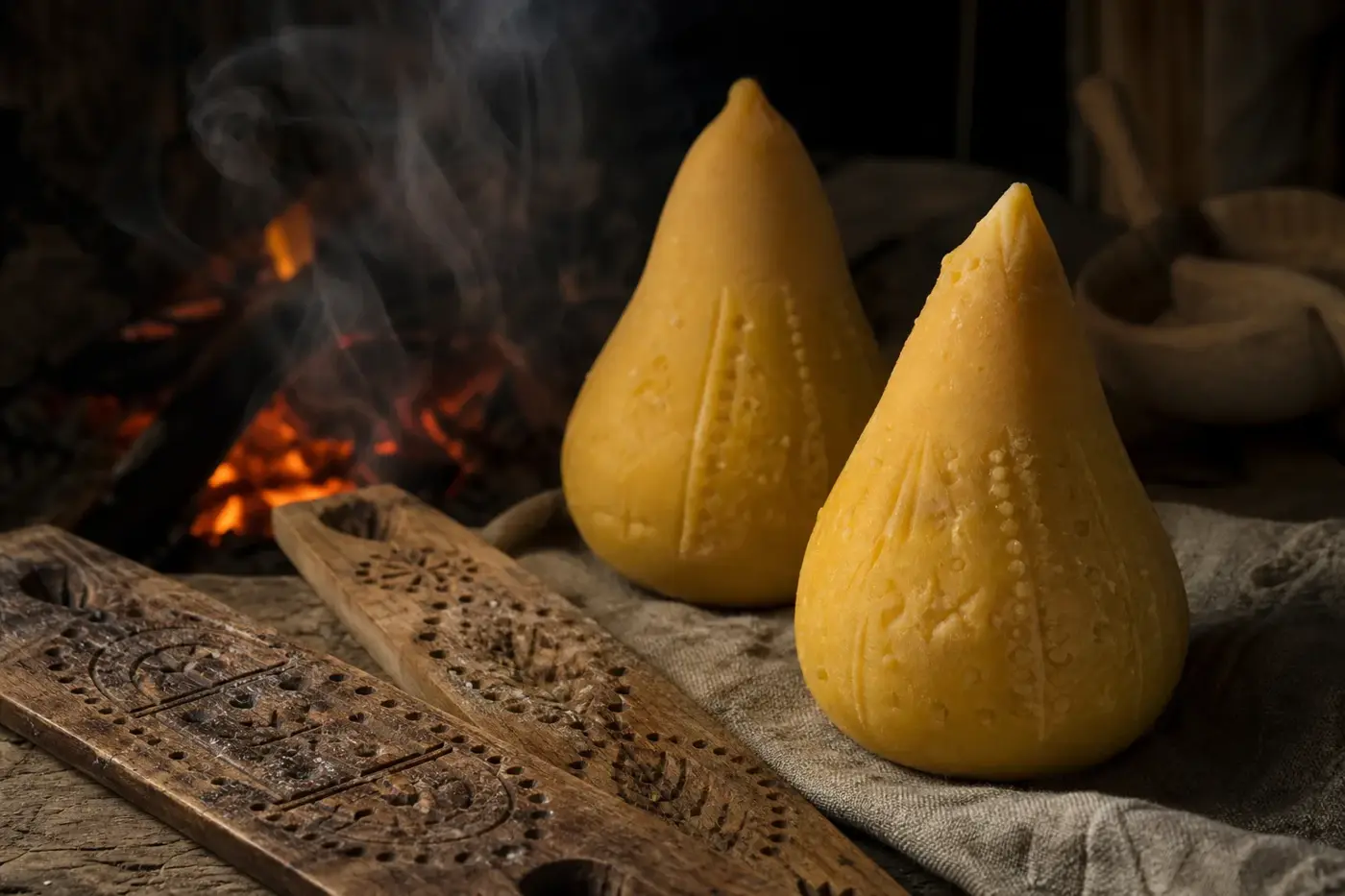
Beech smoke curls around trnič above an open hearth on Velika planina. A herder presses a carved wooden pisava into soft, heavily salted cheese, leaving patterns on a small, pointed, pear-shaped keepsake. Follow those marks and you enter Slovenia’s dairy traditions: sheep’s-milk wheels around Bovec, sharp, spreadable Mohant in Bohinj and the sheep cheeses of shared Slovenian and Croatian Istria. [1][2][3][5][7]
| Your first taste of Slovenia | What you should know |
|---|---|
| Country | Slovenia. [6] |
| Life in the mountains | Seasonal herding, pasture dairies and cheesemaking in the Julian Alps and on Velika planina. [2][10][11] |
| The milks behind the cheeses | Cow, sheep and goat; each protected name has its own rules on proportions. [3][4][5][7] |
| EU protected names for your list | Bovški sir, Mohant, Nanoški sir, Tolminc and the jointly registered Istarski ovčji sir / Istrski ovčji sir. [6][8][13] |
| Pregnancy guidance | UK NHS guidance, November 2026, distinguishes milk treatment and cheese type. [12] |
A little cheese with a sweetheart’s story
Imagine receiving a cheese as a declaration of affection. The Slovenian Tourist Board records a pastoral custom: herders made trnič in pairs, kept one and gave the other to a sweetheart. Flowers suddenly look rather unimaginative. [2]
That custom belongs to trnič’s recorded history, alongside surviving cheeses and tools. It is not an explanation of how the cheese originated. [2]
The craft began while the cheese was still soft. Kamnik’s intermunicipal museum describes herders stamping it with wooden tools, then smoking the heavily salted forms over an open hearth with beech wood. This was a historical practice, so the trnič you find today may have a different finish. [1]
Set trnič beside Slovenia’s larger cheeses and its individuality becomes clear. Each little form is shaped and ornamented, while Bovški sir and Tolminc are substantial cutting cheeses and Mohant comes packed into pots. Shape and texture give you your first clues to the milk, methods and places behind them. [2][3][4][5]
For a first tasting, bring Tolminc, Bovški sir and Mohant together. Their specifications take you from sweet-piquant cow’s-milk cheese to more intense sheep’s-milk cheese, then into pungent, spreadable territory with a possible bitter edge. You have three cheeses and three very different Slovenian traditions on your plate. [3][4][5]
Follow the milk from mountains to coast
Climb towards the Alpine pastures
Around Bovec, sheep’s milk gives Bovški sir its character. Its specification connects the cheese with difficult grazing land, local livestock and summer pasture production. Goat or cow’s milk can join the mixture, but together they must account for no more than 20% of the total. [3]
Head into the Upper Soča Valley and Tolminc tells a cow’s-milk story. Its specification requires milk from the defined area and describes a farming year that links valley holdings with progressively higher grazing grounds. Moving animals, milking and cheesemaking belong to one seasonal routine, rather than separate jobs. [4]
In Bohinj, cow’s milk becomes something quite different: Mohant. The Triglav National Park authority describes whole milk in summer and skimmed milk in winter, with ripening changing through the seasons too. Ask about the cheese in front of you, because the time of year can help explain why one encounter with Mohant differs from the next. [9]
Find the shared flavours of karst country
Leave the high Alpine pastures and Istrian sheep farming brings you into another landscape. Shallow soils lie over calcareous and dolomitic rock in karst country, terrain shaped by soluble rock, especially limestone. The joint Istrian cheese specification connects sheep husbandry, local vegetation and generations of cheesemaking knowledge with the finished cheese’s character. [7]
Here, food geography crosses the national border. The defined area for Istarski ovčji sir / Istrski ovčji sir includes parts of Croatia and Slovenia, plus specified Croatian islands. Travel towards Slovenian Istria and you enter a shared regional tradition that does not stop neatly at the country’s edge. [7][8]
The milk species explains some of the differences you will taste. Cheesemaking and maturation explain others. For the distinction between raw, thermised and pasteurised milk, turn to milk treatments explained.
Get to know the cheeses, one bite at a time
Bovški sir: a firm cheese with plenty to say
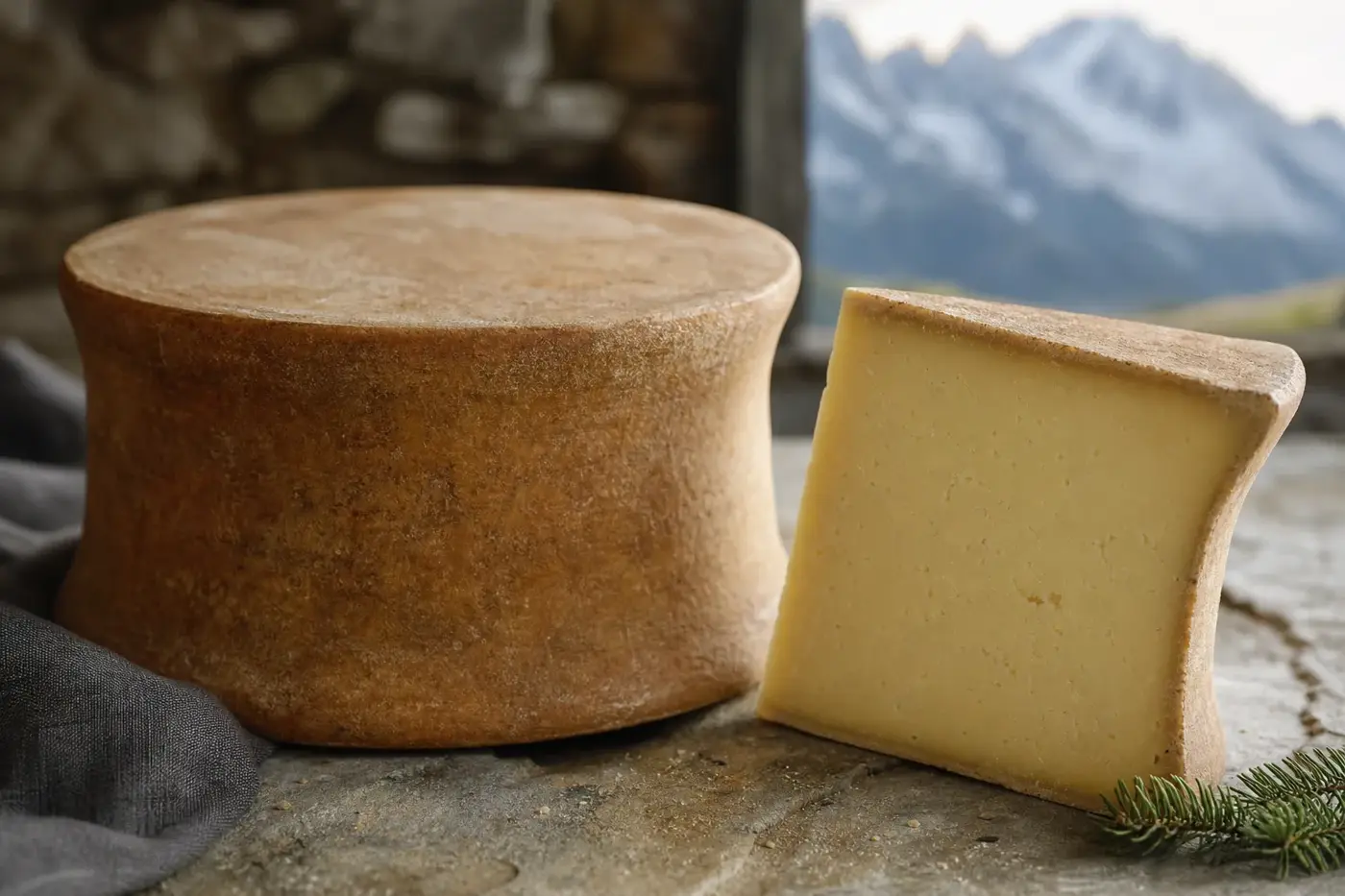
Cut through Bovški sir’s firm, smooth rind and you reach compact, elastic paste with sparse small openings. The specification describes the rind as grey-brown to muted beige. As the cheese ages, it grows firmer and more brittle, though not necessarily crumbly. [3]
An all-sheep’s-milk version has a specified flavour that is full, intense and slightly piquant. With the permitted cow or goat milk added, the specification describes a milder cheese. Ask which mixture you are tasting: this protected name allows more than one composition, with a flavour distinction to match. [3]
Tolminc: sweetness meets a piquant edge
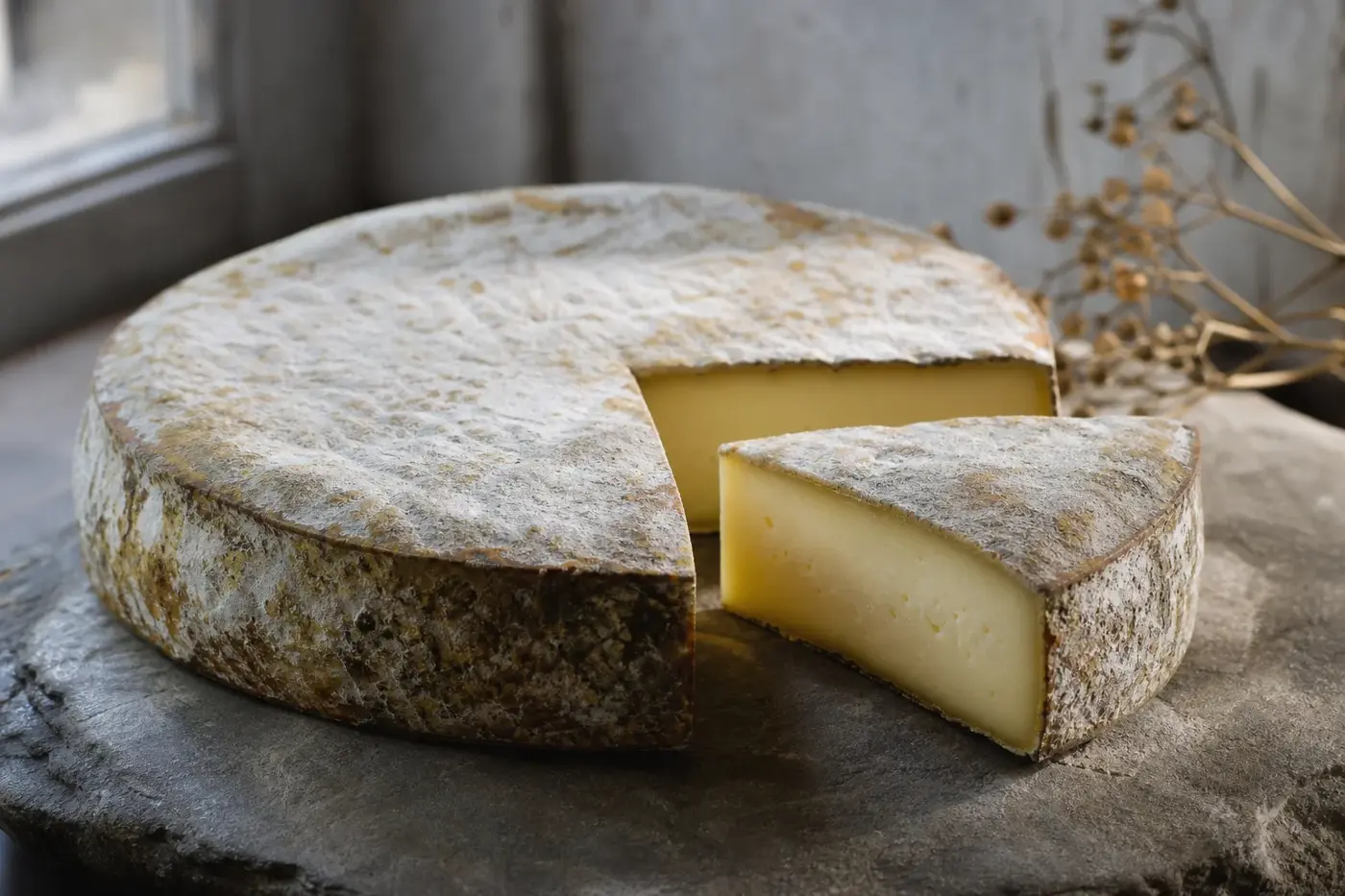
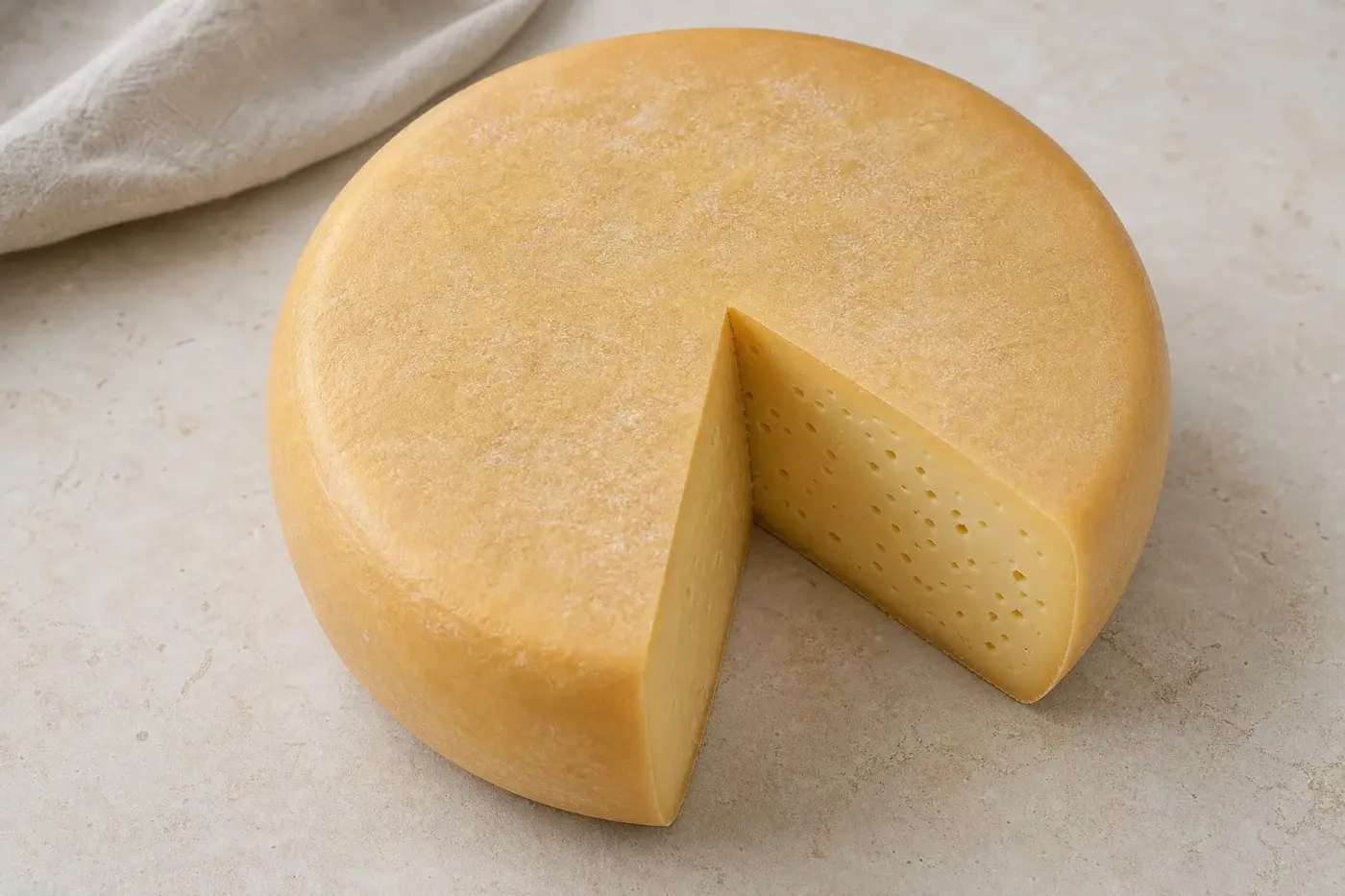
Beneath Tolminc’s smooth, straw-yellow rind, you find yielding yellowish paste. Openings about the size of lentils or peas dot the cheese. Its specified sweet-piquant flavour offers a contrast to the more forceful character described for Bovški sir. [4]
Ask about the milk treatment, too. Tolminc may use raw or thermised milk, and thermisation is a heat treatment distinct from pasteurisation. Keep those terms separate when you speak to the seller; they are not interchangeable. [4]
Mohant: take a little, and bring potatoes
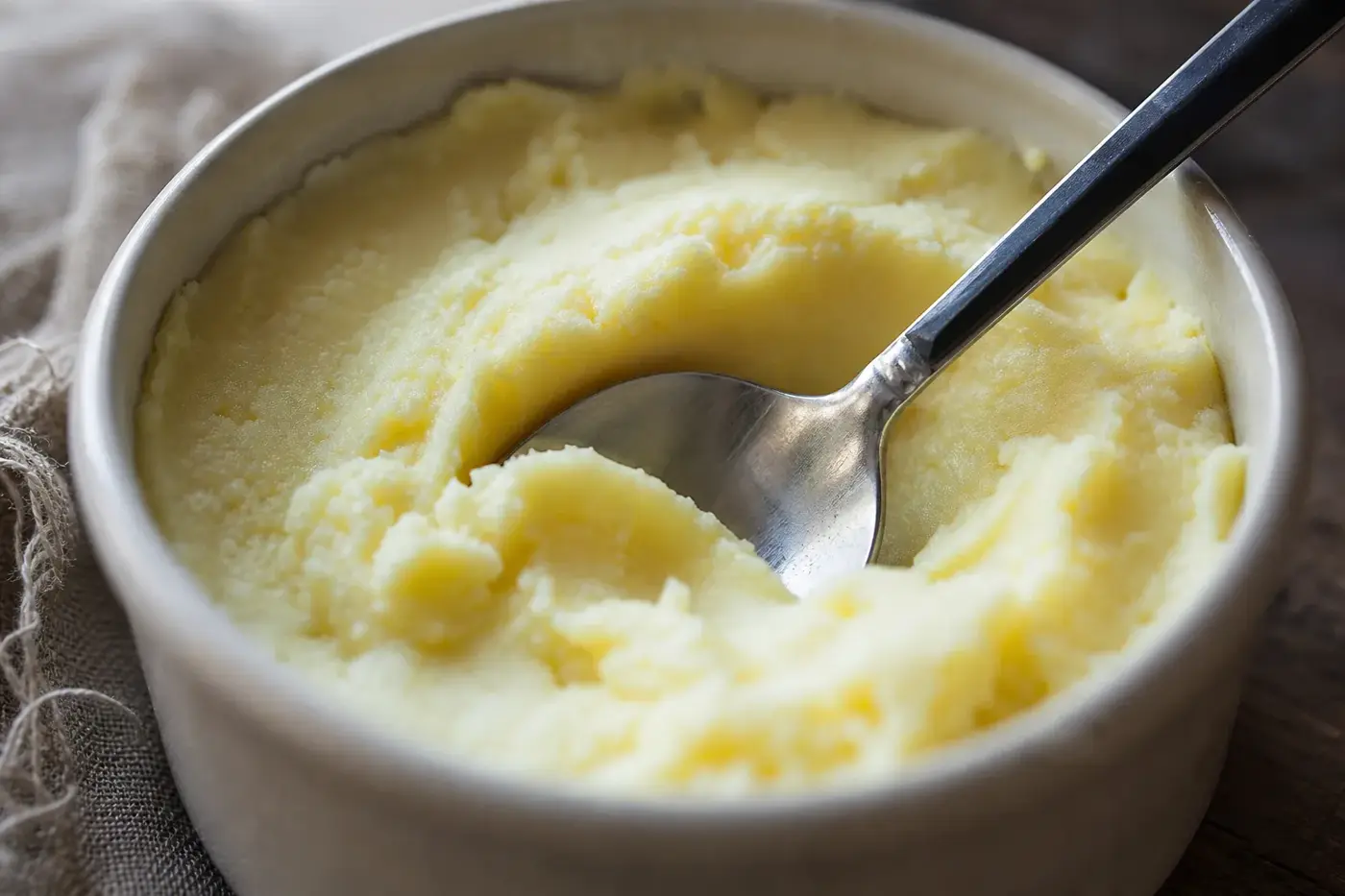
Mohant changes the pace of your tasting. Pale yellow to beige, its worked paste can be smooth, slightly lumpy and more or less spreadable. Expect a specified sharp, piquant character, sometimes with bitterness, and an increasingly powerful smell and flavour as maturation continues. [5]
Begin with a small amount beside the potatoes traditionally served with it in Bohinj. Their contrasting texture helps you appreciate this forceful cheese as part of a meal. Think of the potatoes as good company for a strong personality. [9]
Nanoški sir: keep this name on your list
You will find Nanoški sir on the Slovenian agriculture ministry’s list of EU protected designations of origin. [6] For its defined area, production rules and sensory character, turn to the current specification.
Trnič: admire the handiwork before your first bite
Small, hard and strongly salted, trnič is quite a different proposition from a slice of a large wheel. The Slovenian Tourist Board gives its ingredients as fresh curd cheese, cream and salt. Kamnik’s museum records historical smoking, so ask your maker how this particular example has been finished. [1][2]
Before you taste it, look closely at the decoration. Wooden pisave press repeated impressions into the soft surface. Those patterned marks make trnič a piece of pastoral craftsmanship as well as something you can eat. [1]
Istarski ovčji sir / Istrski ovčji sir: taste what age brings
This hard, full-fat sheep’s-milk cheese uses rennet, the ingredient that coagulates milk, and matures before sale. Its specification allows raw or pasteurised sheep’s milk. It can be marketed after at least 60 days of ripening, up to 12 months. [7]
If you get the chance, taste different ages side by side. Note the producer, milk treatment and maturation age alongside your impressions. Those details help you find a favourite again, rather than pursue the memory of an unnamed delicious slice.
Read the label, meet the place
Look for ZOP, the Slovenian abbreviation corresponding to protected designation of origin, or PDO. The agriculture ministry explains that the scheme connects production and processing within a defined area with characteristics arising from that area’s natural and human factors. Put simply, the place and its people matter to the name. [6]
The registrations below belong to the EU scheme. Take the names, origins and production details to the cheese counter, where they will help you ask more precise questions. [6][8][13]
| Name to look for | EU designation, November 2026 | Where it belongs | What goes into it |
|---|---|---|---|
| Bovški sir | PDO. [6][13] | Delimited Bovec mountain area. [3] | Raw sheep’s milk; no more than 20% cow or goat milk combined; minimum maturation 45 days. [3] |
| Tolminc | PDO. [6] | Defined Upper Soča Valley area around Tolmin, Kobarid and Bovec. [4] | Raw or thermised cow’s milk. [4] |
| Mohant | PDO. [6] | Delimited Bohinj area. [5] | Raw cow’s milk; seasonal maturation differences described in the specification. [5] |
| Nanoški sir | PDO. [6] | Consult the current specification | Consult the current specification |
| Istarski ovčji sir / Istrski ovčji sir | PDO. [8] | Defined cross-border Istrian area in Croatia and Slovenia, including specified islands. [7] | Raw or pasteurised sheep’s milk; minimum maturation 60 days. [7] |
You may spot either wording of the joint Istrian name. Istarski ovčji sir is Croatian and Istrski ovčji sir is Slovenian; both belong to the same registered name. The registration act was adopted on 3 December 2025 and published on 10 December 2025, with entry into force on the twentieth day after publication. [8]
A regional description tells you where a cheese was made. A protected designation goes further: its name is governed by a particular specification and certification requirements. Look for the exact designation, because being made in the surrounding district does not itself give a cheese protection. [6]
Want to untangle geographical origin from traditional-speciality protection? You can follow the wider distinction in protected names explained.
Pull up a chair at the Slovenian table
Start with Mohant and potatoes. The Triglav National Park authority records this Bohinj combination, a straightforward local dish that gives the cheese’s forceful character a place at the table. It is an inviting introduction if you find a spoonful tasted alone rather powerful. [9]
On Velika planina, follow the bread. The Slovenian Tourist Board describes local cheeses and spreads served with homemade bread. Its account also includes a contemporary restaurant dish of filled pasta combining trnič, fresh curd cheese and garlic. [2]
Try both approaches: cheese plainly served with bread, then the same cheese within a regional dish. Ask the restaurant for the cheese’s name and its maker. “Local cheese” becomes much more useful when you can recognise it and seek it out again.
The same tourist board account includes Slovenian wine pairings. [2] These are for adults of legal drinking age; people who are pregnant, driving, taking medicines that interact with alcohol or recovering from alcohol dependence should not drink. Choose an alcohol free drink instead, or, where appropriate, ask for a small serving of local wine. For more on matching flavours, visit the cheese and wine pairing guide.
Meet the herders and dairies behind the cheese
Step into the Museum of Alpine Dairy Farming in Stara Fužina and you are inside a former village cheese factory. Original equipment survives, while documentary material follows mountain cheesemaking, pastoral settlements and the transport of dairy products down to the valley. The practical work of pastoral life remains firmly in view. [11]
Even the herds have changed. The Tolminc specification describes the earlier importance of Cika cattle and the later role of Brown cattle, whose milk now has a specified place in production. You are tasting a tradition that has continued through changes in both animals and agricultural organisation. [4]
Trnič’s story is more fragile. Kamnik’s museum records a gradual decline in making the cheeses and their stamps after the Second World War, but also documents the tradition’s survival. [1] Today, the Velika planina operator describes museum visits with a trnič-making demonstration, bringing the craft into a visitor setting. [10]
If your journey allows, make time for both a museum and a producing dairy. The museum helps you understand equipment and former working life. At the dairy, you can ask how this season’s milk is being handled.
Plan a journey with cheese at its heart
Let geography and season lead you. Begin around Bovec and the Upper Soča for Bovški sir and Tolminc, then head to Bohinj for Mohant. The national park’s summer visitor guide connects these cheeses with local farming and visits to mountain pastures. [9][14]
Summer is the time to investigate working pasture dairies. Before you set out on foot, consult official local visitor information and check the route and weather. Confirm that the dairy welcomes visitors and will make or sell cheese on your intended date. Ask about accessibility and booking requirements where relevant.
For Velika planina, contact the plateau operator about the Preskar Museum and trnič demonstrations. The published experience is seasonal. Confirm current arrangements rather than building your trip around an undated account. [10]
You need not reach a mountain dairy to enjoy a good tasting. Farm shops, markets and restaurants offer alternatives when your journey does not allow one. At a market, ask where the cheese was made, which milk it contains and whether the name is certified. In a restaurant, request a local cheese plate with every cheese individually identified.
Food festivals can bring several producers together in one place. Before making a special trip, ask the destination’s official tourist office for the current programme and participating cheesemakers’ names. Consult producers’ own information for availability, and keep a second tasting option nearby.
Buying cheese in pregnancy: know what to ask
Establish the milk treatment when you buy, especially with loose cheese or a restaurant serving. The guide to reading cheese labels helps you distinguish the food’s name from the other information on its packaging.
For the UK, NHS guidance from November 2026 lists hard cheeses made with pasteurised or unpasteurised milk among foods that can be eaten during pregnancy. For other cheeses and milk products, consult its current guidance, including the cooking instructions. [12]
Use the current NHS guidance linked below, or the official guidance where you live. Ask your midwife or doctor about your circumstances, and establish the product’s milk treatment and cheese type with the seller. Those details let you apply the guidance to the cheese in front of you. [12]
General information only, not medical advice: follow the official guidance where you live.
Questions people ask
Which Slovenian cheeses should I try first?
Try Tolminc, Bovški sir and Mohant together. Their flavours progress from sweet and piquant to intense, then pungent and sometimes bitter.
Is Bovški sir always made entirely from sheep’s milk?
No. Cow or goat milk may be added, but together they must make up no more than 20% of the total.
What is trnič and how is it decorated?
Trnič is a small, hard, strongly salted cheese made from fresh curd cheese, cream and salt. Herders pressed patterns into the soft cheese using carved wooden tools called pisave.
How is Mohant traditionally served?
In Bohinj, Mohant is traditionally served with potatoes. The cheese is pale yellow to beige, spreadable and sharp, with a sometimes bitter flavour.
What does ZOP mean on Slovenian cheese?
ZOP is the Slovenian abbreviation for protected designation of origin, or PDO. The scheme links production and processing within a defined area to characteristics arising from that area’s natural and human factors.
Sources
- Medobčinski muzej Kamnik, Pisave za trniče, Velika planina, prva polovica 20. stoletja, 17 October 2018. Museum object and heritage account.
- Slovenian Tourist Board, Experience the idyllic life of shepherds in a pasture, undated account retrieved November 2026. This is a tourism account with a promotional purpose. Published account.
- Društvo rejcev drobnice Bovške, Specifikacija za Bovški sir, October 2023, published by the Slovenian agriculture ministry. Product specification.
- Sirarsko društvo Tolminc, Potrjena specifikacija za Tolminc, 5 January 2012, published by the Slovenian agriculture ministry. Product specification.
- Sirarsko društvo Bohinj, Mohant, confirmed specification, 1 October 2012, published by the Slovenian agriculture ministry. Product specification.
- Slovenian Ministry of Agriculture, Forestry and Food, Sheme kakovosti in zaščiteni kmetijski pridelki in živila, live official guidance retrieved November 2026. Quality schemes and specification index.
- European Commission, Single document: Istarski ovčji sir / Istrski ovčji sir, EU No PDO-HR+SI-02859, Official Journal C/2025/4514, 11 August 2025, sections 3 to 5. Published single document.
- European Commission, Commission Implementing Regulation (EU) 2025/2496, adopted 3 December 2025, published 10 December 2025. Registration act.
- Triglav National Park, Typical local products, undated official account retrieved November 2026. Cheeses and local serving customs.
- Velika planina, Visit to the Preskar Museum and Trnič Cheese-Making Demonstration, undated operator information retrieved November 2026. Visitor experience information.
- Triglav National Park, The Museum of Alpine Dairy Farming, undated official visitor account retrieved November 2026. Museum description.
- NHS, Foods to avoid in pregnancy, live guidance retrieved November 2026, “Cheese, milk and other dairy”. Current UK pregnancy guidance.
- European Commission, Commission Implementing Regulation (EU) No 753/2012, adopted 14 August 2012, published 21 August 2012, registering Bovški sir as a PDO. Registration act.
- Triglav National Park, Summer visitor guide 2026, section “Three cheeses from under Mt. Triglav”, distributed by Bled Tourism. Visitor guide.
Researched through published specifications, EU registration legislation, Slovenian museum and national park records, official tourism accounts and NHS guidance; tasting descriptions are documentary, without a site tasting.
Last checked: November 2026
Last checked November 2026.
The cheeses of Slovenia
Tolminc
Your knife slips through a smooth, straw-coloured rind into yellow cheese that gives a little beneath the blade.
Mohant
First comes the aroma, penetrating enough to make you pause over the plate.
Nanoški Sir
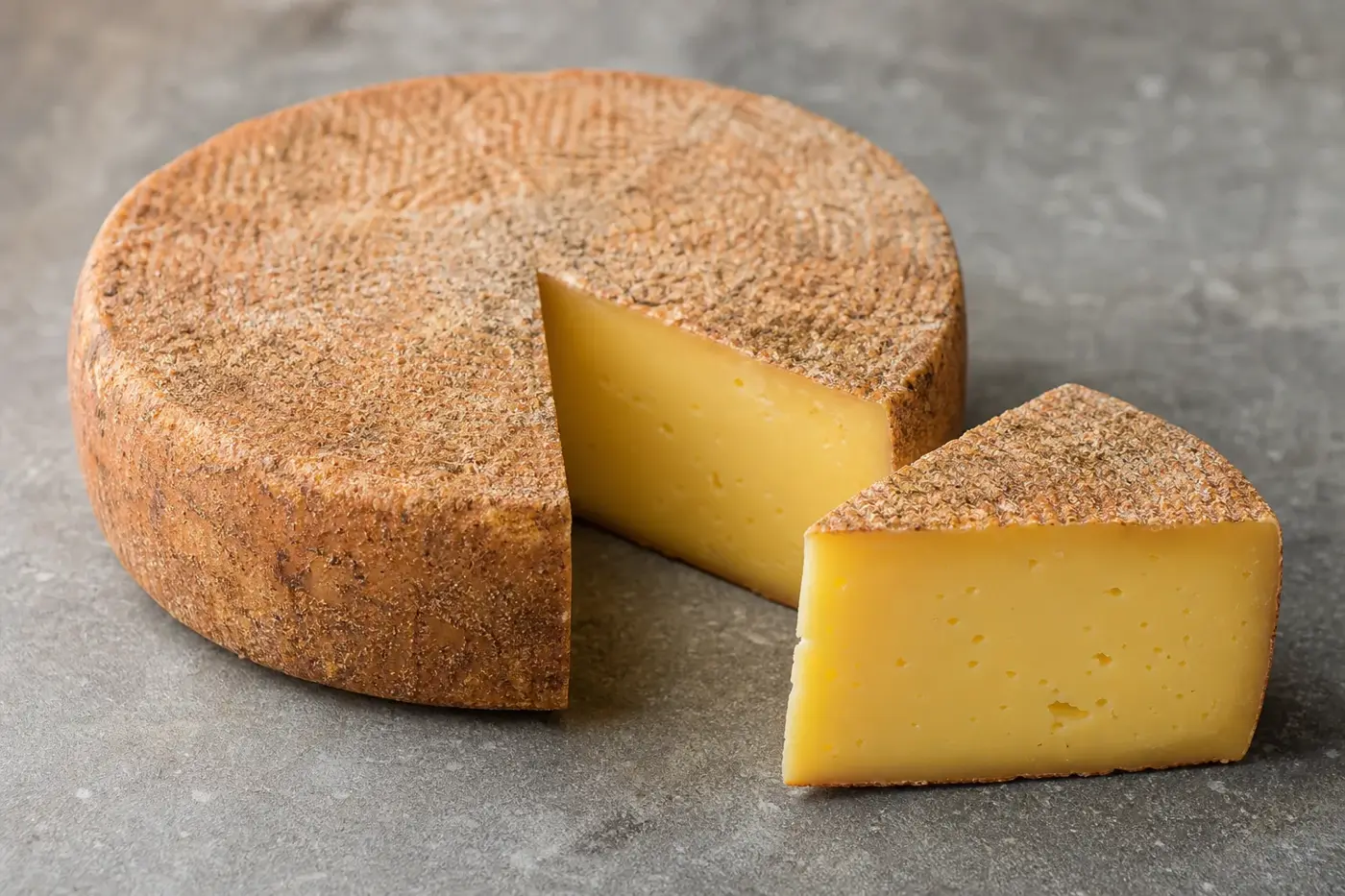
Picture rent day on the Nanos plateau in western Slovenia.
The editors suggest you read next
French Cheese: The Complete Guide
Picture Normandy’s pastures, then follow the milk towards the Loire’s goat dairies, the Jura’s shared cheesemaking traditions and the sheep country of the Pyrenees.