Templegall
In Whitechurch, County Cork, a brush sweeps across a great wheel of Templegall.
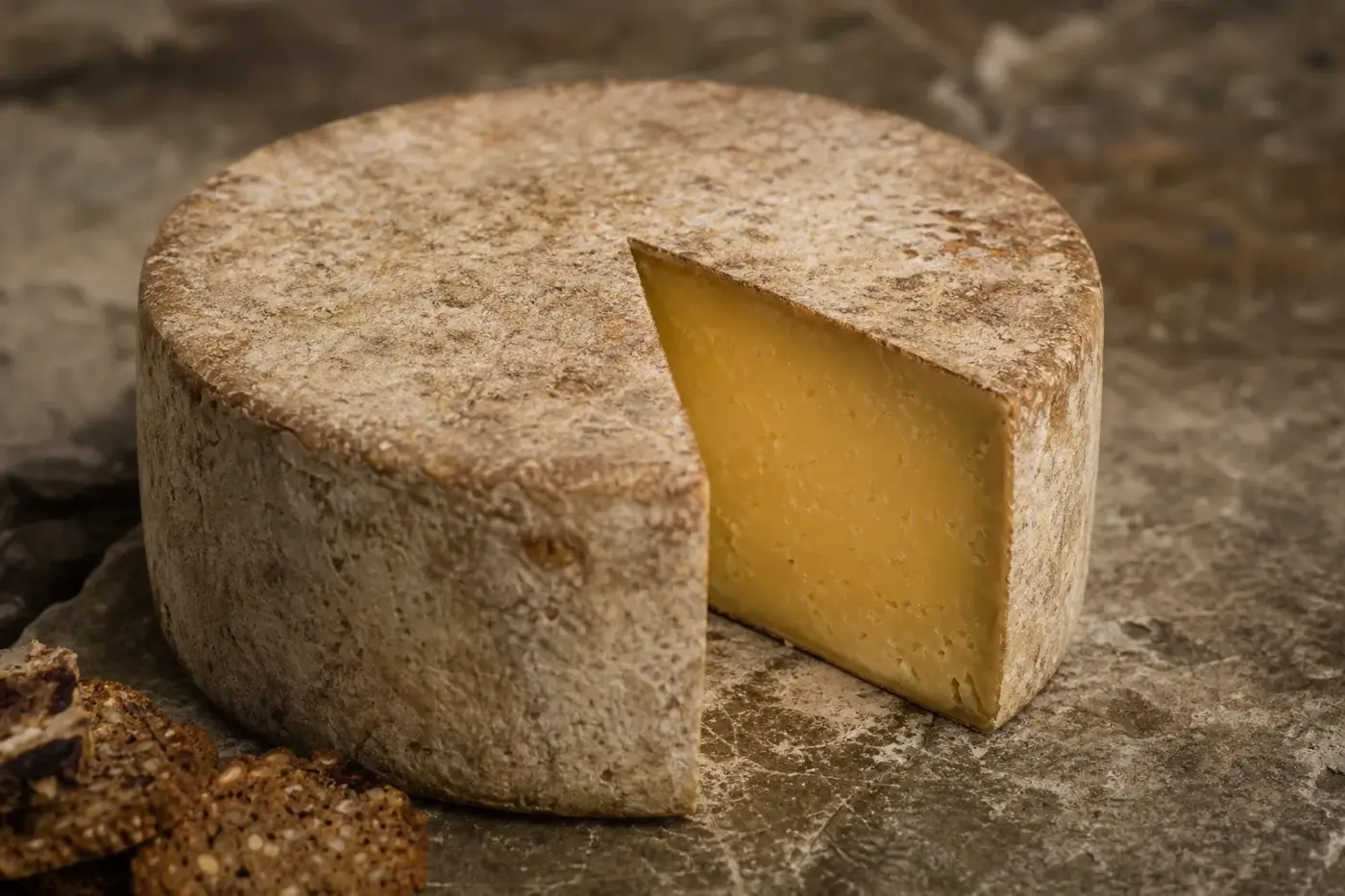
In Whitechurch, County Cork, a brush sweeps across a great wheel of Templegall. It happens three times a week, part of a patient routine that lasts at least nine months before you get a taste. Hegarty Cheese makes this firm, hard, Alpine-style cheese with raw cow’s milk from its own herd. For all that imposing size, its pleasures are gentle: sweetness, delicacy and nuts. [1][2][3]
Your first look at Templegall
| What you want to know | The details |
|---|---|
| Name | Templegall [1] |
| Who makes it, and where | Hegarty Cheese, Whitechurch, County Cork, Ireland [2] |
| Milk | Raw cow’s milk from the maker’s own Irish Friesian herd [2][3] |
| Style | Hard, Alpine-style cheese [3] |
| Wheel weight | Published accounts differ; ask about the wheel available now [1][4][5] |
| Rind | Natural; brushed three times weekly [1][4] |
| Time to mature | At least nine months; Extra Mature described at eighteen months minimum [1][3] |
| Ingredients listed by Neal’s Yard Dairy | Raw cow’s milk, salt, cheese cultures, vegetarian coagulant, lysozyme (egg) [5] |
A Cork name with Alpine ambitions
The name brings you to Cork, rather than a mountainside. Hegarty says Templegall comes from An Teampall Geal, the Irish name it gives for Whitechurch. Here, on the edge of Cork city, the family farms and makes cheese. [1][2]
The maker dates its cheesemaking to 2001. Only milk from its own herd goes into its cheeses, keeping the farm and dairy closely connected. Follow Templegall from morning milking to finished wheel and that connection runs right through it. [2]
Cheddar came first. With Templegall, the dairy took another direction: Hegarty calls it Swiss-style, while CÁIS, the Association of Irish Farmhouse Cheesemakers, describes it as hard and Alpine-style. A French cheesemaker joined the team in 2016, adding French cheesemaking experience to the family enterprise. [1][2][3]
From the milking parlour, straight to the vat
The milking parlour stands immediately beside the cheesemaking room. Milk can go straight into the vat, a journey with very little scope for a scenic detour. In the maker’s account published by CÁIS in April 2024, Templegall Extra Mature was made with that morning’s milk during summer, while the cows grazed outdoors. Hegarty identifies its herd as Irish Friesians. [2][3]
Summer production has a particular meaning here. Milk from grazing cows becomes cheese on the farm during that season. Neal’s Yard Dairy also describes Templegall as a summer-milk cheese, while Bord Bia lists it as available throughout the year. You need not confuse the making season with the buying season. [4][5]
Look closely at which Hegarty cheese you choose. Templegall starts with raw milk; the maker describes its Cheddar separately as made with pasteurised milk. For a guide to those treatments, turn to raw milk, thermised and pasteurised cheese. [4]
The heat, the press and the long wait
“Cooked” describes a stage in the dairy, not something you need to do before eating. CÁIS records the maker describing Templegall as a cooked, pressed cheese. Its curds, the coagulated milk solids, are heated during cheesemaking, releasing liquid called whey. That heating stage helps explain the Alpine connection. [3][6]
Tetra Pak’s Dairy Processing Handbook sets out the general hard-cheese process. Cultures acidify the milk, and a coagulant sets it into a gel. Cutting creates curd grains; stirring and heating encourage whey to leave them. Moulding gives the cheese its shape, then pressing brings the curd together: the principles behind cooked, pressed cheesemaking. [6]
Neal’s Yard Dairy lists cheese cultures and a vegetarian coagulant among Templegall’s ingredients. The coagulant sets the milk, performing the job that animal rennet does in other cheeses. If you would like to follow that transformation, explore how cheese is made. [5][6]
Once the wheels have their shape, they still need regular attention. Hegarty specifies brushing three times a week and maturation lasting at least nine months. Published wheel weights differ, so ask about the current format rather than relying on a single account. [1][4][5]
Extra Mature takes longer. The cheese in the 2024 CÁIS announcement had matured for a minimum of eighteen months. Keep nine months and eighteen months in mind when you reach the counter, but ask the age of the actual wheel. Each piece has had its own time to develop. [3]
You can also ask who has cared for it during maturation. That business is known as the affineur. Neal’s Yard Dairy describes an onward maturation project on specially built shelves at its Bermondsey arches, with the first batches ready in late autumn 2024. Its account distinguishes a younger, milder profile from a more intense mature one. [5]
Look at the rind, then the heart
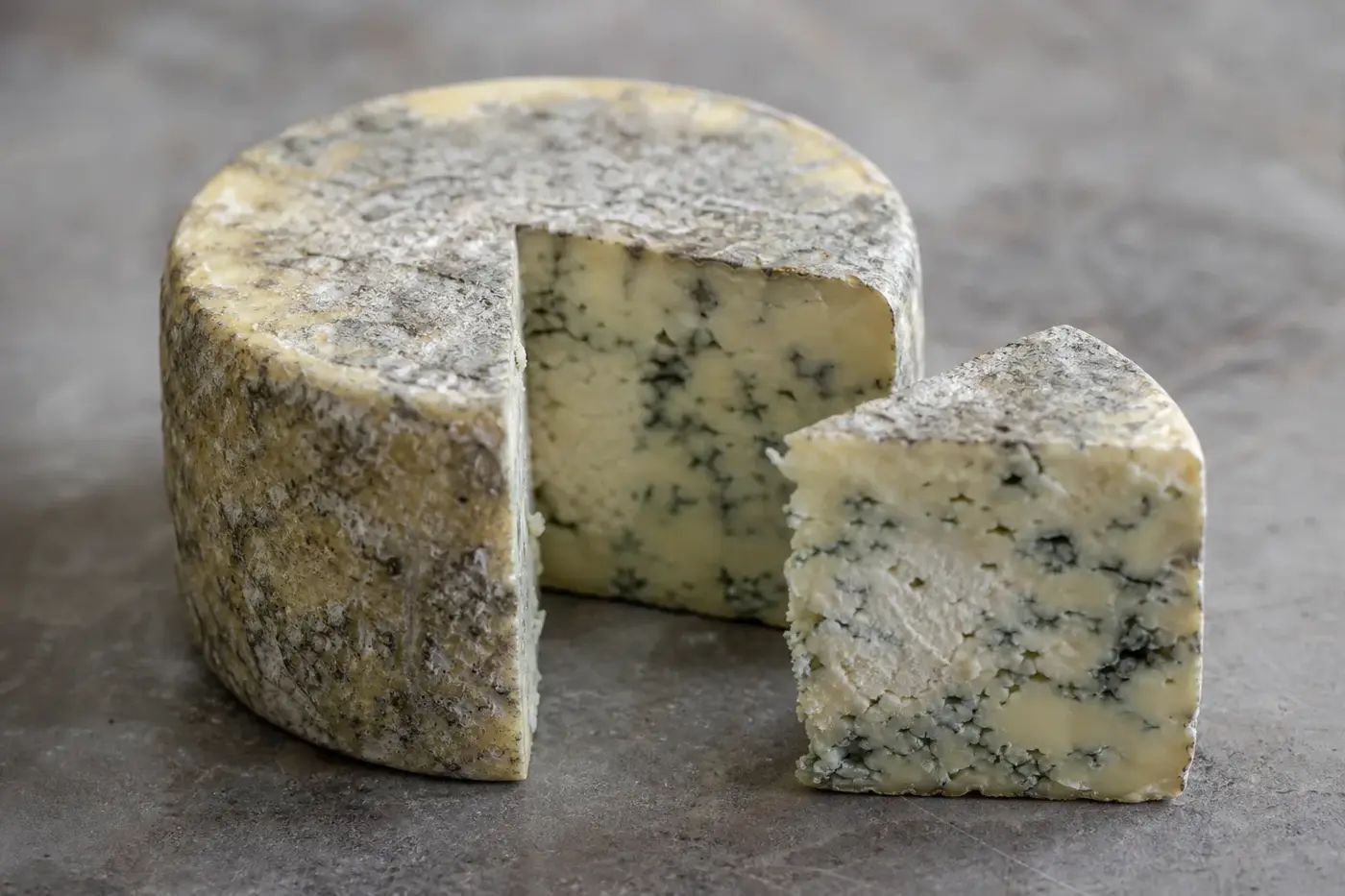
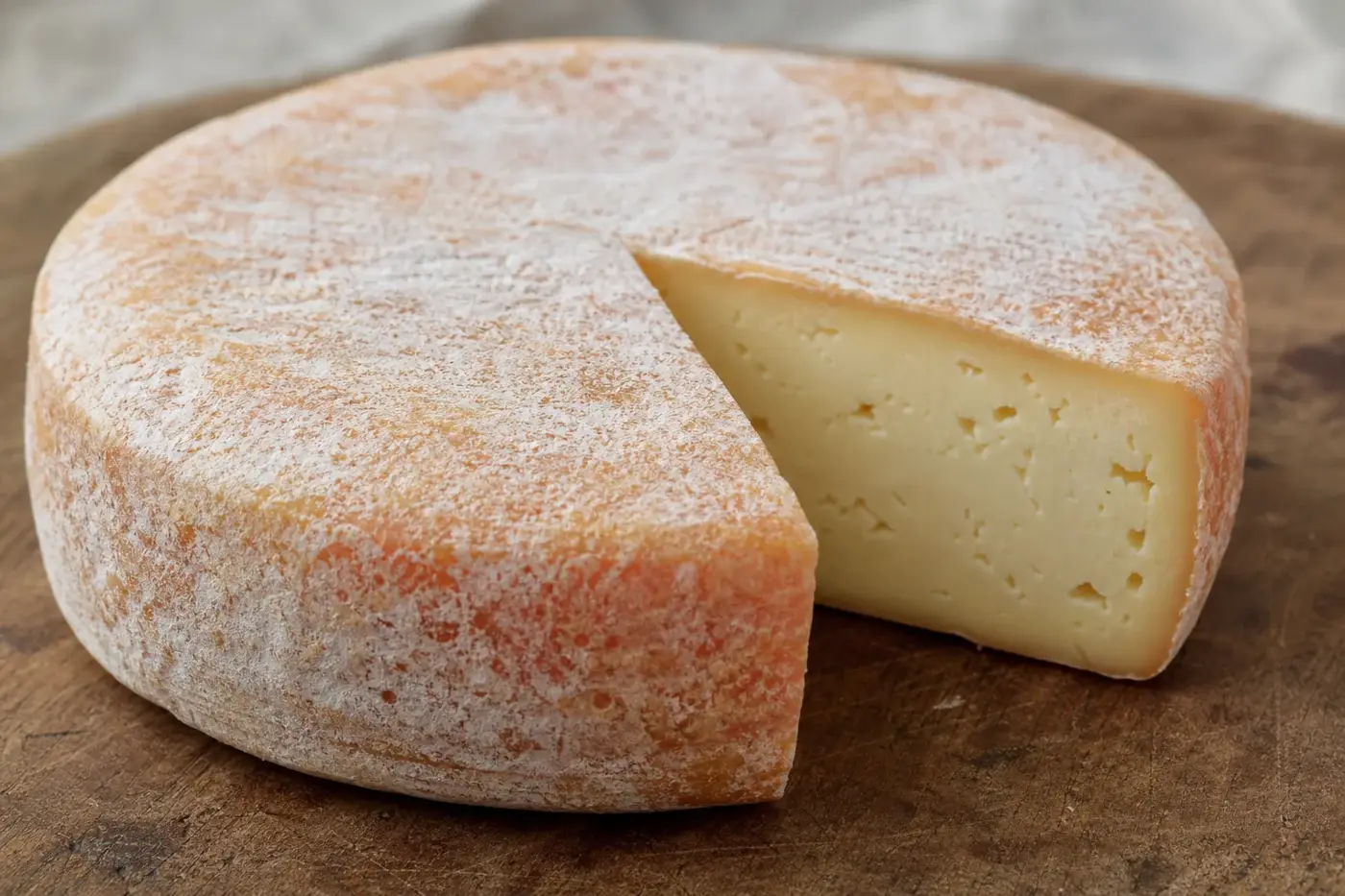
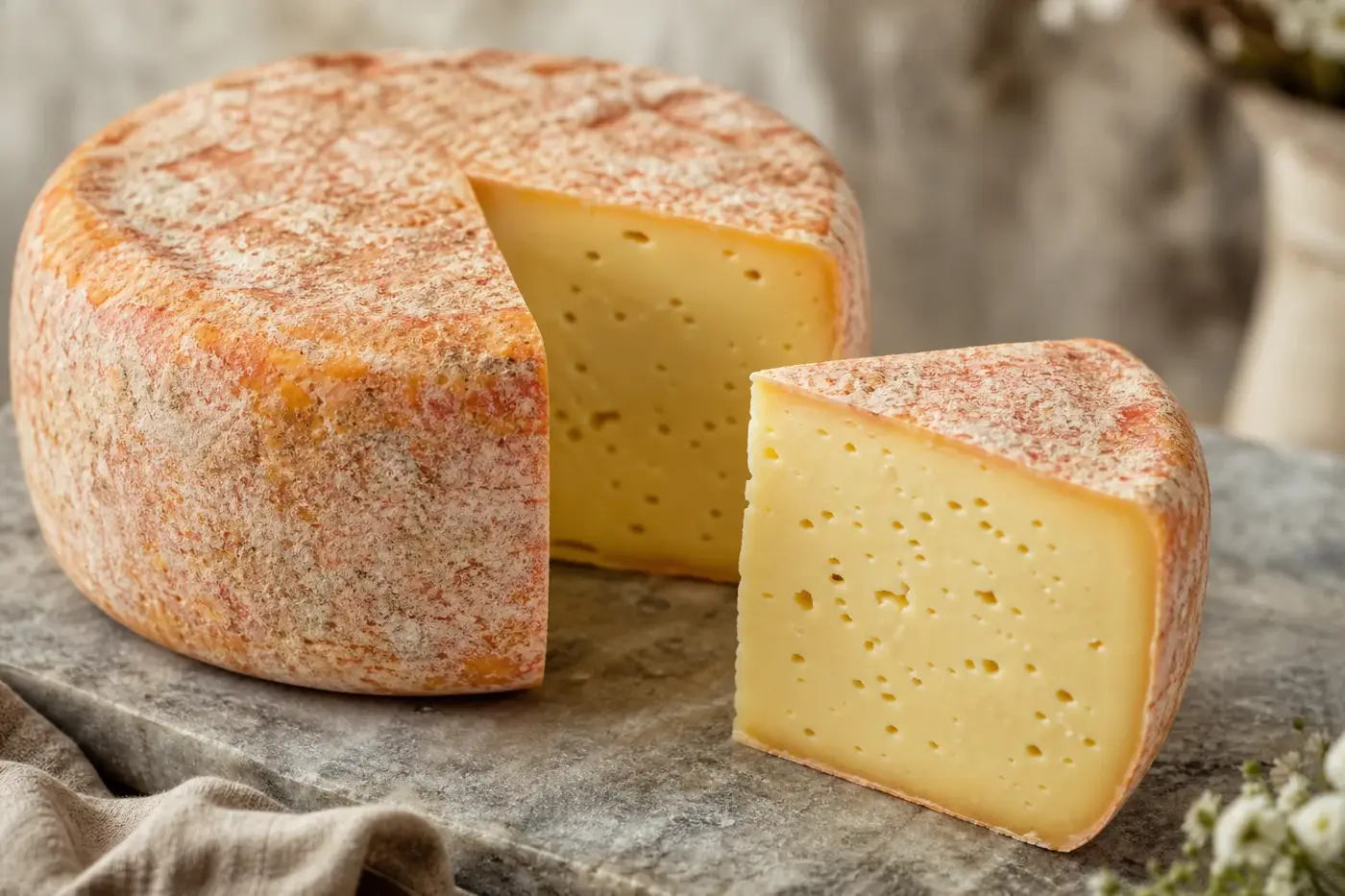
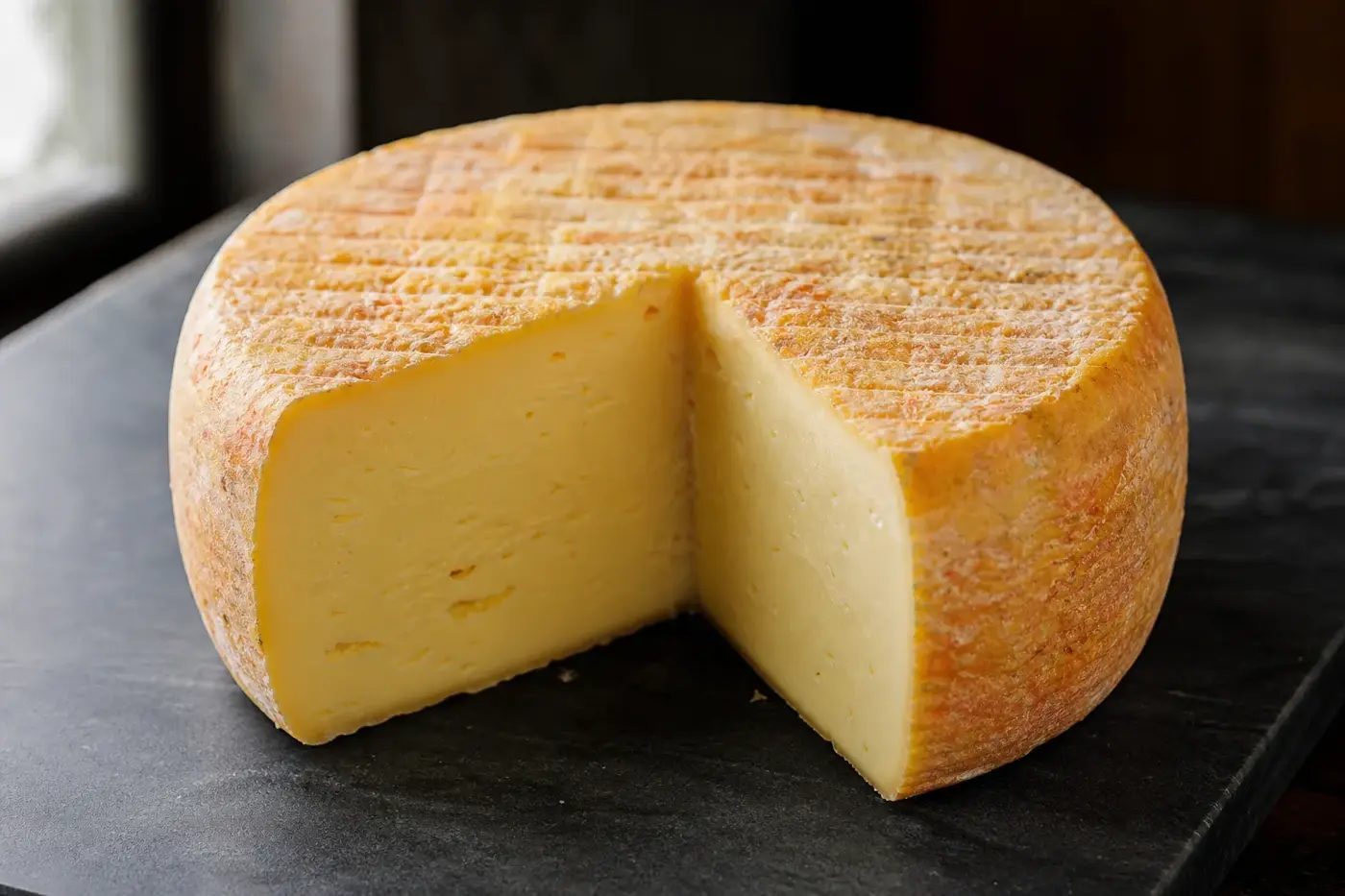
In the maker’s photograph, a thin, darker edge frames a pale yellow interior. The broad, round wheel sits low, its dry-looking rind mottled with tan and ochre. In a cut wedge, that edge contrasts with the dense-looking paste, the cheesemaking word for the interior. [7]
Bord Bia classifies the paste as hard and the rind as natural. For a better sense of texture, ask about the piece in front of you. Let it guide your expectations of aroma and texture, rather than expecting every wheel to give you precisely the same experience.
Size is worth a question, too. Hegarty, Neal’s Yard Dairy and Bord Bia give differing wheel weights. Ask which format you are looking at on the counter today. [1][4][5]
Make room for sweetness and nuts
Take your first taste slowly. Hegarty leads with sweetness and delicacy, followed by a nut-like flavour; Bord Bia calls Templegall balanced and nutty. Give those quieter qualities a moment before looking for strength. Cheese does not always need to raise its voice. [1][4]
Extra Mature gives you a broader set of tasting prompts. CÁIS describes fruit and earth, with suggestions of nuts and straw. Smell your piece, take a mouthful, then notice whether sweetness, savouriness or earthiness arrives first. What lingers after you swallow? [3]
Age does more than increase intensity. Ripening changes proteins and other constituents; the Dairy Processing Handbook identifies protein breakdown as particularly important to hard cheese’s consistency and taste. Compare two ages if you can. Look for changes in character, not simply which tastes stronger. [6]
The Extra Mature with a title to its name
Templegall Extra Mature became Supreme Champion at the CÁIS Irish Cheese Awards in 2024. It also won gold in the Raw Milk Cheese category, with Bord Bia’s results confirming both distinctions. Keep the full name in mind: Extra Mature was the winning entry. [8]
Another recognition belongs in a separate chapter. Templegall appears among Euro-Toques Ireland’s 2026 nominees in Dairy, Aged Cheese. The published category winner was Kylemore Farmhouse Cheese for Kinlahan Reserve. Templegall’s recognition here was a nomination. [9]
Let the delicate flavours lead
Begin with plain bread or an oatcake, then try apple or pear. These suggestions follow the maker’s description of a sweet, delicate cheese. Give Templegall a little space before introducing stronger flavours, and leave chutney to one side so you can adjust each mouthful. [1]
Try unsweetened apple juice or sparkling water alongside it. Alternate small tastes of cheese and drink, noticing whether the sweetness and finish remain clear. You are after a pairing that leaves those qualities easy to enjoy. [1]
For storage and serving, follow the label and consult the current advice from Ireland’s Food Safety Authority. [10]
If you would like a broader approach to matching your glass and plate, explore cheese and wine pairing.
Bring Templegall into the kitchen
Try thin slices in a toasted sandwich, shavings over warm potatoes or grated cheese over baked leeks. These starting points draw on Templegall’s documented hard texture and flavour, keeping the cheese recognisable in the finished dish. Taste a little first, then judge that piece’s saltiness before seasoning everything else. [1][4]
Age matters here as much as quantity. Taking your cue from Neal’s Yard Dairy’s younger and more intense profiles, try a younger piece for simple cheese toast and save a mature piece for a few shavings at the table. If you have both, taste them before choosing. Consider it preparation rather than picking at the ingredients. [5]
This page summarises published guidance from the official sources it cites. It is not medical advice. Guidance differs between countries and changes over time, so check the current source for where you live, and ask your doctor, midwife, pharmacist or dietitian about your own circumstances.
Store it carefully and know your label
Keep cut cheese covered and refrigerated. Follow the storage instructions and date supplied with it. The FSAI advises keeping ready-to-eat food separate from raw food, with clean utensils and surfaces. For wrapping and fridge organisation, see how to store cheese at home. [10]
Milk treatment is only one part of the label. Neal’s Yard Dairy’s Templegall declaration lists milk and lysozyme from egg, alongside a vegetarian coagulant. Read the information supplied with the particular piece you buy, especially for someone with an allergy. That declaration describes the product in that listing. [5]
A little more to explore
- How to Tell Cheese Styles Apart: Milk, Rind, Texture and Method: find a framework for comparing Templegall with other hard cheeses.
- How to Read a Cheese Label: get help with ingredients, milk treatment and the information supplied with a cut piece.
Questions people ask
What milk is Templegall made from?
Templegall is made from raw cow’s milk from Hegarty Cheese’s own Irish Friesian herd. The maker says only milk from its own herd goes into its cheeses.
How long is Templegall aged?
Templegall matures for at least nine months, and its wheels are brushed three times a week. The Extra Mature cheese described by CÁIS in 2024 had aged for at least eighteen months.
Does Templegall contain animal rennet or egg?
Neal’s Yard Dairy lists a vegetarian coagulant rather than animal rennet in its Templegall ingredients. Its declaration also includes lysozyme from egg, so check the information accompanying the particular piece.
What does Templegall taste like?
Hegarty describes it as sweet, delicate and nutty. CÁIS describes Extra Mature as having notes of fruit and earth, with suggestions of nuts and straw.
How can I serve or cook with Templegall?
Try it with plain bread or an oatcake, followed by apple or pear. The page also suggests thin slices in a toasted sandwich, shavings over warm potatoes or grated cheese over baked leeks.
Sources
- Hegarty Cheese. Our cheeses. Undated maker’s product descriptions, accessed November 2026.
- Hegarty Cheese. Our Farm. Undated maker’s farm and team account, accessed November 2026.
- CÁIS, Association of Irish Farmhouse Cheesemakers. The Winners Of The CÁIS 2024 Irish Cheese Awards Are Announced With Cork’s Hegarty’s ‘Templegall’ Retaining The Title Of ‘Supreme Champion’. Press release, 25 April 2024.
- Bord Bia. Hegarty Cheese. Undated farmhouse cheese profile, accessed November 2026.
- Neal’s Yard Dairy. Templegall. Undated product declaration and account of its own maturation work, accessed November 2026. Commercial cheesemonger and affineur source.
- Tetra Pak. Dairy Processing Handbook, chapter 16: Cheese. Online edition, accessed November 2026. Technical reference published by a dairy-processing equipment supplier.
- Hegarty Cheese. Templegall product photograph, displayed on Our cheeses. Undated image, examined November 2026.
- Bord Bia. Irish Cheese Awards 2024. Results for the awards held on 24 April 2024.
- Euro-Toques Ireland. Euro-Toques Ireland Food Awards 2026: Celebrating 40 Years of Community at the Table. Organiser’s report and nominee list, 2026.
- Food Safety Authority of Ireland. Safe Food to Go. Online booklet, edition date not stated in the retrieved text, accessed November 2026.
Researched through the maker’s published accounts, official Irish food-sector and award records, an affineur’s product declaration, a technical handbook and Irish food-safety guidance; serving and cooking suggestions are editorial synthesis.
Last checked: November 2026
Last checked November 2026.
The editors suggest you read next