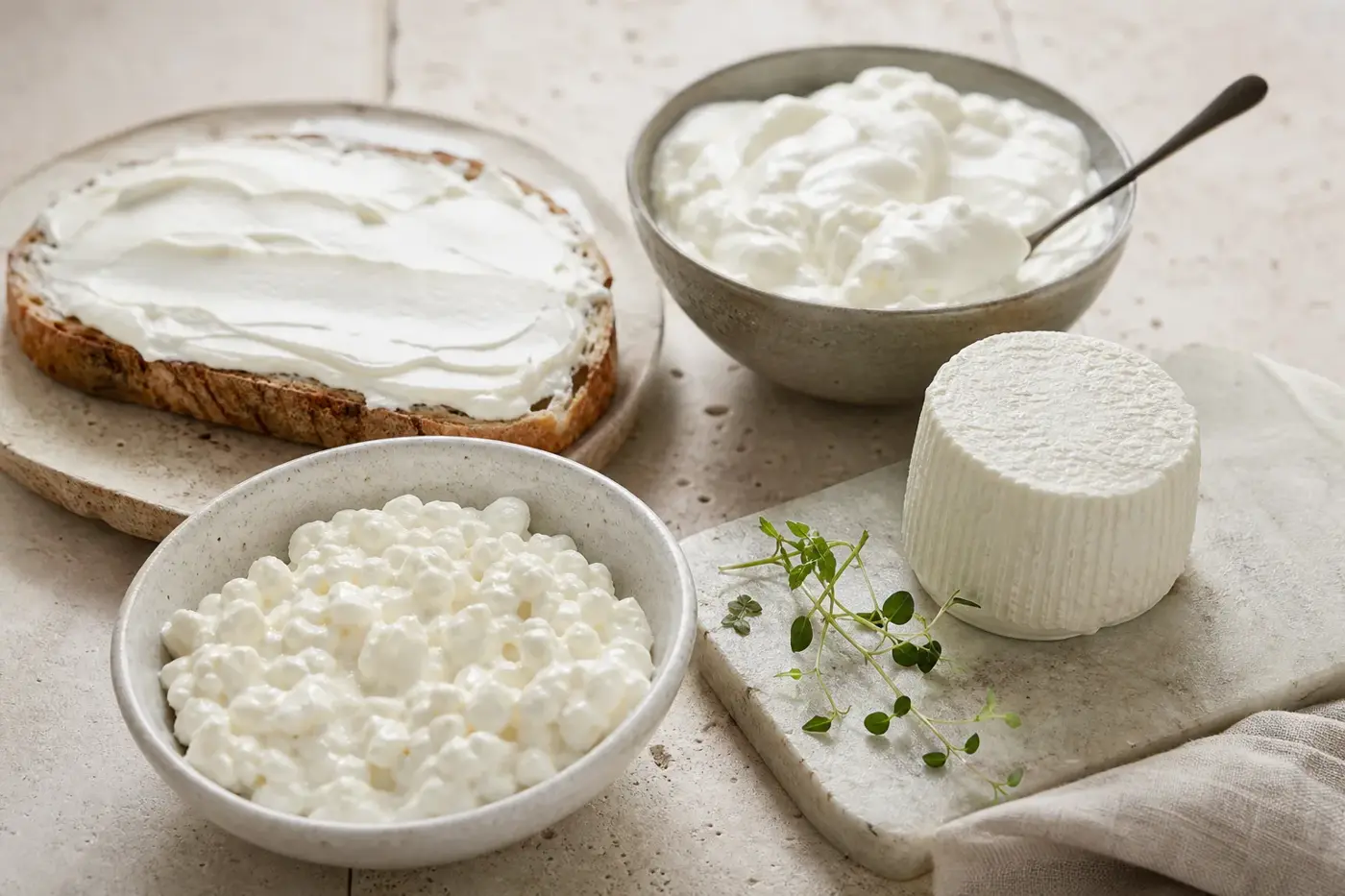
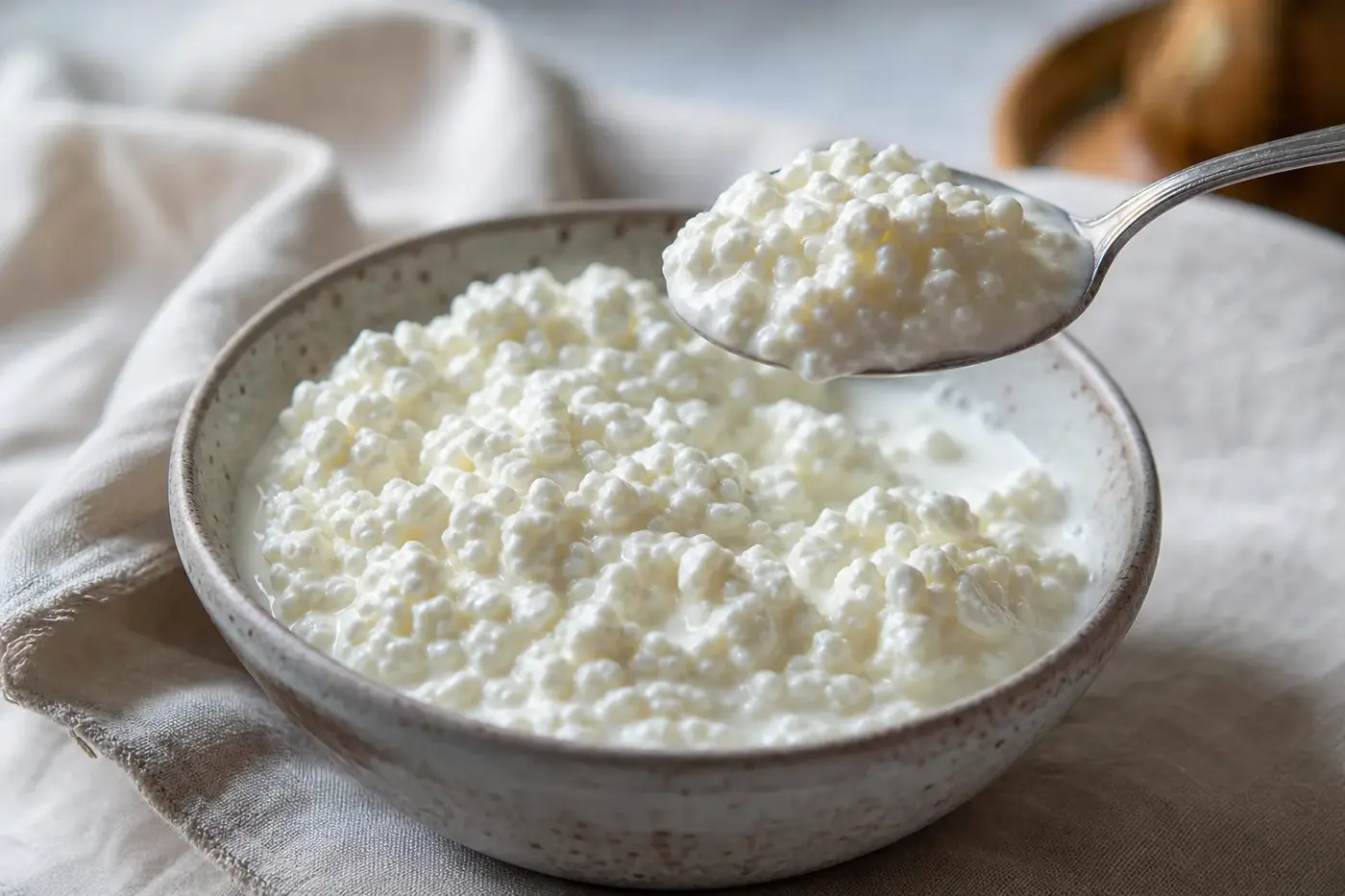
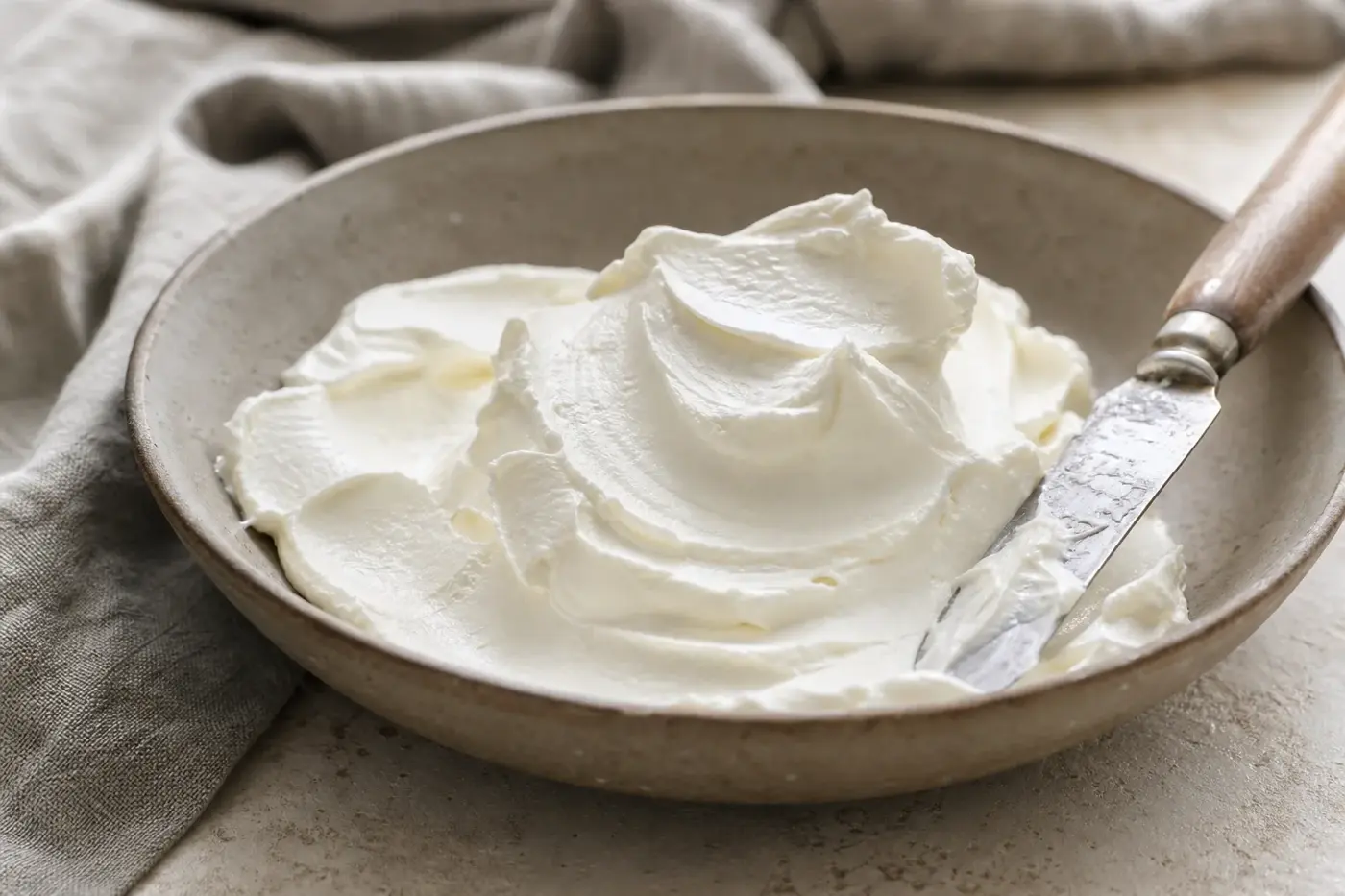
Whey Cheeses Explained
Watch a vat of heated whey and you will see delicate curds rise to the surface, ready to be lifted and drained.
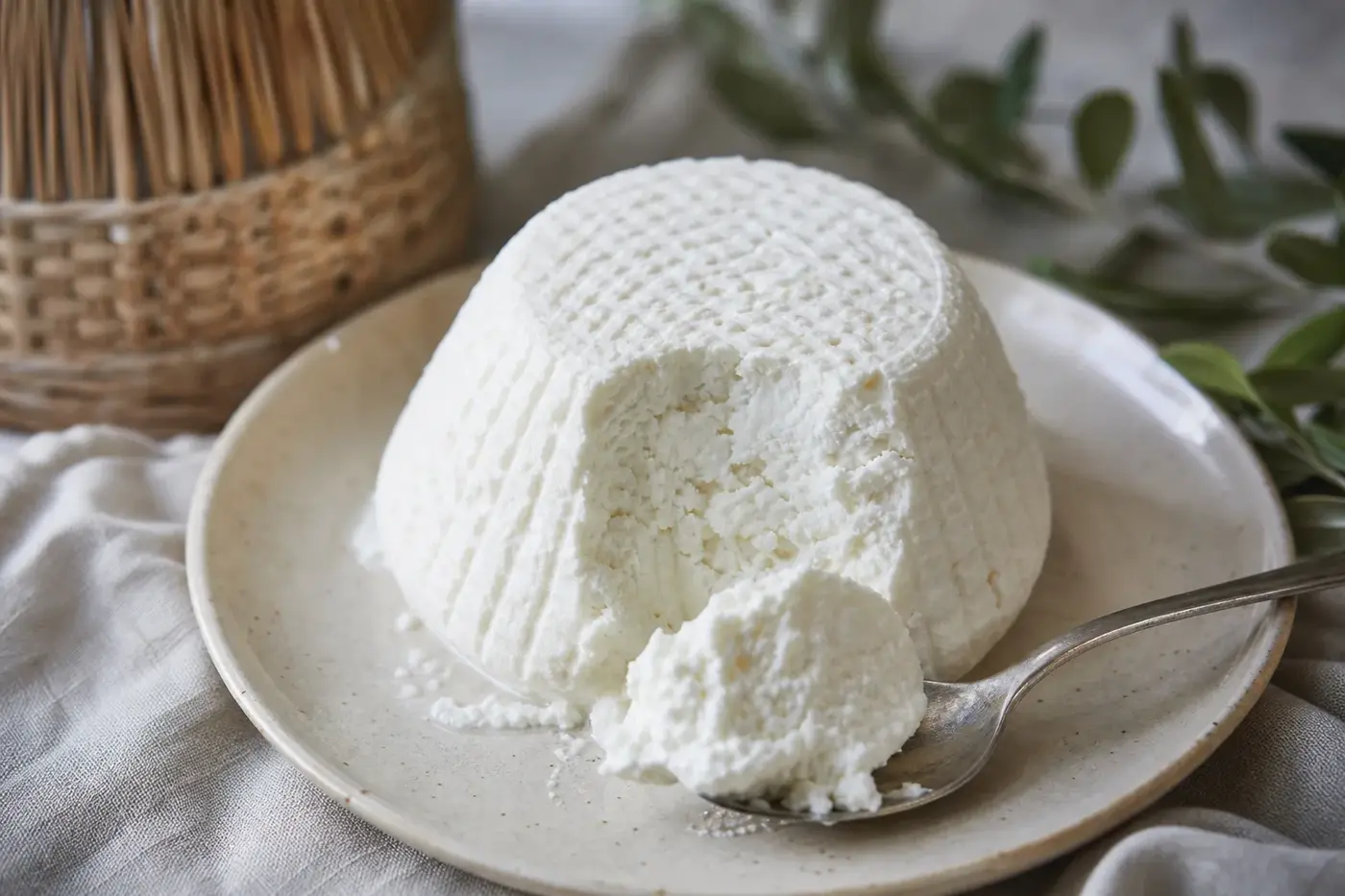
Watch a vat of heated whey and you will see delicate curds rise to the surface, ready to be lifted and drained. In Norway, that liquid can take another path, boiling down into the dense, brown products called brunost. Both begin with what another cheese leaves behind. For a cheesemaker, the story is far from finished.[2][3][8]
After the curds leave, there is more to come
Once milk has coagulated, or turned into a gel, the solid curds are separated. The liquid left behind is whey. Those first curds take much of the milk's casein, its main protein group, but the whey still holds other milk proteins, lactose, minerals and some fat. There is plenty here for a maker to work with.[2][3]
The Codex Standard for Whey Cheeses, CXS 284-1971, recognises two routes. You can concentrate whey and mould the concentrate, or coagulate whey with heat, with or without acid. Both routes allow added dairy ingredients. Codex is an international reference standard, though its wording does not automatically become law in every country.[1]
Want to follow the story from the first vat? Start with how cheese is made. Here, you are following the liquid after those first curds leave.
A little heat brings the curds together
Heat makes whey proteins join together, a process called aggregation. In a whey cheese such as ricotta, two important players are beta-lactoglobulin and alpha-lactalbumin. Acid can help gather those aggregates into curds the maker can collect. The starting acidity, protein concentration and heating conditions all influence what you get.[3]
The Wisconsin Center for Dairy Research describes curds floating into a surface layer, ready to lift and drain. Its guidance records a first rise without added acid, then a coarser second rise after acidification. Change the conditions and you change the curd.[2]
A 2014 study compared four protein concentrations in sheep's whey mixtures. Researchers concentrated the whey using ultrafiltration, then used cream to adjust the fat-to-protein ratio. Greater protein concentration improved protein recovery and ricotta yield in that experiment. What was in the liquid mattered alongside how the maker handled it.[3]
What milk and cream bring to your spoon
Added milk can improve curd recovery and yield, according to the Wisconsin dairy research guidance. It also notes that ricotta may be creamed before packing.[2]
More fat can bring a fuller mouthfeel. The balance of milk proteins and the amount of draining also affect how firmly the cheese holds together. Think about your dish: a spoonable topping has a different job from a filling that needs to keep its shape. Nobody wants a filling with ambitions to become a sauce.[3][5][7]
Ricotta has more than one beginning
You might recognise ricotta as a whey-curd cheese, but the name alone does not tell you the recipe. Dairy research guidance covers both whey-based and whole-milk ricotta. When a product is made primarily by coagulating milk, it starts with milk's casein as well as whey proteins. That is different from recovering proteins from an earlier cheesemaking vat.[2]
Ricotta Romana tells you something more precise. Its EU PDO, or protected designation of origin, describes a fresh product made from whole sheep's milk whey in Lazio. The official single document published in September 2026 describes a white, lumpy paste with a sweetish, milky flavour. That is Ricotta Romana's character, not a promise made by every tub called ricotta.[4]
Meet brocciu in Corsica and requeijão in Portugal
In Corsica, Brocciu corse, also called Brocciu, begins with the cheese made before it. The published specification calls for whey from rennet-set sheep's or goat's milk curds. Fresh whole sheep's or goat's milk goes in before further heating and draining. Production takes place in Corsica.[5]
INAO, France's official origin institute, identifies Brocciu as an AOP product. Its description gives you a slightly salty cheese that firms up as it loses its freshest softness. You can find it fresh or matured as brocciu passu. INAO also records its place in Corsican omelettes, tarts and fritters.[6]
Portuguese requeijão also appears among the fresh whey cheeses discussed in dairy research. When you choose it, read the full name and ingredients: a regional product's specification belongs to that product, not every cheese with a related everyday name. For the difference between a style and a registered name, turn to protected names.[7]
Brunost follows a darker, sweeter path
With brunost, the maker does not lift pale curds from whey. Norwegian Agricultural Agency guidance describes boiling whey down, sometimes with added milk, and distinguishes brunost products according to how they are made. Rather than removing a layer of precipitated curd, the maker keeps concentrating the mixture.[8]
As water evaporates, the retained dairy solids become concentrated. Codex describes concentrated whey cheeses as typically yellowish to brown, with sweet, cooked or caramelised flavours and relatively high lactose content. That dense body and cooked sweetness give you something quite different in the kitchen from soft, white whey curds.[1]
The Norwegian agency's reporting guidance also separates firm brunost from products with a spreadable, prim-like consistency. That administrative grouping serves a different purpose from Codex's description of how whey cheeses are made.[8]
Find the texture that tempts you
Start with the big question: fresh curd or concentrated product? Ricotta Romana's specification describes a sweetish milk flavour and small, visible lumps. INAO's account of fresh brocciu emphasises tenderness and slight saltiness, while concentrated whey products bring cooked sweetness.[1][4][6][7]
Draining, added dairy ingredients and maturation help explain why one cheese yields to your spoon and another holds firm. For a wider view, how to tell cheese styles apart puts these textures alongside rind, milk and manufacturing method.[1][4][6][7]
Let dinner help you choose
Read the ingredients first: does the list begin with whey, milk or a mixture? Then look for cream, salt and added flavourings. If you want a protected regional product, check the complete name rather than trusting a national flag or a familiar word. Before choosing your pack, read the storage instructions and consider how much you can use within its stated opening period.[9][10][14]
Give fresh whey cheese a chilled home
Keep chilled whey cheeses refrigerated and take out only what you need. The UK's Food Standards Agency guidance for England, Wales and Northern Ireland, as at November 2026, advises keeping your home fridge at 5 °C (41 °F) or below. Follow the pack's storage instructions too.[9]
After opening, follow any shorter consumption period on the label as well as the use-by date. Opening life depends on the product and packaging. Government date-labelling guidance draws a useful distinction: a use-by date concerns safety; a best-before date concerns quality.[9][10]
Discard fresh whey cheese if you find unexpected mould or a newly sour smell. A normal smell cannot establish safety after a use-by date, so do not taste it to decide. If your storage question goes beyond the pack, see how to store cheese at home.[10]
From the fridge to your next good meal
Fresh whey curds lend themselves to fillings, toppings and desserts. The research literature also records them in dips and pasta dishes. TINE, a commercial brunost producer, publishes recipes pairing brunost with mushrooms, berries and waffles. The suggestions below draw on those documented uses and flavour descriptions.[4][6][7][11]
| Your cheese | Try it with | What it brings to the dish |
|---|---|---|
| Fresh ricotta | Pasta, herbs and lemon zest | A filling or topping, with aromatic contrast to its milky flavour.[4][7] |
| Fresh brocciu | An omelette or vegetable tart | Uses recorded by INAO, with fresh cheese giving you a yielding filling.[6] |
| Fresh whey curd | Berries and a little honey | A dessert suggestion, with contrasting fruit over a soft curd base.[7] |
| Firm brunost | Waffles or a mushroom sauce | Both appear in TINE recipes, with cooked sweetness providing the accent.[11] |
If you are comparing the cheeses themselves, plain water is a useful starting point for drinks. Choose your accompaniments once you know the cheese's role. Are you after a soft filling, a salty note or concentrated sweetness? A tasting need not become a committee meeting, even if you do take notes.
Choose with your dietary needs in mind
Milk allergy and lactose intolerance are different conditions. The FSA describes food allergy as an immune response; the NHS describes lactose intolerance as difficulty digesting lactose, the sugar in dairy foods. Whey is still a milk ingredient. If you have a milk allergy, read the complete product information and follow your allergy team's advice rather than substituting another animal's whey.[12][13]
In the EU, Regulation (EU) No 1169/2011 lists milk and products thereof, including lactose, among declarable allergens. Article 21 requires their clear identification, with specific provisions where there is no ingredients list. Read the allergen information carefully. A short ingredient list does not establish that an allergen is absent.[14]
Lactose content depends on the process. Codex distinguishes the relatively high lactose levels of concentrated whey cheeses from the lower levels in precipitated whey curds. Neither category establishes a lactose-free claim for an individual product. Ask a dietitian or doctor about your personal dietary decisions.[1][13]
For pregnancy in the UK, NHS guidance as at November 2026 includes pasteurised ricotta among cheeses that can be eaten. Check your product's pasteurisation information and the current NHS guidance, and ask your midwife about your circumstances. A pasteurised label does not replace refrigeration or use-by instructions.[9][15]
Vegetarian suitability takes you back to the original vat. Whey can come from milk coagulated with animal rennet, and heating it into another curd does not change that provenance. Ask the maker about the original coagulant, not just the second heating stage. For the different sources, see rennet explained.[5]
General information only, not medical advice: follow the official guidance where you live.
Questions people ask
What is whey cheese made from?
Whey cheese starts with the liquid left after milk has been coagulated and the first solid curds have been separated. The whey can be concentrated and moulded, or heated to form another curd.
Is all ricotta made from whey?
No. Dairy research guidance covers both whey based and whole milk ricotta. Ricotta Romana has a protected designation of origin and is made from whole sheep’s milk whey in Lazio.
Why is brunost brown?
Brunost is made by boiling down whey rather than lifting curds from it. As water evaporates, the retained dairy solids become concentrated, producing a dense brown product with cooked sweetness.
How should I store fresh whey cheese?
The UK Food Standards Agency advises keeping a home fridge at 5 °C or below and following the pack’s storage instructions. After opening, follow any shorter consumption period on the label as well as the use by date.
Can I eat ricotta during pregnancy?
NHS guidance checked in November 2026 includes pasteurised ricotta among cheeses that can be eaten during pregnancy. Check the product’s pasteurisation information and the current NHS guidance, and ask your midwife about your circumstances.
Sources
-
FAO and WHO, Codex Alimentarius Commission. Standard for Whey Cheeses, CXS 284-1971. Revised 1999 and 2006; amended through 2022. Sections 2 and 3 distinguish concentration from heat coagulation and describe permitted dairy raw materials. Official standard.
-
University of Wisconsin-Madison, Center for Dairy Research. Dairy Pipeline, volume 11, number 1, Winter 1999. Ricotta discussion and manufacturing guidance, pages 8 to 11. University publication.
-
Agris Sardegna and Porto Conte Ricerche research team. Effect of whey concentration on protein recovery in fresh ovine ricotta cheese. Journal of Dairy Science, volume 97, issue 8, 2014, pages 4686 to 4694; DOI 10.3168/jds.2013-7762. The retrieved abstract reports the experimental mixtures, analytical methods and findings. PubMed record.
-
European Commission, Official Journal of the European Union. Publication of the communication of an approved standard amendment to a product specification of a geographical indication in accordance with Article 5(4) of Commission Delegated Regulation (EU) 2025/27. C/2026/4828, 17 September 2026. Ricotta Romana, reference PDO-IT-0298-AM01, including the updated single document. Official publication.
-
French Ministry of Agriculture and INAO. Cahier des charges de l'appellation d'origine « Brocciu corse » ou « Brocciu ». Approved by Décret n°2013-849 of 23 September 2013. Sections 3, 5.2 and 6 cover location, ingredients, coagulation, heating and the relationship to the original cheesemaking. Official specification.
-
INAO. Brocciu. Official product account and regulatory documents, undated live page, checked November 2026. Includes attributed sensory descriptions, fresh and matured forms, culinary uses and a notice concerning proposed specification amendments. Official product page.
-
Universidade Católica Portuguesa research team. Review: technology, chemistry and microbiology of whey cheeses. Food Science and Technology International, volume 7, issue 2, 2001, pages 105 to 116; DOI 10.1177/108201301772660277. Retrieved through the university's research repository. Research record and abstract.
-
Norwegian Agricultural Agency, Landbruksdirektoratet. Pristilskudd og avgifter for lokalt foredlet melk. Retrieved official guidance file labelled 2025; document pages display 18 April 2024. Pages 6 and 7 describe brunost manufacturing categories for reporting purposes. Official guidance.
-
Food Standards Agency. How to chill, freeze and defrost food safely. Published 18 December 2017; live guidance checked November 2026. Applies to England, Northern Ireland and Wales. Official guidance.
-
UK Government. Understanding food labelling: Best before and use-by dates. Undated live guidance, checked November 2026. Official guidance.
-
TINE. Brunost. Undated commercial producer website, checked November 2026. Its recipe index documents uses with mushrooms, berries and waffles; it is cited as a producer's culinary account. Producer website.
-
Food Standards Agency. Food allergy and intolerance advice for consumers. Published 18 February 2020; publication page updated 7 August 2026. Applies to England, Northern Ireland and Wales. Official guidance.
-
NHS. Lactose intolerance. Undated live guidance, checked November 2026. Official guidance.
-
European Parliament and Council. Regulation (EU) No 1169/2011 on the provision of food information to consumers. Consolidated text dated 1 April 2025, retrieved November 2026. Article 21 and Annex II, point 7, concern milk allergen information. Official consolidated text.
-
NHS. Foods to avoid in pregnancy. Live guidance checked November 2026, section “Cheese, milk and other dairy”. Official guidance.
-
Food Standards Agency. Alerts. Live official alert index, checked November 2026 for editorial recall screening. Official alerts.
This piece was researched through official standards and specifications, national agency guidance, university dairy research and an explicitly attributed producer recipe index.
Last checked: November 2026
Last checked November 2026.
The editors suggest you read next
How to Tell Cheese Styles Apart: Milk, Rind, Texture and Method
Watch mozzarella curd being worked and stretched in hot water.