Belgian Cheese
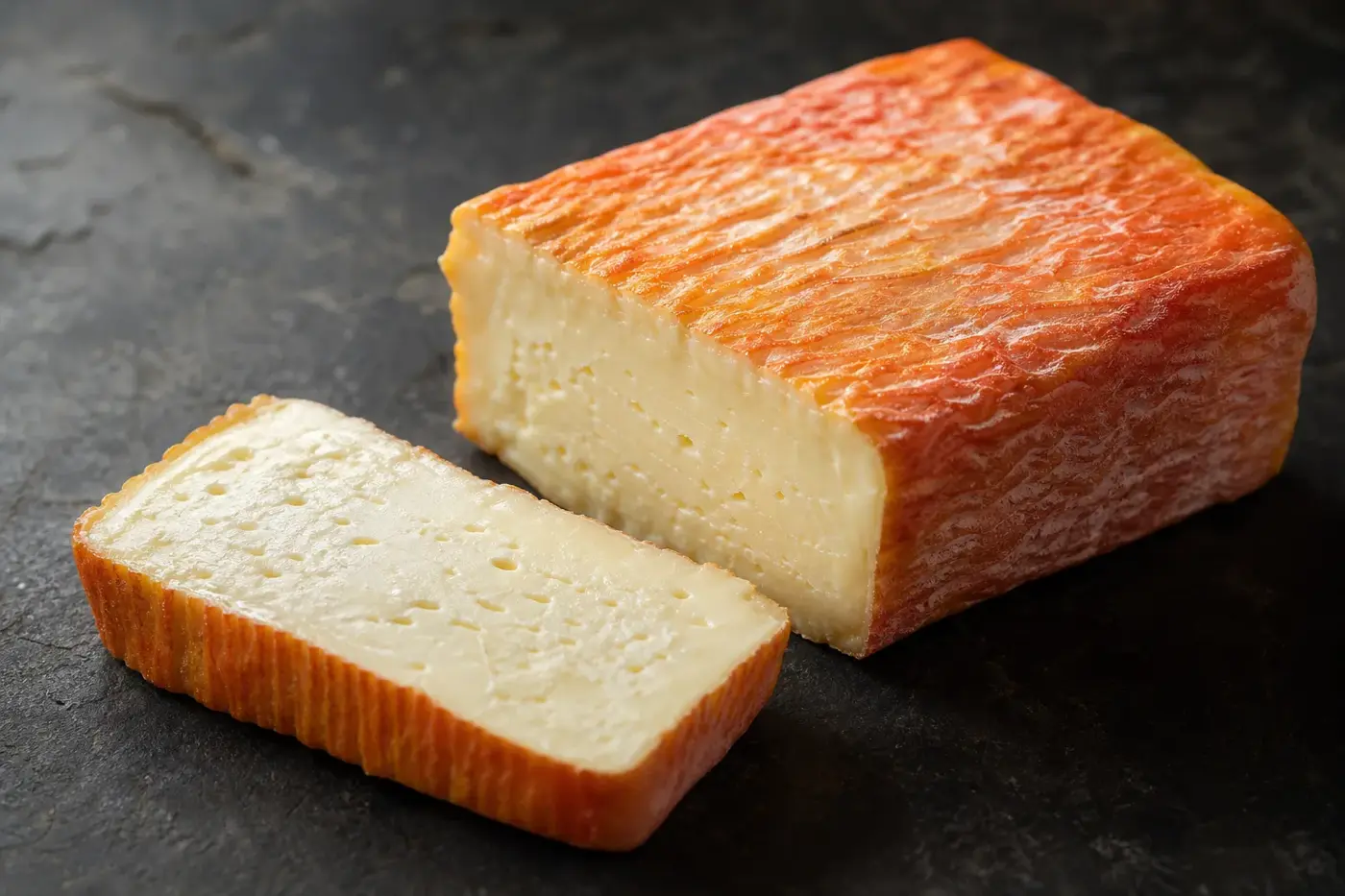
Your knife meets an orange rind, then a chalky centre.
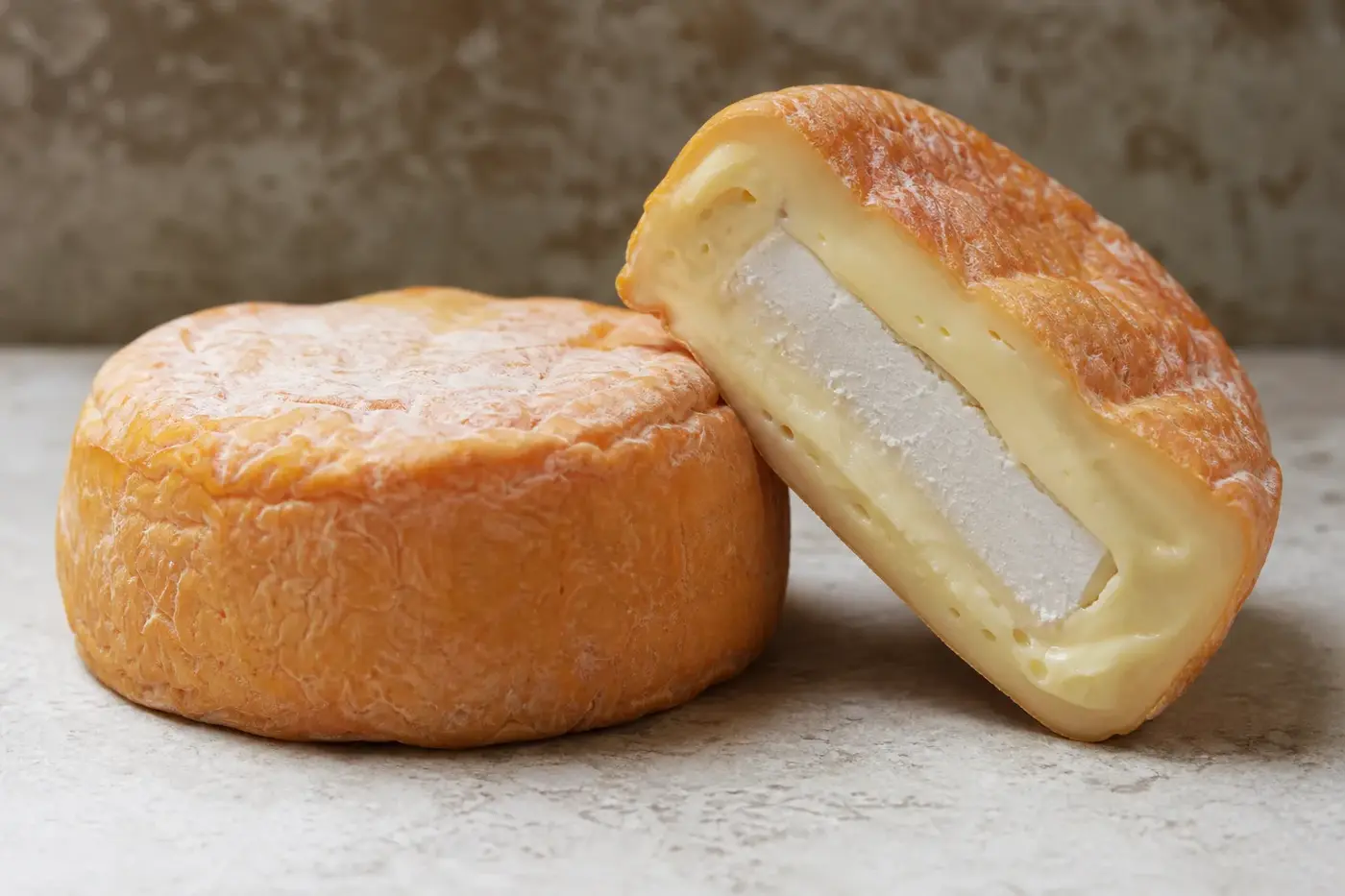
Your knife meets an orange rind, then a chalky centre. Inside Herve, ripening works its way inward, as a production report from a Herve dairy describes.[6] Put that small, pungent washed-rind cheese beside a supple slice of Orval or Chimay, and Belgium begins to reveal its range.
The monastery cheeseboard is only the beginning. Fresh cheeses, goats’ milk cheeses and sheep’s milk cheeses lead you into other corners of the country. You may need a bigger board, which is rarely unwelcome news.[1][3][4][5][8]
| Your Belgian cheese starting point | What to know |
|---|---|
| Where your journey takes you | Belgium, including Wallonia, Flanders and Brussels.[1][3][8][9] |
| Milk you will meet below | Cows’ milk, alongside documented Flemish goats’ and sheep’s milk traditions.[3][4][8] |
| Protected name to remember | Fromage de Herve, listed as an EU protected designation of origin, PDO, in the Walloon authorities’ July 2026 inventory.[1] |
| EU register identifier | Not provided here |
| Abbey cheeses to get acquainted with | Chimay, associated with Scourmont; Orval, made on its abbey premises.[3][5] |
| Flemish names to take shopping | Trappistenkaas uit Westmalle, Kempense hoeveplattekaas and Hoeveschapenkaas uit de Vlaamse Ardennen.[8] |
Let the names lead you around Belgium
At a Belgian cheese counter, even the word for cheese changes: fromage, kaas, Käse. Those French, Dutch and German names help you find your bearings. A local name can tell you more than an English description, so keep the maker’s name and full product name together when something catches your fancy.
The landscape changes with the names. The Pays de Herve lies in the east, between the Meuse and Vesdre, close to the Netherlands and Germany. Orval belongs to Gaume in Belgium’s southern corner, while Chimay connects its cheeses with milk collected from farms around Chimay.[2][3][5]
These are distinct local settings, not one uniform Belgian cheese region. Flemish names offer useful clues of their own: hoeve points towards the farm, while plattekaas identifies the fresh-cheese tradition represented in the regional food directory. In Brussels, pottekeis brings pungent cheese and fresh cheese together in one preparation.[8][9]
Let those differences guide your first selection. Choose a fresh cheese, a pressed abbey cheese and a small washed-rind cheese. You get three distinct experiences, and a more revealing introduction than several similar abbey cheeses.
Follow the milk back to the farm
Orval is precise about where things begin: neighbouring Gaume farms supply pasteurised whole cows’ milk. Cows’ milk connects the other principal Walloon examples here, too. Chimay describes regional milk collection and a process including pasteurisation; Herve’s producers emphasise local milk and a defined production area.[2][3][4][5]
The farm belongs in the story, not just on the label. Ask where the milk comes from, rather than only where the cheese was matured or packed. Orval gives you both parts of that picture, naming neighbouring milk suppliers and production on the abbey premises.[3]
Then venture beyond cows’ milk. The Flemish regional food directory records Vlaamse rauwmelkse geitenkaas, a raw-milk goats’ cheese tradition. It also includes Vlaamse schapenplattekaas, fresh sheep’s milk cheese, and farm sheep’s cheese from the Flemish Ardennes.[8]
Give those smaller milk traditions some space on your board. Before choosing by animal alone, ask whether a cheese is fresh, surface-ripened or firmer. The milk species starts the conversation; the kind of cheese tells you what you are actually comparing.
Herve: get to know that orange rind
Fromage de Herve gives Belgium’s pungent washed-rind tradition a firm anchor. The Walloon authorities list it as an EU PDO. Its producers’ association sets out three central requirements: production in the Pays de Herve, milk from that area and adherence to the prescribed manufacturing method.[1][2]
Picture the land between the Vesdre and Meuse, bounded towards the north and east by the Netherlands and Germany. Protected origin connects that place with its milk and its cheesemaking method. To untangle geographical protection from cheese style, turn to protected names explained.[2]
Now look beyond the word “strong”. A Herve dairy production report describes a soft cheese with a washed rind, an orange surface and a chalky centre that changes as ripening moves inward. Rind, centre and maturity each have something to say about what you taste.[6]
The producers’ association recognises tastes ranging from gentler cheese to mature Herve. Ask about the piece in front of you, especially how firm its centre is. A younger example with a firmer centre and a more advanced cheese offer different encounters, and may win over different people.[2][6]
Start simply, with plain bread and a little apple and pear syrup on the side. Taste the cheese alone, then add the syrup sparingly. You decide how much sweetness belongs beside that particular piece.
Step behind the abbey cheese label
Chimay’s cheesemaking chronology begins in 1876. Orval dates cheesemaking on its abbey premises to 1928. Behind those familiar abbey associations are documented dairy histories, with distinct arrangements for making the cheeses you find today.[3][5]
Chimay’s chronology records another turning point: a new dairy at Baileux in 1982. Its current manufacturing account follows milk collection through pasteurisation, pressing and brining to cellar maturation. The historical connection with Scourmont sits alongside this detailed picture of present production.[4][5]
At Orval, the current dairy occupies an old farm building on the abbey premises. The abbey traces its recipe lineage to the Trappist abbey of Port-du-Salut. That gives you a specific historical connection as well as a production address.[3]
Enjoy the abbey name, but look behind it when choosing. Read the producer’s description and identify the named product, dairy and milk treatment. Monastic imagery alone cannot tell you whether two cheeses share a history or a method.
Chimay: find your way through the family
“Chimay cheese” starts a conversation rather than settles an order. The producer’s published selection includes Chimay, With Beer, 1876, Poteaupré, Le Gourmand and Le Cendré de Scourmont. There is more than one introduction to make.[4]
Chimay explains that its cheeses are washed during maturation. Some products are beer-washed; others are washed in salted water. Compare the individual product, its treatment and its maturity, rather than expecting one flavour to speak for the whole range.[4]
For your first tasting, ask for a straightforward example and a beer-washed one. Leave their labels beside the board. Even a memorable cheese can become “that lovely one” surprisingly quickly once the wrapper has gone.
Orval: meet the cheese beneath the hand-washed rind
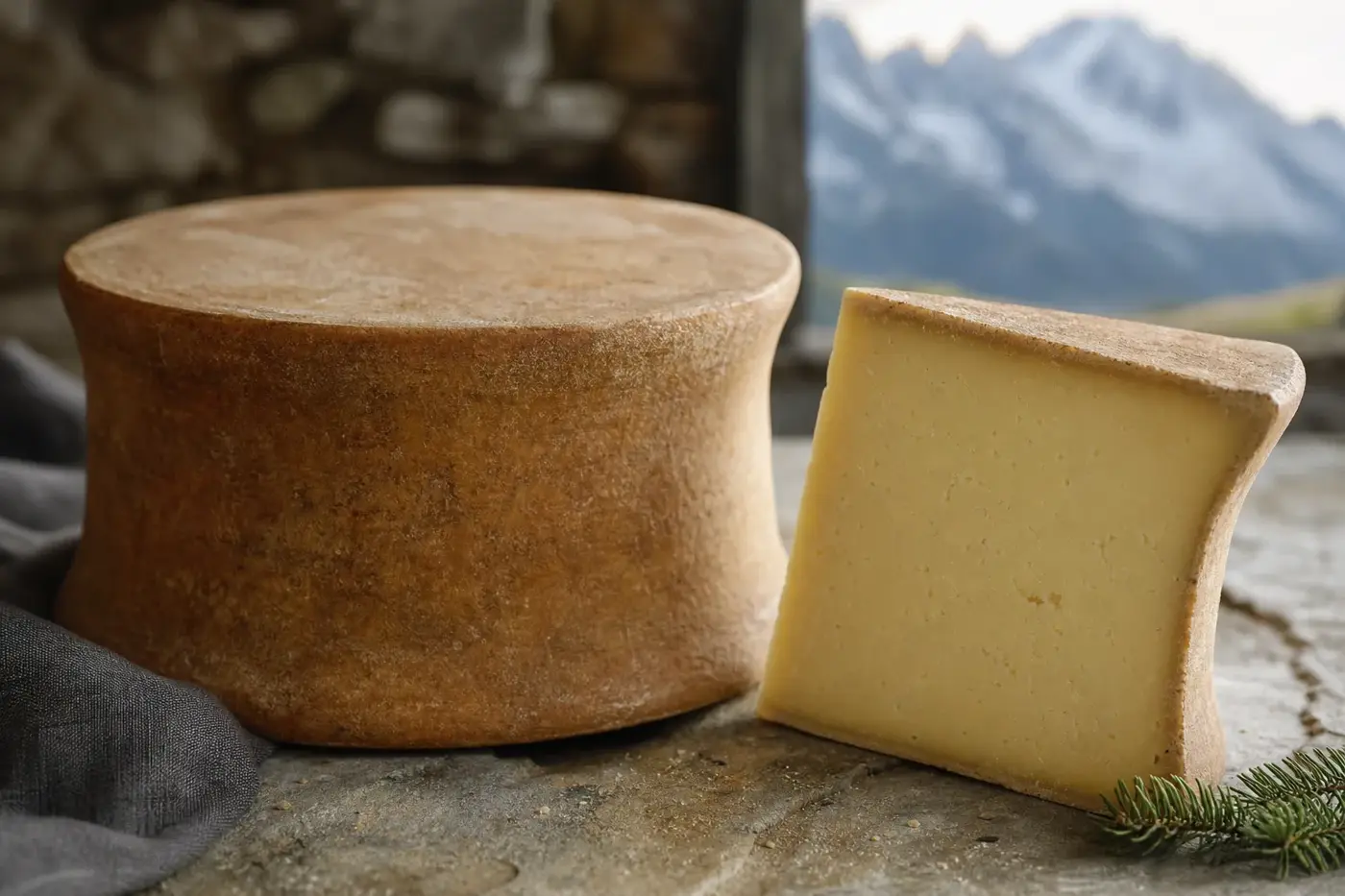
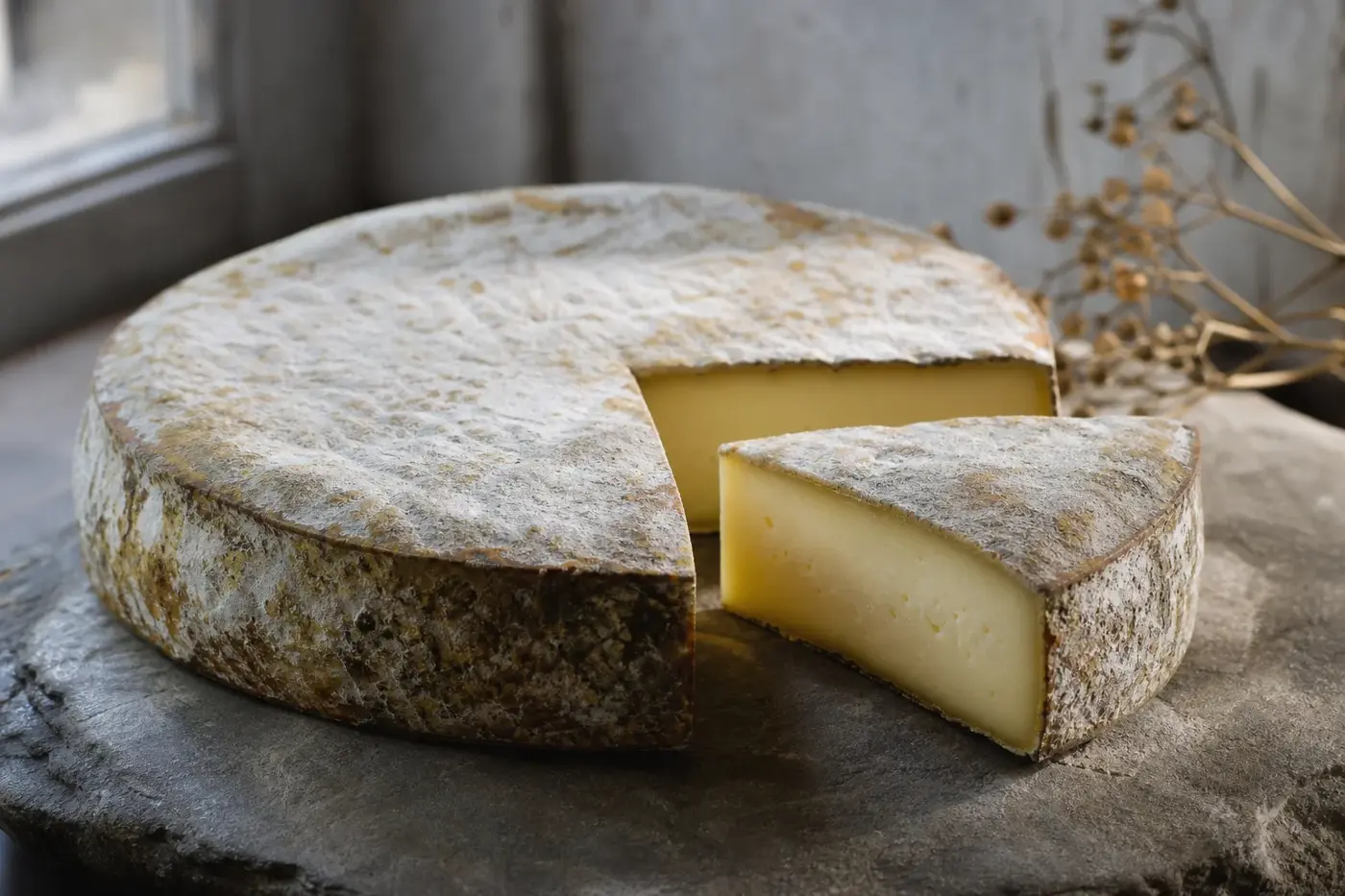
Orval is a pressed, uncooked cheese made from pasteurised whole cows’ milk. That word “uncooked” can catch you out: it describes the cheesemaking method, not the milk treatment. The milk is pasteurised.[3][7]
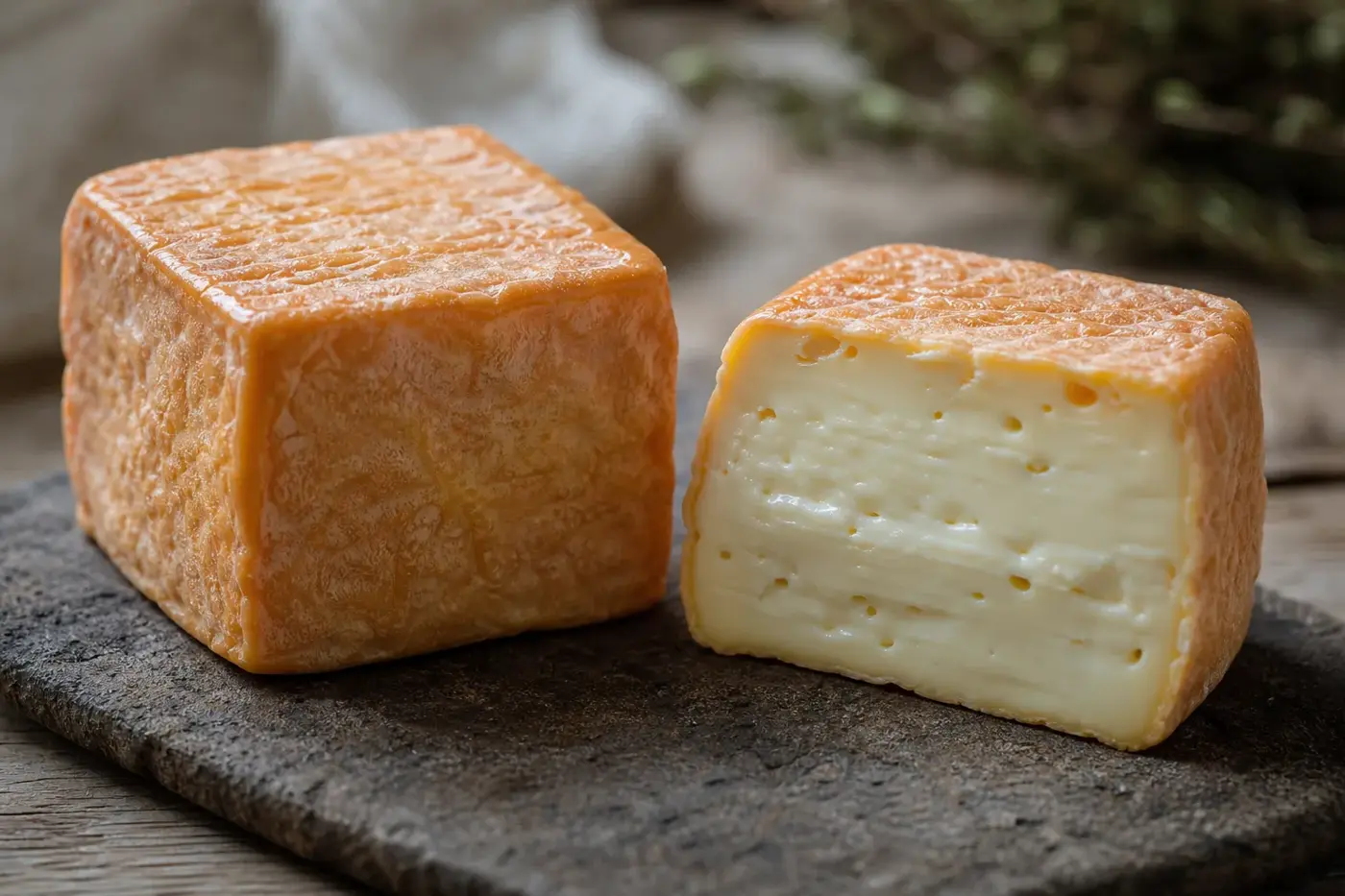
The abbey describes a flexible texture and a natural rind washed by hand. Its technical page specifies a rectangular format and a Saint-Paulin-type pressed paste. Try it beside soft Herve: both have washed surfaces, but you will find different structures beneath those rinds.[3][7]
Flanders: leave space for the fresh farm cheeses
Fresh farm cheese shares space with monastic cheese in the Flemish regional food directory. Its entries include Trappistenkaas uit Westmalle, Kempense hoeveplattekaas, Vlaamse rauwmelkse geitenkaas and sheep’s milk cheeses from the Flemish Ardennes. Your cheeseboard can head in several directions here.[8]
Set aside any single picture of firm, mild Flemish cheese. Westmalle gives you a named Trappist example, while the Kempen entry opens the door to fresh farm cheese. Goats’ and sheep’s milk cheeses broaden the choice of milk, too.[8]
Take the original names with you when you visit a specialist shop. Fresh sheep’s milk plattekaas is distinct from the separately listed farm sheep’s cheese of the Flemish Ardennes. The directory records different products, and each deserves to be considered on its own terms.[8]
Try a Flemish fresh cheese beside a Walloon ripened cheese. You bring regional breadth to the board without asking geography to explain everything. Texture and maturation make that contrast especially revealing.
Brussels: get acquainted with pottekeis
With pottekeis, your cheeses arrive together rather than as separate wedges. This documented Brussels tradition combines pungent Brussels cheese with mandjeskaas. The latter is a fresh cottage-style cheese traditionally associated with small baskets.[9]
The strong cheese and the fresh one become partners in a spreadable preparation. Alongside the wheels and wedges, this gives you another way into Belgian cheese culture. Here, the combination is the point.[9]
Ask which cheeses your particular preparation contains, and whether beer or other ingredients have been added. Try your first taste with simple bread. Keep the spread separate from the other cheeses so you can appreciate its character without letting it overwhelm the board.
Look past the rind and feel the difference
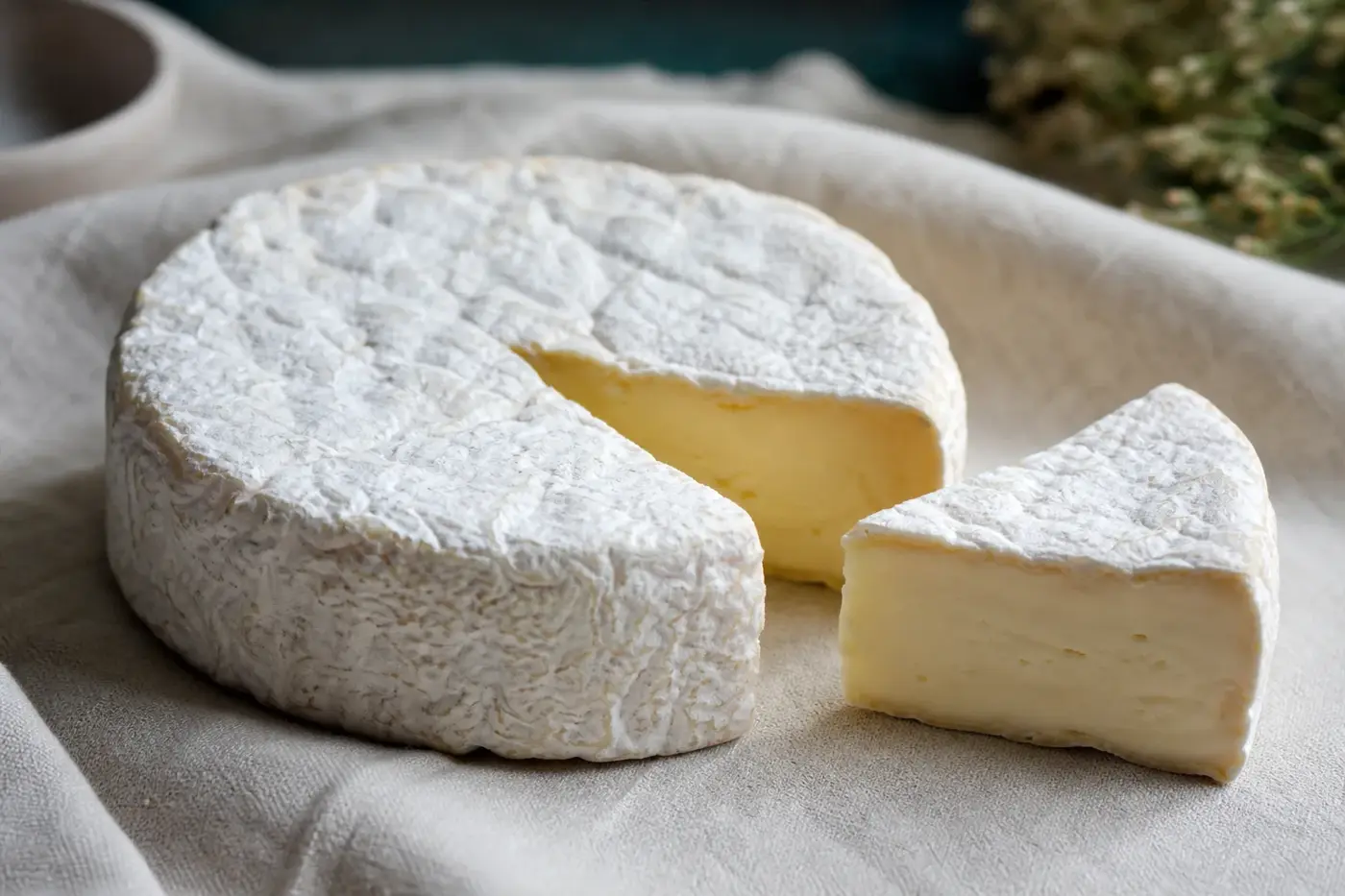
“Soft” tells you about texture; “washed rind” tells you about surface treatment. A cheese can be both. Orval shows you another possibility: a pressed cheese can have a washed rind, too.[3][6][7]
Two orange-rinded cheeses need not feel alike under your knife or in your mouth. Separating the surface from the structure makes the cheese counter rather easier to navigate.
| Kind of cheese | Belgian example to try | What to look for |
|---|---|---|
| Fresh cheese | Kempense hoeveplattekaas; Vlaamse schapenplattekaas | Fresh-cheese traditions rather than maturation led by the rind.[8] |
| Soft washed rind | Fromage de Herve | A chalky centre and ripening that progresses inward, as described in a production report.[6] |
| Pressed washed rind | Orval | Flexible pressed paste and a hand-washed natural rind, described by the abbey.[3][7] |
| Pressed abbey range | Chimay | Named products with different washing treatments.[4] |
| Cheese preparation | Pottekeis | Pungent Brussels cheese brought together with fresh mandjeskaas.[9] |
For more help with the vocabulary, explore how to tell cheese styles apart. You can separate texture, rind and production method even when a counter description bundles all three together.
At the counter, ask about the piece in front of you
Start with the experience you fancy. Fresh cheese lets you explore that tradition; a flexible pressed cheese offers a contrasting texture; Herve brings a pungent washed rind. Then ask about the condition of the actual piece on offer, because its name is only the beginning.[3][6][8]
For Herve, try a simple question: “How firm is the centre?” With Chimay, establish the exact product name and washing treatment. With Orval, remember the pressed structure: a rind resembling a soft cheese’s surface does not promise the same texture underneath.[3][4][6]
Ask about milk treatment on the particular product, too. Orval and Chimay publish pasteurisation information, while the Flemish directory explicitly identifies its raw-milk goats’ cheese category. Explore the distinctions in Raw milk, thermised and pasteurised cheese.[3][4][8]
Make a short note of the maker, product, milk treatment and maturity you enjoyed. Those details give your cheesemonger something useful for next time. “Belgian cheese is mild” or “Belgian cheese is strong” leaves rather more to guesswork.
Set out the syrup, pour something you enjoy
Let the cheeses speak before the accompaniments join in. Try fresh cheese first, pressed abbey cheese next and Herve last. Put bread, apple or pear, and apple and pear syrup alongside them separately, so you can make each comparison easily.
If you are an adult of legal drinking age and choose alcohol, Belgian beer is a natural avenue beside Chimay’s beer-washed cheese. Start with that shared ingredient, then explore the pairing. Take a small serving and taste the cheese before and after the beer.[4]
For wine, try a dry white with the pressed cheeses. A slightly sweeter white is another possibility beside a more assertive washed rind. These suggestions begin with contrast, rather than a recorded site tasting.
Give alcohol-free drinks just as much thought. Offer still or sparkling water, apple juice diluted to taste, or an alcohol-free beer whose label suits your guest’s requirements. For more ways to organise a comparison, explore cheese and wine pairing.
From fridge to table, keep care in the picture
Keep the product’s instructions with your cheese. For home storage, the UK Food Standards Agency advises a fridge temperature of 0 to 5 °C, alongside following storage instructions and date marking. Keep the original information with cut pieces so you can refer to it easily.[10]
Take out only what you plan to serve shortly. The NHS advises eating chilled ready-to-eat foods within four hours of removal from refrigeration. The FSA likewise advises keeping chilled food out for the shortest possible time, and stricter product instructions take precedence.[10][11]
UK NHS pregnancy guidance makes distinctions between cheese types. It lists pasteurised or unpasteurised hard cheeses among foods that can be eaten. For unpasteurised soft cheeses, white-rinded mould-ripened soft cheeses and soft blue cheeses, it specifies thorough cooking until the cheese is steaming hot.[12]
The NHS also identifies groups needing particular care with specified cheeses: infants and young children, people over 65, pregnant people, and those with certain long-term conditions or weakened immunity. Consult its current guidance for your circumstances. Take individual questions to a doctor, midwife, pharmacist or dietitian.[13]
For the fuller practical guide, turn to how to store cheese at home. Keep the instructions supplied with each Belgian cheese, too.
General information only, not medical advice: follow the official guidance where you live.
Questions people ask
What makes Fromage de Herve distinctive?
Fromage de Herve is a soft cheese with a washed rind and an orange surface. A Herve dairy’s production report describes a chalky centre that changes as the cheese ripens inward.
Is Orval cheese made with pasteurised milk?
Yes. Orval is made from pasteurised whole cows’ milk supplied by neighbouring Gaume farms. Although it is described as an uncooked cheese, that refers to the cheesemaking method rather than the milk treatment.
Is all Chimay cheese washed in beer?
No. Chimay distinguishes cheeses washed in beer from those washed in salted water during maturation. Its published selection includes Chimay With Beer as well as other named products.
What is Brussels pottekeis made from?
The documented Brussels tradition combines pungent Brussels cheese with mandjeskaas, a fresh cottage style cheese. It is a spreadable preparation.
How should I store Belgian cheese?
The UK Food Standards Agency advises keeping the fridge at 0 to 5 °C and following the product’s storage instructions and date marking. See the agency’s guidance and keep the original information with cut pieces.
Sources
- Service public de Wallonie, Indications géographiques (IGP / AOP) de Wallonie, inventory dated 7 July 2026, dataset source dated 17 September 2026. Supports the Walloon listing of Fromage de Herve as an AOP.
- ASBL Fromage de Herve, Découvrir, undated, accessed November 2026. Sections on designation criteria, the Pays de Herve and maturity preferences. Producer-association source.
- Abbaye d’Orval, Authentic & Know-how, undated, accessed November 2026. Abbey account of history, production premises, milk and rind treatment.
- Chimay, Our cheeses, undated, accessed November 2026. Product selection and manufacturing stages. Producer source.
- Chimay, Discover, undated, accessed November 2026. Producer chronology and regional milk collection account.
- Le Sillon Belge, Dans les coulisses de « Terre de Fromages » à Herve, 1 November 2023. Production-site report describing the washed rind, orange surface and chalky centre. Secondary reporting, including producer testimony.
- Abbaye d’Orval, Ingrédients et composition, undated, accessed November 2026. Technical description, milk treatment, ingredients and format.
- VLAM, Streekproduct.be, Zoekresultaten Streekproduct: zuivel, live directory, accessed November 2026. Named Flemish cheese traditions and associated producer listings.
- Wikipedia contributors, Cuisine of Brussels, revision displayed as 3 June 2026. Pottekeis entry, citing Belgian culinary reporting. Used provisionally for the cheese combination, pending primary-source verification.
- Food Standards Agency, How to chill, freeze and defrost food safely, published 18 December 2017, live text accessed November 2026. Applies to England, Northern Ireland and Wales.
- NHS, Listeriosis, live guidance accessed November 2026. Refrigeration, ready-to-eat food handling and higher-risk groups.
- NHS, Foods to avoid in pregnancy, live guidance accessed November 2026. Cheese-specific distinctions and cooking advice.
- NHS, Dairy and alternatives in your diet, live guidance accessed November 2026. Groups requiring particular care and specified cheese categories.
This desk-researched draft combines official regional records, producers’ published accounts and UK agency guidance; outstanding specification, culinary-source and publication checks are recorded below.
Last checked: November 2026
Last checked November 2026.
The cheeses of Belgium
The editors suggest you read next
French Cheese: The Complete Guide
Picture Normandy’s pastures, then follow the milk towards the Loire’s goat dairies, the Jura’s shared cheesemaking traditions and the sheep country of the Pyrenees.