Brick Cheese
Real bricks press the curds at Widmer’s Cheese Cellars in Wisconsin.
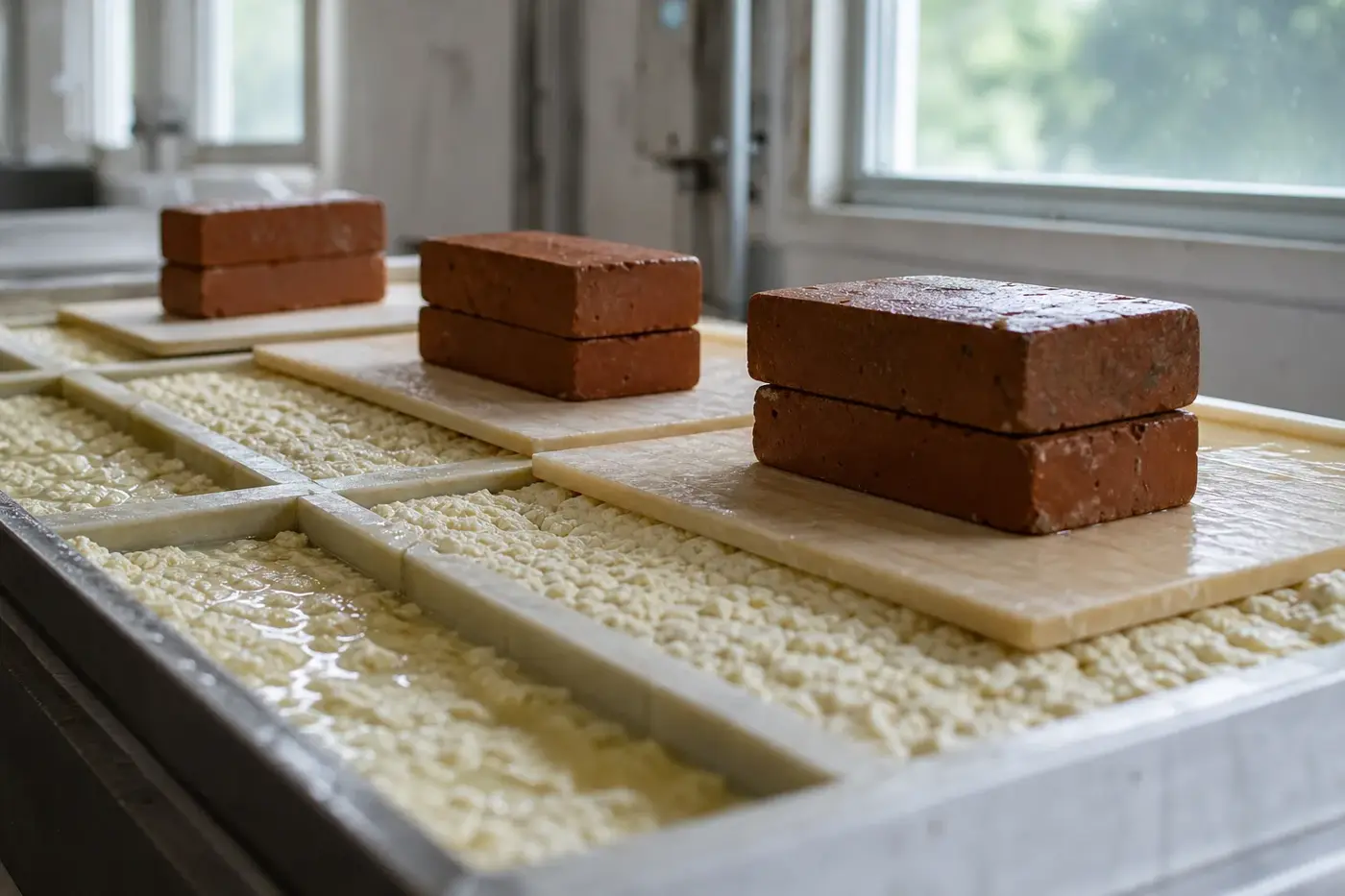
Real bricks press the curds at Widmer’s Cheese Cellars in Wisconsin. You can picture them doing their quiet work, giving Brick both its name and its rectangular shape. What you taste next depends on how the cheese matures: mild and melting in a sandwich or Detroit-style pizza, or washed, earthy and powerfully aromatic. The bricks, it turns out, are only the beginning. [1][2][3]
| Field | What to know |
|---|---|
| Name | Brick cheese [1] |
| Origin | Wisconsin, United States, customary origin [1][4] |
| US standard | 21 CFR 133.108 [5] |
| Composition | At least 50% milkfat in dry matter; no more than 44% moisture in the whole cheese [5] |
| Milk treatment | Pasteurised ingredients permitted; unpasteurised ingredients require at least 60 days’ curing at 1.7 °C (35 °F) or above [5] |
| Coagulant | Rennet or other suitable animal, plant or microbial clotting enzymes [5] |
| Maturation | Mild versions have a short cure; traditional versions are surface ripened [2][3] |
| Rind | Washed rind on traditional aged Brick; mild versions may be rindless [3][6] |
| Checked | November 2026, United States [5] |
A Wisconsin story, built with real bricks
Wisconsin’s dairy industry credits Swiss-born cheesemaker John Jossi with developing Brick. Its historical timeline tells how he pressed and shaped the cheese with bricks, then shared his process with other Wisconsin cheesemakers. You have to admire a name that explains the equipment without making you read the manual. [7]
The Wisconsin Historical Society traces Brick to Dodge County, in the south-east of the state. Its account of Widmer’s Cheese Cellars records the dairy opening in Theresa in 1922, with aged Brick as its flagship cheese. Behind that rectangular loaf is a local community of farmers and cheesemakers. [4]
At Widmer’s, the connection remains part of daily production. The maker describes pressing its cheese with real bricks, preserving both the method and the finished rectangular shape. For you, that shape has a pleasingly practical benefit: neat sandwich slices. [3]
Cut a slice and look a little closer
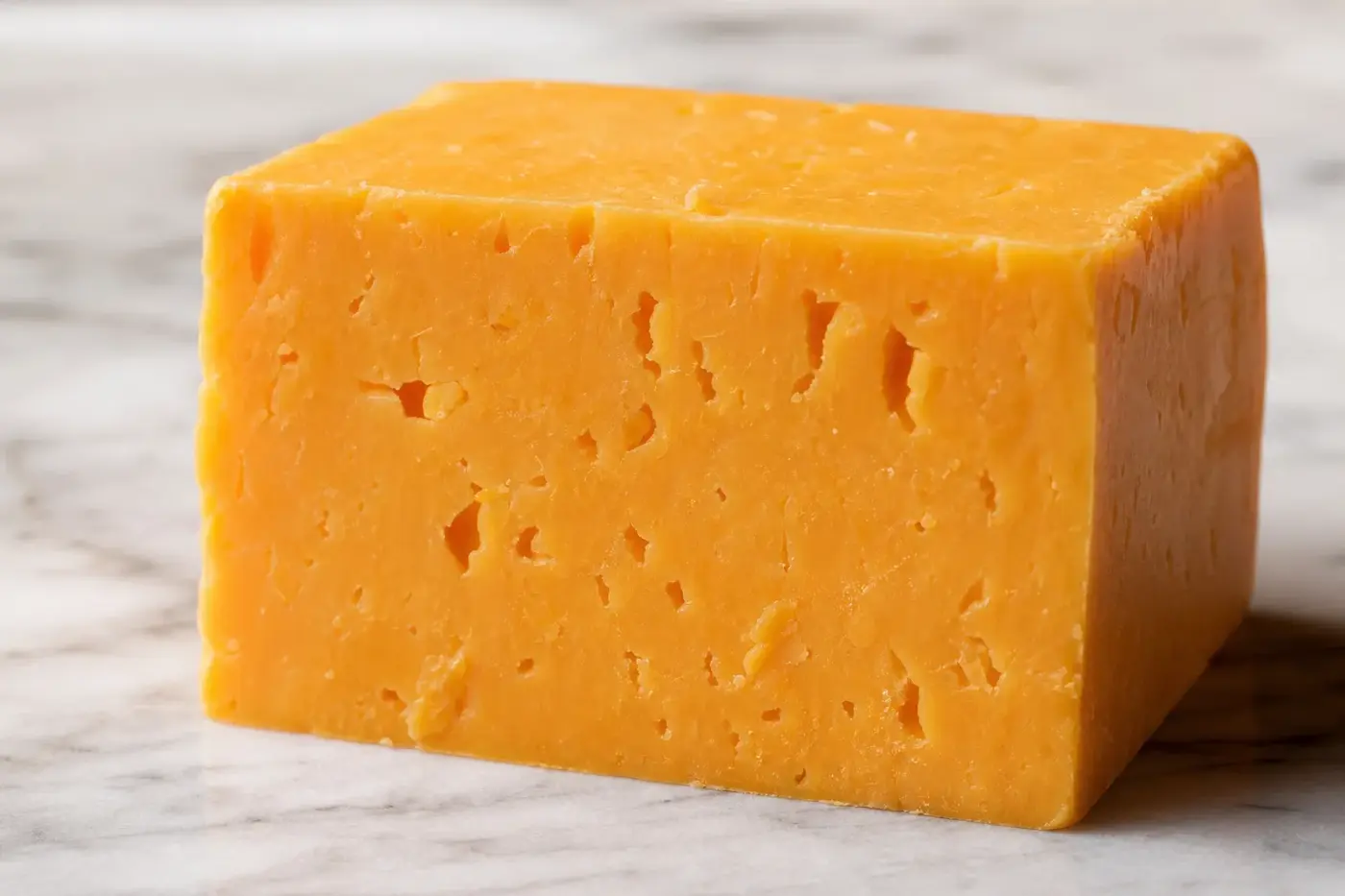
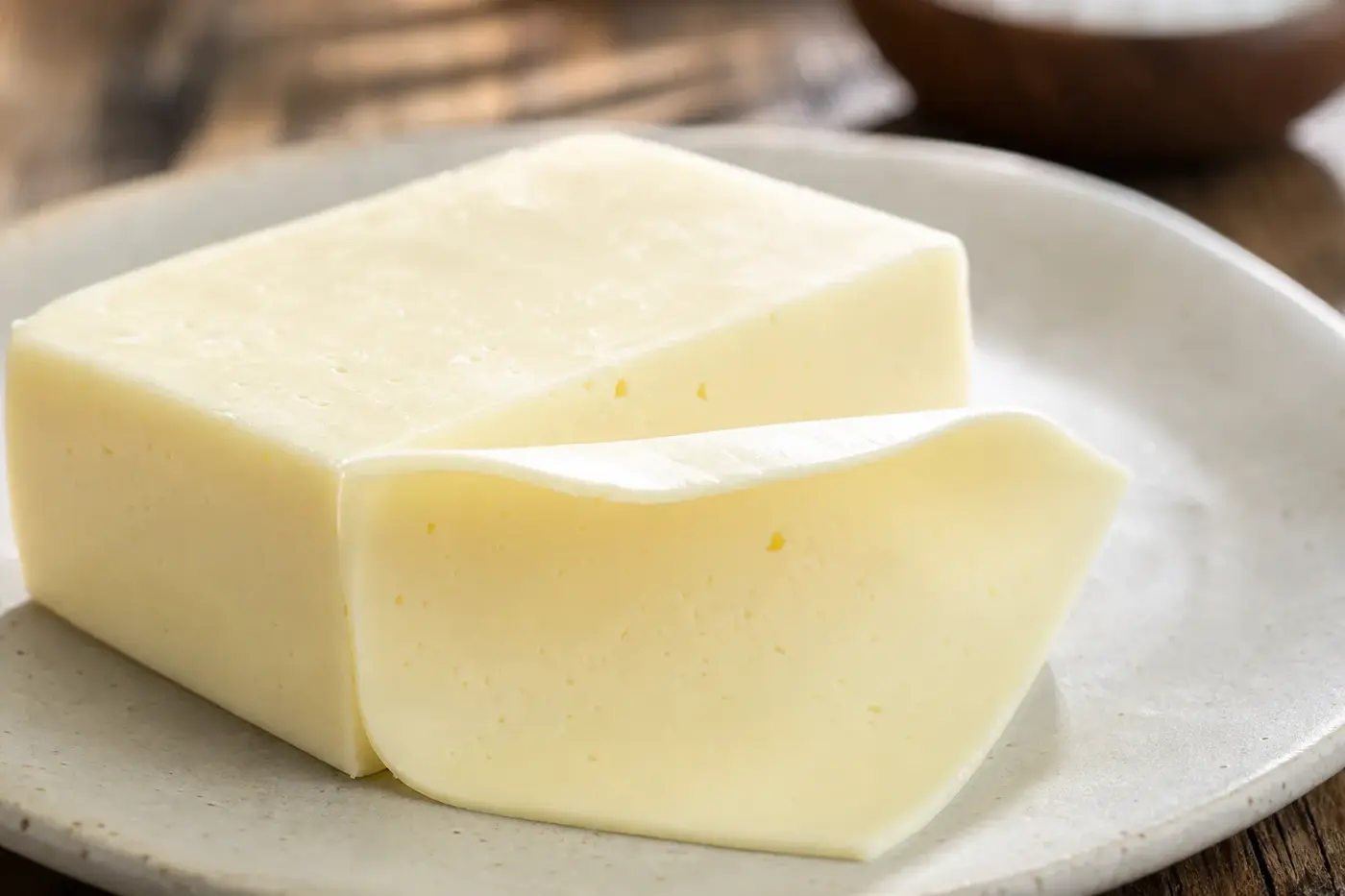
Inside Brick, you find a pale yellow paste, the cheese beneath any rind. It is supple rather than crumbly. The rectangular loaf may look modest beside a wheel, but its surface offers a useful clue: young, packaged Brick and traditionally matured Brick promise quite different mouthfuls. [1][2][3]
Widmer’s describes its mild Brick as gently tangy and buttery-sweet, with a soft bite and smooth texture. Its aged cheese takes an earthier route, developing more intense flavour over time. When you choose a piece, look beyond the name: “Brick” alone cannot tell you how boldly it will introduce itself. [2][3]
Mild or aged? Let your appetite decide
Mild Brick owes its gentle character to a short cure. A 2022 account from the University of Wisconsin’s Center for Dairy Research describes Widmer’s mild Brick curing for only a couple of days before vacuum packing. That early packaging slows development, keeping the cheese mild. [8]
Traditional aged Brick has a busier routine. Widmer’s describes daily washing and turning in a warm, humid curing room, followed by wrapping in parchment and foil. The maker favours its fuller flavour at three to five months, while also describing eating it milder at around two months. [3]
Choose mild Brick when you want the cheese to melt into your dish. Choose traditionally aged Brick when aroma and flavour deserve the leading role. Put both on a cheeseboard and you can taste what surface ripening brings to the same cheese tradition. It is a respectable reason to take a second slice. [2][3][8]
Before the pressing, there is the curd
The rectangular mould is only one part of Brick’s story. Acidity and moisture need careful control too. The US standard describes adding a lactic acid-producing bacterial culture to dairy ingredients, then a clotting enzyme to form curd, the set milk solids. [5]
Cutting, stirring and warming separate the whey, the liquid portion. Removing some whey and adding water or brine controls acidity before moulding. The curd drains in forms, while pressing and turning bring the separate pieces together into one cheese. [5]
Next come salting and surface curing. Acid development, moisture removal, consolidation and maturation all help shape what you taste; the loaf is simply the part you can see. Milk treatment and coagulant vary between products, so read the pack rather than treating the name as a recipe. The milk treatment guide and rennet explanation explain those choices. [5]
What that golden-orange rind tells you
On Widmer’s aged Brick, a golden-orange rind shows the change taking place at the surface. The Center for Dairy Research documents Brevibacterium linens in the wash used for this cheese. The result is a bacterial smear, rather than a fluffy white mould coat, with surface microorganisms helping develop the cheese’s character. [8]
Your mild Brick may have no rind at all. The cold-storage industry’s commodity manual includes Brick among cheeses protected by close-fitting films rather than an exposed natural rind. Short curing and protective packaging give you a different surface, and a different eating experience, from a traditionally washed piece wrapped in foil. [6][8]
Find the family resemblance: Limburger and Muenster
Aged Brick’s washed rind places it in the same family as Limburger. The Center for Dairy Research explains that Brick has less moisture and comes in larger pieces, helping account for its less pungent character. You will notice the family resemblance most clearly in traditionally aged Brick, rather than the mild version destined for your toastie. [8]
For mild Brick, look towards American-style Muenster instead. Wisconsin maker Mullins describes its Muenster as mild to mellow, faintly aromatic and suited to pizza or toasted sandwiches. That quieter character makes it a practical alternative to mild Brick, though it will change the flavour of a dish built around pungent aged Brick. [1]
Follow Brick to the edge of a Detroit-style pizza
At the edge of the pan, Brick earns its place on Detroit-style pizza. Buddy’s Pizza identifies Wisconsin Brick in several restaurant pizzas and describes spreading the cheese right to the edges. There, it forms this style’s recognisable crisp cheese crust: a Wisconsin cheese finding a second home in Detroit. [9]
Cooking at home? Start with mild Brick. Widmer’s describes a slightly stretchy melt and recommends it for pizzas, burgers and casseroles. Traditionally aged Brick brings a much more assertive flavour, so choose it when your dish needs that character, not simply because the pack says Brick. [2][3]
Put on a toastie, lay out a board, pour a glass
Mild Brick makes a smooth melted filling for a toastie. In a sandwich, it leaves room for mustard, pickles or another filling to add a sharper accent. Aged Brick suits a simpler arrangement: bread, a few pickles and enough space for its earthy flavour to come through. [2][3]
On a cheeseboard, taste the mild cheese before the aged one, with plain bread between them. Notice the aromas, the texture near the surface and the finish. You will discover more that way than by judging which tastes strongest at the first bite.
Keystone recommends Riesling, pale ale, porter and brown ale among Brick’s partners. Try Riesling alongside mild Brick and brown ale with aged Brick; sparkling apple juice offers an alcohol-free option. In these serving suggestions, sweetness or malt contrasts with the savoury cheese. [10]
Alcoholic pairings are for adults of legal drinking age; keep servings small. For more combinations, turn to the cheese and wine pairing guide.
Choose your piece, then look after it
Before you buy, think about what you want your cheese to do. Look for mild, washed-rind or traditionally aged Brick, and ask about the maker’s maturation and wrapping method if the label is unclear. Vacuum-packed mild Brick and aged Brick wrapped in parchment and foil share a name, but offer distinct experiences. [2][3][8]
Follow the pack’s storage instructions and guidance after opening. Keystone advises keeping its packaging close around a cut block, covering the opened end with waxed paper or foil, and replacing used wrapping when you rewrap. If you buy from a cheesemonger, ask for suitable cheese paper and the maker’s handling advice. [11]
US FDA guidance for home refrigeration is 4 °C (40 °F) or below, checked with an appliance thermometer. Keep your Brick covered and return it to the fridge promptly after use. For the principles behind wrapping and organising the fridge, see how to store cheese at home. [12]
Serve only the portion you expect to eat. In the United States, consult the US FDA guidance on the total time perishable foods may remain at room temperature before serving Brick. [12]
No Brick to hand? Match the cheese to the job
For mild Brick’s slicing and melting duties, plain Monterey Jack and American-style Muenster are sensible alternatives. Mullins describes Muenster’s mild flavour and melting ability. Wisconsin Cheese Company describes its Monterey Jack as mild, buttery and suitable for grilled sandwiches and casseroles. Let what you are cooking guide your choice. [1][13]
Replacing aged Brick calls for a different approach. Neither of those milder cheeses brings its deliberately developed washed-rind character. If that aroma matters to your cheeseboard or sandwich, seek a traditionally surface-ripened Brick. If you want a gentle melted filling, Monterey Jack or American-style Muenster will come closer to the job. [1][3][13]
General information only, not medical advice: follow the official guidance where you live.
Questions people ask
What does Brick cheese taste like?
Widmer’s describes its mild Brick as gently tangy and buttery sweet, with a smooth texture. Its aged Brick has an earthy flavour that grows more intense with time.
Why is Brick cheese used on Detroit style pizza?
Brick melts well and can form a crisp cheese crust at the edge of the pan. Buddy’s Pizza uses Wisconsin Brick on several of its pizzas.
How long is Brick cheese aged?
At Widmer’s, mild Brick cures for only a couple of days before vacuum packing. The maker describes aged Brick eaten at around two months, but favours the fuller flavour reached at three to five months.
What can I use instead of Brick cheese?
Monterey Jack or American style Muenster can stand in for mild Brick when slicing or melting. Neither supplies the developed rind character of aged Brick.
Is Brick cheese made with pasteurised milk?
Milk treatment varies between products, so check the pack. The US standard permits pasteurised ingredients and requires cheese made with unpasteurised ingredients to cure for at least 60 days at 1.7 °C or above.
Sources
- Mullins Cheese. Products, sections “Brick” and “Muenster”, undated online edition, checked 2026. Producer descriptions of heritage, flavour and uses. Source.
- Widmer’s Cheese Cellars. Vac Pack Mild Specialty Brick 14oz, undated online edition, checked 2026. The maker’s description of texture, flavour and melting applications. Source.
- Widmer’s Cheese Cellars. Foil Pack Aged Brick 14 OZ., undated online edition, checked 2026. The maker’s account of pressing, washing, wrapping and maturation. Source.
- Wisconsin Historical Society. Widmer’s Cheese Cellars Listed in the National Register of Historic Places, 27 August 2025. Historical account of Brick in Dodge County and the Theresa dairy. Source.
- US Food and Drug Administration, Electronic Code of Federal Regulations. 21 CFR 133.108: Brick cheese, current online edition retrieved November 2026; cross-checked against the 2025 annual CFR edition. eCFR; annual CFR.
- World Food Logistics Organization. WFLO Commodity Storage Manual: Cheese, retrieved edition undated, checked 2026, section “Rindless Natural Cheese”. Source.
- Dairy Farmers of Wisconsin. Wisconsin Cheese Press Kit, 2025 edition, historical timeline entry for 1877. Dairy Farmers of Wisconsin is an industry organisation. Source.
- University of Wisconsin Center for Dairy Research. Dairy Pipeline, volume 34, number 3, autumn 2022, “Widmer’s celebrates 100 years of handcrafting authentic Wisconsin cheeses”, including “Emergence of Mild Brick Cheese”. Source.
- Buddy’s Pizza. Our Menu and Grocery, undated online editions, checked 2026. Primary accounts of the company’s Wisconsin Brick toppings and edge-to-edge cheese application. Menu; grocery account.
- Keystone Cheese. Brick, undated online edition, checked 2026. The seller’s suggested beer and wine pairings and declared ingredients. Source.
- Keystone Cheese. Cheese Care and Storage, undated online edition, checked 2026. Wrapping instructions only. Source.
- US Food and Drug Administration. Refrigerator Thermometers: Cold Facts about Food Safety, current online edition, checked 2026. Home refrigerator temperature and prompt refrigeration guidance. Source.
- Wisconsin Cheese Company. Monterey Jack, undated online edition, checked 2026. The company’s description of its cheese’s flavour, melting qualities and applications. Source.
Researched through US regulatory text, Wisconsin historical and dairy research records, and attributed accounts from cheesemakers and pizza makers; serving combinations are identified as editorial suggestions.
Last checked: November 2026
Last checked November 2026.
The editors suggest you read next
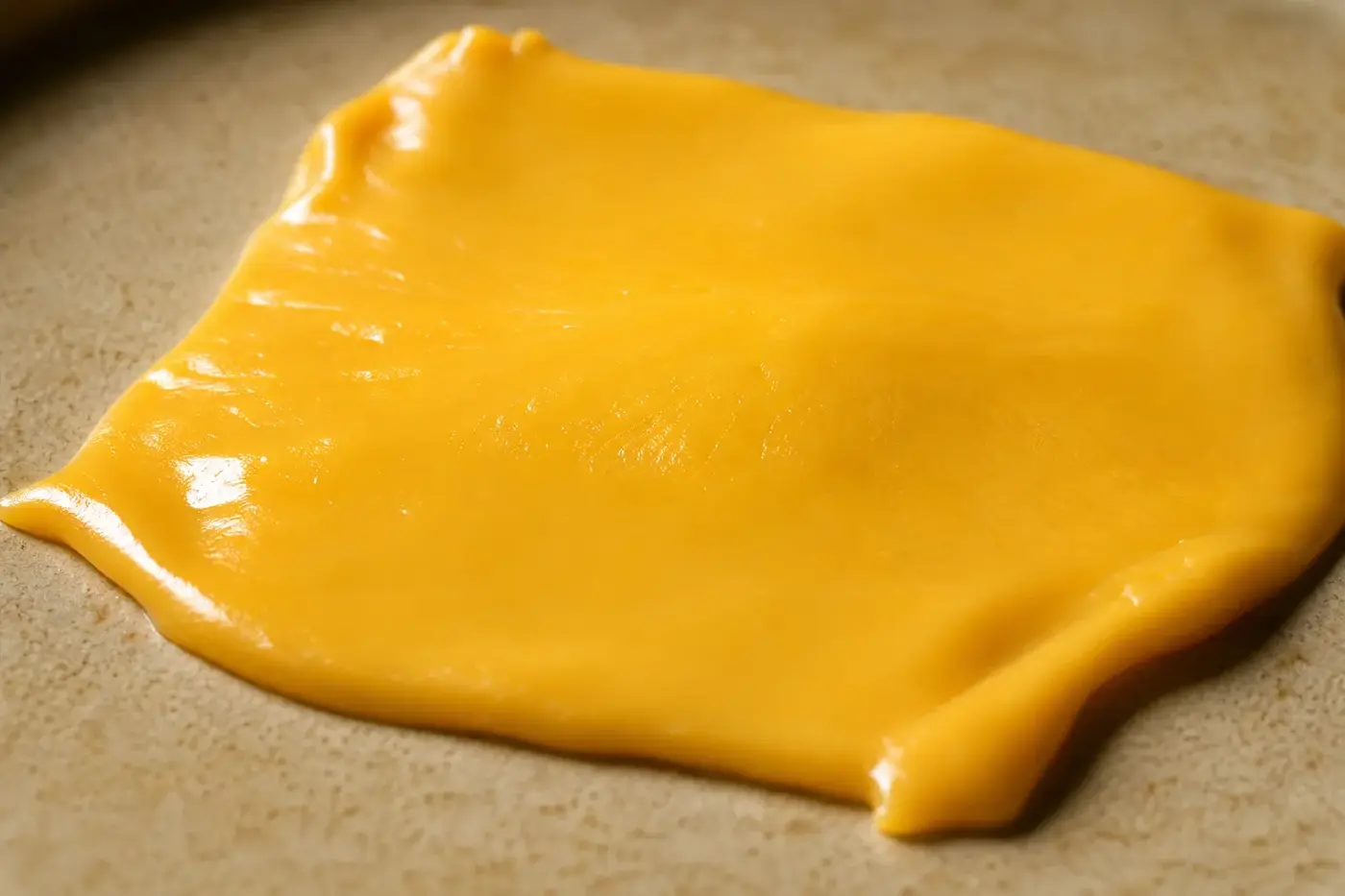
American Cheese: The Processed Slice Explained
Watch a slice of American cheese soften over your burger.