Džiugas
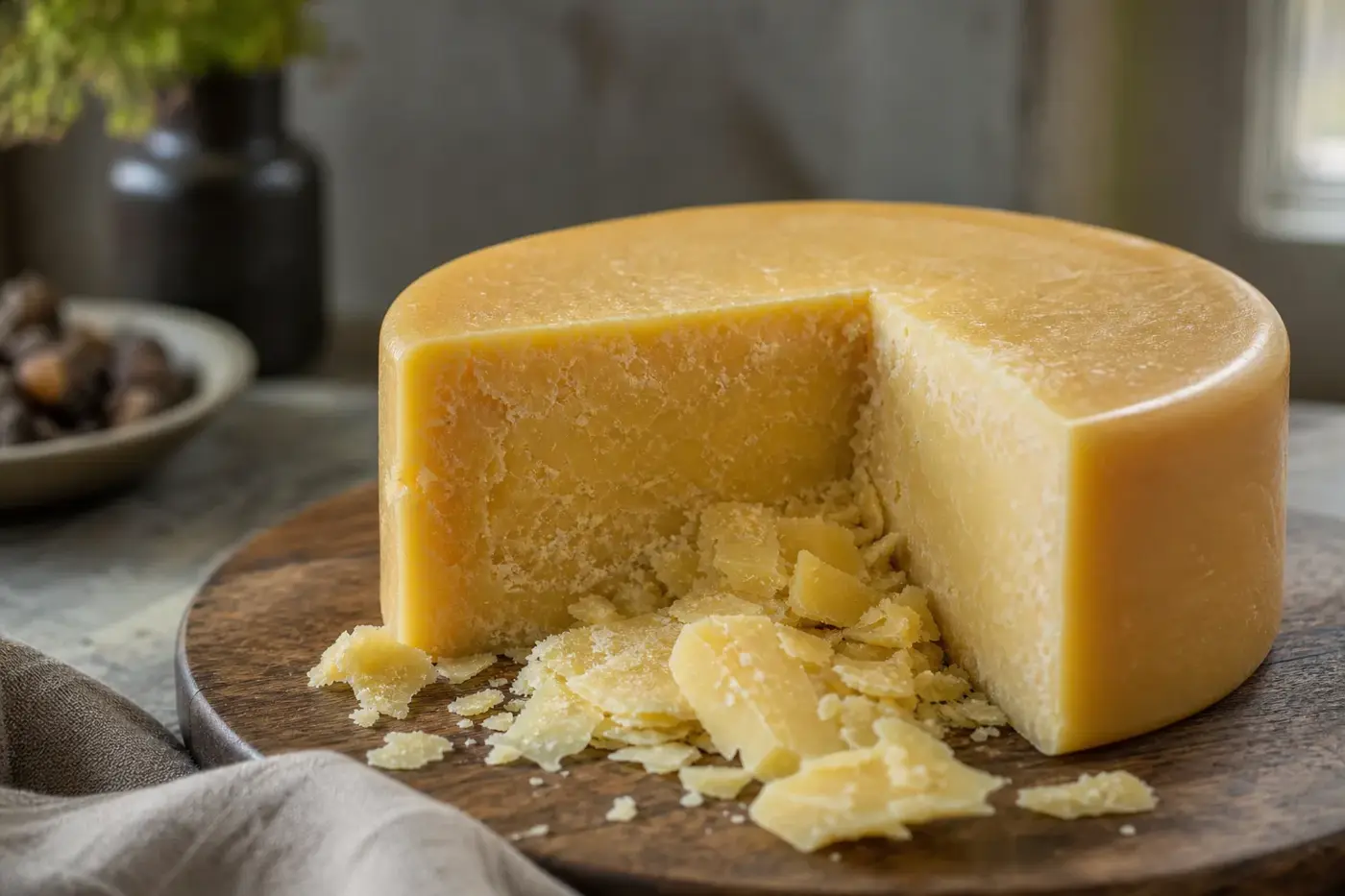
Break a piece of 24 month Džiugas and golden yellow cheese gives way with a crystalline crunch.
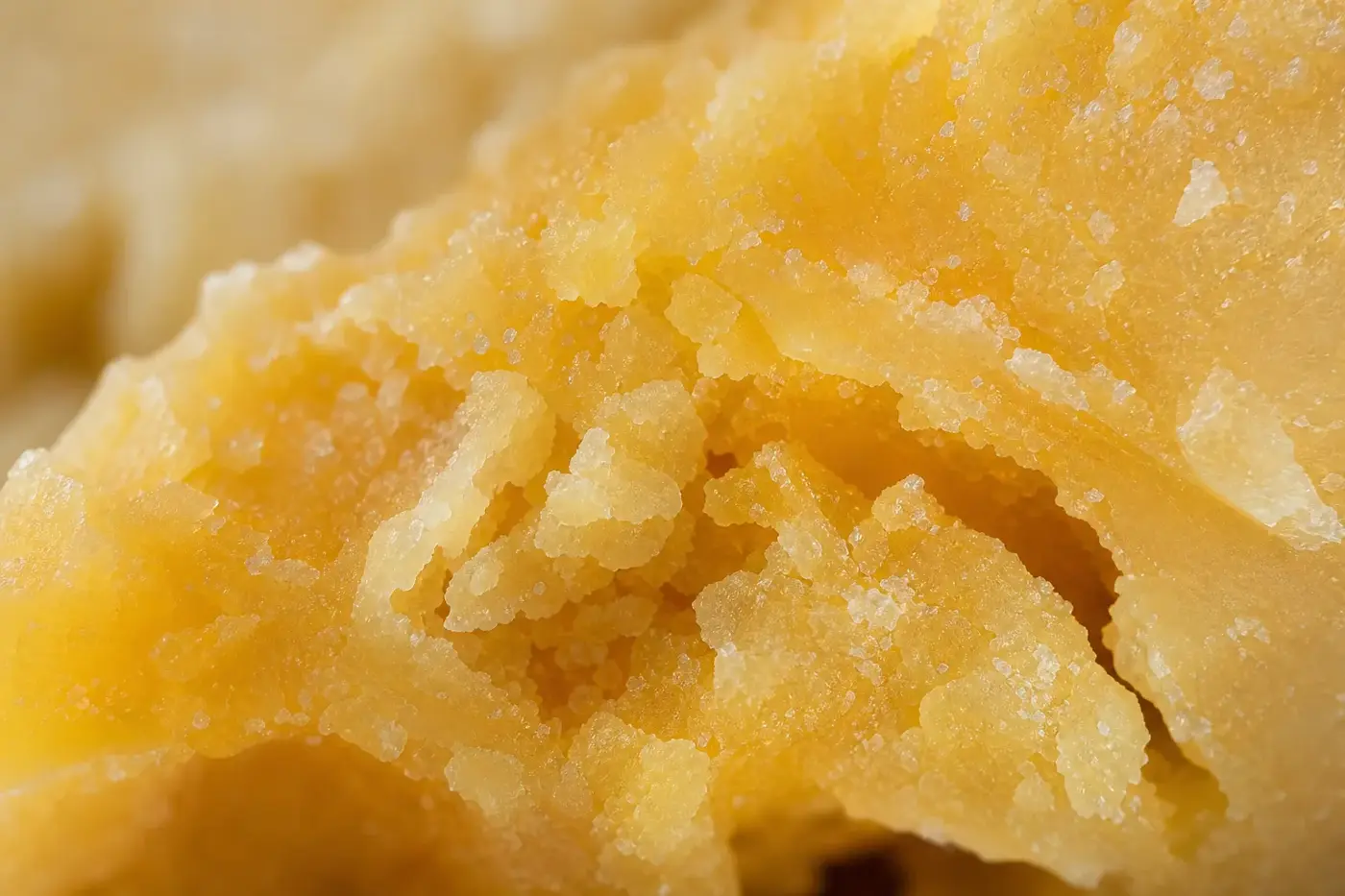
Break a piece of 24 month Džiugas and golden yellow cheese gives way with a crystalline crunch. At 36 months, the maker describes a crumbly, gritty texture. This Lithuanian hard cheese, made from cow’s milk and associated with Telšiai in Samogitia, offers several ages to explore. You can break it, shave it or grate it, depending on what dinner has in mind. [1, 3, 8, 9, 10]
| Your quick introduction | The details |
|---|---|
| Familiar and registered name | Džiugas. [1, 2] |
| Home and production area | Telšiai, Samogitia, Lithuania. Current legally defined production area: unresolved. [1] |
| Maker | Žemaitijos pienas, which lists Džiugas in its catalogue. [3] |
| Registration authority and identifier | EU registration details: unresolved. Great Britain register administered by Defra; register identifier: unresolved. [2] |
| Protection in Great Britain | Registered PGI, registration dated 31 December 2020 at 23:00; record dated November 2026. [2] |
| EU protection | Original registration dated 14 June 2019 in Defra’s record. Current EU register status: unresolved. [2] |
| Milk and treatment | Cow’s milk. Current specified treatment: unresolved. [3] |
| Cultures | Lactobacillus and thermophilic Streptococcus in the published production description. [1] |
| Rennet and vegetarian suitability | Producer declares non-animal rennet and suitability for vegetarians. [3] |
| Ages listed by the maker | 12, 18, 24, 36, 48, 60, 100 and 120 months; catalogue record dated November 2026. [3] |
Meet the giant behind your cheese
A giant, a wedding and an exceptionally large cheese: the producer’s telling of Džiugas begins with quite a guest list. The giant defends Samogitia, then makes a firm cheese with his wife for their wedding guests. After her death, he raises a hill over her grave. This is the maker’s recorded version of the legend behind the name. [5]
The modern cheese takes you into a different story. The EU application records a dairy opening in Telšiai in 1924, experimental hard cheese production starting at a newly built plant in 1985, and increasing production with new technical documentation from 1994. The town’s dairy history began well before Džiugas itself. [1]
Keep both histories in mind when you read the heritage language on the packaging. The giant supplies the memorable name and legend; experiments, production records and maturation practice explain what reaches your table. Džiugas has also become part of Telšiai’s public identity. The town’s official tourism website records a cheese sculpture there. [1, 5, 15]
Four ingredients with work to do
Cow’s milk is where your piece of Džiugas begins. The current specification’s milk treatment and seasonal requirements remain open questions. [3]
The producer lists four basic ingredients: milk, starter culture, non-animal rennet and salt. The starter is a community of microorganisms that develops acidity and helps shape the cheese as it ripens. Rennet supplies the enzymes that turn milk into curd, the solid material separated from liquid whey. The maker’s current declaration gives vegetarians a place at this cheese board. [3]
The published production description names Lactobacillus and thermophilic Streptococcus cultures, alongside a microbial coagulating enzyme. Picture two different jobs: the cultures drive fermentation, while the coagulant forms the first gel. If you want to untangle animal, microbial and fermentation-produced enzymes, turn to rennet explained. [1]
Follow the wheels into the ageing room
There is handwork behind those firm wheels. In the maker’s account, the cheese takes shape in round moulds and presses, then enters a warm resting stage where it is turned by hand. The pressed wheels go into brine, a salt solution, before further drying and maturation. These stages establish their shape and prepare them for long ageing. [6]
After brining, the wheels rest on specially arranged rods and receive regular turns. The producer says this distributes moisture and helps keep the shape even. Ageing is not simply a matter of leaving a wheel alone and counting months. Its whole condition needs continuing attention. [6]
You can recognise the broad rhythm from other hard cheeses: prepare the curd, mould and press it, salt it, then mature it under controlled conditions. Džiugas brings its described culture system and maturation practice to that sequence. [1, 6] For the broader transformations taking place along the way, explore how cheese is made. [1, 4, 6]
Find the age that suits your appetite
Start with the texture you want, not the biggest number on the label. Thin slices alongside lunch have a different job from small, brittle pieces after a meal. The maker’s descriptions trace that change particularly clearly at 18, 24 and 36 months, as the cheese becomes firmer and more granular. [8, 9, 10]
The producer’s published tasting notes and pairing suggestions below give you a way into those differences. Product names are designations; the stated months offer the clearest comparison between maturities. Let the numbers guide your appetite. Your cheese board need not become a league table. [7, 8, 9, 10, 11]
| Age on the label | What the maker describes | A good place to start |
|---|---|---|
| 12 months | Relatively flexible, with a delicate flavour. [7] | Slices with fresh fruit |
| 18 months | Slightly spicy, with dried-fruit notes and some crunch. [8] | Shavings for salads or soups |
| 24 months | Very hard, golden yellow and noticeably crystalline. [9] | Broken pieces or finely grated finishing cheese |
| 36 months | Crumbly and gritty, with lasting spice, fruit and some bitterness. [10] | Small pieces with pears or nuts |
| 48 and 60 months | At 48 months, spicy and fruity; at 60 months, savoury with dried-fruit sweetness. [11] | Taste alongside a younger cheese |
| 100 and 120 months | Extended-age products listed by the maker; its 120-month description includes near-orange colour and nut, fruit and spice notes. [11] | Taste small pieces before adding accompaniments |
For your first piece, try 18 or 24 months. The maker’s descriptions suggest enough firmness and crunch to introduce the style, with plenty of scope for everyday meals. Choose 36 months or beyond if exploring the changing texture is part of your pleasure. [8, 9, 10]
Better still, taste two ages side by side. Notice how readily each breaks, how large the fragments are and how long the flavour lingers. Write down your favourite before looking back at the labels. Older is useful information, not an instruction to prefer it.
Look closer at the gold, amber and crunch
The colours become especially striking as Džiugas ages. At 24 months, the interior, or paste, is golden yellow. At 36 months, the producer describes brownish amber and tawny marbling; its longest-aged product approaches orange. Each description belongs to that named maturity in the maker’s account. [9, 10, 11]
The edge takes a little more interpretation. Džiugas House calls the cheese rindless and edible to the last piece, yet its 18 month description also calls the more strongly coloured edge a “rind”. Follow the instructions with your particular piece, and remove all packaging before serving. [8, 12]
Those crystals deserve your attention, too. The published EU description mentions both calcium salts and tyrosine, an amino acid, in the cheese. That gives you some background, but identifying any individual crystal’s composition takes analysis, not simply a close look. [1]
At the table, concentrate on what your mouth tells you. Firm, granular cheese gives way to harder points as you chew. Enjoy that contrast, but do not expect a crystal’s colour or appearance alone to reveal its chemistry.
Choose your age, then find your cut
A wedge gives you room to play: thin slices, shavings, grated cheese or broken pieces. The producer also lists pieces, sliced cheese and grated products. Choose the maturity first, then the format that fits your meal. Ready-grated cheese is convenient when you already know its destination. [3, 9]
Read the pack in your hand for ingredients, storage instructions and directions after opening. Those details belong to that particular product, not every piece of Džiugas. For help separating the food’s name, ingredient information and handling directions, see reading a cheese label.
In England, Northern Ireland and Wales, follow the pack’s storage instructions and keep your cheese refrigerated. Consult current FSA guidance before preparing and serving it. Instructions remembered from a previous pack are no substitute for the ones you have now. [14]
Bring out the fruit, then consider coffee
The maker’s pairing suggestions take you from fresh fruit towards dried fruit, honey and nuts. Grapes and berries accompany younger cheese; dried apricots and cranberries join 18 months; honey and almonds meet 24 months. At 36 months, the suggestions are cashews or fig jam, followed by soft pears at 48 months and walnuts, hazelnuts or fresh figs at 60 months. [7]
You need not put the whole list on a plate. One fruit and one plain accompaniment leave room for the cheese to speak. Try your first piece alone, your second with fruit and your third with a small touch of honey or jam. You will find it easier to follow what each addition changes.
Then there is coffee, a reason to give your cheese board a second look. The maker recommends it with 24 month Džiugas and mentions cappuccino with 36 months. If you are comparing several ages, water is another option. [9, 10]
Put those shavings and broken bites to work
The shape of your cheese matters in a dish. The producer recommends finely sliced 18 month Džiugas over soups and salads, and describes uses with pasta, rice and dumplings. For 24 months, its guidance particularly favours grating onto the finished dish. [8, 9]
For salad, make broad, thin shavings so each forkful gets a distinct piece of cheese. For pasta or a warm bowl of grains, grate more finely and add it near the end. Taste before reaching for extra salt. Let the cheese contribute to the seasoning rather than adding it automatically after everything else is done.
Save some whole pieces, too. The maker specifically describes 24 month Džiugas as satisfying to break into bites, while its 36 month cheese is crumbly. As you grate a wedge, set aside a few intact fragments. Compare those bites with the finely divided cheese. [9, 10]
For your first cooking experiment, keep the dish simple enough to judge what the cheese contributes. Treat these as serving suggestions and start with an amount you can assess. Next time, adjust towards the texture and flavour you want.
Keep your cheese well, then get to know it
Keep cut cheese covered between uses, following the pack’s storage and after-opening instructions. For England, Northern Ireland and Wales, FSA guidance advises a refrigerator between 0 and 5 °C (32 and 41 °F), checked with a thermometer. It also advises following the dates and storage directions on packaging. [14]
Leave the main piece refrigerated while you prepare a serving. Grate or shave what you need, then put the remainder away promptly. For broader handling questions, visit how to store cheese at home. If unexpected growth raises questions, turn to mould on cheese.
Džiugas belongs comfortably among aged hard cheeses, with its own production record and clearly stated maturation ages. Start there when getting to know it. If your dish calls for another hard cheese, first decide what job you need done: a distinct shaving, a granular topping or a finely grated seasoning.
Explore Parmigiano Reggiano as a separate cheese with its own specification. Tasting the two at similar stated ages can make a rewarding comparison. Give each room to show you its texture and flavour, rather than asking them to be interchangeable.
General information only, not medical advice: follow the official guidance where you live.
Questions people ask
Is Džiugas suitable for vegetarians?
The producer declares Džiugas suitable for vegetarians and says it uses non animal rennet. Its four basic ingredients are milk, starter culture, non animal rennet and salt.
How does Džiugas change as it matures?
At 12 months, the producer describes it as relatively flexible and delicately flavoured. At 24 months it is very hard and noticeably crystalline, while at 36 months it is crumbly and gritty.
Can you eat the edge of Džiugas?
Džiugas House calls the cheese rindless and edible to the last piece, although its description of the 18 month cheese also uses the word rind for the more strongly coloured edge. Follow the instructions supplied with your piece and remove all packaging before serving.
What goes well with Džiugas?
The producer suggests honey and almonds with the 24 month cheese, and cashews or fig jam with the 36 month cheese. It also recommends coffee with 24 month Džiugas and mentions cappuccino with 36 months.
How should Džiugas be stored?
For England, Northern Ireland and Wales, the FSA advises keeping a refrigerator between 0 and 5 °C, checked with a thermometer, and following the dates and storage directions on packaging. See current FSA guidance for more information.
Sources
- European Commission, Commission Implementing Decision of 16 January 2019, annexed Džiugas single document, OJ C 28, 23 January 2019. Historical application document, including production, origin and development. Official document.
- Defra, Džiugas, Great Britain protected food name register, published 4 January 2021; live entry retrieved November 2026. Register entry.
- Žemaitijos pienas, Džiugas, undated producer catalogue and ingredient declaration, retrieved November 2026. Producer page.
- European Commission, Publication of an approved standard amendment to a product specification, Džiugas, PGI-LT-02372-AM01, OJ C 53, 13 February 2023. Official indexed extract retrieved; full-page access restricted during this research. Amendment publication.
- Džiugas House, Legend of Giant Džiugas and its cheese, undated producer account, retrieved November 2026. Recorded legend.
- Džiugas House, Production traditions, undated producer account, retrieved November 2026. Production account.
- Džiugas House, Flavour combinations, undated producer recommendations, retrieved November 2026. Pairing suggestions.
- Džiugas House, Piquant, 18 months, undated product description, retrieved November 2026. Product description.
- Džiugas House, Delicate, 24 months, undated product description, retrieved November 2026. Product description.
- Džiugas House, Gourmet, 36 months, undated product description, retrieved November 2026. Product description.
- Džiugas House, Exceptional ripening, undated descriptions of 48, 60, 100 and 120-month products, retrieved November 2026. Product descriptions.
- Džiugas House, Cheese values, undated producer declarations, retrieved November 2026. Producer declarations.
- Journal of Dairy Science, New insight on crystal and spot development in hard and extra-hard cheeses: Association of spots with incomplete aggregation of curd granules, volume 99, issue 8, 2016, pages 6144 to 6156. Published abstract retrieved; full article not accessed. Research abstract.
- Food Standards Agency, How to chill, freeze and defrost food safely, published 18 December 2017, live guidance retrieved November 2026; applies to England, Northern Ireland and Wales. Official guidance.
- Telšiai tourism website, Sculpture “Cheese Cheese”, undated municipal tourism entry, retrieved November 2026. Local record.
- Food Standards Agency, Food safety in a heatwave, advice for consumers, published 27 June 2024, live guidance retrieved November 2026; applies to England, Northern Ireland and Wales. Official guidance.
Researched through official geographical-name records, published research and attributed producer documentation, with editorial serving suggestions distinguished from tasting evidence.
Last checked: November 2026
Last checked November 2026.
The editors suggest you read next
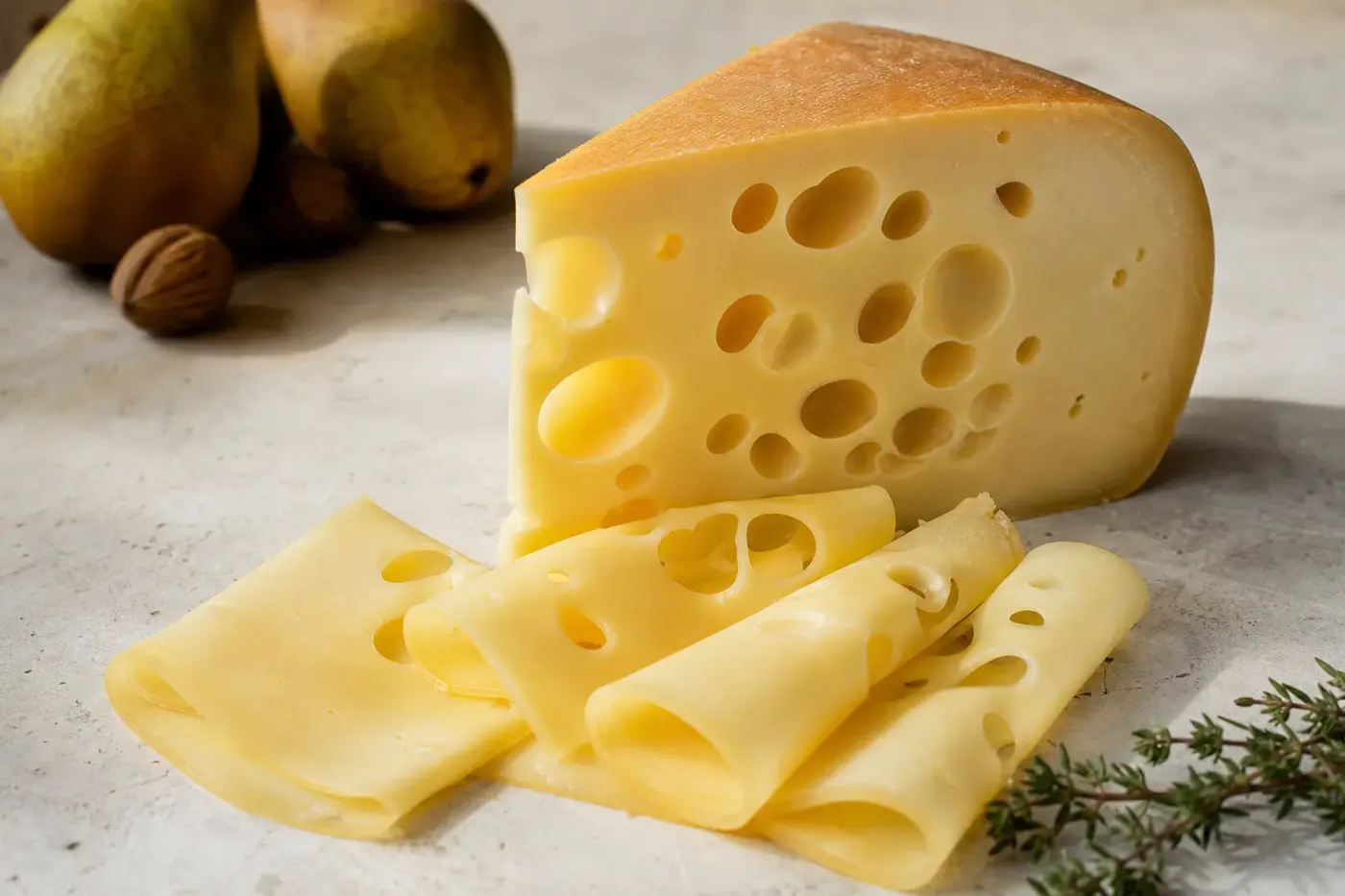
Jarlsberg
Cut into Jarlsberg and those great, rounded holes catch your eye before you take a bite.