Lebanese Cheese
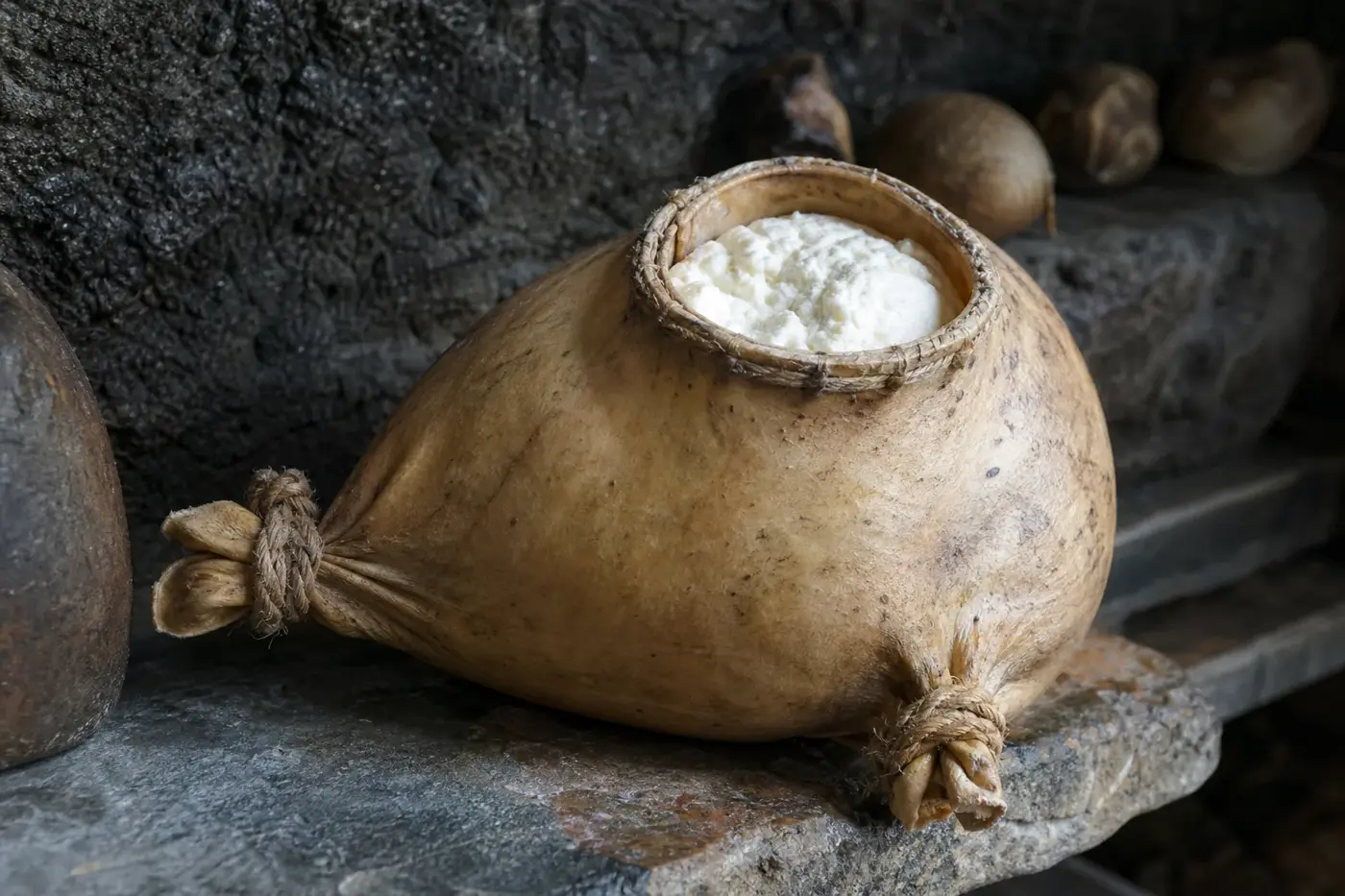
Open a washed, salted goatskin in northern Lebanon and you find layers: cheese, whey curd, then cheese again.
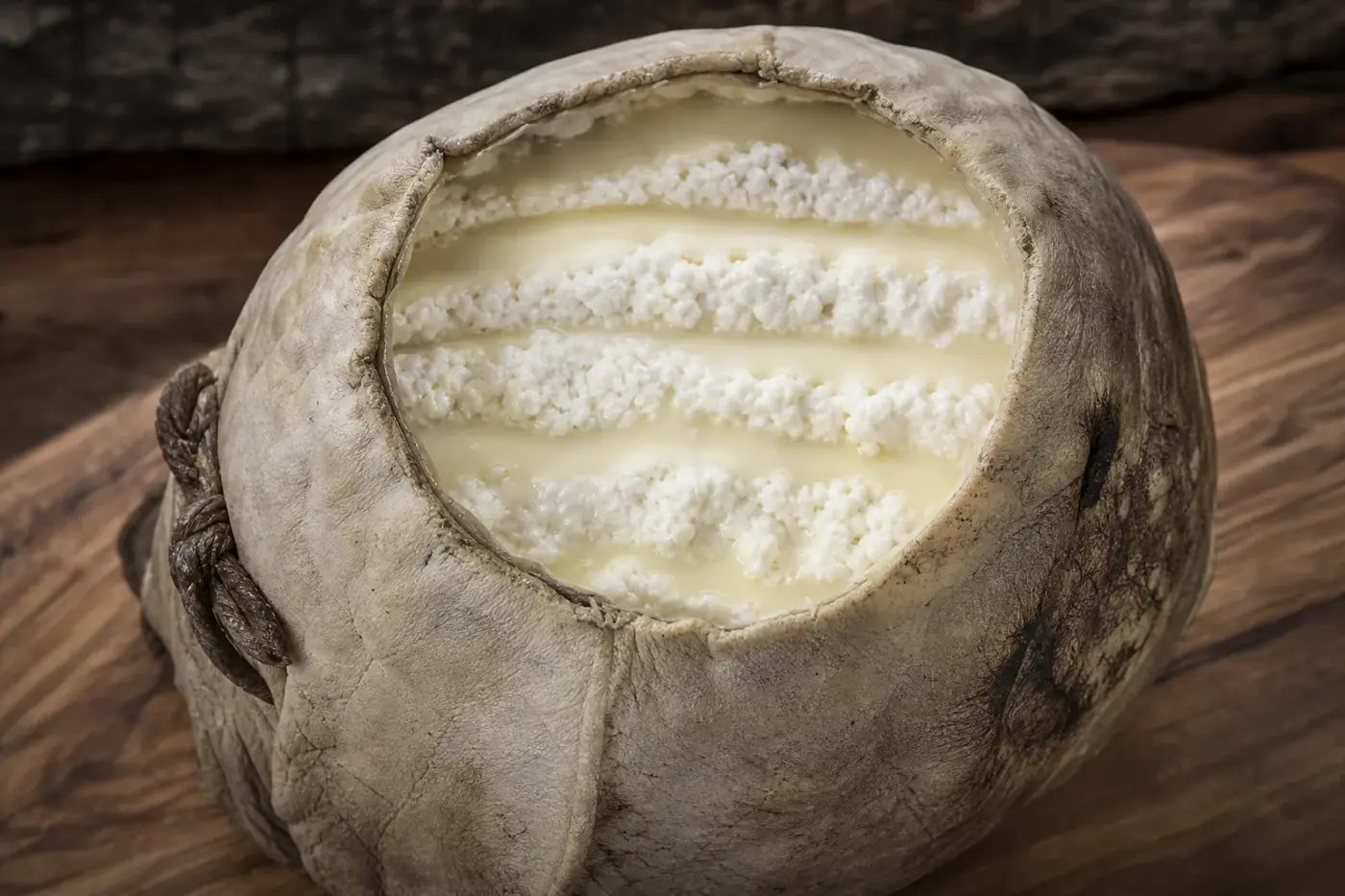
Open a washed, salted goatskin in northern Lebanon and you find layers: cheese, whey curd, then cheese again. Inside, raw goat milk becomes darfiyeh. It is an unlikely address for something delicious, but it takes you straight to the heart of Lebanese dairying: herding, seasonal milk and the ingenuity of keeping the day's milk for another day. [1,2]
| Get your bearings | Your quick guide |
|---|---|
| Main milks | Goat, sheep and cow. [3] |
| Traditional dairy country | Northern mountains; Bekaa and Baalbeck-Hermel. [2,3] |
| Styles to explore | Skin-matured, fresh, brined, stretched-curd and mould-ripened. [1,3,4] |
Step inside the goatskin
For darfiyeh, the goatskin does much more than hold everything together. It shapes how the cheese matures. Slow Food Beirut's account of a 2006 producer-support brochure describes salted cheese layered inside it with arichi, the curd recovered by heating the whey left behind. [1]
Follow that account and you reach Ehden, Bcharré and Inata. Slow Food describes a white, crumbling paste, emphatically goaty when young, then more penetrating and piquant after maturation. If your breakfast cheese usually minds its manners, this one has rather more to say. [1]
A Lebanese conservation organisation also documents raw goat milk going into a cleaned, salted skin. There is a practical connection here, not just a geographical one. Milk, whey and animal skin each have a job in the same mountain food system. [5]
Follow the milk through the landscape
Lebanese cheese draws on goat, sheep and cow milk, but you cannot divide the landscape into tidy compartments. The LACTIMED field diagnosis, published in January 2014, describes cattle farms and small-ruminant herds, with animals grazing mountain pasture, fallow ground and crop residues in the Bekaa. The picture is richer than mountain goats here, valley cows there. [3]
The goat-products atlas places darfiyeh's northern mountain setting at 1,100 to 1,800 metres, with dry summers and cold winters. It links the cheese to the local baladi goat. Look at the flock and its available grazing, and you begin to understand why this cheese belongs to a particular place and season. [2]
The seasons also shape the sheep milk and goat milk reaching dairies. LACTIMED recorded shorter sheep-milking seasons and longer goat-milking seasons; Lebanon's investment authority identifies the Bekaa as important for livestock and dairy processing. When you choose a cheese, ask which milk went into it: a traditional name cannot tell you the species on its own. [3,6]
Five cheeses to make room for
A brined block, a braid and a dried fermented ball offer very different things to eat. Start with how each is made, and you will have a better idea of what belongs on your plate. Several of these names belong to the wider Levant as well as Lebanon, reflecting the shared food culture you meet at Lebanese tables. [4,7]
Darfiyeh: get to know its mountain roots
Darfiyeh is the skin-matured mountain cheese you met above. The atlas associates it with preserving milk for the following winter. Ask whether yours actually matured in a goatskin, who made it and when: those answers tell you more than the spelling on a shop sign. [2]
Akkawi: bring bread and take a slice
Akkawi is a white brined cheese shared across the region. LACTIMED describes it as pressed and semi-firm, made principally from cow milk but also from sheep milk. Lebanese producer Dairy Khoury describes its own version as smooth, mildly salty and suited to the table. [3,8]
Slice it to eat with bread. If you want to cook with it, choose a recipe that specifically names akkawi for its filling. [7]
Baladi: a gentle place to begin
Baladi gives you an approachable starting point. LACTIMED describes a homogeneous paste that cuts without breaking, made from cow, sheep or goat milk through both artisanal and industrial production. Brining can strengthen its taste, so ask whether yours is fresh or a salted, stored version. [3]
Shelal: pull up a strand
You can recognise shelal by its strands. A published review of southern Mediterranean fermented dairy describes curd being acidified, stretched and drawn into strands for braiding. Rather than cutting it like an ordinary pressed block, separate a few strands to eat with bread and vegetables. [4]
Ask how salty it is and whether seeds or seasonings have been added. The name and its transliteration give you a starting point. The maker's ingredient list tells you what is actually in that particular braid.
Shanklish: start with a little
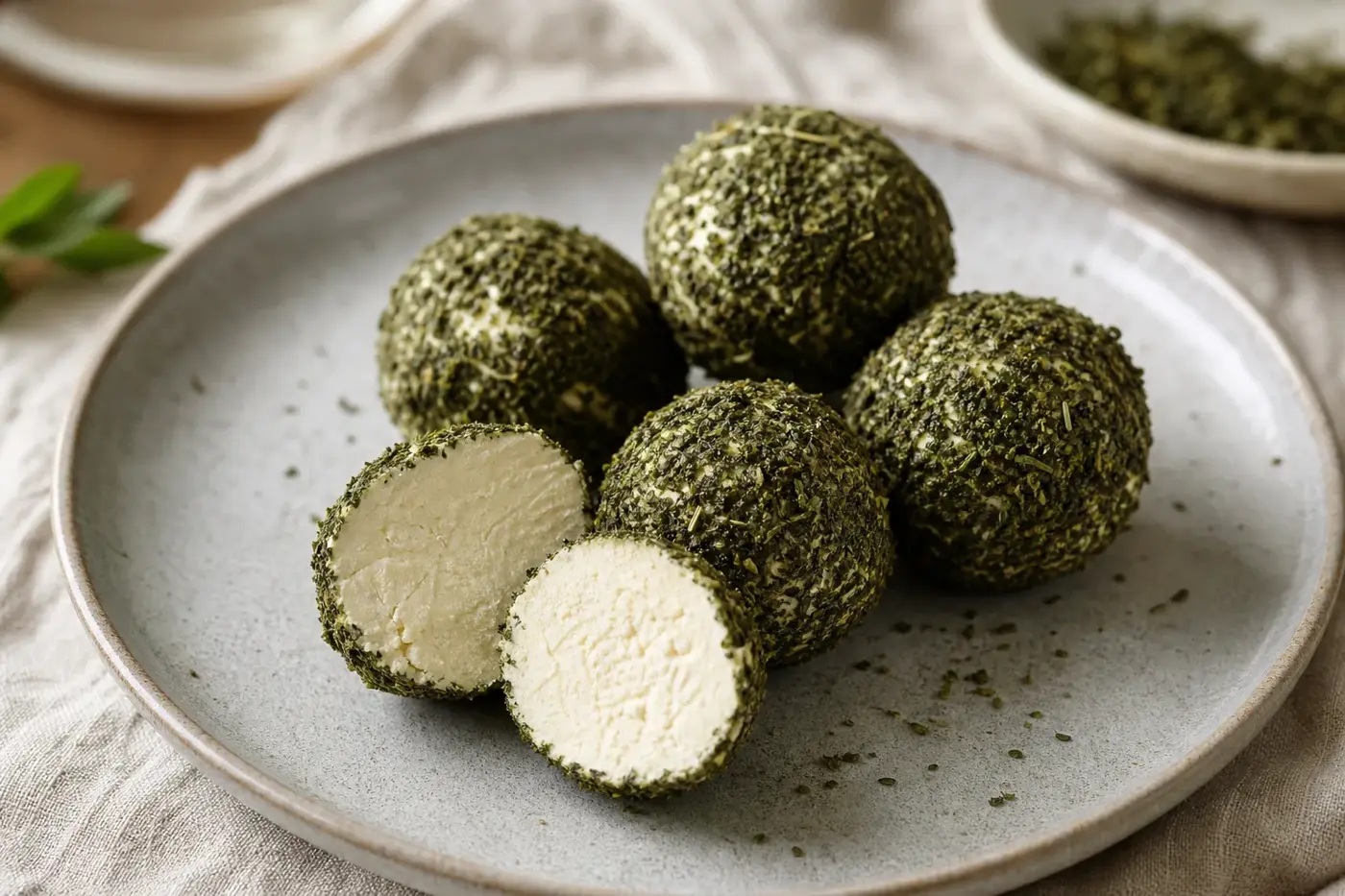
Shanklish brings fermentation, drying and ripening to your plate. The 2025 review of Lebanese dairy describes yoghurt curd shaped into balls, dried and matured, often coated with thyme, sumac or chilli. Mature examples are brittle and pungent, according to the review; fresh forms are softer and milder. [7]
Crumble it with chopped tomato, onion and olive oil, a serving recorded in the same review. A small amount of this intense cheese gives the vegetables a distinct contrast. [7]
Leave a place for labneh
Labneh belongs beside these cheeses, while keeping its identity as strained yoghurt. Draining removes whey and concentrates the fermented milk. The Codex Standard for Fermented Milks explicitly includes labneh among concentrated fermented milks, alongside strained yoghurt; it is an international reference standard, while national classification and labelling rules need separate legal consideration. [9]
At the table, you can use less formal language. Dairy Khoury calls its labneh a soft white cheese, explains that it is cloth-strained yoghurt and describes a slightly acidic taste. Spread yours on bread, add olive oil, mint or cucumber as you prefer, and explore how to tell cheese styles apart if you want to compare methods. [8]
The villages behind the names
Darfiyé Cheese Bcharré, Baladi Cheese Chtoura and Shanklish Rahbeh appear in material from Lebanon's Ministry of Economy and Trade about developing geographical indications. The publication records their reputations and describes potential eligibility for protection. Its account of shanklish maturing in Rahbeh's caves gives you a local reputation, not a registered status. [11]
The registration position for darfiyeh, akkawi, baladi, shelal and shanklish is set out below. If a seller calls a name legally protected, ask for the register entry and product specification. You can explore the distinctions in protected names explained.
| Where the rules apply | Formal registration status, November 2026 |
|---|---|
From breakfast bread to sweet kunafa
Start with white table cheese or labneh, bread, tomatoes, cucumber, olives and herbs. For mezze, the small dishes shared around the table, shanklish with tomato and onion brings a more assertive flavour. Let household preference guide you here, rather than trying to assemble a rigid formula. [7,8]
Akkawi also finds its way into pastries and sweet kunafa fillings, as the Lebanese dairy review records. If you order a cheese manoushe, the flatbread with a cheese topping, ask the baker which cheese or mixture they use. The pleasure is in how that filling tastes and behaves, not in every bakery following the same formula. [7]
If your recipe calls for soaking salty cheese, get the producer's directions for that particular product. Keep fresh cheese refrigerated during preparation and follow its storage instructions. Choose for the dish: a cheese you enjoy in slices may need different preparation inside a pastry. [10]
Keeping milk for the season ahead
Preservation runs through this story. The goat-products atlas records darfiyeh stored in a skin for winter consumption, bringing together salting, whey recovery and maturation. Those details show you how a household kept milk useful, without needing to claim that a modern cheese has survived unchanged since antiquity. [2]
Shanklish follows another route: fermented curd, drying, then ripening. Brined akkawi offers a different answer to the same seasonal problem. You can eat milk promptly, concentrate it, salt it or mature it, with something different to enjoy at the end of each route. [4,7]
The heritage record has clear dates, too. Slow Food Beirut reproduced its 2006 darfiyeh brochure in 2009, and LACTIMED published its regional dairy diagnosis in 2014. These accounts give you a foothold in both the tradition and the work undertaken to document it. [1,3]
Follow your curiosity to the dairy
For mountain darfiyeh, start around Ehden and Bcharré, the northern localities documented in the heritage sources. Ask a local dairy or food specialist who has a batch, when it was made and whether you can arrange a meeting. Think in seasons, rather than counting on a permanent tasting counter. [1,2]
In Beirut, food markets and specialist dairy counters give you places to explore a cheese's origins. Ask for the maker and village, not just the name, and establish whether the cheese was made locally or brought in. Before visiting a market, confirm the organiser's current venue, date and participating dairy producers.
In the Bekaa, published accounts from arcenciel describe a dairy at Domaine de Taanayel supplied by cows raised on site. LibanLait's published catalogue lists akkawi as Accaoui. Contact the organisations before you travel. [13,14]
| Before you set off | Current status |
|---|---|
Before planning your journey, check current official travel advice, local road access, booking requirements and accessibility. Taking cheese across a border needs its own preparation. Before buying, check the destination's and any transit country's current personal-import rules for dairy from Lebanon.
Ask good questions, then keep it chilled
Ask about milk treatment as well as species, especially with a traditional raw-milk cheese such as darfiyeh. You can read raw milk and pasteurised cheese for more detail, but pasteurisation is not the end of safe handling. The US FDA explains that pasteurised fresh cheese can become contaminated afterwards if the manufacturing environment is unsanitary. [1,15]
Soft cheeses need refrigeration for safety, according to the US Department of Agriculture. Buy yours from refrigerated storage, arrange a chilled journey home and follow the maker's directions, including instructions for after opening. If you buy loose cheese, ask the seller for those details. [10]
For queso fresco-type fresh cheeses, US FDA guidance specifies refrigeration at or below 4 °C (40 °F), prompt use and keeping newly purchased cheese in its original unopened packaging. That guidance applies to that product category and also advises against keeping leftovers once opened. Follow current official guidance for your country alongside the instructions on your particular cheese. [15]
Before buying, consider whether the cheese can stay under its stated storage conditions until you eat it. If your transport or accommodation makes that doubtful, buy nearer the meal. For more detail, turn to reading a cheese label and storing cheese at home.
Your first tasting, at your own pace
Choose one soft white cheese and one more strongly ripened example. This is lunch, not a collecting competition. Add bread, tomato, cucumber, fresh herbs and olive oil, keeping the accompaniments separate so you can notice what each changes.
Taste a small piece plain, then with bread. Try the vegetables next, leaving herbs or oil until last. Notice whether the cheese slices, separates into threads or crumbles, and whether salt, acidity or ripening leads its flavour.
Finally, ask the seller how their household eats it. That conversation is often your best next step.
General information only, not medical advice: follow the official guidance where you live.
Questions people ask
What does darfiyeh taste like?
Slow Food describes darfiyeh as a white, crumbling cheese that is emphatically goaty when young. After maturation, its flavour becomes more penetrating and piquant.
What is the difference between akkawi and baladi?
Akkawi is a pressed, semi firm white cheese kept in brine, made principally from cow milk but also from sheep milk. Baladi is soft and white, can be made from cow, sheep or goat milk, and may be fresh or salted for storage.
How is shanklish made and served?
Shanklish is made from yoghurt curd shaped into balls, dried and matured. It is often coated with thyme, sumac or chilli and can be crumbled with chopped tomato, onion and olive oil.
Is labneh cheese or yoghurt?
Labneh is strained yoghurt: draining removes whey and concentrates the fermented milk. The Codex Standard for Fermented Milks includes it among concentrated fermented milks, while Dairy Khoury calls its labneh a soft white cheese.
How should fresh Lebanese cheese be stored?
The US Department of Agriculture says soft cheeses require refrigeration. The US FDA advises keeping queso fresco type fresh cheeses at or below 4 °C, using them promptly and not keeping leftovers once opened. Check current official guidance for your country and follow the instructions for your particular cheese.
Sources
- Slow Food Beirut, Darfieh: Lebanon's first Slow Food Presidium, published 25 September 2009, reproducing a brochure identified as printed in 2006. Published account.
- International Goat Association, hosted copy of Atlas of goat products, “Lebanon: Darfyeh” entry; file edition and publication year not verified. Atlas.
- LACTIMED, Developing the typical dairy products of the Bekaa and Baalbeck-Hermel: Diagnosis and local strategy, January 2014. Report.
- Fermentation, Traditional Fermented Dairy Products in Southern Mediterranean Countries: From Tradition to Innovation, volume 8, issue 12, article 743, 2022. Retrieved text describes shelal and shanklish production. Research review.
- Society for the Protection of Nature in Lebanon, We Are What We Eat: Darfiyeh #MedFoodHeroes, undated retrieved webpage. Heritage account.
- Investment Development Authority of Lebanon, Bekaa Governorate, undated retrieved webpage. Regional profile.
- Foods, Milk Supply in Lebanon: Economic Challenges and the Role of Traditional Dairy Products, volume 14, issue 17, article 3115, 2025. Research review.
- Dairy Khoury, product descriptions for akkawi and labneh, undated retrieved website. Commercial producer descriptions, attributed as such. Product catalogue.
- Codex Alimentarius Commission, Codex Standard for Fermented Milks, CODEX STAN 243-2003, retrieved edition recording revisions in 2008 and 2010, sections 2.2 and 3.4. Retrieved edition.
- USDA Food Safety and Inspection Service, Does all cheese need to be refrigerated?, undated retrieved guidance. Consumer guidance.
- Ministry of Economy and Trade, Republic of Lebanon, geographical-indications development publication, file headed Economy&Trade; bibliographic title and year not verified. Ministry publication.
- Ministry of Economy and Trade, Republic of Lebanon, Draft Law on the Protection of Geographical Indications, undated retrieved draft. Used only to identify the document's draft status. Draft document.
- arcenciel, La Laiterie du Couvent de Taanayel unit and The farm at Domaine de Taanayel unit, undated retrieved operational descriptions. Dairy and farm.
- LibanLait, corporate website and LibanLait product catalogue, undated retrieved pages. Company and catalogue.
- US Food and Drug Administration, Queso Fresco-type Cheeses Consumer Guidance, retrieved current webpage, checked November 2026. FDA guidance.
Researched through published heritage accounts, regional dairy fieldwork, research literature, official documents and producer catalogues, with tasting suggestions developed as editorial recommendations.
Last checked: November 2026
Last checked November 2026.
The cheeses of Lebanon
The editors suggest you read next
French Cheese: The Complete Guide
Picture Normandy’s pastures, then follow the milk towards the Loire’s goat dairies, the Jura’s shared cheesemaking traditions and the sheep country of the Pyrenees.