Mossfield
Slide your knife through Young Mossfield, then break a piece from Mature.
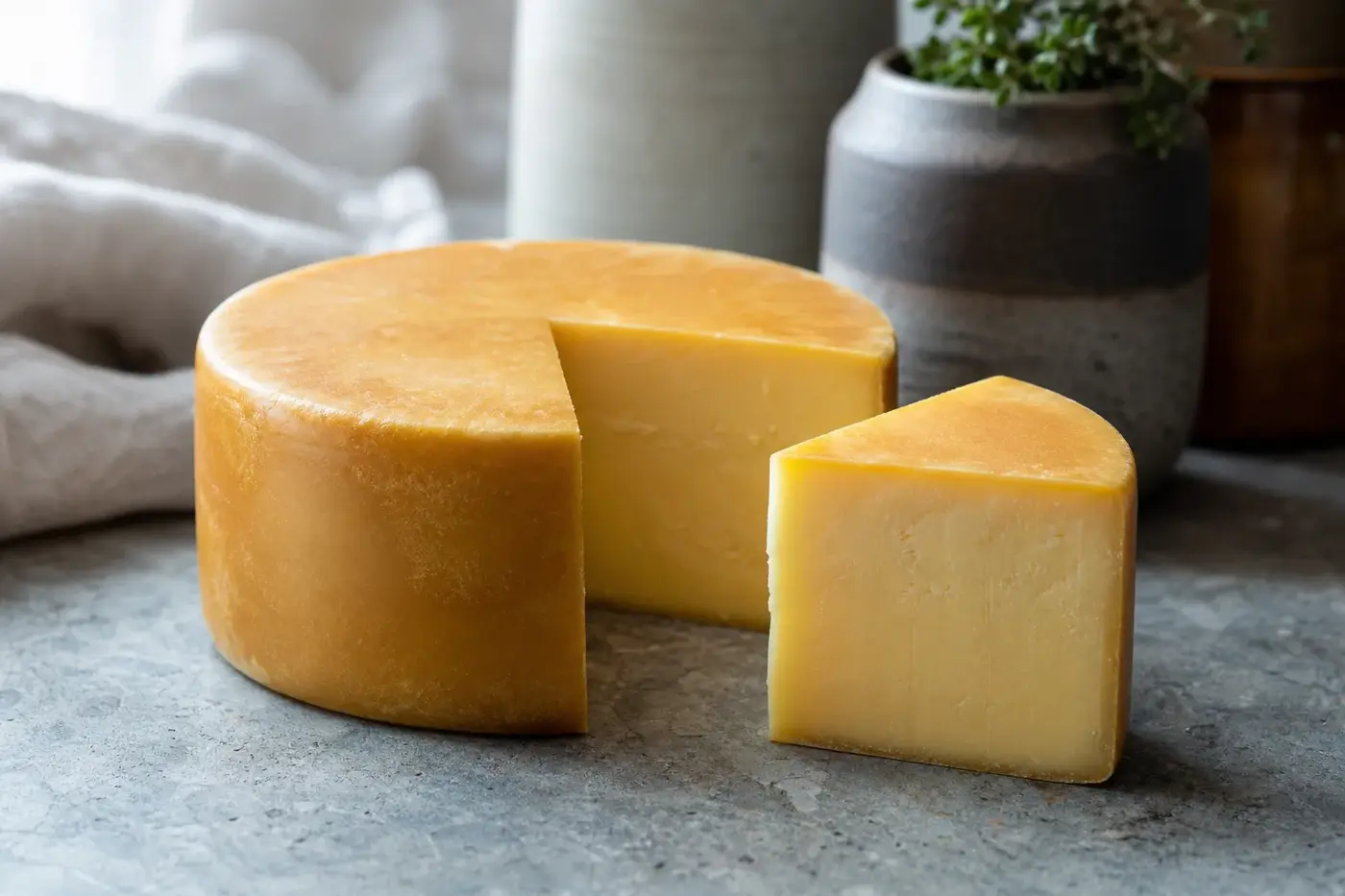
Slide your knife through Young Mossfield, then break a piece from Mature. The first is sweet and smooth; the second has deeper flavour and a more crumbly bite. Both start with milk from the farm’s own cows near Birr, County Offaly, carrying the work of an organic dairy farm into its cheese dairy. Here, semi-hard, Gouda-style cheese gets time to find its voice. [1][2][3]
| What you want to know | Mossfield |
|---|---|
| Who makes it, and where? | Mossfield Organic Farm, Clareen, Birr, County Offaly, Ireland. [4] |
| Style and milk | Semi-hard, Gouda-style cows’ milk cheese. Ask the maker for its milk-treatment specification. [3] |
| Where does the milk come from? | The farm’s own dairy herd, according to the maker. [1] |
| The plain choices | Young and Mature. [2] |
| How long does Mature wait? | At least eight months, according to the maker. [2] |
| Suitable for vegetarians? | The maker declares its cheeses suitable for vegetarians. [2] |
| Organic certification body and current certificate | Ask the maker for details |
| Registered protected name, authority and register ID | Ask the maker for details |
| Wheel size | Cooleeney’s export listing specifies 5 kg wheels. [3] |
Meet Young, Mature and their flavoured companions
Start with plain Mossfield and your choice is Young or Mature. Both sit in the Gouda-style part of the farm’s range. If you like a little company for your cheese, the maker also lists young versions with tomato and herbs, garlic and basil, and cumin seed. [2][5]
There is a separate Cheddar-style cheese, too. Ask at the counter which range you are looking at, and whether your piece is plain or flavoured. The farm name introduces the cheese, but it does not tell you everything about the wedge. [2][5]
For your first tasting, choose plain. You will have a clear reference before herbs, garlic or spice enter the picture. If both ages are available, take a small piece of each. Mature does not automatically win just because it has spent longer waiting.
The broader Gouda guide introduces the style. With Mossfield, the particular pleasure is tracing the connection between an Offaly farm, its own milk and the character that develops as the cheese matures.
Follow the milk from the Slieve Bloom foothills
Mossfield Organic Farm gives its address as Clareen, near Birr, at the foot of the Slieve Bloom Mountains. In the maker’s account, limestone pasture grows grass, wild herbs and clover. The farm’s conversion to organic farming dates to 1999. [1][4]
Follow that account and you follow milk from the farm’s own dairy herd into its dairy products. There is no separate milk supplier at the centre of this story. The cheesemaking team describes its work as handmaking in small batches. [1][2]
That close connection between farm and dairy gives you a place to begin. At the counter, bring it back to two questions: which variety is this, and how long has it matured? Ask both when plain, flavoured and Cheddar-style cheeses sit together. The answers tell you more about your plate than the Mossfield name alone.
Get to know the milk behind your wedge
Cooleeney Farm includes Mossfield in its export selection and describes it as made from pasteurised cows’ milk. For the maker’s own statement on milk treatment, ask Mossfield directly. Keep the two sources distinct as you read the product information. [3]
Organic farming and pasteurisation answer different questions. One concerns how the milk is produced; the other concerns its treatment before cheesemaking. Mossfield supplies the account of milk from its own herd, while Cooleeney supplies the explicit description of milk treatment. [1][3]
The guide to raw, thermised and pasteurised milk explains the practical differences. When you read a pack or specification, match the milk information to the exact product name. Mossfield makes more than one dairy product, so each set of details needs to stay with the product it describes.
Give Mossfield time, then taste the difference
Mature Mossfield ripens for at least eight months before sale, according to the maker. The description specifically for Young says tasting starts from sixteen weeks. The herbed cheeses are described as sold after three months of ripening. Those timings give you a useful way to compare like with like. [2]
The maker describes handmaking in small batches. Its published accounts spend more time on maturation and eating character than on the individual jobs inside the dairy. If you want to get closer to the making, take these questions to the maker. [2]
| Inside the dairy | What you can ask |
|---|---|
| Curd treatment, including washing | How is Mossfield’s curd treated, and is it washed? |
| Moulding procedure | How is the cheese moulded? |
| Pressing procedure | How is the cheese pressed? |
| Salting method | How is the cheese salted? |
| Maturation room conditions and turning | What are the room conditions and turning routine? |
“Gouda-style” offers useful context, rather than a complete tour of production. For that, you need Mossfield’s own details of curd treatment, moulding, pressing and salting. A style name can introduce the process, but it cannot explain every step.
When buying, ask the age of the actual piece. Young and Mature are helpful names; a stated age makes your comparison sharper. If you come back for another tasting, jot the age beside the variety. You will give your future self something useful to work with.
Take a closer look beneath the coating
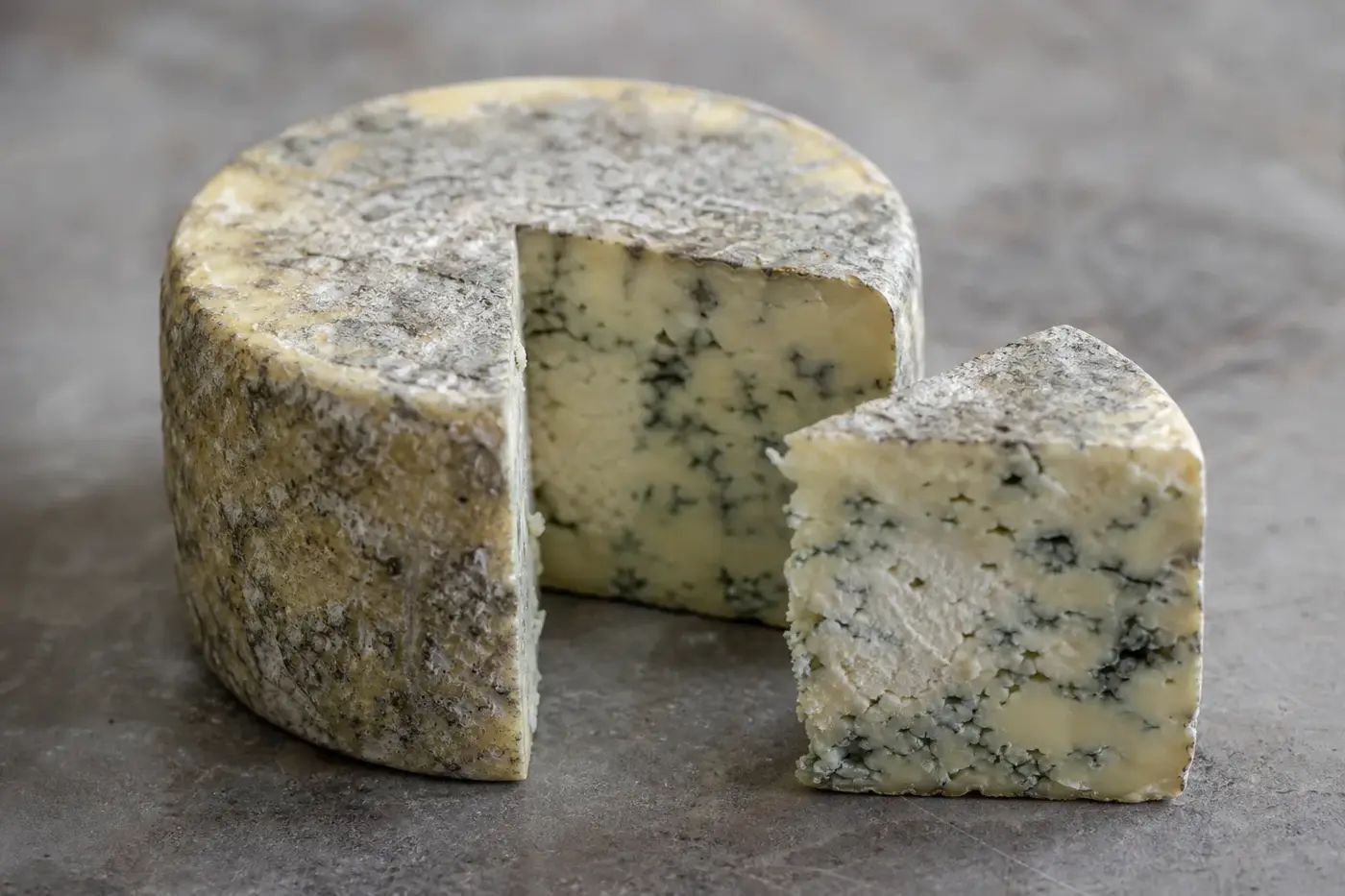
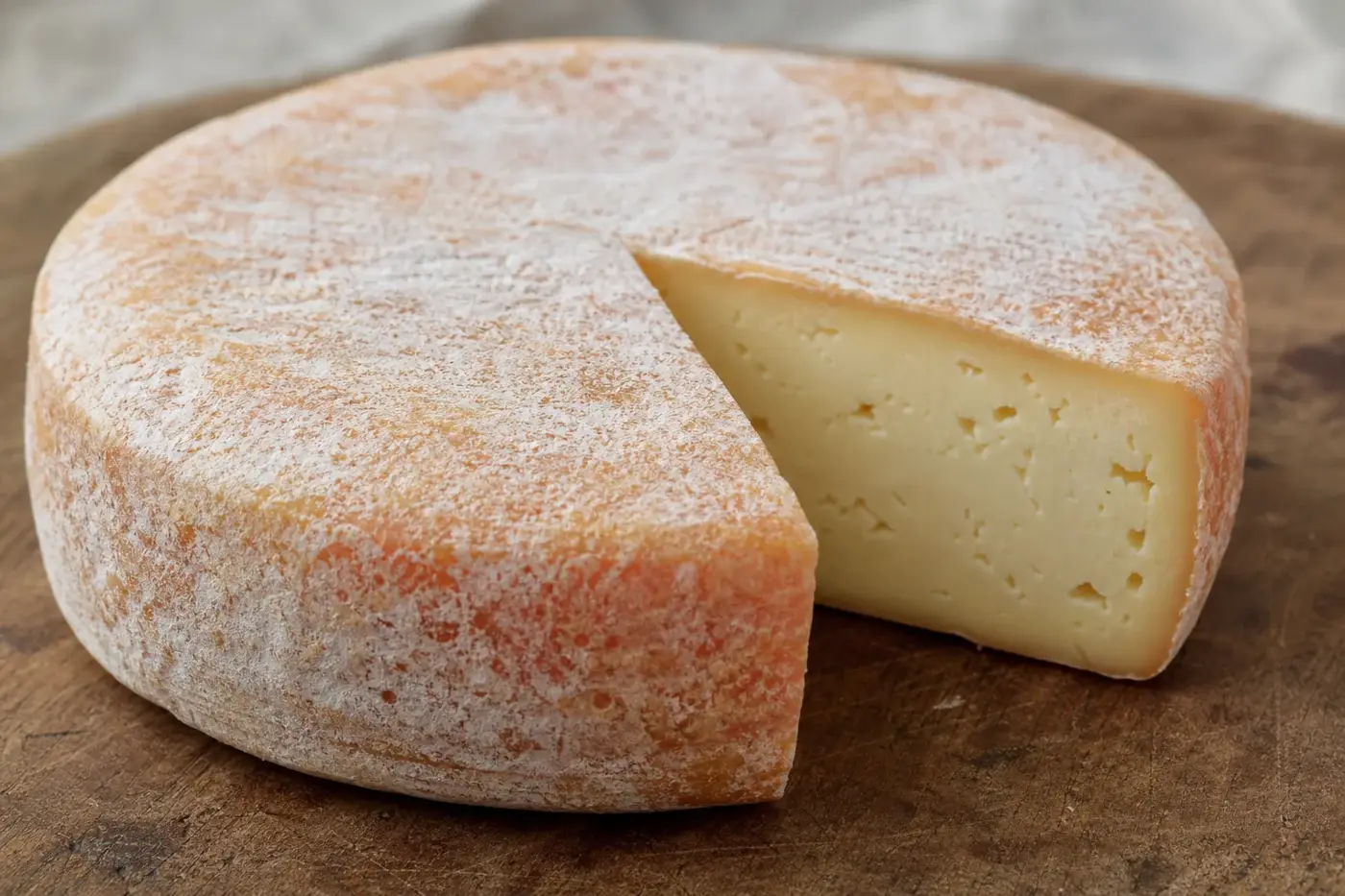
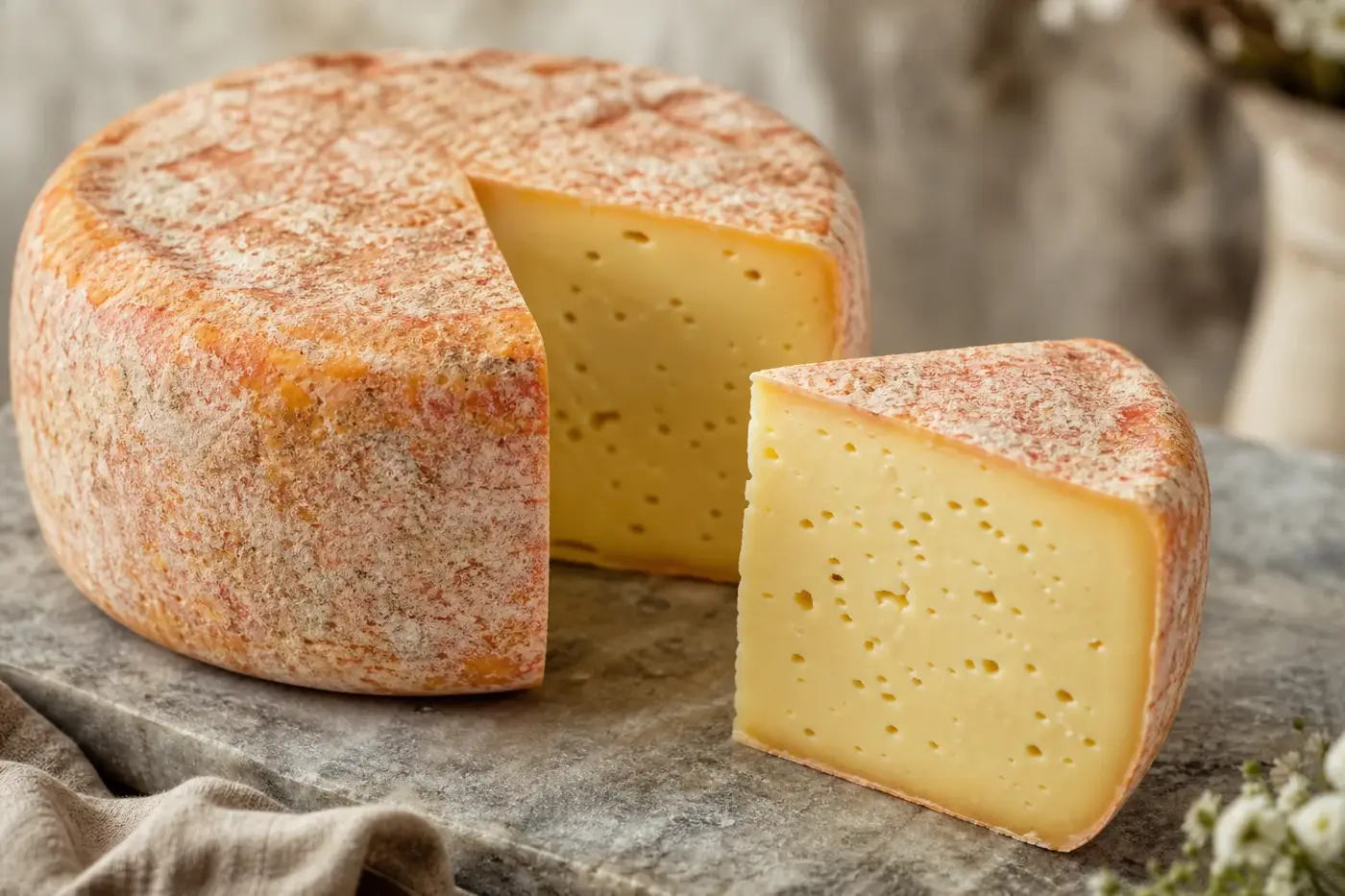
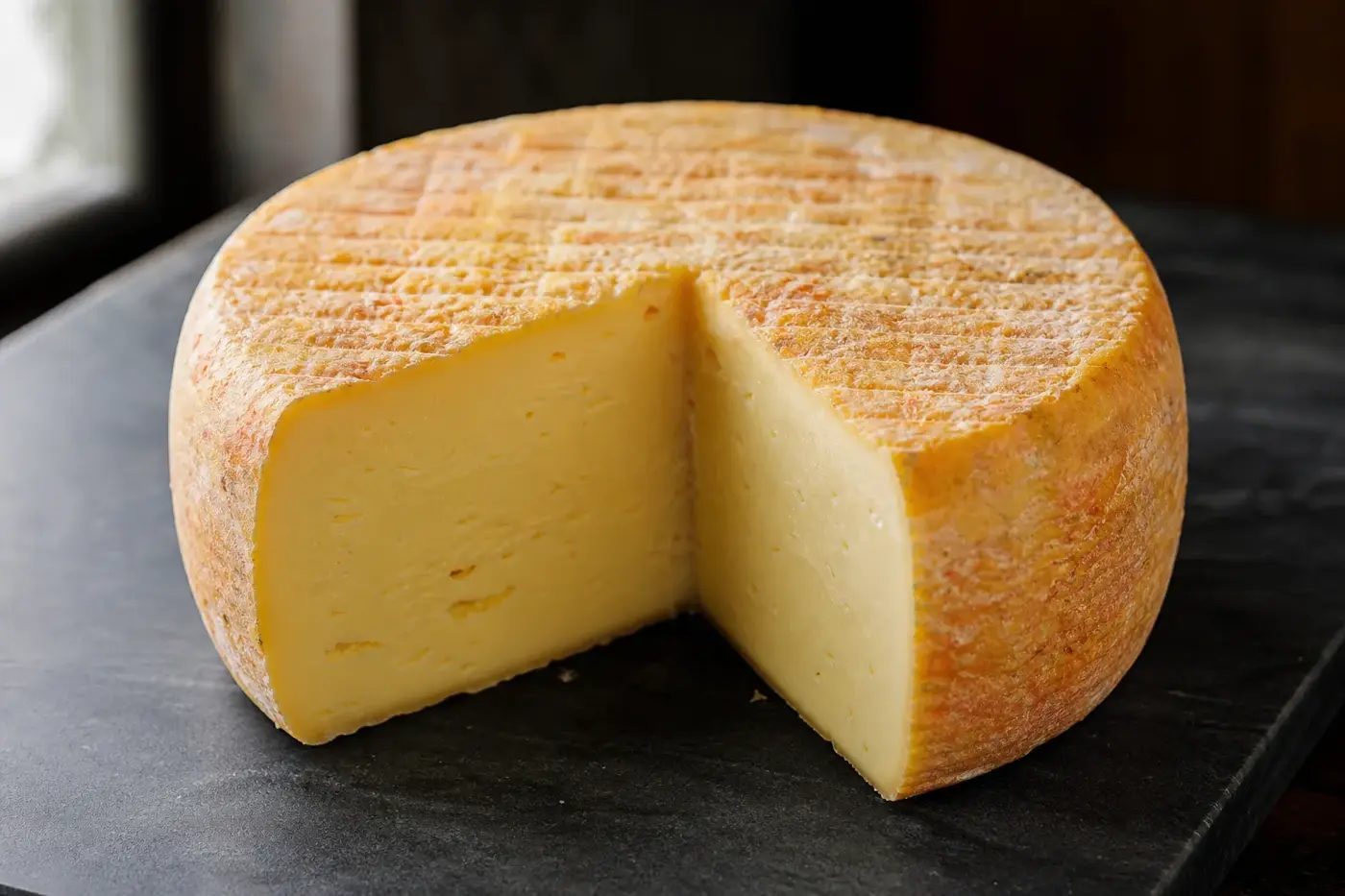
Cooleeney describes a smooth, pale yellow paste and lists Mossfield as a semi-hard cheese in 5 kg wheels. “Paste” is the cheese beneath the outer surface. It is the part of your wedge where you can study colour, cut and texture. [3]
The Irish Cheese catalogue dated 2020 records waxed exteriors for Young and Mature, with plastic coating for the three flavoured Gouda-style varieties. Neither wax nor plastic coating is food. Look at the exterior of the piece on sale today, because the catalogue describes the range at that date. [5]
The maker’s clearest textural contrast sets the younger cheese against the crumbly Mature. Try a thin slice and a small broken piece of each. Before you look for flavours, notice what happens beneath your knife and between your fingers. [2]
Give each observation a moment: exterior, cut surface, then the body of the cheese. Note the paste’s colour, how smoothly it cuts, its resistance to slicing and the way a piece breaks. You will learn more than you would by writing “firm” beside both ages and putting the notebook away.
Taste your way from sweet cream to savoury depth
Young Mossfield is sweet and creamy in Cooleeney’s account. With maturity comes a deeper, more pronounced flavour. That gives you a straightforward place to start when tasting the two ages together. [3]
Cheese.ie, a retailer selling Mossfield, describes dairy and fresh-cream notes, gentle sweetness, toasted nuts and a savoury finish. It also describes a smooth, firm texture. Its account does not identify the age of the particular wheel tasted. [6]
Use those descriptions as invitations, not answers you have to reproduce. Look for sweetness, dairy character and increasing intensity, with toasted-nut and savoury notes as further possibilities. Your most useful tasting note describes what you find in your own piece. There is no prize for detecting somebody else’s toasted nut. [3][6]
For a comparison, begin with plain Young, move to plain Mature, then return to Young. Leave the flavoured versions until afterwards. Write down what changes on that return visit, now that you can taste the younger cheese against the memory of the mature one.
Give aroma its turn before bread or accompaniments arrive. Smell a freshly cut piece, then compare that impression with the flavour after chewing. A short, precise description in your own words will serve you better than a long checklist of things you think you ought to taste.
Make room on the plate for Mossfield
Begin with a plain piece, bread or an unseasoned cracker, and one accompaniment at a time. Try apple or pear first. A little chutney lets you explore a more assertive contrast without turning the whole plate into a contest.
For a fuller board, put plain Young and Mature together and give the flavoured cheese its own space. Label each variety and add its age where known. Your guests can compare the cheeses without having to conduct a small investigation into every wedge.
To drink, try water, a dry apple drink or lightly brewed black tea. Taste the cheese, sip, then taste again. These suggestions let you explore contrast, so keep whichever combination helps you notice more of the cheese. The cheese and wine pairing guide offers a broader framework.
In the kitchen, Cheese.ie suggests Mossfield for sandwiches and general cooking. [6] Try an open toast, a baked potato topping or a vegetable tart. Begin with plain cheese so you can judge its contribution, then decide whether a flavoured version suits your other ingredients.
The principle is the same at the stove as on the board. Get to know the cheese first. Then decide which extra flavours you want alongside it.
Keep it well, then serve your slice
Ireland’s Food Safety Authority of Ireland advises keeping cold food below 5 °C (41 °F), separating ready-to-eat food from raw food, and cleaning utensils and work surfaces. November 2026 is the reference date for this household guidance. Follow the storage instructions on your particular product. [7][8]
Keep the cheese covered between uses. Cut only what you intend to serve and leave the rest refrigerated. Give that serving portion a brief spell out of the fridge, then taste it rather than waiting for a fixed “room temperature”. [8]
For current Irish guidance on food handling and display, consult the Food Safety Authority of Ireland. Keep that practical advice alongside the instructions supplied with your cheese. You should have both readily available. [8]
The guide to storing cheese at home covers wrapping and managing cut pieces. Keep the original product information, too. Its identity, date marking and storage instructions should remain available after your first cut, particularly when you have several varieties in the fridge.
Choosing vegetarian? Start with the maker
Mossfield states that all its cheeses are suitable for vegetarians. Cheese.ie separately describes Mossfield Organic Gouda as made with vegetarian rennet. Neither account identifies the precise rennet category, such as microbial or fermentation-produced. [2][6]
The maker’s vegetarian declaration gives you a practical starting point. If the exact enzyme source matters to you, request the current product specification for the variety you intend to buy. For the differences between the main categories, turn to rennet explained.
General information only, not medical advice: follow the official guidance where you live.
Questions people ask
Where is Mossfield cheese made?
Mossfield Organic Farm is in Clareen, near Birr in County Offaly, Ireland. The cheese is made with milk from the farm’s own dairy herd.
What does Mossfield cheese taste like?
Cooleeney describes Young Mossfield as sweet and creamy, with a deeper, more pronounced flavour developing as it matures. The maker describes Mature as crumbly.
Is Mossfield made with pasteurised milk?
Cooleeney Farm describes Mossfield as made from pasteurised cows’ milk. The page says this treatment has not been confirmed with the maker.
Is Mossfield suitable for vegetarians?
The maker states that all its cheeses are suitable for vegetarians. Cheese.ie describes Mossfield Organic Gouda as made with vegetarian rennet, but does not identify the precise rennet category.
How should Mossfield be stored?
The Food Safety Authority of Ireland advises keeping cold food below 5 °C. Consult the authority for current Irish food handling guidance and follow the storage instructions on the particular product.
Sources
- Mossfield Organic Farm, Welcome to Mossfield Organic Farm, undated website account, retrieved November 2026. Farm location, pasture, organic conversion and own-herd milk.
- Mossfield Organic Farm, Products, undated web edition, retrieved November 2026. Cheese varieties, production, vegetarian declaration and maturation statements.
- Cooleeney Farm, Mossfield, undated export product description, retrieved November 2026. Milk treatment, style, paste, flavour development and wheel weight. Cooleeney has a commercial interest in the cheese it offers.
- Mossfield Organic Farm, Contact Us, undated web edition, retrieved November 2026. Address at Clareen, Birr, County Offaly.
- Irish Cheese, Irish Cheeses 2020, catalogue, 2020, Mossfield entries 360 to 365 and accompanying descriptions. Historical classification and exterior treatments.
- Cheese.ie, Mossfield Organic Gouda | Cow’s Milk | Vegetarian Rennet | Co. Offaly, undated product description, retrieved November 2026. Retailer’s sensory account, vegetarian rennet description and suggested uses. Cheese.ie sells the product.
- Food Safety Authority of Ireland, Healthy eating, food safety and food legislation: A guide supporting the Healthy Ireland Food Pyramid, retrieved edition, publication year not verified, printed pages 78 to 79. Household refrigeration and hygiene advice.
- Food Safety Authority of Ireland, Safe Food to Go, retrieved edition, publication year not verified, sections on temperature control, counter display and food handling.
This article was researched from the maker’s published accounts, commercial product descriptions, a dated cheese catalogue and Irish official food-handling guidance.
Last checked: November 2026
Last checked November 2026.
The editors suggest you read next