Perl Wen
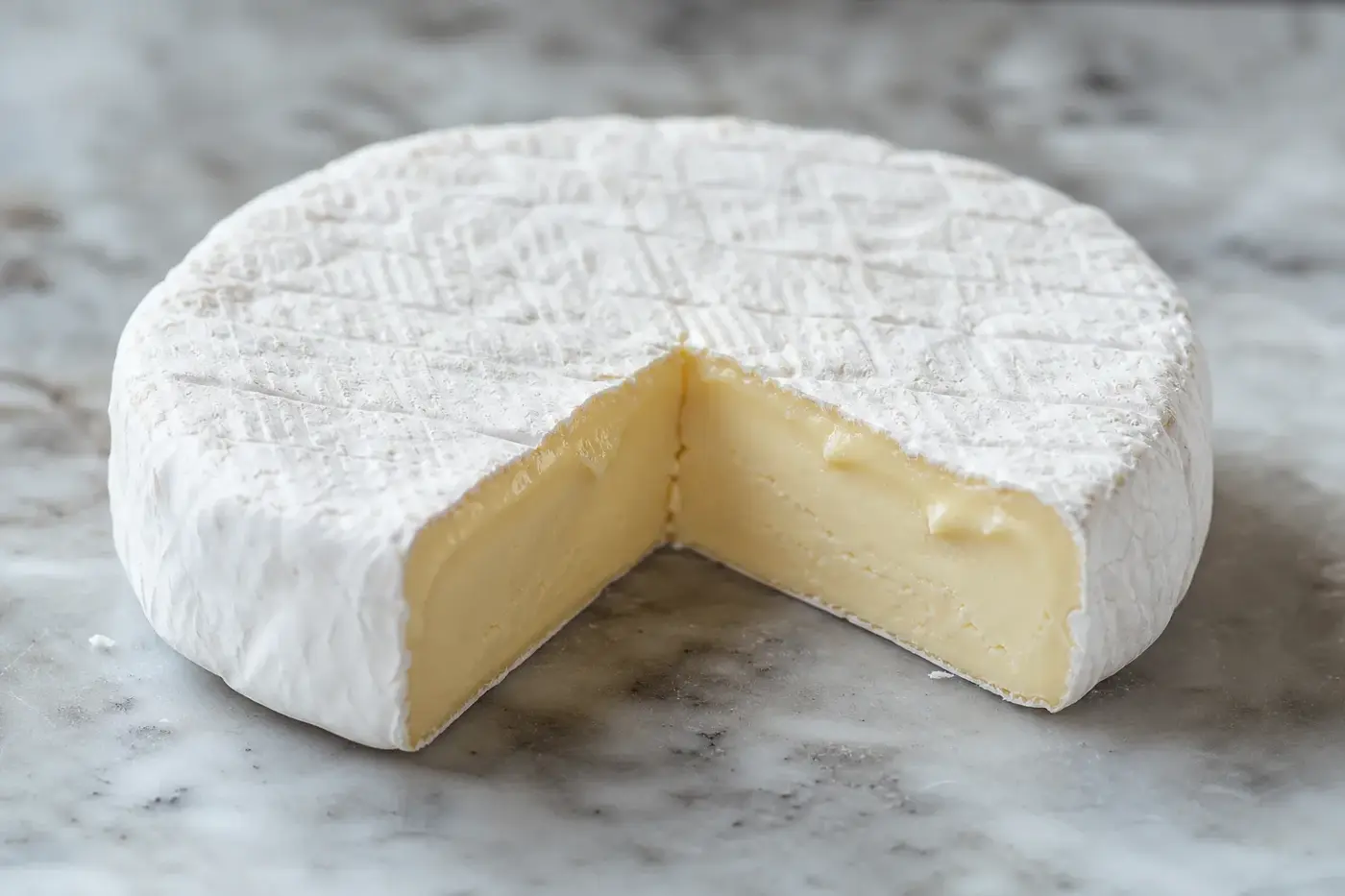
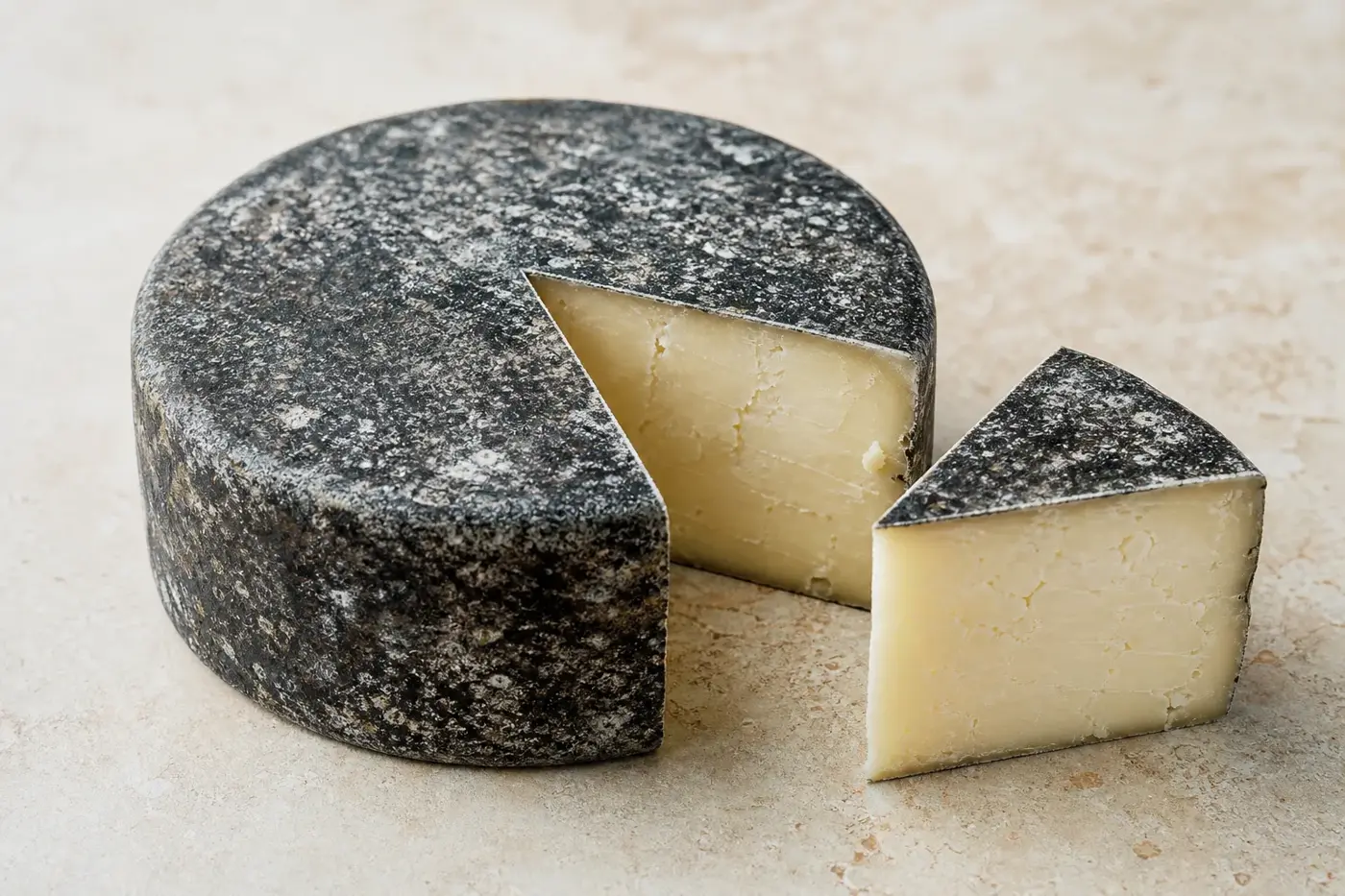
Cut through Perl Wen's soft white mould rind and there's a surprise waiting: a centre Caws Cenarth describes as citrus-fresh, with a hint of sea salt.
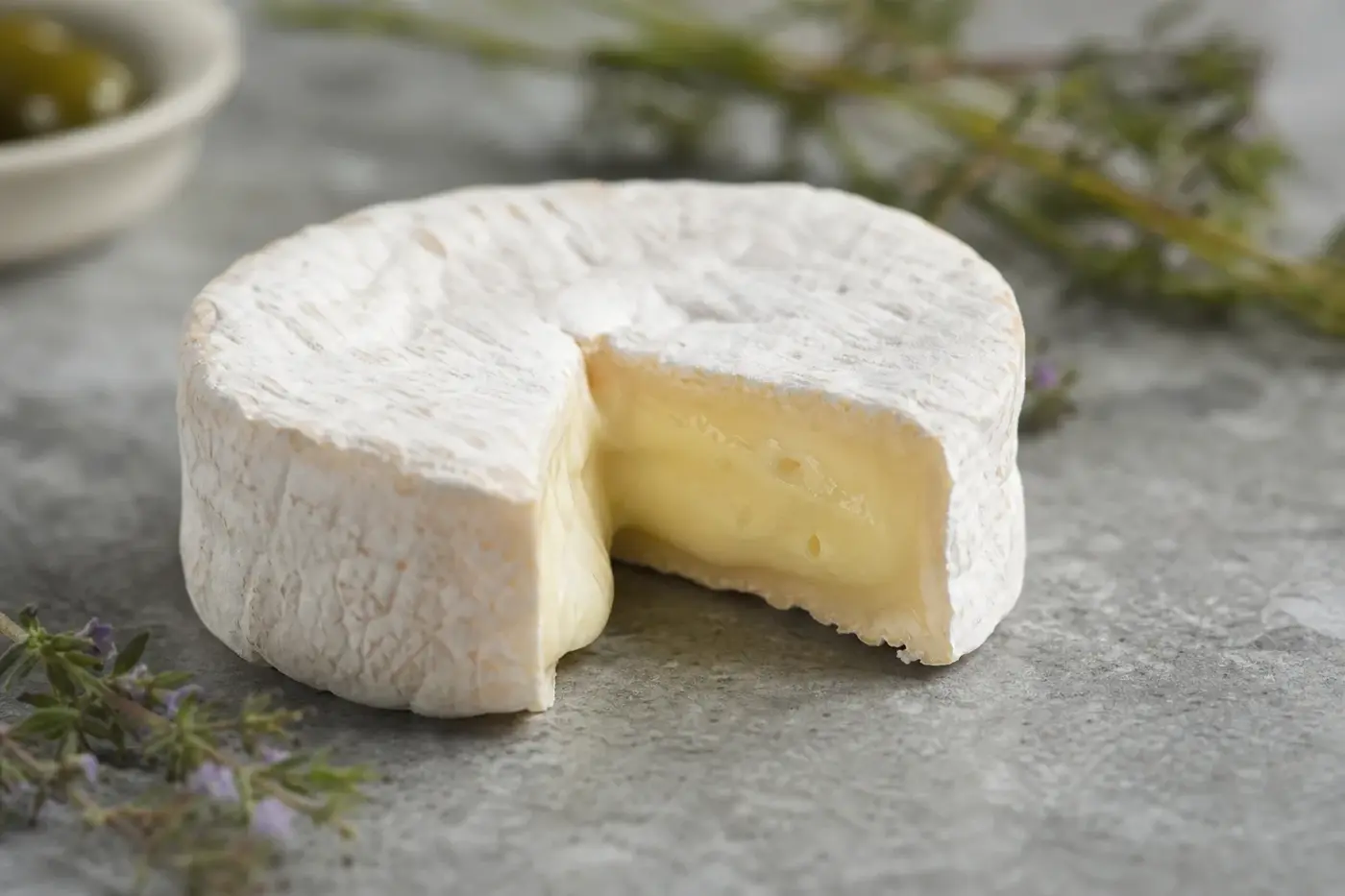
Cut through Perl Wen's soft white mould rind and there's a surprise waiting: a centre Caws Cenarth describes as citrus-fresh, with a hint of sea salt. Follow that freshness and you arrive at a Welsh farmhouse Caerffili recipe, given a Brie-inspired form at Glyneithinog in rural west Wales. The rind may look familiar. The cheese inside has its own story to tell. [1,6]
| Your quick introduction | The details |
|---|---|
| Name | Perl Wen. [1] |
| Maker | Caws Cenarth. [1] |
| Home | Glyneithinog, Pontseli, Carmarthenshire, Wales. [6,7] |
| Milk | Pasteurised organic cow's milk, declared by the maker. [1,2] |
| Coagulant | Vegetarian rennet, declared by the maker. [1,2] |
| Ripening mould | Penicillium candidum. [1,2] |
| Style | Soft, white mould-ripened, Brie-inspired. [1,9] |
| Sizes | Maker listings: 200 g and a wheel of at least 1 kg. [1,2] |
| Perl Wen-specific ageing | No specific timetable given here |
| Full Welsh name translation | No full translation given here |
| Registered name, authority and register ID | No registration details given here |
Look beneath that familiar white rind
Brie might be your first thought when you see Perl Wen. Caws Cenarth, though, begins with farmhouse Caerffili: a Welsh recipe made into a soft, white mould-ripened cheese. You'll often hear this family called bloomy-rinded, and the surface and soft centre make Brie a useful introduction. The Caerffili connection is where Perl Wen's own character begins. [1]
The Welsh word perl means “pearl”, as the dictionary entry records. At the counter, ask for the complete name, Perl Wen, because Caws Cenarth also makes a separate cheese called Cenarth Brie. Both appear in the dairy's soft-cheese list. Even a cheese counter occasionally rewards being on full-name terms. [4,5]
Meet the family in the Cych valley
Caws Cenarth traces its cheesemaking roots to 1903, when earlier generations made cheese for home and market. The present business began in 1987, as the family revived cheesemaking in response to milk quotas. Its published history places the farm in the valley of the river Cych. Behind your wedge is a particular Welsh place and a family enterprise that continues there. [3]
If you're finding the dairy, take the full address rather than relying on the county alone. The maker gives Fferm Glyneithinog, Pontseli, Carmarthenshire; Visit Wales uses Pembrokeshire for the same postcode. The Food Standards Agency's premises record lists Glyneithinog, Pontselli, Boncath, SA37 0LH, with Carmarthenshire as the responsible local authority. That official record gives you the clearest administrative location. [6,7,8]
Get to know what's in your wedge
Pasteurised organic cow's milk heads Caws Cenarth's current ingredient lists for both the small Perl Wen and the large organic wheel. Sea salt, vegetarian rennet, cultures and Penicillium candidum complete the line-up. Rennet helps milk form curd; the maker declares it vegetarian without specifying its precise type. [1,2]
If organic production or the coagulant matters to you, read those declarations alongside the actual pack. The dairy's general account describes milk coming from local farms. Where Perl Wen is made and where its milk comes from are separate parts of its provenance. Both belong in the picture as you get to know the cheese. [1,3]
Follow the curd to its overnight rest
In Caws Cenarth's general production account, cultures acidify the milk before a coagulant forms curds. Cutting and stirring release whey, the liquid separated from the curd, and gravity carries the curds into moulds. After an overnight rest, the cheeses are salted, dried on the surface and moved to maturation rooms. This account covers the dairy's different cheeses. [3]
For its soft white cheeses, the dairy describes about three weeks in maturation rooms. Packing follows, then a final two-week chilled ripening stage. Those timings belong to the dairy's soft white cheese category, rather than a timetable specifically for Perl Wen. Its own ingredient list names the ripening mould as Penicillium candidum. [1,3]
Taste the Caerffili character beneath the rind
Citrus freshness and a light sea-salt note are your starting points, drawn from Caws Cenarth's description of Perl Wen's soft interior. The maker links that fresh character directly to the Caerffili starting recipe. That gives you more to look for than “Brie-like” alone. Tesco likewise describes a white-rinded, Brie-style cheese with a delicate fresh flavour. [2,9]
Before reaching for bread, look at the paste: the cheese beneath the rind. Does the centre hold its shape, or yield easily? Taste a little from the middle, then a piece nearer the outside. You've now got a clear impression of this particular wedge to compare with your next one.
The dairy says the final chilled ripening stage develops flavour and texture. Each time you buy Perl Wen, note the serving date and the texture of the centre, then repeat that simple tasting before adding bread or fruit. Your own observations make a better comparison than assuming every wheel behaves alike. [3]
At the counter, tell the cheesemonger what you have in mind. Neat slices for a board and a softer centre to spread on bread are different requests. Describing the texture you want gives them more to work with than asking for the oldest cheese, or simply asking whether it is ripe.
Choose your size and bring the label home
A small meal or a larger gathering? Caws Cenarth lists a 200 g cheese and a larger wheel with a stated minimum weight of 1 kg; Tesco also lists a 145 g pack. Read the name as well as the weight, remembering that Cenarth Brie is a separate product. For a small meal, a smaller format makes setting out just what you intend to serve easier. [1,2,5,9]
If you're buying a cut piece, ask to see the original label and keep its storage instructions with the cheese. Tesco advises reading the actual packaging because ingredients and other product information can change. That matters particularly with a rewrapped wedge. The original information may be harder to find at the counter, or once you've brought your cheese home. [9]
Make a little room in the fridge
Keep Perl Wen refrigerated, as Caws Cenarth instructs. Under Food Standards Agency guidance for England, Wales and Northern Ireland, your fridge should be between 0 and 5 °C (32 and 41 °F). Follow the packaging's storage instructions and dates. Use a fridge thermometer to find the actual temperature rather than relying on guesswork. [1,11]
The serving directions reproduced for Tesco's pack recommend bringing the cheese to room temperature one hour before eating. Treat that hour as preparation for your meal, not the beginning of an open-ended display. The same FSA guidance says chilled food should stay out for the shortest possible time, with a maximum of four hours during preparation. Warming time counts towards the total time out of refrigeration. [9,11]
Take out the portion you plan to serve and leave the rest refrigerated. That avoids repeatedly warming your whole supply, while keeping the label leaves the instructions within reach. For more detailed advice on wrapping and handling cut cheese, turn to how to store cheese at home.
Give Perl Wen its place on the board
Give Perl Wen the soft-cheese place on a small board, alongside a firmer cheese and something with a contrasting texture. You don't need a crowded spread to appreciate it. Set out its own knife and leave some space around the cut face.
Cut a small round into wedges so everyone gets both centre and outside. Scooping out the middle leaves somebody else a ring, which is a rather meagre inheritance. For advice on eating the rind of the cheese you've bought, follow the pack instructions or ask Caws Cenarth directly.
Unfamiliar growth on a stored cut piece is a separate question from the cheese's intended rind. The site's mould on cheese guide explains the official distinctions used when handling unwanted mould.
Let bread and fruit play their part
Plain bread, crisp apple or pear, and water make useful starting suggestions alongside the maker's description of a fresh, citrus-accented centre. Taste Perl Wen alone first, then try an accompaniment separately. You'll soon decide whether the combination adds something to the mouthful or takes attention away from the cheese. [2]
Try straightforward bread, such as a plain baguette, before reaching for heavily sweetened crackers. Put chutney in a separate dish so each guest can choose the amount. Leave the cheese some room on the board. Bread and fruit are options, not a requirement to cover every available surface.
For a drink, try a dry sparkling apple drink or lightly brewed black tea. Explore one pairing at a time, with water alongside, and let your taste guide you. The cheese and wine pairing guide takes this broader approach further, helping you find combinations you enjoy.
Find your way to Perl Wen's home
If you'd like to get closer to the making, Caws Cenarth's visitor information describes a farm shop, visitor centre and opportunities to watch cheesemaking. Look at the official site before travelling, then contact the dairy about the day's production, booking and accessibility. What you can see depends on the work happening that day. Plan your route with the full Glyneithinog address and postcode, not the county name alone. [12]
Take your next look at rind and label
- Brie: get to know the broader white-rinded style, then compare it with Perl Wen's Caerffili-based identity.
- How to Read a Cheese Label: find your way through milk treatment, ingredients and storage information when choosing a pack.
General information only, not medical advice: follow the official guidance where you live.
Questions people ask
What does Perl Wen taste like?
Caws Cenarth describes its soft centre as citrus fresh, with a hint of sea salt. The maker links that fresh character to its Caerffili starting recipe.
Is Perl Wen suitable for vegetarians?
Caws Cenarth declares vegetarian rennet in its ingredient lists for Perl Wen. The maker does not specify its precise type, so check the actual pack if the coagulant matters to you.
What milk is Perl Wen made from?
Caws Cenarth lists pasteurised organic cow’s milk for both the small Perl Wen and the large organic wheel. The dairy says its milk comes from local farms.
How should Perl Wen be stored and served?
Caws Cenarth instructs customers to keep it refrigerated, and Tesco’s pack recommends bringing it to room temperature one hour before eating. The Food Standards Agency advises keeping chilled food out for the shortest possible time, with a maximum of four hours during preparation; see its guidance for England, Wales and Northern Ireland.
Can you visit the dairy where Perl Wen is made?
Caws Cenarth describes a farm shop, visitor centre and opportunities to watch cheesemaking. Check its official site before travelling and contact the dairy about production, booking and accessibility.
Sources
-
Caws Cenarth, Perl Wen, 200g, current product page, undated, retrieved November 2026. Product description, ingredients, format and refrigeration instructions.
Read at cawscenarth.co.uk -
Caws Cenarth, Perl Wen Organic, (Large Wheel) 1kg, current product page, undated, retrieved November 2026. Product description, minimum wheel weight and ingredients.
Read at cawscenarth.co.uk -
Caws Cenarth, Our Story, current webpage, undated, retrieved November 2026. Family history and the dairy's general production account.
Read at cawscenarth.co.uk -
Wiktionary contributors, perl, Welsh noun entry, online edition retrieved November 2026. Dictionary support for perl meaning “pearl”.
Read at en.wiktionary.org -
Caws Cenarth, Welsh Soft Cheese from Caws Cenarth, current collection page, undated, retrieved November 2026. Separate listings for Perl Wen and Cenarth Brie.
Read at cawscenarth.co.uk -
Caws Cenarth, official homepage, current edition retrieved November 2026. Farm address in the website footer.
Read at cawscenarth.co.uk -
Food Standards Agency, CAWS CENARTH (FP009), Food Hygiene Ratings premises record, inspection dated 26 March 2026. Address and responsible local authority.
Read at ratings.food.gov.uk -
Visit Wales, Caws Cenarth Cheese, current visitor listing, undated, retrieved November 2026. Published address using Pembrokeshire.
Read at visitwales.com -
Tesco, Caws Cenarth Perl Wen 145g, current product listing, undated, retrieved November 2026. Reproduced product description, ingredients, serving directions and packaging-information warning.
Read at tesco.com -
Artisan Cheese Awards, Results 2026, 2026 results table. Perl Wen, Bronze, class 2, Soft.
Read at artisancheeseawards.com -
Food Standards Agency, How to chill, freeze and defrost food safely, GOV.UK publication, published 18 December 2017, current text retrieved November 2026. Applies to England, Northern Ireland and Wales.
Read at gov.uk -
Caws Cenarth, Visit Us, current webpage, undated, retrieved November 2026. Visitor facilities and advice to confirm cheesemaking arrangements directly.
Read at cawscenarth.co.uk
This piece was researched from the maker's published records, an official premises record, original competition results, product information and official food-storage guidance; serving combinations are labelled editorial suggestions.
Last checked: November 2026
Last checked November 2026.
The editors suggest you read next
Caerphilly
Your knife meets a rind-ripened Caerphilly, and one wedge offers two pleasures: a fresh, crumbly centre and a softer, creamy layer just beneath the rind.