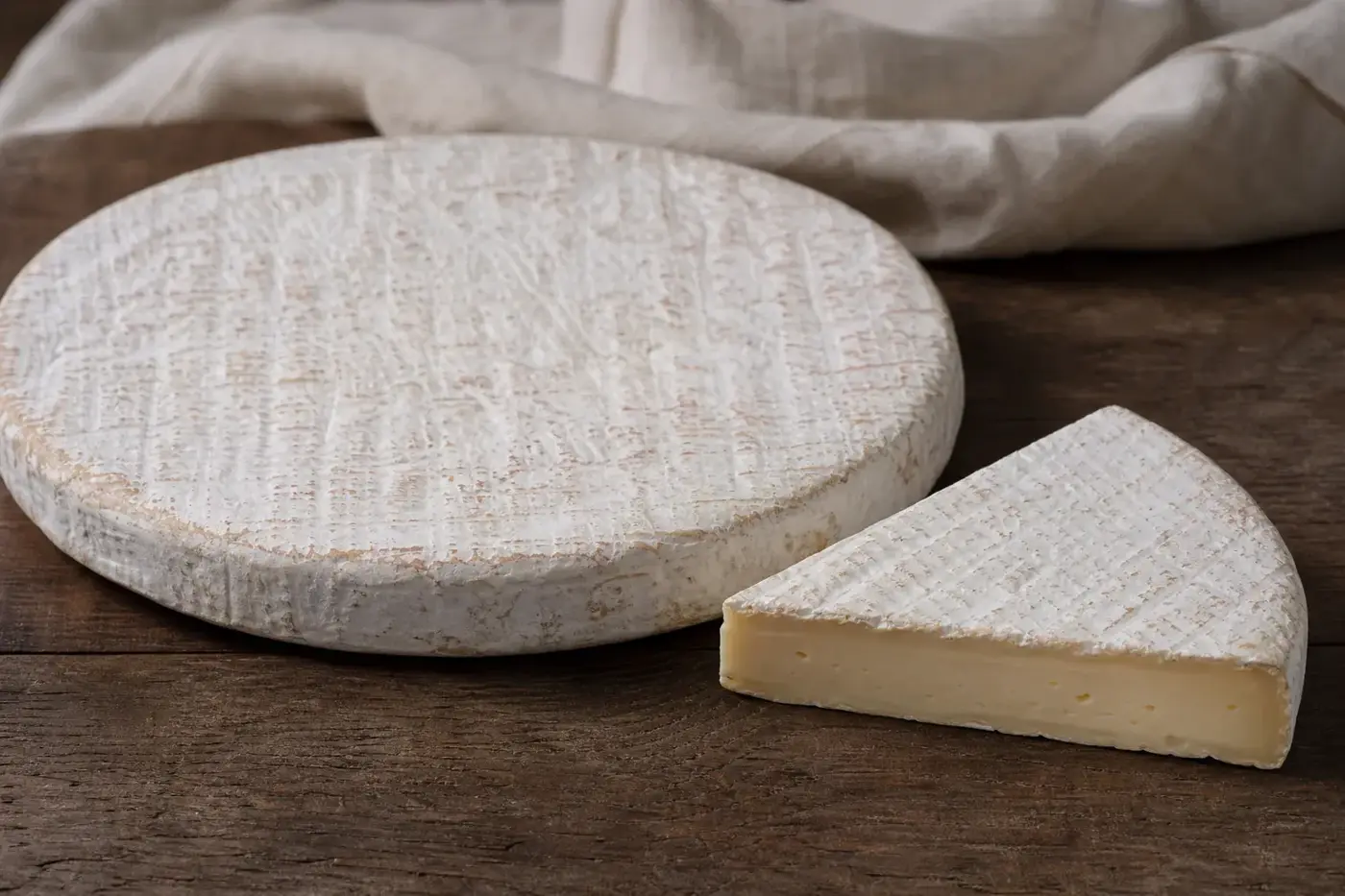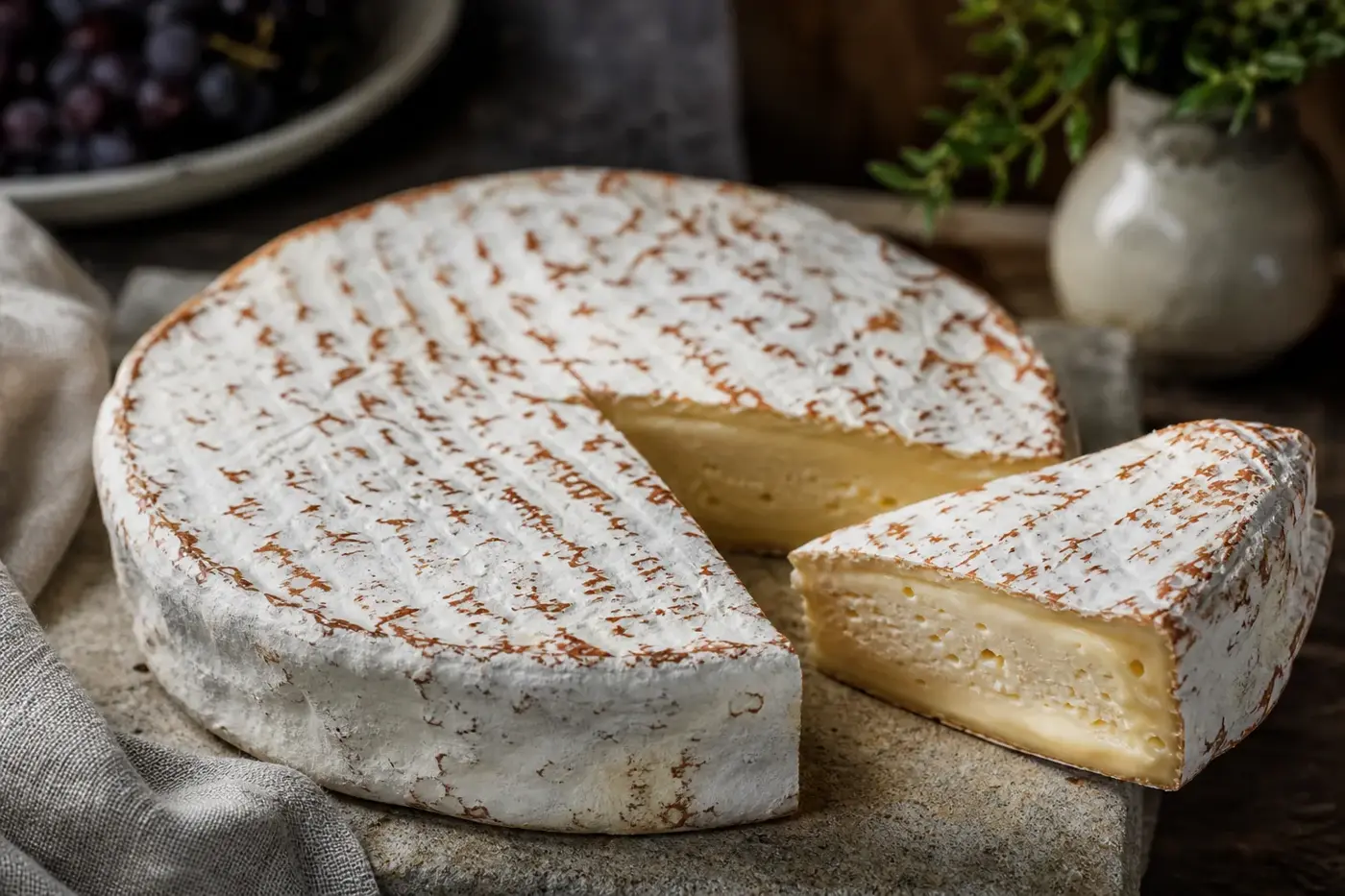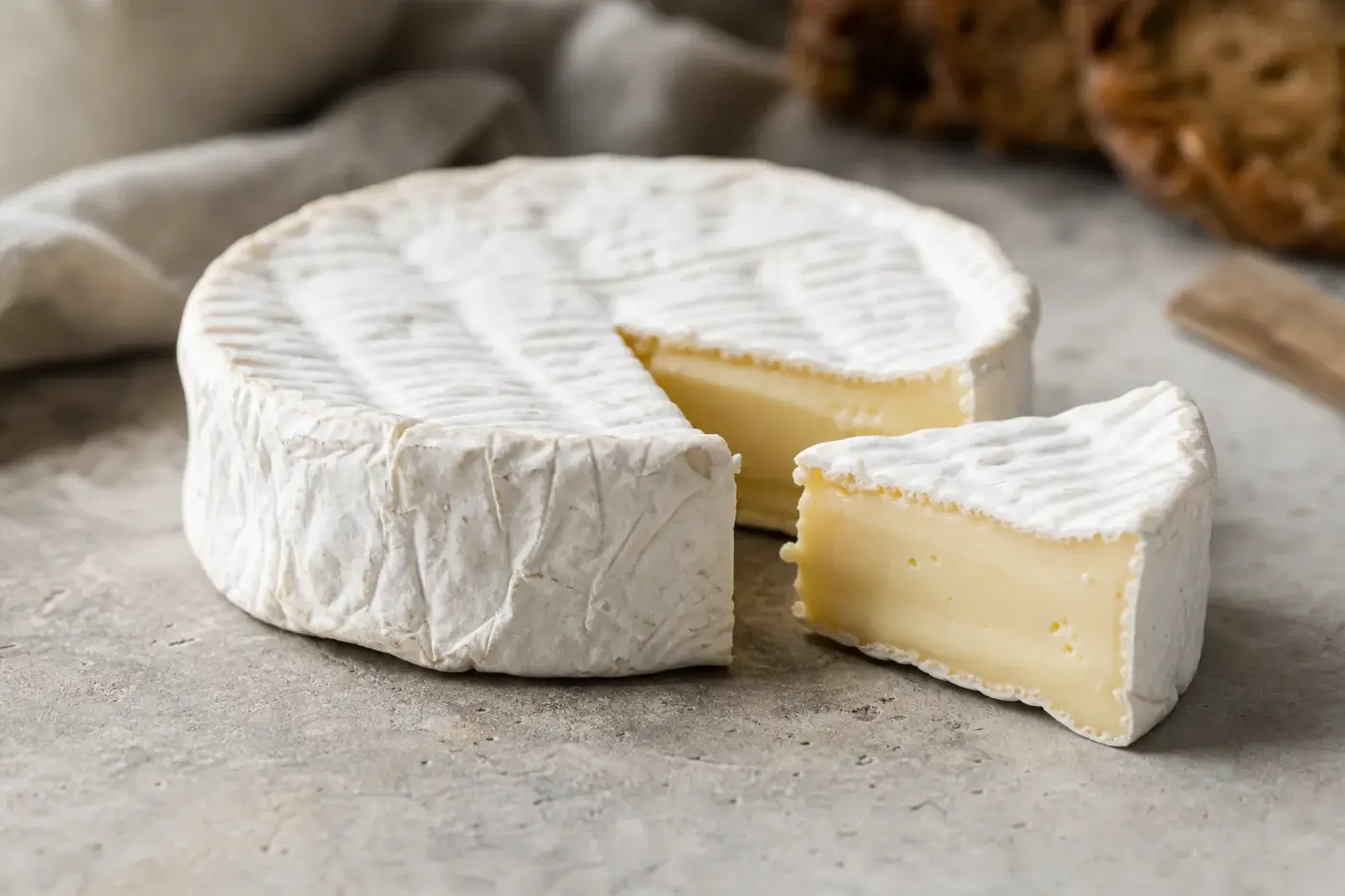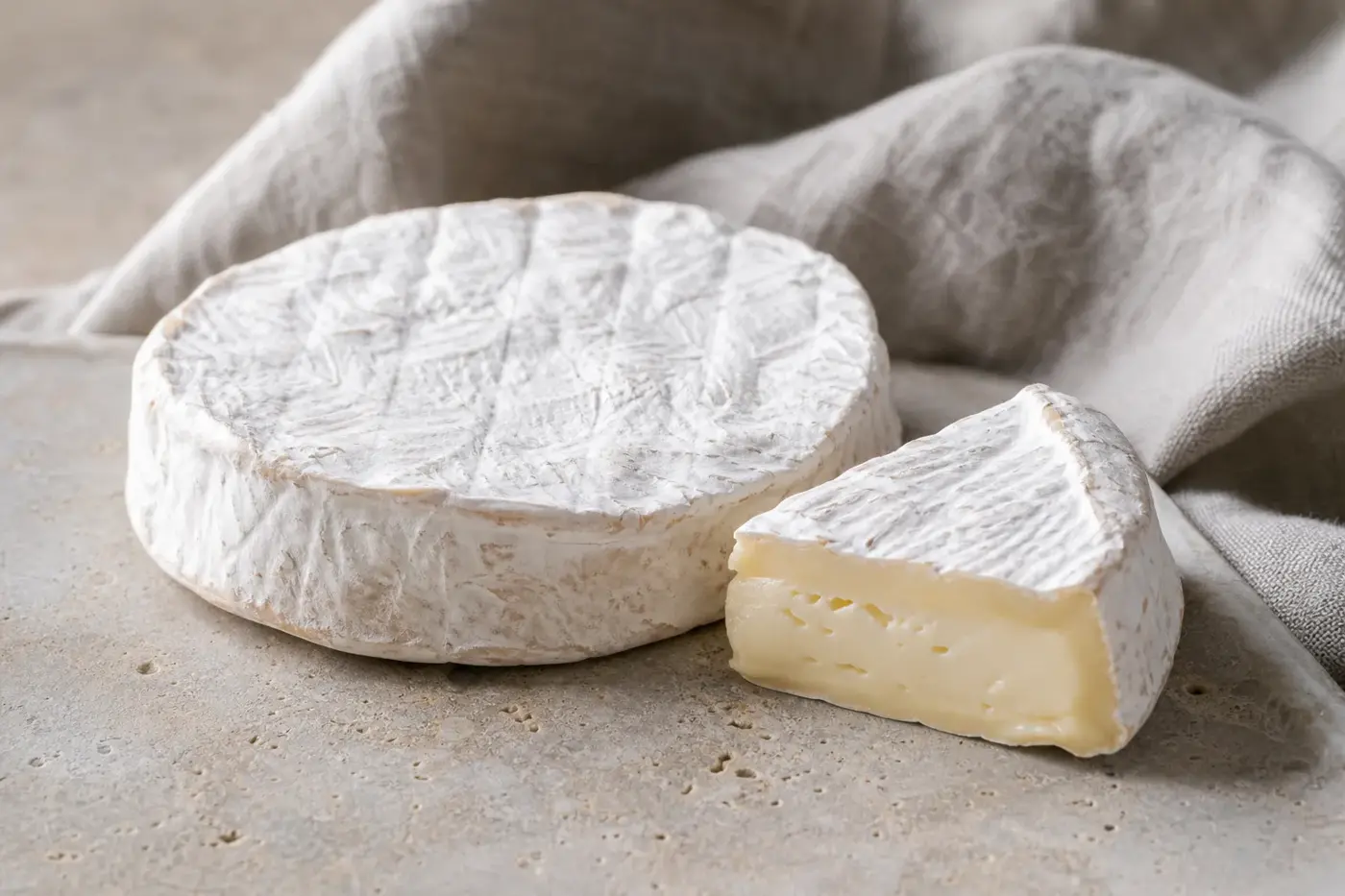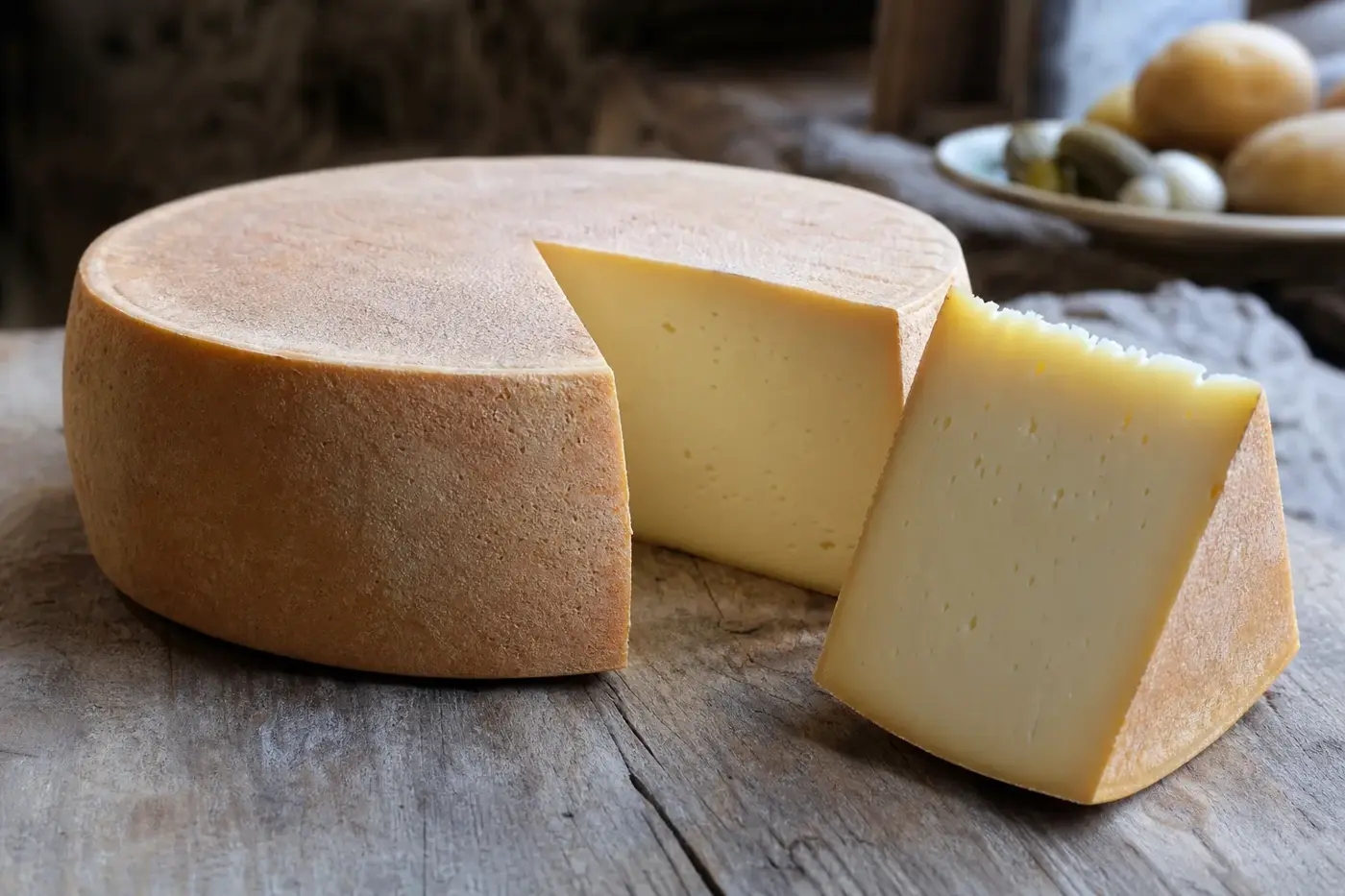
A slice softens, stretches and slips over a potato. It looks effortless. Behind that moment, though, are at least eight weeks on wooden boards, regional cow’s milk and washed curd, all shaped by Raclette de Savoie’s protected production rules. [1][4]
Before you switch on the heater, try a piece cold. Beneath its yellow to brown rind sits a pale, supple interior worth getting to know. You need not make every introduction over a hot appliance. [1][4]
| What to know | The details |
|---|---|
| The name to look for | Raclette de Savoie. [1][2] |
| Registration authority and identifier | European Commission; Commission Implementing Regulation (EU) 2017/138. Register ID: not stated here. [2] |
| EU protection | Protected geographical indication, PGI; registration regulation adopted 16 January 2017, published 27 January 2017. [2] |
| Great Britain protection | Registered PGI; UK scheme registration dated 31 December 2020. Status as at November 2026. [3] |
| Where it is made | Savoie and Haute-Savoie, with specified communes in Ain and Isère, France. [1] |
| Milk permitted | Cow’s milk, raw or thermised; pasteurisation prohibited. [1] |
| Cheese family | Pressed, uncooked cheese. [1] |
| Minimum maturation | Eight weeks on wooden boards. [1] |
| A typical wheel | Approximately 6 kg, according to the regional cheese industry association. [4] |
| Fat | 48 to 52% fat in dry matter. [1] |
| Typical maturation beyond the minimum | No period stated here. |
At the counter, ask for the whole name
Those last two words matter. Raclette de Savoie names a particular regional cheese; “raclette” alone also describes a way of eating melted cheese and appears on cheeses made beyond Savoie. If you want this origin, look for the complete name: that is what holds EU registration. [2]
PGI means protected geographical indication. On French labels, you will see IGP, indication géographique protégée. The designation connects a product’s defined characteristics with its geographical origin; protected names explained compares the schemes.
Start by establishing which cheese you are buying. Then choose the maker, milk treatment and maturity that suit your meal. A promise of easy melting tells you about intended use, not geographical identity.
From a shepherd’s fire to your winter table
Picture shepherds melting cheese beside a wood fire. That is the older eating tradition described by Savoicime, the producer organisation behind the cheese’s dedicated website. The modern protected cheese has its own documented specification and registration history, so the fireside tradition and the legal identity remain separate stories. [6]
Winter sports helped carry the cheese’s reputation beyond its home. France’s agriculture ministry identifies their expansion during the 1970s as an important period in Raclette de Savoie’s growing renown. You can see the appeal of gathering round a shared winter meal. [5]
Its home is broader than one secluded valley. The ministry describes Savoie and Haute-Savoie together with neighbouring communes in Ain and Isère, an Alpine dairying region. It links the milk supply particularly with Abondance, Montbéliarde and Tarentaise cattle, breeds associated with the region’s mountain farming. [5]
Good melting starts in the dairy
The milk must be raw or thermised cow’s milk; pasteurised milk is not permitted. Thermisation is a distinct heat treatment, so read the particular product’s description to find out which milk you are buying. For the wider distinctions, turn to raw, thermised and pasteurised cheese. [1]
Savoicime describes cultures and calf rennet setting the milk into curd, the solid portion separated from the whey. The curd is cut into grains and stirred to release whey, then washed with water before moulding. That washing stage, the organisation explains, helps control the finished cheese’s melting texture. [7]
Pressing draws off more whey and gives the cheese its shape. Next comes brine, a saltwater bath, followed by maturation. Long before you reach for the tabletop appliance, the dairy has begun the work behind that flowing slice. [7]
These steps are part of a wider cheesemaking story, rather than tricks reserved for your raclette pan. You can follow their shared foundations in how cheese is made.
Meet the wheel behind your slice
A whole wheel is broad and relatively shallow. The specification sets its diameter at 28 to 34 cm and its height at the side at 6 to 7.5 cm. It also permits a rectangular format for cheese intended for prepacked sliced sale. [1]
Take a look at the rind, then the cut face. The regional cheese industry association describes a smooth rind ranging from yellow through orange to brown, enclosing white to straw-yellow paste. “Paste” simply means the cheese’s interior: here, supple rather than brittle or granular like some other mountain cheeses. [4]
Ask your monger about the particular wheel in front of you. Is its character gentle or more developed, how was it matured, and does it suit slicing, melting or both? Those answers are more useful than automatically choosing the oldest cheese.
Eight weeks on the boards, and character to discover
Eight weeks on wooden boards is the legal minimum. [1] Savoicime describes wheels being turned and brushed in cellars at 8 to 13 °C. That temperature range belongs to the organisation’s account of working conditions, not an additional statutory requirement. [7]
During maturation, Savoicime describes fruity, vegetal, smoky or spicy aromatic notes developing. [8] Those words open up a more interesting conversation than “mild or strong?” Ask which qualities come forward in the wheel being cut for you.
For a meal built around potatoes, you might prefer a restrained cheese. For a small cheese plate, a more pronounced aromatic character may appeal. Let the serving guide you, rather than treating those descriptions as age grades.
If the seller knows the actual maturation period, ask for it. An adjective can give you a useful impression, but it cannot tell you how long a wheel has spent maturing.
Taste it cold, then let it flow
Start with a small, plain piece. The regional industry association describes milky aromas and balanced flavour; Savoicime adds slight acidity and the fruity, vegetal, smoky or spicy possibilities developed during ripening. These are the tasting descriptions of the organisations representing the cheese. [4][8]
Cold, the slice holds its shape, with a supple, yielding interior. Add heat and you meet another side of it: flowing, stretchy cheese. The official specification also identifies limited oil release as a characteristic. [1][4]
Now try it melted over an unadorned potato. The comparison gives both forms their moment and helps you decide what else belongs on your plate. Mustard, smoked meat and heavily seasoned vegetables can wait patiently in the wings.
Let the label tell you where it began
Look for the registered name and the EU PGI symbol together. The specification requires both in the same field of vision, with the certification body’s name also on the label. Each cheese also carries a specific identification mark linking it to its manufacturing workshop and a sequential number. [1]
Savoicime describes a casein plate applied during moulding. Casein is a milk protein. If your cut portion comes with little information, ask to see the original wheel details or the label the shop has retained. [7]
Alongside origin, look for the named maker, milk treatment, date marking, refrigeration instructions and any rind advice. Keep those details with your cheese at home. For the rest, reading a cheese label explains the wider label, including why a packer’s address is not the same thing as the place of manufacture.
Set the table and leave room for choice
Begin with cheese and potatoes, keeping the first serving simple enough to taste the cheese itself. Savoicime also suggests bread, fresh or dried fruit and charcuterie. Melted over potatoes may be familiar, but you have other ways to enjoy it. [8]
With a tabletop raclette appliance, follow the manufacturer’s instructions. Ask your monger for slices that fit your pans, avoid thick piles, and serve each portion once it flows.
If you are considering a wheel heater, speak to the retailer before committing to a large piece. Ask them to explain the appropriate cut and equipment, so you arrive at the table ready to serve.
Put accompaniments out separately so you can build each plate to taste. A simple spread gives everyone room to choose:
- Plain boiled potatoes for the base.
- Cornichons or pickled onions for a sharper mouthful.
- Simply prepared vegetables for variety.
- Bread if you prefer it to potatoes.
- Charcuterie as an option, not the centre of every plate.
For a drink, try sparkling water or unsweetened apple juice. Keep the choice simple alongside the cheese.
Keep the label, and get to know the rind
Keep the label and follow its refrigeration and after opening instructions. The Food Standards Agency advises a home fridge temperature of 5 °C or below in England, Wales and Northern Ireland. Elsewhere, follow your local agency’s guidance and the product’s instructions; the guidance here is dated November 2026. [9]
Savoicime recommends keeping the original cheese paper to protect cut cheese from drying. [10] Use clean utensils and wrap only what you intend to store. While you serve portions, leave the remaining cheese refrigerated.
An orange rind cannot tell you whether it belongs on your plate. Ask the maker or monger whether that particular rind is intended for eating and whether it has received any surface treatment. Follow their answer for that cheese, and remove packaging and identification material before serving.
For a fuller household routine, read how to store cheese at home. Keep the product’s own instructions with it rather than replacing them with a general storage estimate.
Make room for Swiss raclette and Abondance
“Swiss raclette” describes a wider eating culture, not one precisely identified product. Raclette du Valais is a separate named cheese, represented by its own Swiss interprofession. Read the complete name and origin: it is not Raclette de Savoie under another label. [11]
Closer to home in the French Alps, Abondance makes an illuminating comparison. The regional industry association describes a raw milk, semi-cooked pressed cheese, typically made in a larger wheel with a concave side. Its published tasting description includes fruit, hazelnut, pineapple and citrus notes. [12]
Let your meal settle the choice. For the flowing, stretchy melted presentation described here, start with Raclette de Savoie; for a cheese plate, ask to taste it beside Abondance. Compare the shape of each slice, the firmness of its interior and the aromatic character its maker has developed.
General information only, not medical advice: follow the official guidance where you live.
Questions people ask
What makes Raclette de Savoie different from other raclette cheeses?
Raclette de Savoie is a registered protected geographical indication, or PGI. Its production area covers Savoie and Haute-Savoie and specified communes in Ain and Isère.
Is Raclette de Savoie made with pasteurised milk?
No. Its specification permits raw or thermised cow’s milk but prohibits pasteurisation.
Can you eat the rind of Raclette de Savoie?
The rind’s orange colour cannot tell you whether it should be eaten. Ask the maker or cheesemonger whether that particular rind is intended for eating and whether it has received any surface treatment.
How should Raclette de Savoie be stored?
Keep the label and follow its refrigeration and after opening instructions. Savoicime recommends keeping the original cheese paper to protect the cut cheese from drying.
How do you serve Raclette de Savoie?
Try it melted over plain boiled potatoes, with accompaniments such as cornichons or pickled onions served separately. Savoicime also suggests bread, fresh or dried fruit and charcuterie.
Sources
- INAO and French Ministry of Agriculture, Cahier des charges de l’indication géographique protégée « Raclette de Savoie », approved by the order of 6 January 2026; ministry bulletin of 15 January 2026. Official specification.
- European Commission, Commission Implementing Regulation (EU) 2017/138 of 16 January 2017 entering a name in the register of protected designations of origin and protected geographical indications (Raclette de Savoie (PGI)), Official Journal, 27 January 2017. Registration regulation.
- Department for Environment, Food & Rural Affairs, Raclette de Savoie, GB protected food names register, published 2021, accessed November 2026. GB register entry.
- Association des Fromages Traditionnels des Alpes savoyardes, IGP Raclette de Savoie, undated industry profile, accessed November 2026. Regional cheese profile.
- French Ministry of Agriculture, La Raclette de Savoie IGP, 7 December 2023. Ministry account.
- Savoicime, L’histoire de la Raclette de Savoie IGP, undated producer-organisation account, accessed November 2026. Published history.
- Savoicime, De la collecte du lait jusqu’à l’affinage, undated production account, accessed November 2026. Production and maturation.
- Savoicime, Un fromage gourmand pour toutes les saisons, undated tasting and pairing account, accessed November 2026. Tasting and serving suggestions.
- Food Standards Agency, How to chill, freeze and defrost food safely, published 2017, accessed November 2026. Official guidance.
- Savoicime, Les astuces pour bien profiter de la Raclette de Savoie IGP, undated storage advice, accessed November 2026. Wrapping advice.
- Interprofession Raclette du Valais, Raclette du Valais, undated official organisation website, accessed November 2026. Organisation website.
- Association des Fromages Traditionnels des Alpes savoyardes, AOP Abondance, undated industry profile, accessed November 2026. Abondance profile.
Researched from the published specification, registration legislation, GB register and attributed regional industry accounts, with serving preferences identified as editorial suggestions.
Last checked: November 2026
Last checked November 2026.
The editors suggest you read next