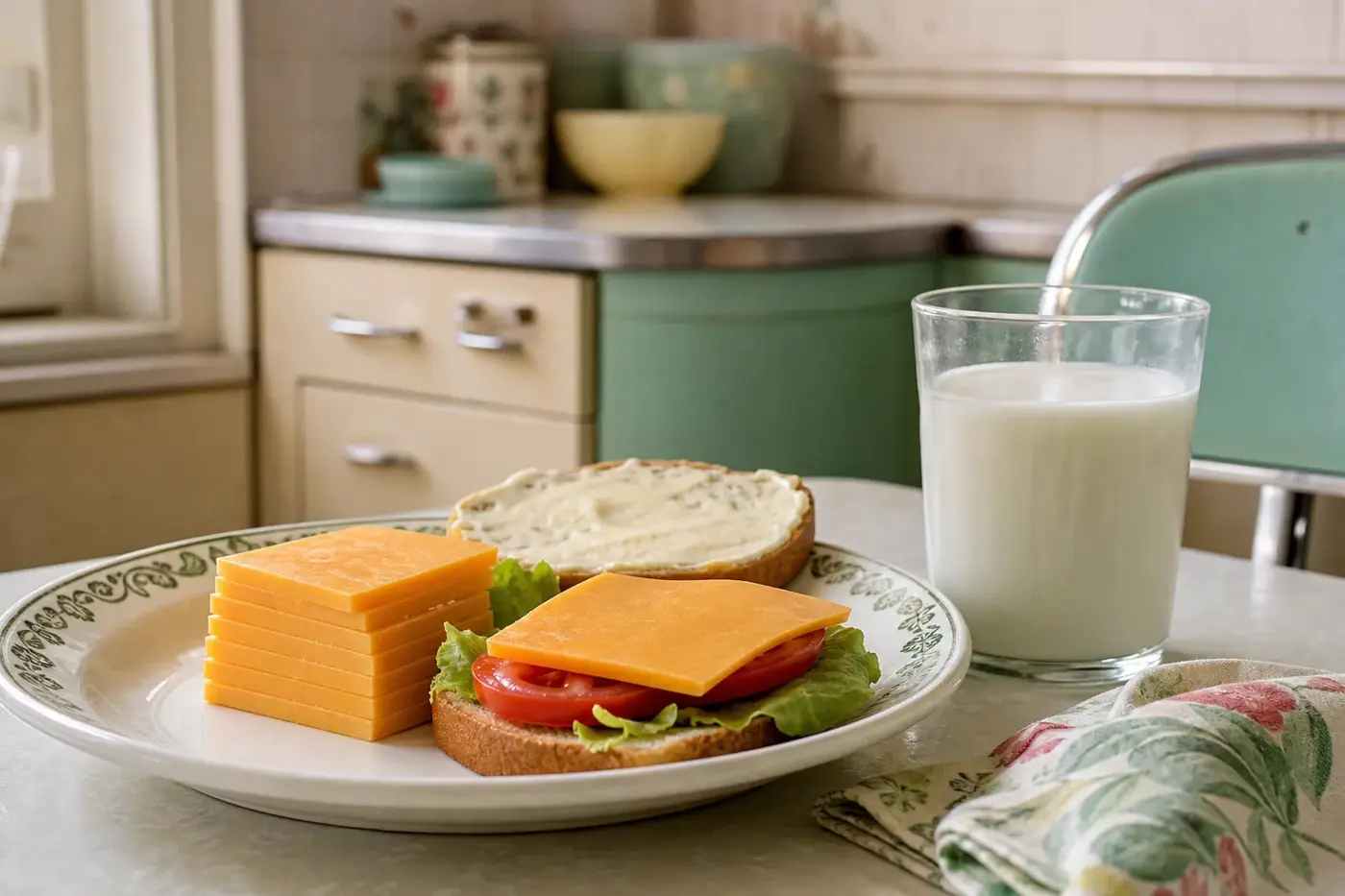
Your sandwich is waiting. The cheese is already sliced, and the knife can take the afternoon off. In 1955, vacuum-sealed plastic packs made prepacked slices practical for Sargento, putting cheese ready for your sandwich within reach, rather than a larger piece waiting to be cut. [5]
That small convenience became the business. Based in Plymouth, Wisconsin, this family-owned American company made cheese easier for you to buy and use through portioning, blending and supermarket packs of slices and shreds. [1,2]
| At a glance | Details |
|---|---|
| Legal entity | Sargento Foods, Inc., identified in the 2017 recall; current legal entity unspecified [3] |
| Headquarters | Plymouth, Wisconsin, United States [1] |
| Ownership | Private, Gentine family-owned [1,4] |
| Ultimate parent | Unspecified |
| Leadership | Louie Gentine, chairman and chief executive [4] |
| Main activities | Retail cheese; food service and ingredients [1,2] |
| Brand | Sargento [1] |
| Ownership information date | November 2026 [1,4] |
Meet the Wisconsin pair behind the Italian name
Leonard Gentine Sr. and Joseph Sartori formed their partnership on 23 October 1953, according to Sargento’s company history. Sartori brought supplies and capital; Gentine ran the business. Put their surnames together, add an “o” for an Italian sound, and you have Sargento. [5]
The Italian connection continued into the dairy case. The early business offered consumer-sized portions of mozzarella, provolone, Parmesan and Romano, bringing cheeses previously sold from larger pieces into grocery shops in smaller packs. Gentine already knew something about serving shoppers, thanks to his earlier Plymouth Cheese Counter. [5]
Convenience tied it together. You could bring home familiar cheese, portioned for your fridge and ready for the next sandwich or supper. [5]
The packaging deserves a little credit
The cheese matters, of course. But Sargento’s company records tell another story alongside it: developments and launches that run from prepacked slices to resealable bags and snack combinations. [5]
| Year | What arrived |
|---|---|
| 1955 | Vacuum-sealed plastic packs made prepacked slices practical. [5] |
| 1958 | Packaged shredded cheese arrived. [5] |
| 1969 | Taco cheese brought shredded cheeses and seasoning together. [5] |
| 1986 | Resealable Zip-Pak was test-marketed; national rollout followed in 1987. [5] |
| 2012 | Ultra Thin slices arrived. [5] |
| 2015 | Balanced Breaks snack combinations launched. [5] |
You can follow that thinking through the catalogue today. A sandwich slice, a fine shred and a snack stick have different jobs, even when the cheese variety is familiar. Choosing the format is part of choosing what comes home with you. [6,7]
Find the right slice, shred or snack
Start at the sliced range and you can travel from mild and medium to sharp and extra sharp Cheddar. Ultra Thin, Creamery and Reserve Series offer further options. Read the complete product name, not just the cheese variety: those extra words distinguish one option from another. [6]
The shredded range takes you from single varieties into cooking blends, including 4 Cheese Mexican, Nacho & Taco and seasoned Taco products. Choose between fine and traditional cuts. Italian, Swiss and other shredded varieties have their own catalogue categories, too. [7]
For a snack, there are string cheeses, sticks and cubes. Trays combine ingredients, including the Balanced Breaks range, while blocks, grated cheese and ricotta have separate categories. When you cook, choose your variety and read the ingredients first, then pick the cut that suits the dish. [7]
Follow your cheese to the finished pack
Sargento’s Wisconsin operations extend beyond the packing line. Its corporate account places manufacturing, offices and trucking in Plymouth, production facilities in Kiel and Hilbert, and its technical centre in Elkhart Lake. It also records the 2022 acquisition of Baker Cheese at St. Cloud. [1]
Cheese made by suppliers has a place in the story, too. A 2017 recall announcement published by the US Food and Drug Administration (FDA) identified Longhorn Colby supplied by Deutsch Kase Haus in Indiana. The affected retail products, it said, were packaged at Sargento’s Plymouth facility. [3]
One brand label can bring together several stages of work. Cheesemaking, cutting, shredding, combining varieties and packing may involve different businesses. That named supplier relates specifically to the recalled products and dates; you can explore the underlying process in how cheese is made. [3]
“Natural cheese”: a reason to turn the pack over
“Natural cheese” sounds straightforward, but it is still worth reading the ingredients. Sargento uses the term for cheese made directly from milk through conventional cheesemaking, usually with enzymes forming curds, the solids separated from liquid whey. [8] US law defines pasteurised process cheese differently: cheese mixed with heat and an emulsifying agent. [9]
The ingredient lists of natural cheese products can differ. In Sargento’s Sharp Cheddar Shredded Cheese, Fine Cut, the Cheddar contains pasteurised milk, cheese culture, salt, enzymes and annatto. Potato starch and powdered cellulose prevent caking, while natamycin inhibits mould. [10]
“Natural cheese” and “no added ingredients” are different descriptions. Give the pack a read, particularly when you switch between slices, shreds and snack combinations. For the wider checks, turn to reading a cheese label. [8,10]
Milk and rennet: know what is in your cheese
That Sharp Cheddar example contains milk. If you have food allergies, the FDA’s US advice is to read labels every time you buy, because ingredients can change. Check both the ingredient list and any “Contains” statement. [10,11]
Most Sargento natural cheeses use non-animal rennet, according to the company. Rennet is the enzyme preparation that sets milk. Sargento identifies animal rennet in Romano, Provolone, Asiago, Fontina, Blue and Feta, so check vegetarian suitability for the particular cheese and every component of a blend. [8]
If you specifically need microbial or fermentation-produced rennet, ask the company about the exact product. “Enzymes” on the example’s ingredient list does not tell you which is used. You can find the distinctions in the guide to rennet explained. [8,10]
Make room in the fridge, and read the date
For US households, the FDA recommends a refrigerator temperature of 4 °C (40 °F) or below. Follow the label’s storage instructions, and put products needing refrigeration away promptly after shopping. [12]
Sargento’s freshness date applies to a properly stored, unopened pack. Once you open it, the company recommends using the cheese within five days for optimum freshness; the Sharp Cheddar shreds page repeats that instruction. This is a freshness recommendation, not an established food safety limit, so follow the directions on your particular pack. [8,10]
Keep the printed code handy if you contact the company or need to look up a recall. For broader handling advice, see how to store cheese at home.
A family business on a factory scale
Family-owned need not mean small enough to fit round the kitchen table. Sargento remains privately family-owned, with its corporate website reporting more than 2,500 employees in November 2026. Chairman and chief executive Louie Gentine is a third-generation family owner who became CEO in 2013. [1,4]
Alongside the family ownership are production lines, logistics and supplies to restaurant chains and food manufacturers. The Food Service & Ingredients division describes supplier onboarding, internal auditing and specialist cheese grading among its activities. [1,2]
The focus differs from Kraft Heinz, which describes a global food portfolio. Sargento’s published divisions concentrate on cheese and associated foods. The cited material does not provide comparable measures of the two companies’ scale. [1,13]
Compare what is on your plate, not just the brand
Start with the named product rather than a brand-wide assumption. These figures are calculated from Sargento’s published label for Sharp Cheddar Shredded Cheese, Fine Cut, which declares a 28 g serving. [10]
| Nutrient | Approximate amount per 30 g | Approximate amount per 100 g |
|---|---|---|
| Energy | 118 kcal | 393 kcal |
| Saturated fat | 6.4 g | 21.4 g |
| Protein | 7.5 g | 25 g |
| Sodium | 193 mg | 643 mg |
Use these as approximate figures when you compare products. The calculations are rounded and use rounded label values. [10]
Understand the 2017 recall, then look for current notices
Sargento’s 2017 announcement, hosted by the FDA, recalled specified products following potential Listeria contamination in supplier cheese. Additional products were recalled because they shared the packaging line. The FDA now marks the recall completed and terminated. [3]
For a current US recall search, use both the FDA’s recall notices and its Enforcement Reports. Search by brand and company name, then match the exact product, pack size, identifying codes and dates against your pack. Follow the notice’s instructions. [14,15]
Both records matter. The FDA cautions that its public notices page covers certain recalls, not every recall; Enforcement Reports supply the complementary official record. Use them together rather than relying on an old headline or a company FAQ alone. [14,15]
Read the range with British eyes
Begin with the cheese variety, rather than calling everything made in America “American cheese”. Sargento’s catalogue includes Cheddar, Pepper Jack, Colby-Jack and Swiss categories. Under US federal rules, “pasteurized process American cheese” is a specified naming option for certain process cheeses. [7,9]
Give “sharp” a little care, too. Read it in the context of the particular Cheddar product, rather than automatically matching it to a British maturity description. The Cheddar guide gives you the broader style background. [6]
What you can buy varies by location and product. Sargento directs shoppers to its product locator and says it cannot ship cheese directly to consumers. Wherever you find your pack, check its origin, ingredients and storage directions. [8]
General information only, not medical advice: follow the official guidance where you live.
Questions people ask
Who owns Sargento?
Sargento is privately owned by the Gentine family and is based in Plymouth, Wisconsin. Louie Gentine, a third generation family owner, is its chairman and chief executive.
Is Sargento cheese suitable for vegetarians?
Sargento says most of its natural cheeses use rennet that is not from animals. It identifies animal rennet in Romano, Provolone, Asiago, Fontina, Blue and Feta, so check the particular cheese and every component of a blend.
What does natural cheese mean on a Sargento pack?
Sargento uses the term for cheese made directly from milk through conventional cheesemaking. Natural cheese products can still contain other ingredients: its Sharp Cheddar Shredded Cheese, Fine Cut includes potato starch and powdered cellulose to prevent caking, and natamycin to inhibit mould.
How long does Sargento cheese last once opened?
Sargento recommends using it within five days of opening for optimum freshness. This is a freshness recommendation, not a verified food safety limit. For storage guidance, see the FDA’s refrigerator guidance and the directions on the particular pack.
Was Sargento cheese recalled in 2017?
Yes. Specified products were recalled following potential Listeria contamination in supplier cheese, and additional products were recalled because they shared the packaging line. The FDA now marks that recall completed and terminated; for current US checks, search both FDA recall notices and Enforcement Reports.
Sources
[1] Sargento Foods, Our Company, undated corporate webpage, retrieved November 2026. Company statements on ownership, workforce, divisions and Wisconsin locations.
[2] Sargento Food Service & Ingredients, Who We Are, undated corporate webpage, retrieved November 2026. Company account of its business, supplier programme and cheese grading.
[3] US Food and Drug Administration, Sargento Recalls Select Products, company announcement dated 10 February 2017, FDA publication dated 1 March 2017; current page records termination.
[4] Sargento Foods, Louie Gentine, undated executive biography, retrieved November 2026.
[5] Sargento Foods, History of Innovation, undated corporate history, retrieved November 2026. Historical developments are reported as the company’s account.
[6] Sargento, Sliced Cheese, Cheddar-filtered product catalogue, retrieved November 2026.
[7] Sargento, Shredded Cheese, Mexican-filtered product catalogue and visible category navigation, retrieved November 2026.
[8] Sargento, Frequently Asked Questions, undated product guidance, retrieved November 2026.
[9] US Food and Drug Administration, 21 CFR 133.169, Pasteurized process cheese, electronic text displayed as current to 5 November 2026, particularly paragraphs (a)(1) and (e)(2)(ii).
[10] Sargento, Sharp Cheddar Shredded Cheese, Fine Cut, 16 oz., ingredients, storage statement and Nutrition Facts, retrieved November 2026.
[11] US Food and Drug Administration, Have Food Allergies? Read the Label, current consumer guidance retrieved November 2026.
[12] US Food and Drug Administration, Are You Storing Food Safely?, current consumer guidance retrieved November 2026, “Storage Basics”.
[13] The Kraft Heinz Company, Company, corporate overview retrieved November 2026. Used only for the comparison of business breadth.
[14] US Food and Drug Administration, Recalls, Market Withdrawals, & Safety Alerts, current recall portal and explanation of coverage, retrieved November 2026.
[15] US Food and Drug Administration, Enforcement Reports, current official recall reporting portal, retrieved November 2026.
[16] US Food and Drug Administration, Use of Salt Substitutes To Reduce the Sodium Content in Standardized Foods, final rule, 91 FR 65059, published 13 October 2026. Consulted to distinguish a forthcoming amendment from the operative text.
This piece combines desk research from company records, published product information, federal regulations and FDA guidance, with a packaging chronology and calculated nutrition comparison.
Last checked: November 2026
Last checked November 2026.
The editors suggest you read next
Who Makes the World's Cheese? The Big Dairy Groups
You pick up Galbani at the cheese counter, then pause over Kerrygold.