Slovak Cheese
Pull a ribbon of Slovenská parenica apart.
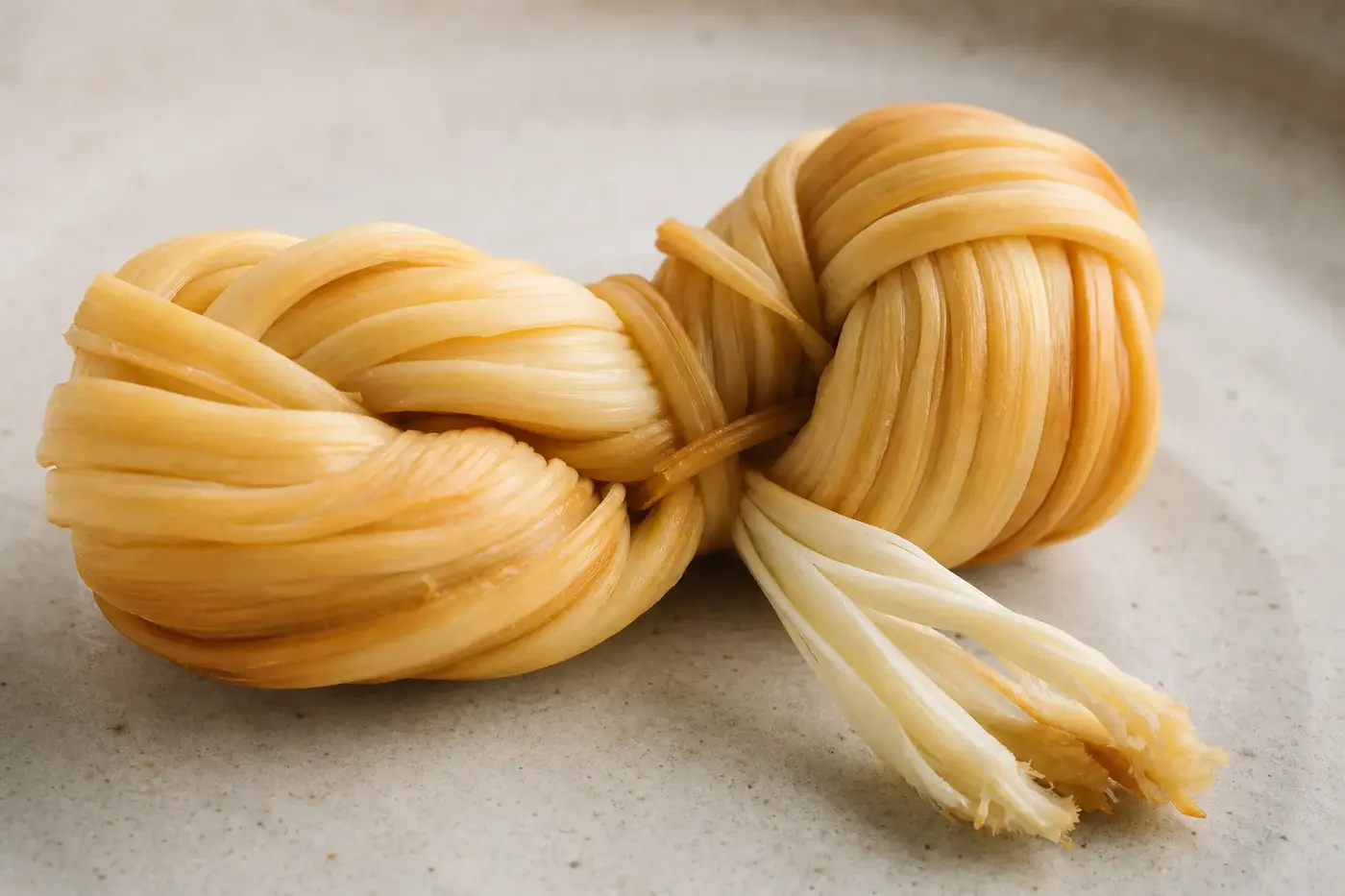
Pull a ribbon of Slovenská parenica apart. Its elastic body gives way in strands, bringing sheep-milk and smoke aromas with it. A moment ago, that ribbon formed two connected coils, fastened with a cheese thread or chain. Now you have a small feat of cheesemaking between your fingers, and an invitation to explore Slovakia. [5]
Then comes bryndza: spreadable sheep cheese, sometimes containing cow cheese, coating the potato dumplings of bryndzové halušky, commonly topped with bacon. Behind these different mouthfuls lie the salaše, shepherding settlements, and a tradition that turns milk into spreads, ribbons, threads and plaits. You may need bread for one and a little patience for another. [1,2,5,7]
Your first taste of Slovakia
| What to know | Your quick guide |
|---|---|
| Country | Slovakia [1] |
| Characteristic milks | Sheep and cow [2,4,6,10] |
| Characteristic methods | Grinding ripened cheese; stretching; moulding; smoking [2,4,5,6,7] |
| Official food authority | Štátna veterinárna a potravinová správa, ŠVPS SR [12] |
| Coverage | Slovakia; EU name schemes, November 2026 [11,12] |
Let texture lead the tasting
One cheese spreads; another pulls apart in fibres. That contrast takes you straight to the handwork behind Slovak cheese. Bryndza begins with cheese already made, then ripened, broken down and milled with salt. A korbáčik begins with acidified curd, the solid part separated from milk, softened in hot water and drawn into threads before braiding. [2,7]
For your first tasting, follow those textures rather than gathering several smoked cheeses. Choose bryndza, an unsmoked korbáčik and Slovenská parenica: a spread, a braid and a rolled ribbon. Smoke arrives only with the last cheese, giving you space to notice what each method brings to a mouthful. [2,5,7]
Follow the flock into the mountains
Spring grazing begins on lower ground, then moves to higher pastures in May and summer, according to the registered specification for Slovenská bryndza. Here you enter the landscape of the salaš, a working place associated with shepherding and milk processing; salaše is the plural. Slovakia’s national tourism organisation connects Liptov, Orava and Považie with shepherds’ huts and dairy foods. [1,2]
Sheep milk begins the story of both bryndzas below, but cow milk has its place too. It can go into Slovenský oštiepok and Klenovecký syrec, while Tekovský salámový syr belongs to a different, dairy-based tradition. Ask which milk is in the cheese you are buying. The shape is keeping that information to itself. [2,3,4,6,10]
Keep place, milk and method separate in your mind. A mountain name may identify a production area, but it cannot tell you whether the milk came from one farm or the cheese was made in a dairy. Klenovecký syrec’s specification explicitly allows both farm and industrial production. [4]
Get to know the cheeses
Bryndza: ripened cheese becomes something new
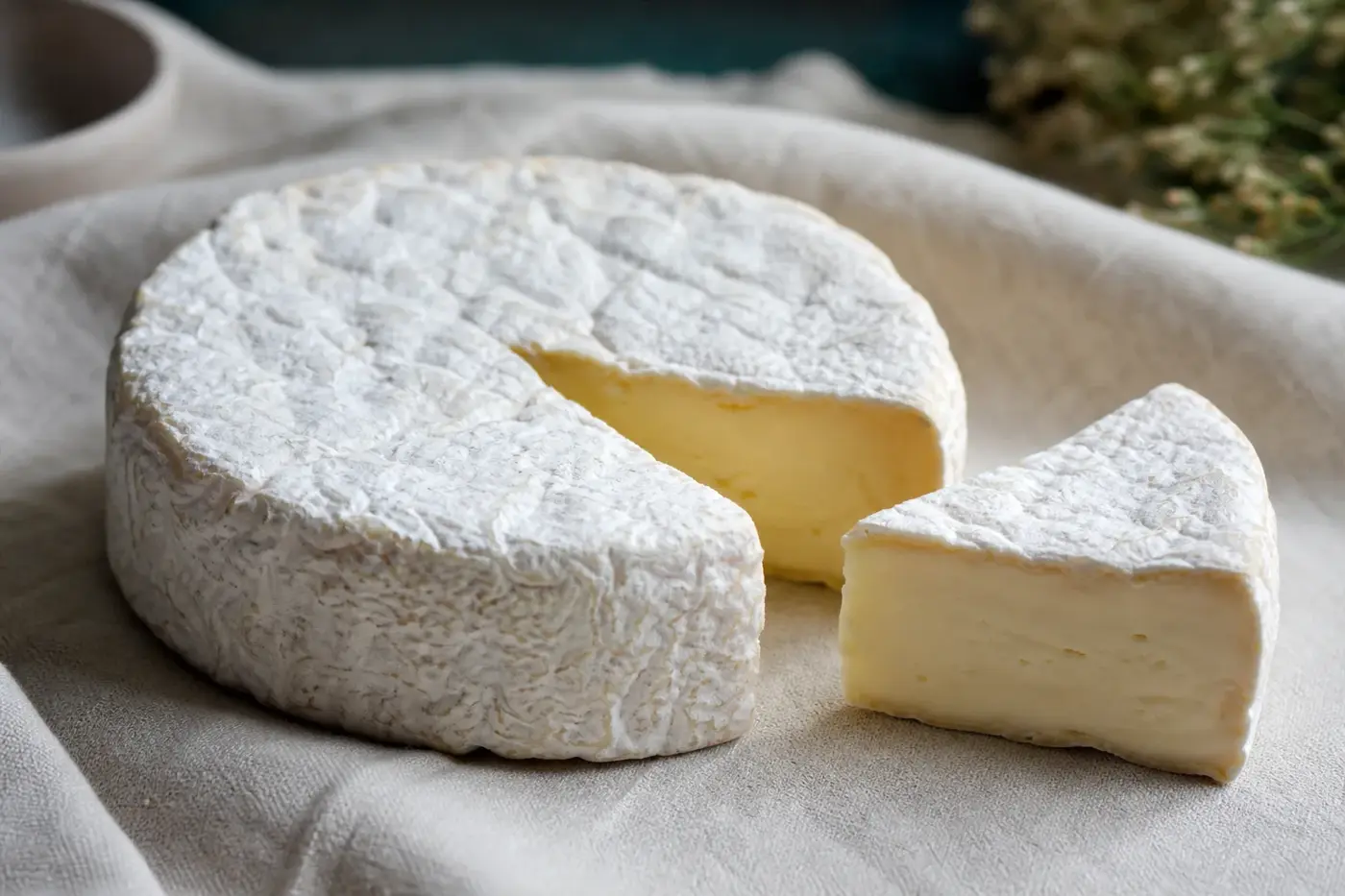
Picture a white to slightly yellowish cheese, spreadable and occasionally granular. That is Slovenská bryndza as its specification describes it, with a pleasantly acidic sheep-cheese character and a mildly piquant, salty taste. Producers mill ripened sheep lump cheese, alone or with cow lump cheese, then mix it with salt or brine. Sheep cheese must account for more than 50% by weight on a dry-matter basis. [2]
Liptovská bryndza brings a more tightly defined regional identity to your table. The European Commission’s Slovak representation describes sheep lump cheese ripened for two to four weeks before milling and salting, with every production stage taking place in the defined area. Its March 2026 announcement records EU protected designation of origin status. You can expect the described soft, spreadable texture, occasional granules and gently sour-milk taste. [3]
Ribbons to unwind, braids to savour
Slovenská parenica is lightly smoked stretched cheese, its ribbon curled into two connected coils and secured with a cheese thread or chain. Pull its elastic, fibrous body into strands and you meet the sheep-milk and smoke aromas described in the specification. It requires raw sheep milk, or a mixture of raw sheep and cow milk containing at least 50% sheep milk. [5]
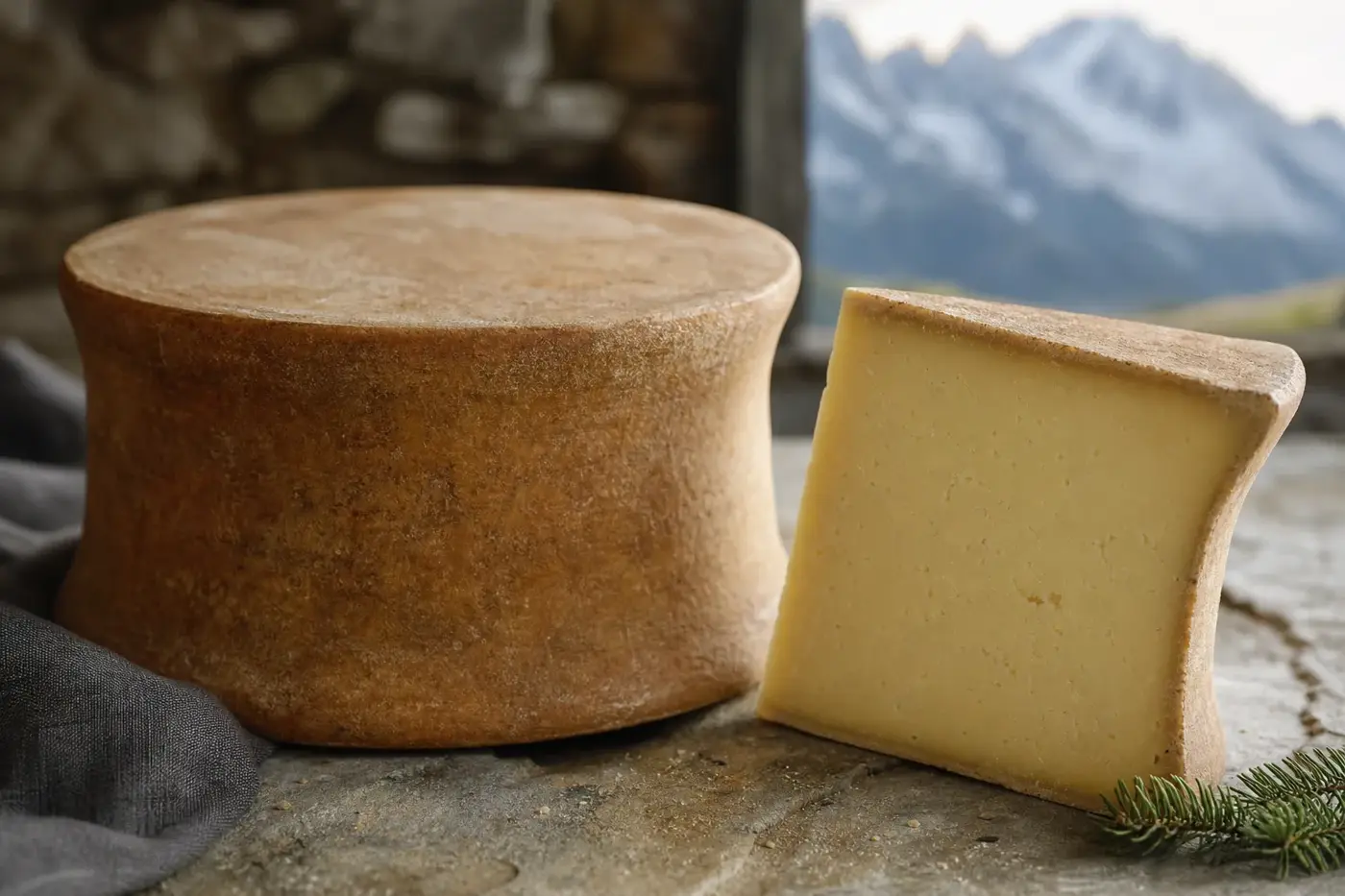
Slovenský oštiepok offers you an ornamented egg, cone or elliptical shape instead. Its specification allows sheep milk, cow milk or a mixture, plus stretched and unstretched, smoked and unsmoked versions. Its firmer, slightly brittle body makes a clear contrast to parenica’s ribbon of separable fibres. [6]
Oravský korbáčik and Zázrivský korbáčik begin as threads drawn from curd softened in hot water, then become braids. Both specifications allow smoked and unsmoked versions, with springy fibres and a milky, slightly acidic, salty taste. Their braiding methods are close relatives, but the two names preserve distinct regional identities. [7,8]
Zázrivské vojky leaves out the braiding: its threads stay loose, twist together or are tied across the middle. The specification allows drawing by hand or with grooved rollers. Choose unsmoked and you get white to cream threads; smoked versions turn yellowish to golden and carry a smoke aroma. [9]
Seek out lump cheese, stamped rounds and supple slices
Ovčí hrudkový syr, salašnícky and Ovčí salašnícky údený syr appear in Slovakia’s national tourism organisation’s 2023 list of traditional specialities guaranteed. Put them beside bryndza on your list of cheeses to ask about when visiting. Have the seller identify the exact cheese, explain its milk treatment and tell you how it was made. [1]
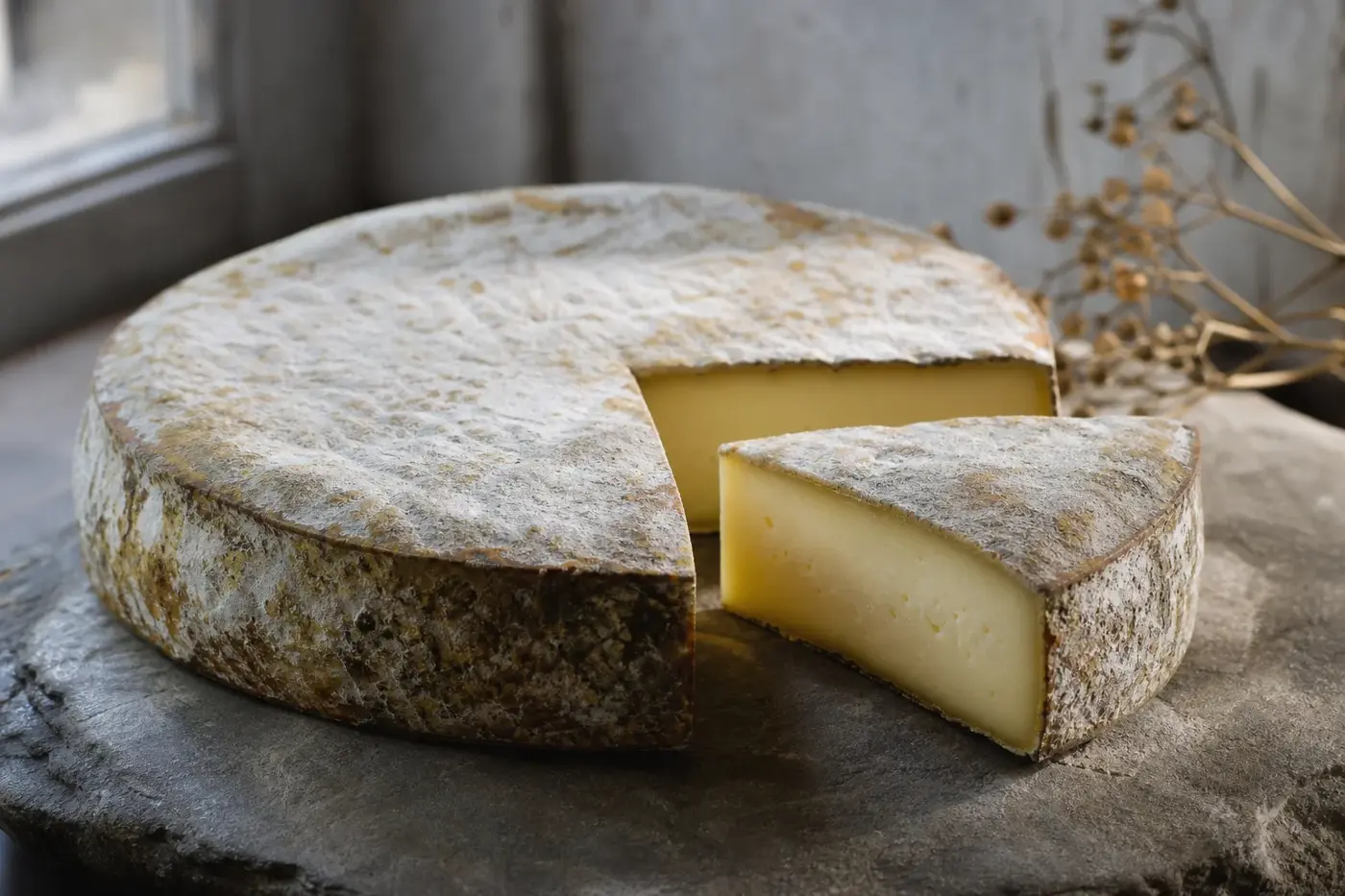
Look for a stamped circular decoration containing a cross or clover on Klenovecký syrec. This semi-hard ripened cheese can use sheep or cow milk and can be smoked or unsmoked. Its specification describes a supple, elastic paste, occasional small eyes and a mildly acidic, milky flavour. [4]
Tekovský salámový syr takes its name from its salami-like cylinder, not from anything in the cheese. Made from pasteurised milk and pressed into shape, this semi-hard ripened cheese comes smoked or unsmoked. You get the smooth, supple, elastic texture and slightly acidic dairy flavour described in its specification. [10]
Give the name a closer look
The complete registered name matters when you shop. PDO means protected designation of origin; PGI means protected geographical indication. Slovakia’s national intellectual property office lists the geographical names below under those EU schemes, while the tourism source separately records the two salašnícky names as traditional specialities guaranteed. [1,11]
Use this November 2026 snapshot to find your way through the names. Keep the full wording in view when you look at a label, rather than stopping at the familiar part. [11]
| Name to look for | EU scheme in the official sources | Reference |
|---|---|---|
| Klenovecký syrec | PGI | [4,11] |
| Liptovská bryndza | PDO | [3,11] |
| Oravský korbáčik | PGI | [7,11] |
| Ovčí hrudkový syr, salašnícky | TSG, 2023 listing | [1] |
| Ovčí salašnícky údený syr | TSG, 2023 listing | [1] |
| Slovenská bryndza | PGI | [2,11] |
| Slovenská parenica | PGI | [5,11] |
| Slovenský oštiepok | PGI | [6,11] |
| Tekovský salámový syr | PGI | [10,11] |
| Zázrivské vojky | PGI | [9,11] |
| Zázrivský korbáčik | PGI | [8,11] |
See protected names explained for the differences between the schemes, and how to read a cheese label for origin and the maker’s details. Match the full name to the product information. A coil or braid tells you the shape, but not enough to identify the cheese.
Pull up a chair at the Slovak table
In a traditional restaurant, bryndzové halušky makes a natural first order: potato dumplings carrying sheep cheese, with bacon providing a contrasting topping. Bryndza also fills pirohy, folded dumplings, and finds its way into spreads and savoury baking. The Slovenská bryndza specification names pagáčiky, placky and bryndzovníky among its culinary uses. [1,2]
For a small tasting alongside your meal, try plain bread with bryndza, cucumber or radishes with saltier braids, and apple slices beside smoked cheese. Keep the accompaniments modest. You want to compare the milk flavour, acidity, texture and smoke described in the specifications, not give every item in the kitchen a supporting role. [2,5,7]
Start with mineral water for a straightforward comparison. Unsweetened tea or diluted apple juice offer other alcohol-free options to try according to your taste. With hot dumplings, taste the cheese sauce before choosing an accompaniment, especially if the kitchen has added cream or other ingredients.
Look beyond the shepherd’s hut
Mountain shepherding belongs in Slovak cheese history, but so does organised dairy processing. The Slovenská bryndza specification cites cheese literature from 1907 and an Austrian food codex from 1917, alongside later evidence of bryndza factories and export. Those documents give you a wider story than a single picturesque account of its origins. [2]
The production documents reveal changing methods, too. Slovenský oštiepok allows both salaš and industrial manufacture, while Klenovecký syrec distinguishes raw milk at the salaš from pasteurised milk in industrial processing. Zázrivské vojky permits mechanical help with drawing its threads. Skilled shaping continues alongside changes in equipment, milk treatment and production scale. [4,6,9]
Make your cheese visit count
Contact a salaš before you travel. Ask whether cheese is being made, whether you can buy directly and whether visitors can watch any part of the work. Confirm booking requirements, access, parking and accessibility with the operator. A working dairy and a restaurant drawing on pastoral imagery can offer very different experiences, so establish what your visit involves before setting off.
Ask about the season as well. Which cheeses come from the current sheep milking, and does the shop sell its own production, cheeses from other dairies, or both? What changes outside the grazing season? If fresh sheep cheese is your priority, follow the producer’s answer rather than a general promise of availability throughout the year.
Markets and specialist shops let you compare several styles without separate farm visits. Ask who made each cheese, where it was produced, which milk went into it and whether it is smoked. In a restaurant, ask which bryndza goes into the halušky and whether you can order a small portion of cheese separately.
For official food information, turn to ŠVPS SR, Slovakia’s State Veterinary and Food Administration. It publishes links to registered and approved food establishments and states that food businesses are responsible for product safety. Ask for storage instructions, milk treatment and date marking when buying cheese. Let those storage instructions shape your journey home. [12]
For the differences between milk treatments, see raw milk, thermised and pasteurised cheese. Consult how to store cheese at home for the storage questions to ask once you have chosen a product. Before taking cheese across a border, consult the destination authority’s current rules for your particular journey.
General information only, not medical advice: follow the official guidance where you live.
Questions people ask
What is Slovak bryndza made from?
Slovenská bryndza is made by milling ripened sheep lump cheese, either alone or with cow lump cheese, and mixing it with salt or brine. Sheep cheese must account for more than 50% by weight on a dry matter basis.
What is the difference between Slovenská bryndza and Liptovská bryndza?
Liptovská bryndza has a more tightly defined regional identity, with every production stage taking place in the defined area. It has protected designation of origin status, while Slovenská bryndza has protected geographical indication status.
What is bryndzové halušky?
Bryndzové halušky is a dish of potato dumplings with sheep cheese, commonly topped with bacon. Bryndza is also used in pirohy, spreads and savoury baking.
Are Slovak braided cheeses always smoked?
No. Both Oravský korbáčik and Zázrivský korbáčik are available in smoked and unsmoked versions.
Can I visit a Slovak shepherding settlement to see cheese being made?
Contact a salaš before travelling to ask whether cheese is being made, whether direct sales are available and whether visitors can watch any of the work. Confirm booking requirements, access, parking and accessibility with the operator.
Sources
-
SLOVAKIA TRAVEL, Taste Delicious Food & Wines, first edition, Bratislava, 2023, particularly the mountain-food section and quality-scheme list. Official publication.
-
Industrial Property Office of the Slovak Republic, Špecifikácia: Slovenská bryndza, application specification, undated retrieved edition. Official specification.
-
European Commission Representation in Slovakia, Liptovská bryndza získala európsku ochranu pôvodu, 18 March 2026. Official announcement.
-
Industrial Property Office of the Slovak Republic, Špecifikácia: Klenovecký syrec, application specification, undated retrieved edition. Official specification.
-
Industrial Property Office of the Slovak Republic, Špecifikácia: Slovenská parenica, application specification, undated retrieved edition. Official specification.
-
Industrial Property Office of the Slovak Republic, Špecifikácia: Slovenský oštiepok, application specification, undated retrieved edition. Official specification.
-
Industrial Property Office of the Slovak Republic, Špecifikácia: Oravský korbáčik, application specification, undated retrieved edition. Official specification.
-
Industrial Property Office of the Slovak Republic, Špecifikácia: Zázrivský korbáčik, application specification, undated retrieved edition. Official specification.
-
Industrial Property Office of the Slovak Republic, Špecifikácia: Zázrivské vojky, application specification, undated retrieved edition. Official specification.
-
Industrial Property Office of the Slovak Republic, Jednotný dokument: Tekovský salámový syr, undated retrieved edition. Official single document.
-
Industrial Property Office of the Slovak Republic, Špecifikácie OP/ZO, live official specification index, retrieved November 2026. Official index.
-
Štátna veterinárna a potravinová správa Slovenskej republiky, Potraviny, live official food-information page, retrieved November 2026. Official guidance and establishment-directory links.
Researched through official Slovak specification documents, government information and national tourism material, with sensory descriptions attributed to their documentary sources.
Last checked: November 2026
Last checked November 2026.
The cheeses of Slovakia
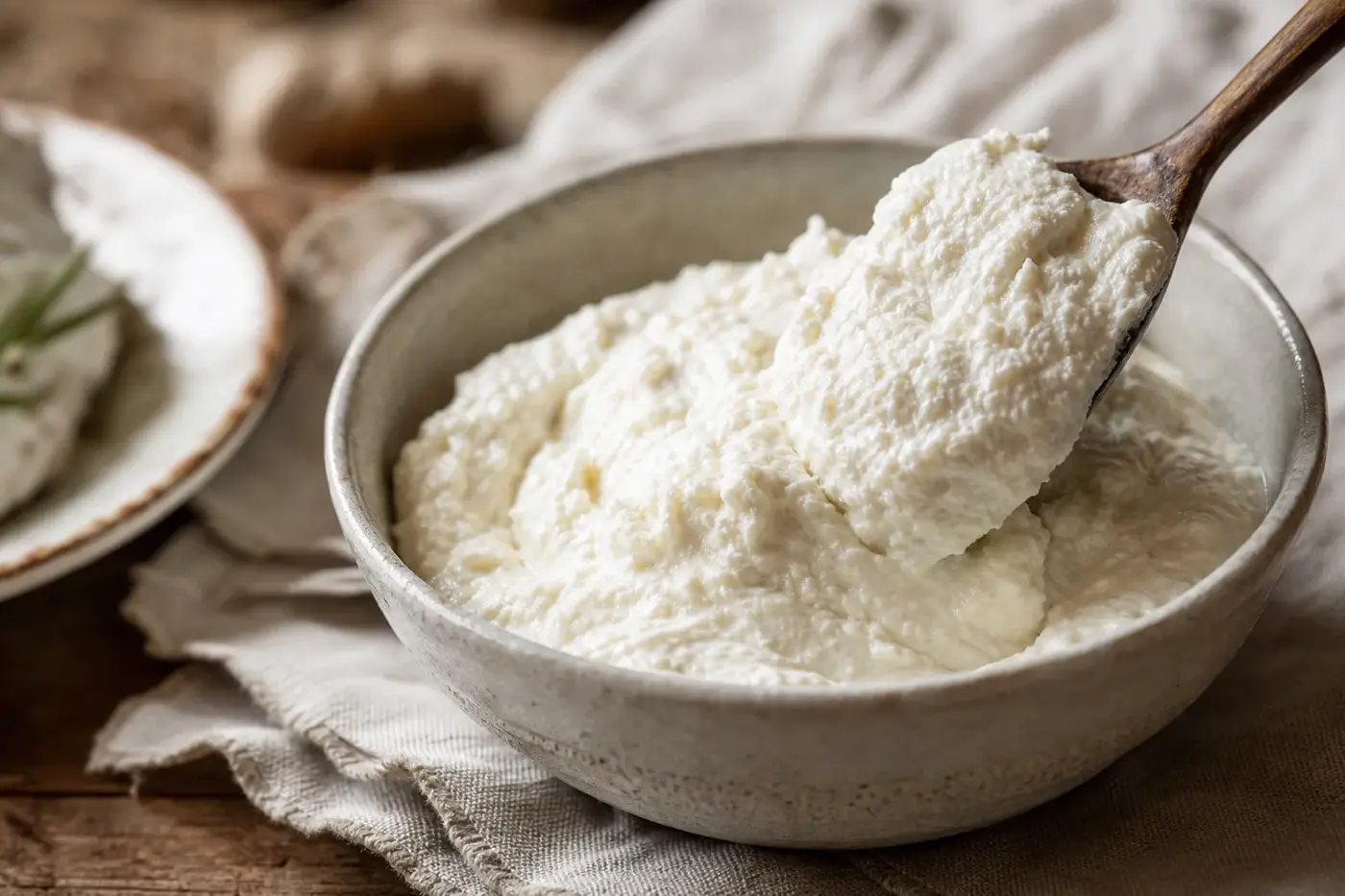
Bryndza
In a mountain dairy, matured sheep’s cheese meets the grinder.
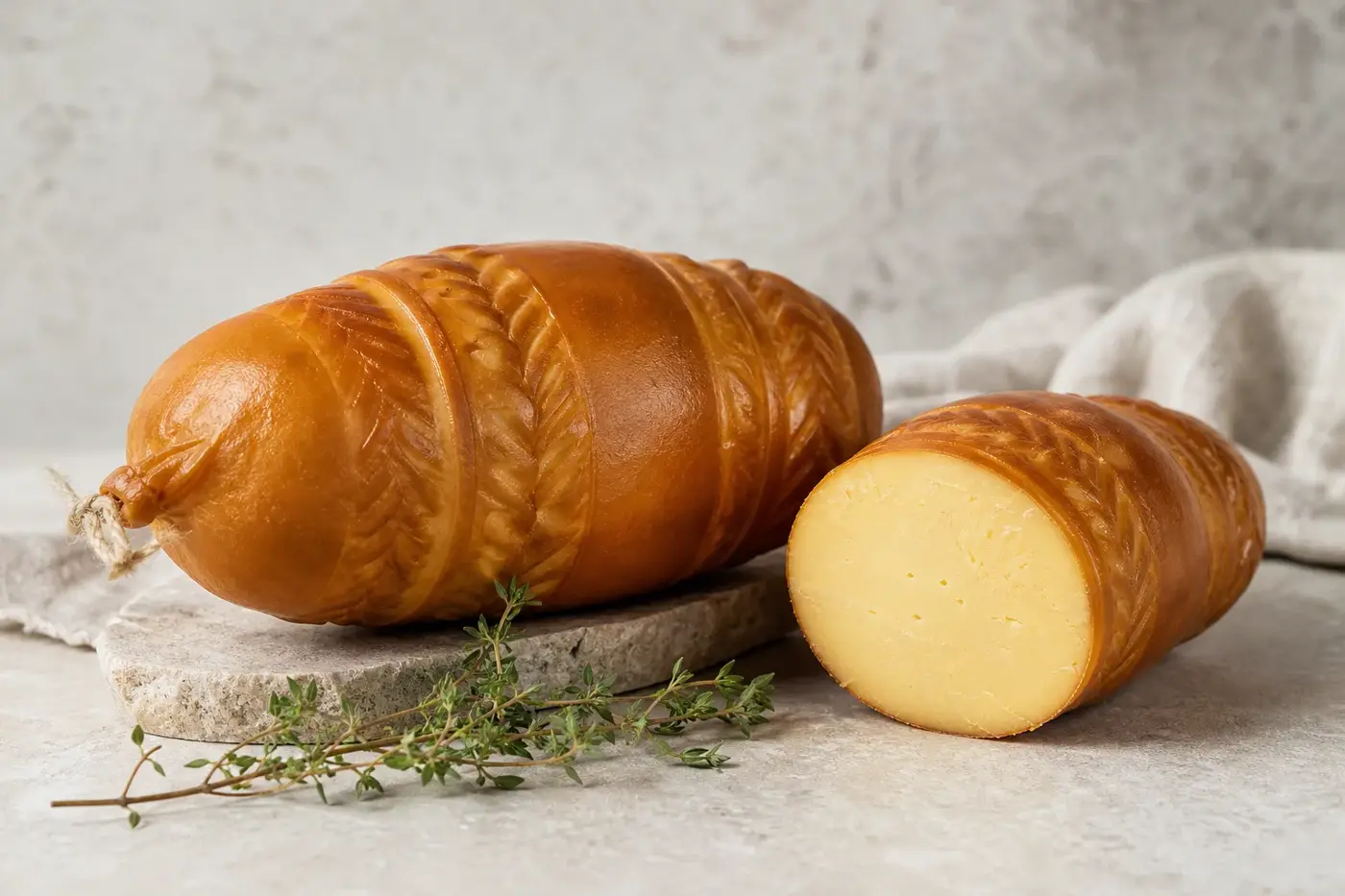
Slovenský Oštiepok
Turn it in your hand: an egg, an oval, perhaps a pine cone.
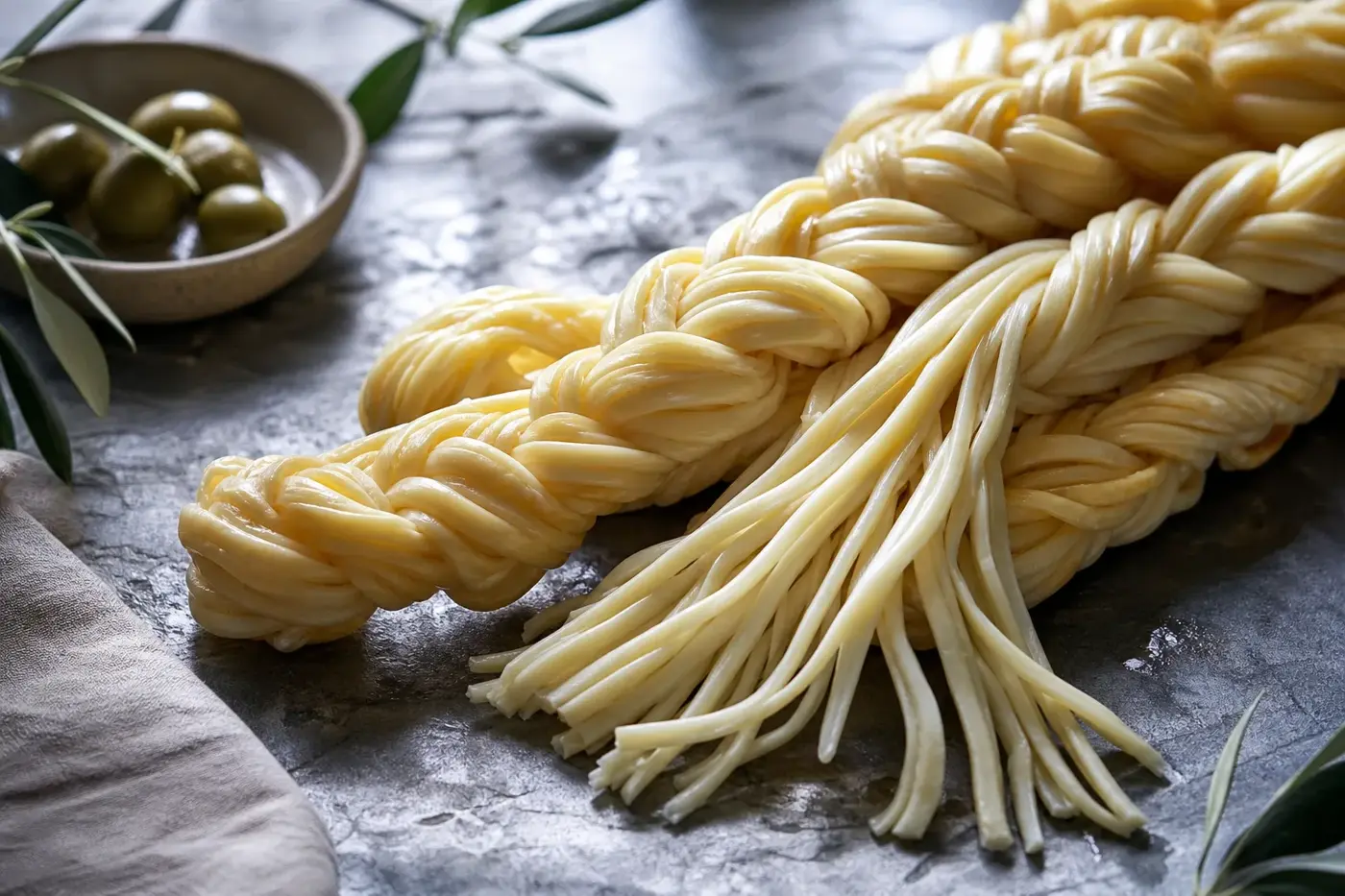
Korbáčik
Loosen the end of a cheese braid and pull.
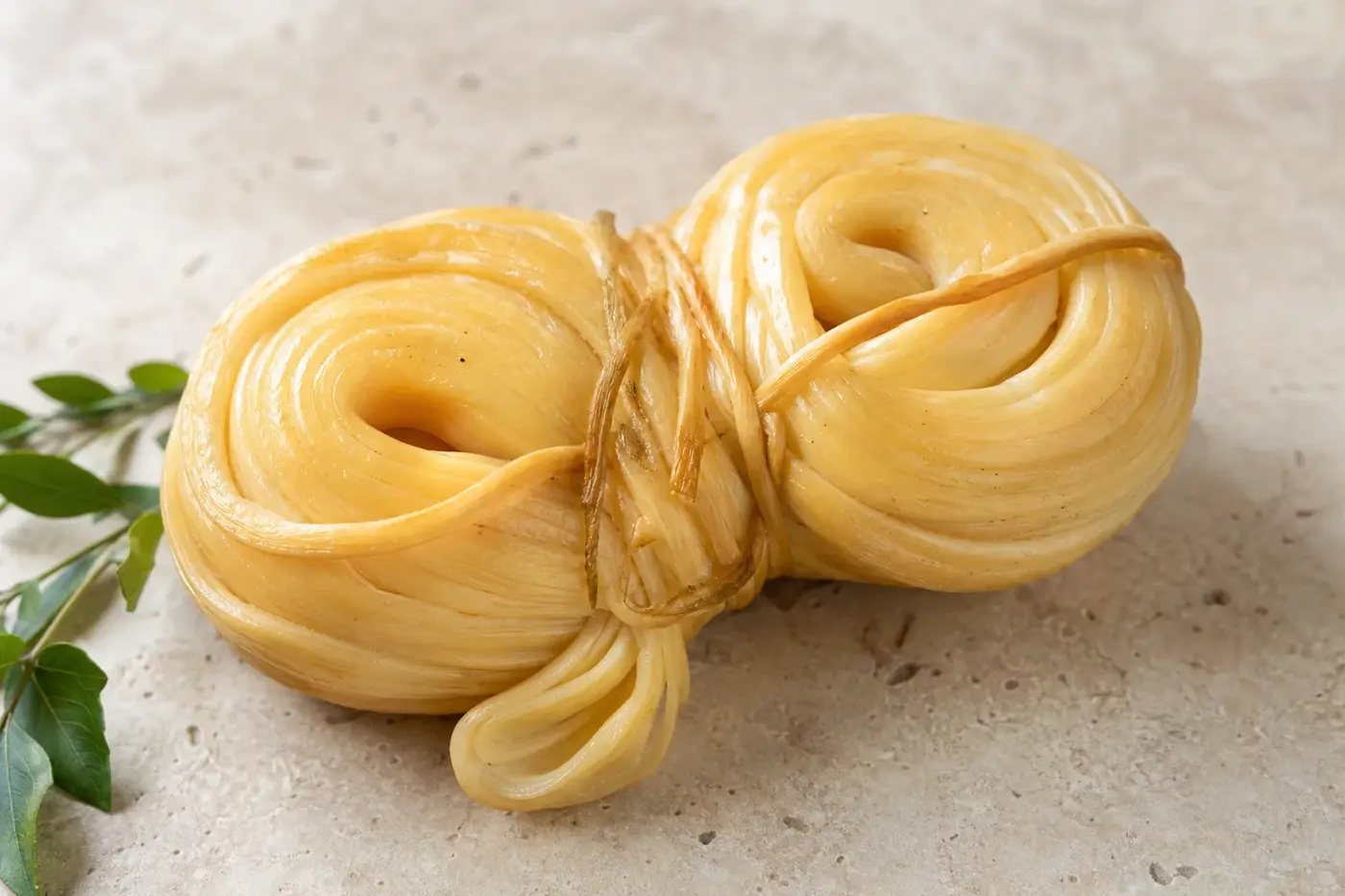
Parenica
Follow that ribbon of cheese as it curls into two connected coils, neatly held together with cheese string.
The editors suggest you read next
French Cheese: The Complete Guide
Picture Normandy’s pastures, then follow the milk towards the Loire’s goat dairies, the Jura’s shared cheesemaking traditions and the sheep country of the Pyrenees.