Turning, Brushing and Washing Rinds
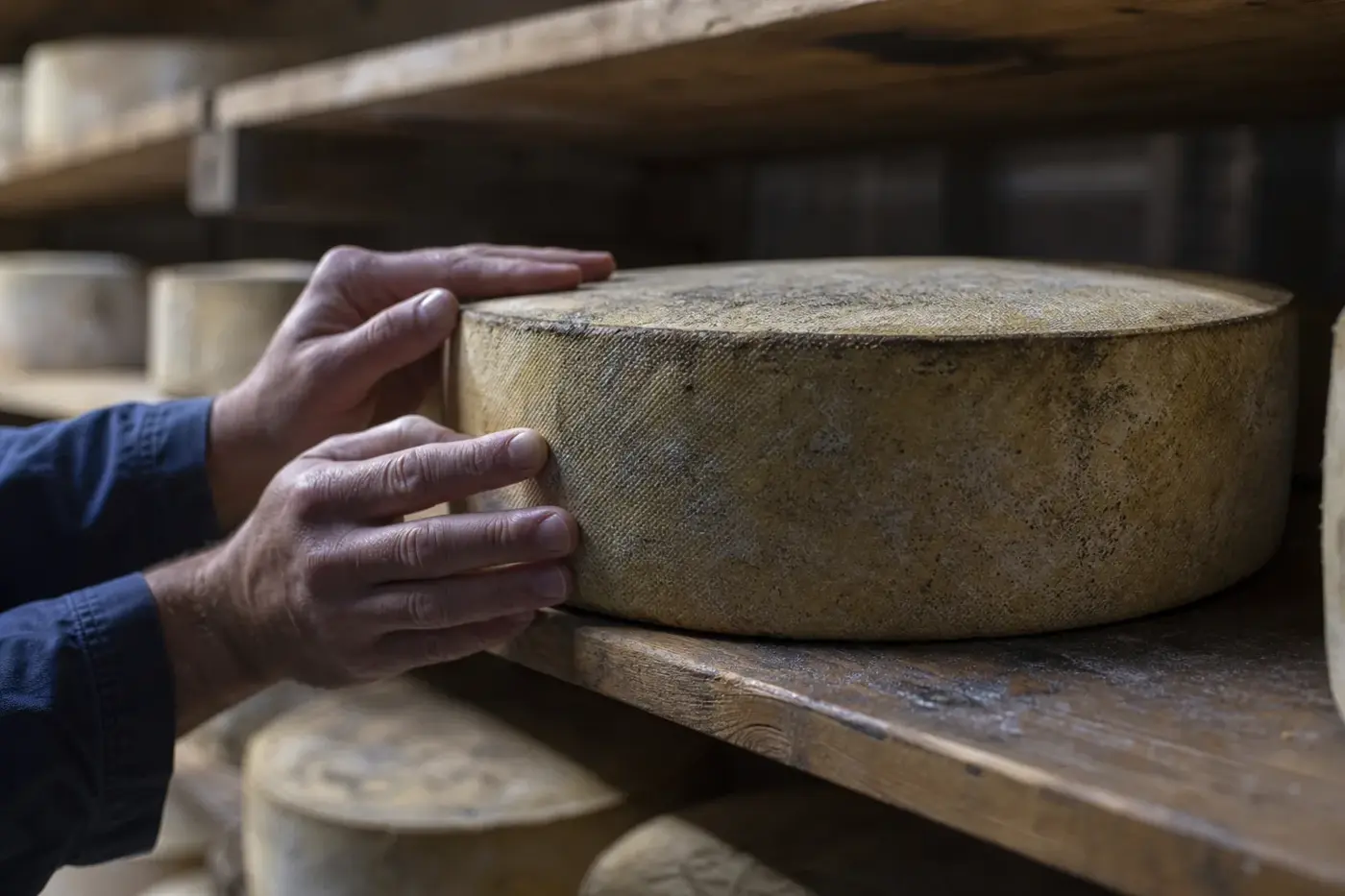
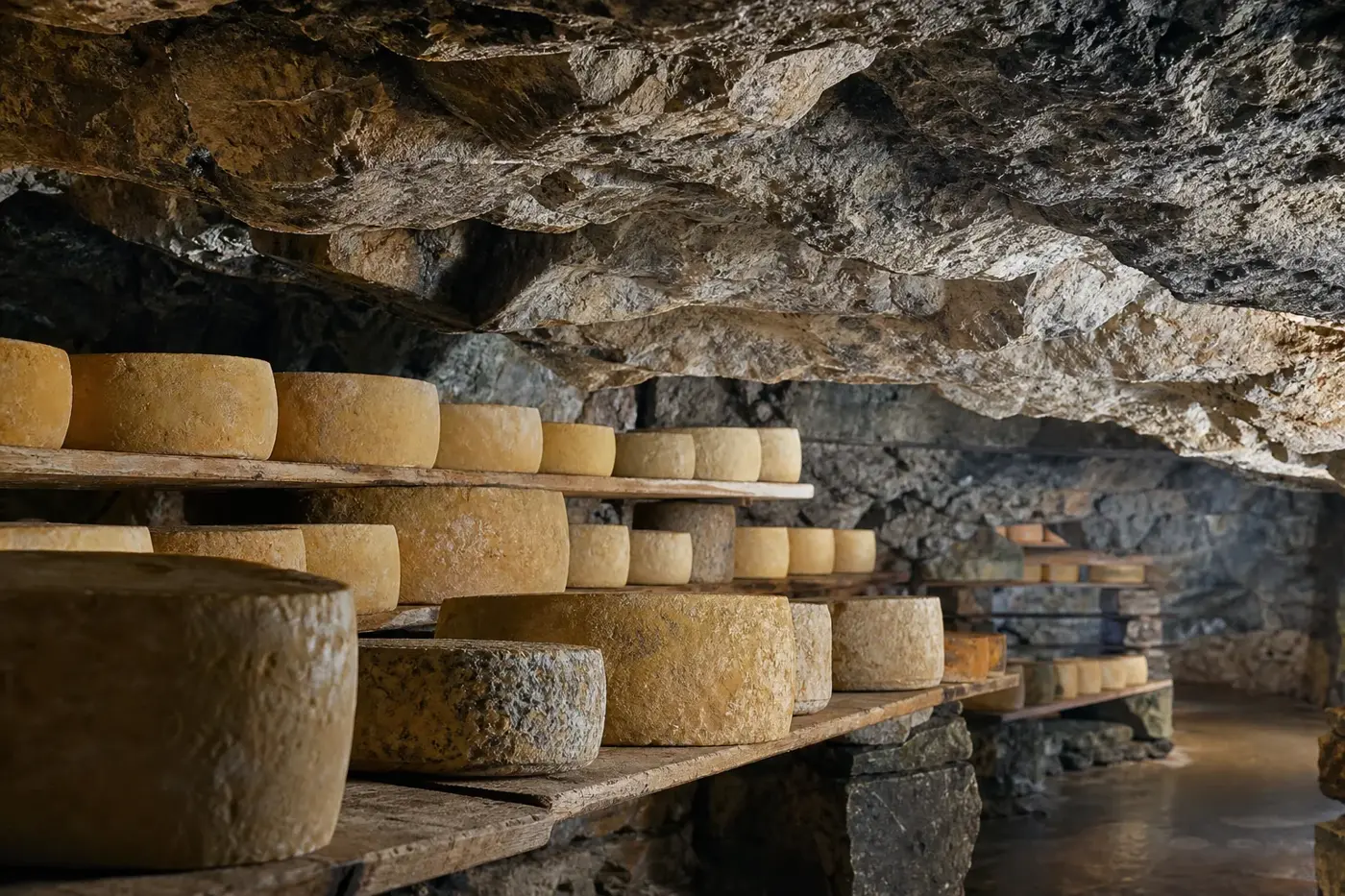
A wheel of Swiss Gruyère turns in the cellar, ready for another rub.
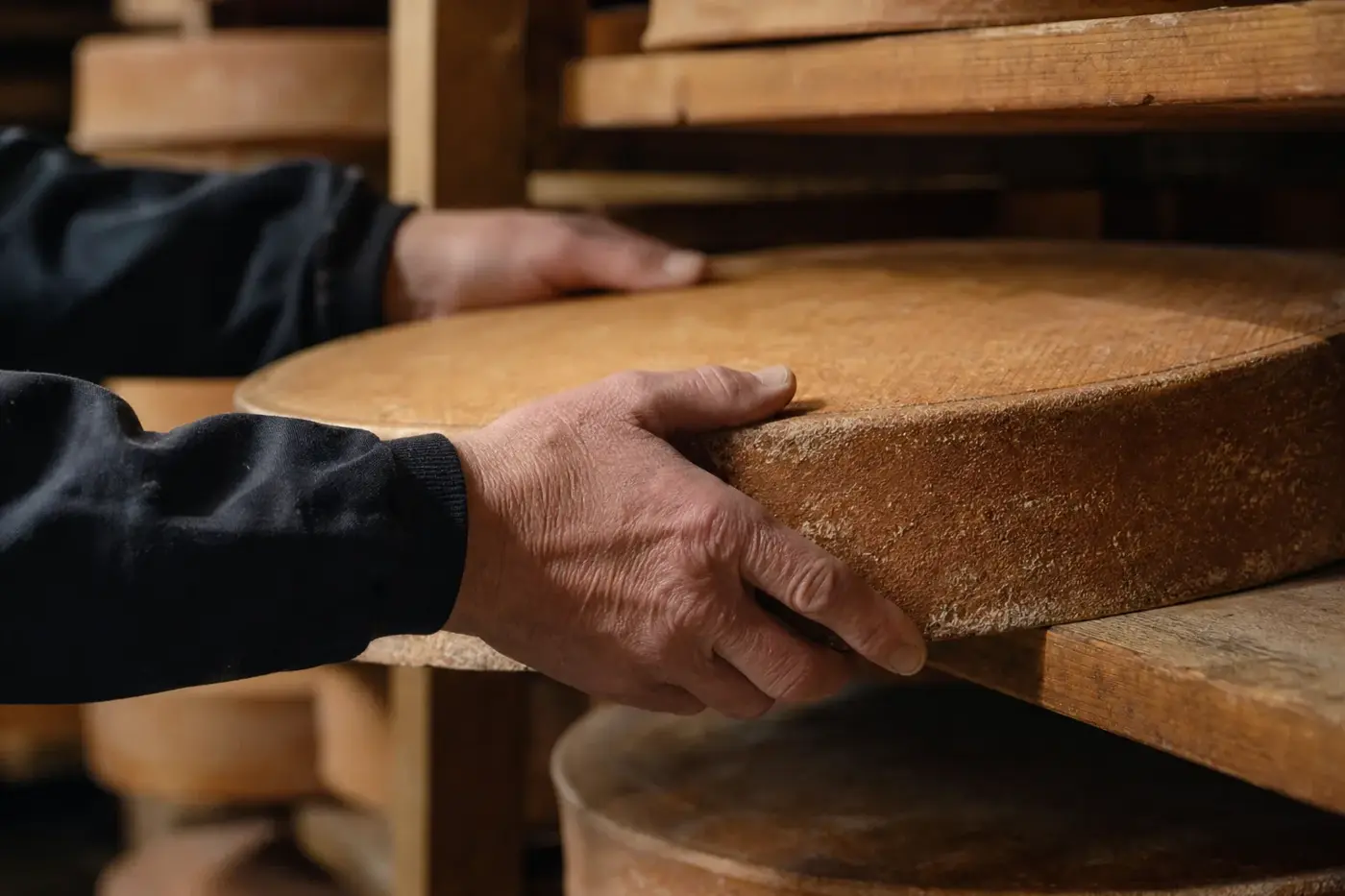
A wheel of Swiss Gruyère turns in the cellar, ready for another rub. At this early stage, the attention comes almost daily. Regular turning and saltwater rubbing carry on through maturation: this firm cheese’s rind takes shape through repeated contact, not benign neglect. [5]
Behind those gestures is an affineur, a specialist in maturing cheese. Each turn, sweep of a brush or application of wash influences how the rind dries and which microbes flourish. You see, smell and taste that work in the cheese’s appearance, texture, aroma and flavour. [1,2,3]
Read the rind before picking up the brush
The rind you want determines the care you give it. A dry surface bearing mould needs different handling from a moist bacterial smear, the microbial film spread across some washed rinds. Temperature, humidity, airflow and the cheese’s composition all influence what grows there. [1,3]
Age changes the job, too. A young rind is still finding its feet; later attention maintains or adjusts the growth already present. You need to consider the cheese and its surroundings together. [1,3]
In a 2018 account, Comté’s industry body describes cellar staff assessing rind moisture and appearance before deciding which wheels need attention. The surface tells them something the calendar alone cannot. A date is useful, but it cannot feel a rind. [4]
This is affinage: the controlled maturation that follows cheesemaking. To follow the wider journey, start with how cheese is made.
Turning: give every side its moment
Turn a cheese and you change which face carries its weight against the support, and which faces the room. That helps it hold an even shape and develop more evenly across its surfaces. It is particularly useful while the cheese is still relatively yielding. [1,2]
Picture those two faces. Underneath, the cheese rests against a board or mat; above, it meets circulating air. Turning breaks prolonged contact, helps reduce sticking and gives a damp underside a chance to dry. [1,2]
This small adjustment helps ripening become more even by making surface conditions less unequal. You are managing contact and exposure, not mixing moisture through the cheese. Airflow, humidity and temperature still need controlling alongside it. [1,2]
Swiss Gruyère shows you the routine in practice. The interprofession’s published production account describes almost daily turning and rubbing in the initial cellar stage. Regular turning and saltwater rubbing follow as maturation continues. [5]
Every turn is also a chance to look closely. In the Comté affinage account, staff feel surfaces, examine rinds and assess wheels before choosing their care. Handling and observation are parts of the same job. [4]
This page summarises published guidance from the official sources it cites. It is not medical advice. Guidance differs between countries and changes over time, so check the current source for where you live, and ask your doctor, midwife, pharmacist or dietitian about your own circumstances.
Brushing: the mould may be staying
A brush need not leave a rind bare. It can lift loose growth, restrain an excessive covering or spread it more evenly, depending on the rind and the affineur’s purpose. Dry brushing a natural rind is a different task from carrying saltwater across a washed surface with bristles. [1,3]
Take clothbound Cheddar. The American Cheese Society’s technical guidance describes gentle brushing to slow mould growth and distribute it more evenly over the bandage. You are tending the covering here, not giving the mould its marching orders. [1]
That care belongs to a particular approach to maturation. It is not a requirement for every Cheddar. The cheese and the intended rind set the terms. [1]
On a brushed natural rind, lifting loose material can help preserve a drier, textured exterior instead of allowing a thick covering to grow unchecked. “Natural” does not mean untouched. A rind can develop naturally with considerable human attention. [1,3]
Brushing and washing can overlap: both may involve rubbing with bristles. To understand the treatment, ask whether liquid is being applied and which surface community the affineur is encouraging. The tool alone cannot tell you.
Washing: much more than a clean surface
A wash during maturation is usually a surface treatment, not the whole cheese’s initial immersion for salting. Gruyère’s production account makes the distinction clear. A saltwater bath follows pressing; rubbing with saltwater continues during ripening. [5]
The wash moistens the rind and spreads material across it. Its salt concentration helps shape the conditions in which microorganisms compete, because organisms differ in their tolerance of salt. Surface moisture changes the concentration they encounter, and salt can become more concentrated as the rind loses water. [3]
So you need to place the washing liquid within the cheese’s whole production method. Where that method permits another liquid, its composition matters alongside the salt, cultures and handling involved. Permission for one cheese does not automatically carry over to another.
Published experiments show why washing is more than cleaning. In a laboratory reconstruction of cheese-rind communities, repeated saltwater washing produced a different community from untreated controls, including lower fungal abundance. This model system combined a washing treatment with its specified salt solution. [3]
The useful principle is simple. A wash selects as well as spreads, changing the conditions for growth rather than merely removing what you can see.
Meet the community on a washed rind
Look at a washed rind and you are looking at a community, not a coating of one bacterium. Research in a working washed-rind cheese operation found diverse bacteria associated with the milk, equipment, washing liquids and maturation environment. Their relative abundance varied between those places. [6]
Brevibacterium linens has an important place in some washed-rind traditions and is used as a ripening culture. But it is only part of the picture. The same study discusses the diversity of Brevibacterium and the contribution members of the genus may make to rind colour. [6]
That familiar name alone cannot tell you which organisms dominate a particular rind. The community is more varied than a single name suggests. [6]
These inhabitants change the chemistry around them. The American Cheese Society describes ripening organisms modifying surface acidity and releasing enzymes that help break down cheese components. Aroma, flavour and texture all feel the consequences, while washing helps maintain the habitat where this activity happens. [1]
The effects can reach beyond the visible skin. The rind is an active boundary between cheese and room, contributing to the character beneath it. Organisms, their interactions and their surroundings work together. [1,3]
Washed or brushed? Look beyond the colour
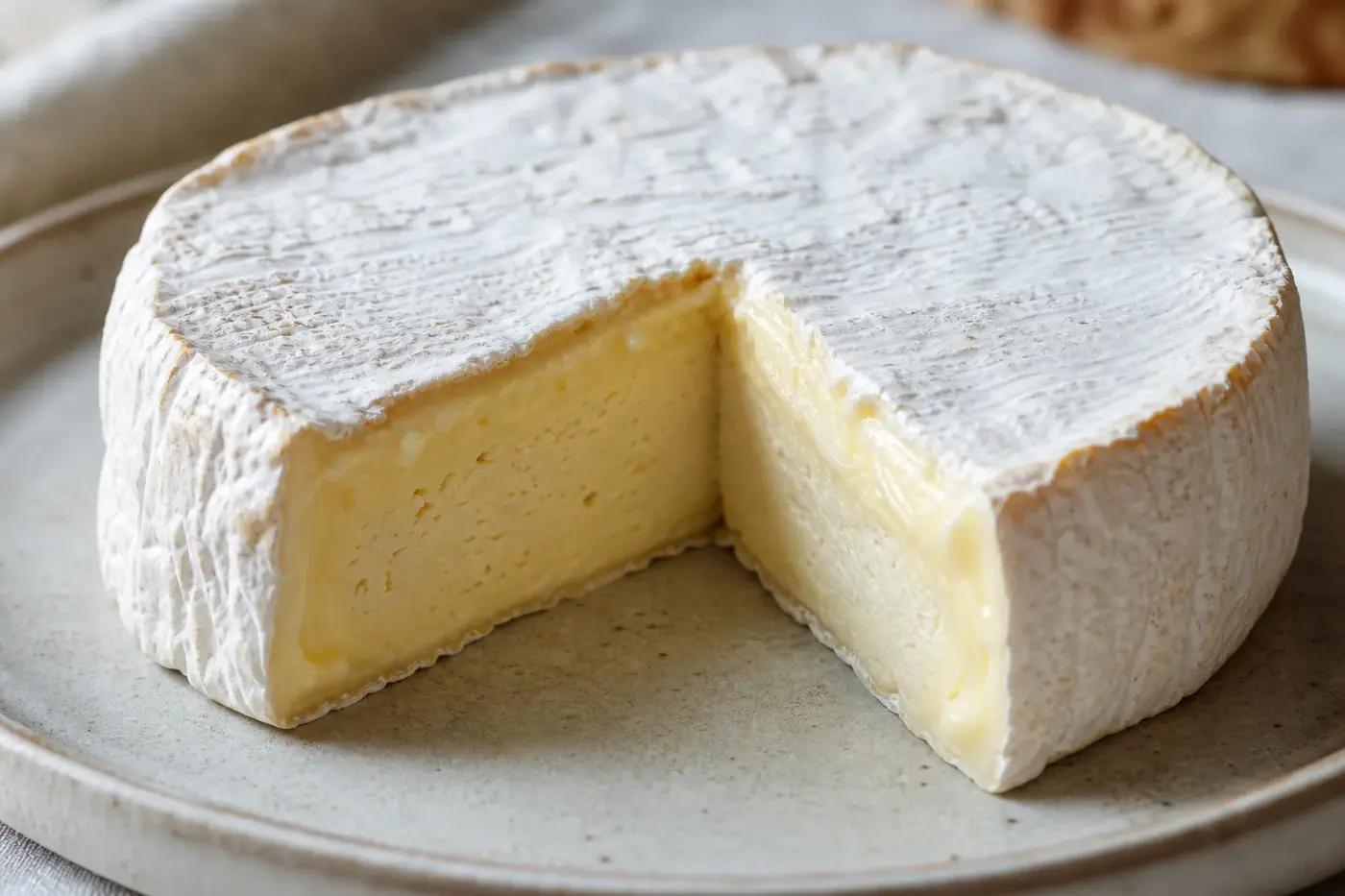
Repeated liquid treatment distinguishes a washed rind from a brushed natural rind, generally managed towards a relatively dry surface with its characteristic growth. The two approaches create different surface environments. Research comparing rind communities nevertheless found substantial variation within the broad categories, as well as differences between them. [3]
You cannot settle the question by colour. Gruyère’s documented saltwater care shows that washing is not reserved for soft cheeses with conspicuously orange, sticky surfaces. For a firmer answer, turn to the cheese’s production account rather than its appearance. [5]
To explore the broader connections between rind, texture and method, see how to tell cheese styles apart.
Three cheeses, three approaches to rind care
These published practices show how turning, brushing and washing fit into particular cheeses’ maturation. Think of them as care in context, not a single schedule you could hand to every maker.
| Cheese or approach | How the rind is cared for | What it shows you |
|---|---|---|
| Swiss Gruyère | Turning and rubbing, including saltwater rubbing during maturation. [5] | Firm cheeses can receive regular washing. |
| Comté | Turning, salting and rubbing chosen after cellar assessments. [4] | A close look guides which wheels need attention. |
| Clothbound Cheddar | Gentle brushing to redistribute and restrain mould on the bandage, as described in technical guidance. [1] | Brushing manages growth without removing it completely. |
Comté’s account also records differences between maturing houses in the time and temperature used at different stages. An established tradition gives them a framework. Individual cellars still make decisions within it. [4]
You can get to know the cheeses themselves in the articles on Comté and Le Gruyère. Here, they show how several kinds of rind care can work together.
Let the cheese set the pace
More handling does not necessarily mean more careful cheesemaking. Frequency responds to development: a surface community getting established may benefit from frequent attention. Treatment can become less frequent as the cheese and its rind change. [5,6]
One study of a washed-rind operation recorded washing every two to three days in an earlier maturation room. In a later room, washing happened every three to five days, using separate salt solutions. Age, room and washing frequency changed together, so these observations describe the combined working system. [6]
The study also found differences in microbial counts on maturation boards and suggested washing schedules could contribute. Recent handling helps explain the condition of both the cheese’s surface and its support. You need to keep the board in the picture, too. [6]
Comté’s 2018 account offers a complementary view: decisions based on daily observations. Together, these records show why an established production routine works best alongside close attention to the cheese actually in the cellar. [4,6]
Good rind care needs good hygiene
The contact that spreads desirable surface organisms can also transfer unwanted ones. European dairy-sector hygiene guidance identifies rind treatment, washing equipment and ripening racks as potential contamination routes. It specifically warns that moving smear from older cheeses to younger ones can transfer contamination too. [7]
That puts hands, brushes, containers, washing liquids and supports within the scope of hygiene controls. The European guide calls for clean hands and equipment kept in good condition. Parts of the maturation system that are difficult to clean need particular attention. [7]
For UK food businesses, official cleaning guidance current in November 2026 says schedules should specify what needs cleaning or disinfection, how often and which products to use. It also calls for regular cleaning of utensils and equipment, and good hand hygiene among staff. This is UK guidance. [8]
You need to consider the whole working system, not just the visible bristles. Documented cleaning, appropriate handling and the dairy’s checks tell you more than a brush that looks clean or a rind that looks familiar. European guidance treats equipment condition, cleaning and monitoring as connected responsibilities. [7,8]
Eating the rind? Start with the instructions
Some rinds are intended to be eaten. Others have treatments or coverings you should remove. European dairy-sector guidance tells producers to establish whether rind treatments are suitable for consumption and to inform consumers when a rind must not be eaten. [7]
In April 2026, the Parmigiano Reggiano consortium described its rind as edible. That advice belongs to this cheese. It is not a ruling on every hard rind. [9]
An edible rind may still be less than pleasant to chew. Whether you enjoy it is a separate question from whether it is intended for consumption. Start with the producer’s instructions for the actual cheese and its treatment.
At home, follow the cheese’s storage directions. For those separate decisions, turn to the guides to storing cheese and mould on cheese.
Questions people ask
Why are cheese wheels turned as they mature?
Turning helps a cheese keep an even shape and develop more evenly across its surfaces. It also breaks prolonged contact with the support, reducing sticking and allowing a damp underside to dry.
What does washing a cheese rind do?
Washing moistens the rind and spreads material across it. The salt and moisture shape the conditions in which microorganisms compete.
Can you tell whether a rind has been washed by its colour?
No. Gruyère is a firm cheese that receives saltwater care, showing that washing is not limited to soft cheeses with orange, sticky surfaces. The page recommends checking the cheese’s production account rather than relying on appearance.
Can you eat cheese rind?
Some rinds are intended to be eaten, while others have treatments or coverings that should be removed. European dairy sector guidance says producers should inform consumers when a rind must not be eaten, so check the instructions for the actual cheese. In April 2026, the Parmigiano Reggiano consortium described its own rind as edible.
How do cheesemakers decide which rinds need attention?
In a 2018 account, Comté’s industry body described cellar staff assessing rind moisture and appearance before deciding which wheels needed care. Staff also feel surfaces and examine rinds when choosing how to treat them.
Sources
- American Cheese Society, Best Practices Guide for Cheesemakers, 2025. Sections on ageing, bandaging, brushing and surface ripening. PDF.
- Tetra Pak, Dairy Processing Handbook, chapter 16, “Cheese”, online edition, publication date not specified. Technical background on cheese handling, maturation and rind treatment. Chapter.
- Cell, “Cheese rind communities provide tractable systems for in situ and in vitro studies of microbial diversity”, volume 158, issue 2, 2014, pages 422 to 433. Rind survey and laboratory community experiments. Full text.
- Comité Interprofessionnel de Gestion du Comté, “L’affinage donne au Comté toute sa noblesse de goût”, March 2018. Industry account of cellar observation and care. Article.
- Interprofession du Gruyère, Le Gruyère Switzerland AOP, English production brochure, 2014 file edition. Stages 5 and 6, salting, cellaring and maturation. PDF.
- Frontiers in Microbiology, “Tracking the microbial communities from the farm to the processing facility of a washed-rind cheese operation”, volume 15, article 1404795, 2024. Facility sampling, washing schedules and microbial community analysis. Full text.
- Farmhouse and Artisan Cheese & Dairy Producers European Network, European Guide for Good Hygiene Practices in the production of artisanal cheese and dairy products, revised 20 December 2016. Rind-treatment and washing controls, including pages 62 and 63. Industry guidance hosted by the European Commission. PDF.
- GOV.UK, Food hygiene for businesses: Cleaning, current online guidance, checked November 2026. Guidance.
- Consorzio del Formaggio Parmigiano-Reggiano, Guidelines for retail outlets and catering, third edition, April 2026. “Can you eat the rind?” PDF.
This desk-researched article brings together published maturation practices, primary microbial research, dairy-sector hygiene guidance and official UK cleaning guidance.
Last checked: November 2026
Last checked November 2026.
The editors suggest you read next
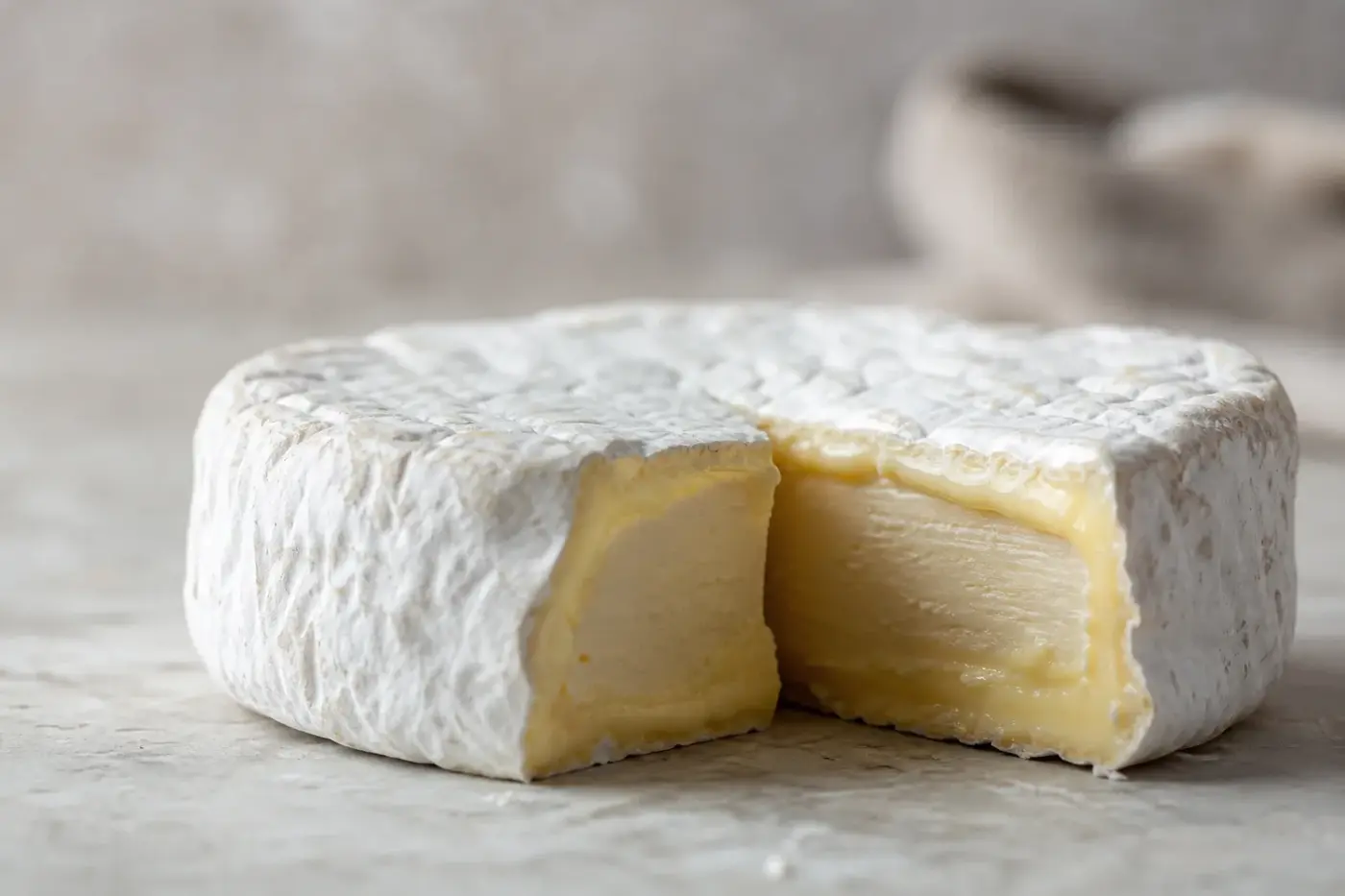
What Happens as Cheese Ripens?
Your knife slips through the rind and finds a supple band, beginning to flow around a still firm centre.